I still remember walking through my first construction site and asking the foreman, What Is Rebar, and why every slab needed it.
That question stuck with me, and years of working around builders and engineers taught me the answer in detail.
In this guide, I will walk you through what rebar is, what it is made of, the different types you will find on a job site, how it is manufactured, and the benefits it brings to concrete.
By the end, you will know exactly which rebar fits your project and feel confident talking about it with any contractor.
What Is Rebar and What Is Rebar Used For?
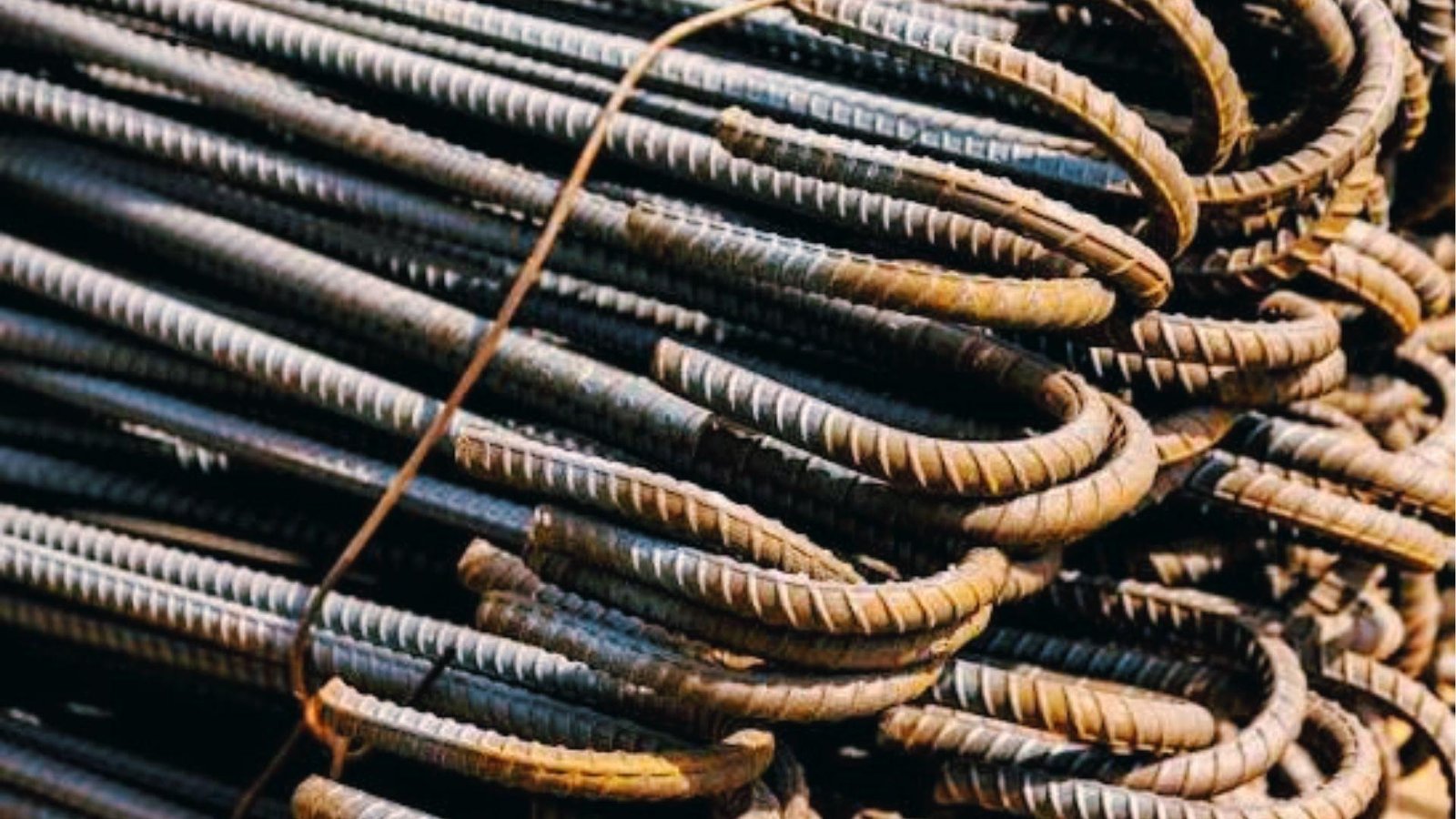
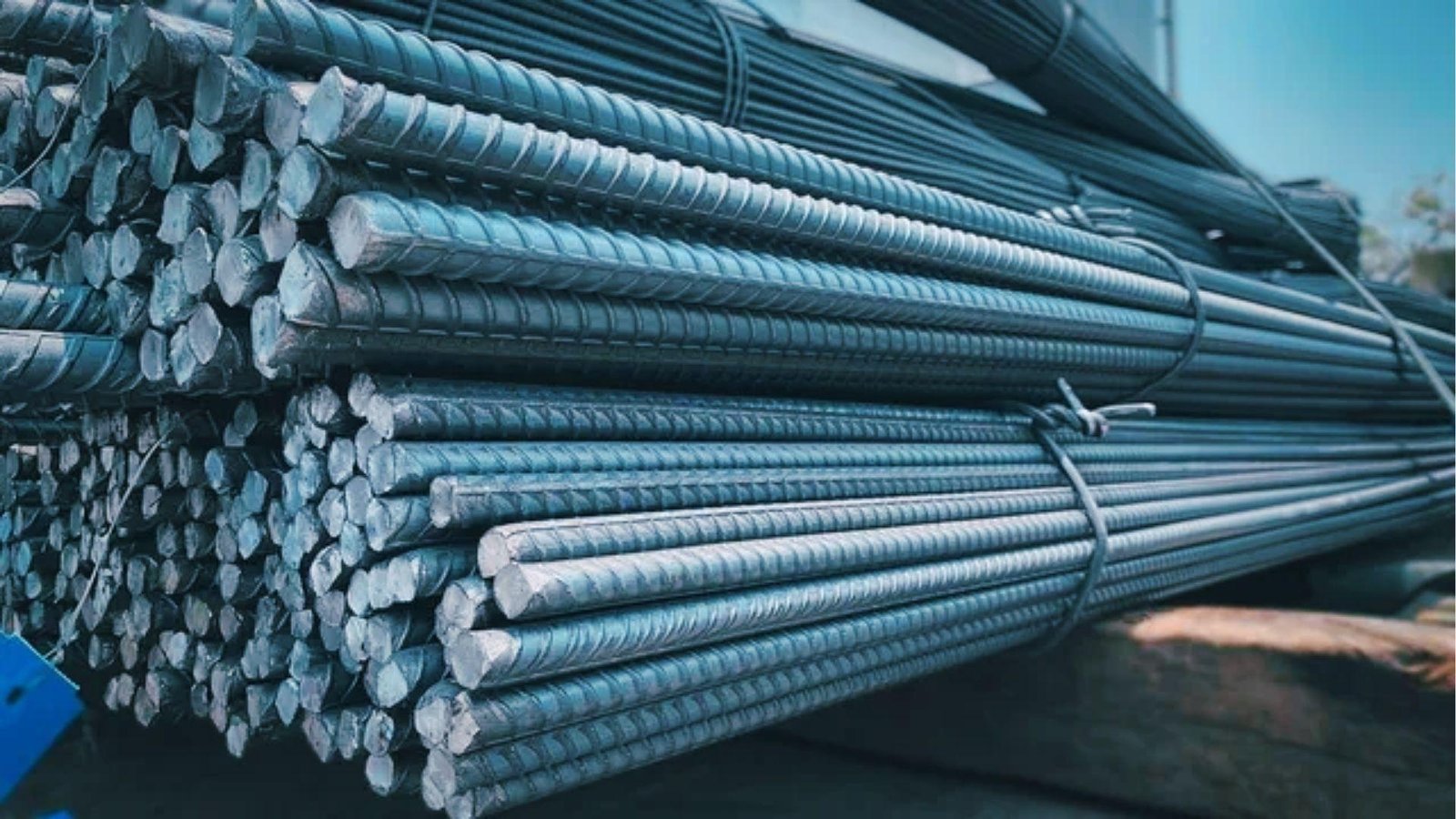
Rebar, short for reinforcing bar, is a steel rod placed inside concrete to give it strength against pulling and bending forces.
Concrete handles pressure well, but it cracks easily under tension, so rebar steps in to hold it together. In construction, rebar acts like a frame inside concrete structures.
Builders set it inside forms before pouring concrete, so the finished slab, wall, or column has steel running through it for added support.
Concrete is strong when pushed together but weak when pulled apart. Without reinforcement, it cracks under stress, shifts with weather changes, or fails under heavy loads.
You will find rebar in foundations, driveways, bridges, retaining walls, and high rise buildings, anywhere concrete needs to carry weight or resist movement.
What Is Rebar Made Of?
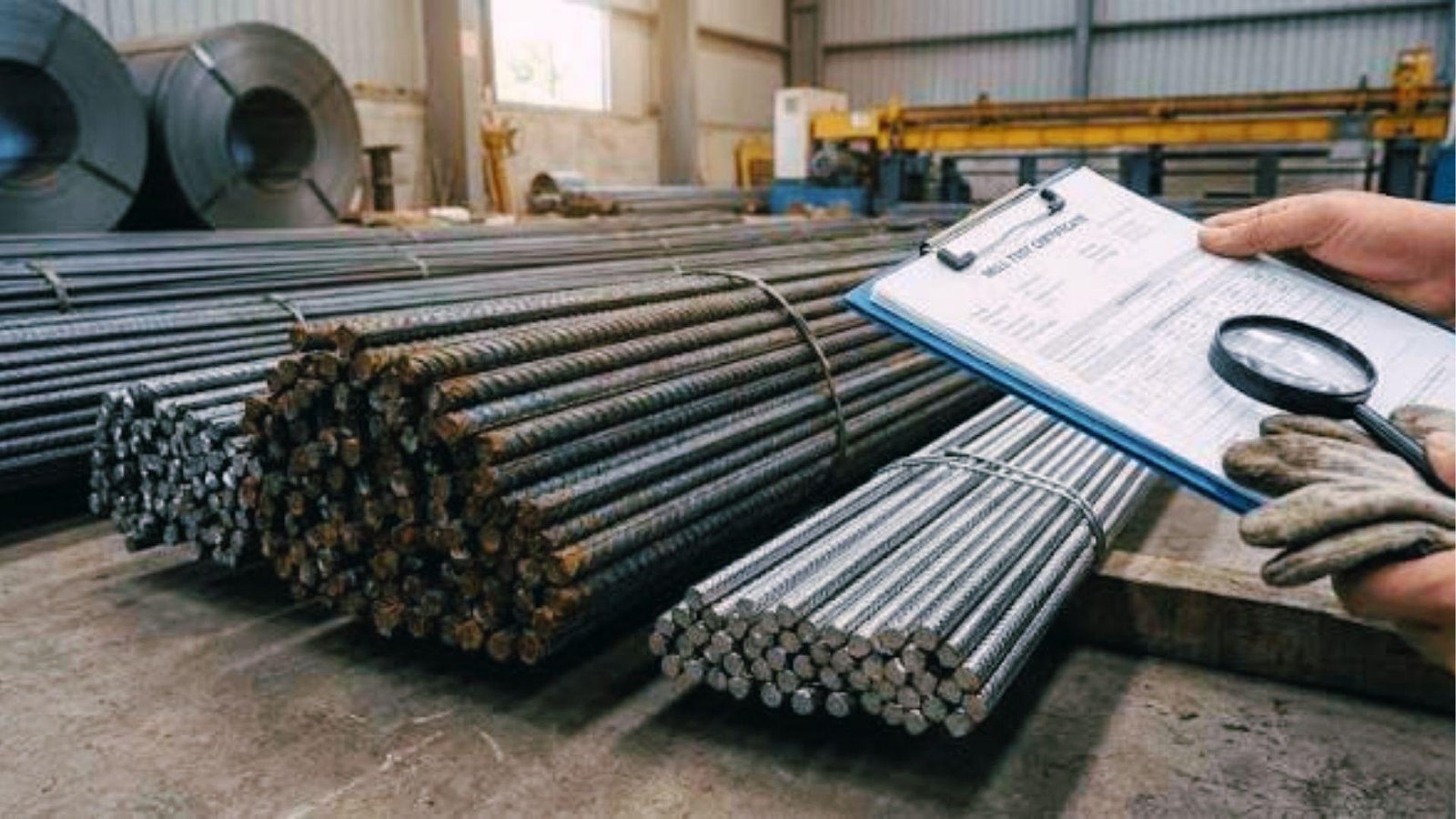
Let us look at the materials used to make rebar and how they affect performance.
Carbon Steel Rebar
Carbon steel rebar is the most common type used in construction today.
It is affordable, strong, and simple to work with on most job sites.
This makes it the standard pick for residential and commercial projects alike.
Stainless Steel Rebar
Stainless steel rebar resists rust and corrosion far better than carbon steel.
It costs more upfront, but it holds up well over many years.
Builders often choose it for wet, salty, or harsh coastal environments.
Alloy Steel Rebar
Alloy steel rebar blends in other metals, like chromium or manganese.
This mix boosts strength and helps the steel resist wear over time.
Projects that need extra durability often turn to this rebar type.
Types of Rebar and Their Applications
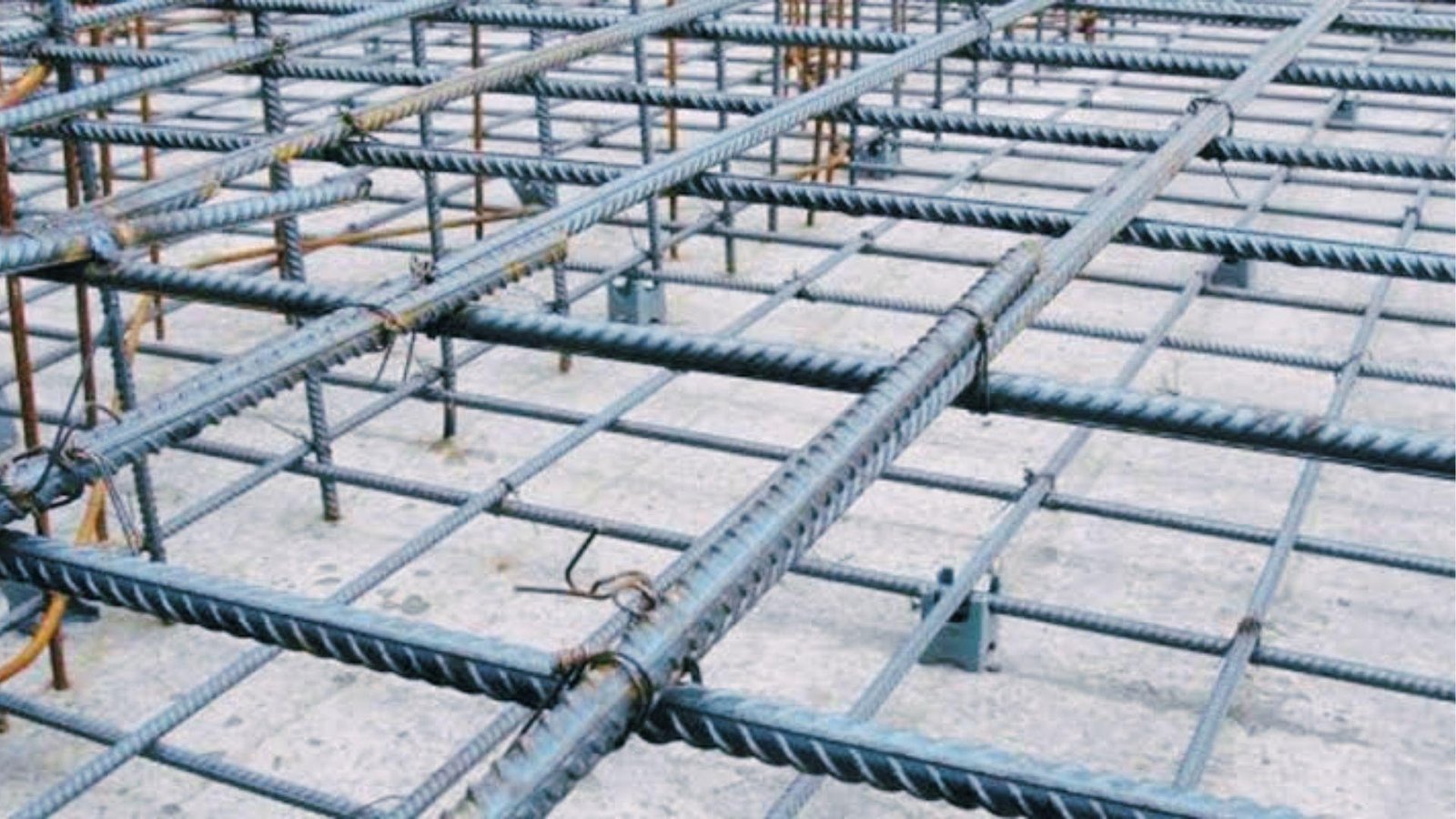
Here are the main rebar types builders choose from and where each one works best.
Deformed Rebar
Deformed rebar has ridges or bumps along its surface. These ridges help it grip concrete tightly, which stops slipping.
This keeps the structure stable under stress over time.
Plain Rebar
The plain rebar has a smooth surface without ridges. It is used less often in structural work.
It fits well in projects like dowel bars where sliding is needed.
Epoxy-Coated Rebar
Epoxy coated rebar has a green protective layer. This layer blocks moisture and salt from reaching the steel.
It is common in bridges, parking structures, and roads exposed to deicing salt.
Stainless Steel Rebar
Stainless steel rebar resists corrosion better than most other types. It gets picked when long term durability matters more than upfront cost.
This makes it a strong fit for marine construction or chemical plants.
Fiberglass (FRP) Rebar
Fiberglass rebar, also called FRP, is non metallic and never rusts. It works well in places where corrosion is a serious concern.
Seawalls and chemical plants often rely on this type of rebar.
How Rebar Is Manufactured
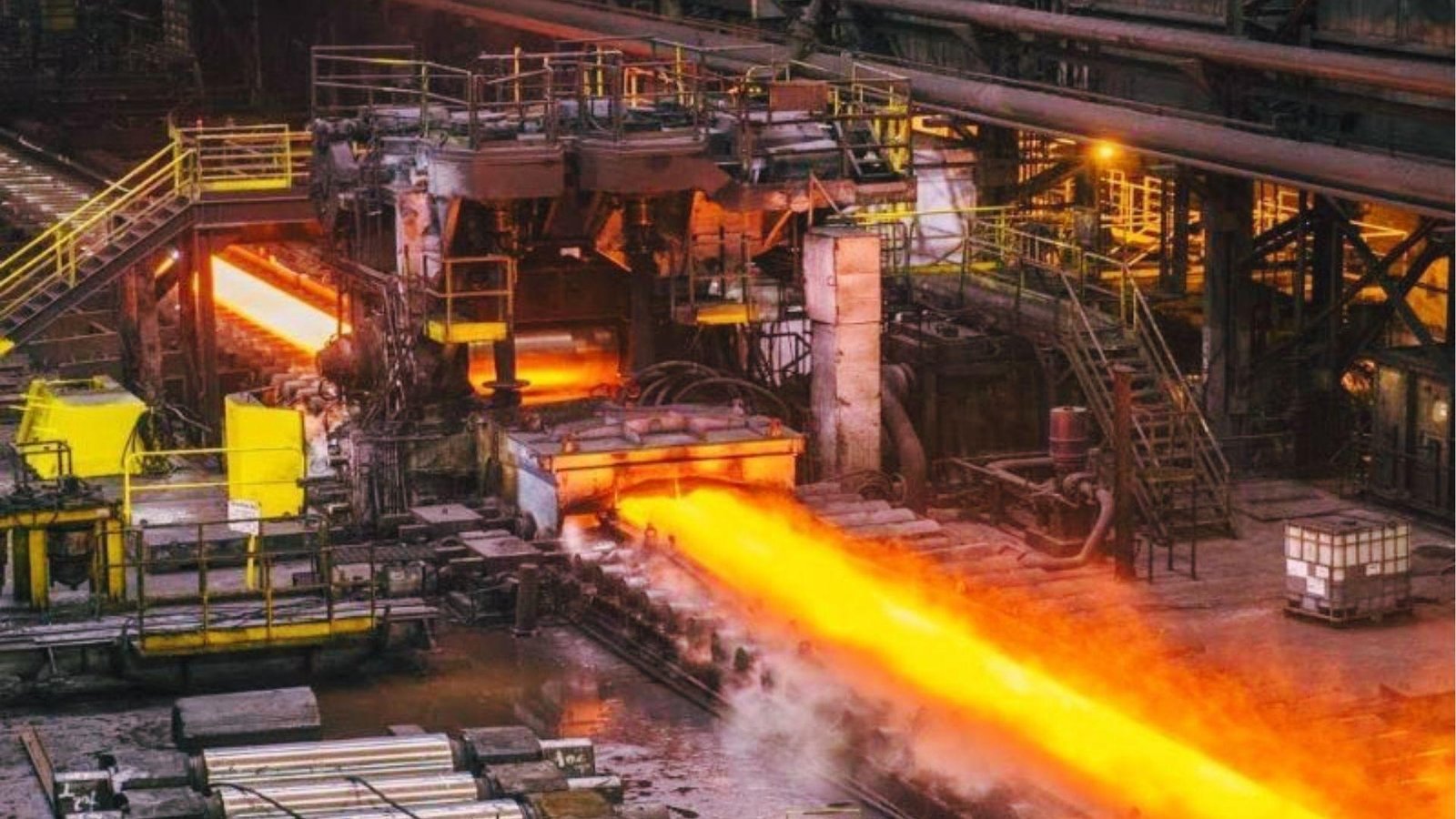
Here is a simple look at how raw steel becomes the rebar used on job sites.
From Recycled Steel to Reinforcing Bars
Most rebar starts as recycled scrap steel, melted down in a furnace. This process saves raw materials and cuts down on waste.
It makes rebar one of the more eco-friendly building materials available today.
Rolling and Shaping the Steel
The melted steel is poured into molds to form rough bars. These bars then pass through rollers that stretch and shape them into long lengths.
Each pass through the rollers makes the steel thinner and longer.
Adding Ribs and Surface Deformations
While the steel is still hot, it passes through grooved rollers.
These rollers press ridges into the surface of the bar. These ridges give the finished bar its grip inside concrete.
Cutting, Cooling, and Finishing
Once shaped, the bars are cooled down in a controlled process. They are then cut to standard lengths and checked for quality.
Some bars get an extra coating, like epoxy, before shipping to job sites.
Benefits of Rebar in Concrete Construction
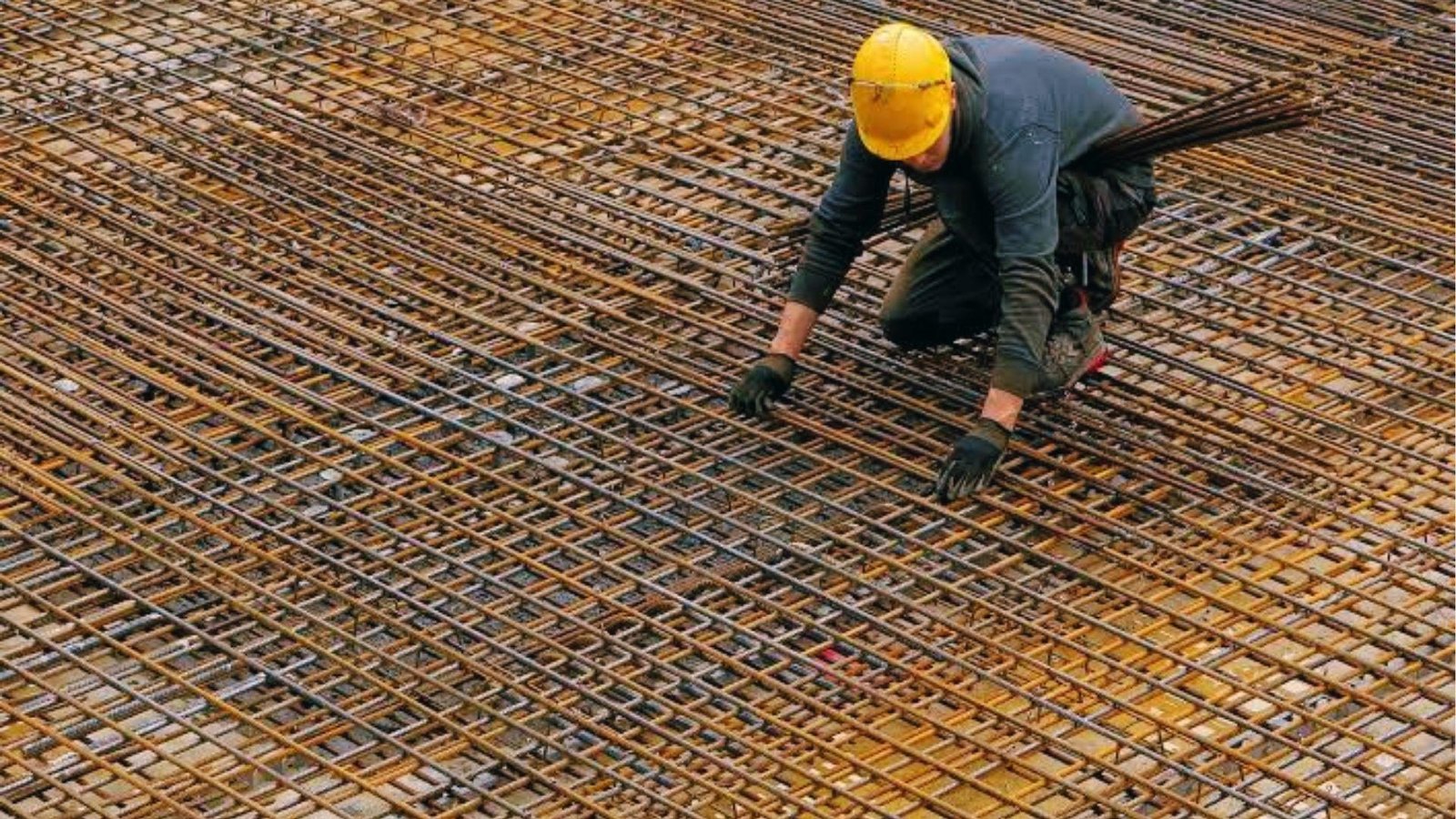
Here is why rebar makes such a big difference in how concrete performs over time.
Improved Tensile Strength
Rebar gives concrete the pulling strength it cannot manage alone. Concrete is strong under pressure but weak when stretched or bent.
Rebar lets structures handle these forces without breaking apart.
Better Structural Stability
With rebar inside, concrete structures hold their shape better under load. This keeps floors, walls, and beams steady over time.
Even heavy weight pressing down does not throw the structure off balance.
Improved Durability and Crack Resistance
Rebar helps spread stress evenly through concrete. This stops small cracks from growing into bigger structural problems.
It keeps buildings and roads safer for a longer period.
Longer Lifespan for Concrete Structures
Structures reinforced with rebar tend to last decades longer than plain concrete. Less cracking means fewer repairs down the line.
Better strength also means lower costs over the life of the structure.
Tips for Choosing the Right Rebar
Keep these points in mind before picking rebar for your next project.
- Match the rebar grade to the load and stress your project will face.
- Pick stainless steel, epoxy coated, or fiberglass rebar for wet or salty conditions.
- Use deformed rebar for structural strength and plain rebar for sliding joints.
- Always check for proper grade certification before accepting a bulk order.
- Confirm the rebar size and spacing match your project's engineering plan.
Conclusion
Now you know the answer to What Is Rebar and why it matters so much in construction.
I have spent time on job sites watching rebar go from a stack of plain bars to the hidden strength inside walls and floors, and it never stops feeling important.
If you are planning a project, take a moment to think about which rebar fits your needs best.
Drop a comment below and tell me about your own experience with rebar. Share this post with anyone planning a build, and check out our other construction guides for more practical tips.
Frequently Asked Questions
What Is Rebar Made Of?
Rebar is mainly made of carbon steel, though stainless steel, alloy steel, and fiberglass versions exist too. The material depends on cost, strength needs, and environment.
What Is Rebar Made Out Of?
It comes from steel, often recycled scrap melted down and rolled into bars. Coated versions add a layer like epoxy or zinc for protection.
What Is Rebar Used For?
Rebar reinforces concrete in foundations, walls, bridges, and roads. It gives concrete the strength to resist cracking and bending under pressure.
Is Rebar Always Made of Steel?
No, most rebar is steel, but fiberglass rebar offers a non metallic option. It resists rust completely and suits projects near saltwater or chemicals.
Can Rebar Be Recycled?
Yes, rebar is highly recyclable. Most new rebar actually starts as recycled scrap steel, making it a fairly sustainable building material.