Construction sites don't get built on shaky ground, literally. Before a single wall goes up, the earth beneath it needs proper digging, grading, and prepping.
If you're planning a project or just want to understand what happens before construction starts, this guide breaks it down step by step.
We'll cover the full process: planning, clearing, digging, grading, utility installation, and final site prep.
You'll also learn which equipment gets used, the safety steps that matter most, common mistakes to avoid, and what it typically costs.
We've worked with site planning content for years, and we know excavation can feel confusing if you've never been through it.
This guide keeps things simple and practical, so you walk away with a clear picture of what to expect, no matter the size of your project.
What Does It Mean to Excavate a Construction Site?
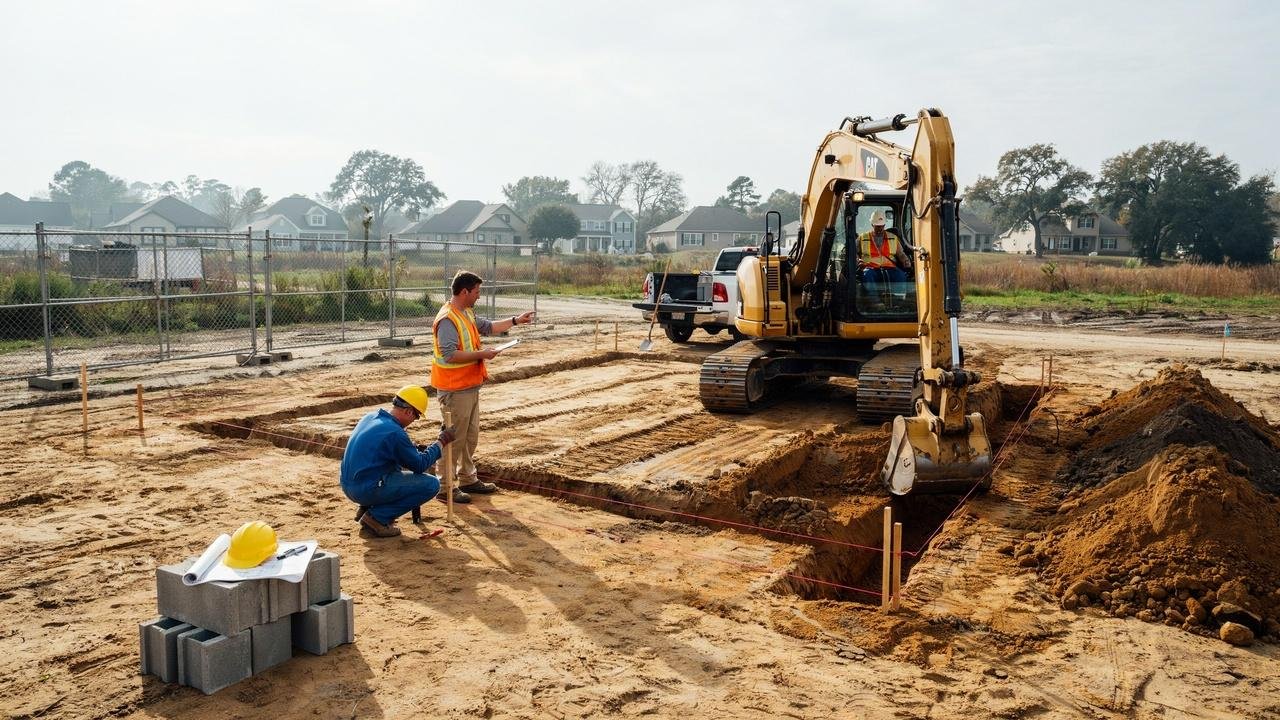
Breaking down what excavation actually involves before work begins.
Excavation means digging, moving, or removing earth to prepare land for construction. It's one of the first steps in any building project.
Workers use it to create space for foundations, basements, utility lines, and roads.
The process isn't just about digging a hole. It includes surveying the land, testing the soil, and planning depth and grading. Skipping these steps can cause foundation problems later.
Excavation also involves safety planning. Crews check for underground utilities, mark boundaries, and follow local building codes.
Done right, it sets the stage for a stable, lasting structure.
Step 1: Assess and Plan the Construction Site
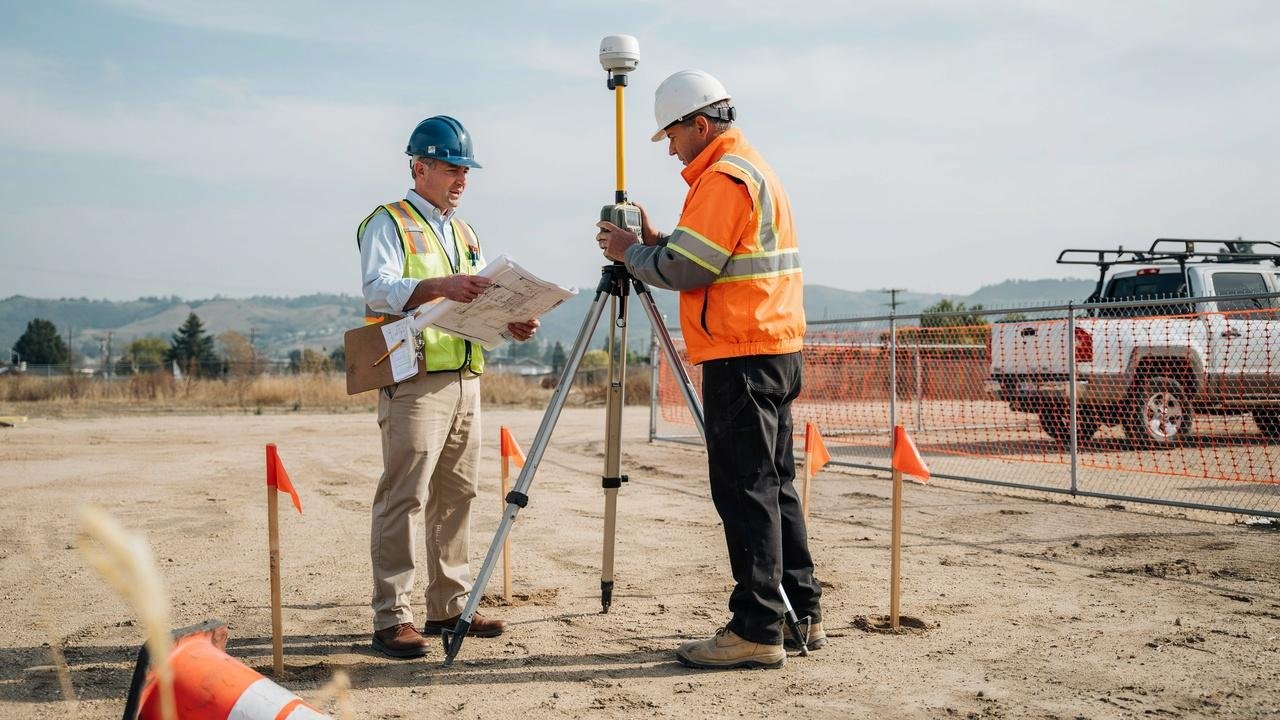
Laying the groundwork before any digging starts.
Good excavation starts with planning, not digging.
Conduct a Site Survey
A land surveyor maps out the property boundaries, elevation points, and existing features. This data guides every decision that follows.
Analyze Soil Conditions
Soil testing tells you what you're working with. Sandy soil, clay, and rock all behave differently during digging and affect equipment choice.
Identify Underground Utilities
Before any digging, crews call utility companies to mark gas, water, and electrical lines. This step prevents dangerous accidents and costly repairs.
Obtain Required Permits
Local governments require permits for excavation work. Rules vary by location, so checking with your city or county office early saves time.
Develop an Excavation Plan
This plan outlines depth, grading, drainage, and equipment needs. It's the roadmap the entire crew follows during the project.
Step 2: Clear and Prepare the Site
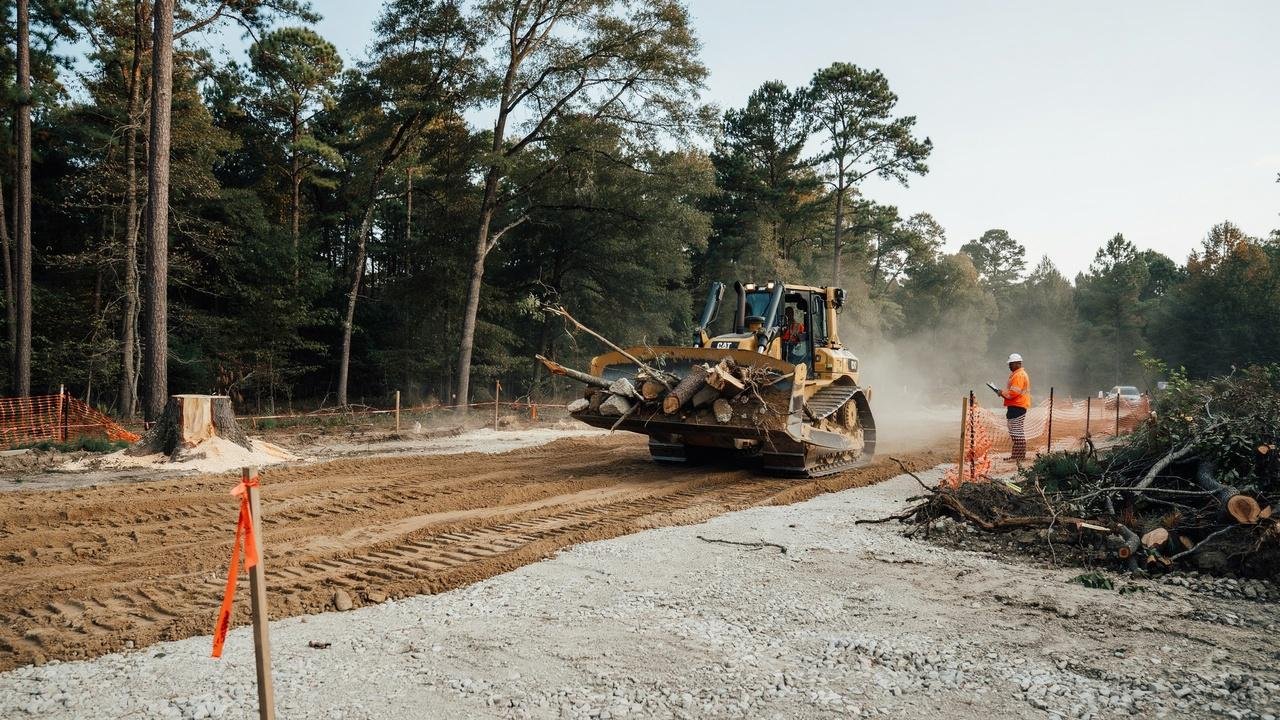
Getting the land ready before the real digging begins.
Clearing comes before cutting into the earth.
Remove Trees, Vegetation, and Debris
Crews clear plants, roots, and loose material first. Leftover roots can interfere with grading and foundation work later.
Demolish Existing Structures (If Needed)
Old buildings, sheds, or pavement get torn down and hauled away. This step needs its own safety plan and disposal process.
Install Erosion and Sediment Control Measures
Silt fences and barriers keep loose soil from washing into nearby streets or waterways during the project.
Step 3: Excavate and Grade the Site
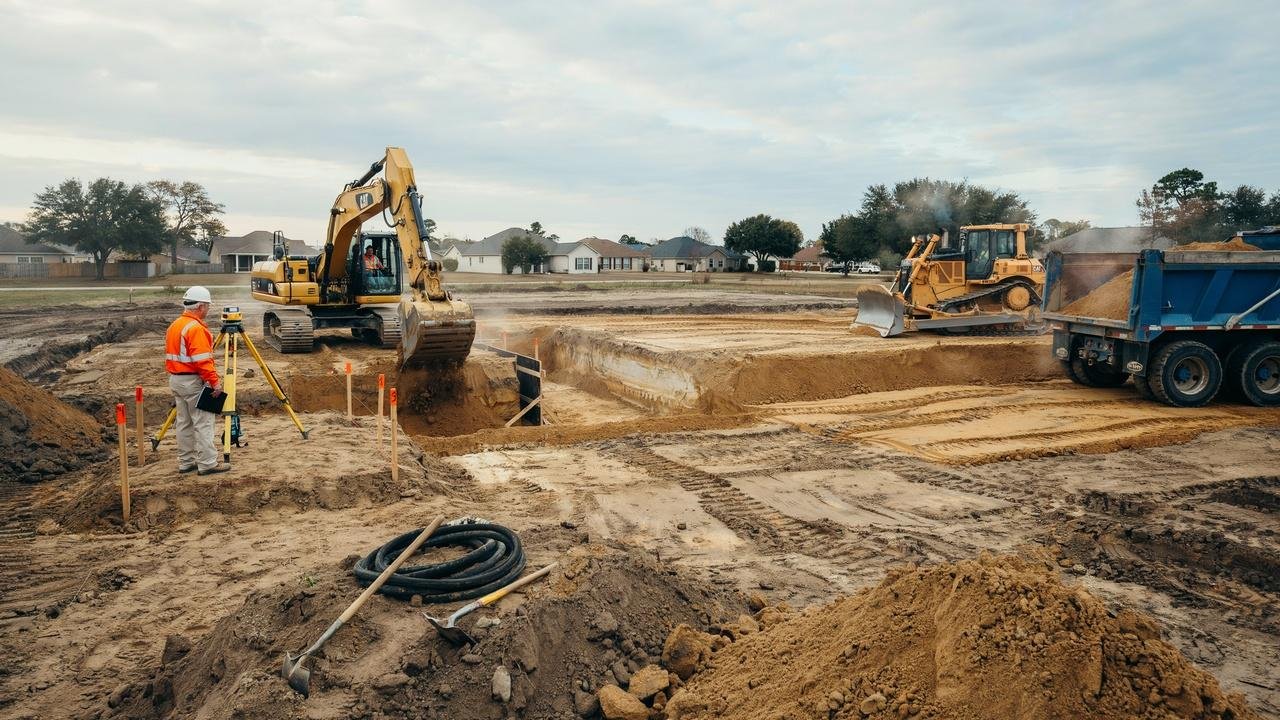
The core digging and shaping work happens here.
This is where the actual digging takes shape.
Strip Topsoil
Crews remove the top layer of soil first. It's often saved and reused for landscaping once construction wraps up.
Perform Bulk Excavation
Heavy machinery digs out large volumes of earth to reach the planned depth for foundations or basements.
Remove Rocks and Other Obstructions
Boulders and buried debris get pulled out. Large rocks sometimes need blasting or special equipment to break apart.
Grade the Site to Design Levels
Grading shapes the land to match the building plan. Proper slope helps water drain away from the structure.
Backfill and Compact Where Necessary
Some areas need soil added back and packed down tightly. Compaction prevents future settling and cracking.
Step 4: Install Underground Utilities and Drainage
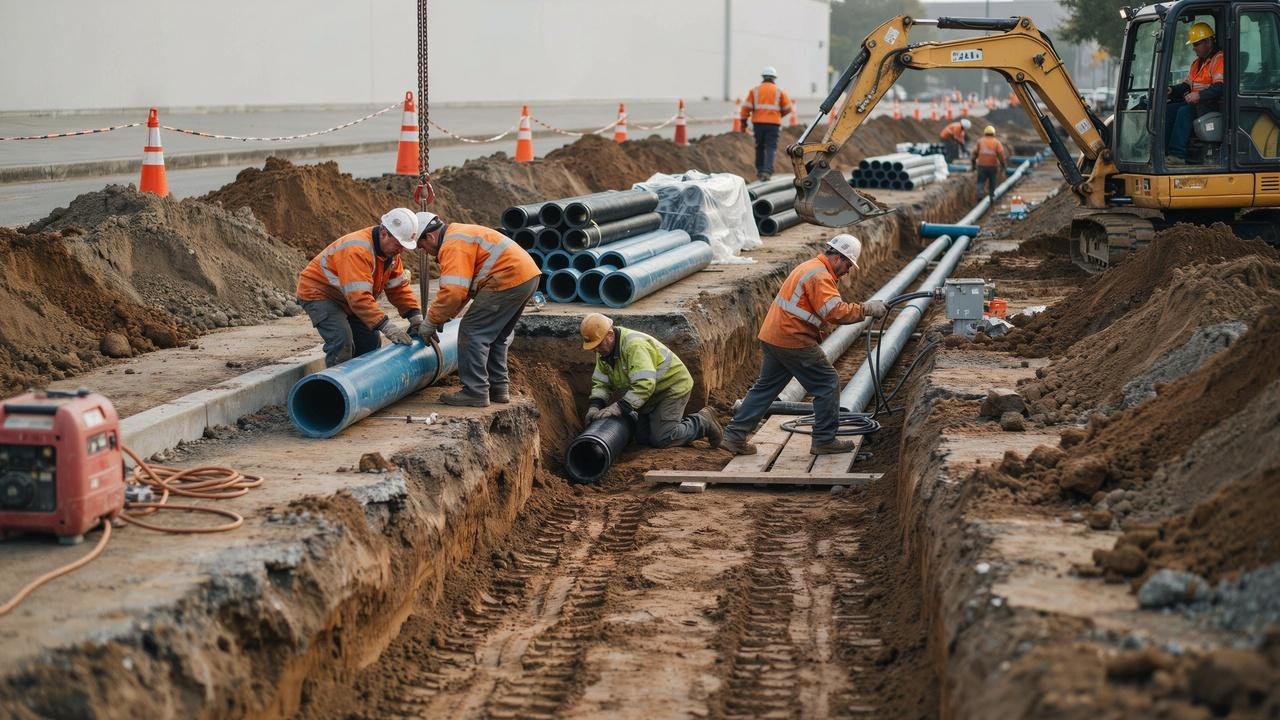
Building the hidden systems that keep a property running.
Underground work happens before anything visible goes up.
Excavate Utility Trenches
Narrow trenches get dug for pipes, cables, and conduits. Depth and placement follow local code requirements.
Install Water, Sewer, and Electrical Lines
Crews lay pipes and wiring inside the trenches, then test connections before covering them back up.
Build Stormwater Drainage Systems
Drains and culverts redirect rainwater away from the building site, reducing flood risk.
Prepare the Site for Roads and Pavement
Base layers get added and compacted to support driveways, parking lots, and access roads.
Step 5: Final Site Preparation
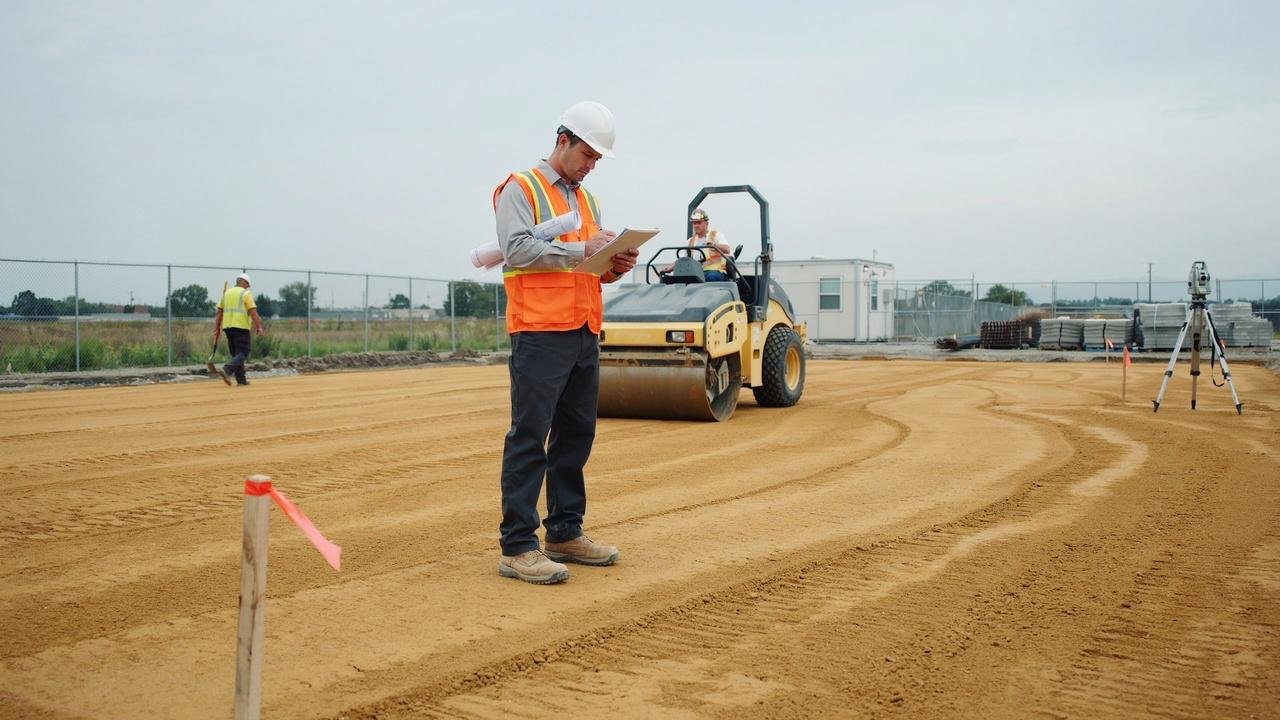
Wrapping up the groundwork before construction officially begins.
Final touches make the site construction-ready.
Finish Grading
Crews fine-tune the slope and surface one last time to match the building's exact specifications.
Complete Landscaping Preparation
Soil gets prepped for future planting, even though landscaping itself usually waits until construction finishes.
Clean Up the Construction Site
Leftover debris, equipment, and materials get cleared so the next phase can start without delays.
Conduct Final Inspection Before Construction
An inspector checks grading, drainage, and utility placement against approved plans before giving the green light.
Equipment Used to Excavate a Construction Site
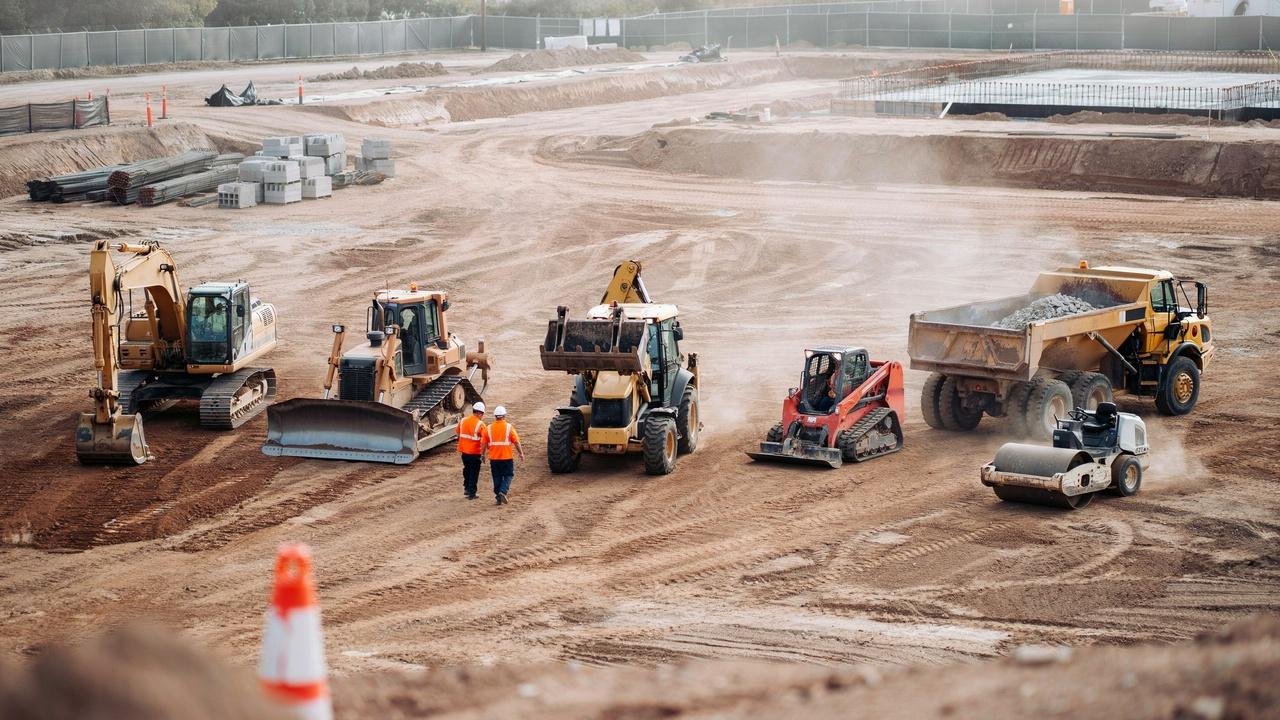
The heavy machinery that makes large-scale digging possible.
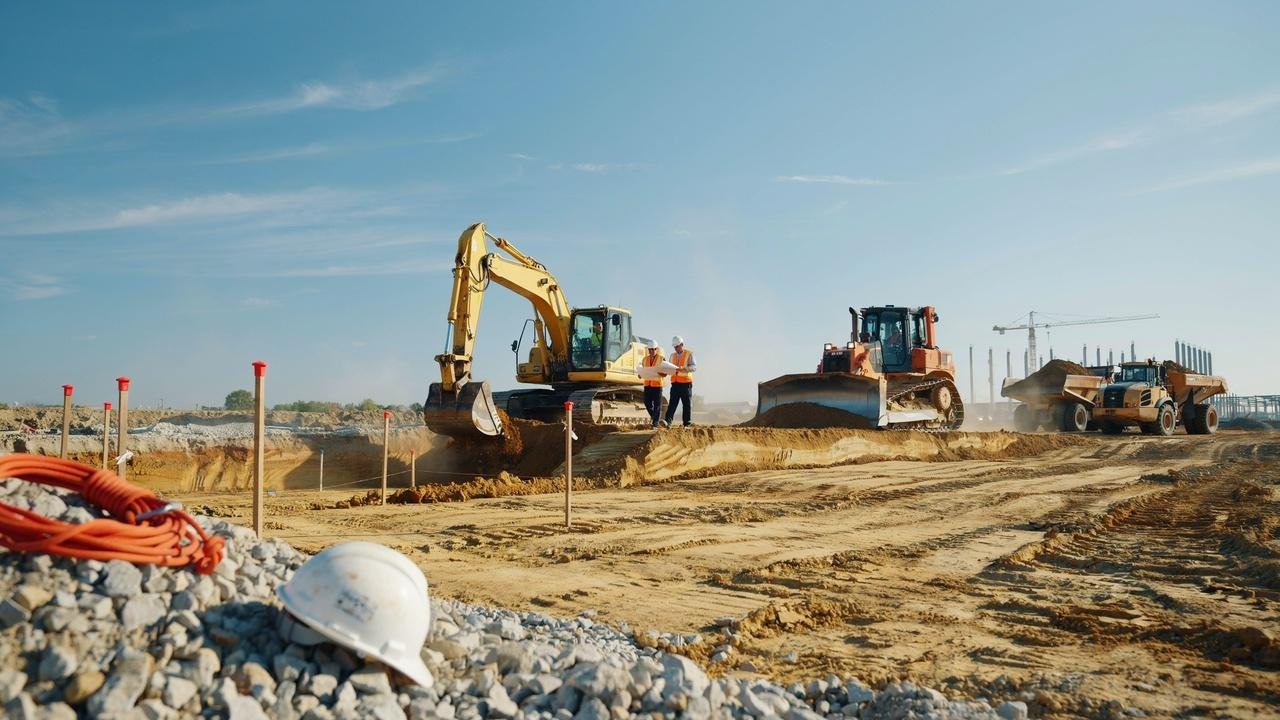
Different machines handle different jobs on site.
Excavators
These dig, lift, and move heavy soil and rock. Their rotating arm makes them useful for deep digging.
Bulldozers
Bulldozers push large amounts of earth and clear rough terrain. They're common during early site clearing.
Backhoe Loaders
This dual-purpose machine digs with the rear attachment and loads material with the front bucket.
Skid Steer Loaders
Compact and easy to maneuver, these work well in tight spaces where larger machines can't fit.
Dump Trucks
Dump trucks haul excavated soil, rock, and debris away from the site quickly and in bulk.
Compactors and Rollers
These flatten and pack soil layers, reducing the risk of shifting or sinking later.
Construction Site Excavation Safety Best Practices
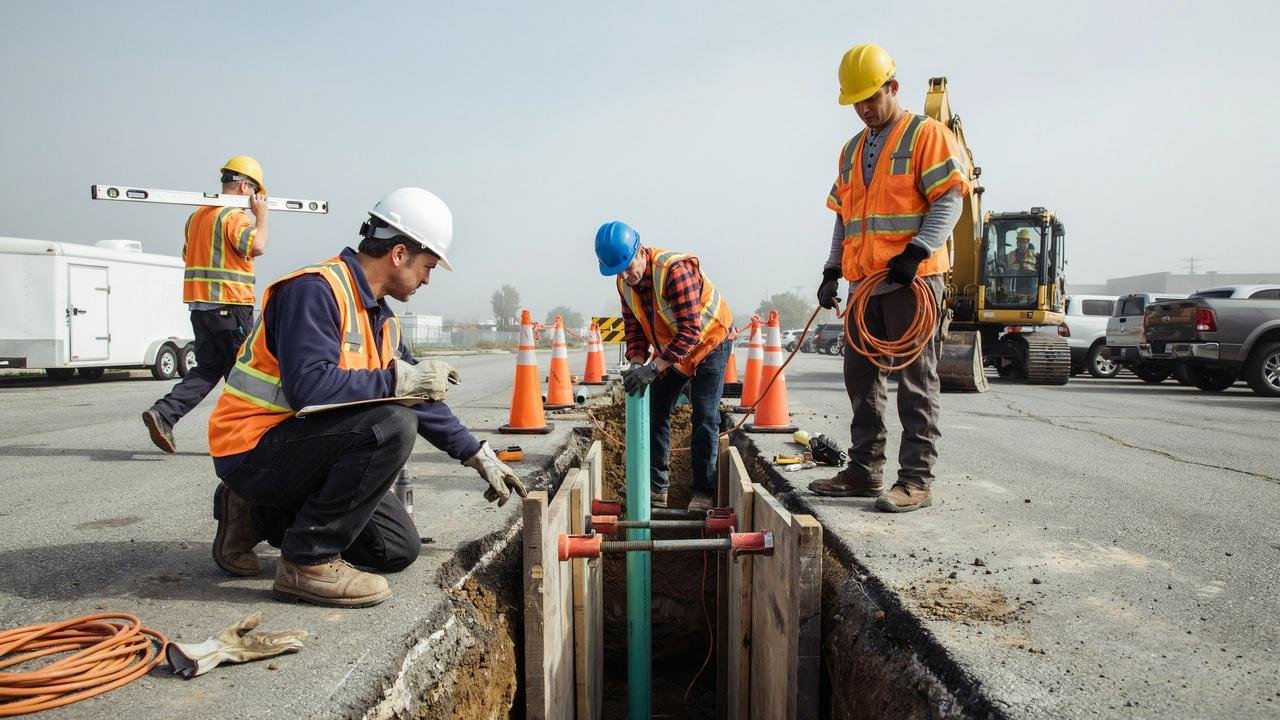
Keeping crews and equipment safe throughout the process. Safety steps protect workers and prevent costly accidents.
- Mark underground utilities clearly before any digging starts
- Require proper protective equipment for everyone on site
- Use sloping or shoring methods to prevent cave-ins
- Monitor weather and site conditions throughout the workday
- Inspect excavations regularly for signs of instability
How Long Does It Take to Excavate a Construction Site?
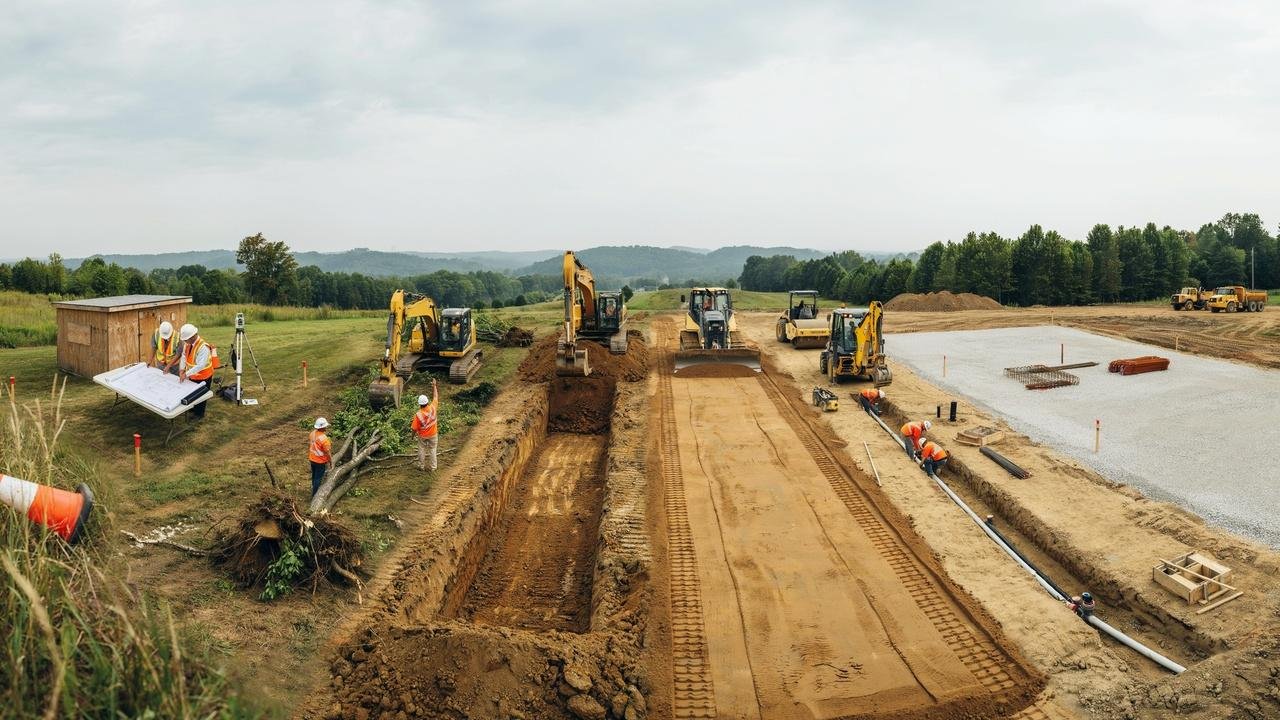
Timelines depend on size, soil, and site conditions. Excavation timelines vary by project.
Factors That Affect Excavation Time
Soil type, site size, weather, and equipment access all play a role in how fast work moves forward.
Typical Timeline for Small and Large Projects
Small residential lots might take a few days. Larger commercial projects can take several weeks or longer.
Cost Factors for Construction Site Excavation
What drives the price up or down for digging work? Several factors shape the final excavation bill.
- Site size and depth:Larger and deeper excavation projects require more time, fuel, equipment, and labor, increasing overall costs.
- Soil and rock conditions:Rocky, clay-heavy, or dense soil often requires specialized equipment and extra effort, making excavation more expensive.
- Equipment and labor: Excavator rental, fuel, and skilled machine operators account for a significant portion of the total budget.
- Disposal of excavated material:Transporting and disposing of excess soil, rocks, and debris adds hauling and landfill or dumping fees.
- Permit and utility costs:Permit fees, utility locating services, and required inspections contribute to the overall project cost.
When Should You Hire a Professional Excavation Contractor?
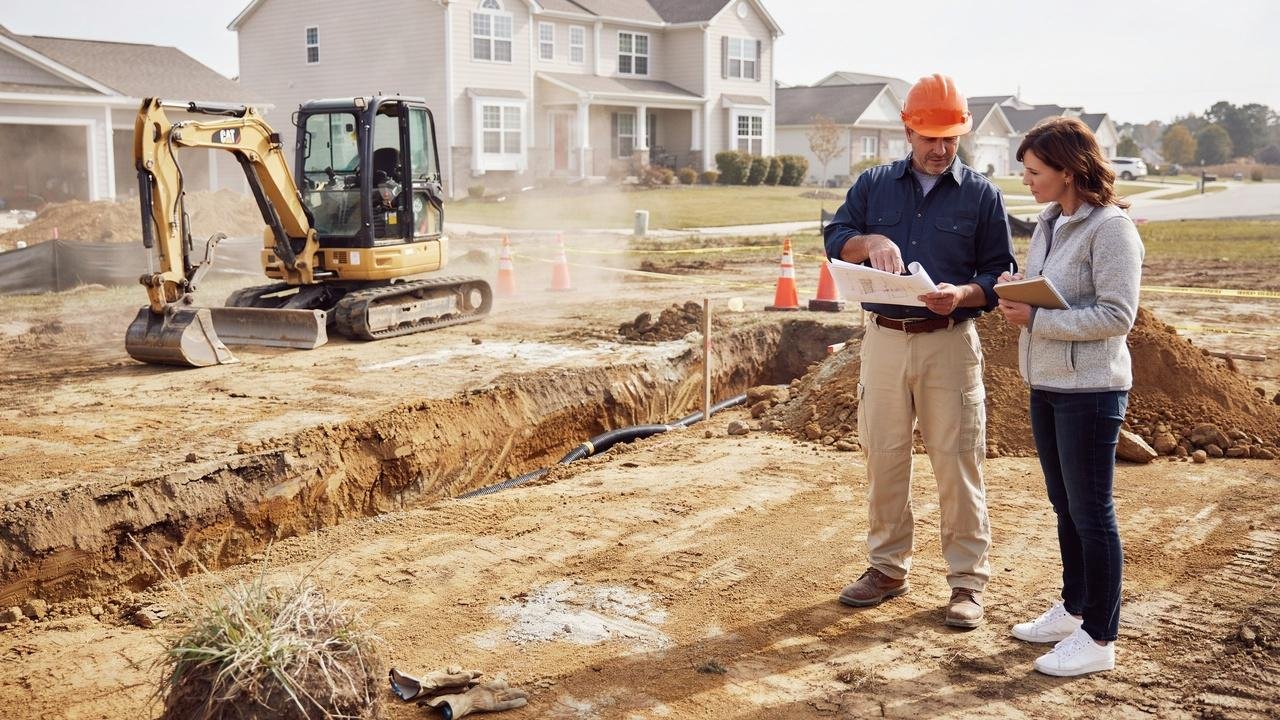
Some excavation projects require professional expertise.
If your project involves steep slopes, deep digging, unstable soil, large-scale earthmoving, or work near underground utilities, hiring an experienced excavation contractor is the safest and most efficient choice.
Before selecting a contractor, verify that they are properly licensed and insured, review photos of completed projects, check customer reviews, and confirm they have experience with similar excavation work.
Choosing a qualified professional helps reduce safety risks, avoid costly mistakes, and keep the project compliant with local regulations.
Common Mistakes to Avoid During Construction Site Excavation
The errors that cause delays, damage, or safety risks. Avoiding these mistakes saves time and money.
- Skipping the initial site investigation
- Ignoring soil conditions before digging begins
- Failing to plan proper drainage early
- Allowing inadequate soil compaction
- Not following local safety regulations closely
Tips for Excavating a Construction Site Successfully
Practical advice for keeping the project on track.
- Always confirm utility locations before any digging begins
- Test soil conditions early to avoid mid-project surprises
- Plan drainage before grading to prevent water damage later
- Keep safety equipment and protocols consistent throughout the project
- Schedule inspections at each major construction phase
Conclusion
Excavation might seem like just digging dirt, but it's really the foundation of everything that follows.
I've seen projects run smoothly simply because the groundwork got proper attention early on.
Take this guide, walk through each step with your team, and you'll set your project up for success.
Got questions or your own excavation story to share? Drop a comment below, and pass this along to anyone planning their next build.
Frequently Asked Questions
How deep does a construction site need to be excavated?
Depth depends on the building type and foundation design. Basements and deep foundations need more excavation than simple slab structures.
Do I need a permit to excavate my property?
Most areas require permits for excavation work. Check with your local building department before starting any project.
How much does construction site excavation typically cost?
Costs vary widely based on site size, soil type, and depth. Get multiple quotes from local contractors for accurate pricing.
Can I excavate a construction site myself?
Small, shallow projects might be manageable for experienced DIYers. Deep or complex digs usually need professional equipment and expertise.
What happens to soil removed during excavation?
Some soil gets reused for backfill or landscaping. The rest typically gets hauled off and disposed of properly.