Choosing the right foundation for your home is a big decision.
If you keep hearing the term "pier and curtain wall foundation" and want a clear answer, you are in the right spot.
This guide breaks down what this foundation type is, how it works, and why builders use it in certain areas.
You will learn the key parts, the pros and cons, common repair issues, and what it costs compared to other options. We will also clear up a few myths that confuse homeowners.
We have worked through foundation guides like this for years, so we know what questions actually matter to you.
By the end, you will know exactly what to look for and how to keep this foundation in good shape.
What Is a Pier and Curtain Wall Foundation?
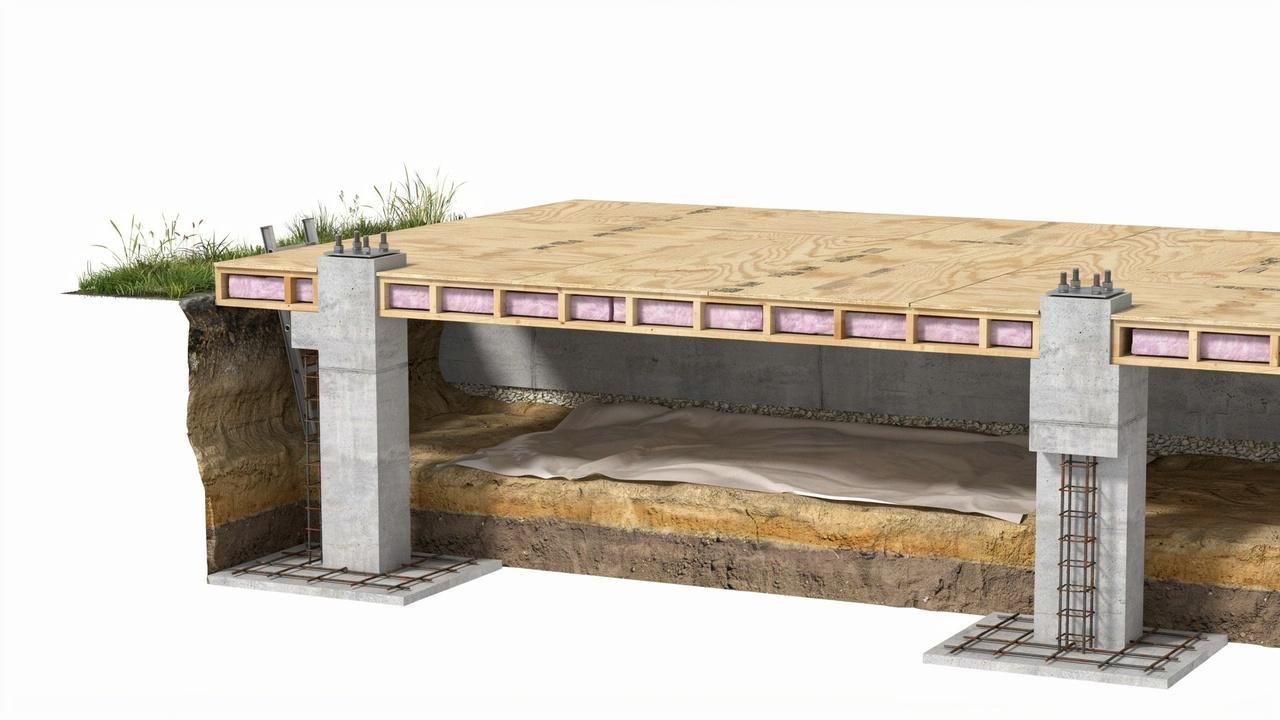
A foundation system built on piers with connecting walls that close the gap underneath.
Definition and Purpose
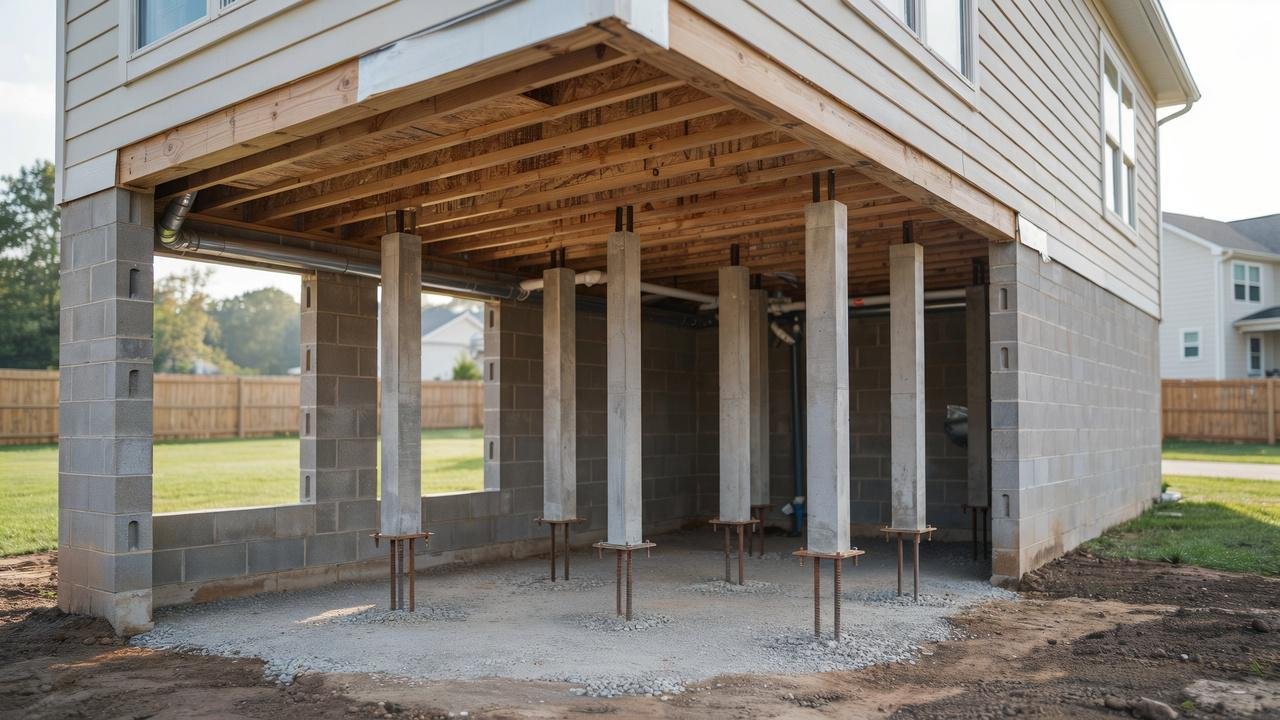
A pier and curtain wall foundation uses a row of piers, usually concrete or masonry, set below ground to hold up the structure.
Between these piers sits a "curtain wall," a thin non-structural wall that fills the space and keeps out wind, dirt, and small animals.
The piers carry the actual weight of the building.
The curtain wall is there for closure, not support. This setup gives builders flexibility on sites where a solid slab is not practical.
Key Components
This foundation type has a few main pieces:
- Piers:vertical supports placed at set intervals
- Curtain walls: thin walls connecting the piers
- Footings:wider concrete bases under each pier for stability
- Crawl space:the gap left underneath the home
- Vents:small openings in the curtain wall for airflow
How It Works
The piers transfer the weight of the house straight down into stable soil or rock. The curtain wall does not bear weight.
It just seals the perimeter so the crawl space stays protected from the elements.
Builders often choose this method on sloped lots or soil that shifts.
It lets them keep the house level without pouring a full concrete slab over uneven ground.
Pier and Curtain Wall Foundation vs Other Foundation Types
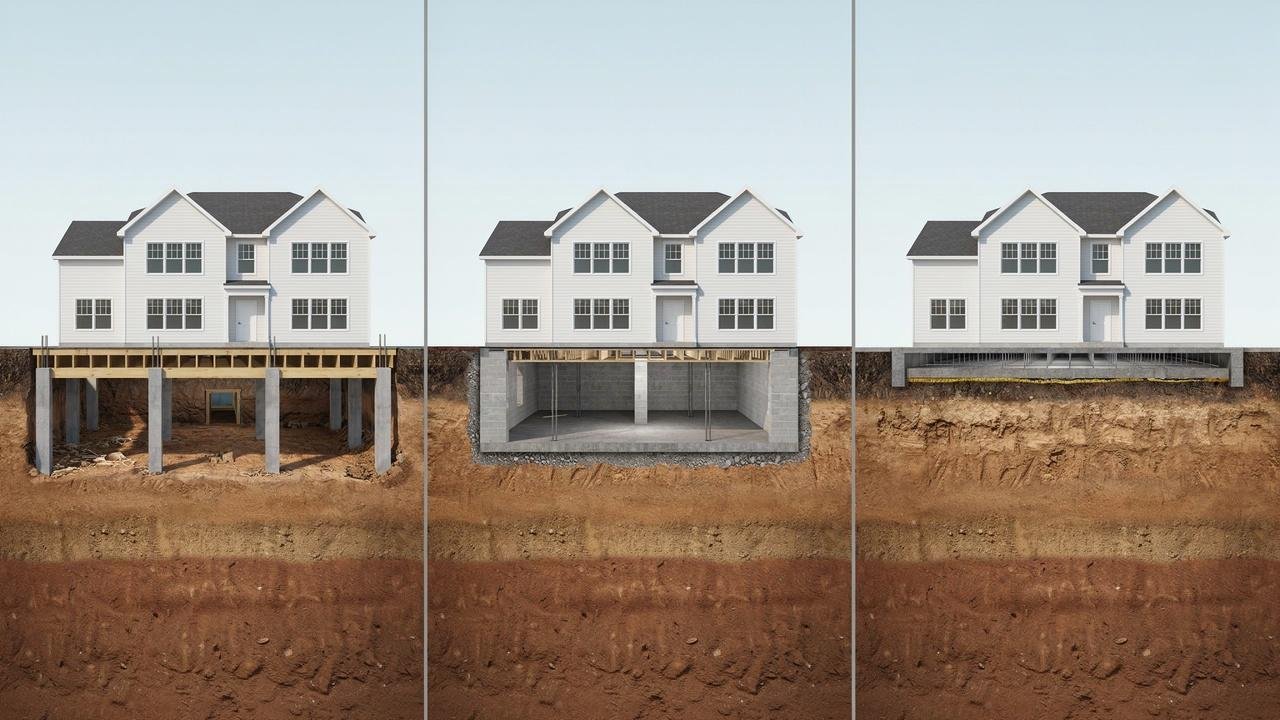
A side-by-side look at how this foundation compares to block and slab options.
vs Block Foundation
| Feature | Pier and Curtain Wall | Block Foundation |
| Weight support | Piers only, at set intervals | Continuous wall, bears weight along full perimeter |
| Material use | Less concrete needed | More blocks and mortar needed |
| Best soil type | Sloped or uneven ground | Flat, stable ground |
| Load handling | Good for lighter, evenly spaced loads | Handles heavier loads more evenly |
| Crawl space access | Yes, open underneath | Limited, depends on design |
vs Slab Foundation
| Feature | Pier and Curtain Wall | Slab Foundation |
| Structure | Piers with crawl space underneath | Flat concrete pad on the ground |
| Utility access | Easy, through the crawl space | Difficult, pipes run inside the slab |
| Upfront cost | Higher in most cases | Usually the cheapest option |
| Repair ease | Simple, no need to break concrete | Harder, may require cutting into the slab |
| Best soil type | Sloped or shifting ground | Flat, stable ground |
Key Differences at a Glance
A pier and curtain wall foundation differs from block and slab foundations in several important ways.
Unlike a block foundation, where the continuous wall supports the structure, a pier and curtain wall foundation relies on individual piers to carry the building's weight while the curtain wall simply encloses the crawl space.
Compared to a slab foundation, it provides convenient access to plumbing, wiring, and other utilities through the crawl space beneath the home.
This foundation type is often better suited to sloped or unstable soil conditions, whereas slab foundations perform best on flat, stable ground.
Repairs are typically easier and less invasive because the crawl space allows access beneath the structure, though slab foundations generally have the lowest upfront construction cost.
Advantages of a Pier and Curtain Wall Foundation
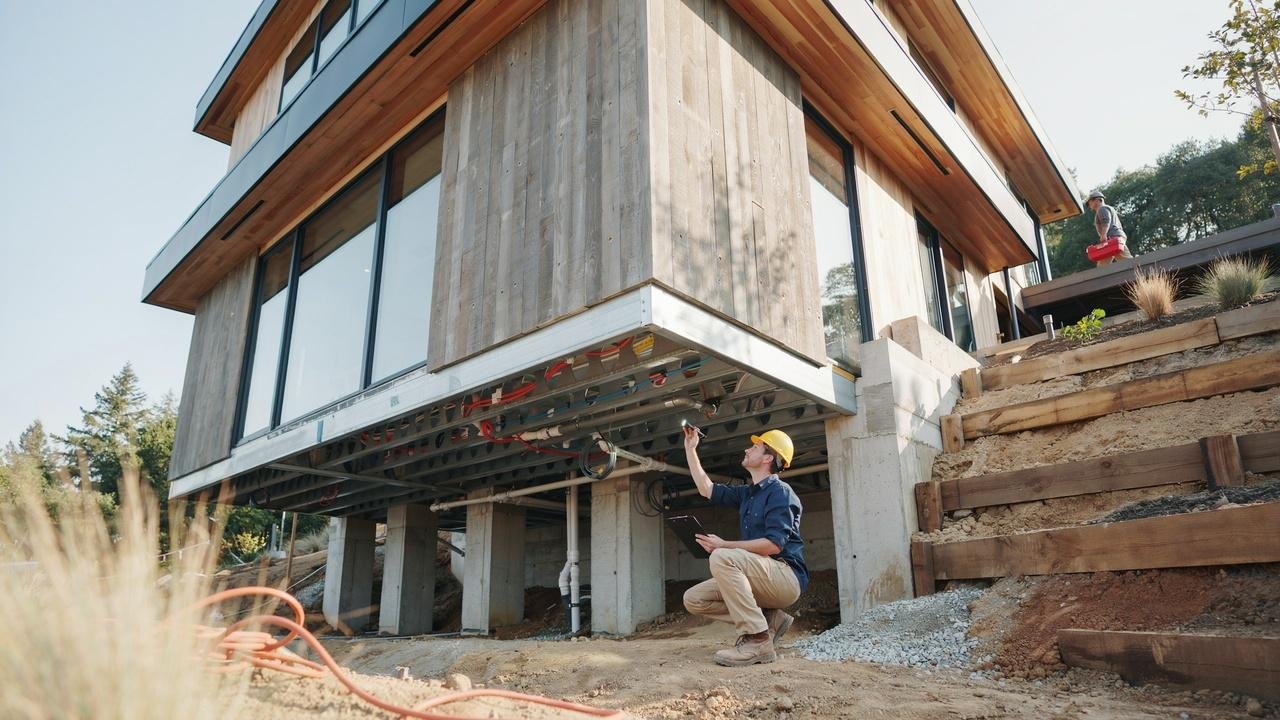
Why some builders and homeowners prefer this setup over other foundation types.
Accessibility and Maintenance
The crawl space underneath gives easy access to pipes, wires, and ductwork. If something breaks, a technician can usually fix it without tearing up floors or walls.
Suitability for Different Site Conditions
This foundation handles sloped lots and shifting soil better than a flat slab. Builders can adjust pier height to keep the structure level even when the ground is not even.
Cost and Construction Benefits
Piers often need less concrete than a full foundation wall or slab. Construction can also move faster on certain soil types since there is less excavation involved.
Disadvantages of a Pier and Curtain Wall Foundation
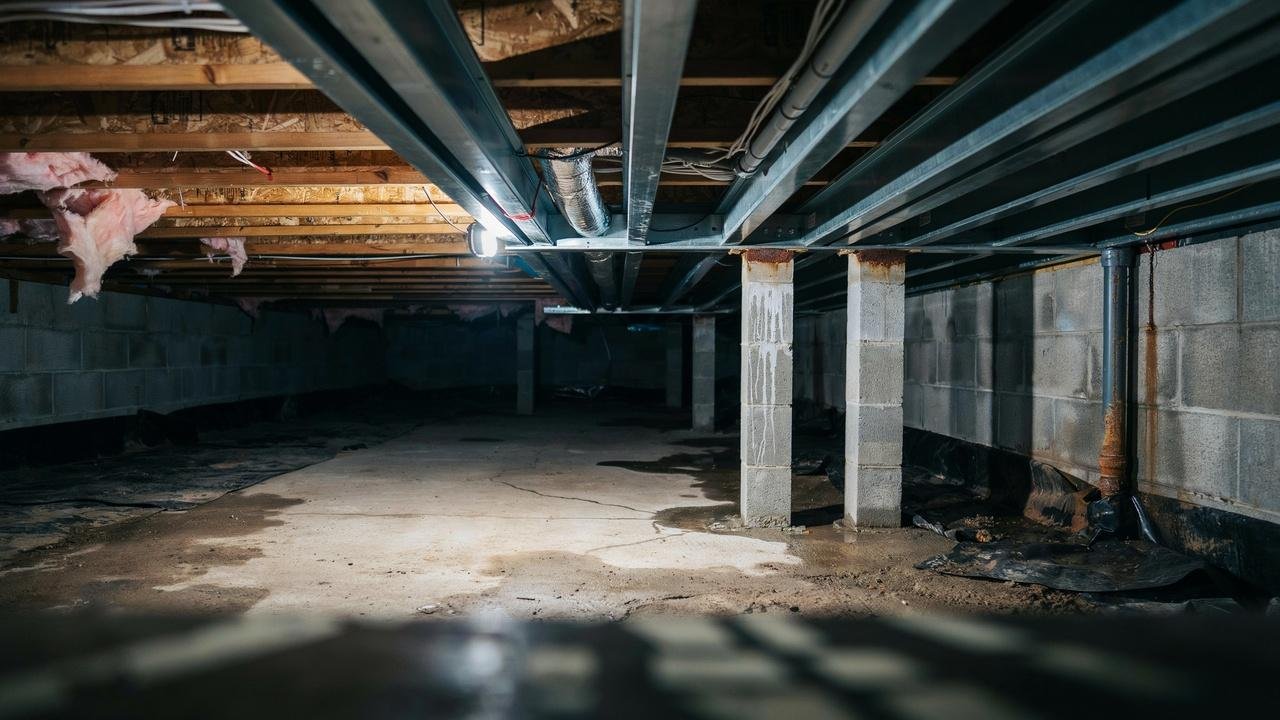
The tradeoffs homeowners should know before choosing this foundation type.
Moisture and Pest Concerns
The open crawl space can collect moisture if drainage is poor.
Damp conditions also attract pests like termites and rodents looking for shelter.
Settlement Risks
If piers are not set deep enough or soil shifts over time, parts of the foundation can settle unevenly.
This can lead to cracks or a sloped floor.
Maintenance Requirements
Crawl spaces need regular checks.
Skipping inspections can let small problems like minor cracks or pest entry turn into bigger repair jobs.
Common Problems and Repairs
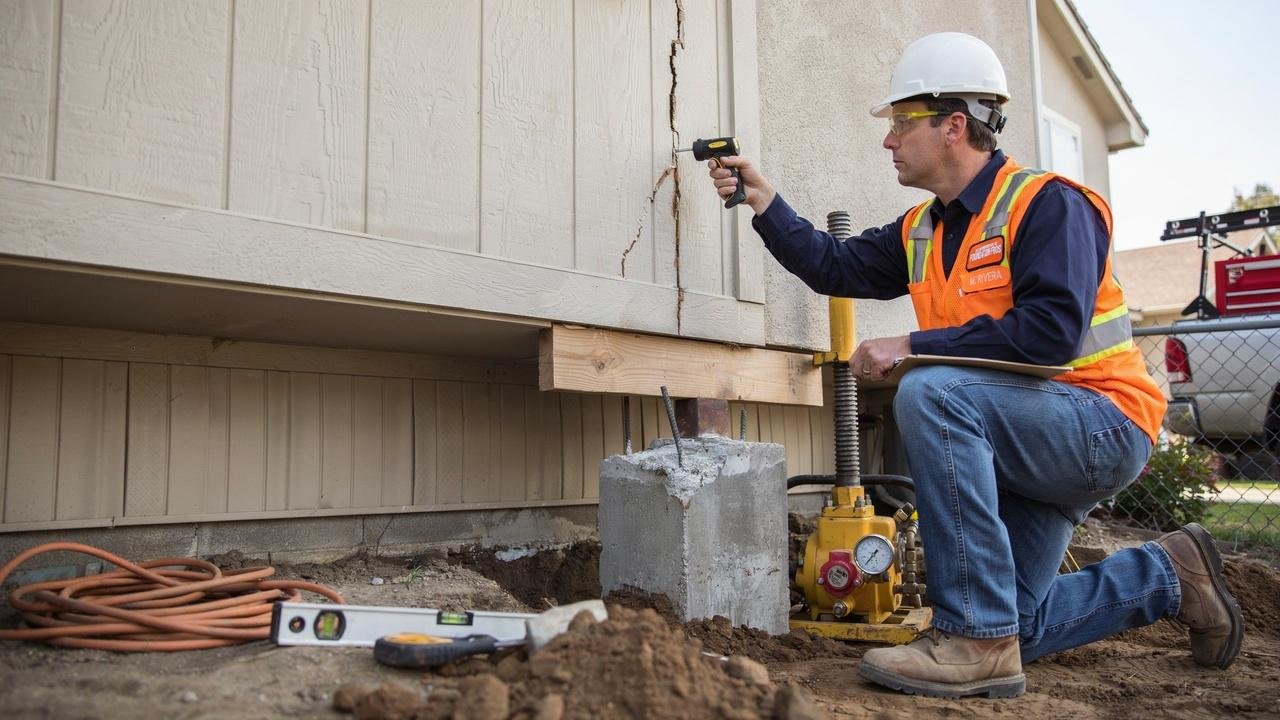
The most frequent issues homeowners run into with this foundation and how they get fixed.
Cracks and Structural Movement
Cracks in piers or curtain walls usually point to soil movement or settling.
Small hairline cracks are often cosmetic, but wider cracks need a professional look.
Water Damage and Drainage Issues
Poor drainage around the foundation sends water straight into the crawl space.
Over time, this can rot wood framing and weaken pier supports.
Signs Repairs Are Needed
Watch for a few warning signs around your home. Doors or windows that stick or will not close right often point to shifting.
Visible cracks in piers or curtain walls are another red flag, along with musty smells coming from the crawl space.
Sloped or uneven floors and standing water under the house after rain also mean it is time to call someone for a closer look.
How Much Does a Pier and Curtain Wall Foundation Cost?
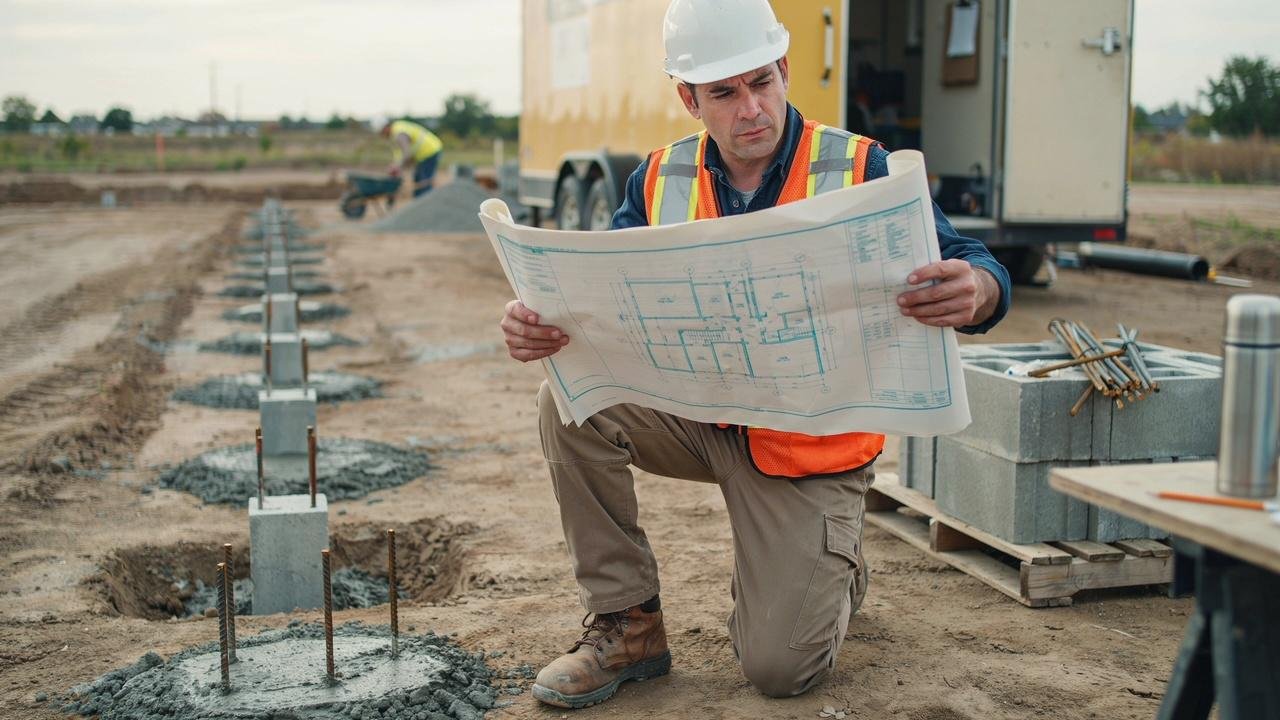
A look at what affects pricing and how it stacks up against other foundation types.
Cost Factors
Cost depends on the number of piers needed, soil conditions, site slope, and local labor rates. Homes on difficult terrain usually cost more because of extra excavation and pier depth.
Comparison With Other Foundations
Pier and curtain wall foundations often cost more than a basic slab but less than a full poured concrete basement.
Compared to block foundations, pricing can be similar, though it varies by region and soil type.
Common Misconceptions About Pier and Curtain Wall Foundations
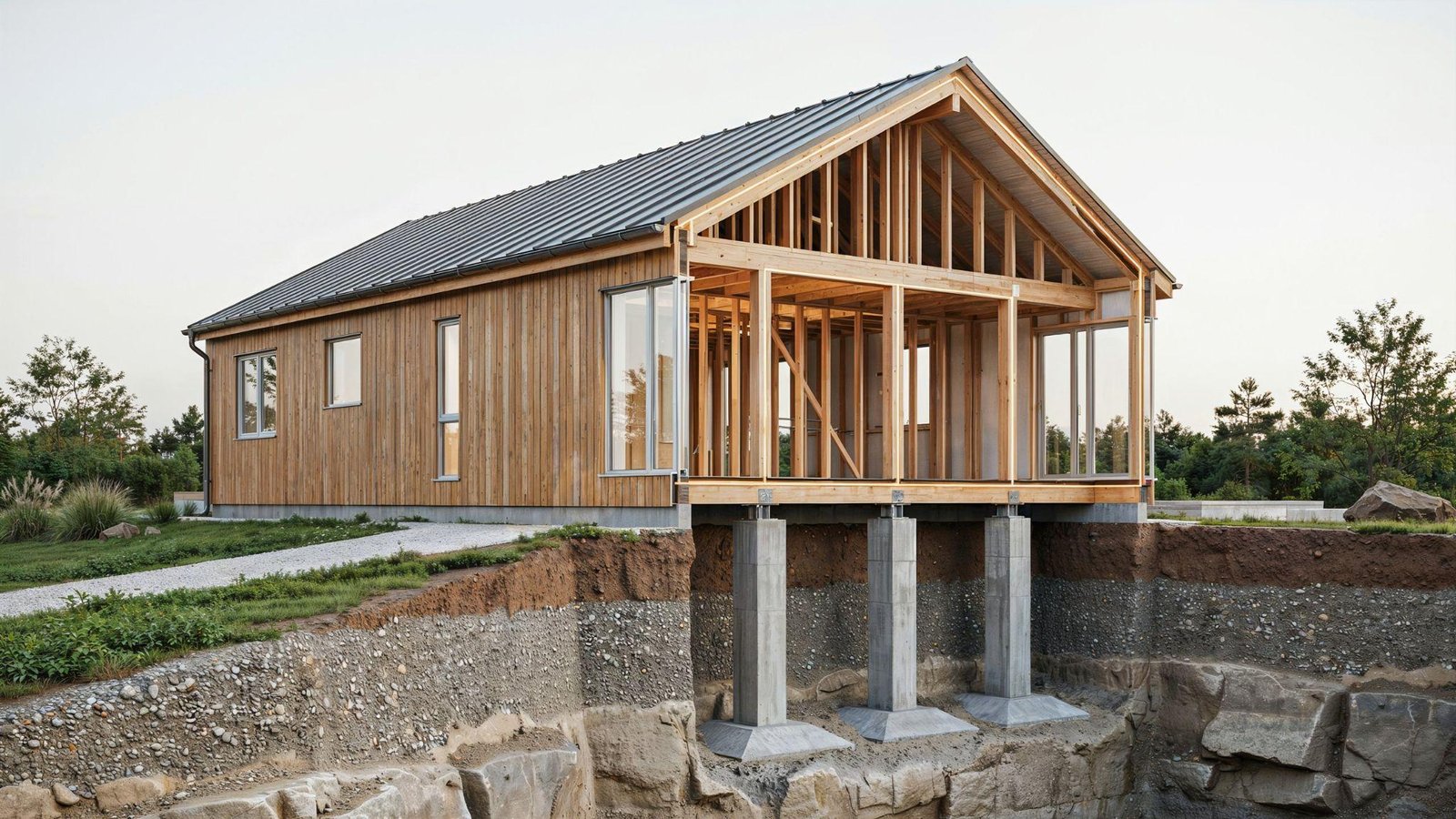
A lot of people think the curtain wall holds up the house. It does not.
The piers carry all the weight. Another common mix-up is thinking crawl spaces are always damp and unsafe.
With good drainage and a vapor barrier, they can stay dry and clean for years. Some also assume this foundation type is outdated.
In the right soil conditions, it still works well and gives easier access for repairs than a slab ever could.
Tips for Maintaining a Pier and Curtain Wall Foundation
Simple habits that keep this foundation stable and free of costly damage.
- Keep gutters clean and pointed away from the foundation
- Install a vapor barrier in the crawl space to cut down moisture
- Check the crawl space at least twice a year for cracks, pests, or water
- Patch small hairline cracks before they widen into bigger problems
- Call a foundation expert at the first sign of uneven settling
Conclusion
If you made it this far, you now know what makes a pier and curtain wall foundation tick. From the basics to the repair signs, you have the full picture to make a smart call for your home.
I have walked through crawl spaces myself, and a little drainage work upfront always beats a big repair bill later. Take what you learned here and check your own foundation this week.
Got questions? Drop a comment below or share this with someone planning a build.
Frequently Asked Questions
What is the main purpose of a curtain wall in this foundation type?
The curtain wall closes the gap between piers. It blocks wind, pests, and debris but does not support the weight of the house.
Is a pier and curtain wall foundation good for sloped land?
Yes. Builders can adjust pier height to level the structure even on uneven or sloped ground, making it a solid choice for tricky lots.
How often should I check my crawl space?
Check it at least twice a year, plus after heavy rain. Look for moisture, cracks, or signs of pests near the piers and curtain walls.
Can cracks in a curtain wall be repaired easily?
Small hairline cracks are usually an easy fix. Larger or growing cracks need a foundation expert to check for deeper settlement issues.
Does this foundation type cost more than a slab?
Yes, it typically costs more upfront than a slab. The tradeoff is easier access to plumbing and wiring, which can save money on repairs later.