If your home feels drafty, noisy, or your energy bills keep climbing, your windows might be the problem. Double pane windows could be the fix you have been looking for.
In this article, you will learn what double pane windows are, how they compare to single and triple pane options, their key benefits, costs, and drawbacks.
We have helped hundreds of homeowners make smarter window choices, and we want to help you too.
By the end, you will know exactly which window is right for your home and budget. Let us get into it.
What Is Double Pane Windows
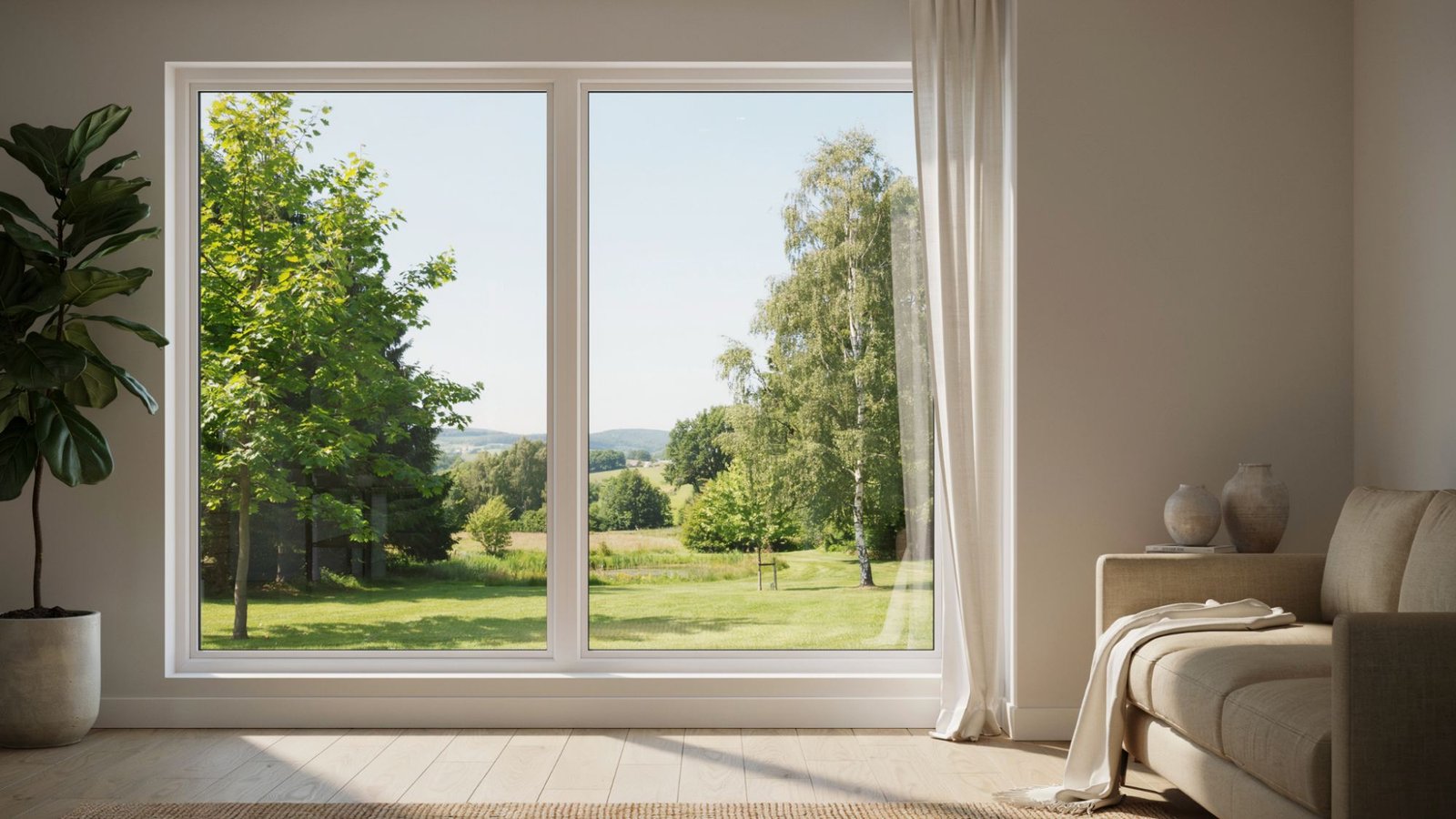
Two layers of glass. One big difference in comfort.
Double pane windows are windows built with two separate panes of glass instead of one. Between the two panes, there is a small sealed space filled with air or an insulating gas like argon or krypton.
This gap acts as a barrier between the inside of your home and the outside weather.
Unlike single pane windows, which offer little insulation, double pane windows slow down heat transfer significantly. This means your home stays warmer in winter and cooler in summer without working your HVAC system as hard.
They are also better at blocking outside noise, reducing condensation on the glass, and improving overall comfort.
Most modern homes built in the last two decades already come with double pane windows as a standard feature. If yours do not, upgrading is one of the smartest investments you can make for long-term comfort and savings.
How Double Pane Windows Compare to Single Pane Windows
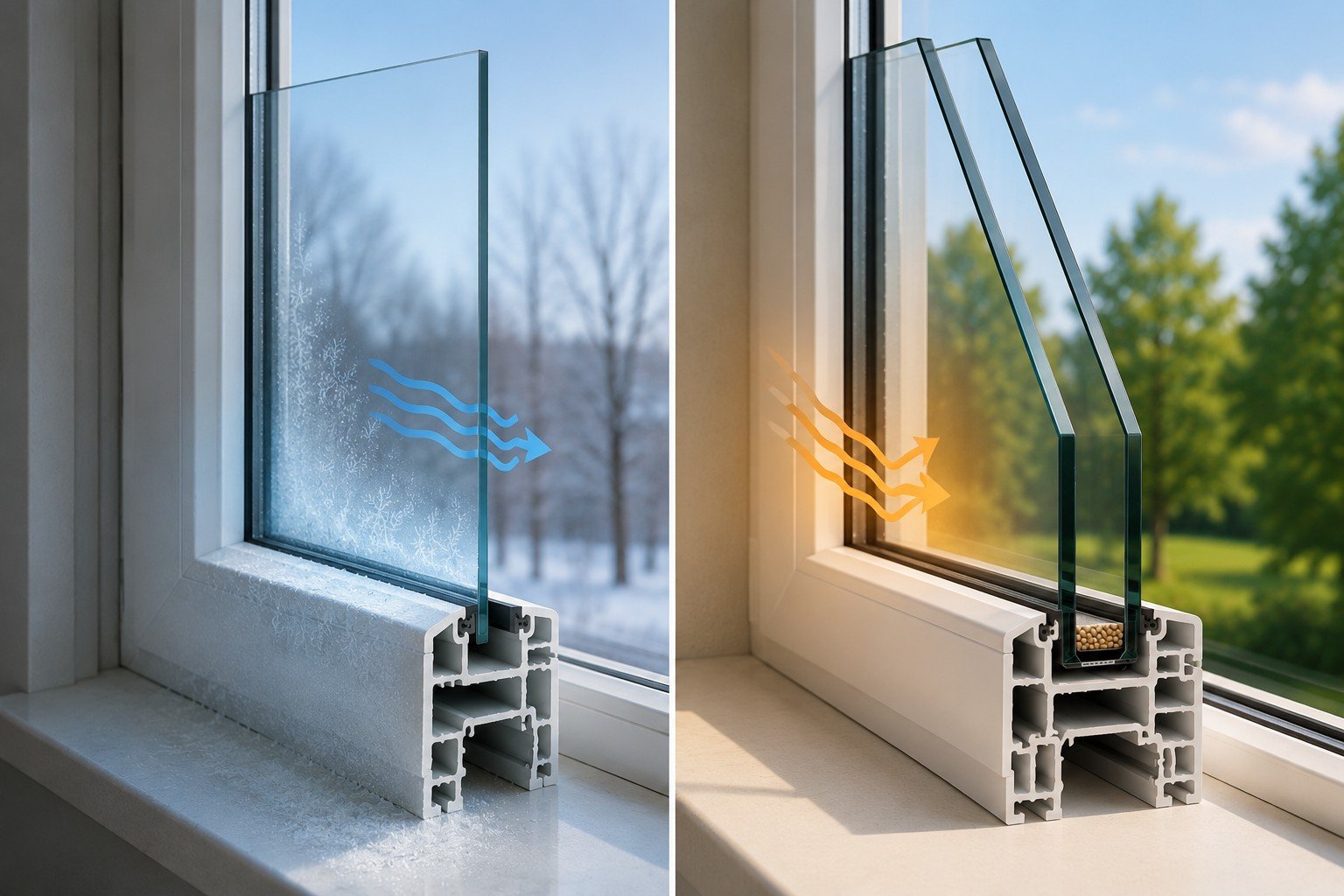
Understanding the difference helps you make a better buying decision.
Key Differences in Design and Performance
Single pane windows have one layer of glass. That is it. There is no insulation built in, and heat or cold passes right through.
Double pane windows have two glass layers with a sealed gap in between. That gap is the key. It stops heat from passing through as easily.
The result is a window that performs much better in almost every real-world condition.
Double pane windows also tend to be stronger and more durable. The sealed unit protects both glass panes from direct contact with outdoor elements.
Energy Efficiency Comparison
Single pane windows lose heat fast. In cold weather, they feel cold to the touch from the inside. That is heat escaping your home.
Double pane windows cut that heat loss significantly. The insulating gas between the panes reduces how much energy your home needs to stay at a comfortable temperature.
Studies have shown that upgrading from single to double pane can reduce heating and cooling costs by 10 to 25 percent depending on climate.
Noise Reduction Comparison
A single pane of glass does very little to block outside noise. Traffic, neighbors, and outdoor activity come right through.
Double pane windows add a second layer of separation. The gap between the panes helps absorb and break up sound waves before they enter your living space.
The result is a noticeably quieter home, especially if you live near a busy road or noisy area.
Comfort and Condensation Control
Single pane windows create cold surfaces inside your home during winter. This leads to condensation, that foggy buildup of moisture on the glass.
Over time, that moisture can damage window frames and walls.
Double pane windows maintain a warmer interior surface, which means less condensation forms.
Your glass stays cleaner, your frames last longer, and the air near your windows feels less cold and damp.
Double Pane vs. Triple Pane Windows
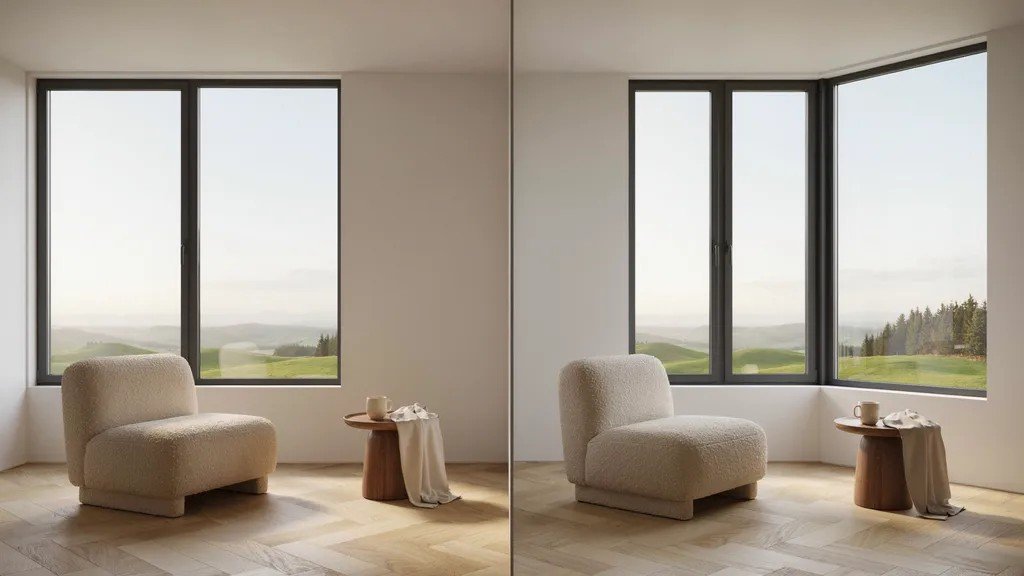
More panes means more insulation, but is it always worth it?
Which Offers Better Insulation?
Triple pane windows add a third layer of glass and a second insulated gap.
This gives them a higher insulation rating, known as a U-factor, than double pane windows.
However, the difference in real-world performance between double and triple pane is smaller than the jump from single to double pane.
For most homes in moderate climates, double pane windows provide plenty of insulation.
Cost vs. Long-Term Value
Triple pane windows cost 15 to 30 percent more than double pane options. The energy savings difference between the two is relatively small unless you live in an extremely cold climate.
For most homeowners, double pane windows offer the better return on investment. The savings do not always justify the higher upfront cost of going triple pane.
Which Option Is Right for Your Climate?
If you live in a very cold region like the northern US, Canada, or similar climates, triple pane windows may be worth the extra cost. The additional insulation makes a real difference in extreme cold.
In moderate or warm climates, double pane windows are usually the smarter choice. They deliver strong performance without the added expense.
Benefits of Double Pane Windows
Here is why so many homeowners make the switch.
Improved Energy Efficiency
The sealed gas layer between the panes acts as an insulator. It slows down heat transfer in both directions, keeping heat inside during winter and outside during summer.
This directly reduces the work your heating and cooling systems have to do.
Lower Heating and Cooling Costs
Less heat transfer means your HVAC runs less. That translates into lower monthly energy bills.
Homeowners who switch from single pane to double pane windows often see noticeable savings within the first year, especially in climates with harsh winters or hot summers.
Better Indoor Comfort Throughout the Year
Cold drafts near windows are a common complaint in homes with single pane glass. Double pane windows eliminate most of that.
The interior glass surface stays closer to room temperature, making the space near your windows feel more comfortable in every season.
Reduced Outside Noise
The two layers of glass plus the gap in between help dampen sound from outside.
If you live near traffic, a school, or a noisy neighborhood, double pane windows make a real difference in how quiet your home feels.
Less Condensation on Glass
When the interior surface of the glass stays warmer, moisture from indoor air is less likely to condense on it.
This means less fogging, less water buildup, and less risk of mold or water damage around your window frames.
Increased Home Value
Buyers expect energy-efficient windows in modern homes. Upgrading to double pane windows is a selling point that can increase your home's resale value.
Many real estate professionals consider window upgrades a smart pre-sale investment.
Are Double Pane Windows Worth It?
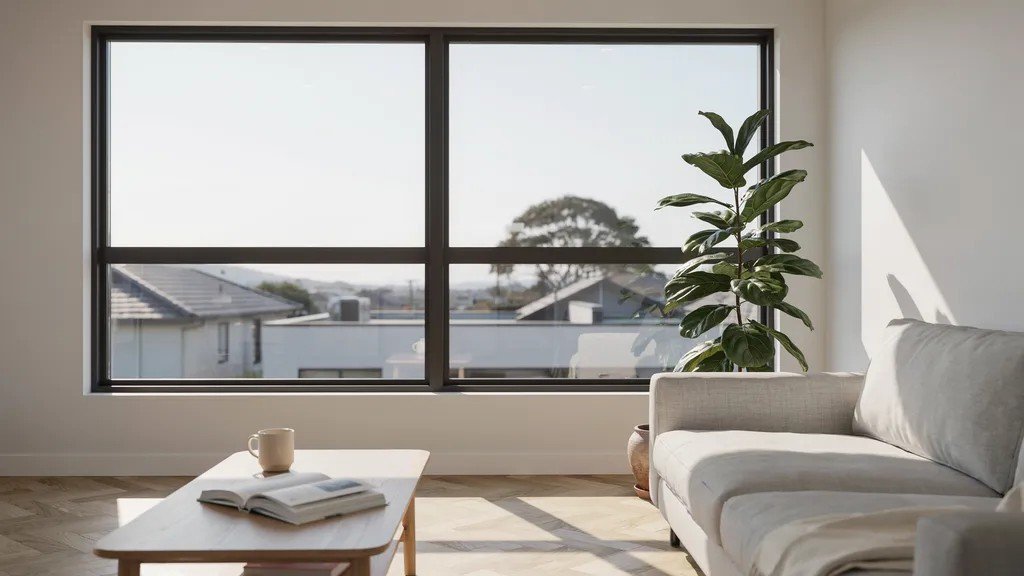
For most homeowners, the answer is yes.
Best Homes for Double Pane Windows
Double pane windows make the most sense for homes that still have single pane windows.
They are also a good fit for any home in a climate with cold winters, hot summers, or both. If you spend a lot on heating and cooling, the payback period is faster.
Homes in urban or suburban areas where noise is a concern also benefit greatly from the added soundproofing.
When Triple Pane Windows May Be a Better Investment
If you live in a region where winter temperatures regularly drop well below freezing for months at a time, triple pane windows may be worth the extra investment.
They also make sense if you are building a highly energy-efficient or passive house where every bit of insulation matters.
How Much Do Double Pane Windows Cost?
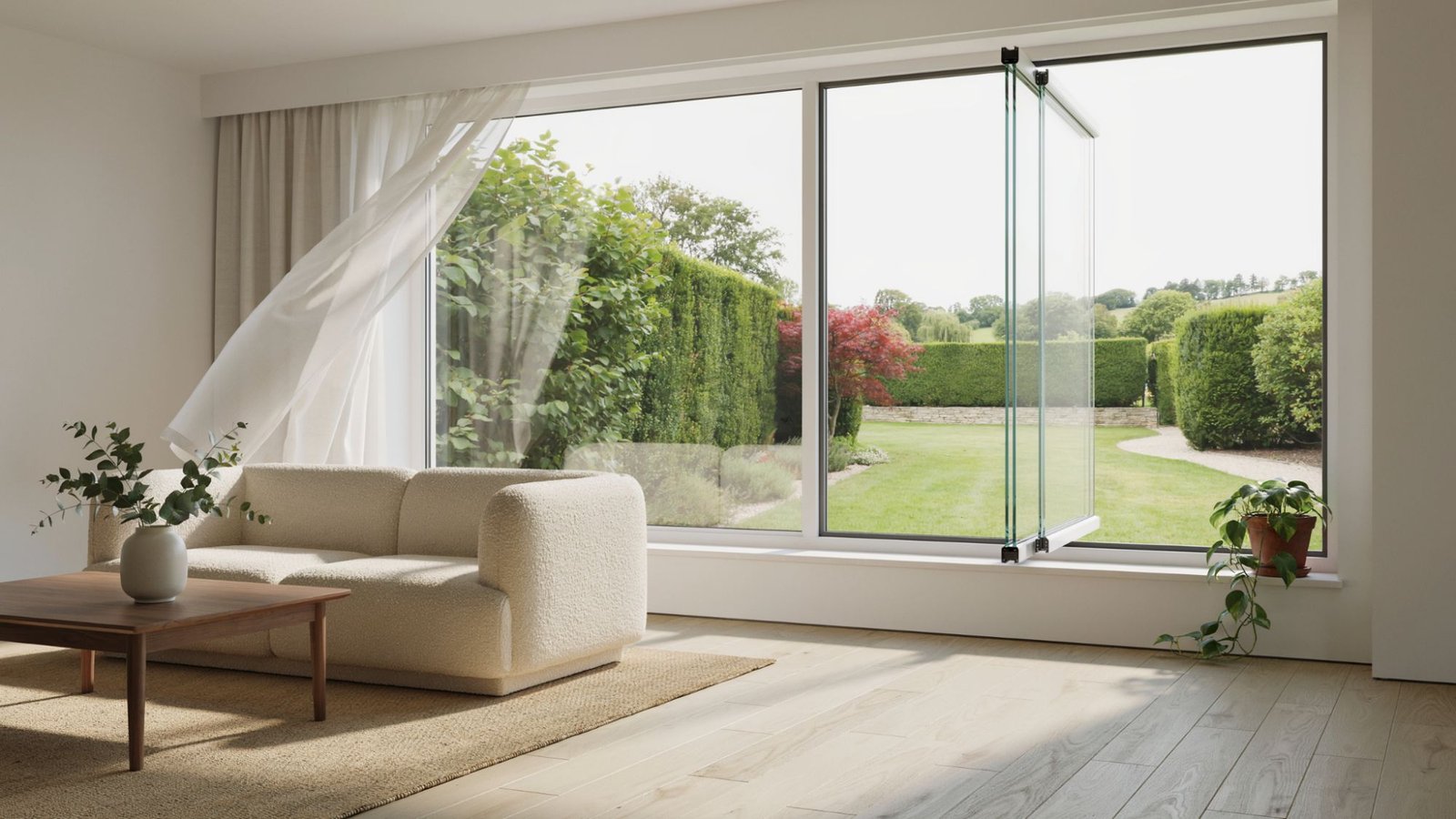
Costs vary, but the long-term savings often outweigh the upfront price.
Factors That Affect Window Costs
Several things affect the price of double pane windows. The frame material (vinyl, wood, fiberglass, or aluminum) plays a big role.
The size of the window, the type of glass coating, and the gas fill (argon vs krypton) also affect pricing.
Custom shapes or specialty windows cost more than standard sizes.
Installation Costs and Considerations
On average, a double pane window costs between $300 and $800 installed, depending on size and style.
Full-home replacement projects can run from a few thousand dollars to well over $10,000 depending.
Seal Failure and Fogging Issues
The seal around the insulated gas unit can fail over time. When this happens, outside air and moisture enter the space between the panes. This creates a foggy or cloudy appearance that cannot be cleaned because it is between the glass. Seafailure usually means replacing the entire window unit.
Weight and Replacement Considerations
Double pane windows are heavier than single panes. This can make installation more involved and may require stronger frames or hardware.
If one pane breaks, replacing the unit is more complex and more expensive than with single pane glass long depending on how many windows your home has.
Professional installation is strongly recommended. A poor installation can cause seal failures and eliminate the energy benefits entirely.
Long-Term Energy Savings
The Department of Energy estimates that replacing single pane windows with double panes can save between $126 and $465 per year depending on your climate and home size.
Over 10 years, that adds up to real money back in your pocket.
Potential Drawbacks of Double Pane Windows
No product is perfect. Here is what to watch out for.
Higher Upfront Cost Than Single Pane
Double pane windows cost more to buy and install than single pane options. For homeowners on a tight budget, this can be a barrier.
However, the long-term savings usually make up for the higher starting cost.
How to Choose the Right Double Pane Windows
A few smart choices at purchase time make a big difference long-term.
Choose the Right Frame Material
- Vinyl frames are affordable, low maintenance, and good insulators. They are the most popular choice for residential windows.
- Wood frames offer great insulation and a classic look but require more maintenance.
- Fiberglass frames are strong, durable, and energy efficient but cost more.
- Aluminum frames are durable but conduct heat, making them less energy efficient unless they include a thermal break.
Look for ENERGY STAR Certified Windows
ENERGY STAR certified windows meet strict energy efficiency guidelines set by the US Environmental Protection Agency.
Choosing certified windows ensures you are getting a product that performs as advertised and may qualify for energy tax credits.
Consider Your Local Climate
Windows are rated for different climates. Northern climate windows focus on keeping heat in. Southern climate windows focus on blocking solar heat gain.
Look at the National Fenestration Rating Council (NFRC) label to match the window to your region.
Compare Glass Coatings and Gas Fills
| Feature | What It Does | Best For |
|---|---|---|
| Low-E Coating | Reflects heat and UV rays | All climates, reduces fading |
| Argon Gas Fill | Insulates better than air | Most homes, cost-effective |
| Krypton Gas Fill | Higher insulation than argon | Cold climates, triple pane |
| Tinted Glass | Reduces solar heat gain | Hot, sunny climates |
| Laminated Glass | Adds safety and noise reduction | Urban areas, security needs |
| Tempered Glass | Breaks safely into small pieces | Doors, low windows, safety zones |
Conclusion
I have seen firsthand how much of a difference good windows make. After switching to double panes in my own home, the drafts near the living room windows disappeared almost overnight, and my energy bills dropped noticeably that winter.
It felt like a small change that made a big impact every single day.
If you have been on the fence about upgrading, I hope this helped you feel more confident. Double pane windows are one of the most practical home improvements you can make.
Drop a comment below and tell me about your window situation. I would love to hear your thoughts or questions.
Frequently Asked Questions
How long do double pane windows typically last?
Double pane windows generally last between 15 and 25 years. The lifespan depends on the quality of the window, the frame material, and how well they are maintained and installed.
Can you repair a double pane window when the seal fails?
In most cases, a failed seal means the entire insulated glass unit needs to be replaced.
Do double pane windows really reduce noise?
Yes, double pane windows do reduce outdoor noise compared to single pane. The two layers of glass and the sealed gap between them help absorb and block sound.
Are double pane windows worth the cost in warm climates?
Yes, even in warm climates double pane windows are worth it. They block solar heat from entering your home, reduce air conditioning costs, and lower indoor temperatures during hot months.
Do double pane windows qualify for energy tax credits?
Many ENERGY STAR certified double pane windows do qualify for federal or state energy efficiency tax credits. It is a good idea to check the current IRS guidelines or your state's energy office before purchasing to confirm eligibility and credit amounts.