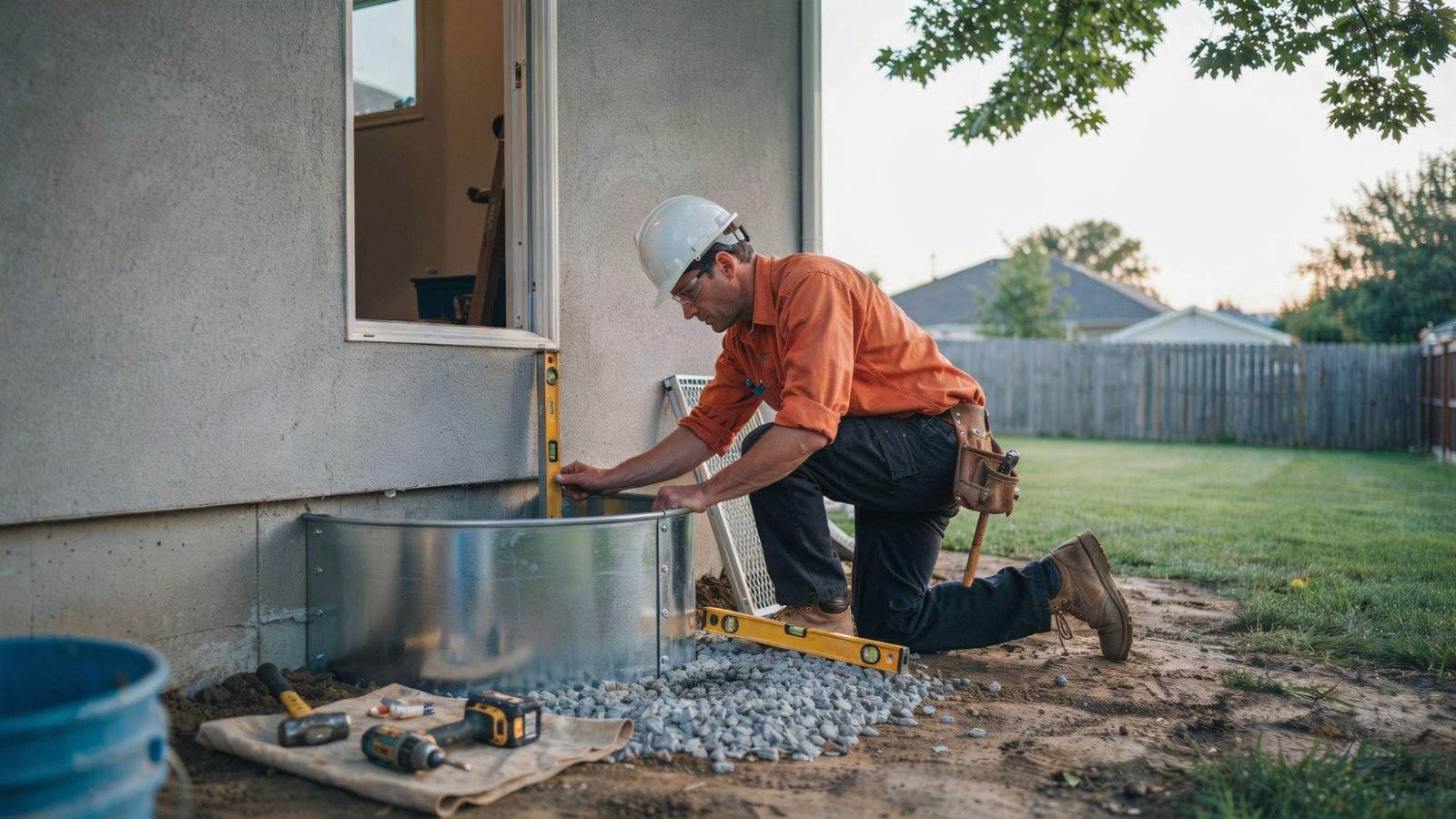
Choosing the right foundation can feel confusing when there are so many options available.
Concrete foundation types play an important role in how strong, stable, and long-lasting a building will be.
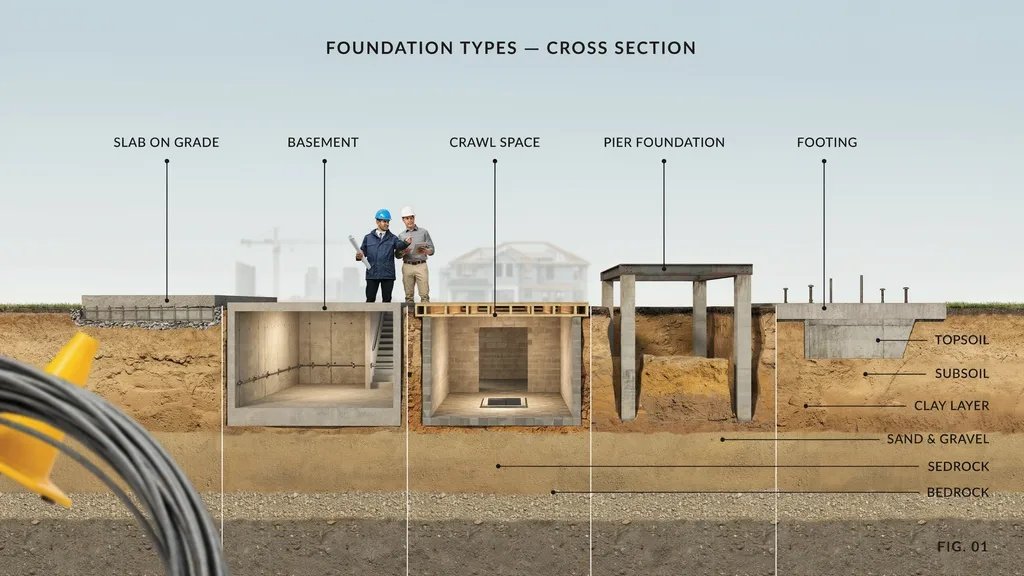
In this guide, you’ll learn about the main types of concrete foundations, including slabs, basements, crawl spaces, piers, and footings.
We’ll also explain where each type is used, their benefits, and how to choose the right option for your project.
This article is based on practical knowledge and common building practices to help you make a clearer decision.
By the end, you’ll understand which foundation type fits your needs best.
What Is a Concrete Foundation?
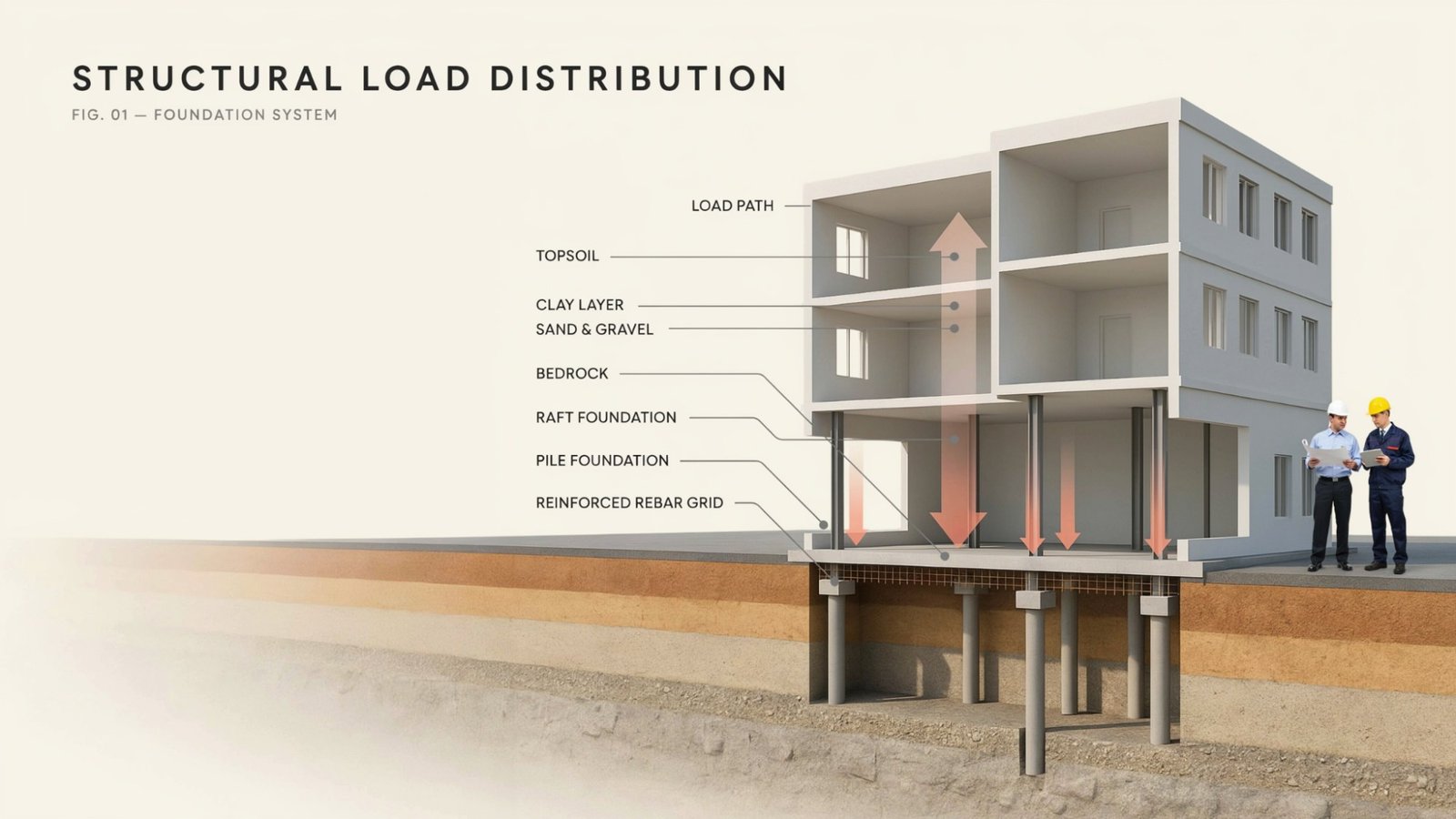
A concrete foundation is the strong base of a building that supports its weight and keeps the structure stable over time.
It is usually made by pouring concrete into prepared areas of the ground to create a solid support system.
The foundation transfers the building’s load safely into the soil, helping prevent movement, cracks, and uneven settling.
Concrete is widely used because it is strong, durable, and able to handle heavy loads in different construction conditions.
Choosing the right foundation depends on several factors, including soil conditions, climate, building size, budget, and local building codes.
Main Concrete Foundation Types Explained
Concrete foundations come in different forms, and each type is designed for specific building needs, soil conditions, and construction requirements.
1. Concrete Slab Foundation
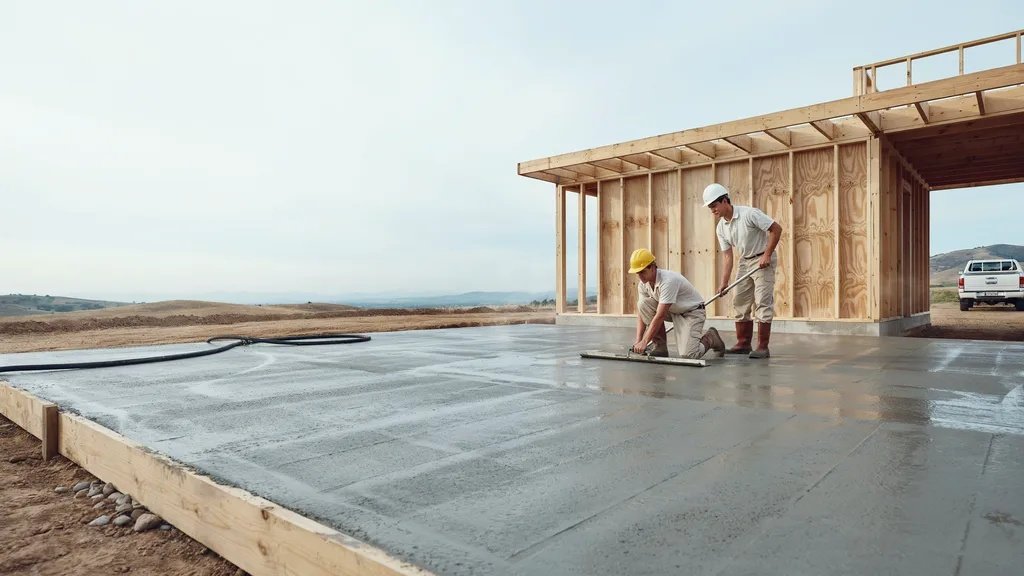
A concrete slab foundation is a flat layer of concrete poured directly onto prepared ground. It is one of the simplest foundation options and is commonly used for smaller buildings.
However, they can make plumbing repairs more difficult because pipes are usually placed beneath the concrete.
Slab foundations are affordable, quick to install, and require little maintenance. They may also not be suitable for areas with extreme cold or unstable soil conditions.
- Common uses: Single-story homes, garages, and small structures
2. Concrete Basement Foundation
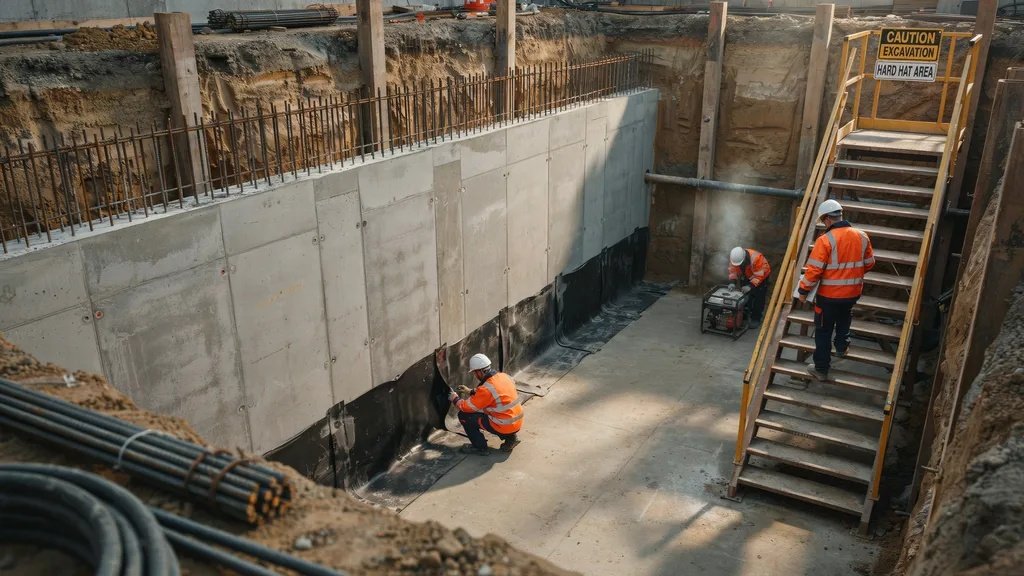
A concrete basement foundation creates a deep foundation with concrete walls and floors below ground level.
Basement foundations can help protect buildings from harsh weather conditions when properly designed.
However, they usually cost more to build and require proper waterproofing to prevent moisture problems.
- Common uses: Residential homes, storage areas, and additional living spaces
3. Crawl Space Concrete Foundation
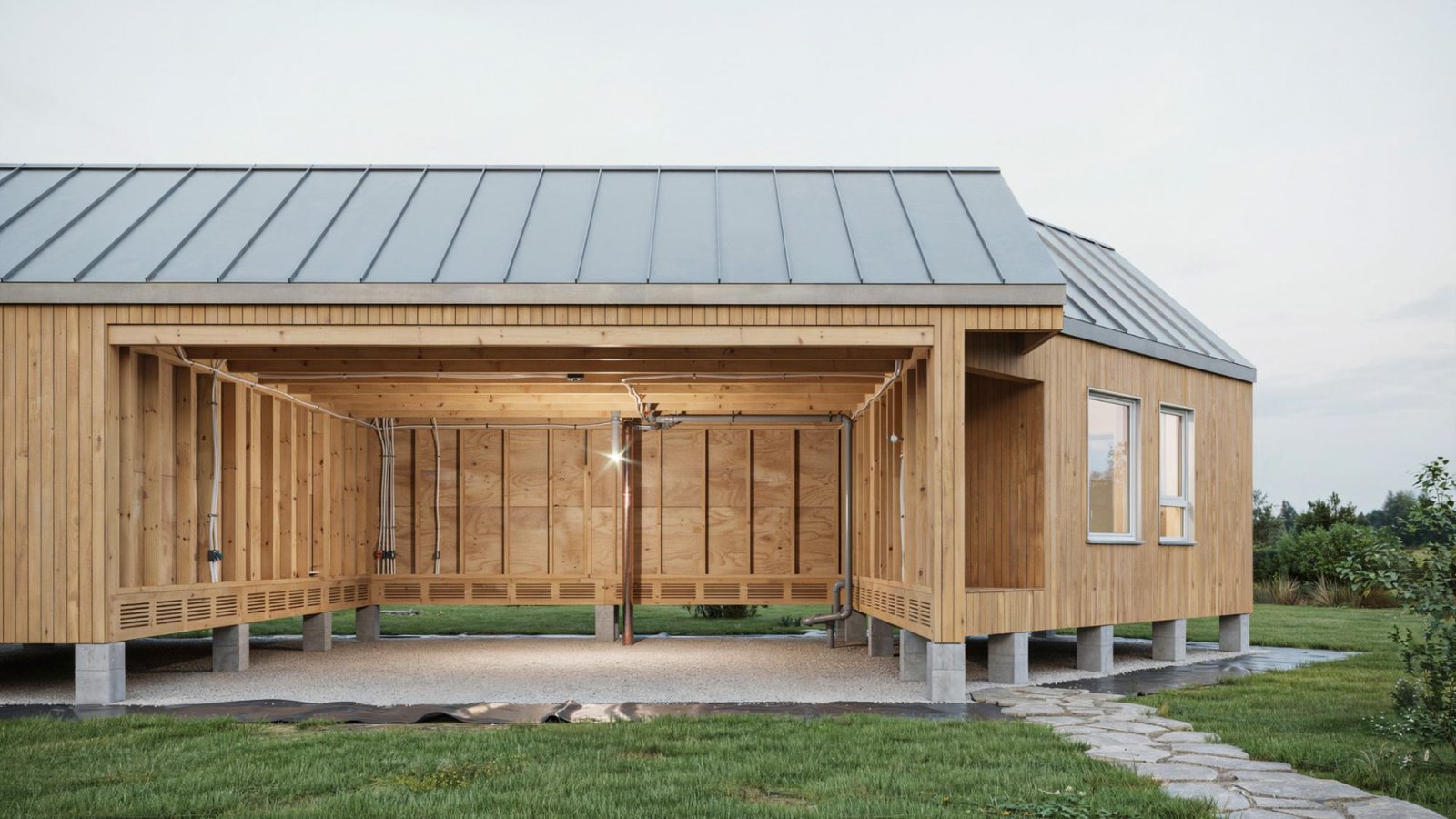
A crawl space foundation raises a building slightly above the ground, creating a small space between the floor and soil.
Unlike a basement, it does not provide full living space but allows easier access to plumbing, wiring, and other utilities.
It is useful in areas where moisture control and ventilation are important. Proper drainage and moisture protection are needed to avoid issues.
- Common uses: Homes in moisture-prone areas and raised-floor construction
4. Pier and Beam Concrete Foundation
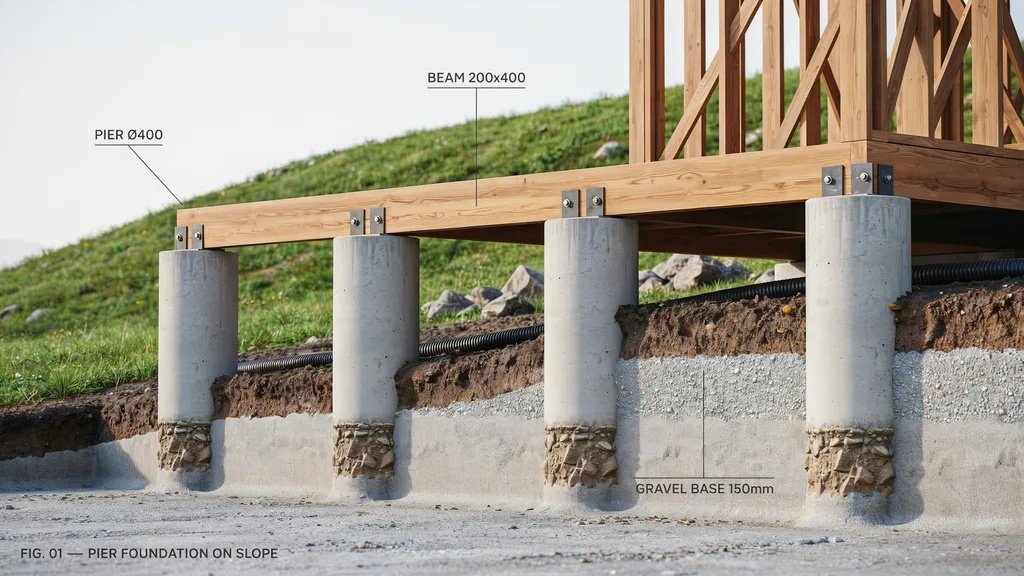
A pier and beam foundation uses concrete piers to support the structure above the ground. These piers transfer the building’s weight into the soil while allowing flexibility on uneven terrain.
This type of foundation can make repairs easier because the underside of the structure is accessible.
However, it requires careful planning and engineering to ensure proper support and stability.
- Common uses: Uneven terrain, flood-prone areas, additions, and smaller buildings
5. Concrete Footing Foundation
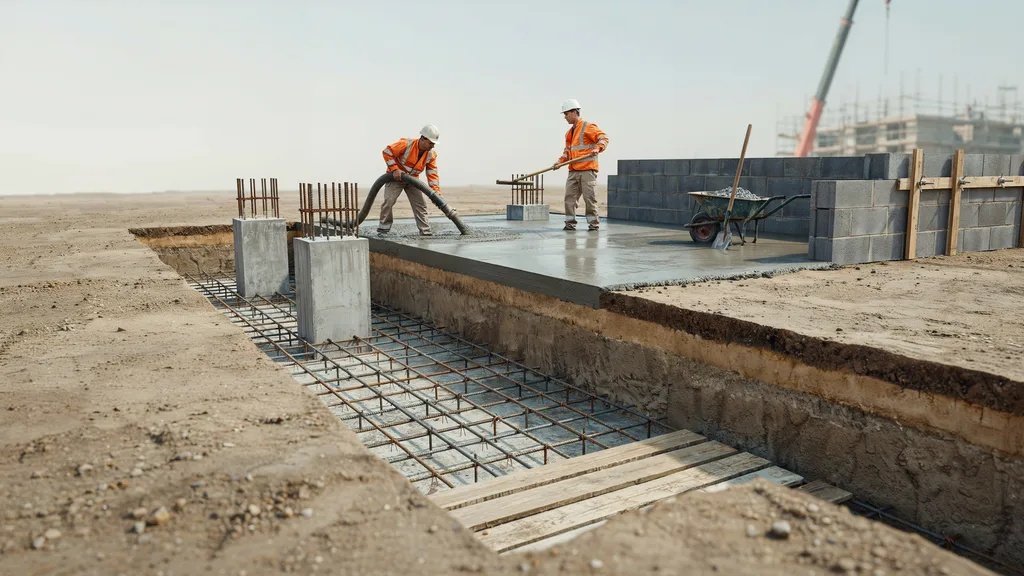
A concrete footing foundation is designed to spread the weight of walls, columns, and structures evenly into the ground.
Footings are usually placed below the foundation to improve stability and reduce the risk of settling.
They are an important part of many construction projects because they create a stronger connection between the building and soil.
- Common uses: Walls, columns, residential structures, and commercial buildings
Concrete Foundation Types for Different Buildings
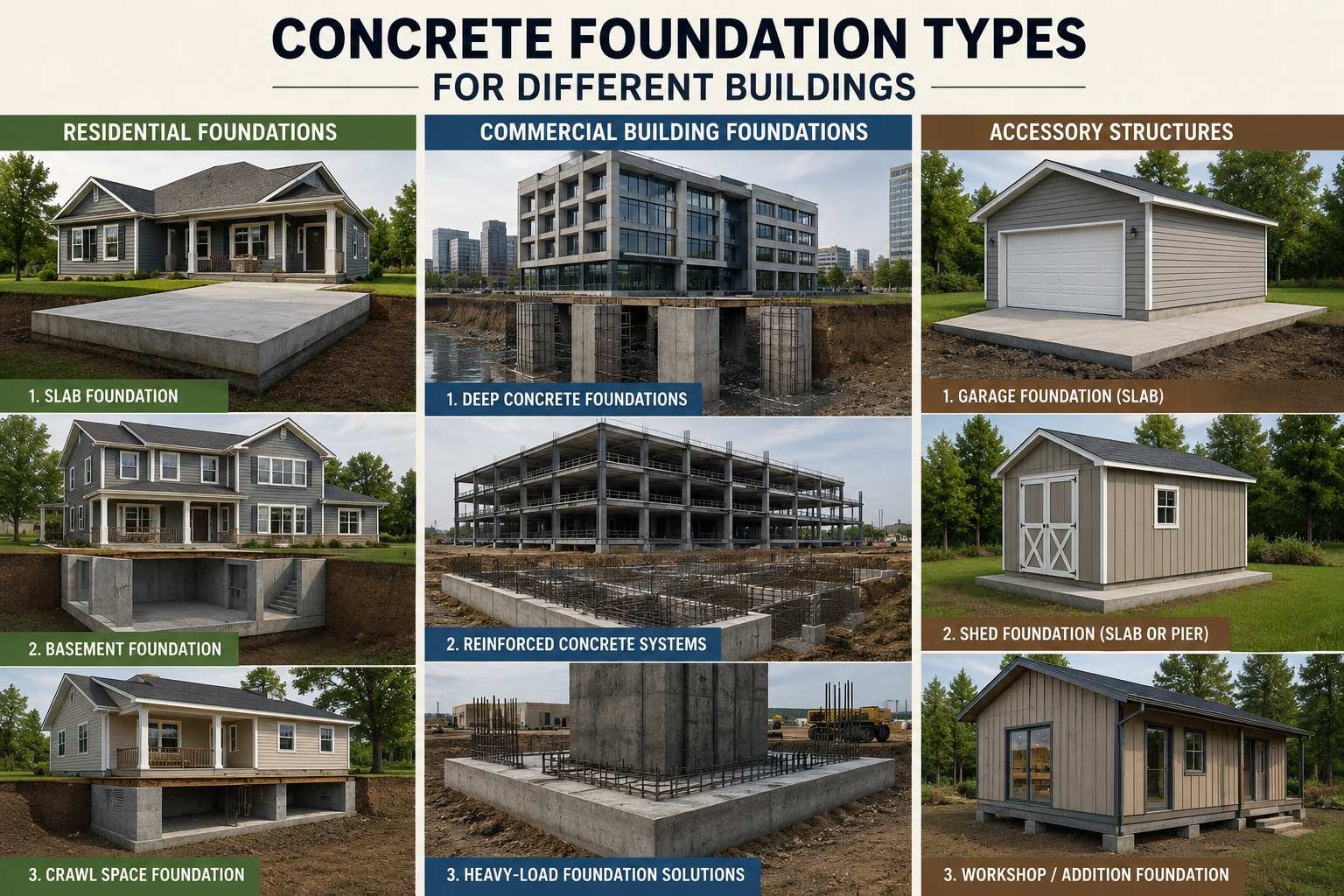
Different buildings require different foundation solutions based on their size, purpose, and structural demands.
Residential Foundations
Residential buildings usually use foundation types designed for comfort, safety, and cost efficiency.
Slab foundations, basement foundations, and crawl spaces are common choices depending on climate, soil conditions, and homeowner needs.
Commercial Building Foundations
Commercial buildings often need stronger foundation systems because they carry heavier loads and larger structures.
Deep concrete foundations, reinforced concrete systems, and heavy-load foundation solutions are used to improve strength, stability, and performance in demanding construction projects.
Accessory Structures
Smaller structures need foundations that match their size and purpose.
Garages, sheds, workshops, and small additions often use simpler concrete foundation options that provide enough support without unnecessary costs or complex construction methods.
Concrete Foundation Types Comparison Table
Comparing different concrete foundation types makes it easier to understand their cost, ideal uses, and key advantages before choosing the right option for a building project.
| Foundation Type | Cost | Best For | Main Benefit |
|---|---|---|---|
| Slab | Low | Homes & garages | Affordable |
| Basement | High | Homes needing extra space | Added living area |
| Crawl Space | Medium | Raised homes | Utility access |
| Pier & Beam | Medium | Uneven land | Flexible support |
| Footings | Varies | Structural support | Load distribution |
Common Concrete Foundation Problems
Concrete foundations can develop issues over time due to moisture, soil changes, poor construction, or lack of maintenance.
- Cracks in concrete: Regular inspections, proper sealing, and quality construction can help prevent small cracks from becoming major issues.
- Water leakage: Maintain proper drainage, waterproof the foundation, and keep gutters directing water away from the building.
- Settling or uneven floors: Ensure proper soil preparation and professional foundation installation to reduce movement and settling risks.
- Poor drainage: Keep the area around the foundation clear and maintain proper grading to move water away.
- Soil movement: Use suitable foundation designs and consider soil conditions before construction to improve stability.
Conclusion
Choosing the right concrete foundation types can feel overwhelming, especially when every building has different needs.
I’ve always found that understanding the basics first makes construction decisions much easier and less stressful.
If you’re planning a home, commercial project, or small structure, knowing your options helps you move forward with confidence.
Take time to consider your soil, budget, and building goals before making a choice. I hope this guide helped clear things up.
Share your thoughts in the comments, or try more helpful construction guides for your next project.
Frequently Asked Questions
What are the most common concrete foundation types?
The most common options include slab, basement, crawl space, pier and beam, and footing foundations. Each type is designed for different building needs and site conditions.
Which concrete foundation type is best for a house?
Slab, basement, and crawl space foundations are commonly used for homes. The best choice depends on climate, soil, budget, and the home’s design.
Is a concrete slab foundation cheaper than a basement?
Yes, slab foundations are usually more affordable and faster to build. Basements cost more but provide extra usable space below the home.
How long does a concrete foundation last?
A properly built and maintained concrete foundation can last for many decades. Good drainage, quality materials, and regular checks help protect its strength.
What factors affect concrete foundation costs?
Foundation costs depend on the type, size, soil conditions, labor, and materials needed. Local building rules and site preparation can also affect the final cost.