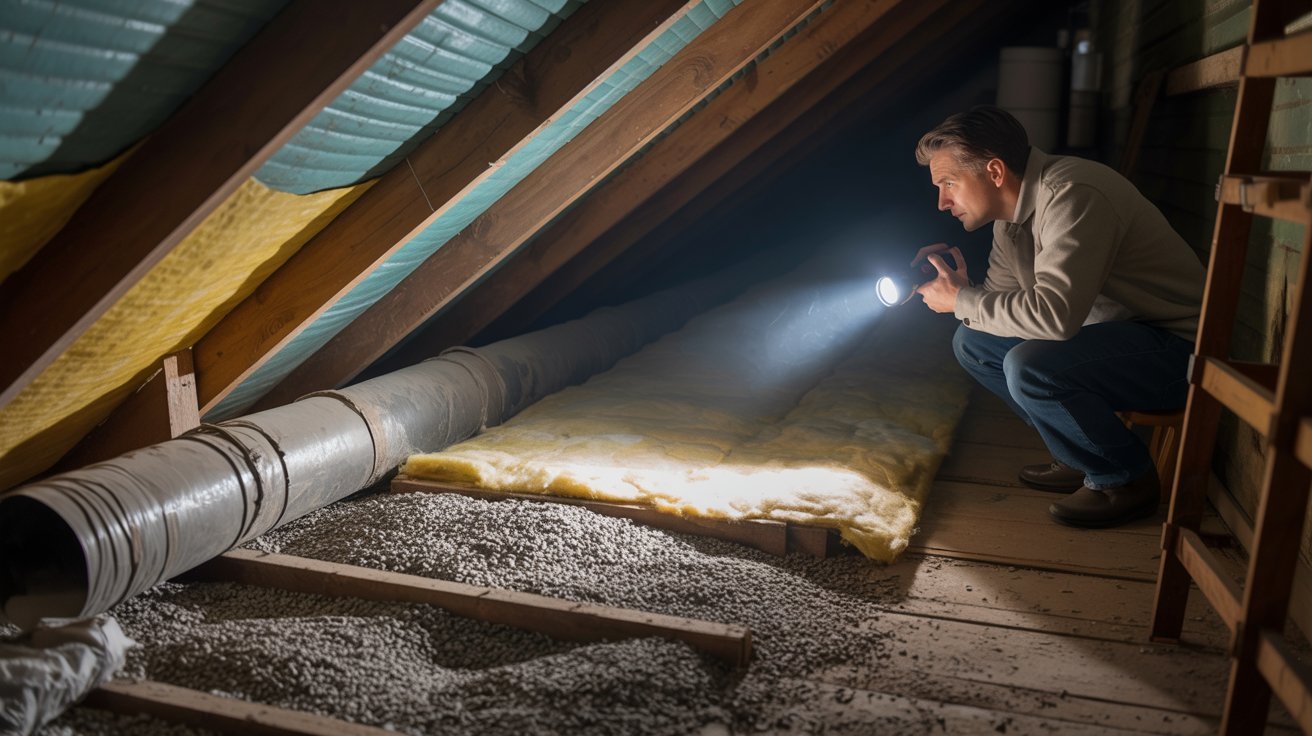
Old insulation can hide a serious risk. If your home was built before 1980, you might be living with asbestos and not even know it.
This guide shows you exactly what asbestos insulation looks like, from loose-fill to pipe wraps to spray-on coatings.
You will learn how to spot the warning signs, tell the difference between asbestos and safer materials like cellulose or rock wool, and understand where this insulation hides in your home.
We have spent years researching home safety topics, so you are getting accurate, practical information here.
By the end, you will know what to look for and what steps to take next. Your safety matters, and this article is built to help you protect it.
What Does Asbestos Insulation Look Like?
Asbestos insulation does not look the same everywhere. Its appearance changes based on the type and how it was installed in your home.
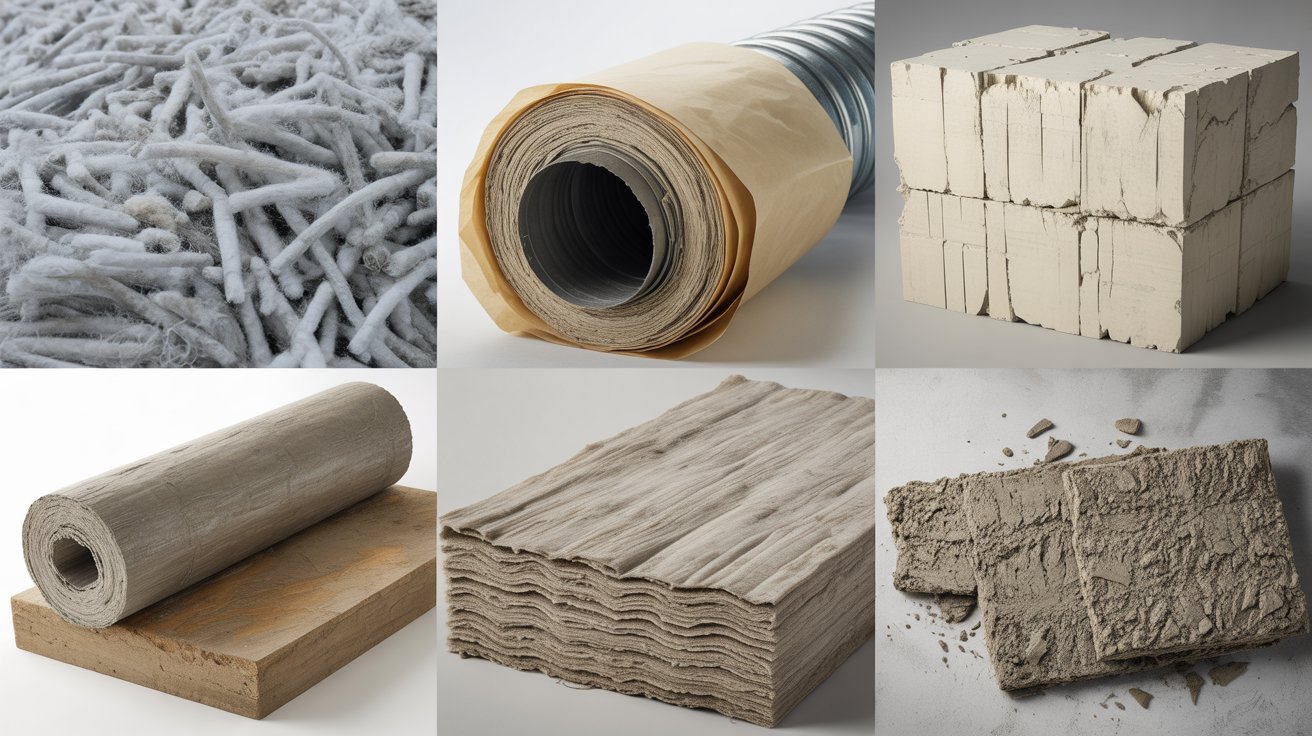
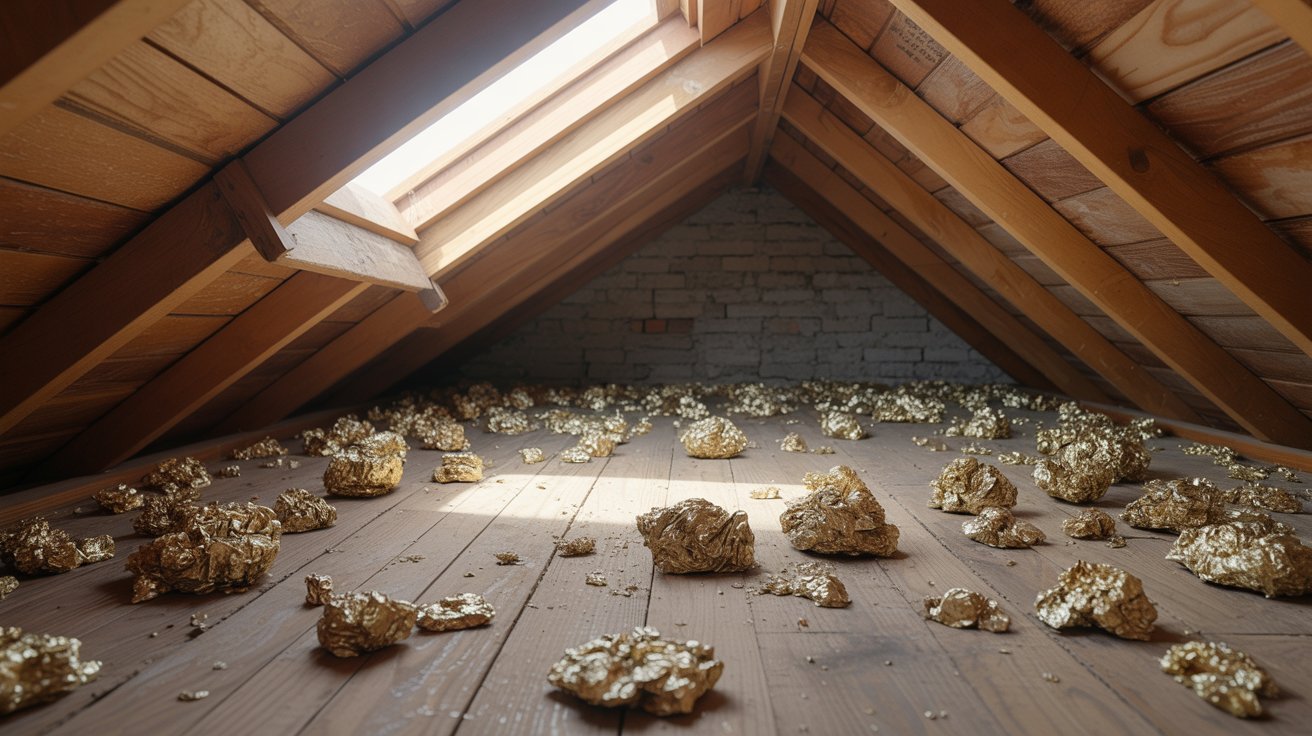
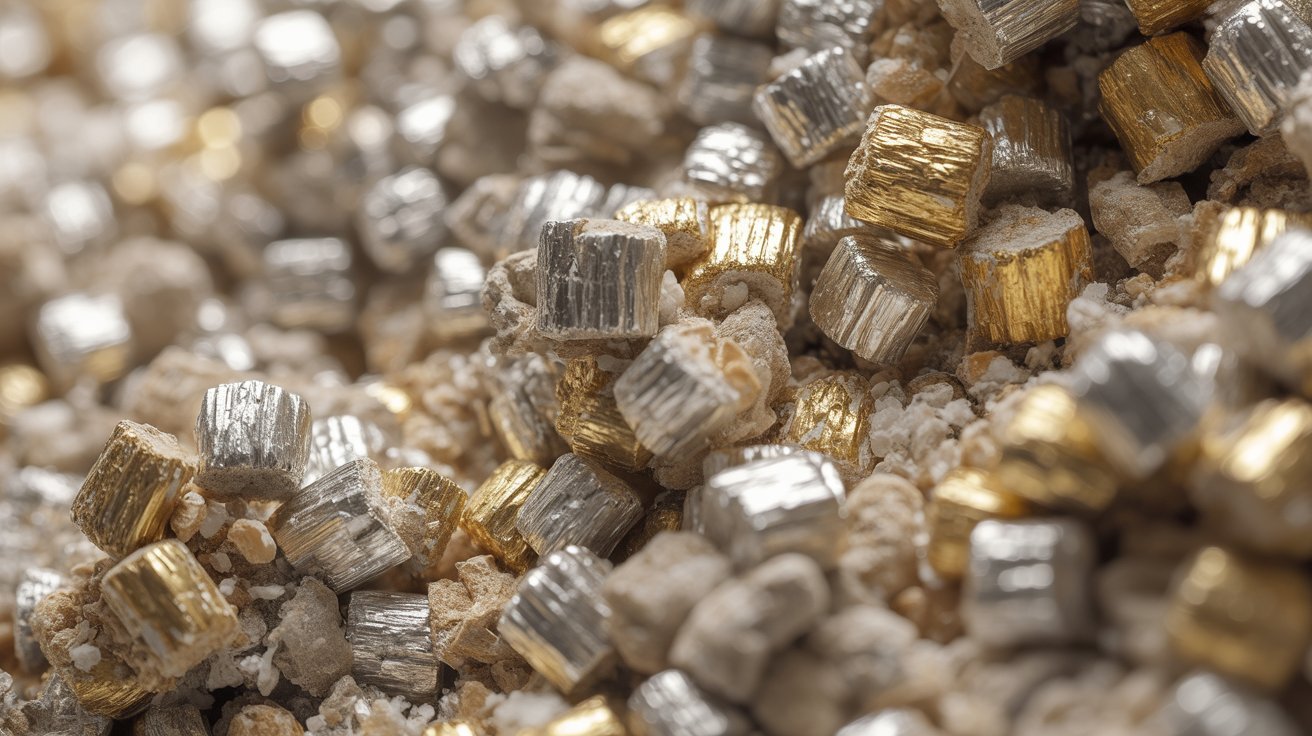
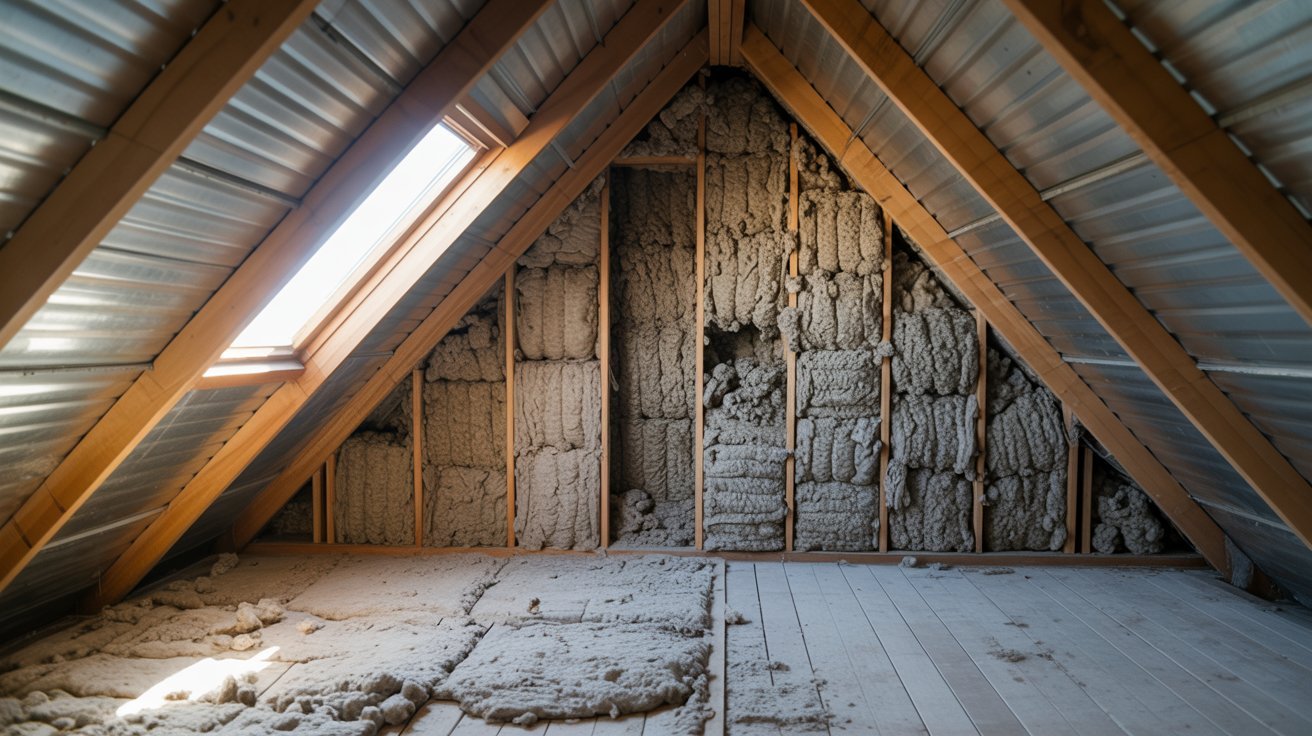
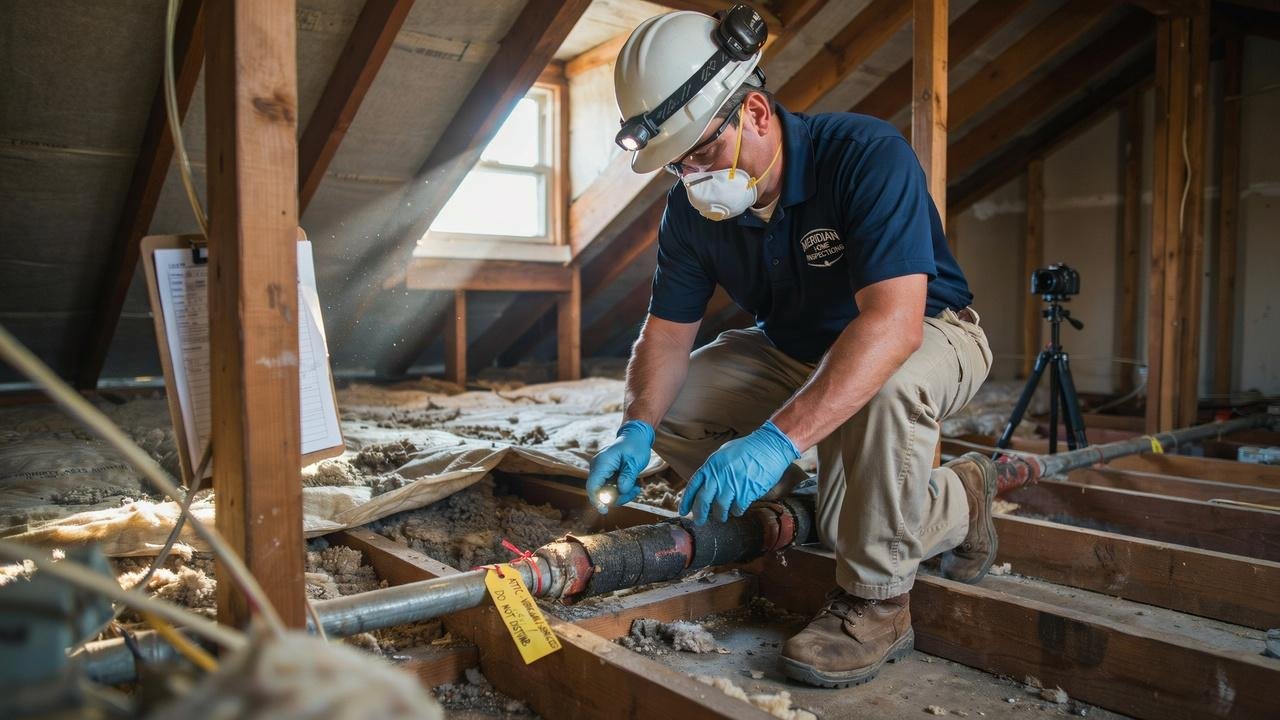
Asbestos insulation comes in several forms, each with its own texture, color, and typical location in a building. Loose-fill asbestos looks like small gray, silver, or gold pebbles or fluffy fibers.
It is often poured into attic spaces and wall cavities, and the material settles unevenly, sometimes looking like small stones mixed with fluffy bits.
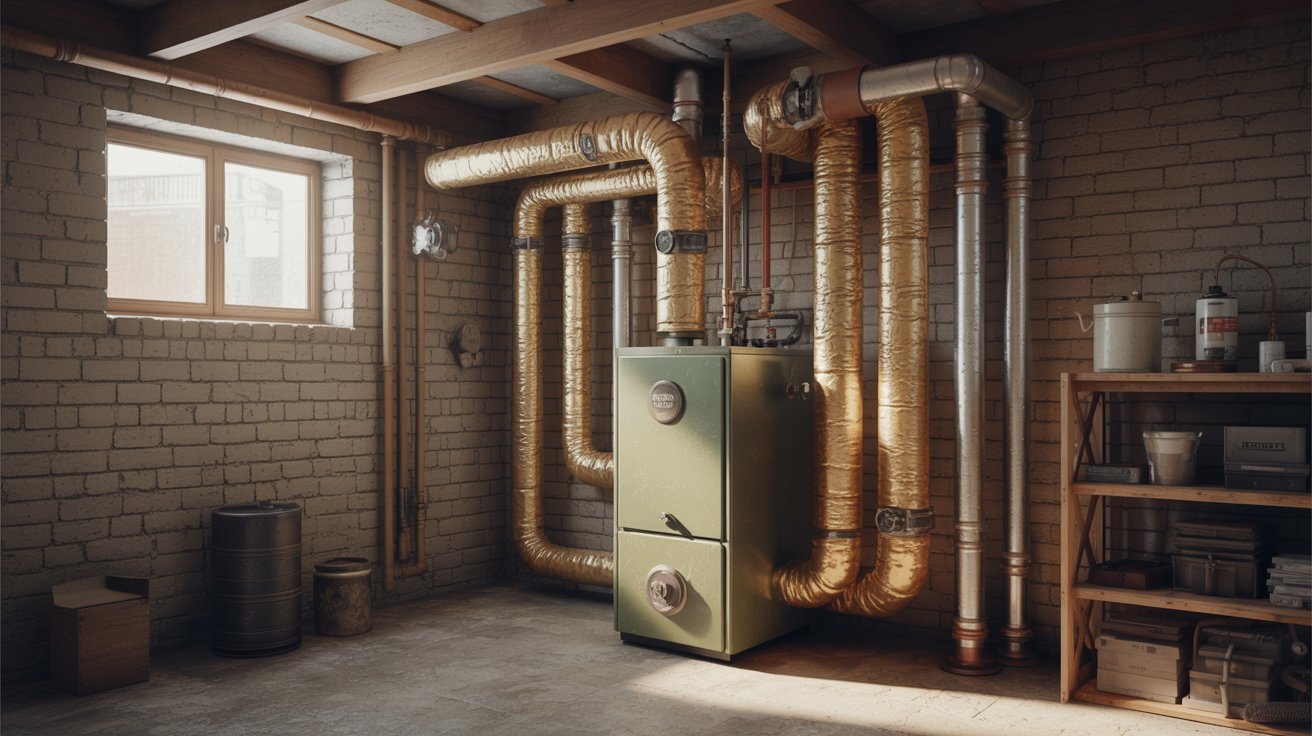
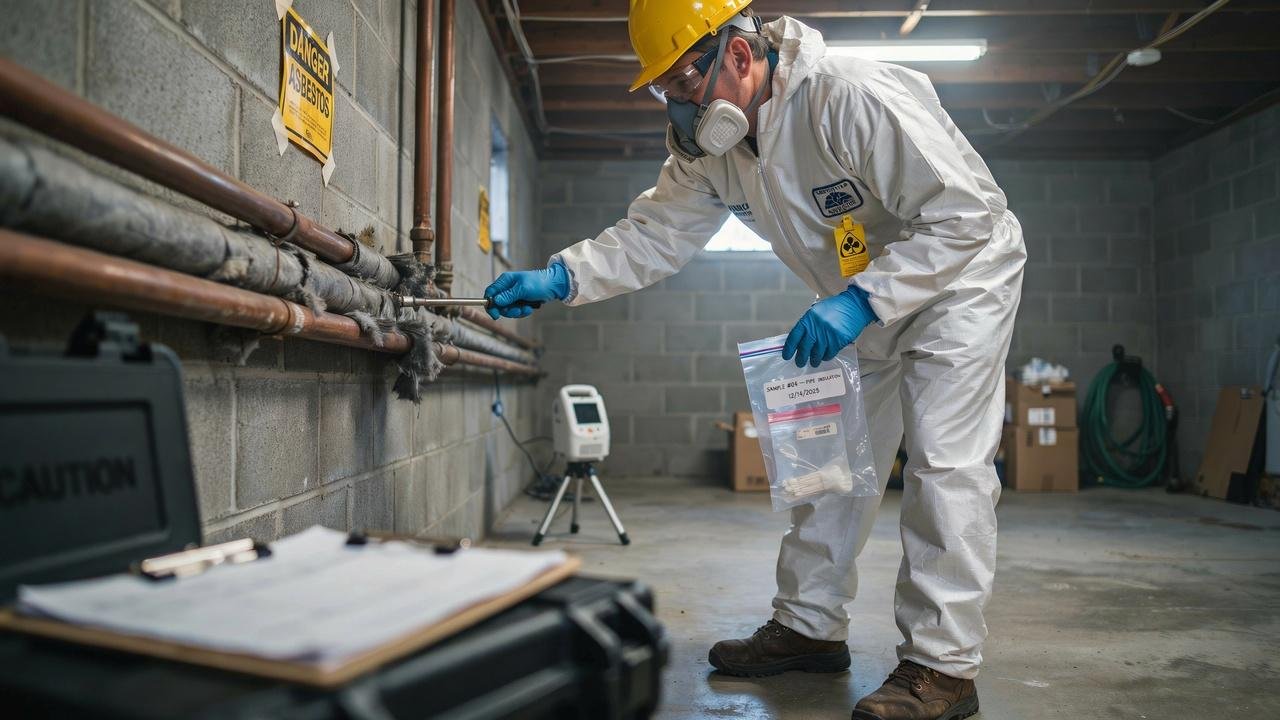
Pipe wrap asbestos often appears as a white or gray chalky material wrapped around pipes, sometimes resembling corrugated paper or a hard plaster coating.
Over time, it may crack or crumble, releasing fibers into the air.
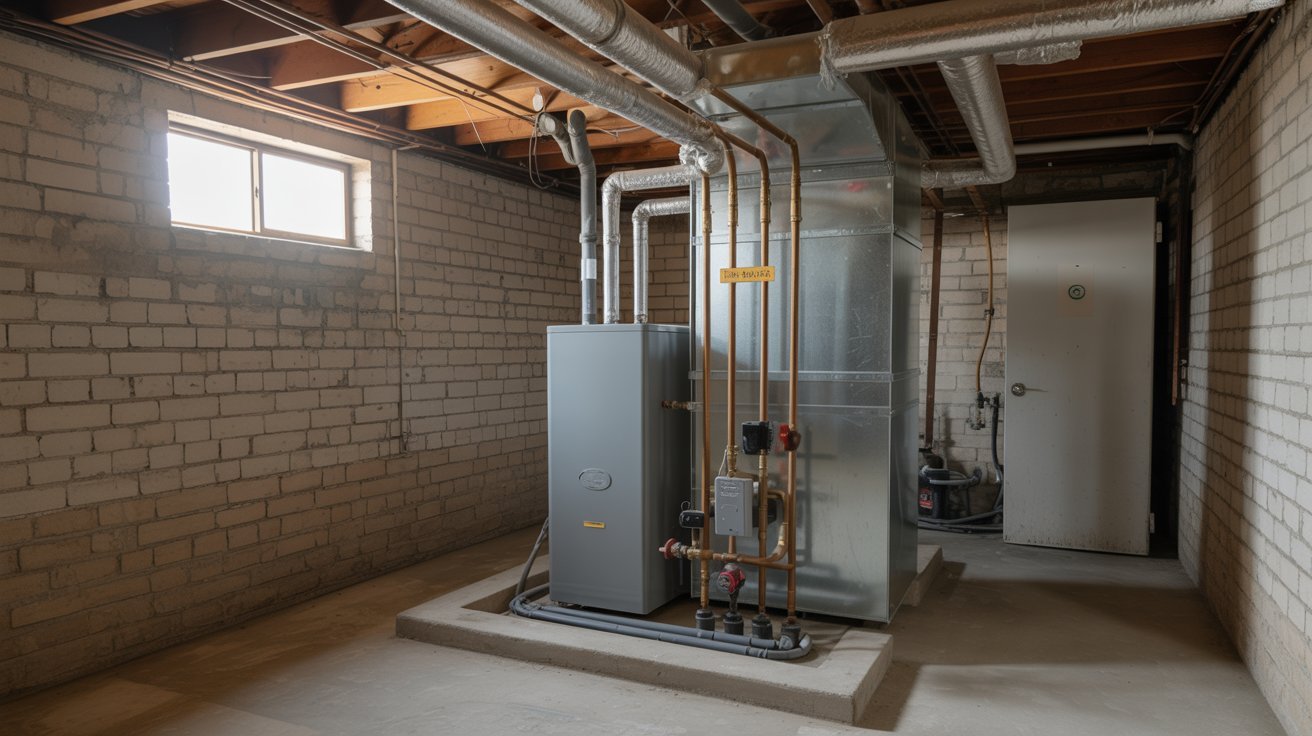
Block insulation is solid and rigid, often light gray or off white, and is commonly used around boilers and furnaces with a rough, chalky surface.
Blanket or batt insulation looks similar to modern fiberglass batts, with a grayish or yellowish tint and a fibrous, matted appearance, which makes it especially hard to identify on sight.
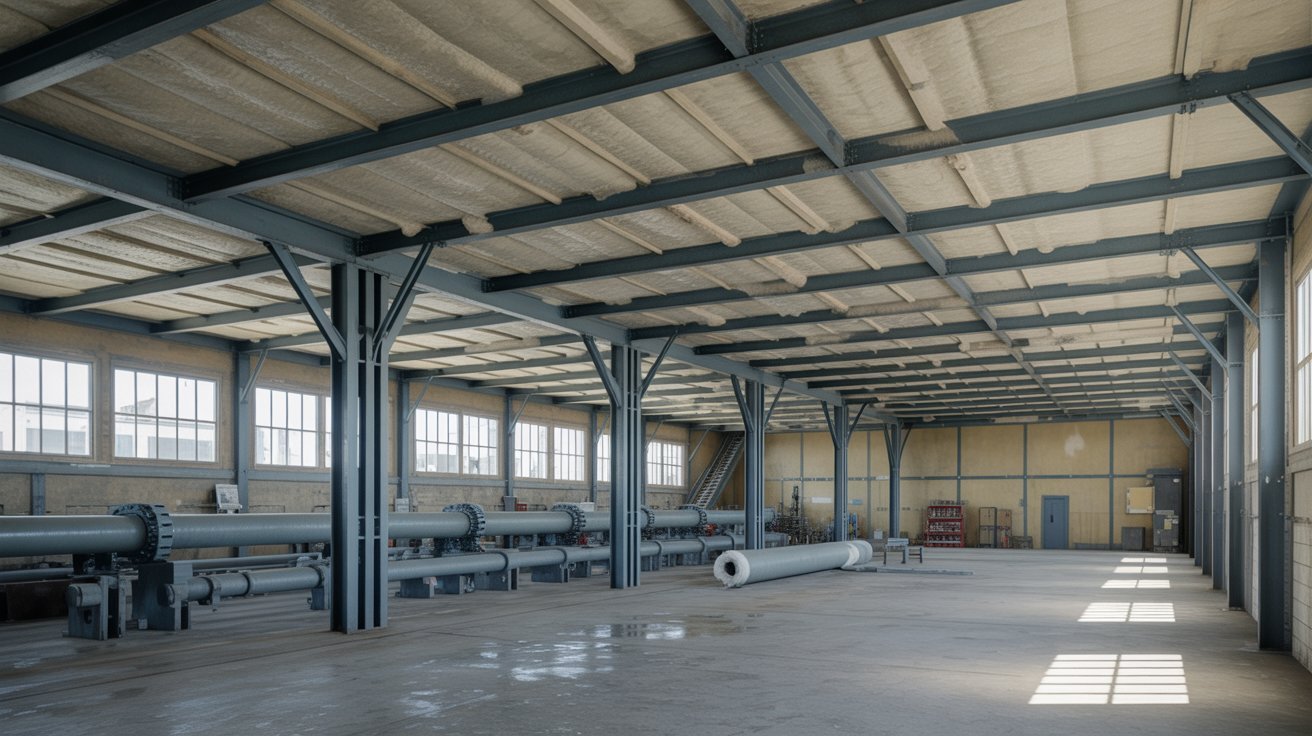
Spray-applied asbestos has a rough, popcorn-like texture and was commonly sprayed onto ceilings, walls, and structural beams, giving the surface a bumpy, fluffy, or fibrous look depending on how it was applied.
What Does Vermiculite Insulation Look Like?
Vermiculite is one of the most common asbestos-contaminated materials found in older attics.
Identifying Zonolite Insulation
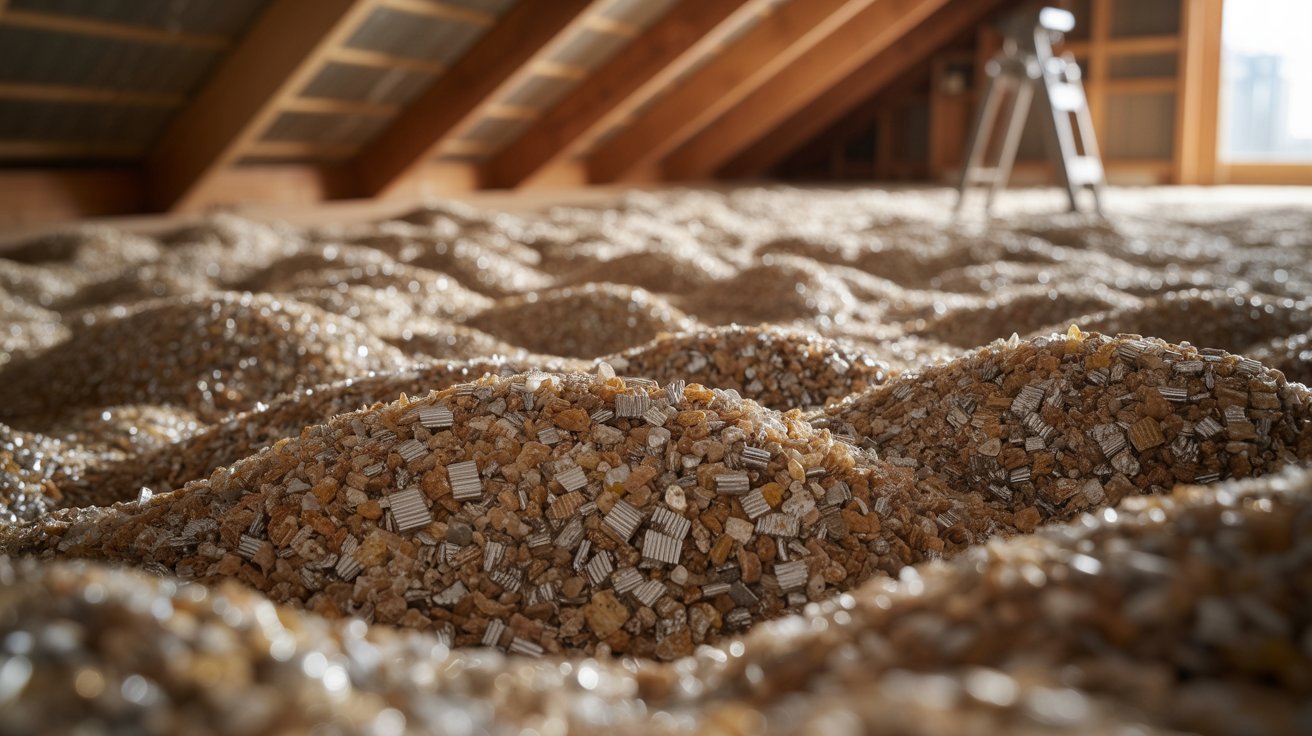
Zonolite was a popular vermiculite brand sold for decades. Many older homes still have this material sitting untouched in their attics.
Common Appearance and Texture
Vermiculite looks like small, shiny, accordion-shaped pebbles. The color ranges from gray-brown to silvery gold. It pours easily and tends to spread loosely across attic floors.
Why Vermiculite May Contain Asbestos
Most vermiculite came from a mine in Montana that was contaminated with asbestos. Because of this, the United States Environmental Protection Agency advises treating all vermiculite insulation as if it contains asbestos unless tested otherwise.
Cellulose vs. Vermiculite Insulation
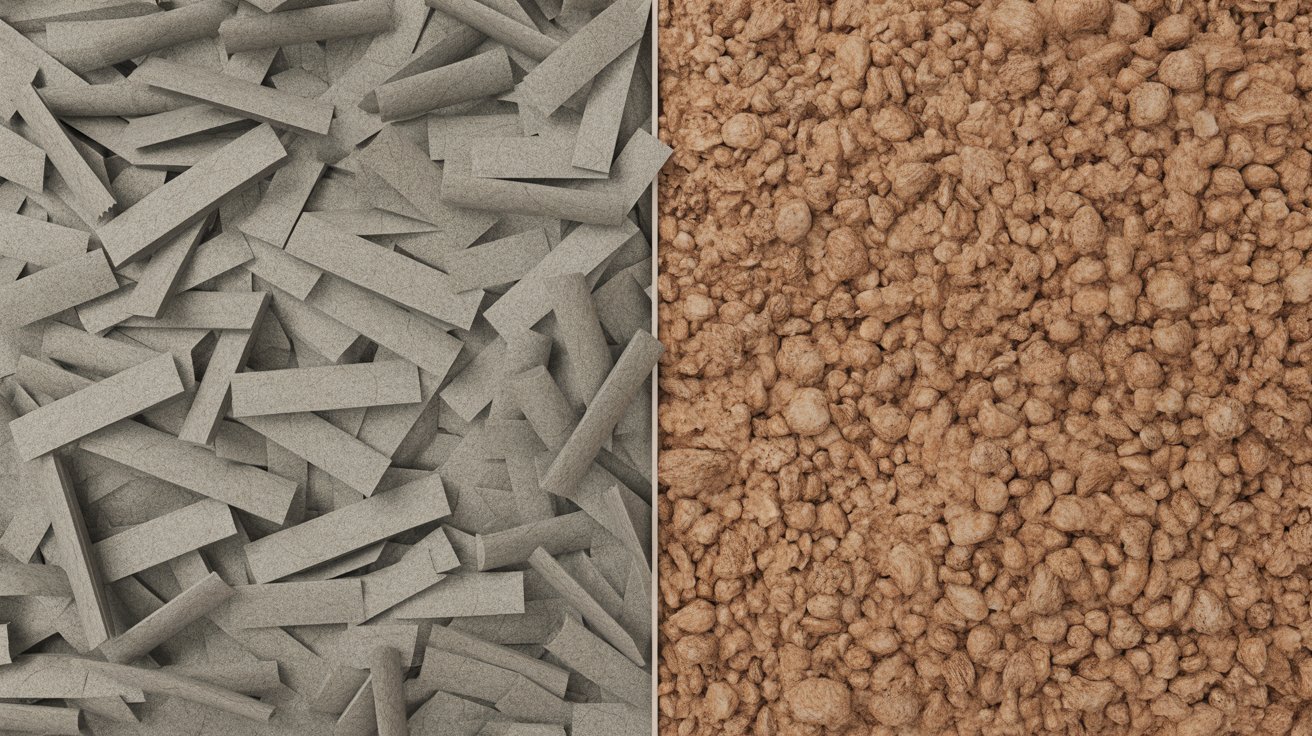
These two materials are often confused, but they look and feel very different once you know what to check.
Feature
Cellulose Insulation
Vermiculite Insulation
Appearance
Gray, shredded, paper-like
Shiny, pebble-like, accordion shaped
Texture
Soft, fluffy, fibrous
Hard, granular, lightweight pebbles
Color
Gray or off-white
Gold, brown, or silvery gray
Material origin
Recycled paper treated with fire retardant
Natural mineral, mined and expanded with heat
Asbestos risk
Generally low risk
Often contaminated, treat with caution
Asbestos Wool vs. Rock Wool Insulation
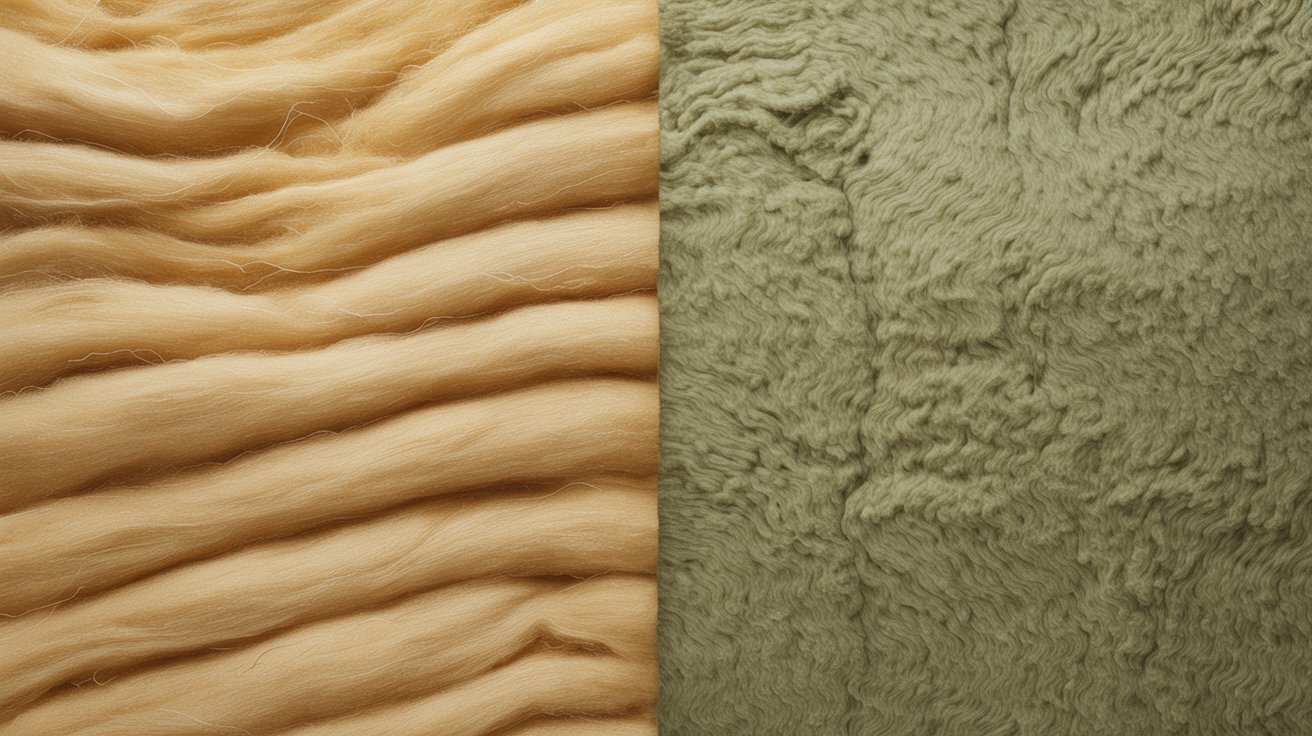
Both materials look fibrous at first glance, but a closer look reveals clear differences.
Where Asbestos Insulation Is Commonly Found
Knowing where to look helps you spot risky material before it becomes a bigger problem.
Attics and Wall Cavities
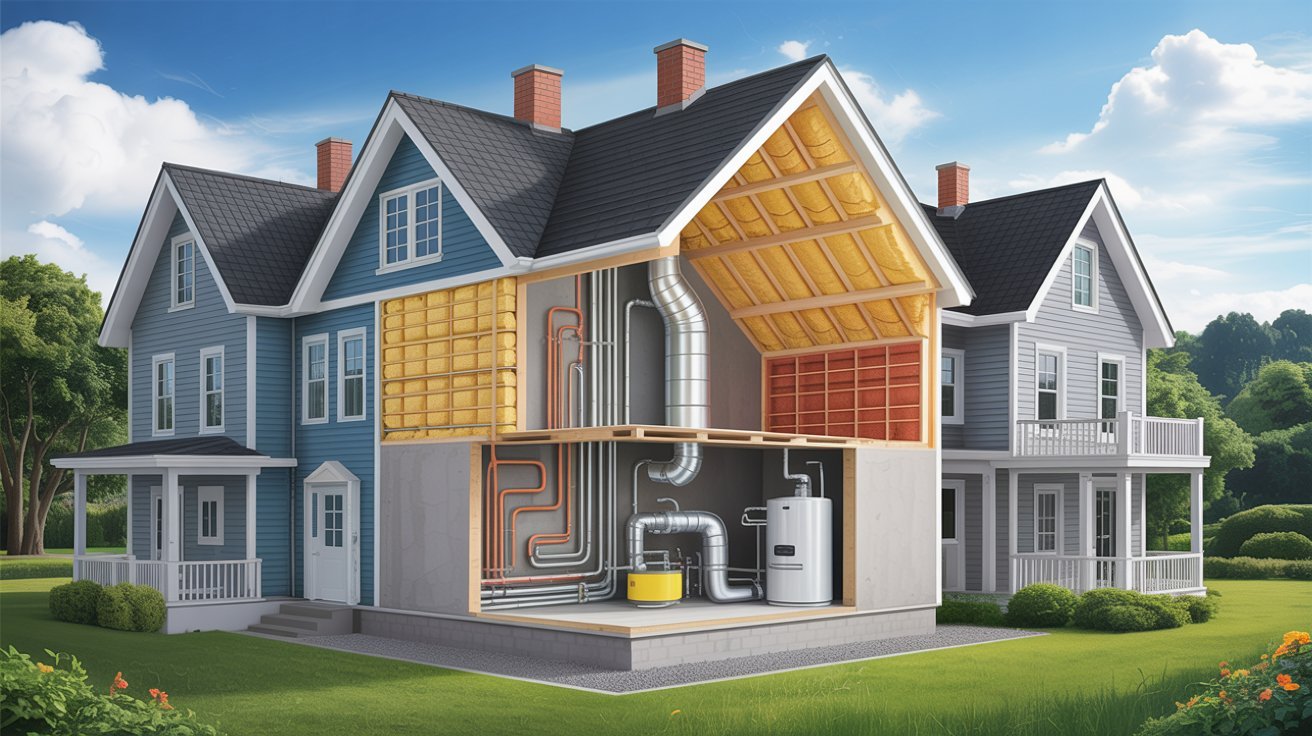
Loose-fill and vermiculite insulation often sit undisturbed in attics for decades. Wall cavities may also hold blanket-style asbestos insulation.
Around Pipes, Boilers, and Furnaces
Older heating systems were commonly wrapped in asbestos insulation. This material kept pipes warm and prevented heat loss.
Basements and Utility Areas
Basements often hold block insulation around mechanical equipment. These spaces are frequently overlooked during inspections.
Commercial and Industrial Buildings
Older factories, schools, and office buildings often used spray-applied asbestos for fireproofing and soundproofing.
Signs Your Insulation May Contain Asbestos
A few warning signs can help you decide if professional testing is needed.
The Building Was Constructed Before 1980
Homes and buildings built before this period commonly used asbestos materials in construction.
Insulation Is Crumbling or Damaged
Damaged insulation releases more fibers into the air, increasing health risks.
Vermiculite Is Present in the Attic
If you see shiny, pebble-like insulation in your attic, treat it with caution until tested.
Old Pipe Wraps or Boiler Insulation Are Visible
Crumbling white or gray wraps around pipes are a common red flag.
Can You Identify Asbestos Insulation Without Testing?
Visual identification alone is never enough to confirm asbestos safely.
What Visual Inspection Can and Cannot Tell You
You can often guess based on appearance and age, but you cannot confirm asbestos content without lab testing.
Why Professional Testing Is Essential
A certified inspector can collect a sample and send it for lab analysis. This is the only reliable way to know for certain.
Health Risks of Disturbing Asbestos Insulation
Disturbing asbestos releases tiny fibers that are dangerous when inhaled.
How Exposure Happens
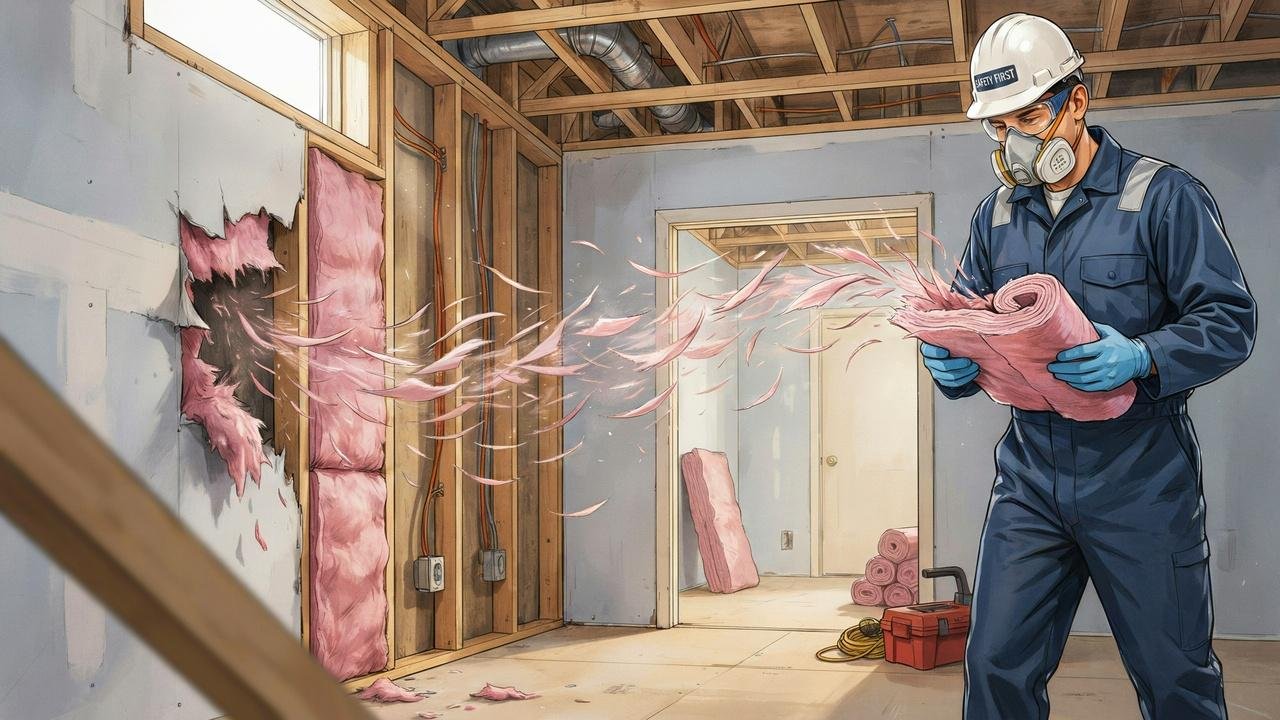
Cutting, drilling, or removing asbestos insulation releases fibers into the air. These fibers can stay airborne for hours.
Asbestosis, Mesothelioma, and Other Diseases
Long-term exposure is linked to asbestosis, lung cancer, and mesothelioma. Symptoms often take years or decades to appear.
Tips for Safely Handling Suspected Asbestos Insulation
Do not touch, cut, or disturb the material
Avoid DIY renovation around suspect insulation
Arrange professional testing before removal
Keep family members away from the area
Seal off the space until a professional inspects it
Conclusion
Spotting asbestos insulation is the first step toward keeping your home safe. We have walked through what it looks like, where it hides, and what signs to watch for.
I have seen how easy it is to overlook old insulation until someone asks the right questions, so trust your instincts if something feels off.
If this guide helped you, share it with someone who might need it too.
Leave a comment below with your questions, and check out our other home safety guides for more practical advice.
Frequently Asked Questions
Can asbestos insulation be white or gray only?
No. Asbestos insulation can appear in gray, white, gold, silver, or even blue-gray depending on the type and material used.
Is vermiculite insulation always dangerous?
Not always, but most vermiculite sold before 1990 came from a contaminated source. Testing is the only way to confirm safety.
Can I remove asbestos insulation myself?
No. Removal should always be handled by a licensed asbestos abatement professional to avoid releasing harmful fibers.
How old does a house need to be to have asbestos insulation?
Homes built before 1980 are most likely to contain asbestos materials, though some homes built into the 1990s may still have it.
Does asbestos insulation always look damaged or old?
No. Asbestos insulation can look intact and undisturbed for decades while still posing a serious health risk if touched.
Lauren Prescott focuses on insulation and energy-efficient building solutions that improve indoor comfort throughout the year. She writes about fiberglass, spray foam, cellulose, rigid foam boards, vapor barriers, and attic insulation while explaining how each option affects performance and energy savings. Lauren enjoys making technical building science accessible, helping homeowners choose insulation systems that balance efficiency, comfort, durability, and long-term value.