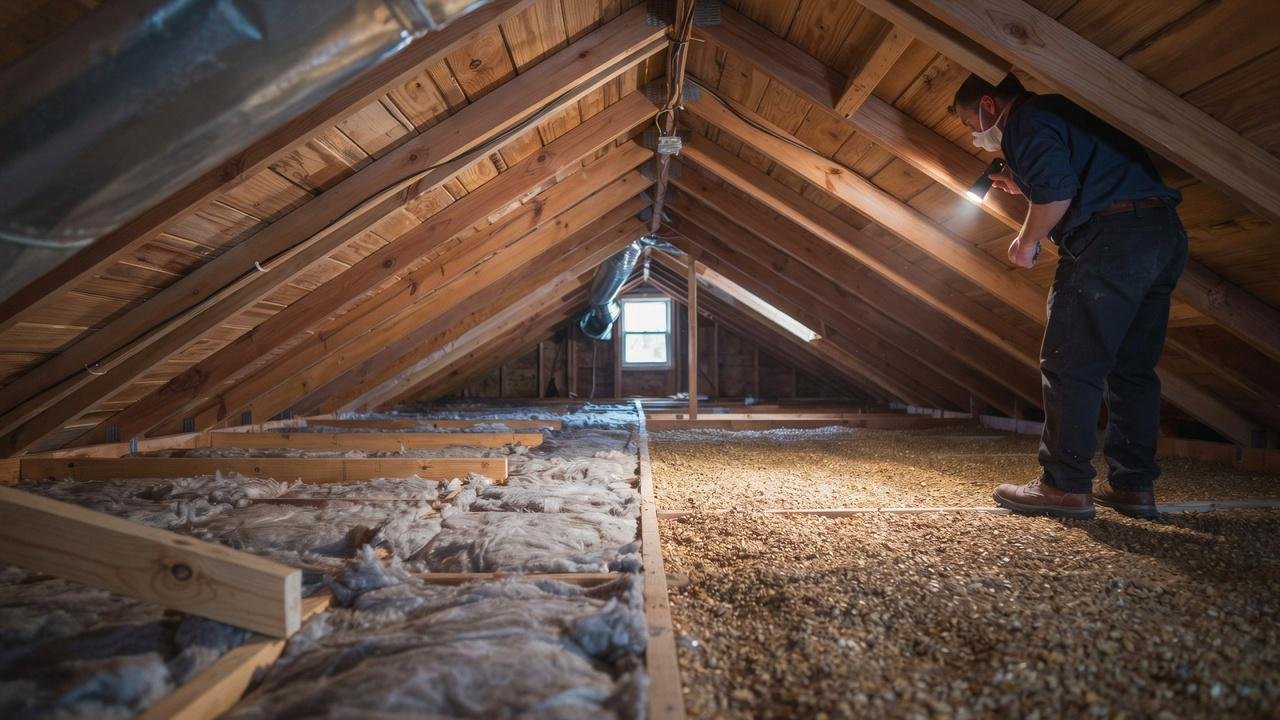
Old attic insulation can look like a mystery. Is it safe cellulose or dangerous asbestos? This blog will walk you through both types, how they look, and how they differ.
You will learn where each one was used, what signs to check, and when a photo just is not enough. We will also cover what to do if you suspect asbestos in your home.
Many homeowners face this exact question during renovations or inspections. You deserve clear answers, not guesswork.
We have researched building materials and safety guidelines to bring you facts you can trust.
By the end, you will know what to look for and when to call in a professional.
What Is Cellulose Insulation?
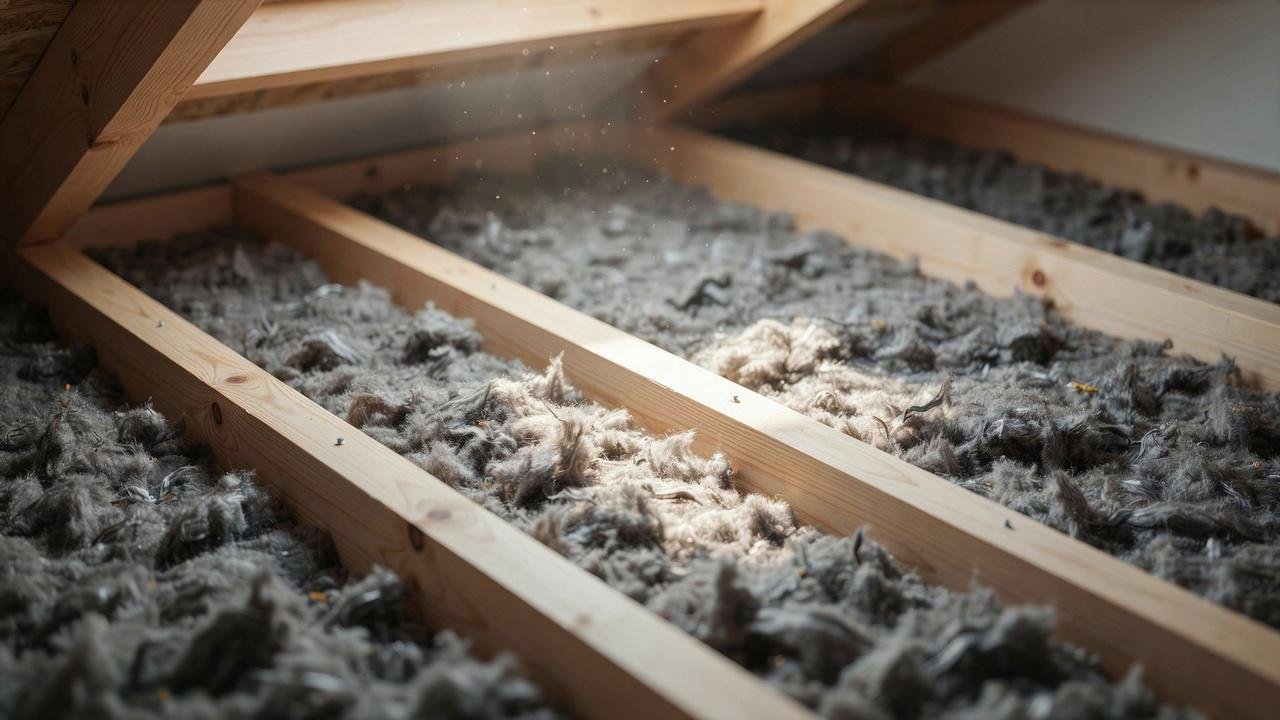
A paper-based insulation made mostly from recycled materials.
Cellulose insulation comes from recycled paper, mostly newspaper. Manufacturers treat it with chemicals to resist fire and pests.
It looks gray or off-white and has a soft, fluffy texture. Builders often blow it into attics and wall cavities. It has been a common choice in homes since the 1970s.
Many people like it because it is affordable and helps with energy bills. It is not the same as asbestos, though the two can look similar at first glance.
What Is Asbestos Insulation?
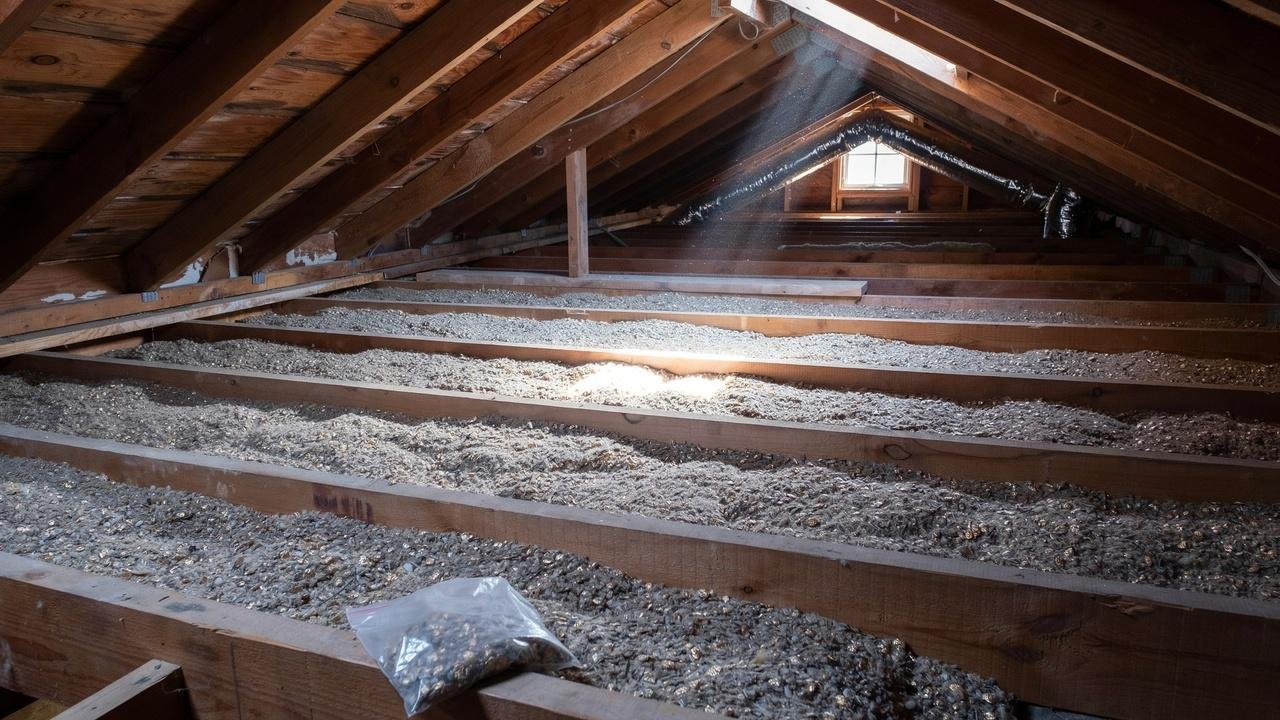
A mineral fiber once prized for fireproofing before health risks were known.
Asbestos is a natural mineral fiber. Builders used it for decades because it resists heat and fire well. It was common in homes built before 1990.
The problem is that asbestos fibers can cause serious lung disease when inhaled. This is why so many homeowners worry when they see old, unfamiliar insulation in their attic.
Builders also used asbestos throughout older homes because it was inexpensive, durable, and highly resistant to heat.
It appeared in attic insulation, pipe wrapping, floor tiles, duct insulation, and other building materials before its health risks became widely recognized.
How to Tell the Difference Between Cellulose and Asbestos Insulation
Key visual clues can help you spot a possible problem.
Compare the Color
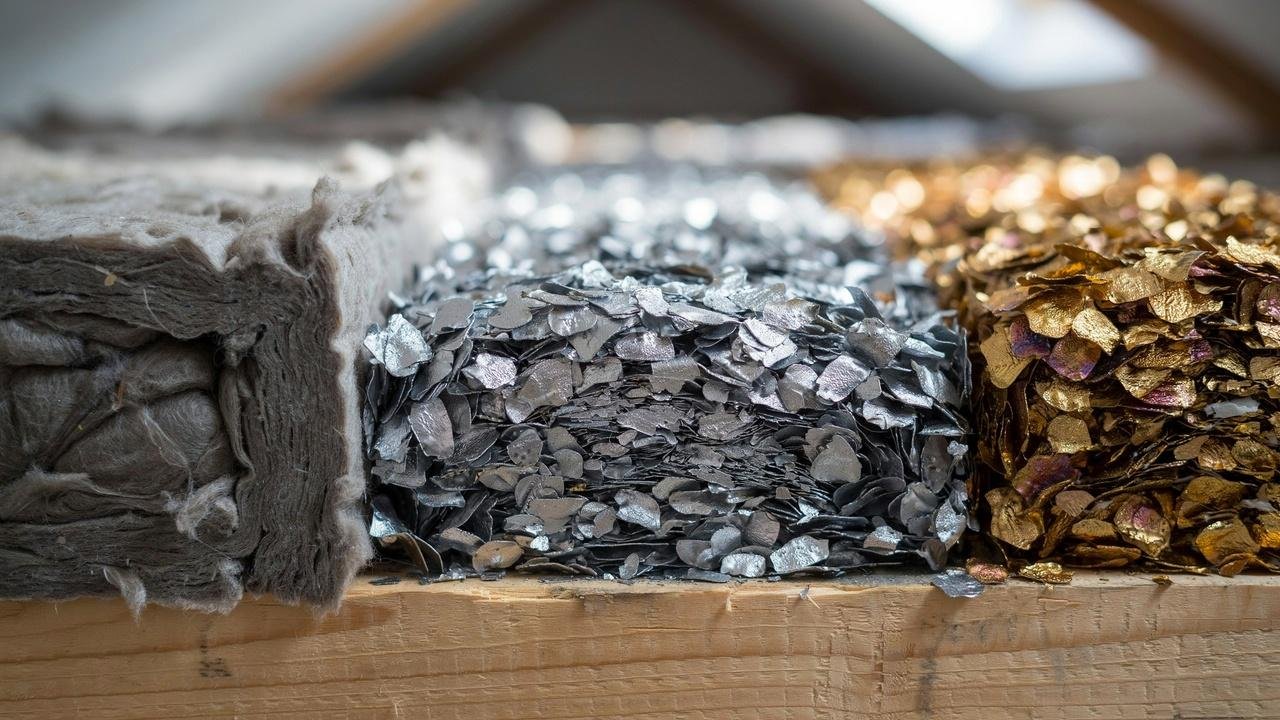
Cellulose is usually gray or off-white with a dull look. Asbestos, especially vermiculite, often has a silver or gold shine.
Light can reflect off asbestos fibers in a way cellulose does not.
Check the Texture and Fiber Appearance
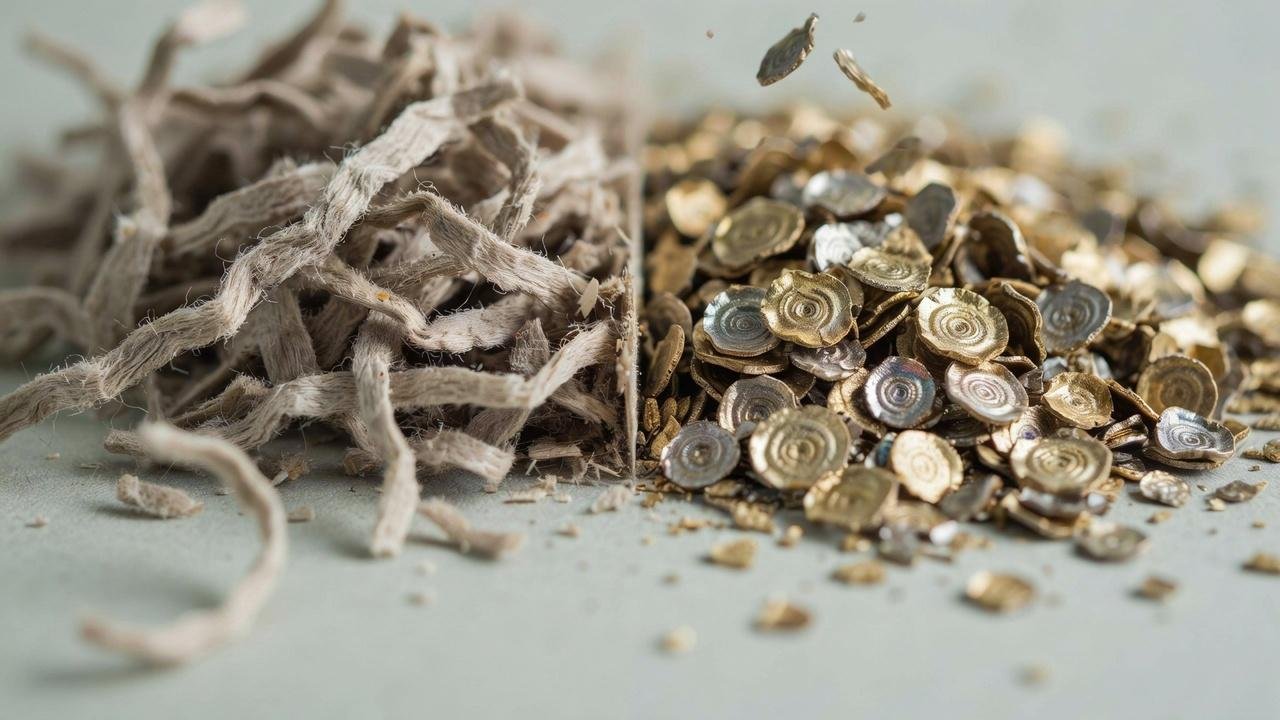
Cellulose feels soft and fluffy, almost like shredded paper. Vermiculite asbestos looks like small pebbles or flakes.
If you see shiny, flat flakes instead of soft fluff, be cautious.
Look at the Age of the Home
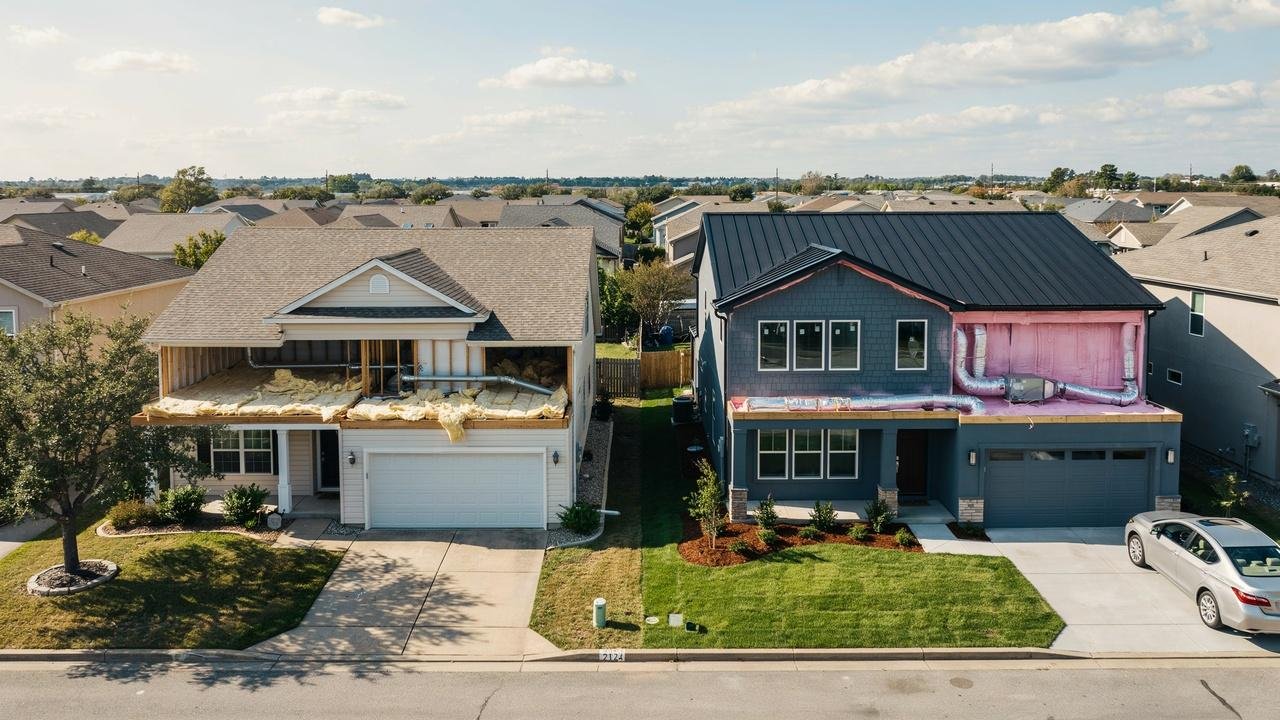
Homes built before 1990 are more likely to have asbestos materials. If your home was built after the mid-1990s, cellulose is far more likely.
Age alone will not confirm anything, but it gives a helpful clue.
Identify the Installation Location
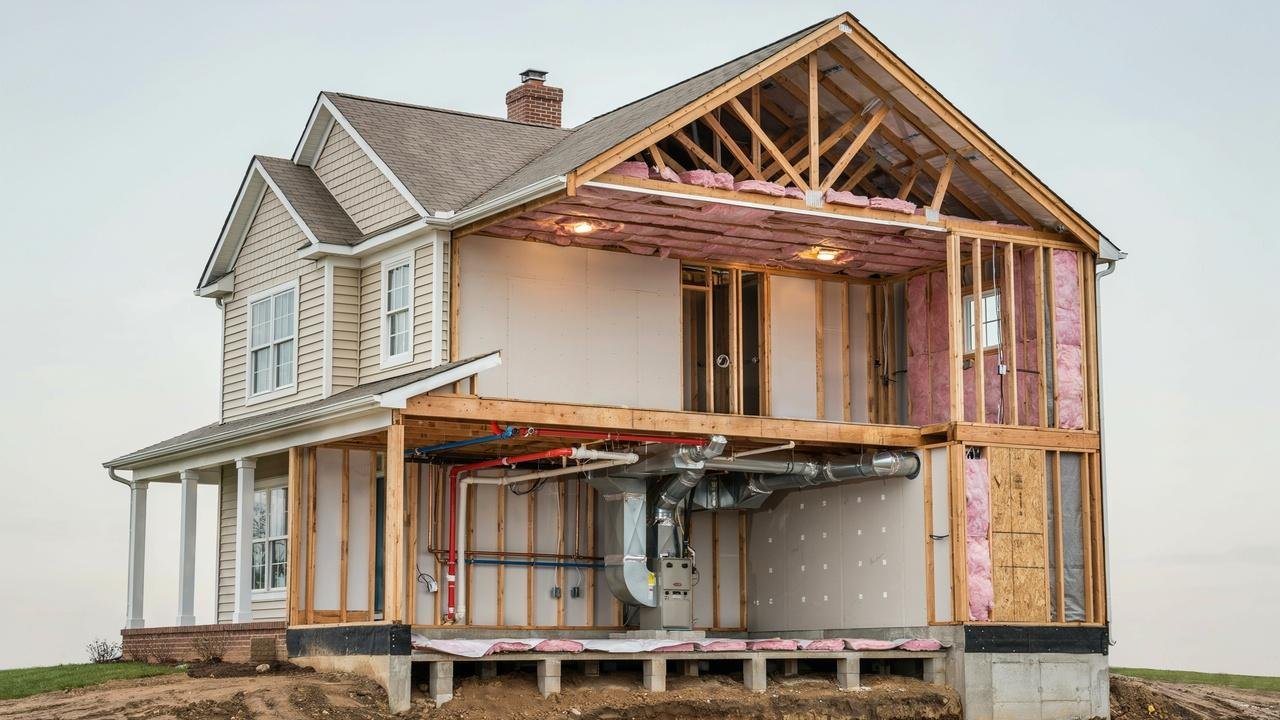
Both materials show up in attics and wall cavities. Asbestos was also common around pipes, furnaces, and old duct work.
Check those areas closely if you suspect a problem.
Look for Product Labels or Packaging
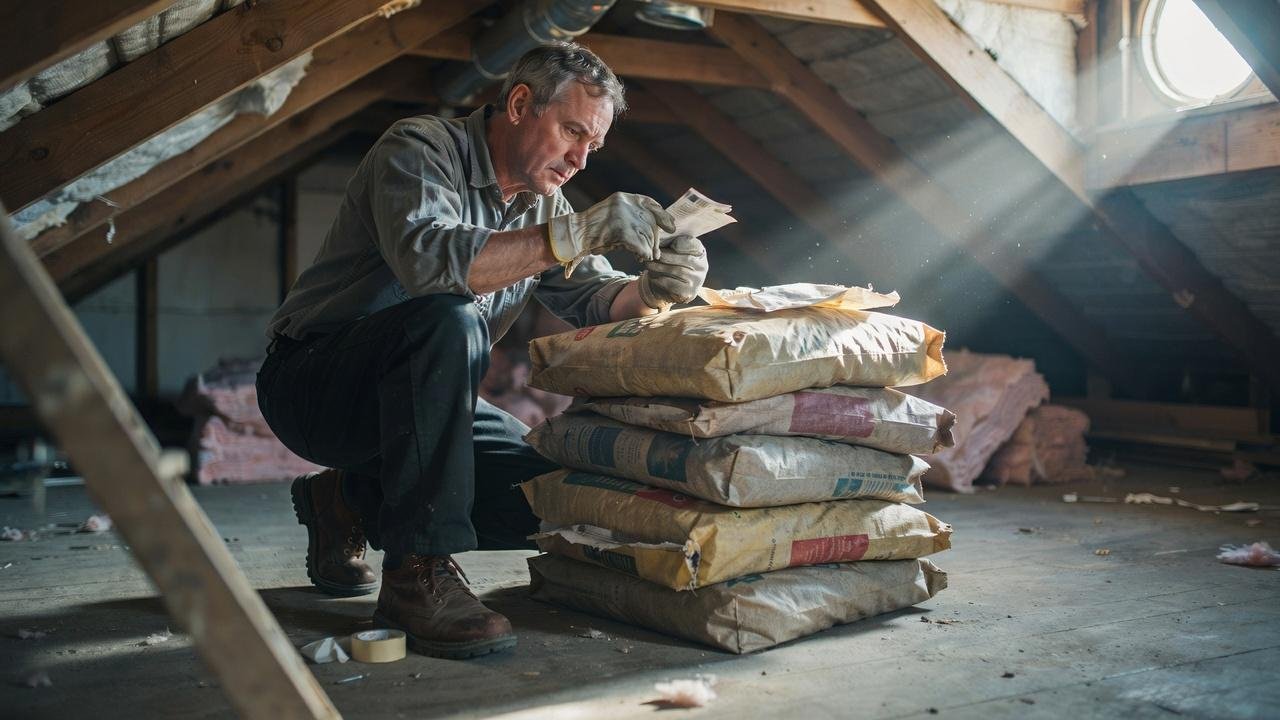
Old insulation bags sometimes have brand names or batch numbers. Certain brands, like Zonolite, are well known for asbestos content. A label can offer a strong clue, but it is not always present.
Why Visual Identification Is Not Always Reliable
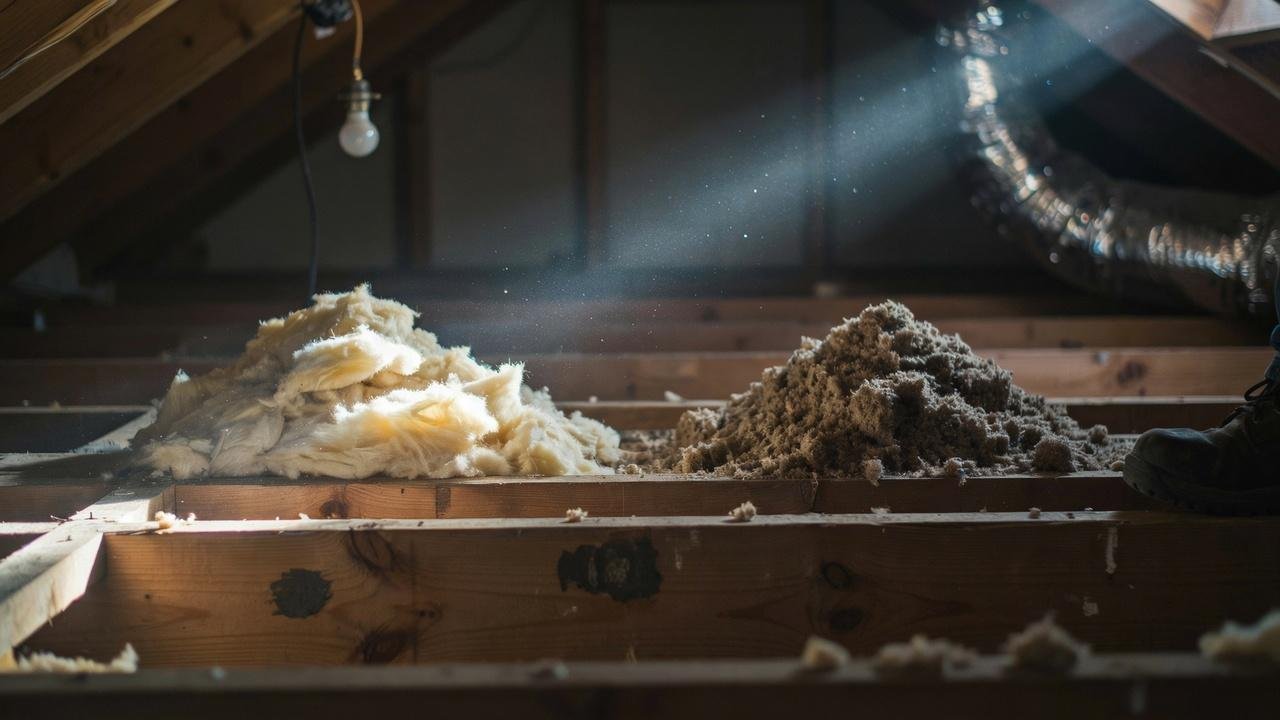
Even experts cannot always tell the difference by sight alone. Some cellulose can look shiny under certain lighting.
Some asbestos can look dull with age. This is why testing matters so much.
Cellulose vs Asbestos Insulation: Key Differences at a Glance
A simple table to compare the basics side by side.
| Feature | Cellulose Insulation | Asbestos Insulation |
|---|---|---|
| Material | Recycled paper | Mineral fiber |
| Texture | Soft, fluffy | Pebble-like or flaky |
| Color | Gray, off-white | Silver, gold, gray |
| Common Years Used | 1970s to present | Before 1990 |
| Health Risk | Low | High if disturbed |
| Common Brands | Various | Zonolite |
Can You Identify Asbestos Insulation from a Photo?
Photos help, but they rarely give a final answer.
What Photos Can Reveal
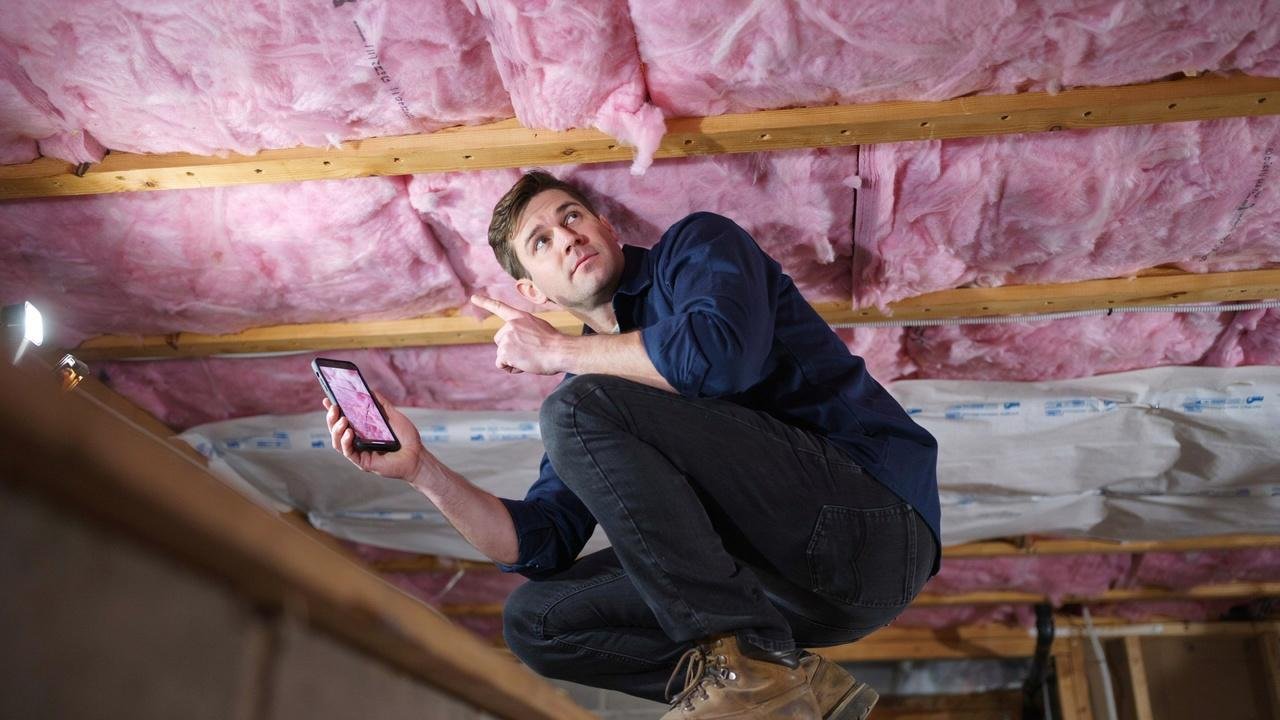
A clear photo can show color, shape, and texture. It can help rule out cellulose if the material looks shiny or pebble-like instead of soft and fluffy.
What Photos Cannot Confirm
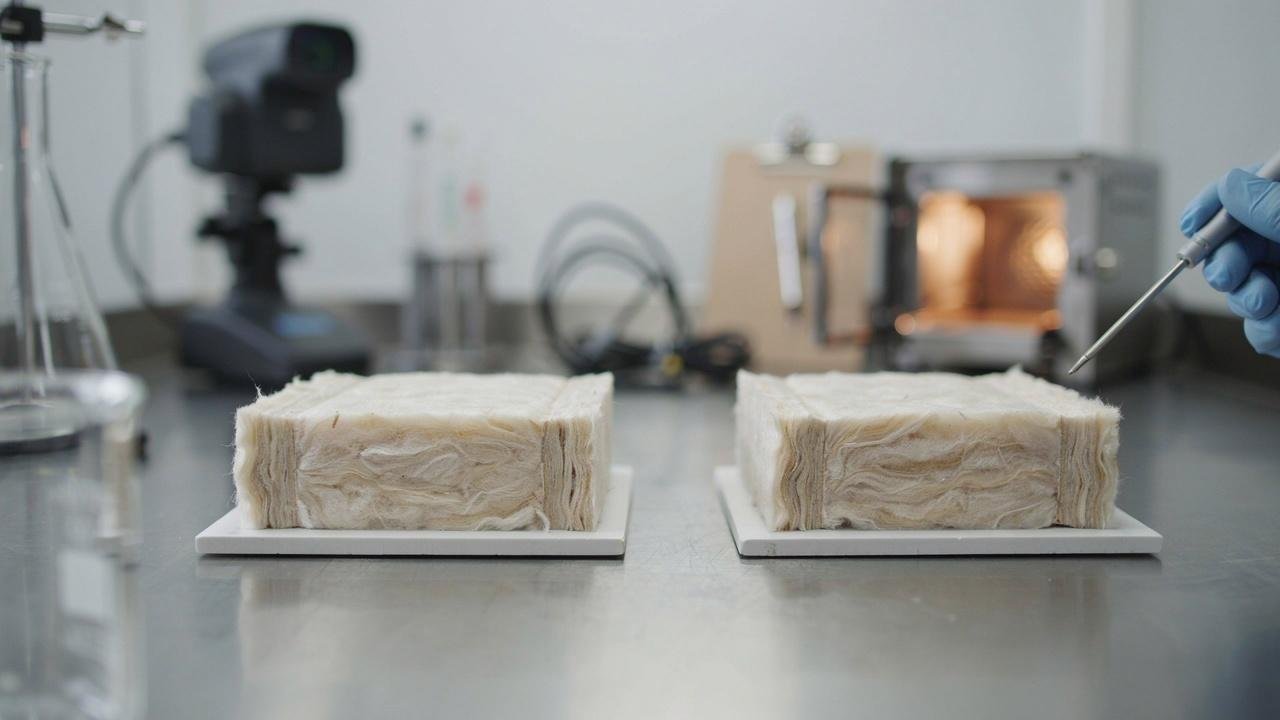
A photo cannot prove what fibers are actually inside the material. Lighting, angle, and camera quality all affect how insulation looks. Only a lab test can confirm asbestos content.
When Laboratory Testing Is the Only Reliable Answer

If you have any doubt, lab testing is the only sure way to know. A small sample sent to a certified lab can confirm or rule out asbestos within days.
What to Do If You Think Your Insulation Contains Asbestos
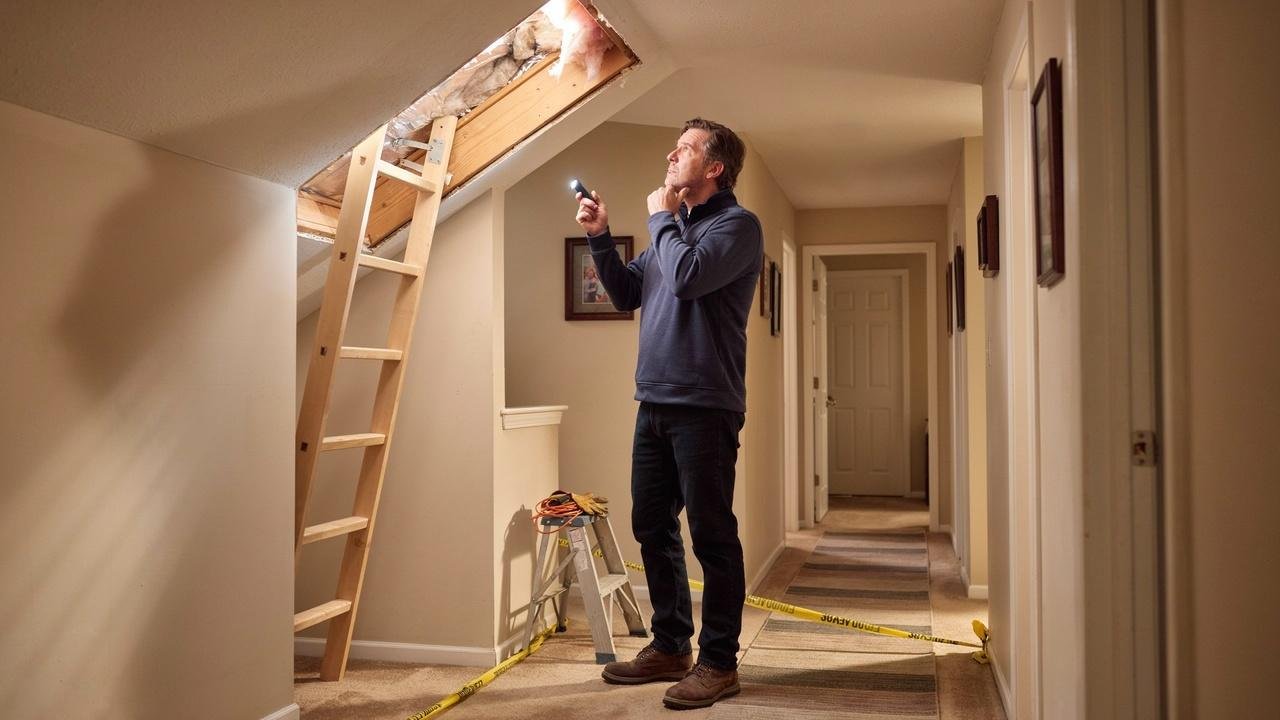
Safety comes first whenever asbestos is suspected.
Avoid Touching or Disturbing the Material
Do not poke, cut, or move the insulation. Disturbing it can release fibers into the air, which raises your risk of exposure.
Seal Off the Area If Necessary
If you must enter the space, try to limit airflow. Closing doors and vents can help keep any fibers from spreading to other parts of the home.
Arrange Professional Asbestos Testing
Hire a certified inspector to collect a sample safely. They know how to test without releasing fibers into your living space.
When Professional Removal Is Recommended
If testing confirms asbestos, professional removal is the safest option. Trained crews use special gear and containment methods to remove it without putting your family at risk.
Common Mistakes People Make When Identifying Insulation
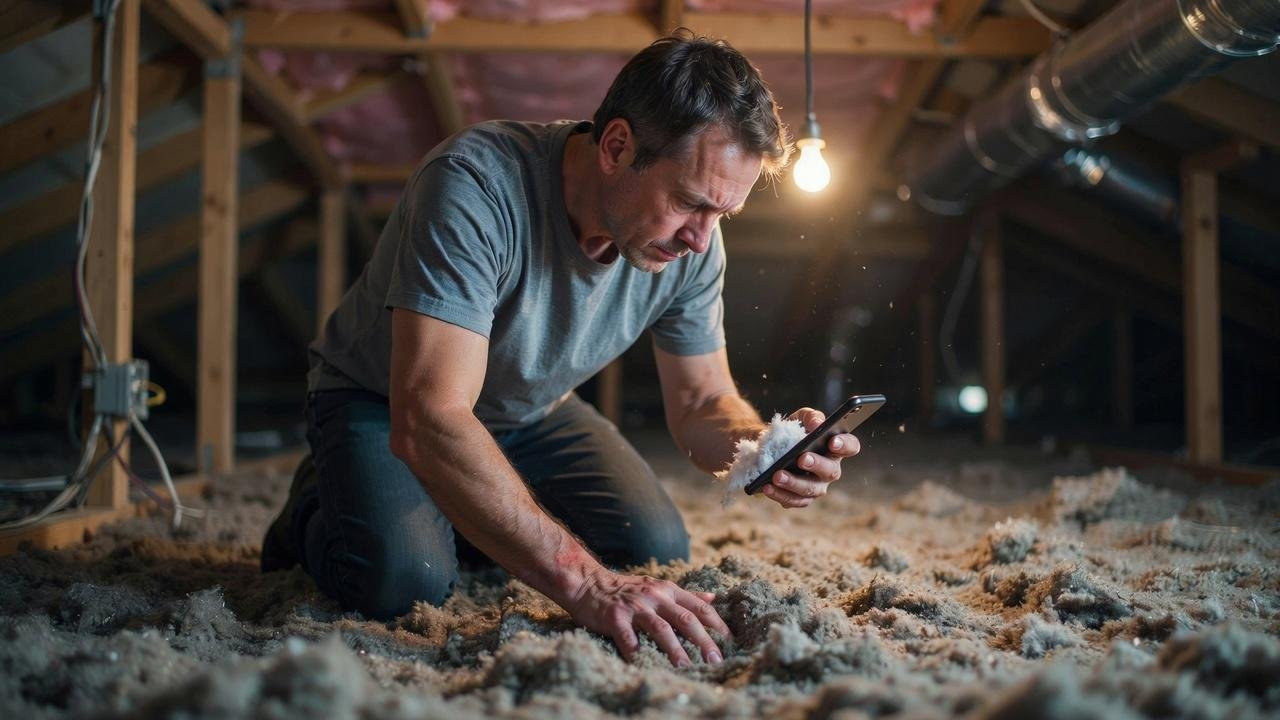
Avoid these missteps when trying to identify your insulation.
Assuming Gray Insulation Is Always Asbestos
Many materials are gray, including plain cellulose. Color alone is never enough to confirm asbestos.
Believing All Loose-Fill Insulation Is Cellulose
Vermiculite asbestos is also loose fill. Texture and shape matter more than the general category.
Relying Only on Internet Photos
Online photos can mislead you. Real samples vary in color and texture based on age and lighting.
Collecting Samples Without Safety Precautions
Touching or removing insulation yourself can be risky. This step should always go to a trained professional.
Tips for Safely Inspecting Suspected Insulation
Keep these safety steps in mind during any inspection.
- Wear a mask and gloves if you must enter the attic
- Never vacuum or sweep suspected asbestos material
- Take photos from a distance instead of touching anything
- Check old home records for past renovation work
- Schedule lab testing before starting any renovation project
Is Cellulose Insulation Safe?
Yes, cellulose insulation is generally safe for homes.
It does not carry the same health risks as asbestos. It can cause minor irritation if dust gets into the air, but it does not lead to serious lung disease.
Many homeowners choose it because it is both safe and energy efficient.
Conclusion
Spotting the difference between cellulose and asbestos insulation can feel stressful, especially in an older home.
I always tell homeowners the same thing:when in doubt, get it tested.
A quick lab check brings real peace of mind. You and your family deserve to feel safe in your own space.
If this guide helped you, leave a comment below or share it with someone who might need it too.
Frequently Asked Questions
Can cellulose insulation contain asbestos?
No, pure cellulose insulation does not contain asbestos. However, older batches made before strict regulations may have impurities.
What color is asbestos insulation usually?
Asbestos, especially vermiculite, is often silver or gold with a shiny look. Cellulose is typically dull gray or off-white.
Is it safe to take a sample of suspected asbestos myself?
It is not recommended to collect samples yourself. A certified professional can do this safely without releasing fibers.
How old does a home need to be to have asbestos insulation?
Homes built before 1990 are most likely to contain asbestos materials. Newer homes typically use safer alternatives like cellulose or fiberglass.
How much does asbestos testing usually cost?
Asbestos testing often costs between $200 and $800, depending on location. Many labs offer quick turnaround times within a few days.