If you are thinking about cellulose insulation for your home, you probably have a few worries. Is it safe to breathe? Can it irritate your skin? Will it grow mold over time?
This guide answers all of that in plain language. We will walk through breathing safety, skin contact, allergy concerns, mold risks, and how cellulose compares to fiberglass.
We will also clear up some common myths and share simple tips to keep your installation safe.
I have looked into these questions closely, and I know how confusing the mixed opinions online can feel.
By the end of this article, you will know exactly what to expect and how to make a confident choice for your home.
Is Cellulose Insulation Safe?
Cellulose insulation is made from recycled paper treated with borate compounds. These compounds guard against fire, pests, and mold.
It is safe for most homes when installed correctly. The treatment is low in toxicity and does not release harmful fumes.
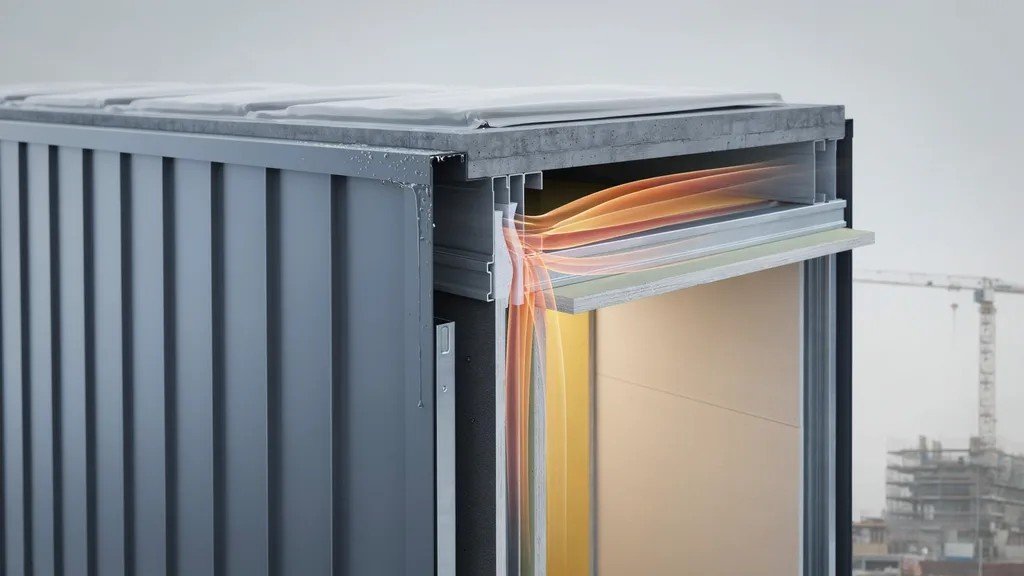
Fire resistance is strong due to the borate coating. Moisture is the main risk, since damp cellulose can grow mold over time.
Dust during installation is minor. Masks and gloves help, and the concern fades once insulation settles into place.
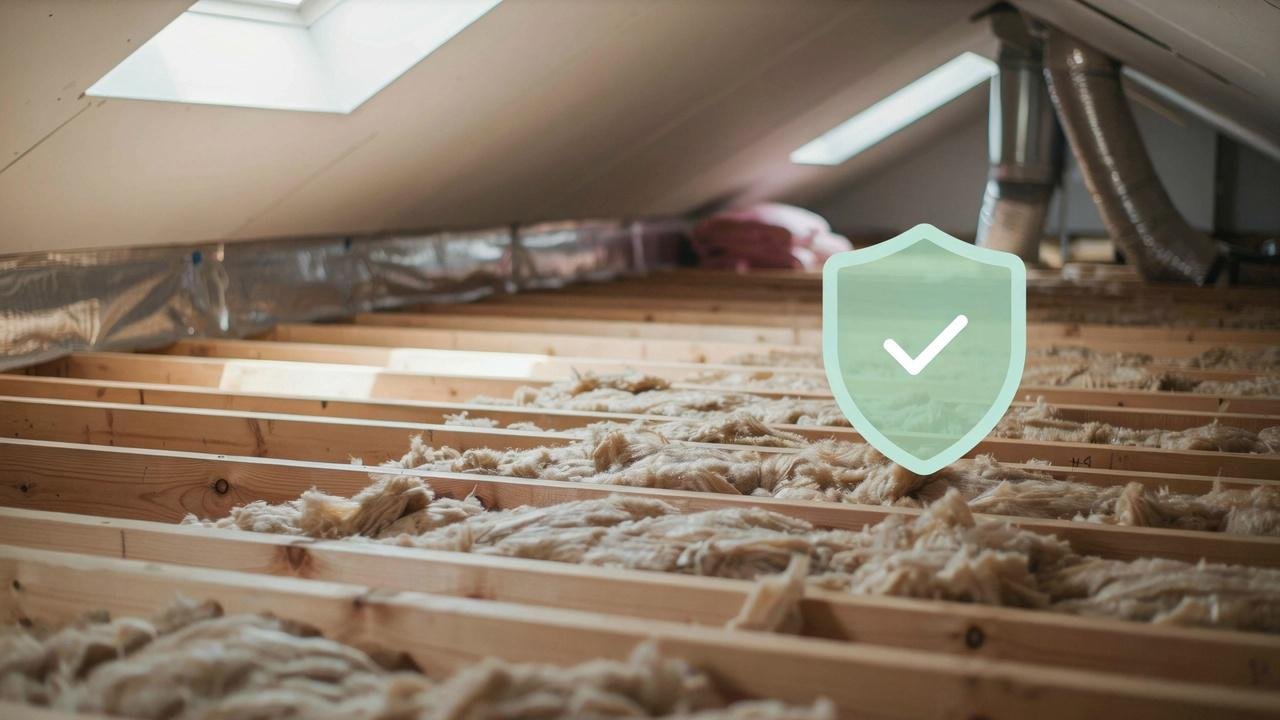
With proper installation and occasional moisture checks, cellulose insulation remains a safe and reliable option.
Is Cellulose Insulation Safe to Breathe?
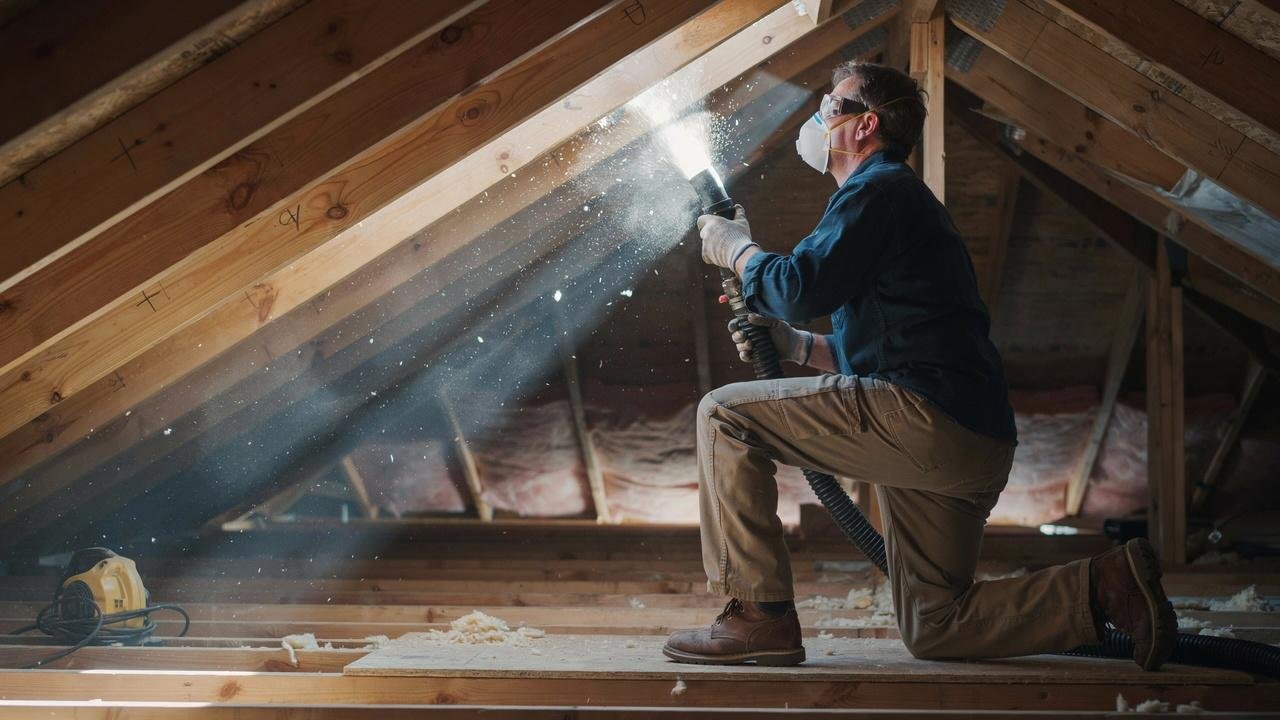
Cellulose insulation is generally safe to breathe once it is installed and sealed inside your walls or attic.
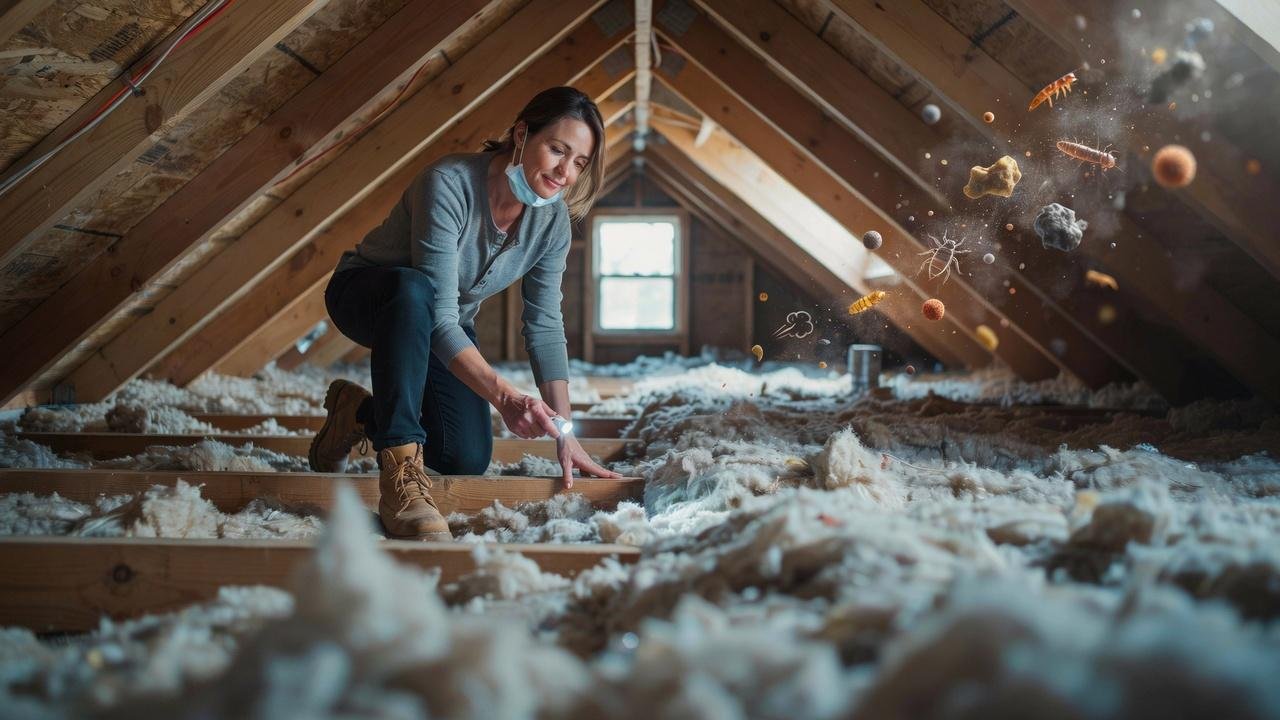
The real concern comes up during installation, when loose particles can float in the air.
Does Cellulose Release Dust or Fibers?
Yes, cellulose can release small amounts of dust while it is being blown into place.
This is a normal part of the installation process and is not a sign of a faulty product.
The dust comes from the paper fibers and the fire retardant powder mixed into the material. Once the insulation settles, dust levels drop fast.
Breathing Risks During Installation
Installers can breathe in dust if they work without a mask in a closed space. This can cause mild throat or nose irritation for some people.
This is why most professionals wear a dust mask or respirator on the job. It is a quick step that lowers the risk a lot.
Is It Safe to Breathe Around Cellulose After Installation?
After installation, cellulose sits inside enclosed wall cavities or under attic flooring. It does not release fibers into your living space under normal conditions.
Homeowners do not need to wear any protection once the insulation is in place and the area is cleaned up.
Is Cellulose Insulation Safe to Touch?
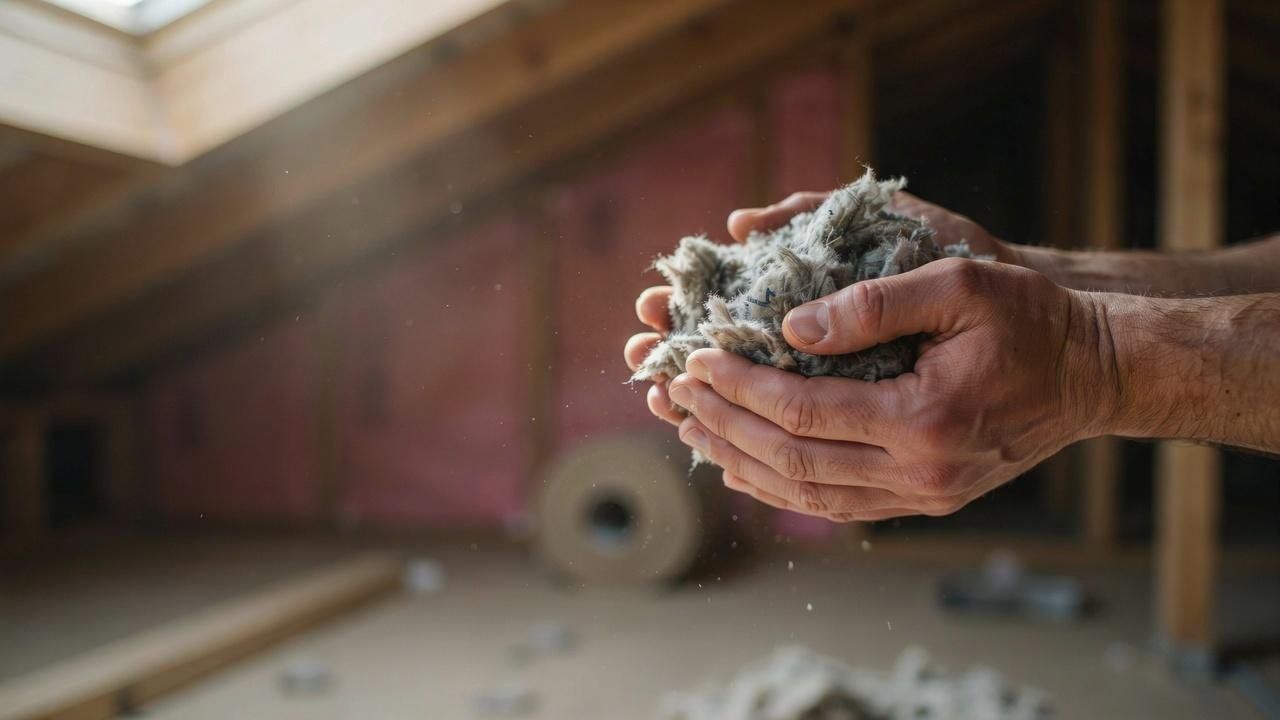
Cellulose feels rough like shredded paper and is safe to touch for most people, though direct contact can dry out or scratch the skin.
Can Cellulose Cause Skin Irritation?
Cellulose can cause mild itching or redness if it touches bare skin for a long time.
This happens because the fibers are rough, not because the material is harmful.
People with sensitive skin may notice this more than others. Washing the area with soap and water usually clears it up.
Do You Need Gloves or Protective Gear?
Gloves are a smart choice when handling cellulose insulation by hand.
Long sleeves and safety glasses also help keep the material off your skin and out of your eyes.
A simple dust mask rounds out the basic gear most installers use.
Safety Tips for DIY Homeowners
Keep the work area ventilated by opening windows or using a fan. Wear long pants, a long sleeve shirt, gloves, and a mask before starting.
Take breaks if you feel any irritation. Wash your hands and shower after the job is done.
Can Cellulose Insulation Cause Allergies?
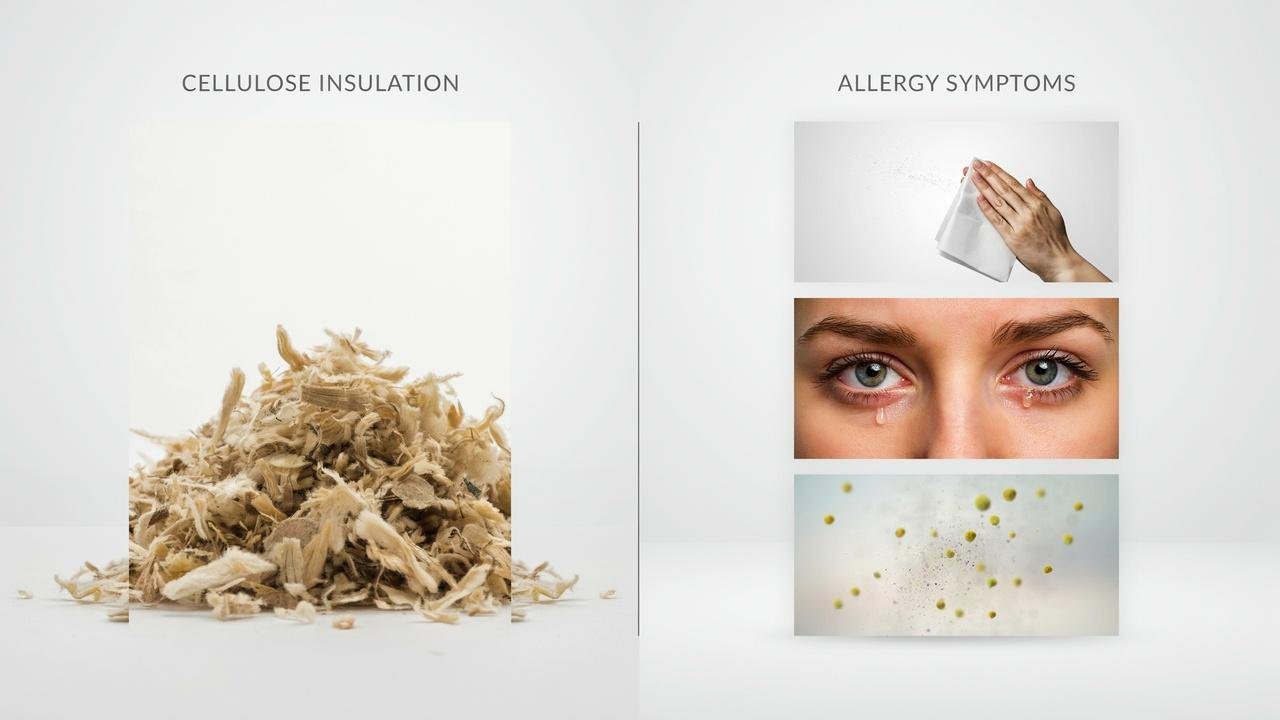
Cellulose rarely triggers true allergic reactions, but some people may react to dust or the additives used to treat the paper fibers.
Common Allergy Concerns
A small number of people report sneezing, watery eyes, or a scratchy throat around fresh cellulose dust. These reactions are usually short term and fade once the dust settles.
It is rare for cellulose itself to cause a lasting allergy.
Is Cellulose Hypoallergenic?
Cellulose is not officially labeled hypoallergenic, but it is often considered gentler than some other insulation types. Most people who are not sensitive to dust have no issues at all.
What People With Asthma Should Know
People with asthma should stay away from the work area while cellulose is being installed.
Dust in the air can trigger asthma symptoms more easily than it would in someone without the condition.
It is a good idea to leave the home or stay in another room during the job and return once the air has cleared.
Does Cellulose Insulation Grow Mold?
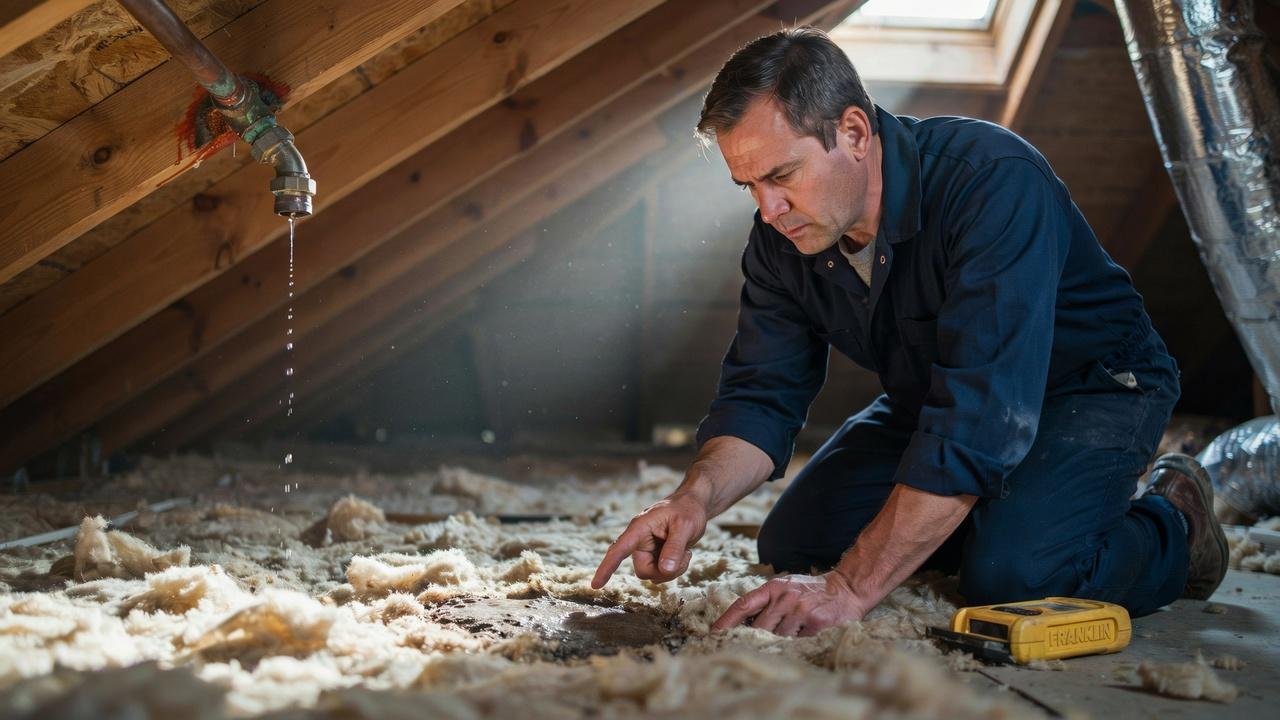
Cellulose insulation does not grow mold on its own. Mold issues are almost always linked to outside moisture problems, not the insulation itself.
Why People Think Cellulose Causes Mold
Cellulose is made from paper, so people assume it soaks up moisture and turns moldy.
In reality, the material is treated to resist this, and mold only becomes a problem when water gets into a wall or attic from a leak or poor ventilation.
How Borates Help Prevent Mold Growth
Most cellulose insulation is treated with borate compounds during manufacturing. Borates act as a natural barrier against mold, fungus, and insects.
This treatment is one reason cellulose holds up well over time when it stays dry.
The Importance of Moisture Control
No insulation can resist mold forever if water keeps getting in. Fixing leaks, sealing gaps, and keeping good airflow in your attic matters more than the insulation type you choose.
Good moisture control protects your whole home, not just the insulation layer.
Cellulose Insulation vs Fiberglass: Which Is Safer?
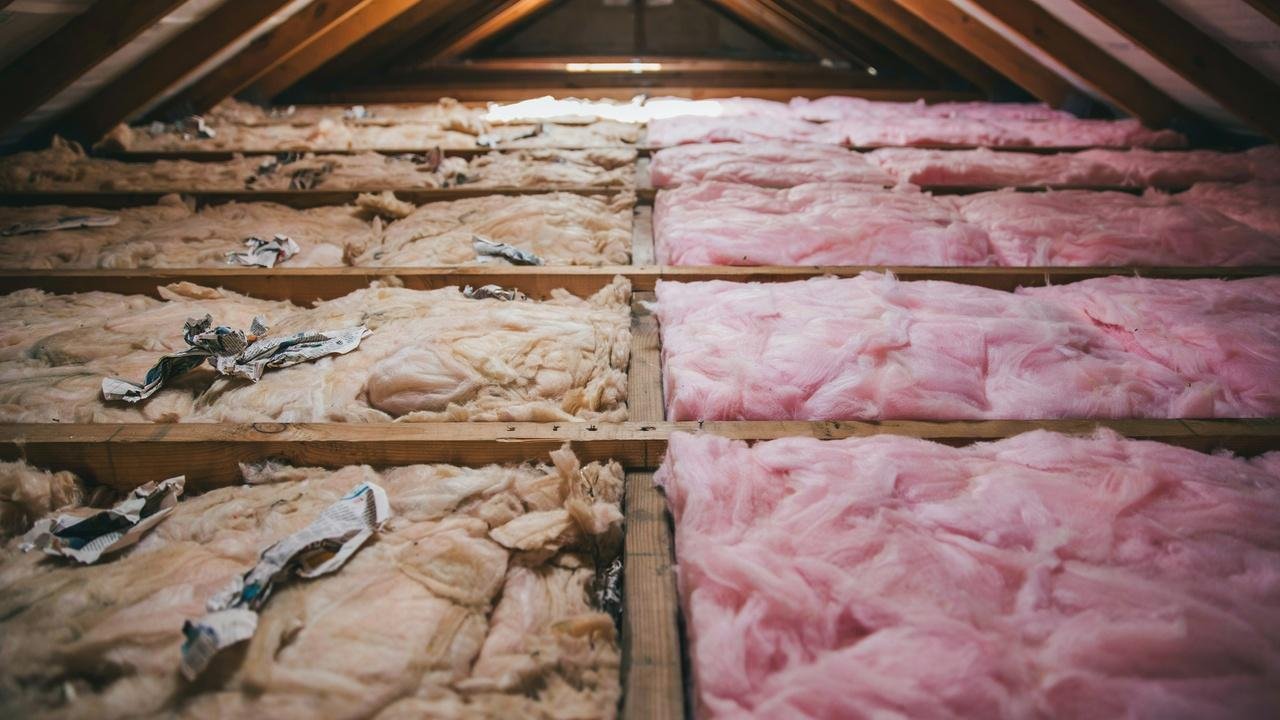
Both cellulose and fiberglass come with their own handling concerns, but each performs differently when it comes to dust, moisture, and air quality.
| Factor | Cellulose Insulation | Fiberglass Insulation |
|---|---|---|
| Dust and Fiber Exposure | Releases paper dust during handling. Easier on the skin for most installers. | Releases tiny glass fibers that can irritate skin and lungs more sharply. |
| Mold and Moisture Resistance | Holds moisture longer due to its paper base, but borate treatment helps fight mold. | Does not absorb water the same way, but can trap moisture against nearby materials if installed poorly. |
| Indoor Air Quality (After Installation) | Sealed inside walls or attics, it does not release particles into living spaces under normal conditions. | Also stays sealed once installed, with no ongoing release of fibers into the home. |
| When Differences Matter Most | Mainly during the installation stage. | Mainly during the installation stage. |
9 Common Myths About Cellulose Insulation Safety
A clear look at common cellulose insulation myths, separating fact from fiction so homeowners can make informed, confident choices.
Myth 1 – Cellulose insulation is toxic or unsafe
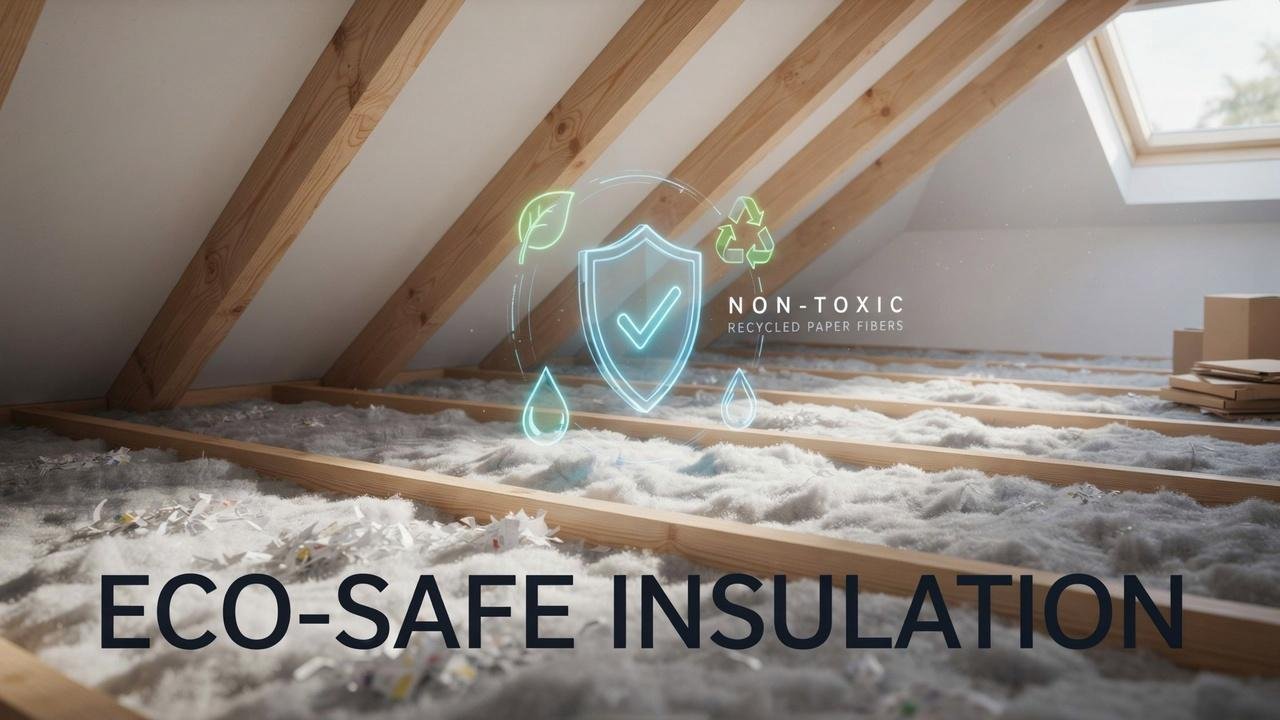
Cellulose insulation is made mostly from recycled paper, often old newspaper.
Manufacturers treat it with borate, a mineral compound that is safe for homes.
This treatment also helps resist fire and pests. Once installed, it does not release harmful chemicals into the air.
It is one of the more eco-friendly insulation choices available today.
Myth 2 – Cellulose insulation is dangerous to breathe
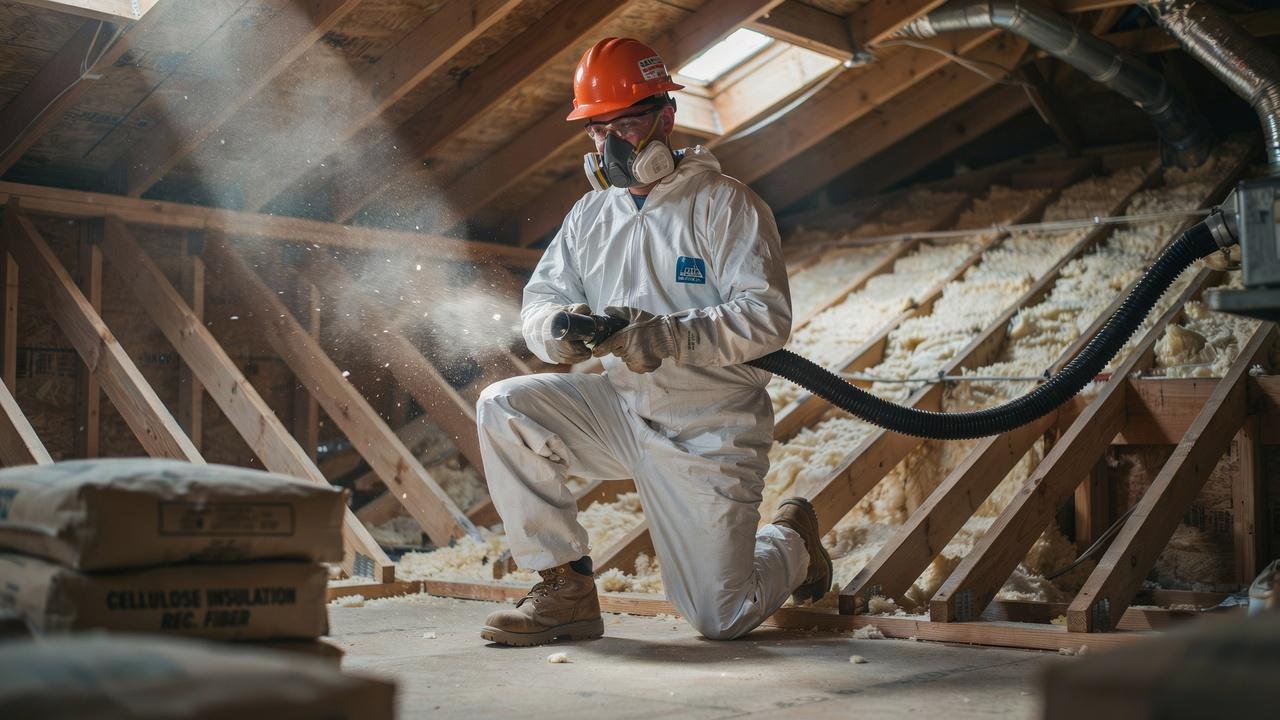
During installation, cellulose can create dust, like many building materials.
Installers wear masks and use proper ventilation to handle this safely.
After installation, the material settles into walls or attics and stays contained.
Homeowners living in a space with properly installed cellulose insulation are not exposed to ongoing dust or fumes.
Myth 3 – Cellulose insulation causes mold growth
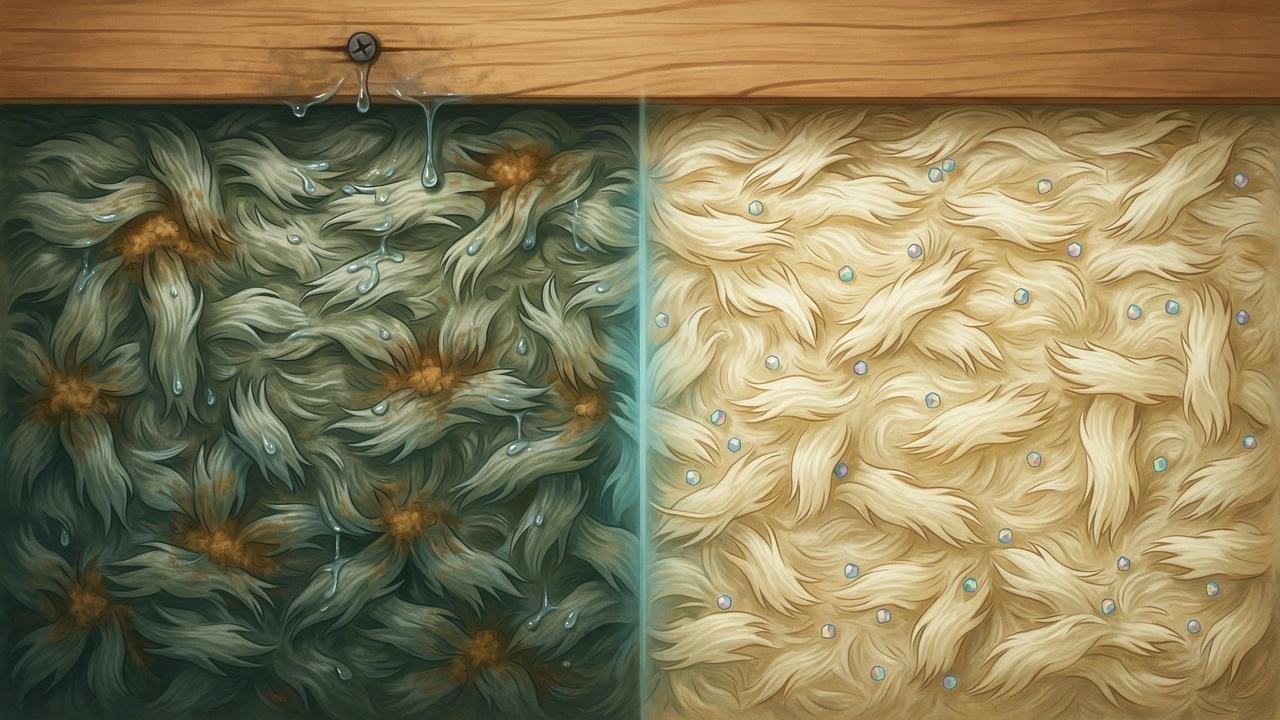
Mold needs moisture to grow, not insulation type. Cellulose insulation does not cause mold on its own.
The borate treatment added during manufacturing actually offers some resistance to mold and fungal growth.
Problems only happen when there is a water leak or excess moisture in the building that goes unaddressed.
Myth 4 – Cellulose insulation attracts pests
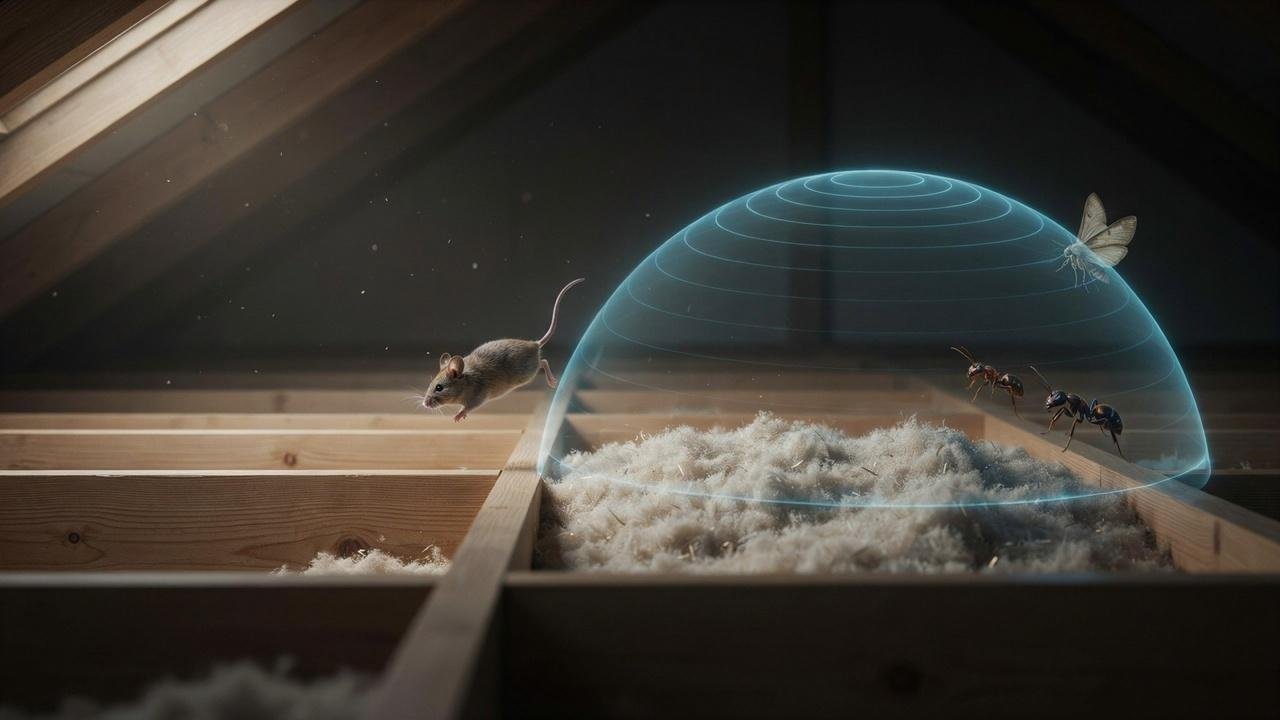
This myth is the opposite of reality. The borate used to treat cellulose insulation is known to repel insects and rodents.
Pests generally avoid it.
Compared to untreated materials, cellulose is actually a less attractive option for pests looking for nesting spots.
Myth 5 – Cellulose insulation creates constant dust problems
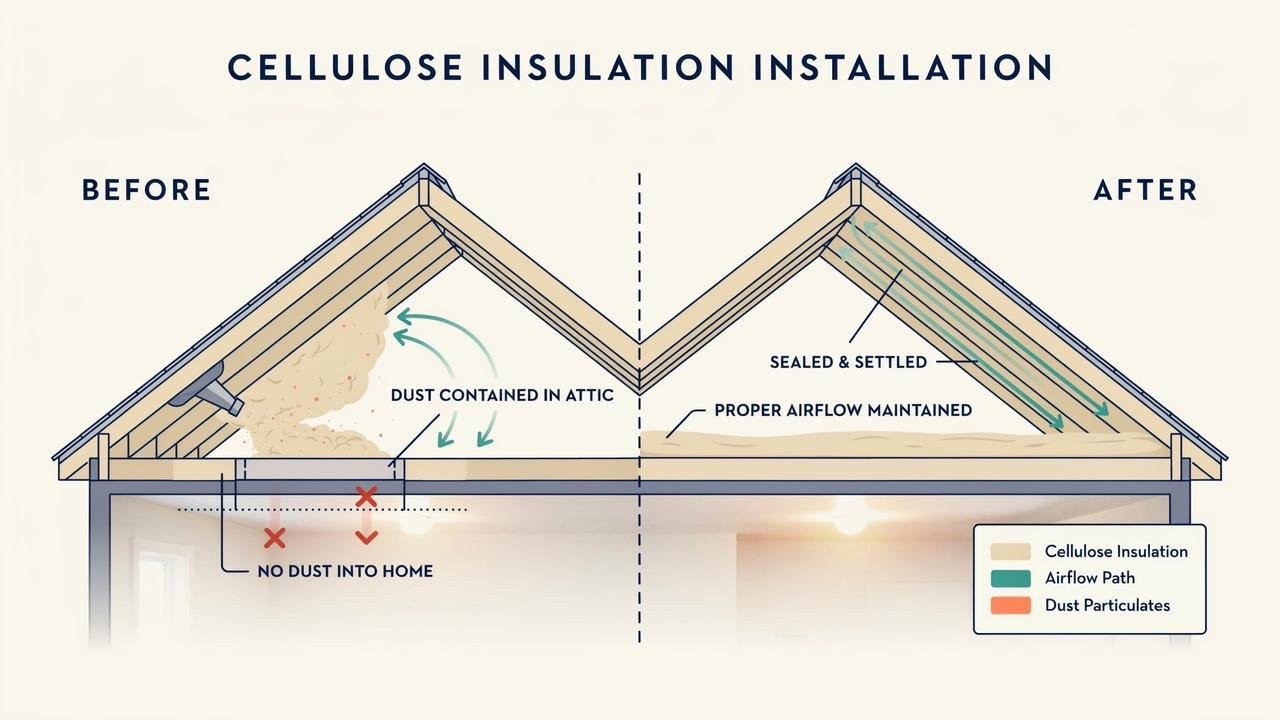
Some dust can occur during the blowing-in process when cellulose is installed.
Once it settles into place behind walls or under flooring, it stays put.
Properly installed cellulose does not create lingering dust inside the living space.
Sealed cavities and vapor barriers help keep dust contained over the long term.
Myth 6 – Cellulose insulation loses effectiveness over time
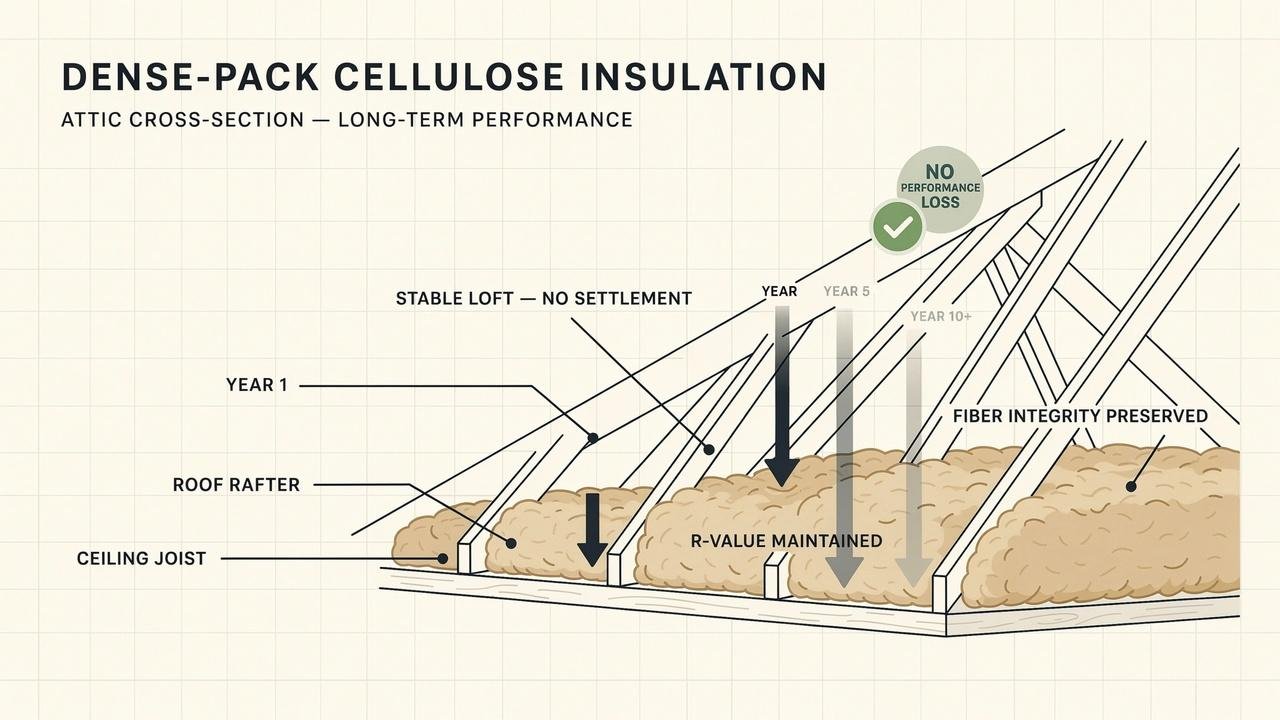
Cellulose can settle slightly after installation, which is normal for loose-fill materials.
Professional installers account for this by using dense-pack methods that limit settling.
When installed correctly, cellulose insulation keeps a stable R-value for many years and continues performing well as a thermal barrier.
Myth 7 – Cellulose insulation is too heavy for ceilings or walls
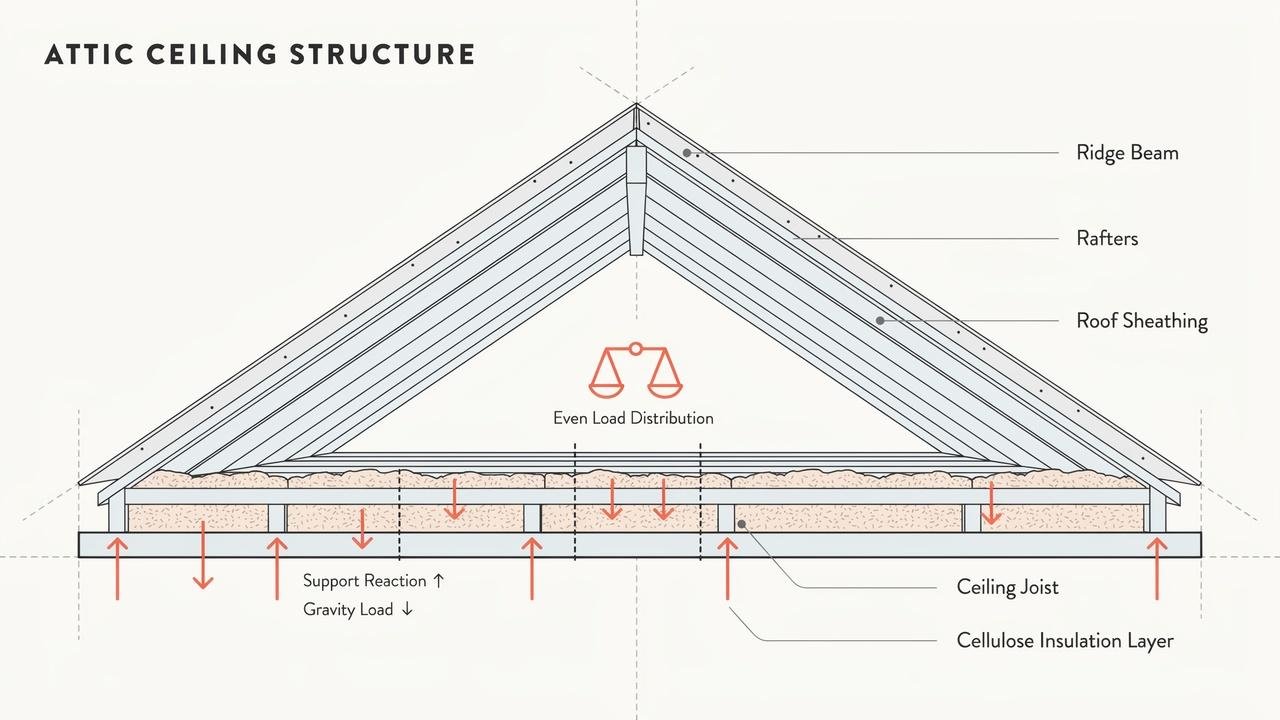
Cellulose is denser than some other insulation types, but standard construction is built to handle this weight.
Builders and installers follow guidelines for load limits in ceilings and walls.
When installed according to these standards, weight is not a safety concern for typical homes.
Myth 8 – Cellulose insulation is unsafe in humid or wet climates
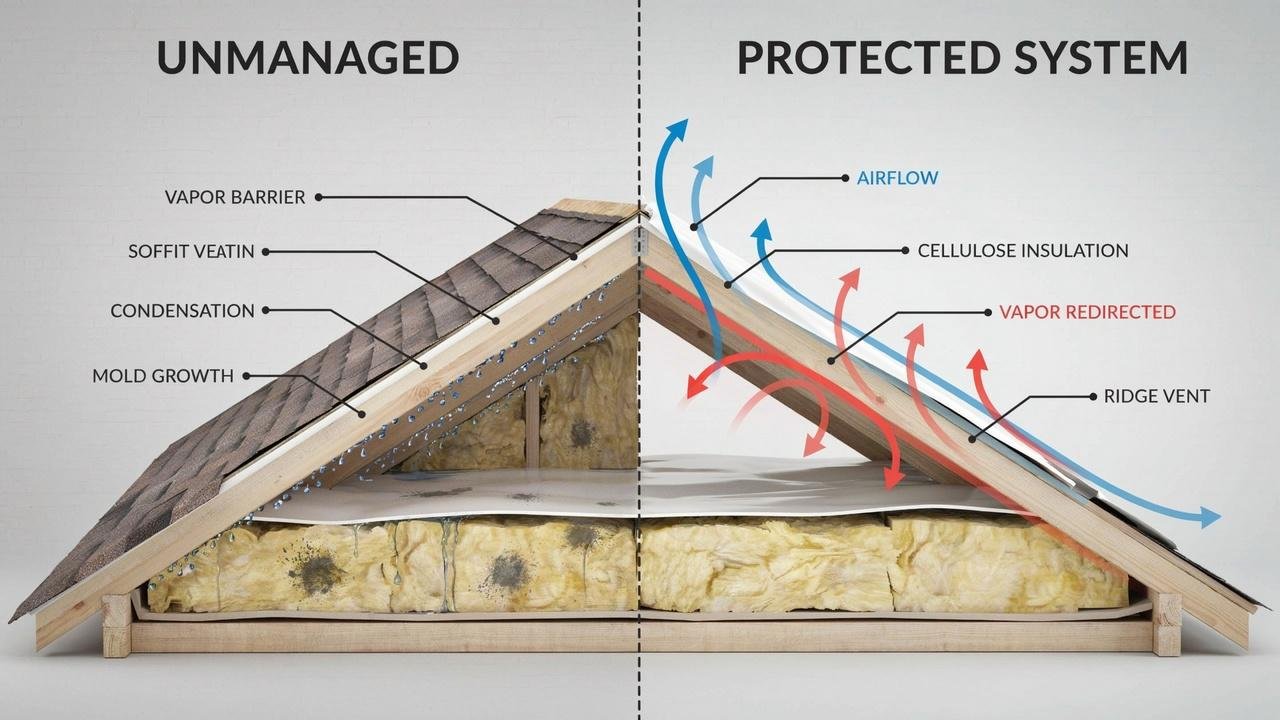
Cellulose can absorb and release moisture, which means proper ventilation and vapor barriers matter.
This is true for most insulation types, not just cellulose.
With correct installation and moisture control, cellulose performs well in humid regions.
Issues only arise when moisture management is ignored during construction.
Myth 9 – Cellulose insulation increases fire risk
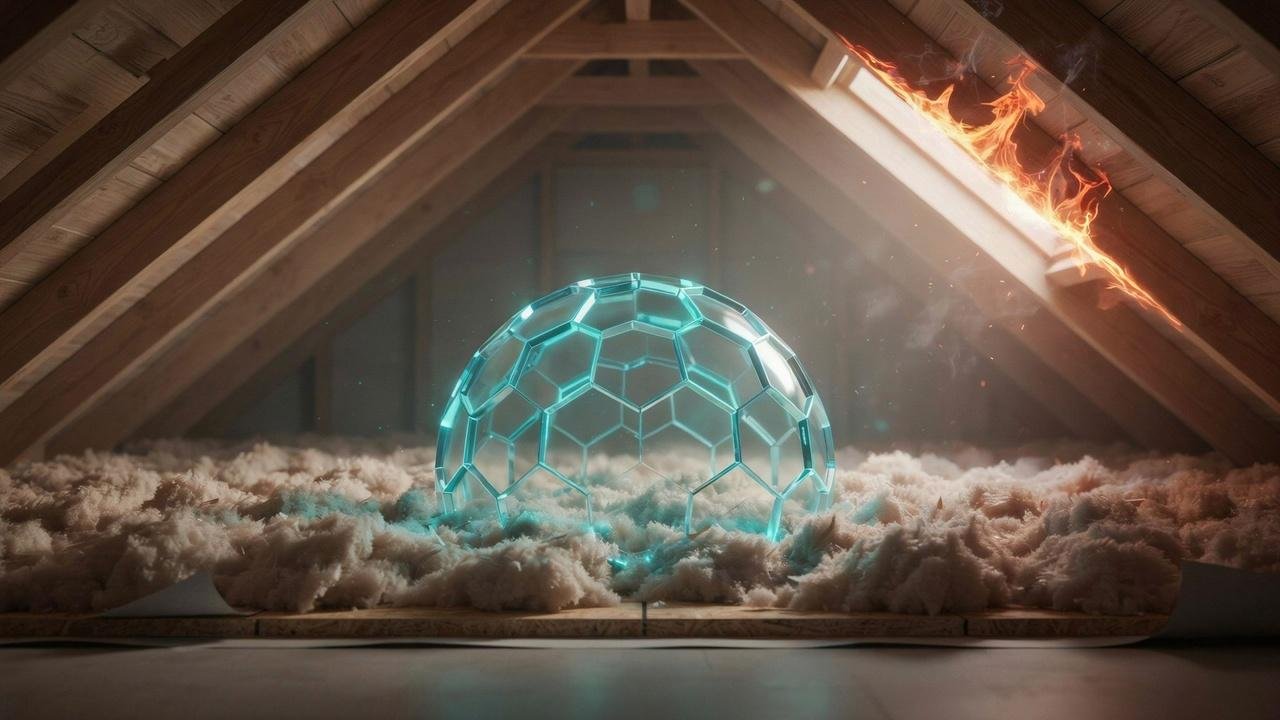
Cellulose insulation undergoes treatment with fire retardant chemicals like borate during manufacturing.
This treatment gives it solid fire resistance properties.
Independent testing has shown treated cellulose meets safety codes for residential use.
The fire risk myth likely comes from untreated paper products, not the finished insulation product.
Tips for Using Cellulose Insulation Safely
A few simple steps can keep cellulose insulation safe and effective for years.
- Hire a trained installer who knows how to apply cellulose at the right density and handle it safely.
- Check your roof, attic, and walls for leaks before installation to avoid mold problems later.
- Keep attic vents clear and working to maintain good airflow and stop moisture buildup.
- Wear a mask, gloves, and eye protection any time you handle loose cellulose.
- Keep the work area ventilated and clean up dust right away once the job is done.
Conclusion
At the end of the day, cellulose insulation is one of those products that sounds scarier than it actually is.
I remember feeling unsure about the dust and the paper smell the first time I had it installed in my own attic, but once it settled in, those worries faded fast.
If you are weighing your insulation options, trust that cellulose holds up well when handled the right way.
Got questions or your own experience with cellulose insulation? Drop a comment below, share this with a friend who is renovating, or check out our other home safety guides.
Frequently Asked Questions
Is cellulose insulation safe for my family's health?
Yes, cellulose insulation is safe once it is installed and sealed inside walls or attics. The main precautions apply only during the installation process itself.
Does cellulose insulation cause cancer or other serious illness?
No, cellulose insulation is not linked to cancer or serious illness. It is made from treated paper fibers and is widely used in homes without health concerns.
Can pets be around cellulose insulation safely?
Pets are generally fine around cellulose insulation once it is sealed inside walls or attics. It is best to keep them away from the work area during installation.
How long does cellulose insulation dust last after installation?
Dust levels drop quickly once the material settles into place. Most homes are dust free within a short time after the job is finished.
Is cellulose insulation a good choice for older homes?
Yes, cellulose insulation works well in older homes when moisture issues are fixed first. It fits easily into existing walls and attics without major changes.