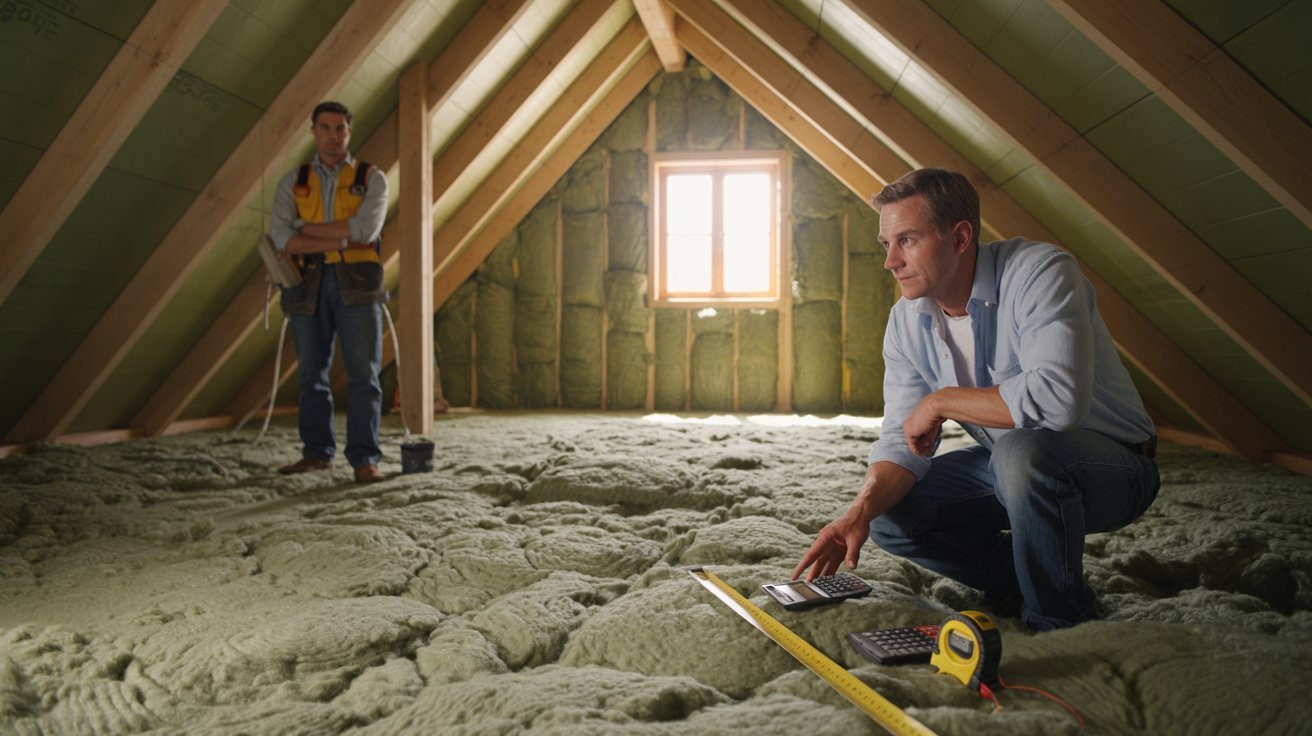
Trying to figure out how much cellulose insulation will cost you? You are not alone.
Pricing can feel confusing, with numbers that change based on home size, labor rates, and the type of installation you need.
This guide breaks it all down in plain terms.
We will walk through cost estimates by square footage, what makes up the total price, and how cellulose compares to fiberglass and spray foam.
You will also find practical tips to save money along the way.
I have spent time researching real contractor pricing and homeowner experiences to keep this information accurate and useful.
By the end, you should have a clear idea of what to budget for your project, without the guesswork.
How Much Does Cellulose Insulation Cost?
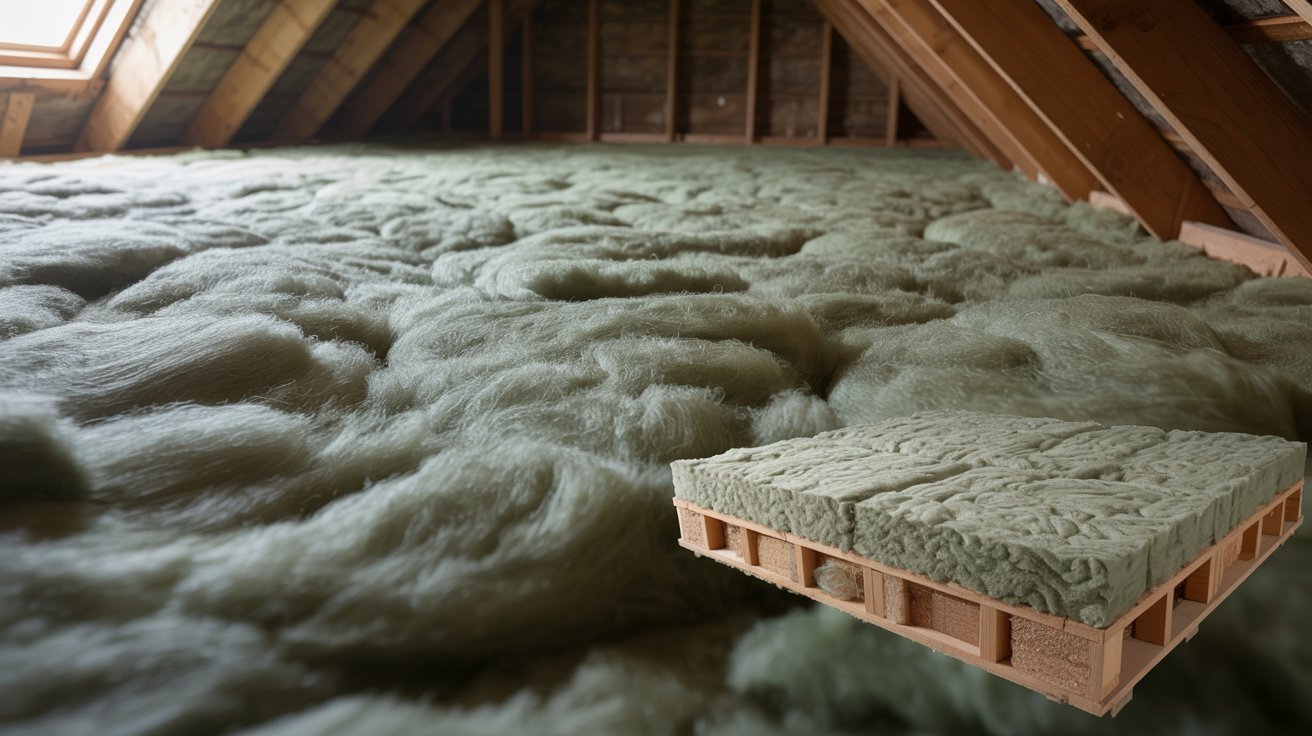
Cellulose insulation is a popular pick for better energy efficiency without a big spend.
It is made mostly from recycled paper, treated with fire retardant, and comes in loose-fill, dense-pack, or wet-spray form.
On average, it costs $0.60 to $2.30 per square foot installed. Dense-pack for walls can run up to $1.60 to $4.20 per square foot.
A standard attic job usually totals $975 to $2,200, while a full home project can reach $2,800 to $6,500.
Price depends on home size, local labor rates, R-value, and old insulation removal, which can add $1.50 to $2.00 per square foot.
Fiberglass is a bit cheaper at $1.00 to $1.70 per square foot, while spray foam costs more at $3.00 to $5.00 per square foot.
DIY installs save money. Bags cost $30 to $40 each, blower rental is under $100 a day, and a full job can come to $500 or less.
Utility rebates can also offset $1.75 to $2.75 per square foot of the cost.
Cellulose Insulation Cost Calculator
A simple way to estimate your insulation budget based on home size, material cost, and labor rates before you call a contractor.
Cost for 500 Sq Ft
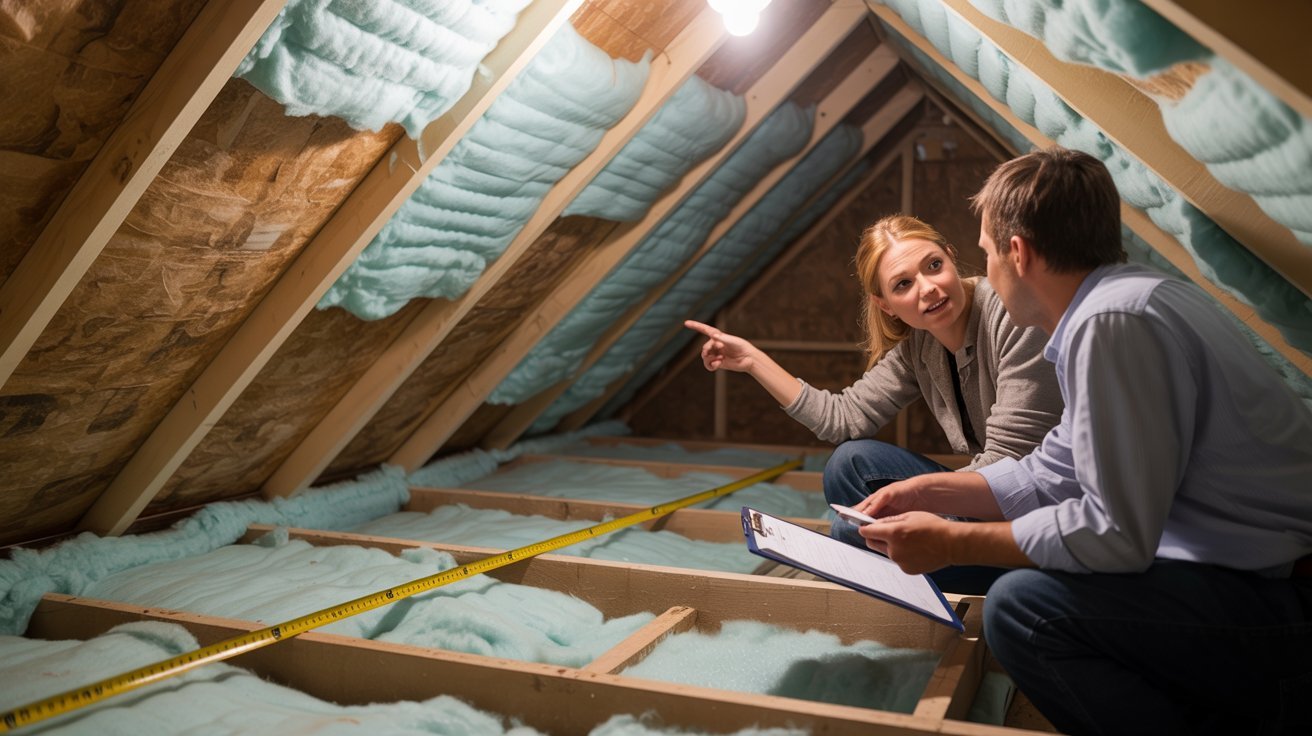
For a 500 sq ft space, cellulose insulation usually runs between $500 and $1,000 installed. This range covers both material and basic labor. Smaller jobs sometimes cost a bit more per square foot since contractors still need to bring equipment and set up for the day.
Cost for 1,000 Sq Ft
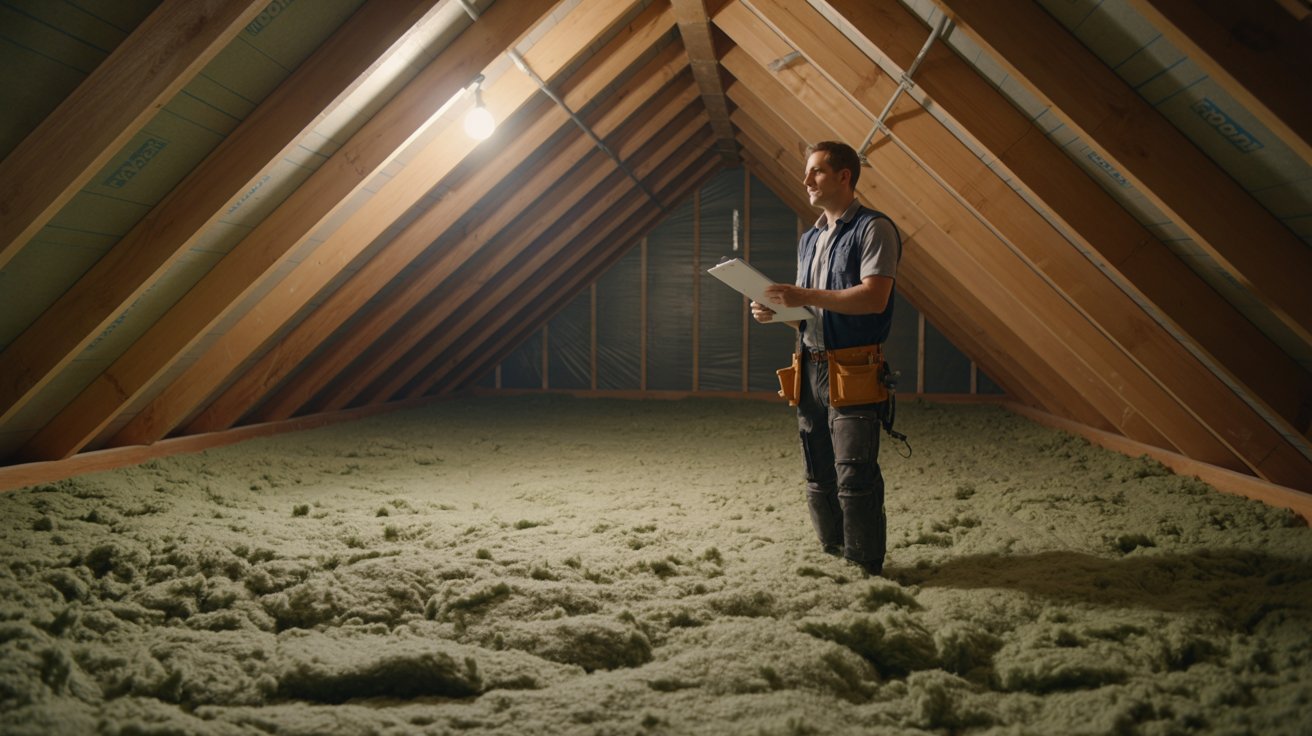
A 1,000 sq ft area typically falls between $1,000 and $1,800. This size is common for mid sized attics. Many homeowners find this range gives a good baseline before getting an actual quote.
Cost for 1,500 Sq Ft
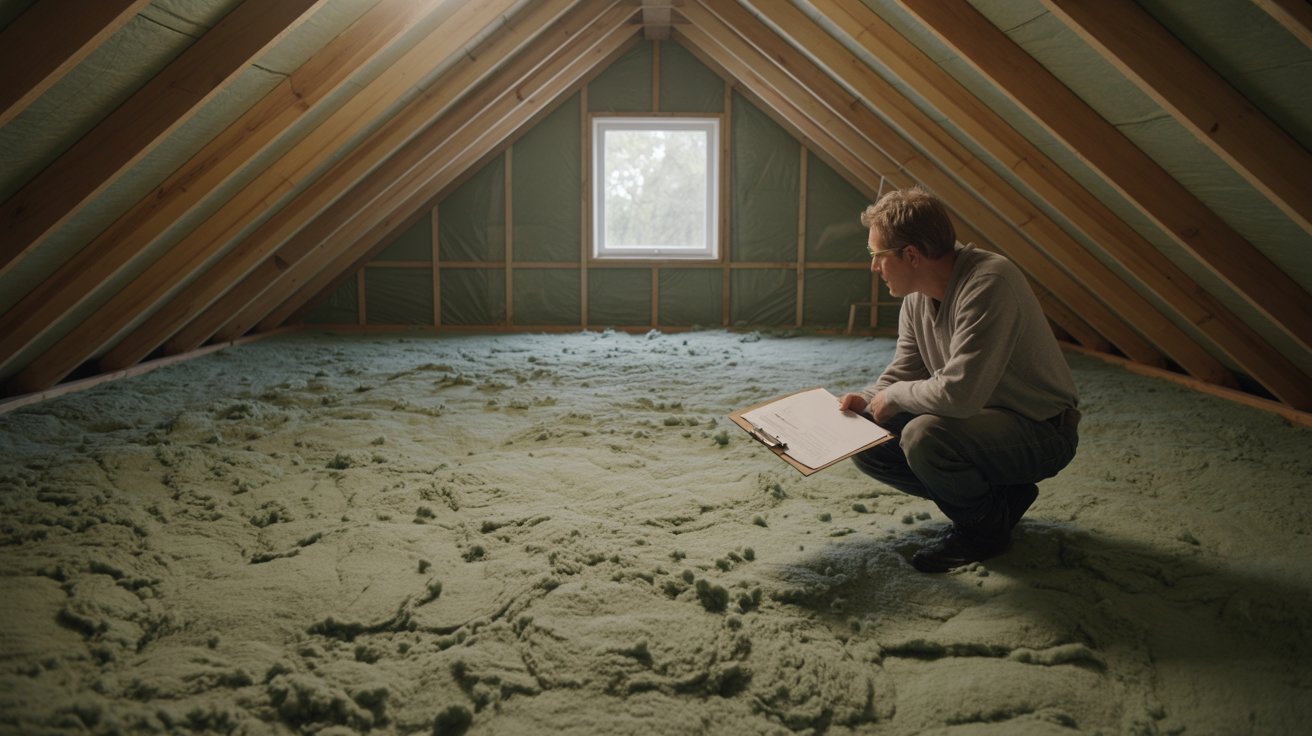
At 1,500 sq ft, expect a cost between $1,500 and $2,700. Larger jobs often bring the per square foot price down slightly because labor and setup costs get spread across more area.
Cost for 2,000 Sq Ft
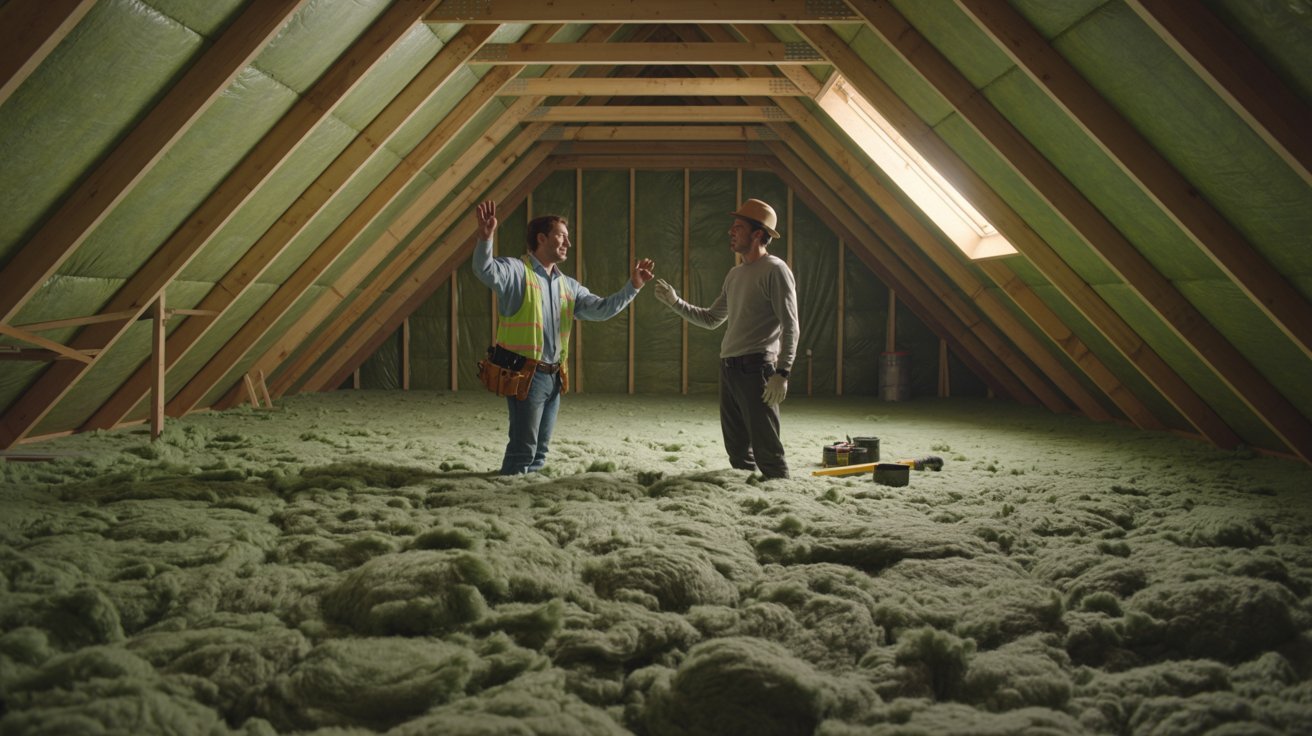
For 2,000 sq ft, costs generally land between $2,000 and $3,600. This size often applies to larger homes or full attic and wall projects combined. Getting a few quotes at this size is a good idea since pricing can vary more.
Cellulose Insulation Cost Breakdown
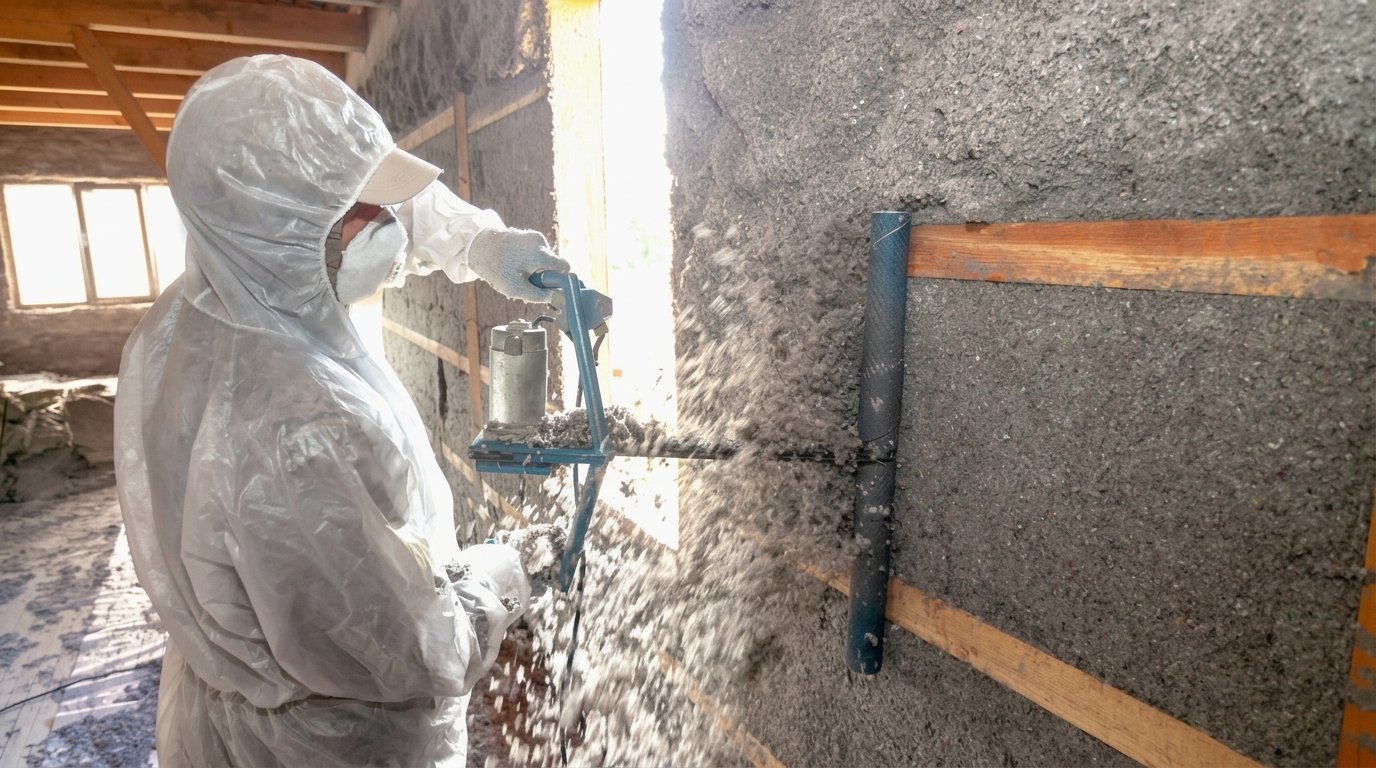
A look at how material, labor, and equipment costs come together to form your total cellulose insulation price.
Knowing what makes up your total cost helps you compare quotes more easily. Here is what typically goes into the price.
Material Costs
Cellulose insulation material itself usually costs between $0.50 and $1.20 per square foot.
The price depends on the brand, the fire retardant treatment used, and whether you buy loose fill or dense pack bags. Recycled paper content can also affect pricing slightly.
Labor Costs
Labor for blown in cellulose generally adds $0.50 to $1.50 per square foot.
Rates depend on the size of the crew, how accessible your attic or walls are, and how much prep work is needed before installation.
Equipment and Removal Costs
If old insulation needs to be removed first, add another $1 to $2 per square foot for removal and disposal.
Equipment rental, such as a blower machine, is often included in contractor pricing but can run $100 to $300 per day if you rent it yourself.
Blown In Cellulose Insulation Cost by Area
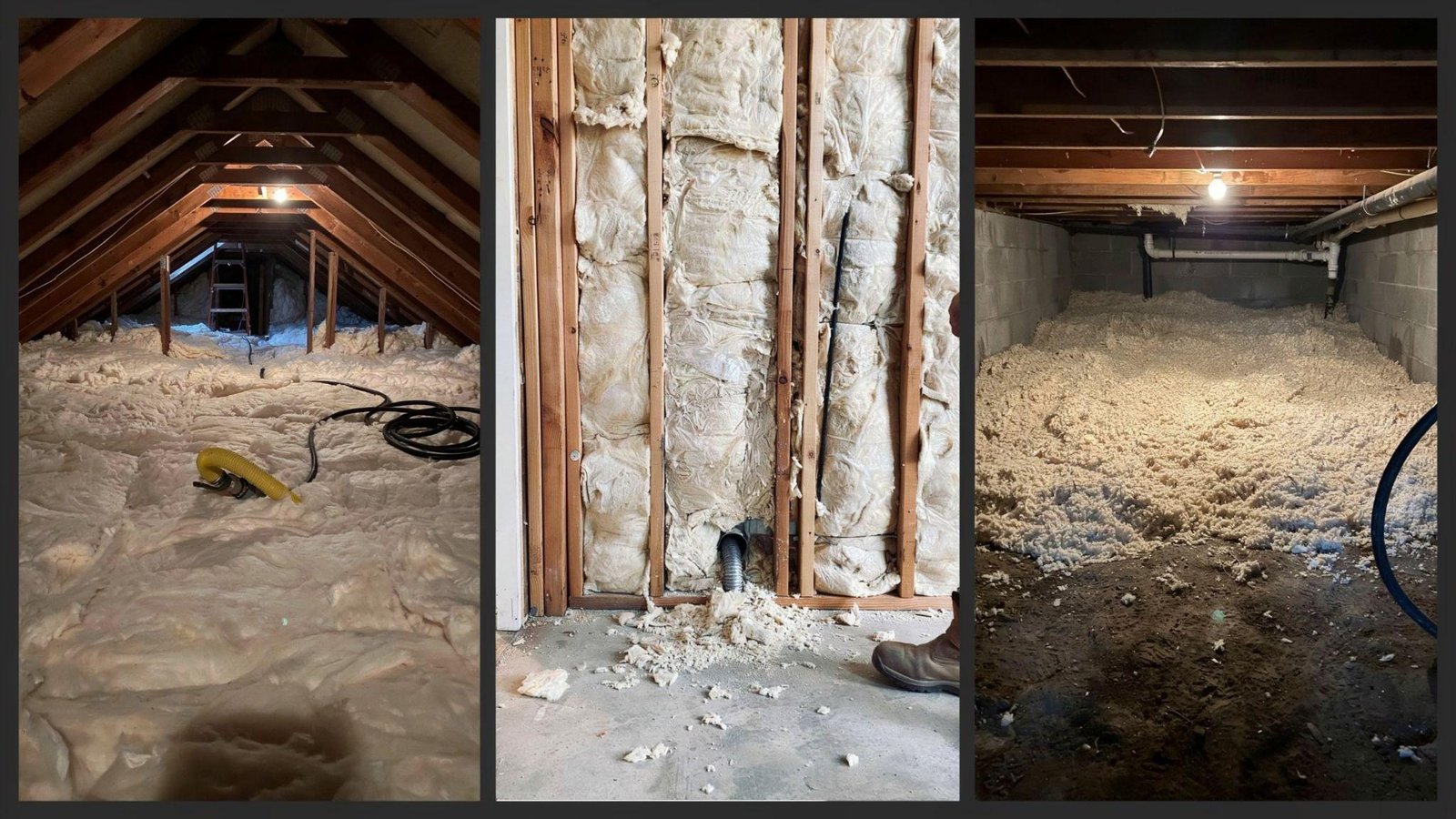
How pricing changes depending on whether you insulate an attic, wall cavity, ceiling, or crawl space.
Different parts of a home come with different installation challenges, which affects pricing.
Attic Insulation Cost
Attic insulation is usually the most affordable option, costing between $1 and $2.50 per square foot. Attics are open and easy to access, so labor time stays lower compared to other areas.
Wall Insulation Cost
Wall insulation costs more, typically $1.50 to $3.50 per square foot, since installers need to drill holes and use dense pack methods to fill closed cavities properly.
Ceiling and Crawl Space Cost
Ceilings and crawl spaces fall in a similar range to walls, often $1.50 to $3 per square foot. Tight crawl spaces can push costs higher due to the extra time needed to work in cramped conditions.
Factors That Affect Cellulose Insulation Cost
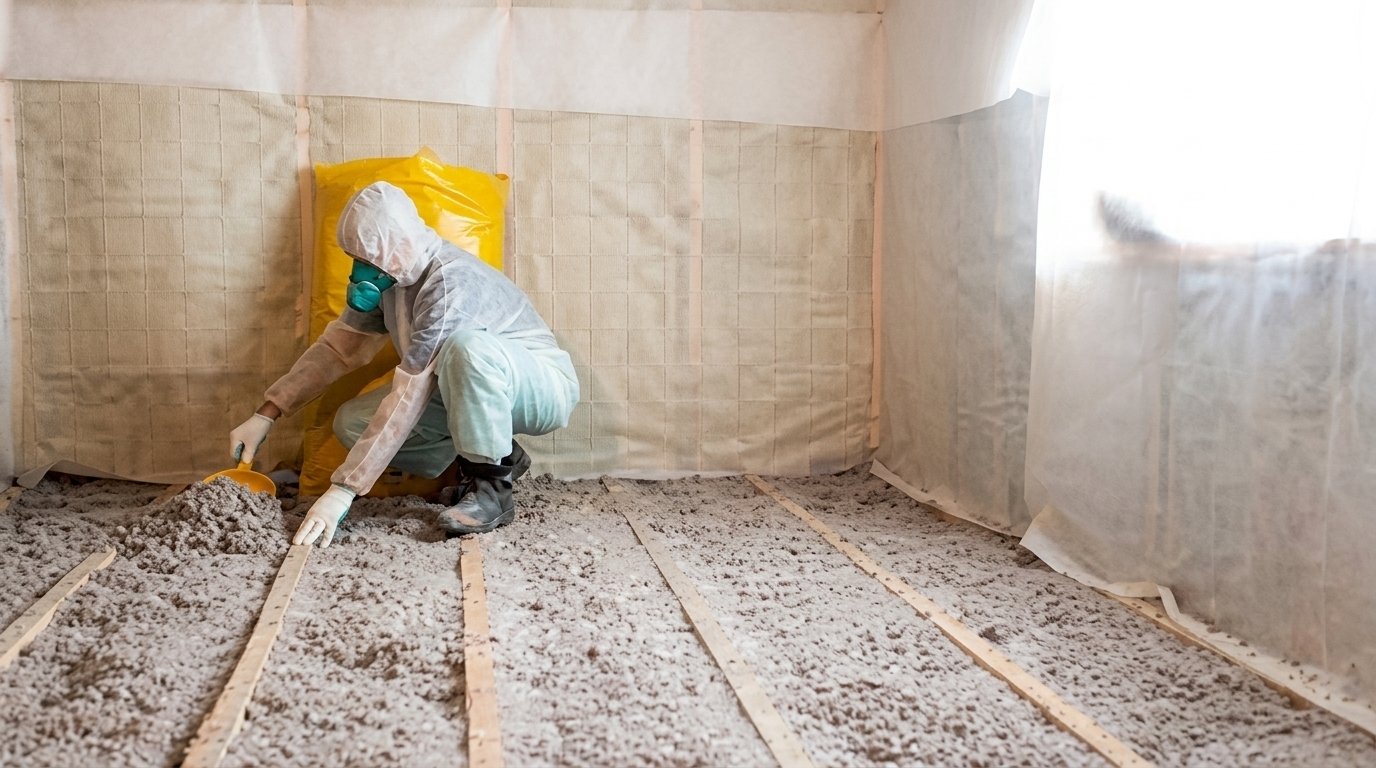
The main variables, home size, R value, installation method, and local labor rates, that shape your final price.
Several factors influence your final price beyond just square footage.
Home Size and R-Value
Larger homes need more material, which raises total cost even if the price per square foot stays steady. Higher R value targets also mean thicker insulation layers, which increases both material and labor costs.
Installation Method
Loose fill installation tends to cost less than dense pack methods. Dense pack is used in closed walls and takes more time, so labor costs rise accordingly.
Labor Rates and Location
Labor rates vary widely by region. Urban areas with higher costs of living often see higher installation rates, while rural areas may offer lower labor pricing but could have fewer contractors to choose from.
Insulation Cost Comparison
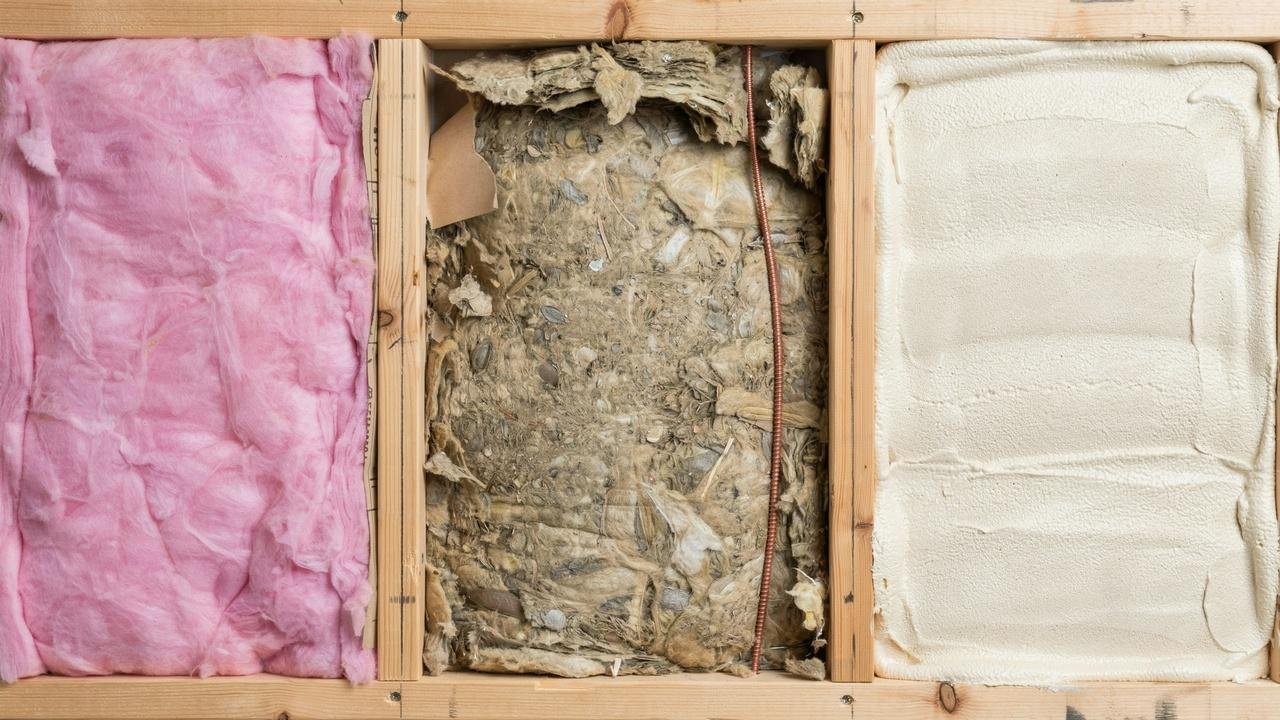
A side by side look at how cellulose, fiberglass, and spray foam compare in cost and overall value.
| Insulation Type | Cost Per Sq Ft (Material) | Best For | Long-Term Value |
|---|---|---|---|
| Fiberglass | $0.40 to $1.50 | Budget-conscious projects, open spaces | Lower upfront cost, less effective in gaps and tight spots |
| Cellulose | Slightly higher than fiberglass | Tight spaces, gaps, sound dampening | Denser fill, better long-term performance |
| Spray Foam | $1.50 to $5 | Stronger air sealing needs | Higher upfront cost, possible energy savings over time |
Tips to Save Money on Cellulose Insulation
Practical ways homeowners can lower their total insulation costs without compromising on coverage or quality.
A few simple steps can help keep your project within budget.
- Get at least three quotes from local contractors, since prices can vary significantly even within the same city.
- Comparing multiple bids helps you spot pricing that seems too high and avoid overpaying for the same work.
- Check with your utility company or local programs for rebates on insulation upgrades before starting the project.
- Ask your energy provider directly, since rebate programs are not always advertised and could save you a meaningful amount.
- If your budget is limited, start with the attic first since it usually offers the best return on investment, then insulate walls and crawl spaces later as funds allow.
Conclusion
I remember staring at my own attic, unsure if cellulose insulation was even worth the cost.
Once I saw the difference in my energy bills, the answer was clear.
Your home does not need to be perfect to start saving money, it just needs the right insulation in the right places.
Start small, get a few quotes, and see what fits your budget.
If this helped you plan your project, drop a comment with your biggest question, share this with a friend who is renovating, and check out our other guides on home energy savings.
Frequently Asked Questions
How much does cellulose insulation cost per square foot?
Cellulose insulation typically costs between $1 and $3 per square foot installed. The exact price depends on your location, home size, and whether old insulation needs to be removed first.
Is cellulose insulation cheaper than fiberglass?
Fiberglass usually has a lower material cost upfront, but cellulose often performs better in tight spaces and gaps. Over time, cellulose can offer better value due to its denser coverage.
How long does cellulose insulation installation take?
Most attic insulation jobs take between 2 and 4 hours for an average sized home. Larger homes or wall insulation projects may take a full day depending on access and prep work.
Does cellulose insulation lower energy bills?
Yes, properly installed cellulose insulation can reduce heating and cooling costs by improving your home's overall energy efficiency. Savings vary based on your current insulation levels and local climate.
Can I install cellulose insulation myself?
Loose fill attic insulation can be a manageable DIY project with a rented blower machine. Wall insulation and dense pack methods are best left to professionals due to the equipment and skill required.