Picking the right insulation can feel tricky. There are so many options, and it is hard to know what actually fits your home.
This guide breaks it all down in simple terms. We will look at cellulose and fiberglass insulation, covering their pros, cons, and how they perform in real homes.
You will learn about R-value, moisture resistance, cost, and energy efficiency.
We will also cover attic insulation, blown-in options, and tips to help you choose with confidence.
I have spent time researching both materials closely, so you do not have to guess.
By the end, you will know exactly which insulation makes sense for your climate, your budget, and your home.
Let's get into it.
Cellulose Insulation vs Fiberglass: Meaning
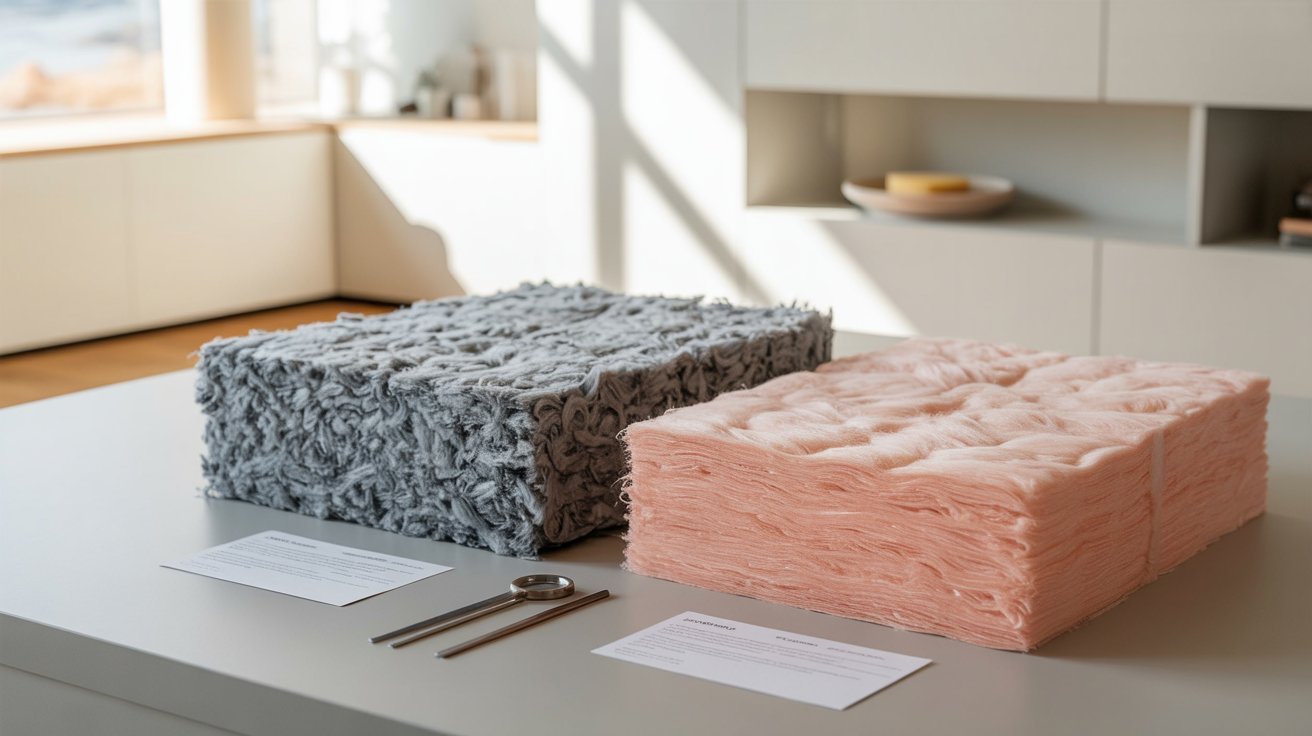
Cellulose and fiberglass both help keep homes warm in winter and cool in summer, but they differ in a few key ways.
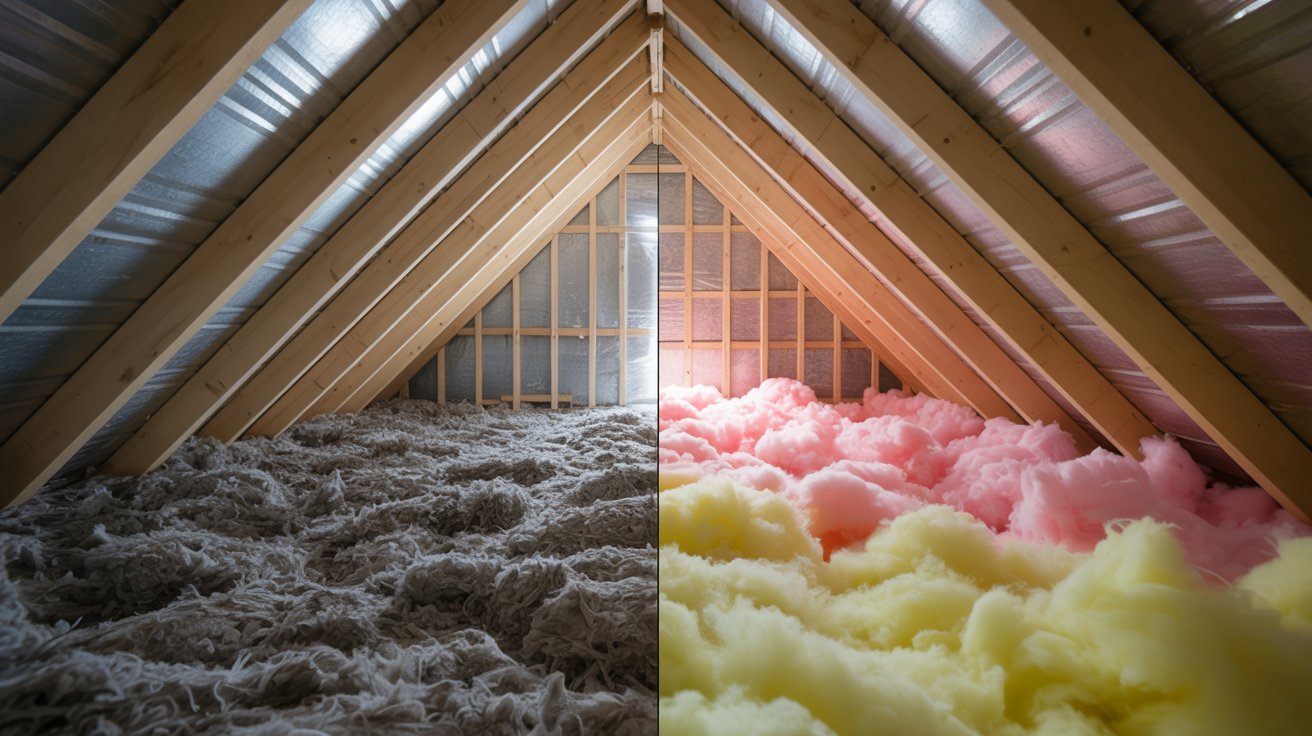
Cellulose is made from recycled paper treated with fire retardant. Fiberglass is made from fine glass strands.
Fiberglass usually costs less, while cellulose often performs better since it fills gaps more fully.
Cellulose resists fire thanks to its borate treatment. Fiberglass also resists fire since glass does not burn easily.
Cellulose has a smaller carbon footprint due to its recycled content. Fiberglass takes more energy to produce, though some versions use recycled glass too.
Cellulose blocks sound better because they are denser. Fiberglass handles moisture better and dries out faster if it gets wet, while damp cellulose can lead to mold.
Both options work well. The right pick depends on your budget, climate, and priorities for your home.
Pros and Cons of Cellulose Insulation
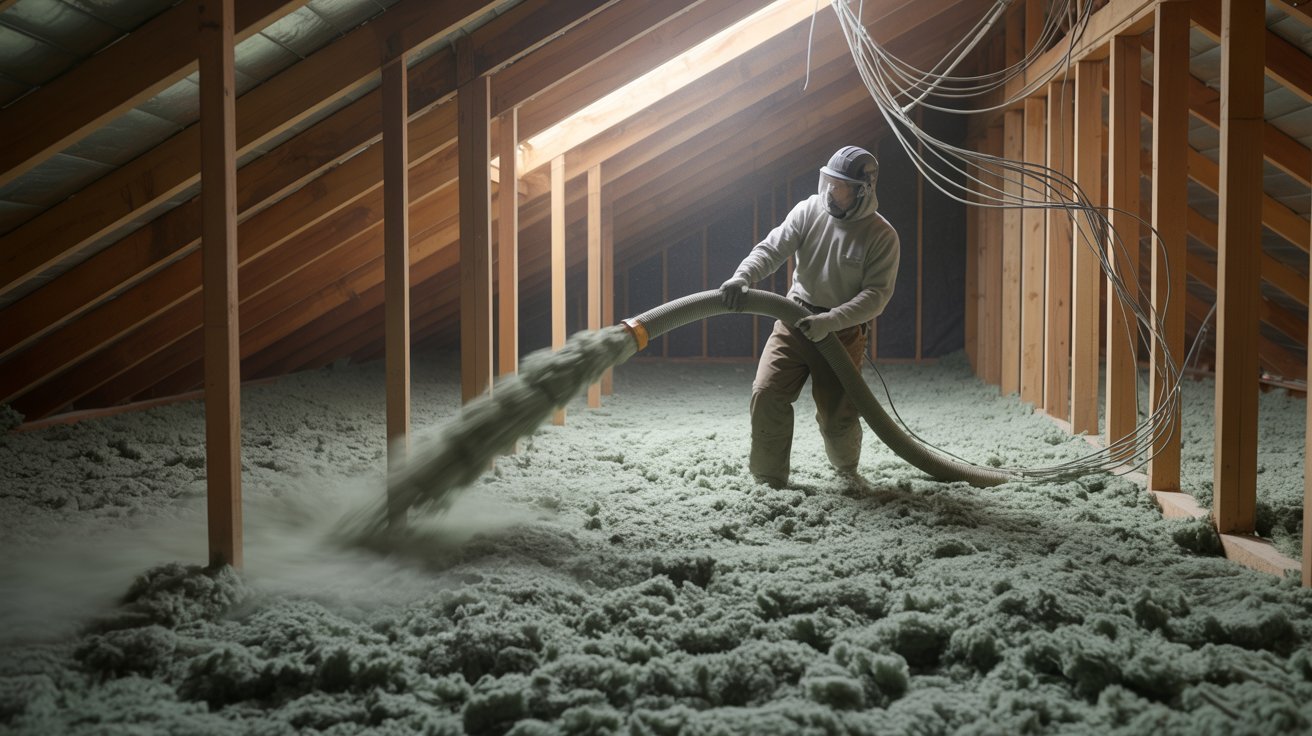
This section explains the main benefits and drawbacks of cellulose insulation, helping you understand how it performs in real homes.
Pros of Cellulose Insulation
Cellulose insulation is made mostly from recycled paper. This makes it a good choice for people who want a more eco-friendly option.
It fills gaps and small spaces well. This helps reduce air leaks in walls and attics.
Cellulose also has good fire-resistant properties. It is treated with chemicals like borate, which also helps keep pests away.
It tends to settle tightly between studs and joists. This can improve sound blocking in many homes.
Cons of Cellulose Insulation
Cellulose can absorb moisture more easily than some other materials. If it gets wet and stays damp, it can lose some of its insulating value.
Over time, cellulose may settle and compress. This can leave thin spots that lower performance in certain areas.
It also tends to be heavier than fiberglass. This adds a bit more weight to ceilings and wall cavities.
Pros and Cons of Fiberglass Insulation
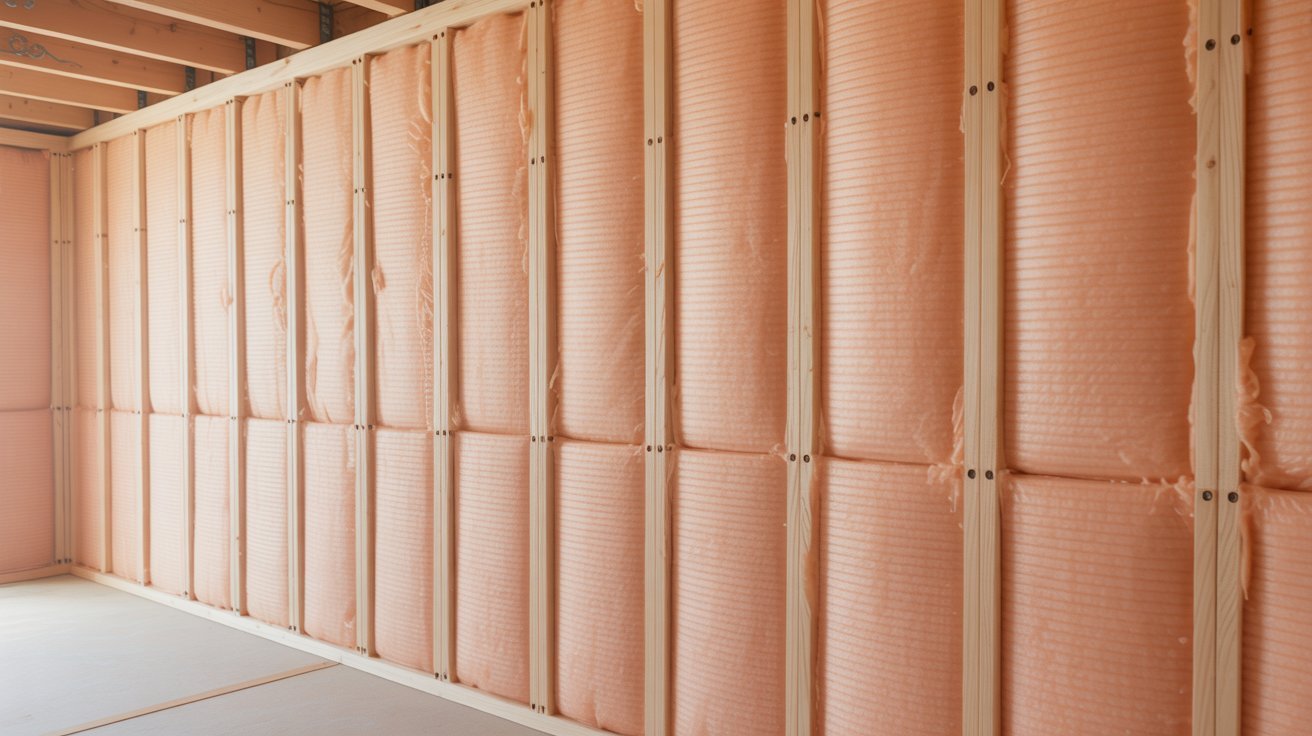
This section covers the key advantages and disadvantages of fiberglass insulation, giving you clear details before you make a choice.
Pros of Fiberglass Insulation
Fiberglass is widely available and easy to find at most home improvement stores. It also tends to cost less upfront compared to cellulose.
It does not absorb moisture as easily. This makes it a solid choice in areas where humidity can be a concern.
Fiberglass batts are simple to install for DIY projects. Many homeowners can handle smaller jobs without hiring a contractor.
It also resists mold growth better than some other insulation types.
Cons of Fiberglass Insulation
Fiberglass does not block air movement as well as cellulose. Gaps and seams can let air slip through if installation is not done carefully.
It can irritate skin, eyes, and lungs during installation. Proper protective gear is needed when handling it.
Fiberglass batts can also lose effectiveness if compressed or improperly fitted. Small gaps around pipes or wiring can lower performance.
Cellulose Insulation vs Fiberglass: Side-by-Side Comparison

A quick look at how cellulose and fiberglass compare on performance, cost, and other key factors.
| Factor | Cellulose Insulation | Fiberglass Insulation |
|---|---|---|
| R-Value | Slightly higher per inch | Solid if installed without gaps |
| Air Sealing | Seals gaps well, lowers energy bills | Needs careful fit to stop drafts |
| Moisture Resistance | Absorbs moisture, risk of mold | Resists damp, dries out faster |
| Fire and Pest Resistance | Treated for fire and pests | Fire-resistant, less pest protection |
| Soundproofing | Blocks sound better | Reduces noise, but less than cellulose |
| Environmental Impact | Mostly recycled paper | Glass fibers, some recycled content |
| Installation | Blown in, needs equipment | Batts, easier for DIY |
| Cost | Costs more upfront, saves long term | Cheaper upfront |
| Lifespan | Lasts decades, may settle | Lasts decades, may compress |
Blown-In Cellulose vs Blown-In Fiberglass
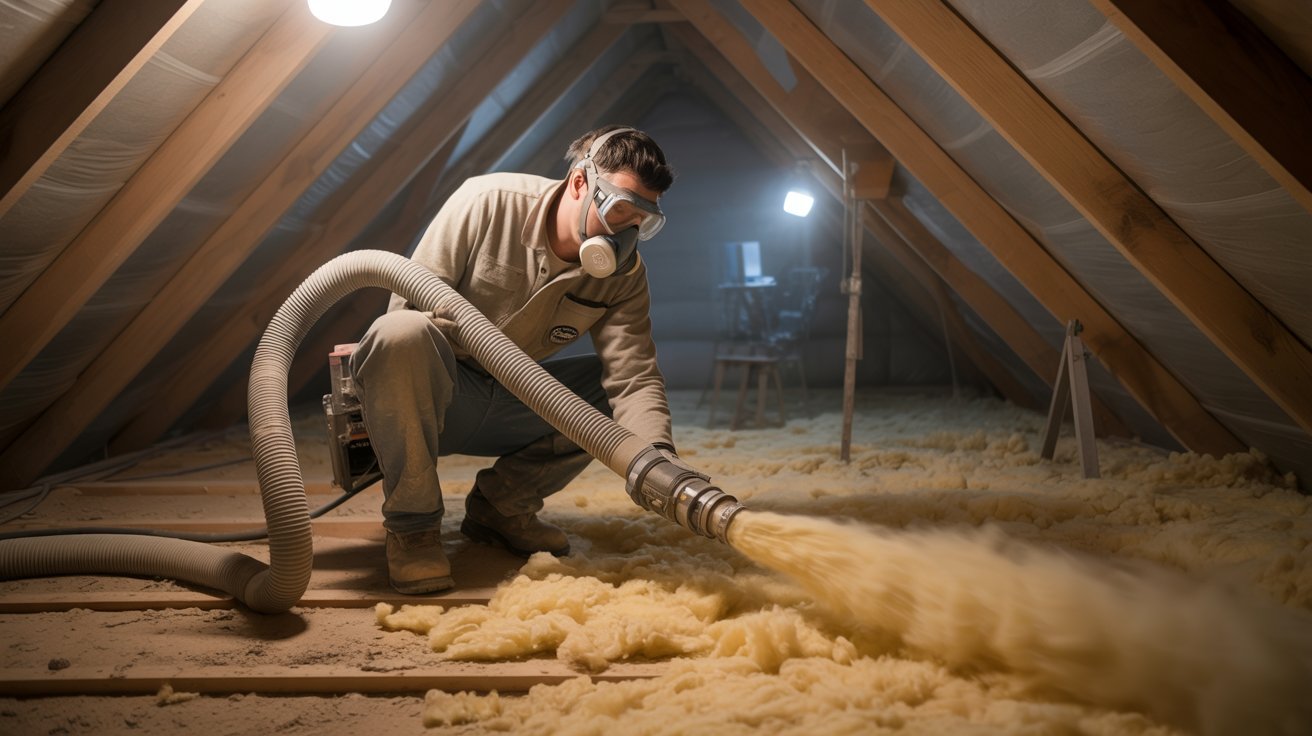
This section compares blown-in cellulose and blown-in fiberglass insulation in terms of performance, cost, and installation for attics and homes.
How Blown-In Insulation Works
Blown-in insulation is installed using a machine that sprays loose material into attics, walls, or other spaces.
This method helps reach tight corners and irregular areas easily.
Both cellulose and fiberglass can be installed this way, though the equipment settings may differ slightly.
Performance Comparison
Blown-in cellulose tends to settle more densely, which helps with air sealing. Blown-in fiberglass stays lighter and fluffier, which can leave more room for airflow if not installed at the right depth.
Cost and Installation Differences
Blown-in fiberglass is often slightly cheaper to install. Blown-in cellulose may take a bit longer since it requires careful layering to avoid future settling.
Both options generally need a professional for best results.
Which is Better for Attics?
For most attics, blown-in cellulose offers better air sealing and noise reduction. Blown-in fiberglass works well too, especially in attics with good ventilation and lower moisture levels.
Cellulose vs Fiberglass for Attic Insulation
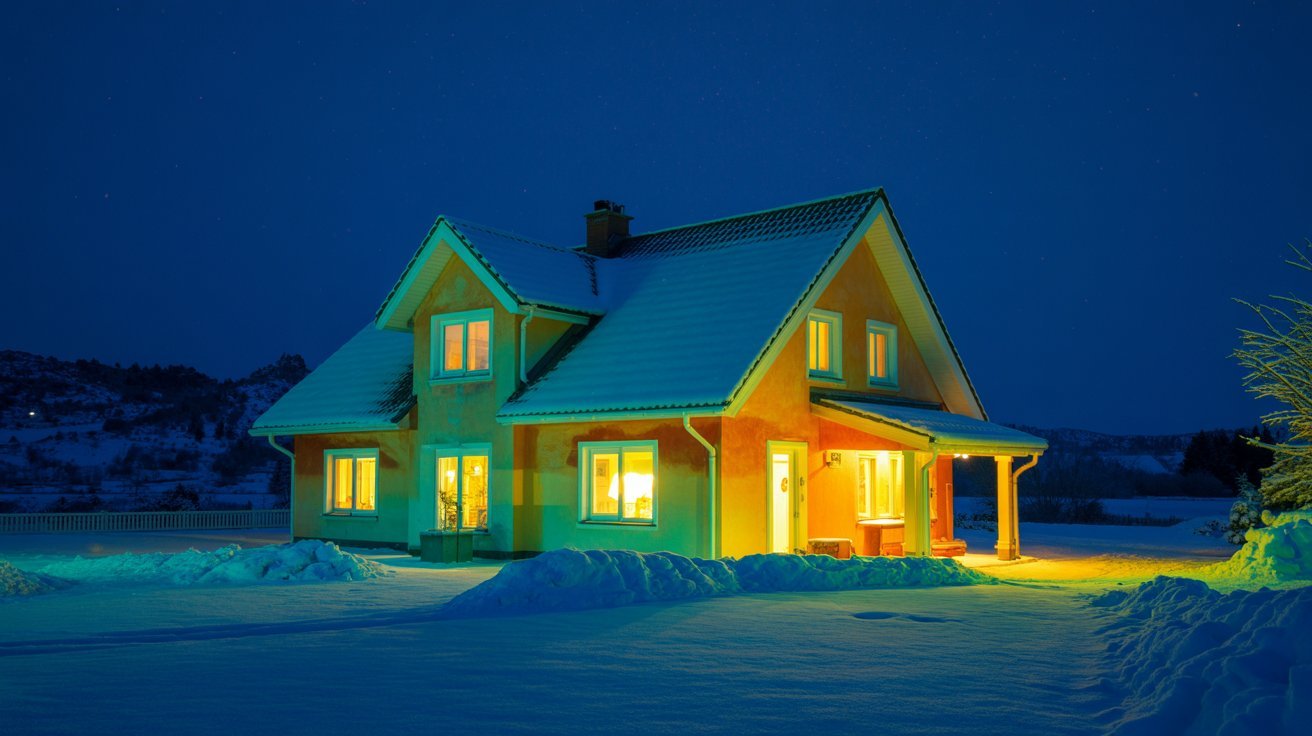
This section focuses on how cellulose and fiberglass insulation perform specifically in attic spaces across different climates and home types.
Energy Efficiency in Attics
Cellulose often performs better in attics because it fills gaps around vents, wiring, and beams more completely. This can reduce heat loss during colder months.
Fiberglass still works well if installed at the right thickness and without gaps.
Performance in Hot and Cold Climates
In colder climates, cellulose can help keep heat inside due to its dense fill. In hotter climates, both materials work well, though fiberglass tends to handle humidity slightly better.
Which Option is Better for Older Homes?
Older homes often have uneven attic spaces and small gaps. Cellulose can be a better fit here since it fills these spaces more completely.
Fiberglass can still work in older homes, but it may need more careful installation to avoid leaving gaps.
Tips for Choosing Between Cellulose and Fiberglass Insulation
This section offers practical tips to help you choose the right insulation type based on your home and budget needs.
- If you live somewhere cold, cellulose may offer better heat retention. In humid areas, fiberglass tends to handle moisture more easily.
- Fiberglass costs less upfront, but cellulose may save more on energy bills over time due to better air sealing.
- Think about both short-term and long-term costs before making your final decision.
- If lowering energy bills is your main goal, cellulose may offer a slight edge due to its denser fill. If a quicker, simpler installation matters more, fiberglass might suit you better.
- No matter which material you pick, proper installation matters most. A qualified contractor can check for gaps, recommend the right thickness, and help you avoid common mistakes.
Conclusion
Choosing between cellulose insulation and fiberglass is not always simple, and that is okay.
I have talked to homeowners who picked fiberglass for a quick weekend fix, and others who went with cellulose after one too many cold winters.
Both worked, once they matched the home. Think about your climate, your budget, and what matters most to you.
Then make the call that feels right for your space. If this helped, drop a comment below, share it with a friend planning a project, or check out our other insulation guides for more tips.
Frequently Asked Questions
Is cellulose insulation better than fiberglass for soundproofing?
Yes, cellulose tends to block sound a bit better due to its dense texture. Fiberglass still reduces noise, but usually not as much at similar thickness.
Does fiberglass insulation get moldy?
Fiberglass resists mold better than cellulose since it does not hold moisture as easily. It also dries out faster if it gets wet.
Which insulation lasts longer, cellulose or fiberglass?
Both can last for decades when installed properly. Cellulose may need occasional checks for settling, while fiberglass should be checked for compression.
Is cellulose insulation safe for older homes?
Yes, cellulose works well in older homes since it fills uneven gaps and small spaces more completely. This helps reduce drafts in attics and walls.
Can I install fiberglass insulation myself?
Yes, fiberglass batts are simple enough for many homeowners to install on smaller projects. Just be sure to wear proper protective gear during installation.