Your attic insulation works quietly behind the scenes every single day. But like everything in your home, it does not last forever.
If you have noticed higher energy bills or rooms that feel too hot or too cold, your insulation might be trying to tell you something.
This guide walks you through everything you need to know.
You will learn how long attic insulation typically lasts, the clear warning signs that it needs replacing, and what actually happens during a replacement.
We will also cover common mistakes to avoid and how to choose the right material for your home.
We have helped homeowners solve real attic problems for years, and this guide reflects what actually works.
By the end, you will know exactly what to do next.
What Is Attic Insulation and Why Does It Matter?
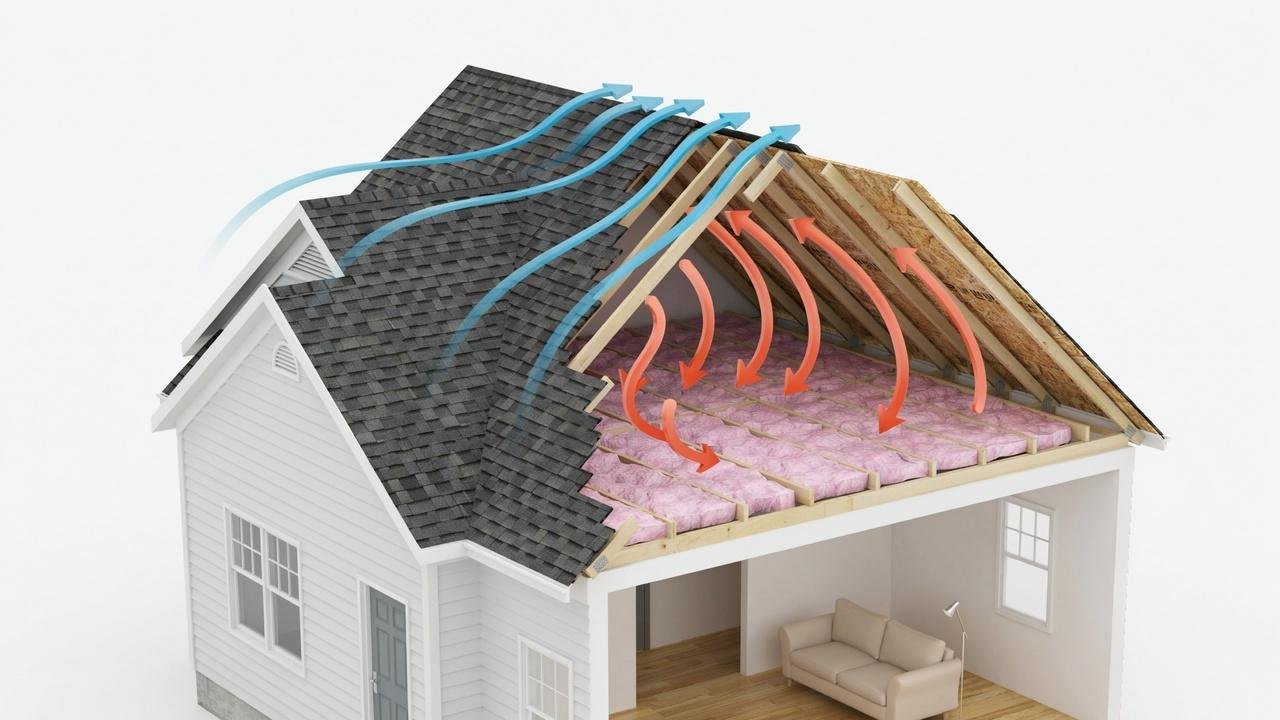
A quick look at what insulation does and why it matters for your home.
Attic insulation is the material that sits between your living space and the outdoors, usually in the attic floor or roofline. Its job is simple.
It slows down heat movement so your home stays warmer in winter and cooler in summer.
Without good insulation, your heating and cooling system works much harder. That means higher bills every month.
It also means uneven temperatures, with some rooms feeling stuffy while others feel drafty.
Good insulation also helps control moisture. It reduces the chance of mold growth and protects your roof structure from damage over time.
Simply put, insulation is one of the most important parts of your home that you rarely see but always feel.
How Long Does Attic Insulation Last?
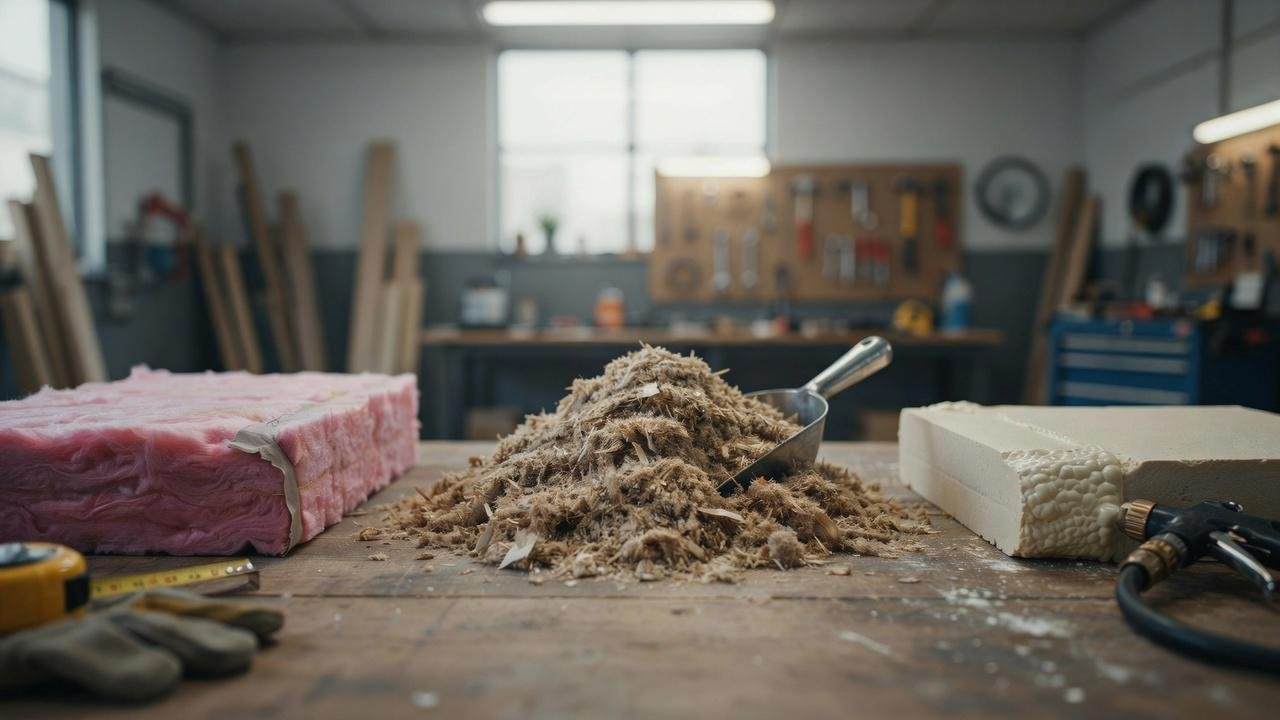
Most insulation types have a shelf life, and knowing yours helps you plan ahead.
Average Lifespan by Insulation Type
Fiberglass insulation typically lasts 20 to 30 years if it stays dry and undisturbed. It is common in homes because it is affordable and easy to install.
Cellulose insulation lasts around 20 to 25 years but settles over time, which reduces its effectiveness.
Spray foam insulation lasts the longest, often 30 years or more, since it forms a sealed layer that does not sag or settle.
Factors That Shorten Insulation Lifespan
Moisture from roof leaks is one of the biggest culprits, since wet insulation loses its ability to trap air. Poor attic ventilation traps heat and humidity, speeding up wear.
Pest activity, like rodents nesting in the material, damages insulation fast.
Heavy foot traffic in the attic can also compress and flatten insulation, reducing how well it works.
Signs It's Time to Replace Attic Insulation
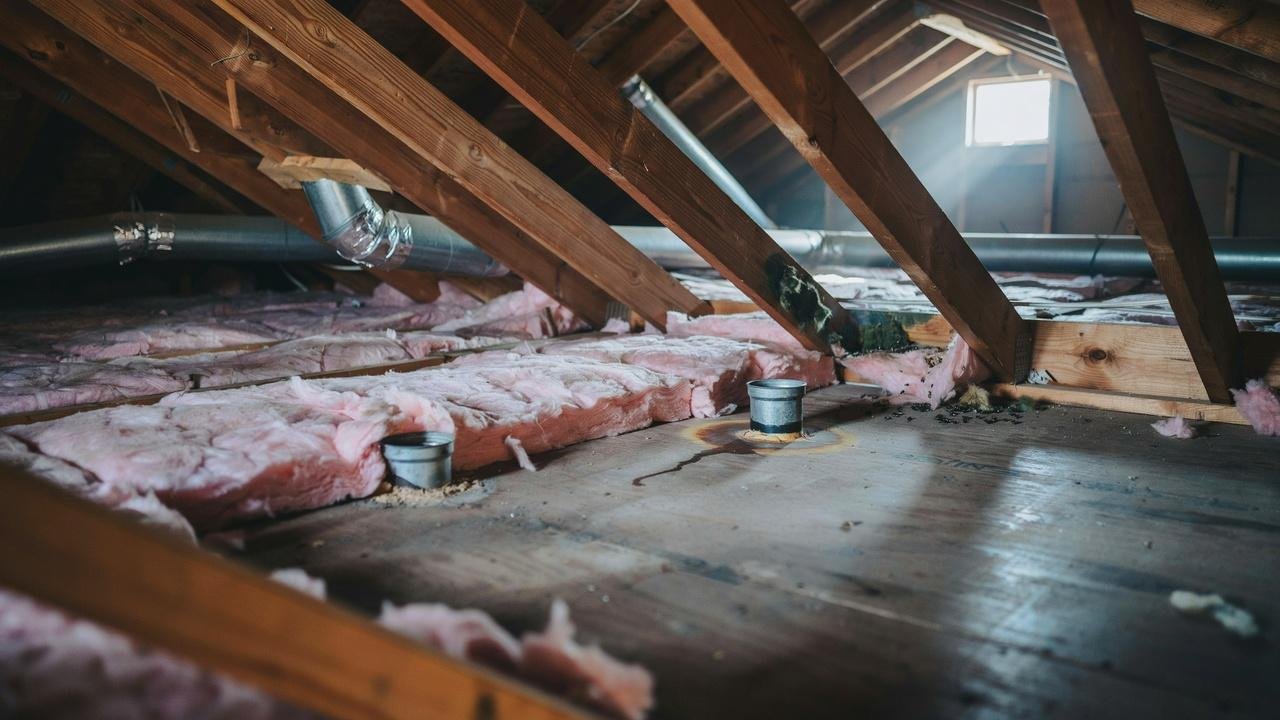
These warning signs tell you when insulation has stopped doing its job.
Rising Energy Bills
If your heating or cooling costs have crept up without a clear reason, weak insulation could be letting conditioned air escape. Compare bills from the same month last year to spot the pattern.
Uneven Indoor Temperatures and Drafts
Rooms that feel noticeably colder or hotter than others often point to insulation that has thinned out or shifted. Drafts near vents or attic access points are another clue.
Wet or Water-Damaged Insulation
Insulation soaked by a roof leak loses its loft and ability to trap air. It usually needs to be replaced rather than dried out, since the damage rarely reverses.
Mold, Mildew, or Musty Odors
A musty smell usually means moisture has settled into the insulation, creating a breeding ground for mold. This can also affect indoor air quality if it spreads.
Pest Infestation and Contamination
Droppings, nesting material, or chewed insulation mean pests have moved in. Beyond the mess, this contamination can hide damage that is not obvious at first glance.
Compressed, Settled, or Missing Insulation
Insulation that looks flat, thin, or patchy has lost much of its power. Loose-fill insulation often settles 20 percent or more over the years, leaving gaps.
Vermiculite Insulation In Older Homes
Older homes may have vermiculite insulation, which can contain asbestos. Avoid disturbing it and have it inspected by a trained professional.
Replace or Add More Insulation?
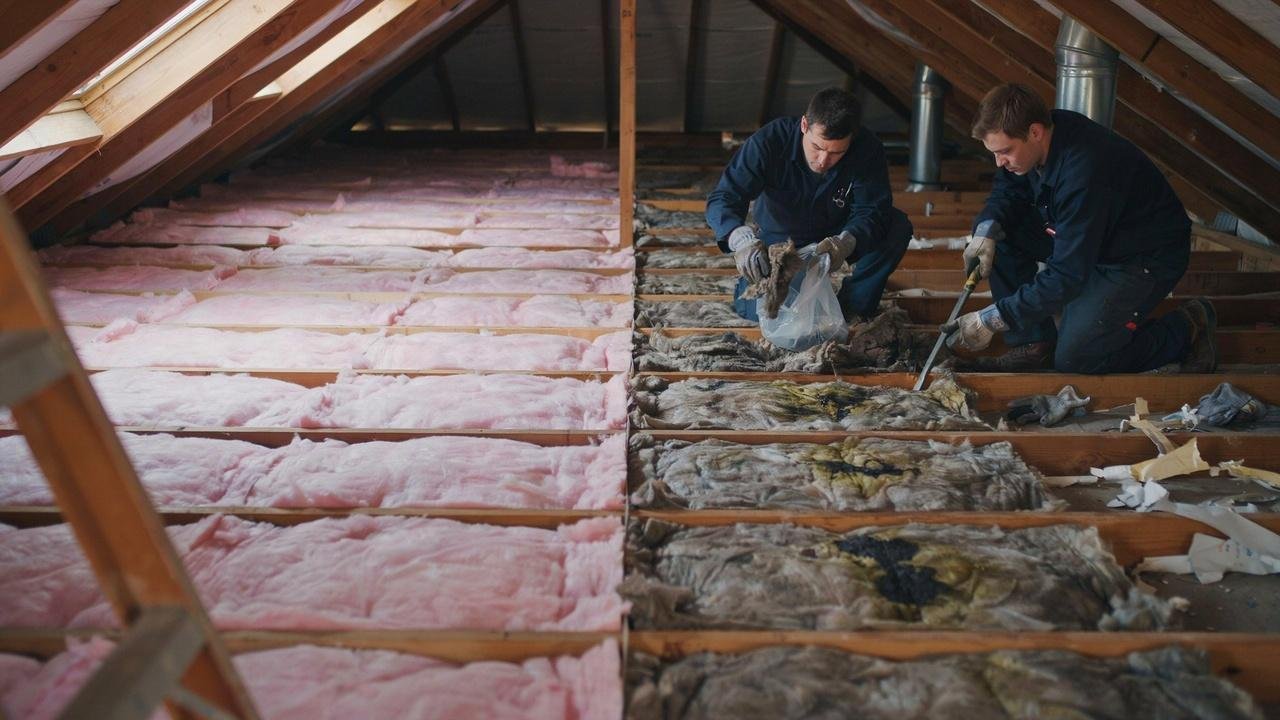
Sometimes a top-up is enough, and sometimes a full replacement makes more sense.
When Adding Insulation Is Enough
If your existing insulation is dry, clean, and just too thin, adding more on top can boost performance without a full replacement. This works well when a home never had enough depth to begin with.
When Complete Replacement Is the Better Option
If insulation is wet, moldy, pest damaged, or contains vermiculite, full replacement is the safer choice. Covering damaged material only hides the problem instead of solving it.
What Causes Attic Insulation to Fail?
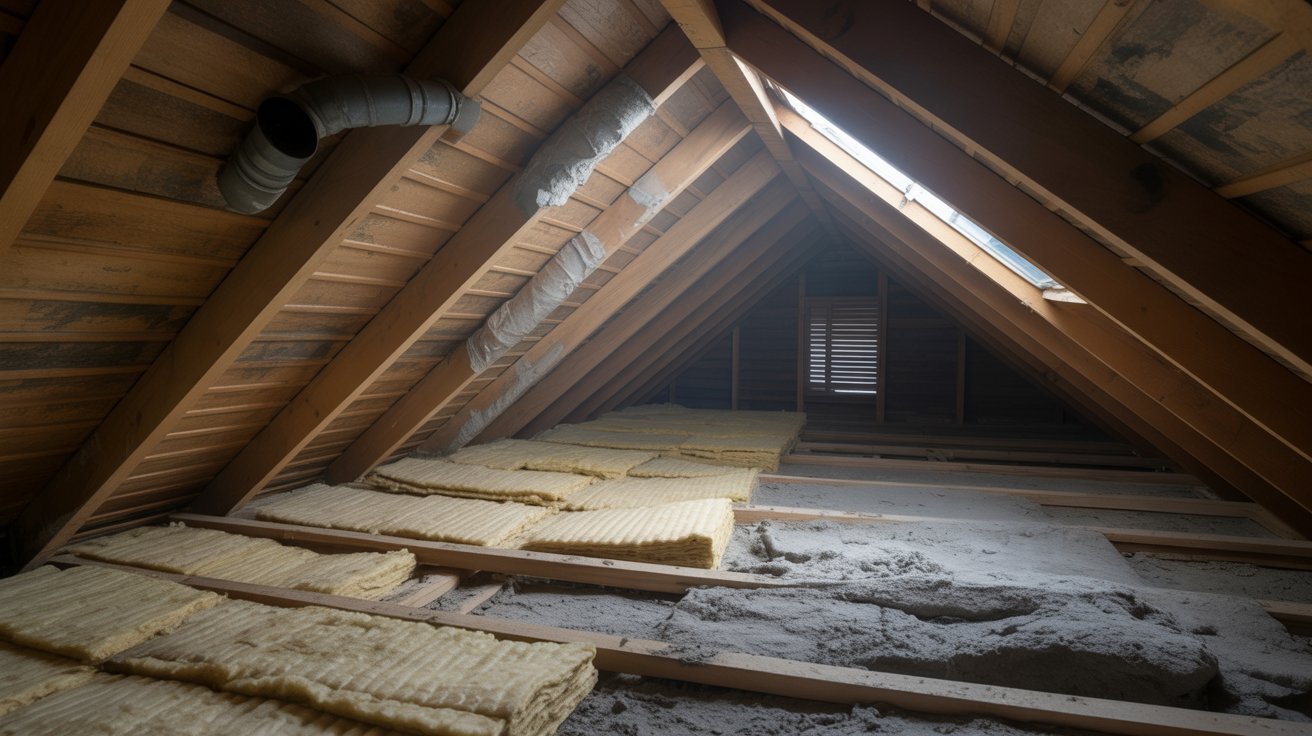
Understanding the root causes helps you prevent repeat problems.
Roof Leaks and Moisture Problems
Even small leaks can soak insulation over time, leading to mold and reduced performance, often before anyone notices the leak itself.
Poor Attic Ventilation
Without proper airflow, heat and moisture build up, speeding up wear and creating a damp environment that is hard on insulation.
Air Leaks Around the Attic Floor
Gaps around pipes, wiring, and light fixtures let conditioned air escape, reducing effectiveness even when the insulation itself is in good shape.
Aging and Physical Damage
Insulation naturally breaks down with age, and foot traffic from storage or repairs speeds up wear and creates uneven coverage.
What Happens During Attic Insulation Replacement?
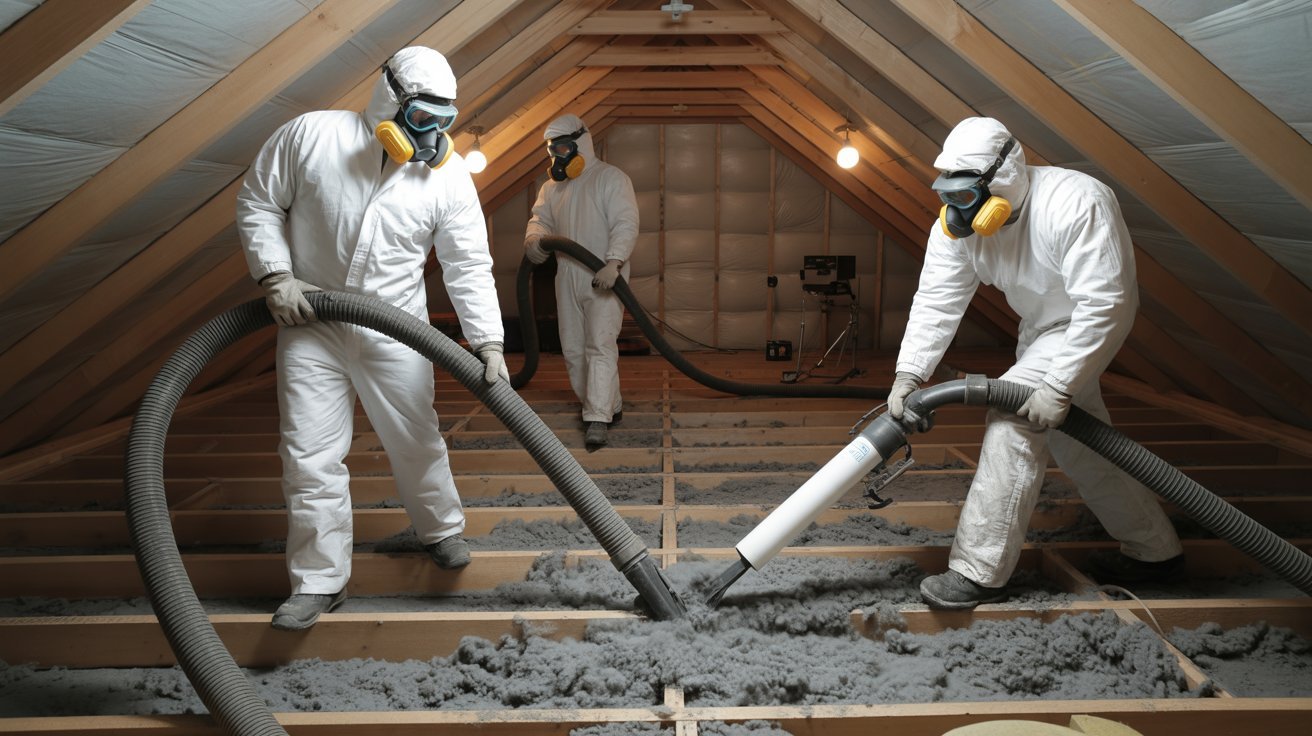
Here is what a typical replacement project looks like from start to finish.
Attic Inspection and Problem Assessment
A professional checks for leaks, mold, pests, and ventilation issues first. Replacing insulation without fixing the root cause often leads to repeat problems.
Safe Removal of Old Insulation
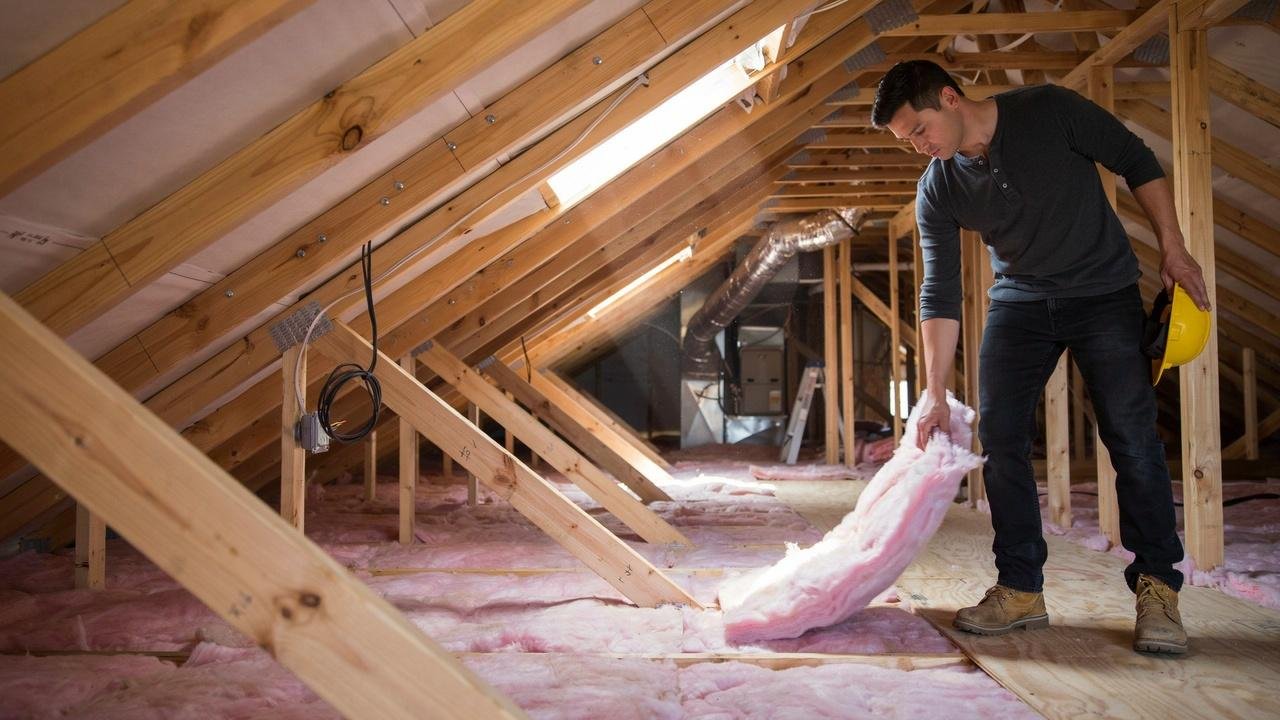
Old insulation is carefully removed, especially if it contains vermiculite or shows contamination. Workers often wear protective gear during this step.
Air Sealing Before New Insulation
Gaps around lights, hatches, and pipes are sealed first. Skipping this step is a common mistake that limits how well new insulation performs.
Installing New Insulation
New insulation is installed to the correct depth based on your climate and local building codes, with attention paid to even coverage throughout.
Final Inspection and Coverage Check
A final walkthrough confirms even coverage and proper installation, checking depth at multiple points before the job is considered done.
How to Extend the Life of Your Attic Insulation
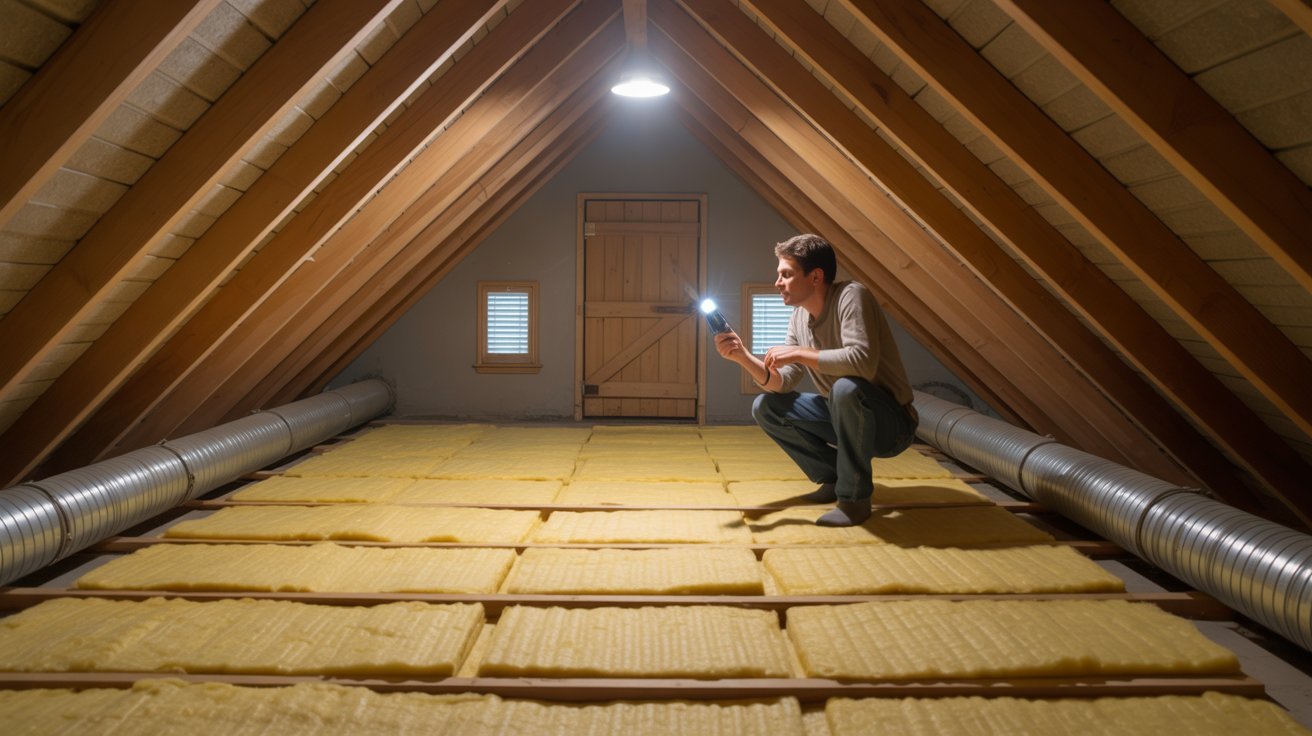
Simple habits that help your insulation last as long as possible.
Regular attic maintenance can significantly extend the life of your insulation.
Inspect your attic at least once a year to catch potential issues early, and repair roof leaks as soon as they appear to prevent moisture damage.
Seal gaps around the roofline and vents to keep pests from entering and damaging the insulation.
Maintaining proper attic ventilation helps control heat and humidity, while avoiding unnecessary foot traffic prevents insulation from becoming compressed and losing its effectiveness.
Selecting the best option for your climate and budget
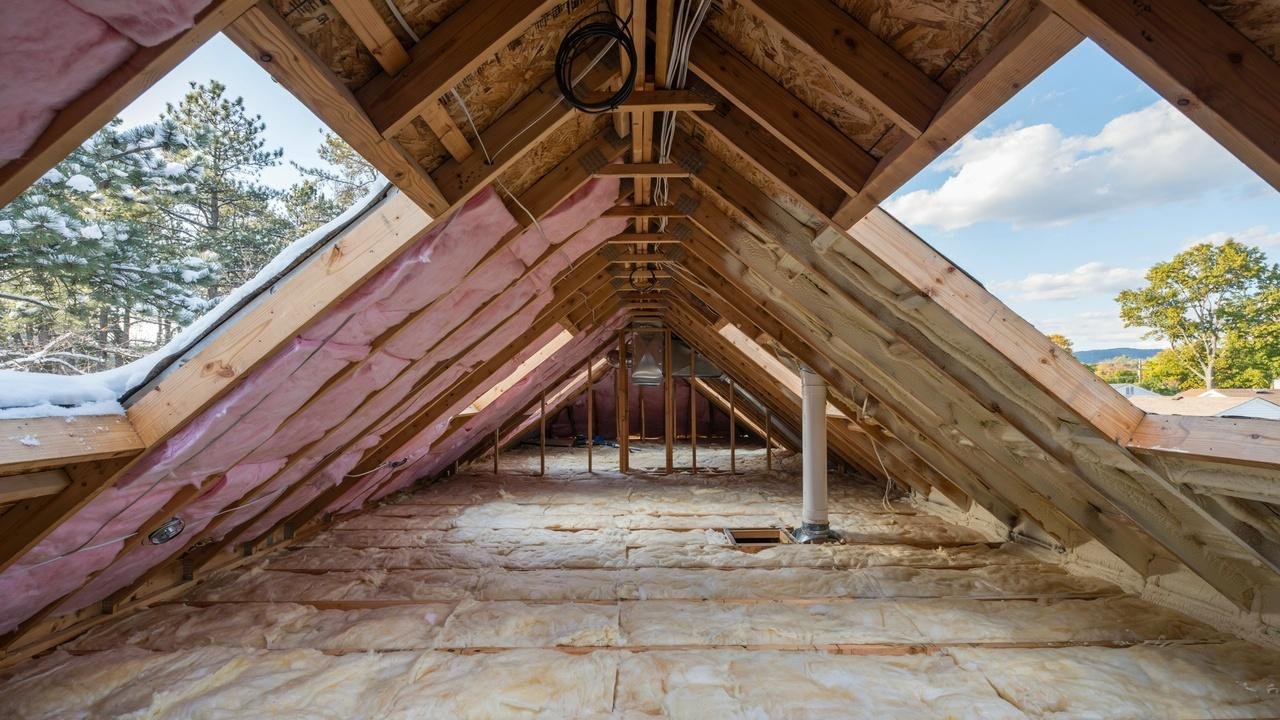
Colder climates often benefit from spray foam due to its strong air sealing. Cellulose suits homeowners who want an eco-friendly option, while fiberglass remains a solid, affordable choice for most standard attics. Always check local codes before deciding.
Common Mistakes Homeowners Should Avoid
These slip-ups can cost you money and shorten the life of your insulation.
- Covering damaged insulation with new material instead of removing it first
- Ignoring moisture or mold issues until they spread further
- Skipping air sealing before adding new insulation
- Waiting too long to address insulation problems once signs appear
- Choosing the cheapest material without checking if it suits your climate
Tips for Choosing the Right Replacement Insulation
A quick breakdown of common materials to help you decide.
- Fiberglass is budget friendly and works well for DIY installs, lasting 20 to 30 years
- Cellulose suits eco-conscious homeowners and older homes, lasting 20 to 25 years
- Spray foam offers the strongest air sealing and long-term performance, lasting 30 or more years
- Colder climates benefit most from spray foam because of its tight air sealing
- Always check local building codes before choosing a material for your attic
Conclusion
I have walked through plenty of attics over the years, and the story is always the same. The earlier you catch insulation problems, the easier and cheaper they are to fix.
If something in this guide sounded familiar, like a musty smell or a sky high energy bill, take that as your sign to act.
Replacing attic insulation is not glamorous, but it makes a real difference in comfort and savings.
Got questions or your own attic story? Drop a comment below, and share this with a friend who might need it too.
Frequently Asked Questions
How often should attic insulation be replaced?
Most attic insulation lasts 20 to 30 years depending on the type. Check it sooner if you notice leaks or pests.
Can I add new insulation over old insulation?
Yes, if the old insulation is dry and clean. Wet, moldy, or damaged insulation should be removed first.
Is vermiculite insulation dangerous?
Vermiculite can contain asbestos in older homes. Always have it inspected by a professional before touching it.
How do I know if my insulation has mold?
A musty smell or visible dark spots usually signal mold. A professional inspection can confirm the issue.
Does new insulation really lower energy bills?
Yes, properly installed insulation reduces heat loss and gain, which lowers heating and cooling costs over time.