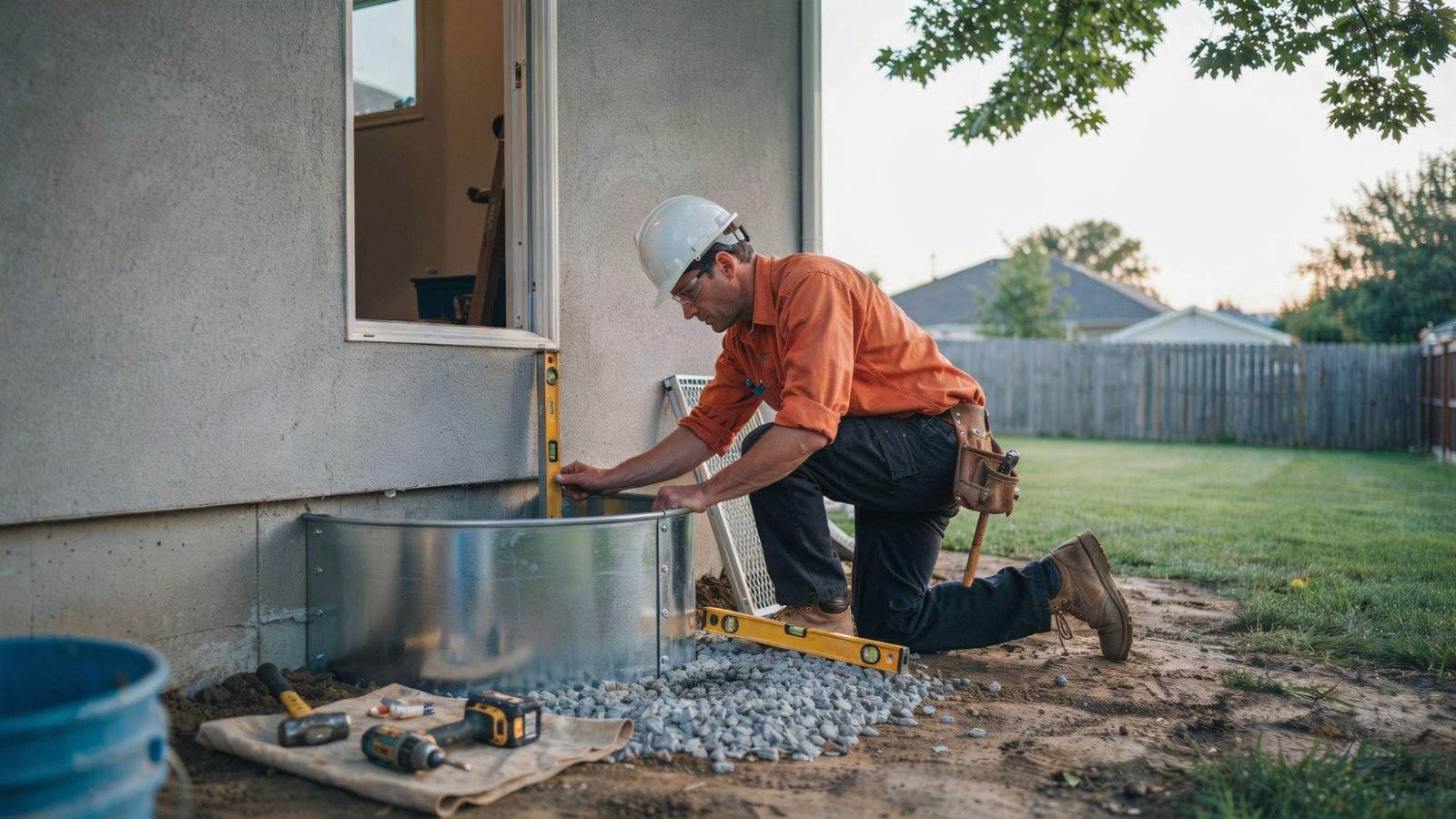
Building a home from scratch can feel confusing, especially if you don’t know what happens at each stage.
In this guide on the custom home building process, you’ll get a clear step-by-step breakdown from planning and design to final handover.
The goal is simple:to help you understand the full journey so you can make better decisions with confidence.
I’ll cover budgeting, design, permits, construction stages, and final inspections in a clear and easy way. Each step is explained so you know what to expect and when.
I’ve seen this process closely, and small planning decisions often make the biggest difference in the final result.
What Is a Custom Home Building Process?
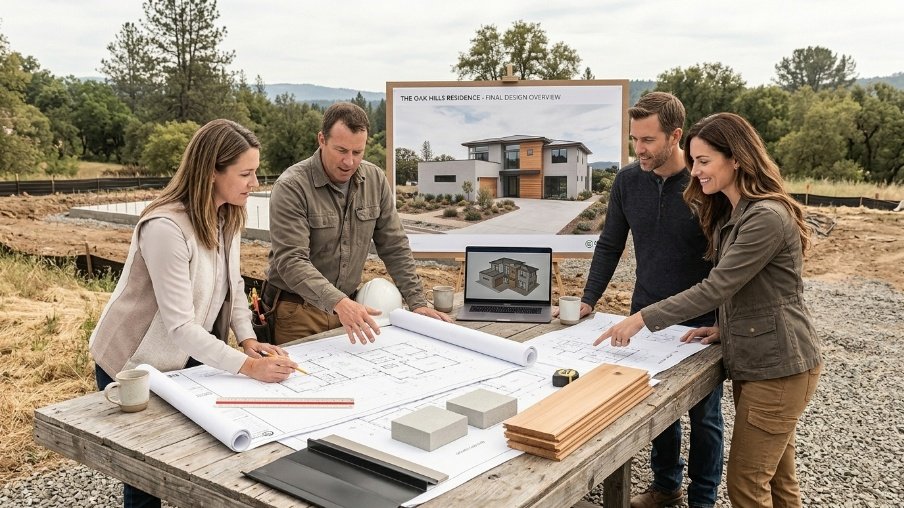
The custom home building process is the step-by-step journey of designing and building a home from the ground up based on your personal needs, style, and budget.
Unlike buying a pre-built home, where you choose from existing designs, a custom home gives you full control over layout, materials, and features.
It is more flexible but also requires more planning and decisions along the way.
The main people involved include the homeowner, who shares the vision and budget, the architect or designer who creates the plans, and the builder who turns those plans into reality.
Sometimes engineers, contractors, and local authorities are also part of the process to ensure safety and approvals at each stage.
Step-by-Step Custom Home Building Process
Here is the full journey of building a custom home, explained in simple steps so you know what happens from start to finish.
Step 1 – Planning and Budgeting
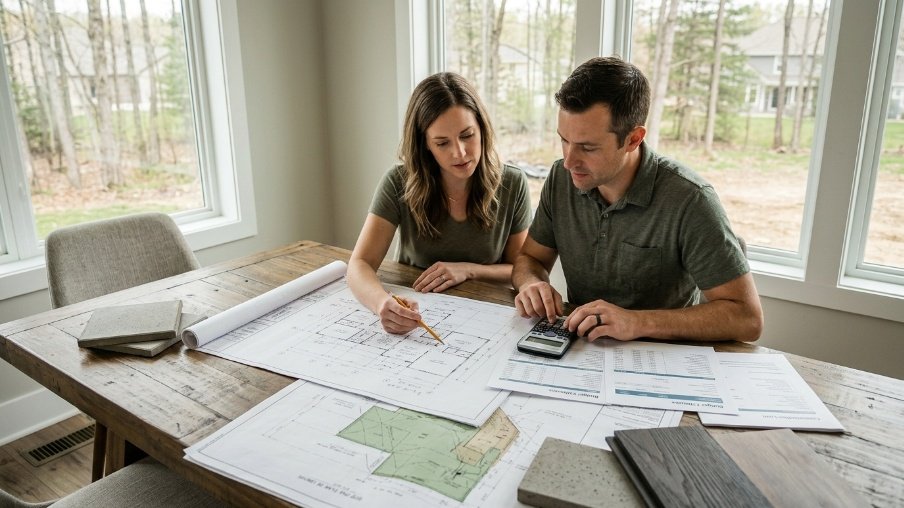
This is the first and most important stage. You set your total budget, decide what you truly need versus what you want, and choose a suitable location or land.
You also get financial approval or a home loan pre-approval to understand what you can afford before moving forward.
Step 2 – Designing Your Home

In this step, you work with an architect or designer to create your home layout. Floor plans are made based on your lifestyle, space needs, and style preferences.
You also finalize design details like room size, materials, and overall look to match your vision and budget.
Step 3 – Hiring the Right Builder
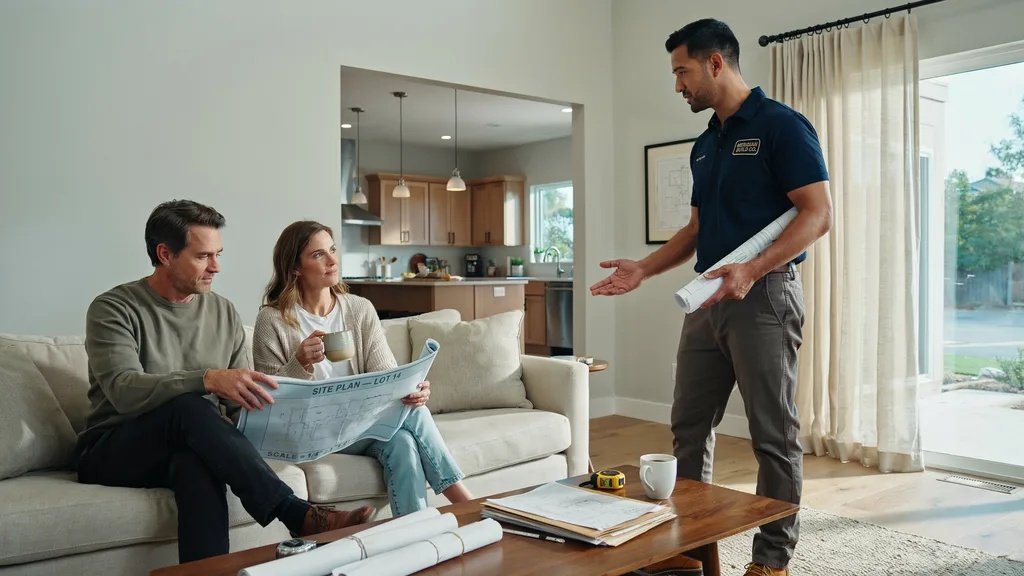
Now you choose a trusted builder who will manage the construction work. You check their licenses, experience, and past projects. Reviews and references help you judge quality.
Once satisfied, you sign a clear contract that explains cost, timeline, and responsibilities to avoid confusion later.
Step 4 – Permits and Approvals
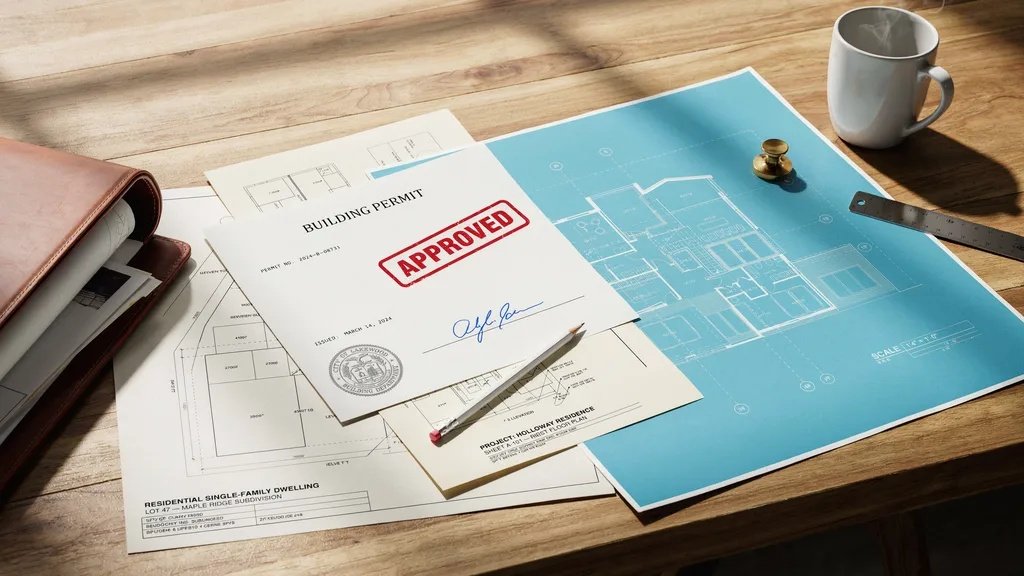
Before construction starts, you need legal approvals. This includes building permits and checking local zoning rules.
Authorities review your design to ensure it follows safety and land regulations. This step can take time, but it is necessary to avoid legal issues during or after construction.
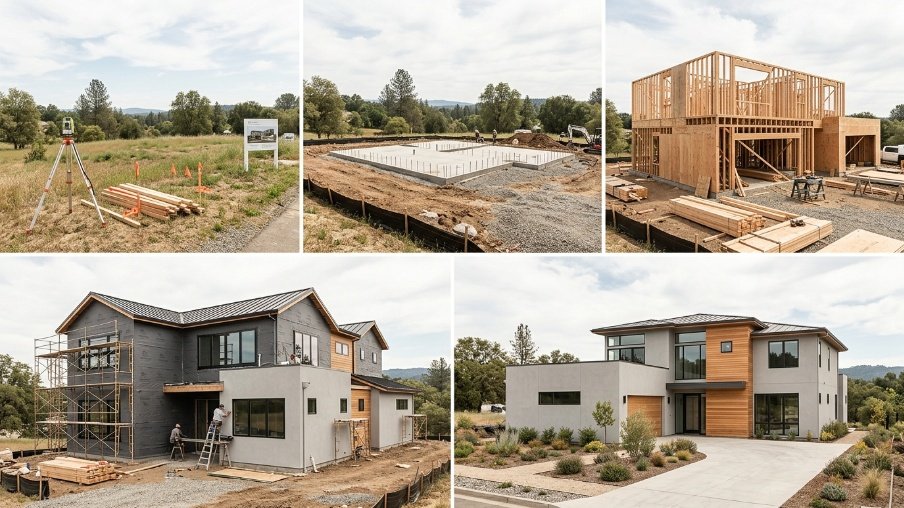
Step 5 – Site Preparation and Foundation
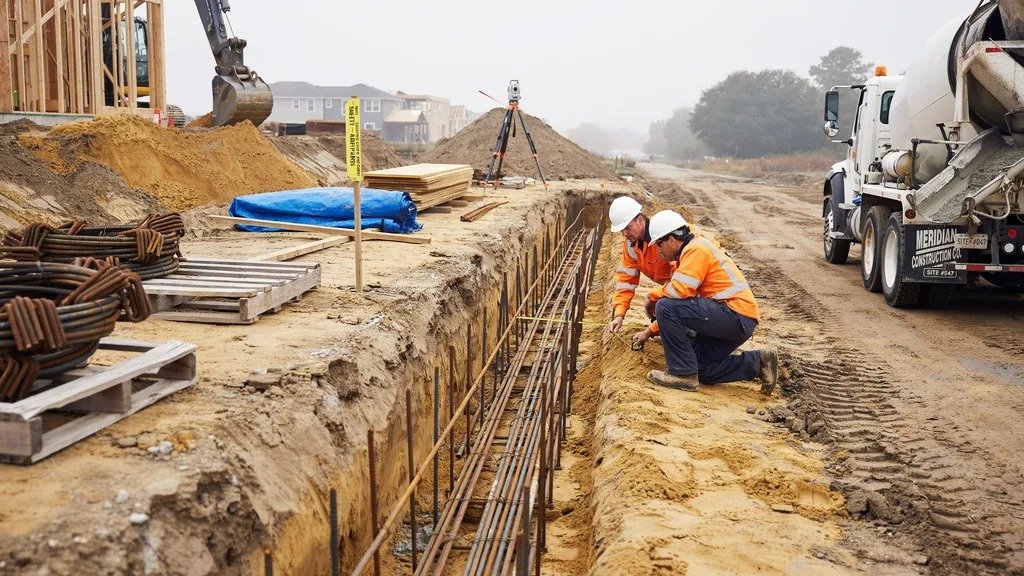
The land is cleaned and prepared for building. Workers remove debris, level the ground, and start excavation. After that, the foundation is laid using concrete and steel.
This base is very important because it supports the entire structure and ensures long-term strength and stability.
Step 6 – Framing and Structural Work
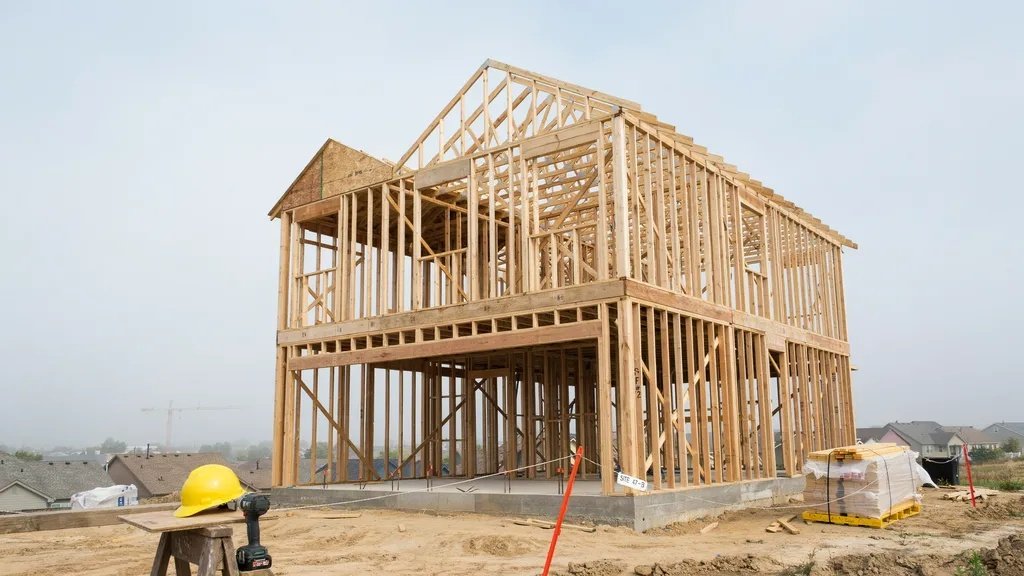
This is when your home starts taking shape. The wooden or steel frame is built to form walls, floors, and roof structure.
After framing, the roof is installed, followed by window and door openings. At this stage, you can clearly see the structure of your house.
Step 7 – Plumbing, Electrical, and HVAC
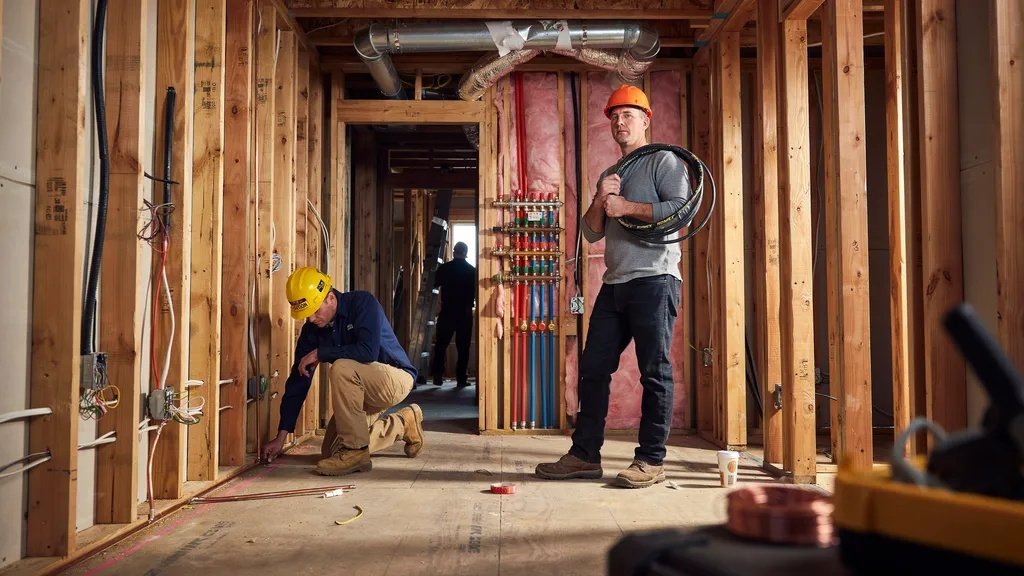
Inside systems are installed in this phase. Pipes for water supply, wiring for electricity, and HVAC systems for heating and cooling are set up.
Inspections are done to ensure safety and proper installation. This “rough-in” stage prepares the home for finishing work later.
Step 8 – Interior and Exterior Finishing
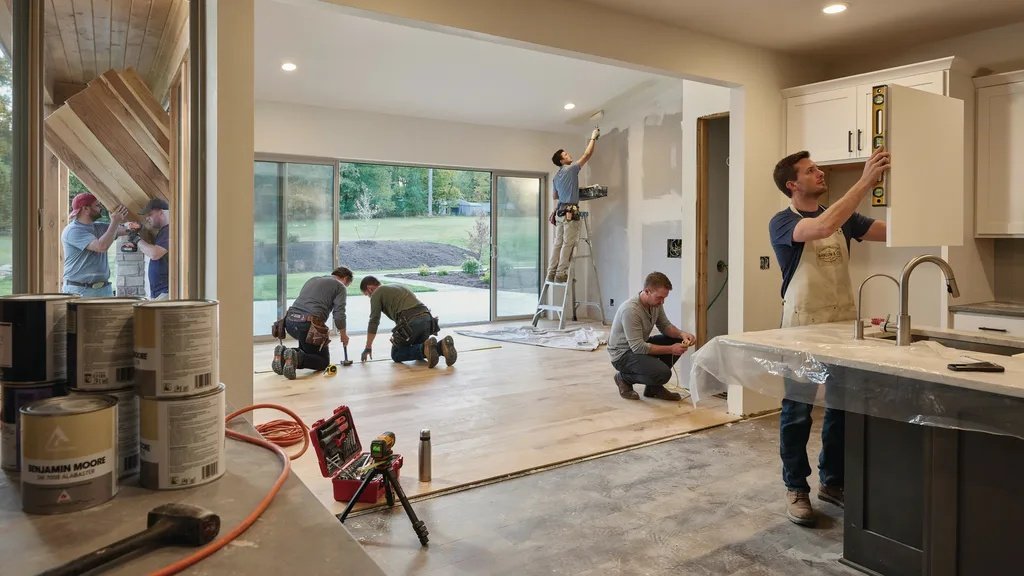
Now the house starts looking complete. Walls are painted, floors are installed, and cabinets are fitted. Outside, siding and exterior finishes are added along with landscaping.
Light fixtures, switches, and final design touches are installed to bring comfort, style, and functionality together.
Step 9 – Final Inspection and Walkthrough
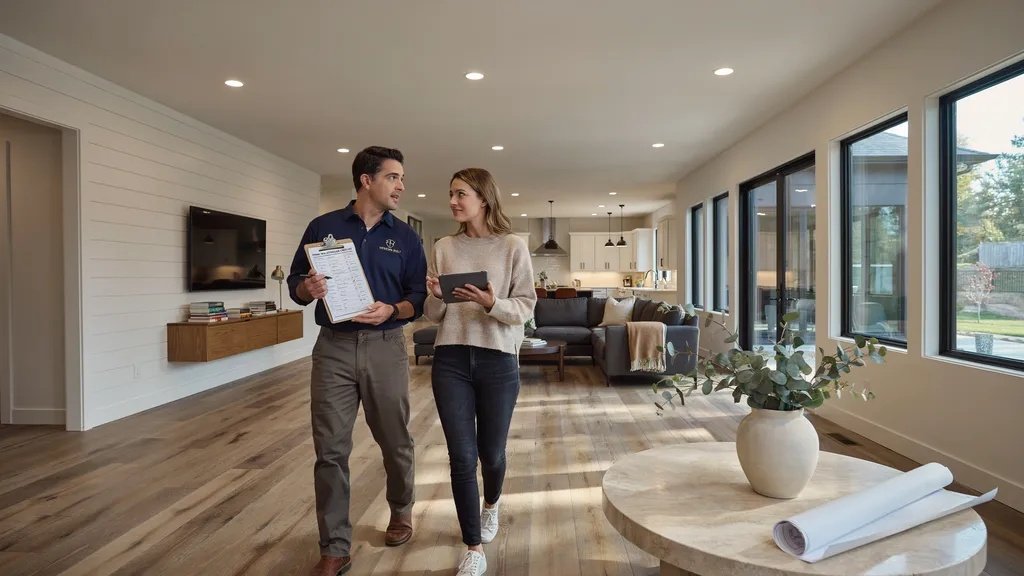
Before handover, the home is carefully inspected for quality and safety. Any small issues or unfinished work, called a snag list, are fixed.
Then the homeowner walks through the house with the builder to ensure everything matches expectations and design plans.
Step 10 – Handover and Move-In
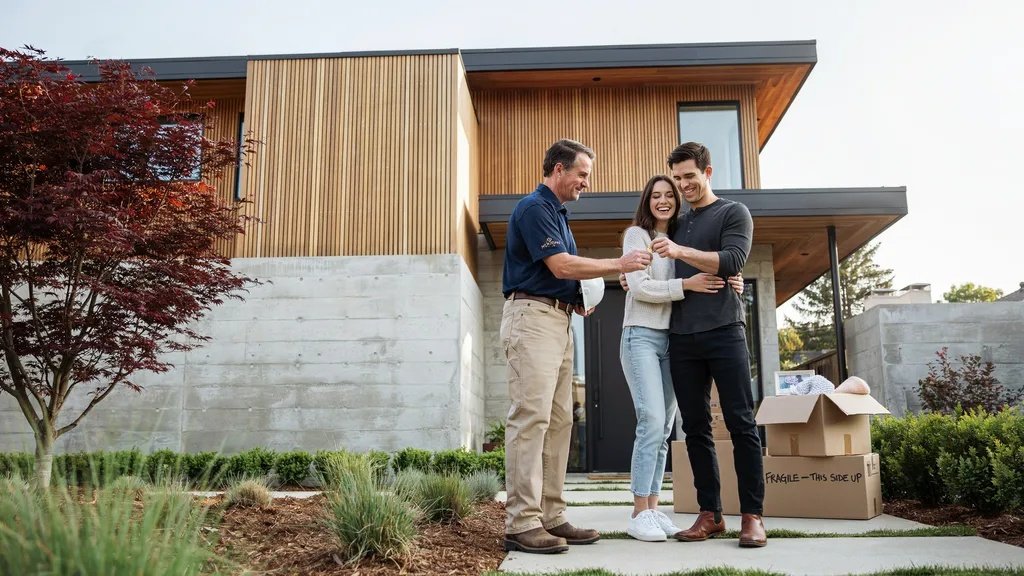
This is the final stage where you receive the keys to your new home. Warranty documents and maintenance details are shared.
After final checks, you can move in and start living in your fully completed custom-built home designed just for you.
Common Challenges in Custom Home Building
Even with good planning, custom home building can come with a few common issues that can affect time, cost, and decisions.
- Budget overruns: Costs can rise due to material price changes or extra work not planned in the original estimate.
- Delays in construction: Weather, approvals, or labor shortages can slow down the building timeline.
- Design changes mid-way: Changing layouts or materials during construction can increase both cost and project time.
Tips for a Smooth Custom Home Building Process
A well-planned approach and clear communication can make the entire journey easier and more predictable.
- Stay involved in communication: Regular updates with your builder help avoid misunderstandings.
- Plan for contingencies: Keep extra budget and time for unexpected changes or delays.
- Choose experienced professionals: Skilled architects and builders help reduce mistakes and improve quality.
Conclusion
Understanding the custom home building process can make your journey feel more clear and less stressful.
If you’re planning your own home, imagine each step coming together exactly how you want it, one decision at a time.
From my experience, the smoother projects always come down to early planning and open communication with the builder.
Take your time, trust the process, and don’t rush key choices.
If this guide helped you, feel free to share your thoughts or try more related guides to keep learning.
Frequently Asked Questions
What is the first step in the custom home building process?
The first step is planning your budget, needs, and land choice. This stage sets the foundation for all design and construction decisions.
How long does the custom home building process usually take?
It can take anywhere from 8 months to over a year. The timeline depends on design complexity, permits, weather, and contractor availability.
Can I make changes during the construction phase?
Yes, changes are possible but should be avoided when possible. Mid-way changes can increase cost, delay progress, and affect material planning.
Why are permits important in the custom home building process?
Permits ensure your home follows local safety and building rules. Without approvals, construction can face legal issues or long delays.
What should I look for when hiring a builder?
Check experience, past work, licenses, and client feedback. A good builder ensures quality work and smooth project management throughout.