Building a home and building an office tower are not the same job. They use different materials, follow different rules, and need different teams.
If you are planning a project, knowing these differences can save you time, money, and stress. This guide breaks down commercial and residential construction in plain language.
You will learn how they differ in cost, codes, materials, and timeline. We will also cover similarities, pros and cons, and tips for choosing the right approach.
With years of hands-on experience in the construction field, this guide is built to give you facts you can actually use.
By the end, you will know exactly which path fits your project.
What Is Commercial Construction?
Building spaces made for business, not for living.
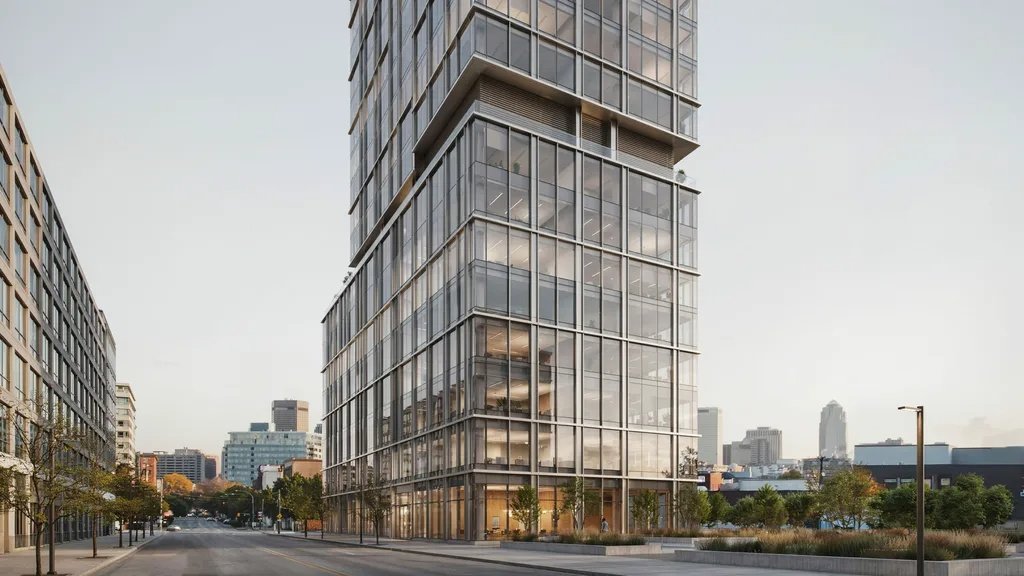
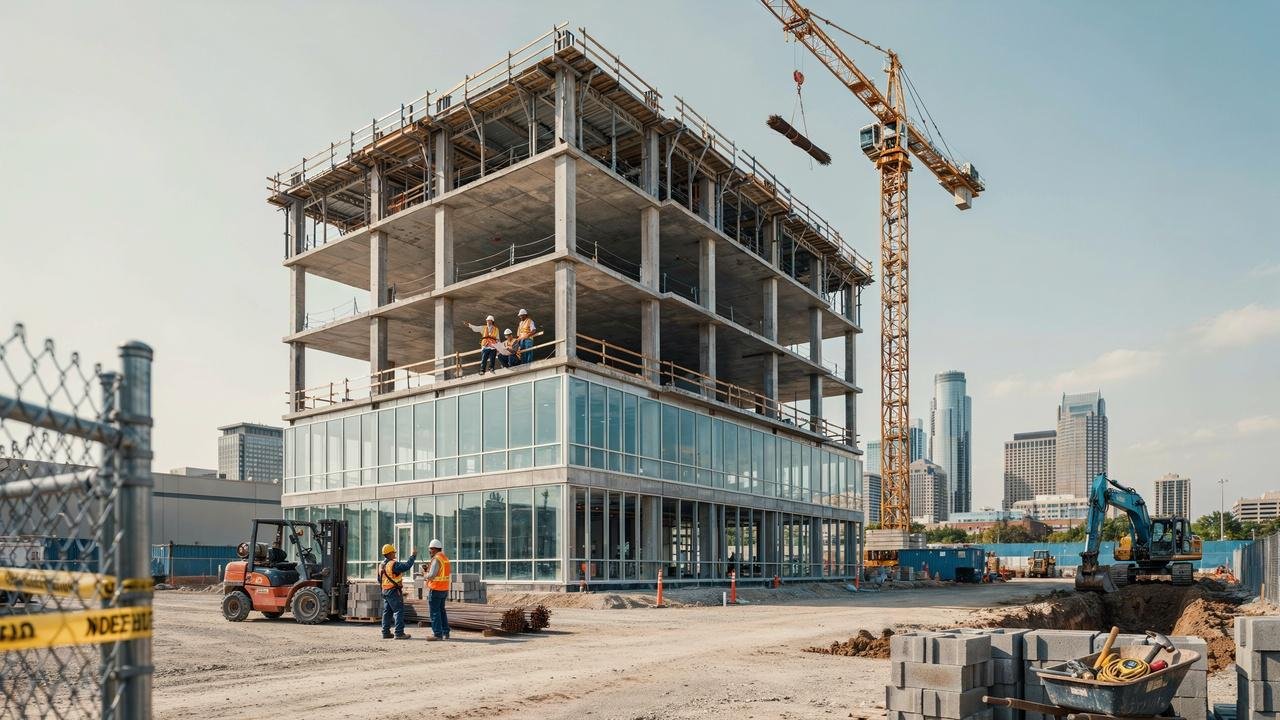
Commercial construction means building structures used for business purposes. This includes office buildings, retail stores, warehouses, hotels, and restaurants.
These projects often involve larger budgets and bigger teams.
Commercial buildings must follow strict codes for public safety. They need wider exits, accessible entrances, and fire safety systems built for large crowds.
Because many people use these spaces daily, the construction process focuses heavily on durability and code compliance.
Most commercial projects require licensed architects, engineers, and contractors who specialize in large-scale builds.
The construction timeline is often longer due to permits, inspections, and the complexity of the design.
What Is Residential Construction?
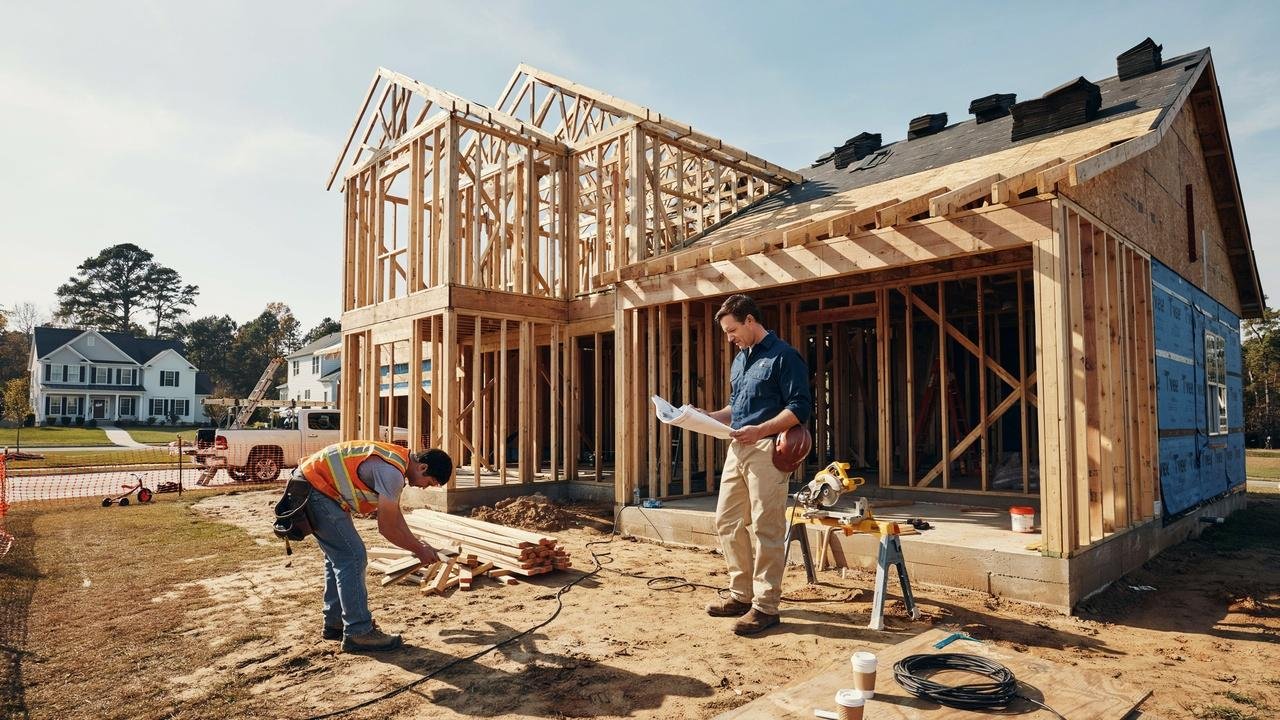
Building homes where people live and grow.
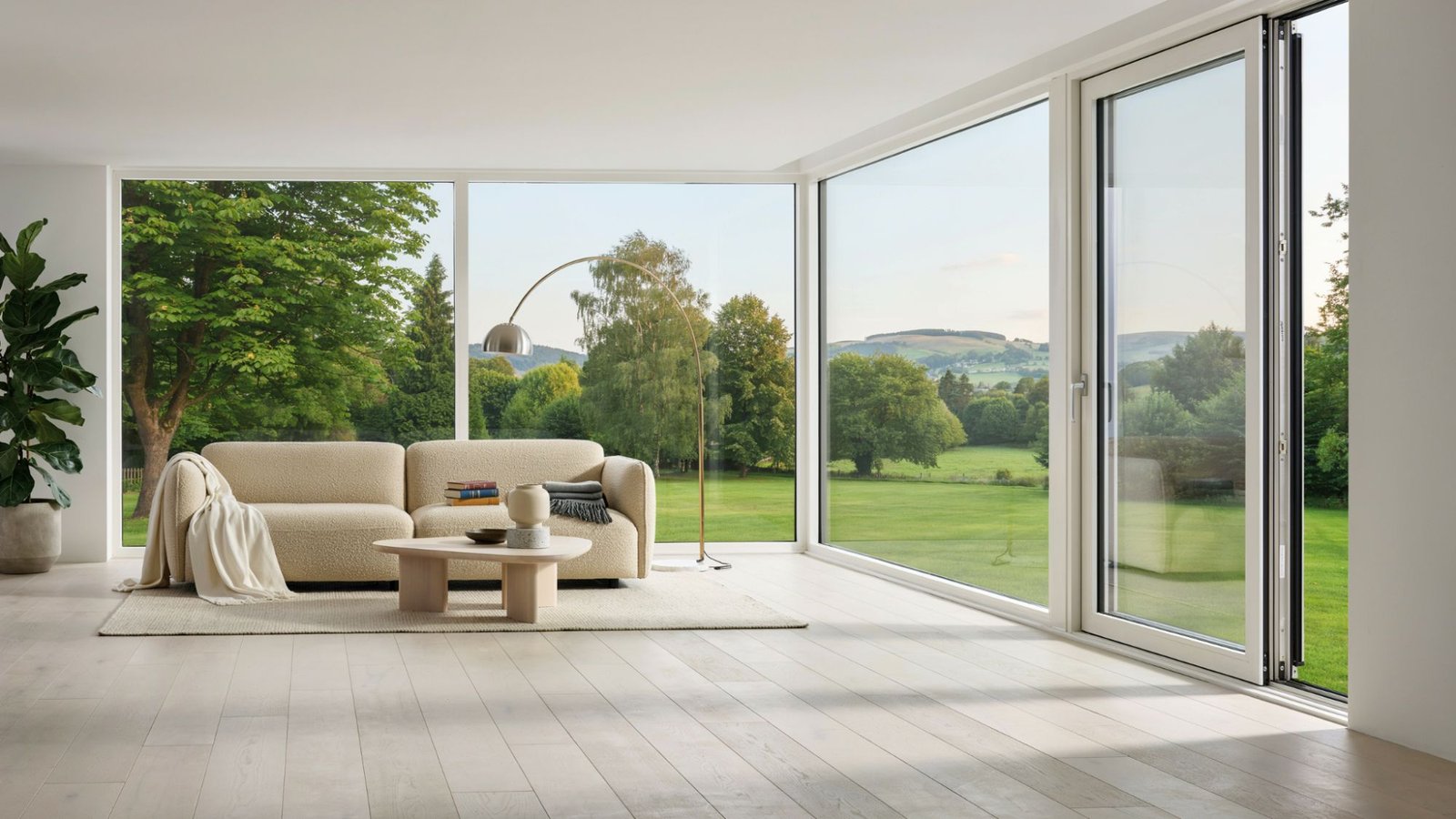
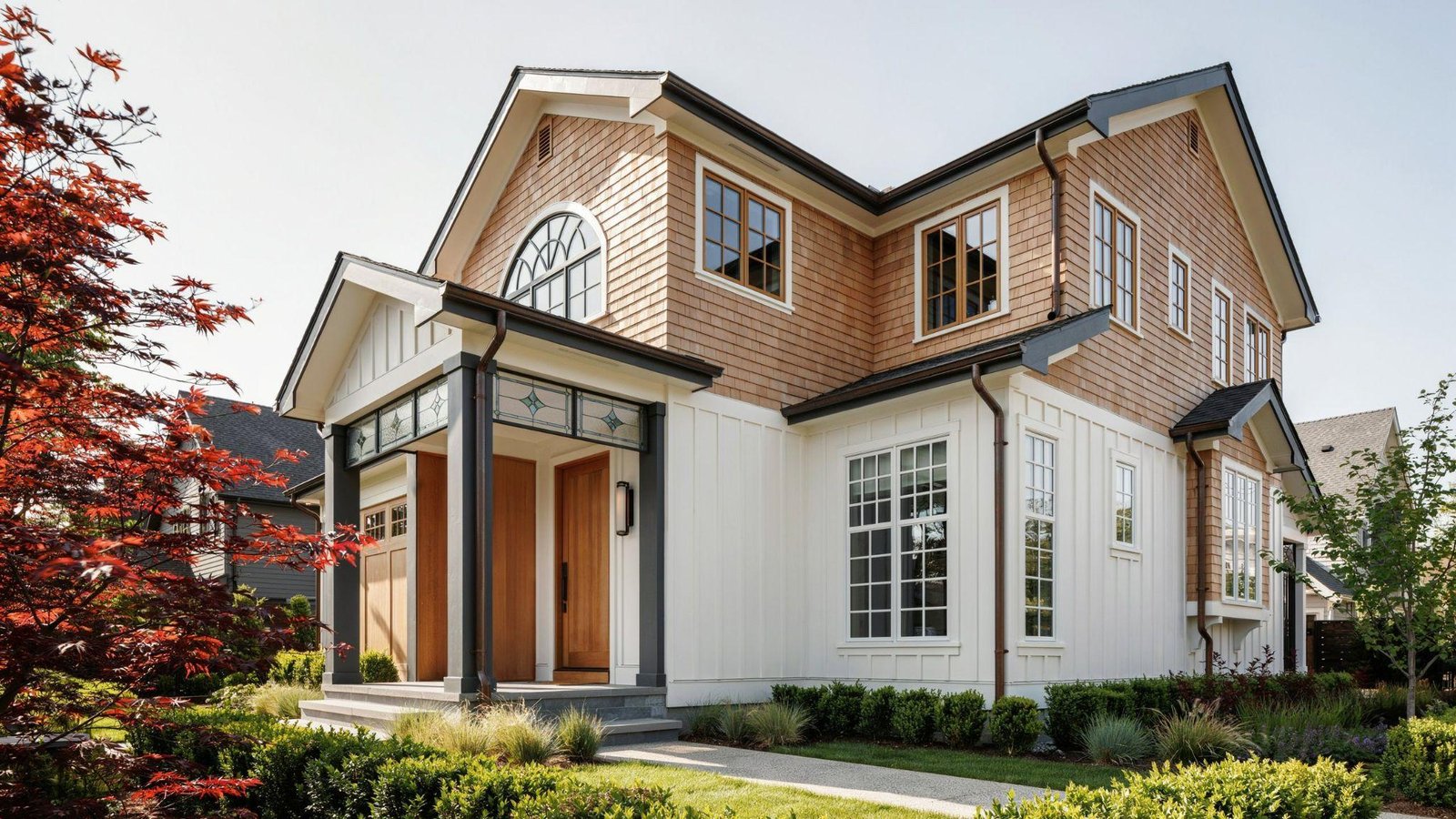
Residential construction focuses on building places where people live. This includes single-family homes, apartments, townhouses, and condos.
These projects are usually smaller in scale compared to commercial builds.
Residential codes focus on comfort, safety, and livability. Builders follow rules for room sizes, ventilation, plumbing, and electrical systems designed for daily home use.
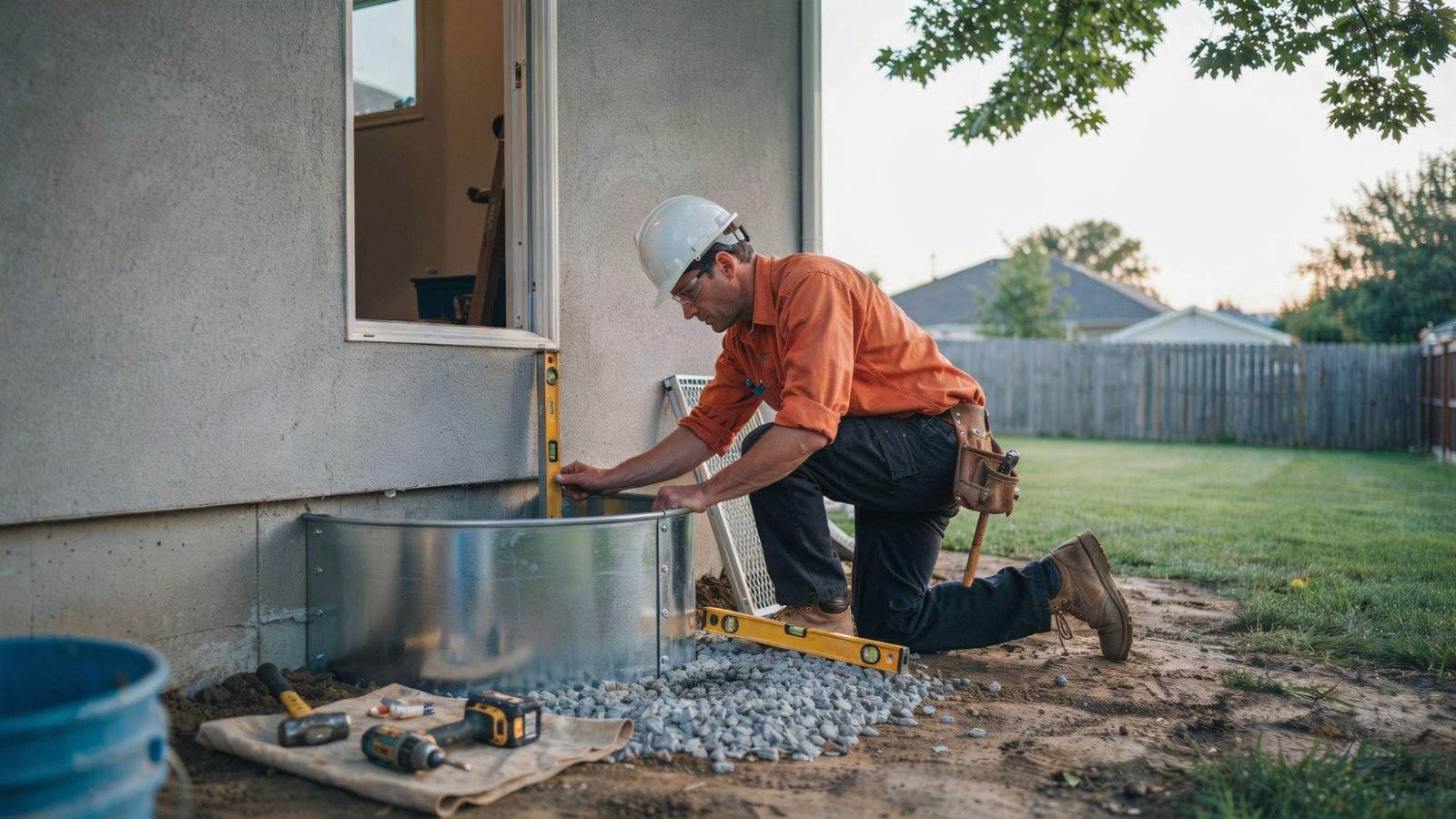
Homeowners often work directly with a general contractor or a small team. The process can move faster since residential projects are typically less complex than commercial ones.
Commercial vs Residential Construction: At a Glance
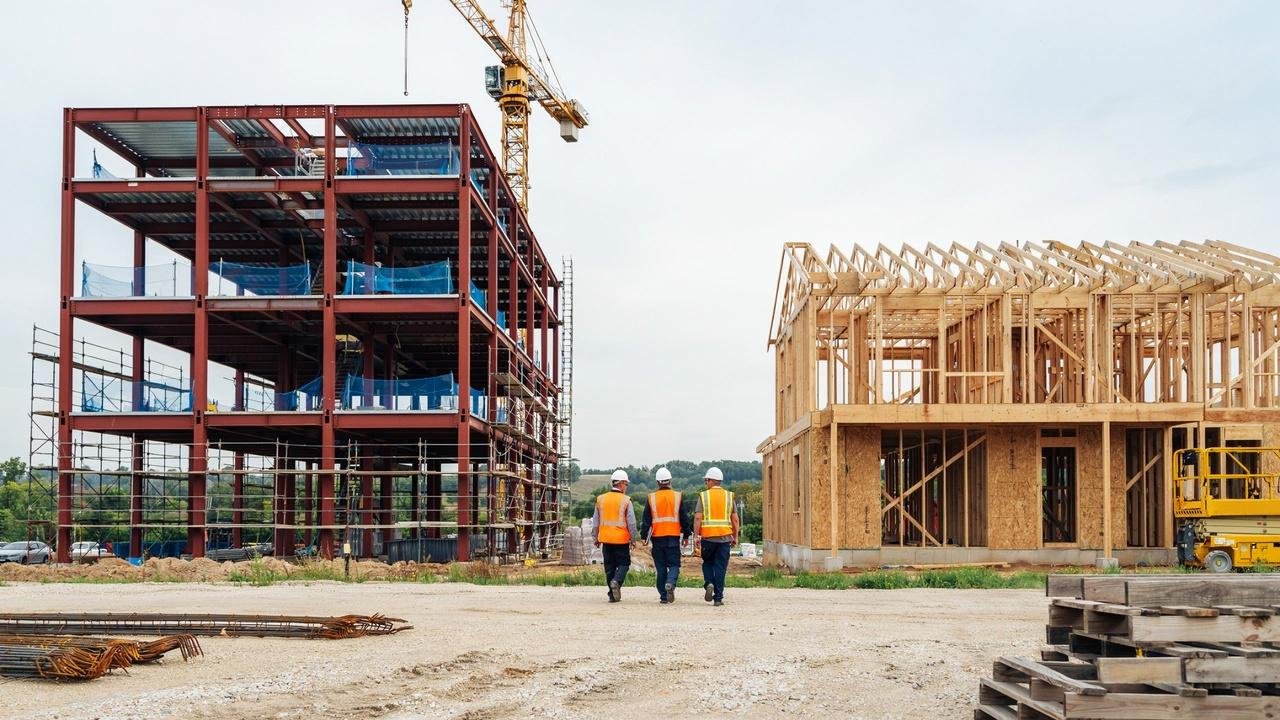
A quick side-by-side look at the two construction types.
Quick Comparison Table
| Feature | Commercial Construction | Residential Construction |
|---|---|---|
| Purpose | Business use | Living space |
| Scale | Large, complex | Small to medium |
| Materials | Steel, concrete, glass | Wood, brick, vinyl |
| Codes | Strict, public safety focused | Comfort and livability focused |
| Cost | Higher | Lower |
| Timeline | Longer | Shorter |
| Workforce | Specialized crews | General contractors |
| Design | Functional, code-driven | Personal, lifestyle-driven |
Commercial vs Residential Construction: Key Differences
Where these two building types really part ways.
Project Scope and Building Types
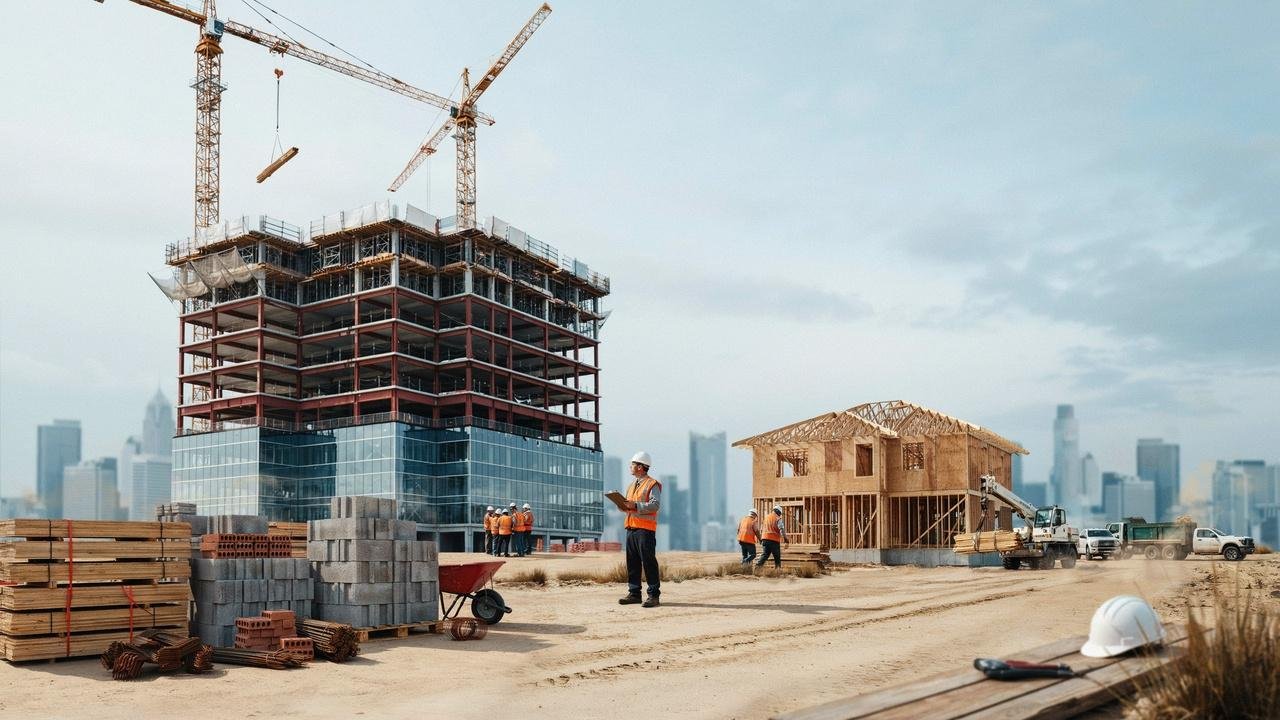
Commercial projects include offices, malls, hospitals, and warehouses. Residential projects include homes, duplexes, and apartment buildings.
The scope of commercial work is usually much larger, often spanning multiple floors or buildings.
Construction Materials
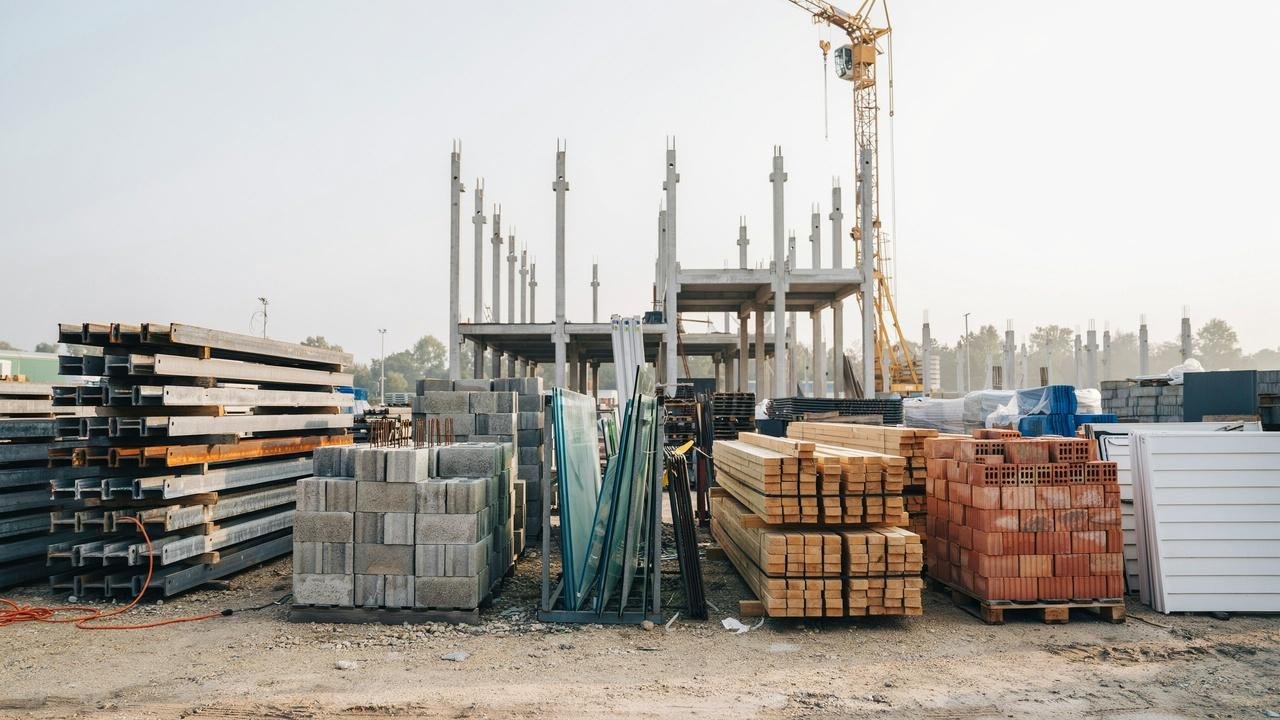
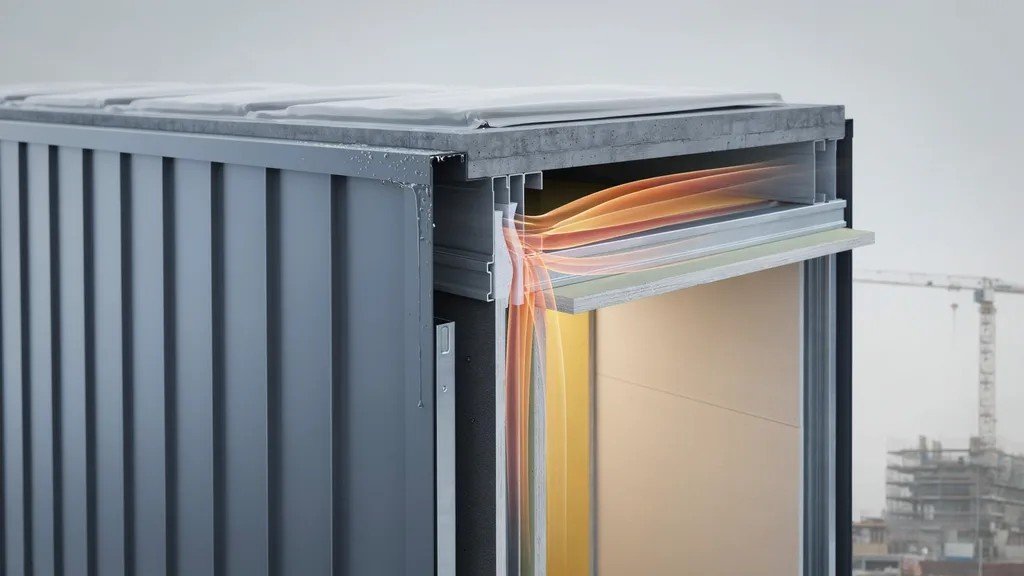
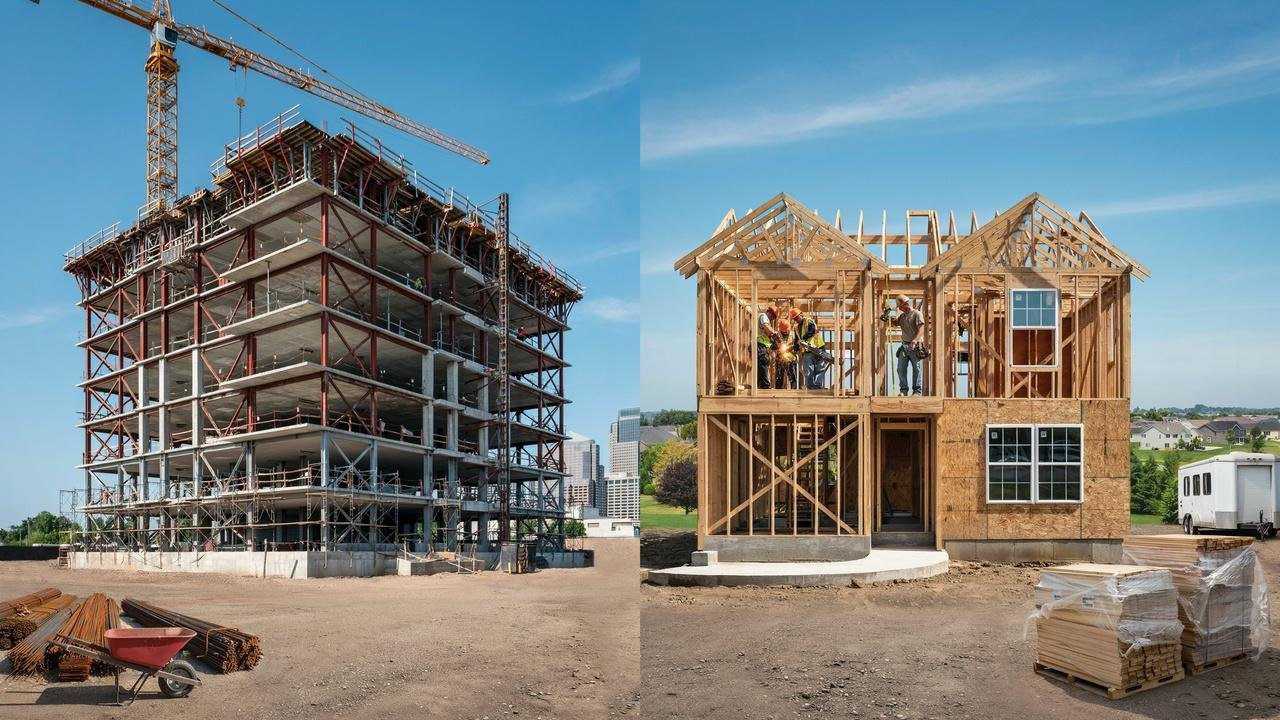
Commercial buildings rely on steel framing, concrete, and glass for strength and fire resistance.
Residential homes commonly use wood framing, brick, and vinyl siding. Material choice depends on building size, cost, and code requirements.
Building Codes and Regulations
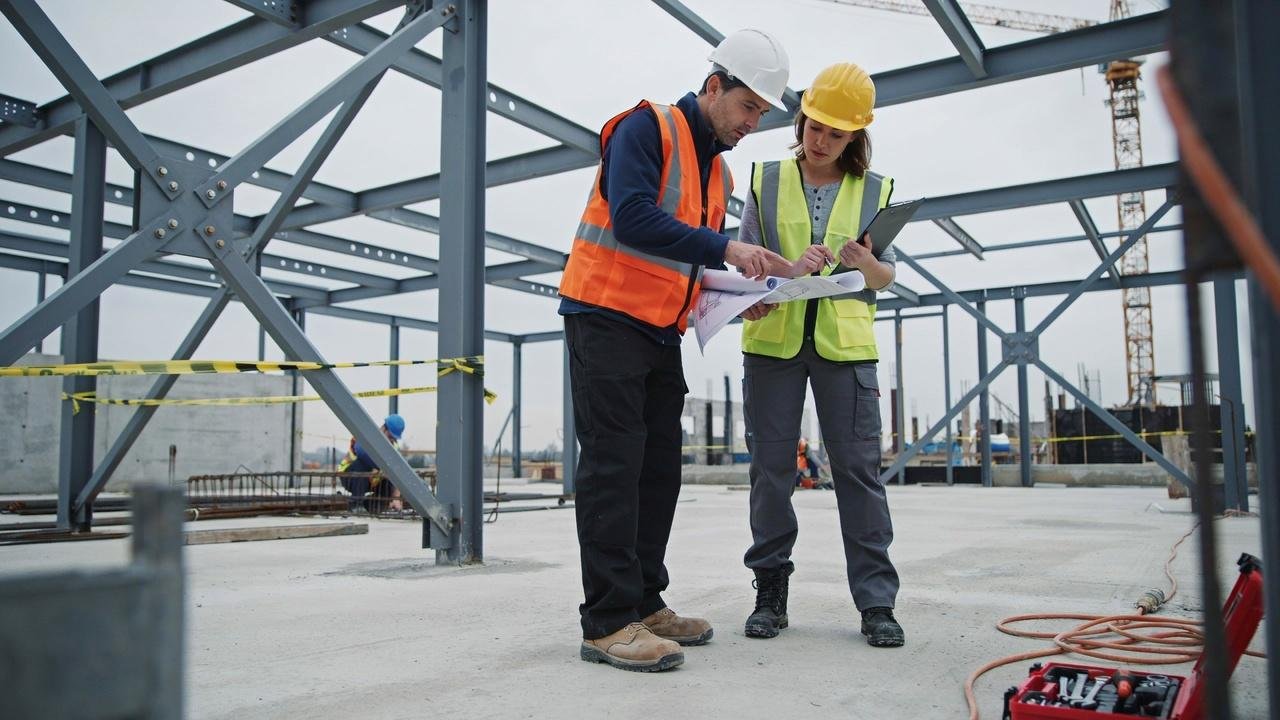
Commercial construction follows stricter codes due to higher occupancy. This includes fire suppression systems, accessibility ramps, and emergency exits.
Residential codes focus more on livability standards like insulation and room dimensions.
Design Requirements

Commercial design centers on function, foot traffic, and branding. Residential design focuses on comfort, personal style, and family needs.
Architects approach each type with a different set of priorities.
Cost and Budget
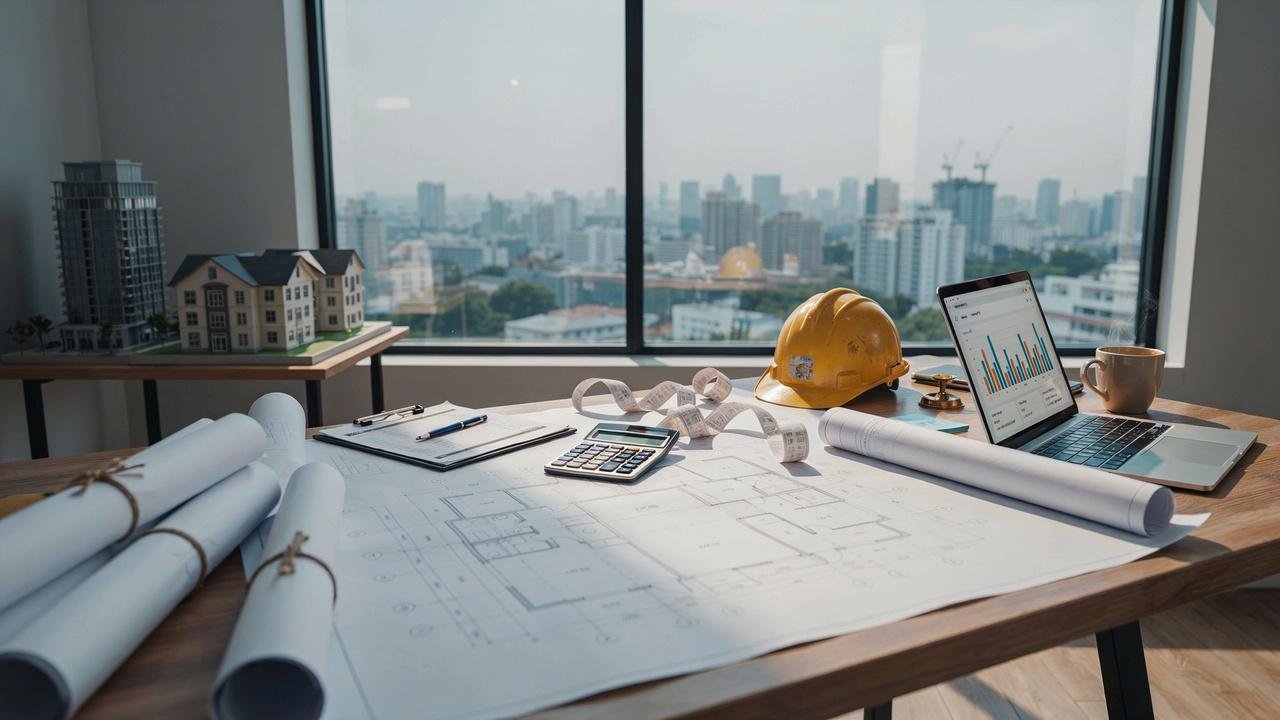
Commercial projects cost more due to materials, labor, and code requirements. Residential budgets are smaller but still vary based on size, location, and finishes.
Construction Timeline
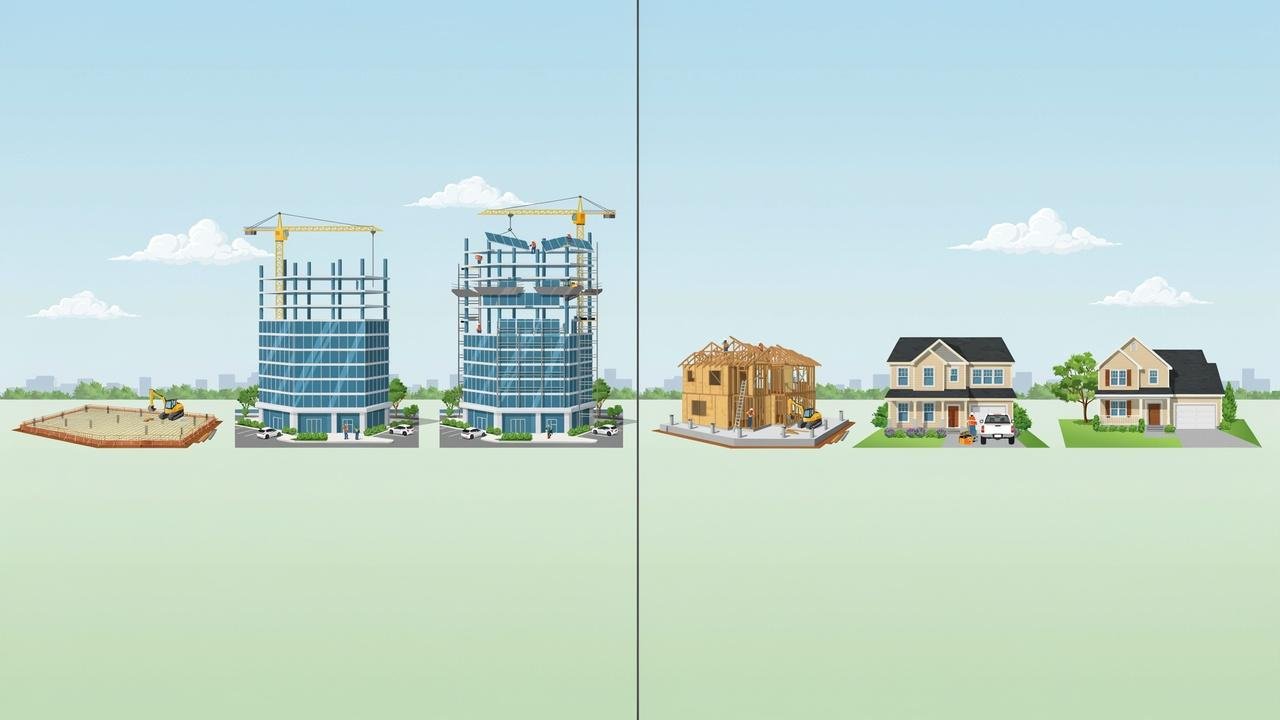
Commercial builds often take months to years, depending on size and permits. Residential builds usually finish faster, ranging from a few weeks for renovations to under a year for new homes.
Labor, Equipment, and Workforce
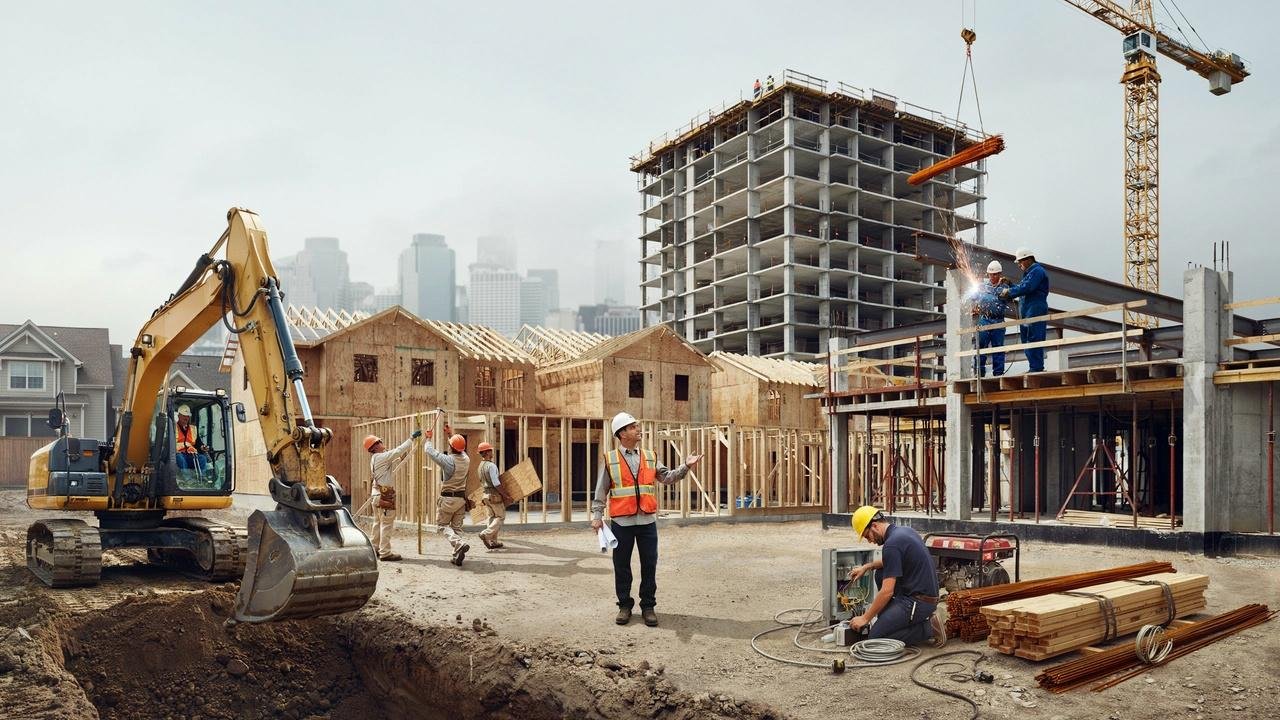
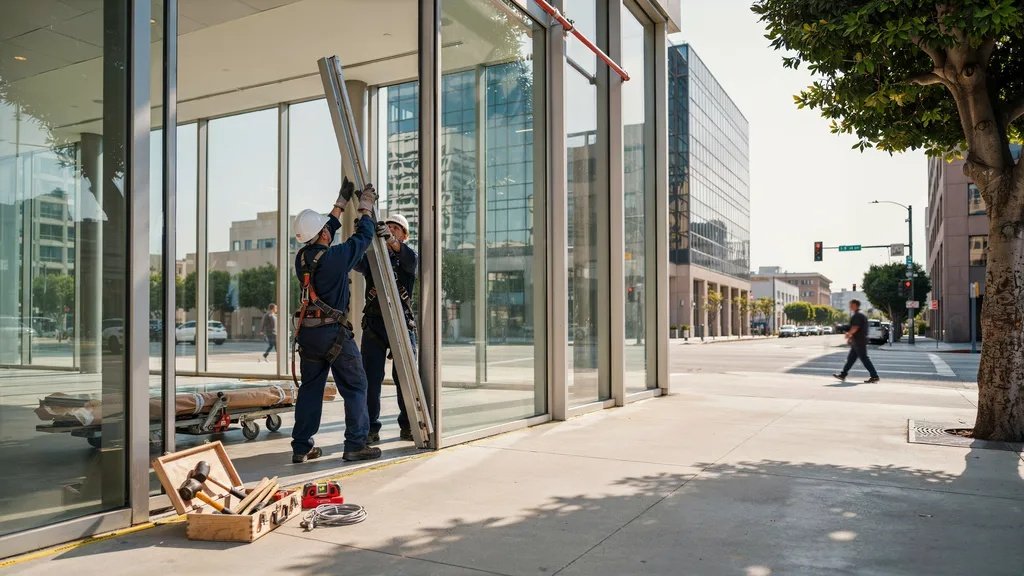
Commercial projects need specialized crews, heavy equipment, and union labor in many cases. Residential projects often use smaller teams and standard tools suited for home-scale work.
Safety Standards
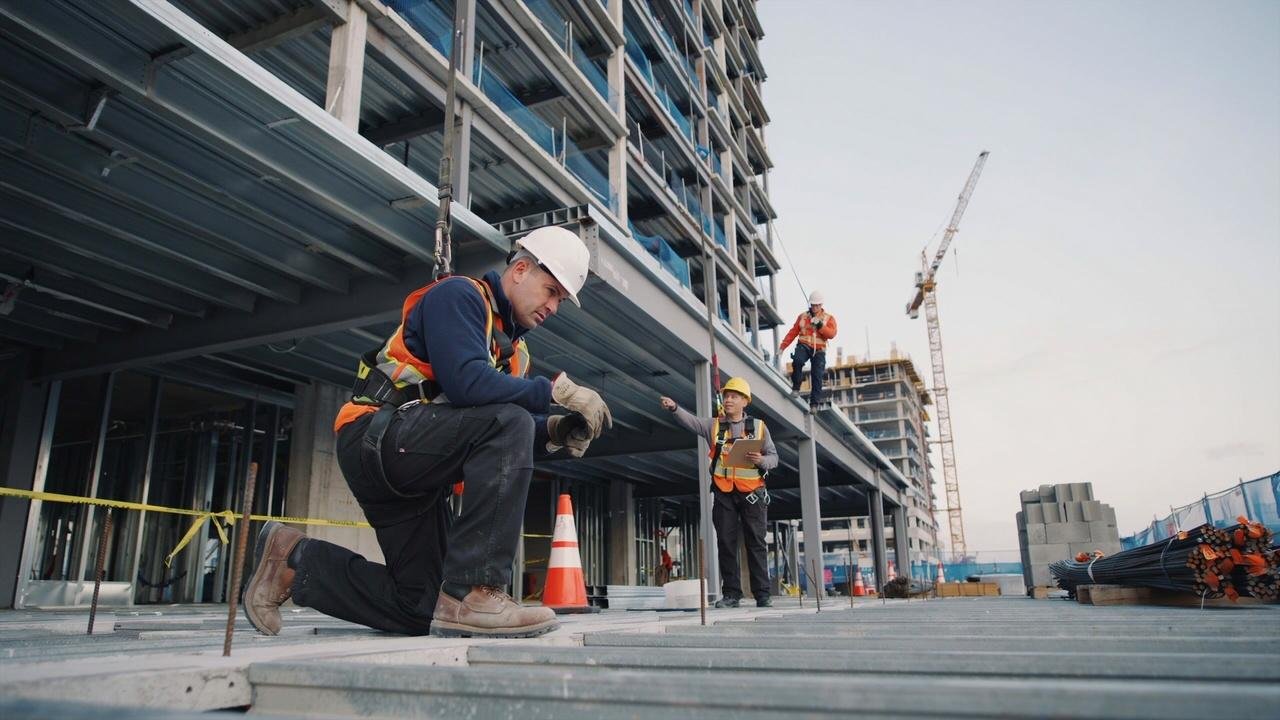
Commercial sites follow OSHA regulations strictly due to higher worker and public risk. Residential sites also follow safety rules, but the scale of risk is generally smaller.
Project Management and Stakeholders

Commercial projects involve multiple stakeholders like investors, city planners, and business owners.
Residential projects usually involve the homeowner, contractor, and a smaller design team.
Maintenance and Long-Term Durability
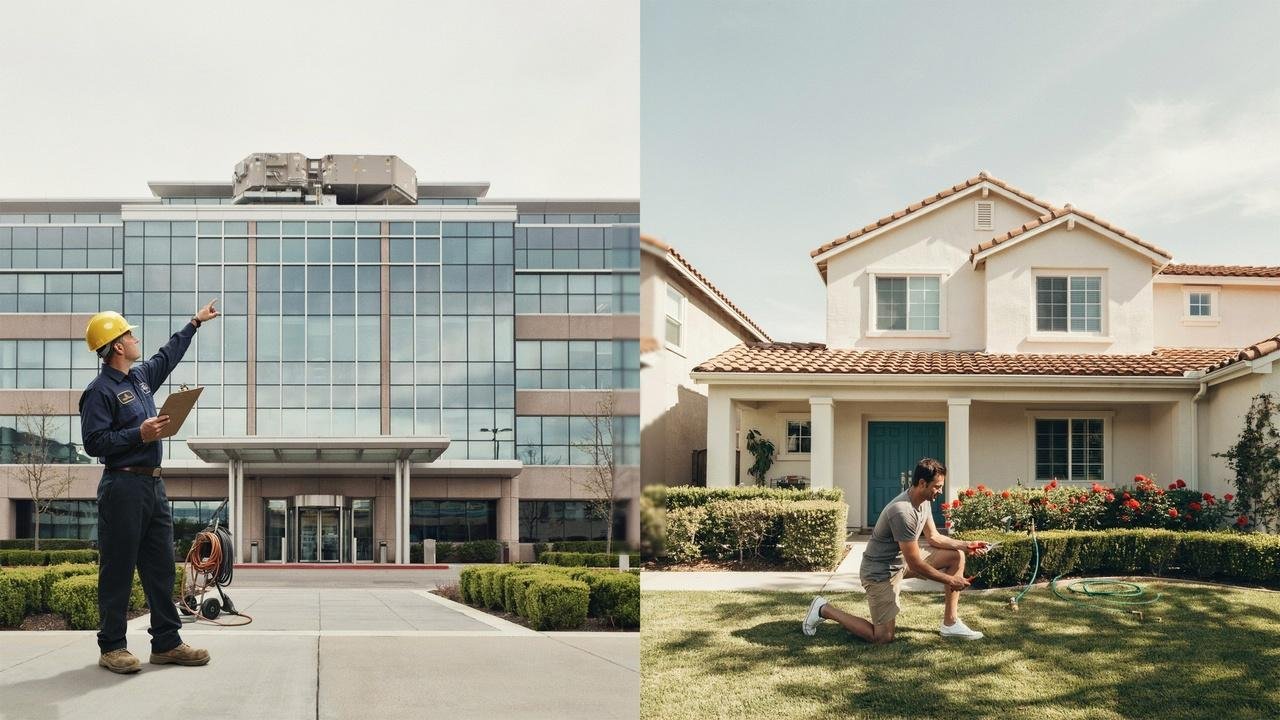
Commercial buildings are built for heavy daily use and need regular maintenance schedules. Residential homes need maintenance too, but usage is lighter and more predictable.
Similarities Between Commercial and Residential Construction
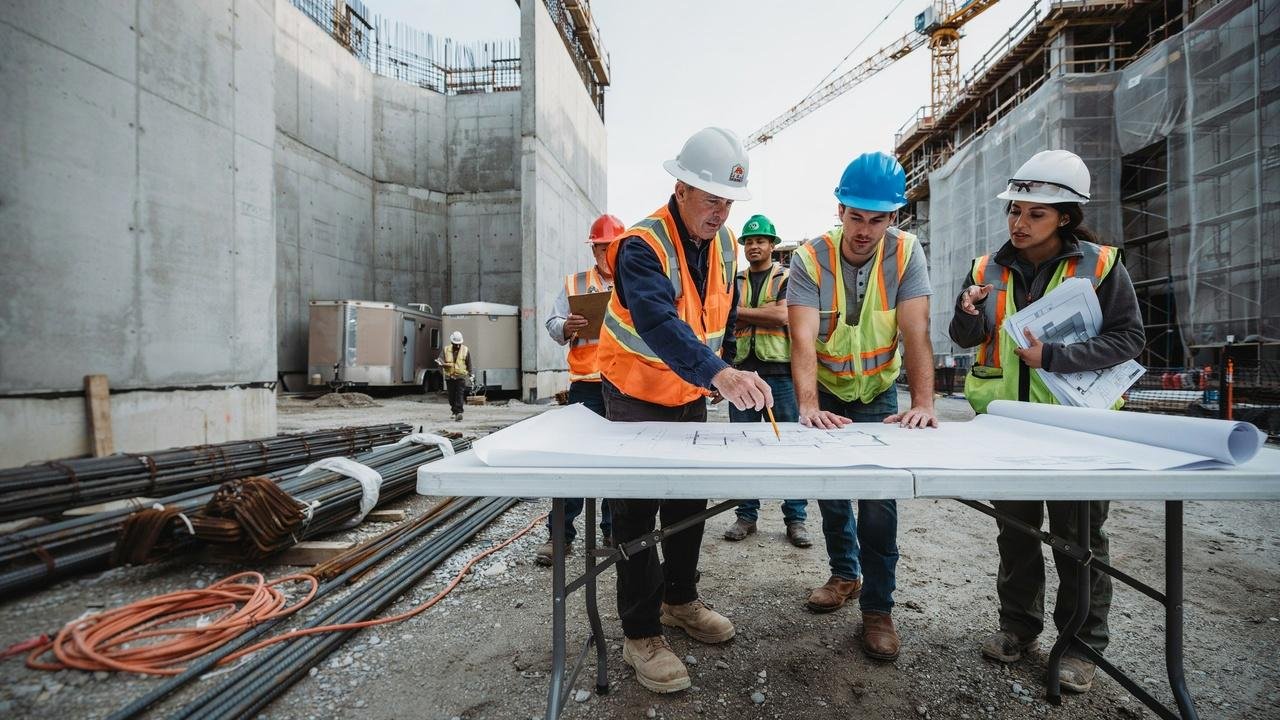
Where both building types actually agree.
Planning and Design
Both types start with a clear plan and design phase. Architects and builders must map out the structure before construction begins.
Permits and Inspections
Both commercial and residential projects require permits and routine inspections. Local authorities check that work meets safety and code standards.
Quality and Safety Standards
Both types must meet baseline safety codes. While the strictness varies, neither type can skip safety checks during construction.
Pros and Cons of Commercial Construction and Residential Construction
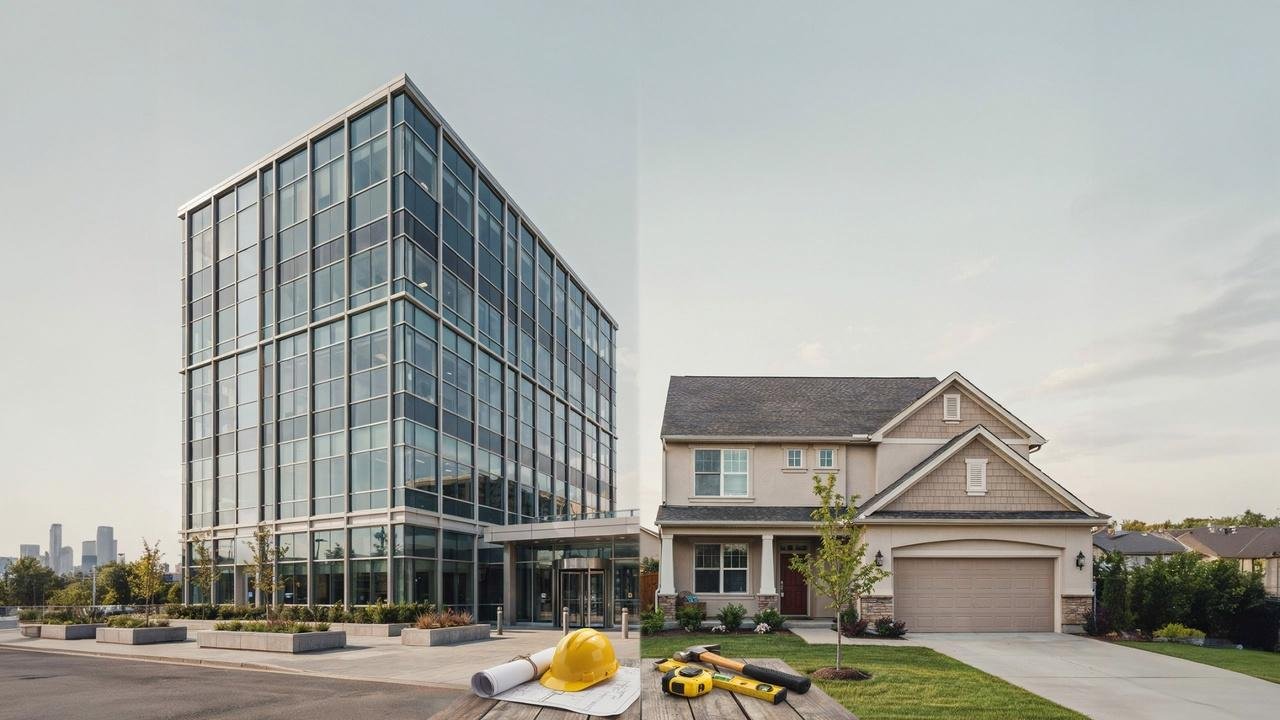
Weighing the benefits and drawbacks of each option.
Advantages
- Commercial construction supports business growth and higher revenue potential
- Residential construction builds personal living spaces suited to family needs
- Commercial projects often use durable, long-lasting materials
- Residential projects allow more design freedom for homeowners
- Both types add long-term property value when done correctly
Disadvantages
- Commercial construction costs more upfront and takes longer
- Residential projects can face delays due to weather or permit issues
- Commercial codes can limit design flexibility
- Residential builds may have smaller crews, slowing progress
- Both types carry risk of budget overruns without careful planning
How to Choose Between Commercial and Residential Construction
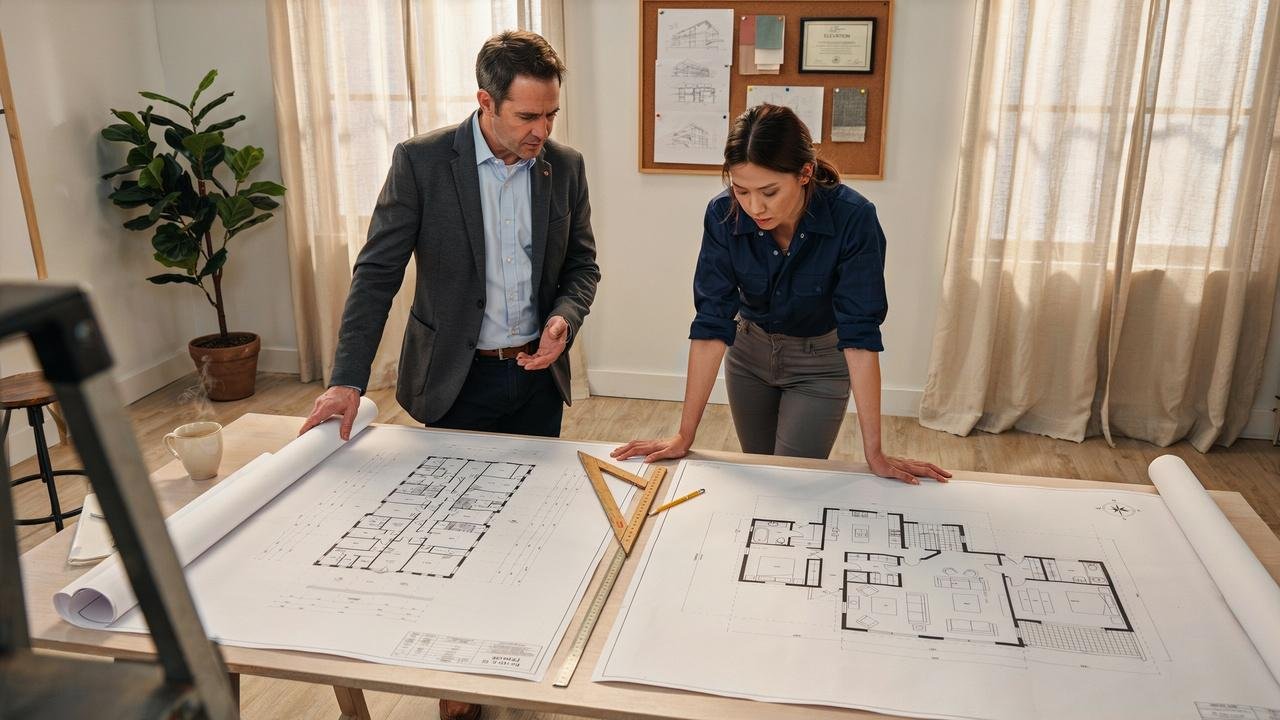
Matching your goals to the right type of build.
Consider the Purpose of the Building
Think about how the space will be used. A business needs commercial standards, while a home needs residential comfort and design.
Evaluate Budget and Timeline
Commercial projects need bigger budgets and longer timelines. Residential projects fit smaller budgets and faster completion.
Understand Legal and Compliance Requirements
Check local zoning laws before starting. Commercial and residential zones often have different rules for land use and construction.
Common Mistakes to Avoid
Errors that often slow down or derail a build.
- Underestimating building codes and skipping required permits
- Choosing the wrong materials for the building's purpose
- Hiring a contractor without relevant experience in your project type
- Ignoring long-term maintenance needs during planning
- Rushing the timeline without proper inspections
Tips for Choosing the Right Construction Approach
Practical steps to guide your construction decision.
- Define your project goals before planning
- Set a realistic budget and timeline
- Learn local building codes and permit requirements
- Choose materials based on long-term performance
- Hire a contractor with experience in your project type
Conclusion
Choosing between commercial and residential construction comes down to purpose, budget, and timeline.
I have seen projects succeed simply because the team understood these differences early on, and others struggle when they didn't.
Take a moment to picture your own project and which path fits best. If this guide helped clear things up, drop a comment below or share it with someone planning their own build.
Got questions about commercial vs residential construction? Ask away, I'm happy to help.
Frequently Asked Questions
What is the main difference between commercial and residential construction?
Commercial construction is for business use, while residential construction is for living spaces. Each follows different codes, materials, and design goals.
Is commercial construction more expensive than residential construction?
Yes, commercial construction usually costs more due to size, materials, and stricter codes. Residential projects are generally smaller and less costly.
How long does commercial construction take compared to residential?
Commercial builds often take months to years depending on complexity. Residential projects are usually faster, ranging from weeks to under a year.
Can the same contractor handle both commercial and residential projects?
Some contractors handle both, but specialization matters. It's best to hire someone experienced in your specific project type.
What permits are needed for commercial vs residential construction?
Both require permits, but commercial projects often need more due to occupancy and safety rules. Local zoning laws determine exact requirements for each.