Picking the right insulation can feel confusing.
R11 and R13 look almost the same on paper, but the small gap between them can affect comfort, energy bills, and even how a wall performs over time.
This guide breaks down the real differences between R11 and R13 insulation, where each one works best, and how to avoid common mistakes during installation or remodeling.
We will also cover wall thickness, climate zones, and cost. After years of working with home insulation projects, we know how easy it is to pick the wrong option without the right facts.
By the end, you will know exactly which one fits your space.
What Is Insulation R-Value?
A quick look at what R-value means and why it matters for your walls.
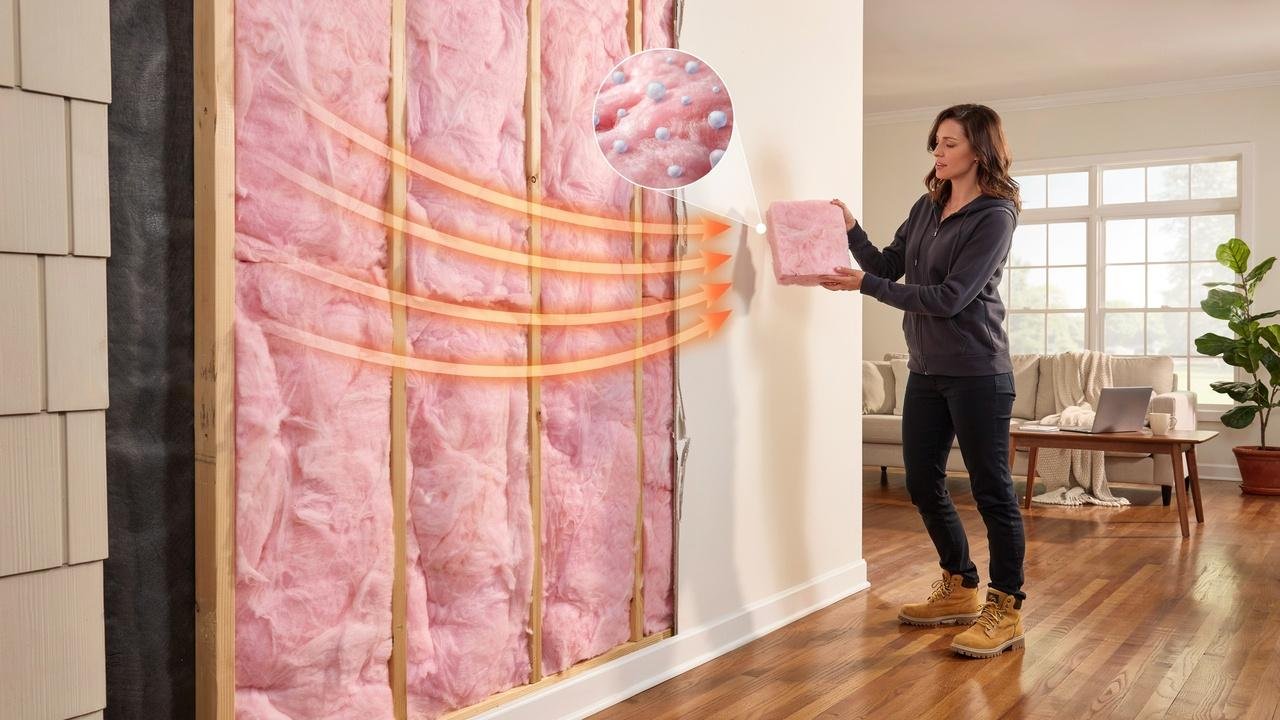
R-value measures how well insulation resists heat flow. The higher the number, the better the material slows down heat moving in or out of your home.
This matters because insulation is not just about keeping a house warm. It also affects how much energy your HVAC system uses. A higher R-value usually means lower energy bills over time.
R-value depends on the type of material, its thickness, and how well it is installed. Even a small gap in coverage can lower performance.
This is why two products with similar R-values, like R11 and R13, can behave differently depending on how they are installed.
Difference Between R11 and R13 Insulation at a Glance

A fast comparison to help you understand the basics before diving deeper.
Quick Comparison Table
| Feature | R11 Insulation | R13 Insulation |
| Thermal Resistance | Lower | Higher |
| Common Use | Interior walls | Exterior walls, garages |
| Density | Lower | Slightly higher |
| Wall Fit | 2×4 walls | 2×4 walls |
| Best For | Sound control | Energy efficiency |
Key Differences in Performance, Density, and Applications
R13 insulation has a higher density than R11. This added density helps it resist heat flow more effectively.
R11 is often used in spaces where sound control matters more than temperature control, like interior partition walls.
Which Option Is Better for Most Homes?
For most exterior walls, R13 is the better pick. It offers more protection against outside temperatures.
R11 still works well for interior walls where heat loss is not a concern.
What Is the Real Difference Between R11 and R13 Insulation?
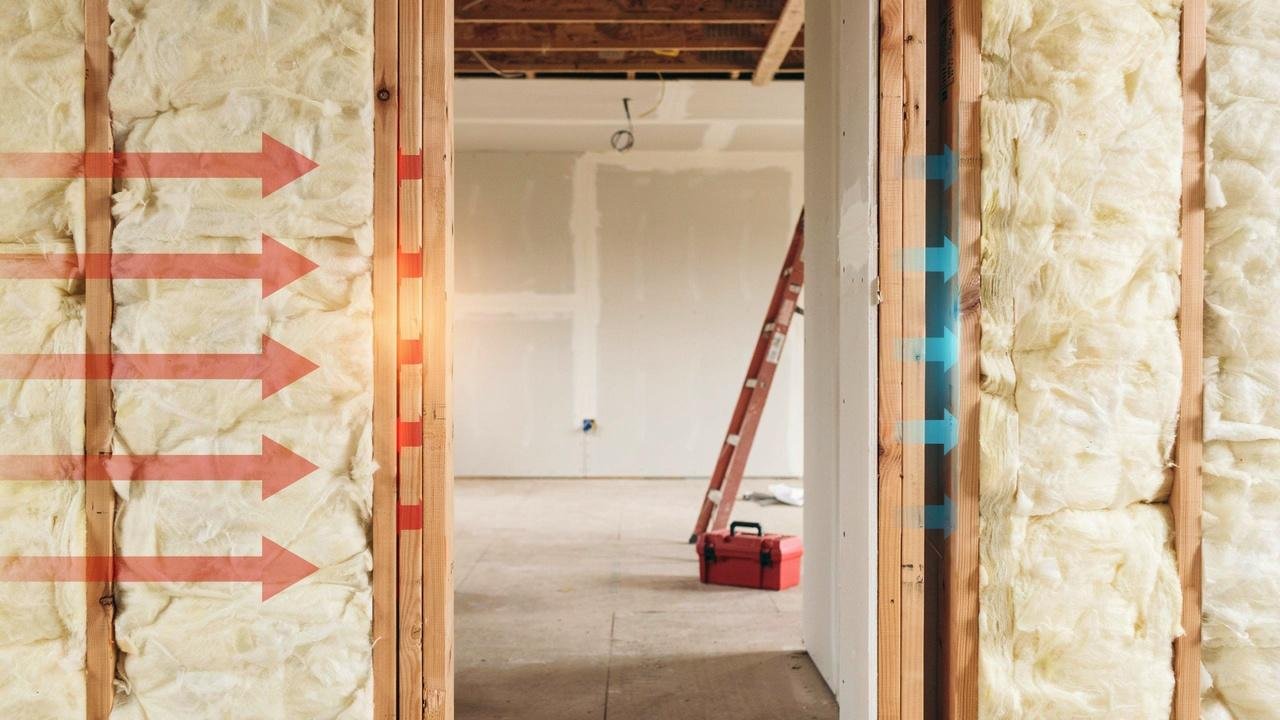
Breaking down the numbers behind these two common insulation types.
Thermal Resistance Comparison
The main difference between R11 and R13 comes down to thermal resistance. R13 resists heat flow slightly better than R11. This small gap can matter more in extreme climates.
Same Wall Cavity, Different Performance
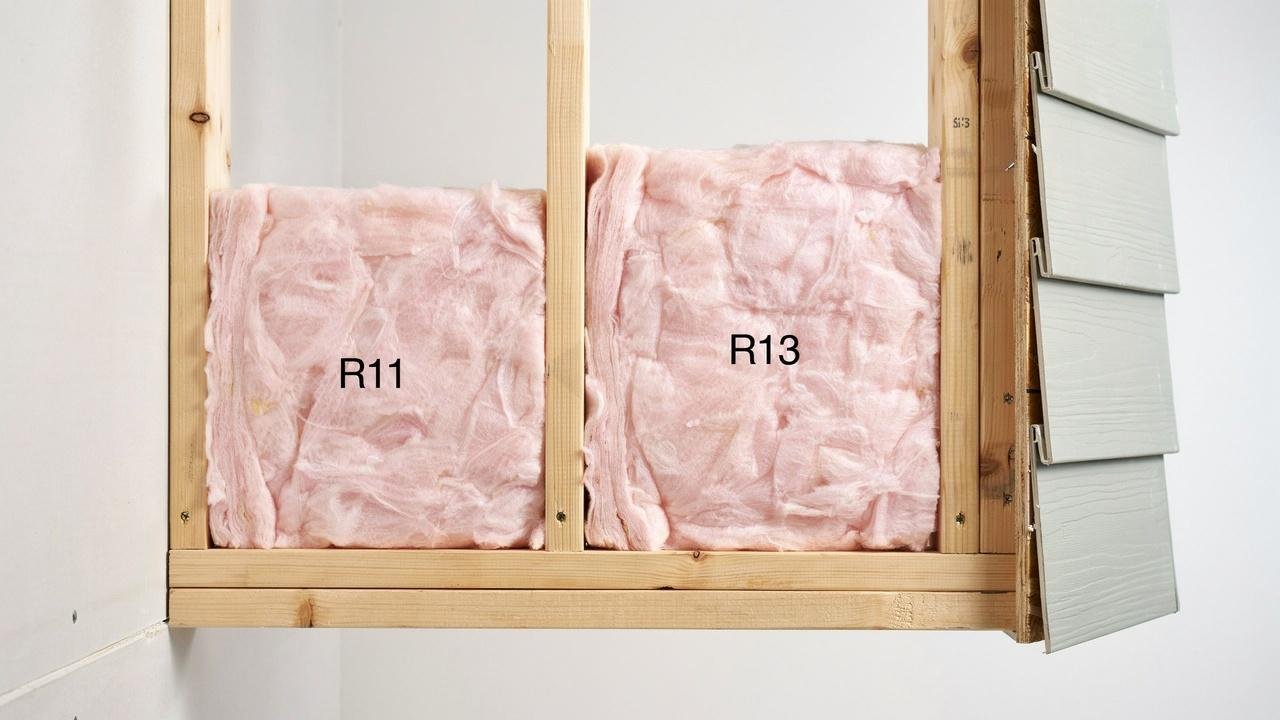
Both R11 and R13 can fit into a standard 2×4 wall. However, they do not perform the same way. R13 batts are thicker and denser, which gives them an edge in blocking heat transfer.
How Density Affects Insulation Effectiveness
Density plays a big role in how insulation works. A denser batt traps more air pockets, which slows down heat movement. This is part of why R13 often outperforms R11 in the same size wall.
Do R11 and R13 Fit the Same Wall Thickness?
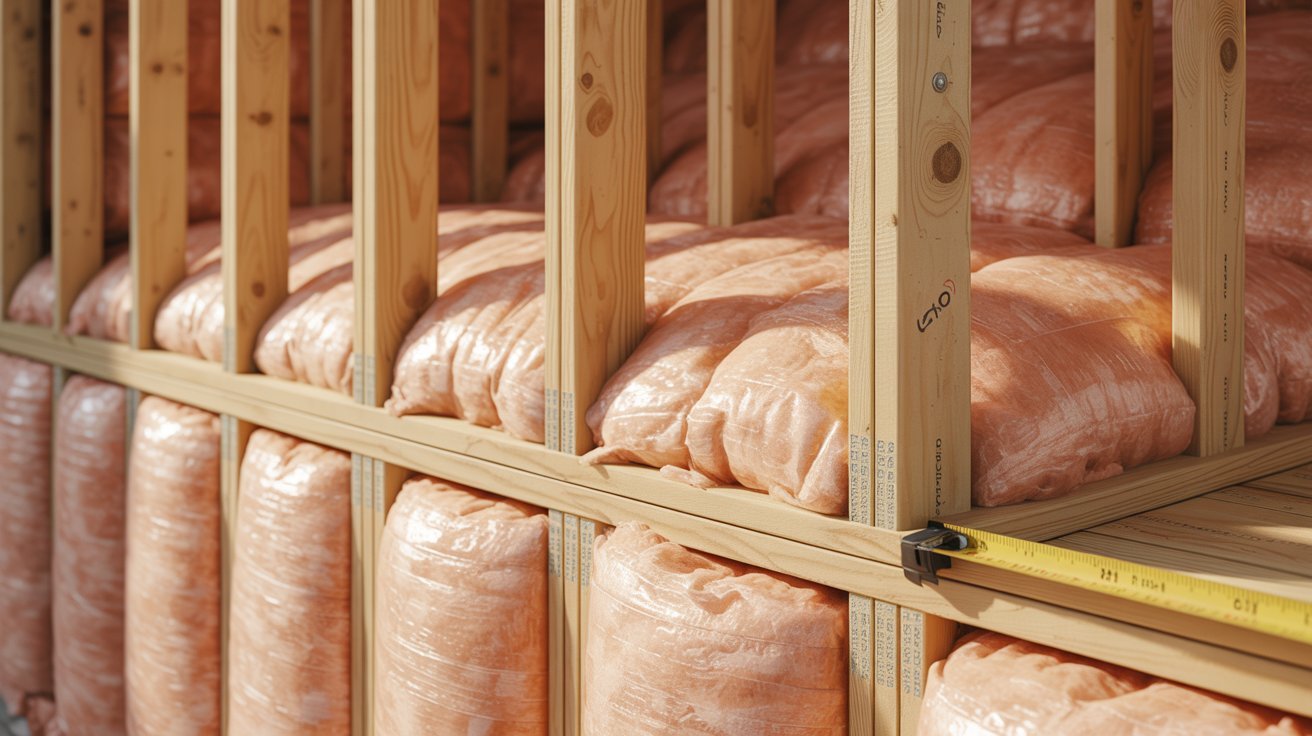
Clearing up confusion about wall cavities and insulation thickness.
Understanding Standard 2×4 Wall Cavities
Most homes use 2×4 wall framing, which creates a cavity about 3.5 inches deep. Both R11 and R13 batts are designed to fit this space.
Why Fit Does Not Always Equal Better Performance
Just because both products fit the same cavity does not mean they perform equally. R13 is compressed slightly more to reach its higher R-value within the same space.
Common Misconceptions About Wall Thickness and R-Value
Many homeowners assume thicker insulation always means better performance. In reality, density and material quality also play a major role, not just thickness alone.
Where Should You Use R11 vs R13 Insulation?
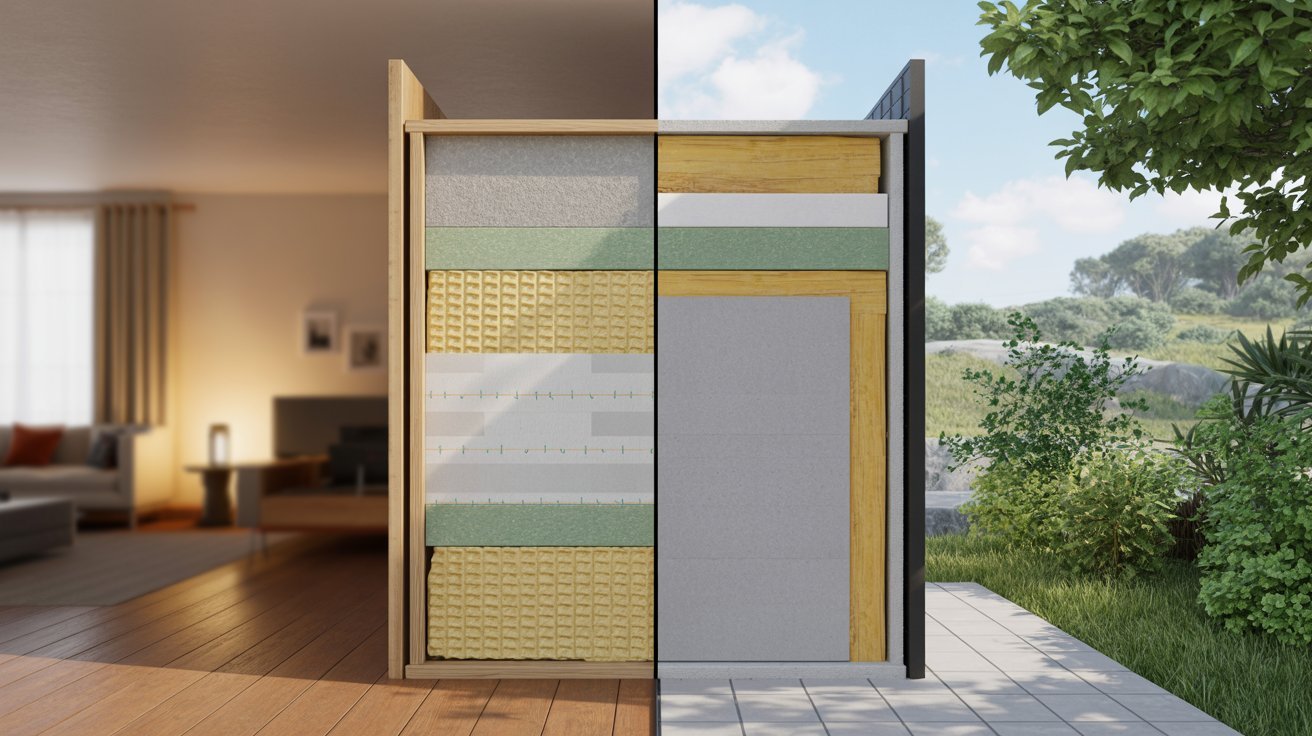
A simple breakdown of where each type works best in your home.
R11 for Interior Partition Walls
R11 is a good fit for walls between rooms. These walls do not face outside temperatures, so sound control often matters more than thermal performance here.
R13 for Exterior Walls
Exterior walls face changing outdoor temperatures all year. R13 offers better protection in these areas, helping keep indoor temperatures more stable.
R13 for Garage Walls and Unconditioned Spaces
Garage walls often separate conditioned and unconditioned spaces. R13 helps reduce heat transfer between these areas, improving comfort in attached living spaces.
Best Choice for Basements, Bonus Rooms, and Storage Areas
For bonus rooms or finished basements, R13 is usually the safer choice. These spaces often need better temperature control than basic storage areas.
R11 vs R13 for 2×4 Walls
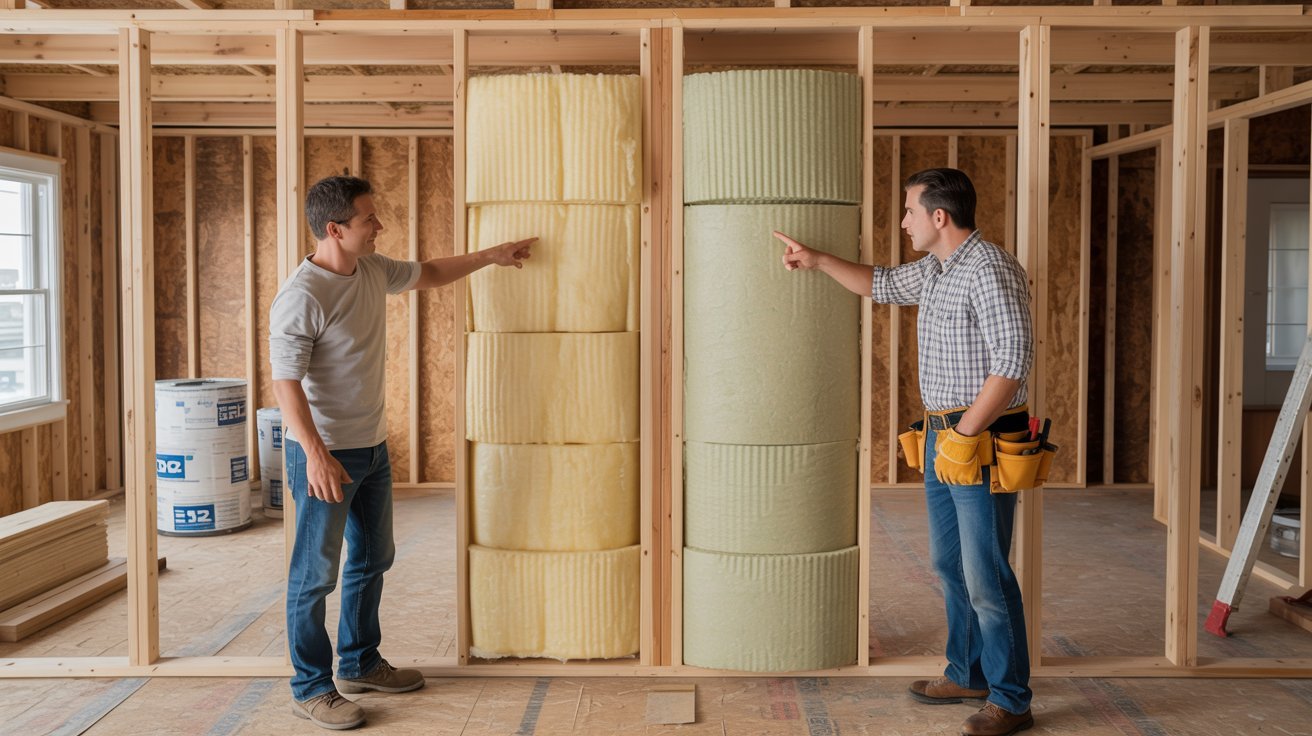
A closer look at how these two compare in standard wall framing.
| Subheading | Content |
| Why R13 Is Commonly Recommended | Many builders recommend R13 for 2×4 walls because it offers better energy performance without needing a thicker wall cavity. |
| Situations Where R11 May Still Be Used | R11 is still used in budget projects or interior walls where energy loss is not a major concern. |
| Real-World Considerations from Homeowners and Contractors | Contractors often choose based on local codes and budget. Some homeowners prioritize cost savings now, while others focus on long-term energy efficiency. |
R11 vs R13 for Garage Insulation
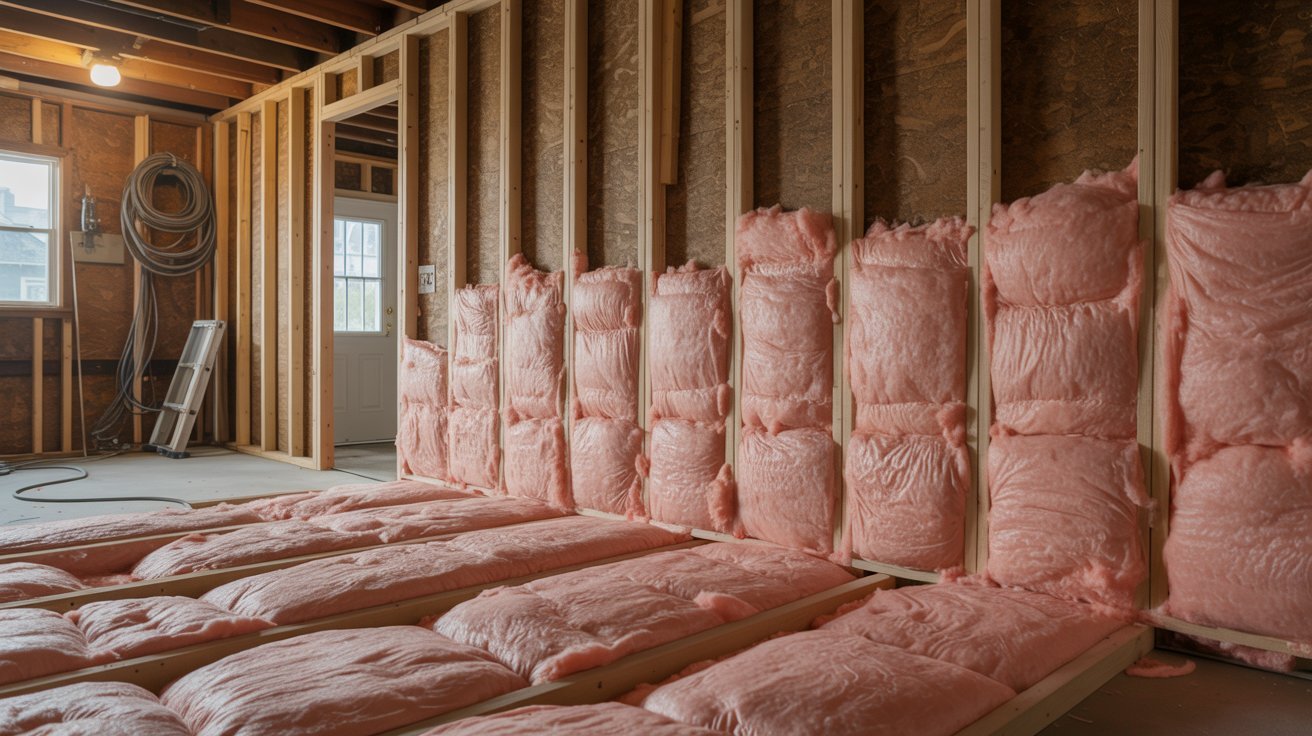
Why garage walls need special attention when choosing insulation.
| Subheading | Content |
| How Garage Walls Differ From Interior Walls | Garage walls are exposed to outdoor temperatures more directly, especially if the garage is attached to the home. This makes insulation choice more important here. |
| Energy Efficiency and Comfort Benefits of R13 | R13 helps reduce heat loss between the garage and the rest of the house. This can improve comfort in rooms above or beside the garage. |
| When R11 May Be Sufficient | If the garage is detached and rarely used for living space, R11 may still offer enough protection for basic needs. |
Is R13 Enough for Exterior Walls?
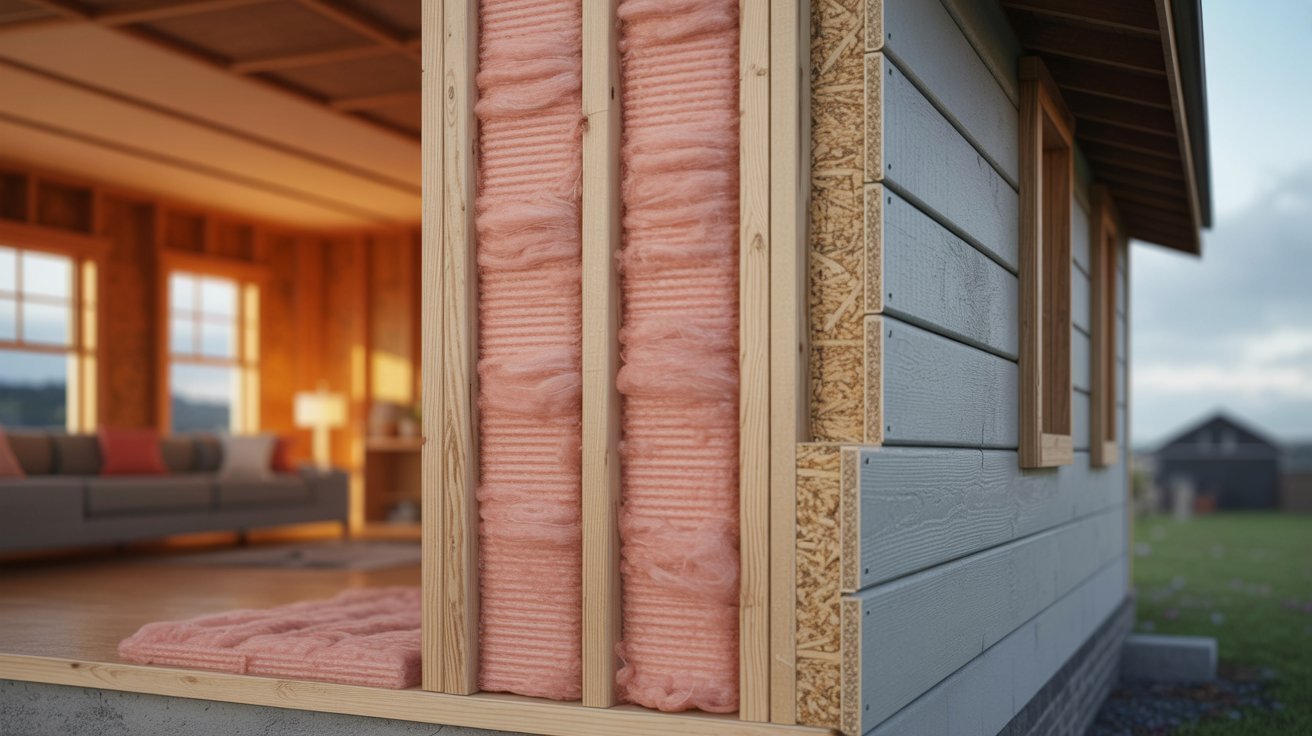
Looking at when R13 works and when you may need more.
How Climate Zones Affect Insulation Needs
Colder climates often require higher R-values than R13 alone. Warmer regions may find R13 sufficient for most exterior walls.
Building Code Considerations
Local building codes often set minimum R-value requirements. Always check local codes before finalizing your insulation choice.
When a Higher R-Value May Be Necessary
In extreme climates, R13 alone may not be enough. Adding rigid foam board or upgrading to higher R-value batts can help close the gap.
Factors That Affect Real-World Insulation Performance
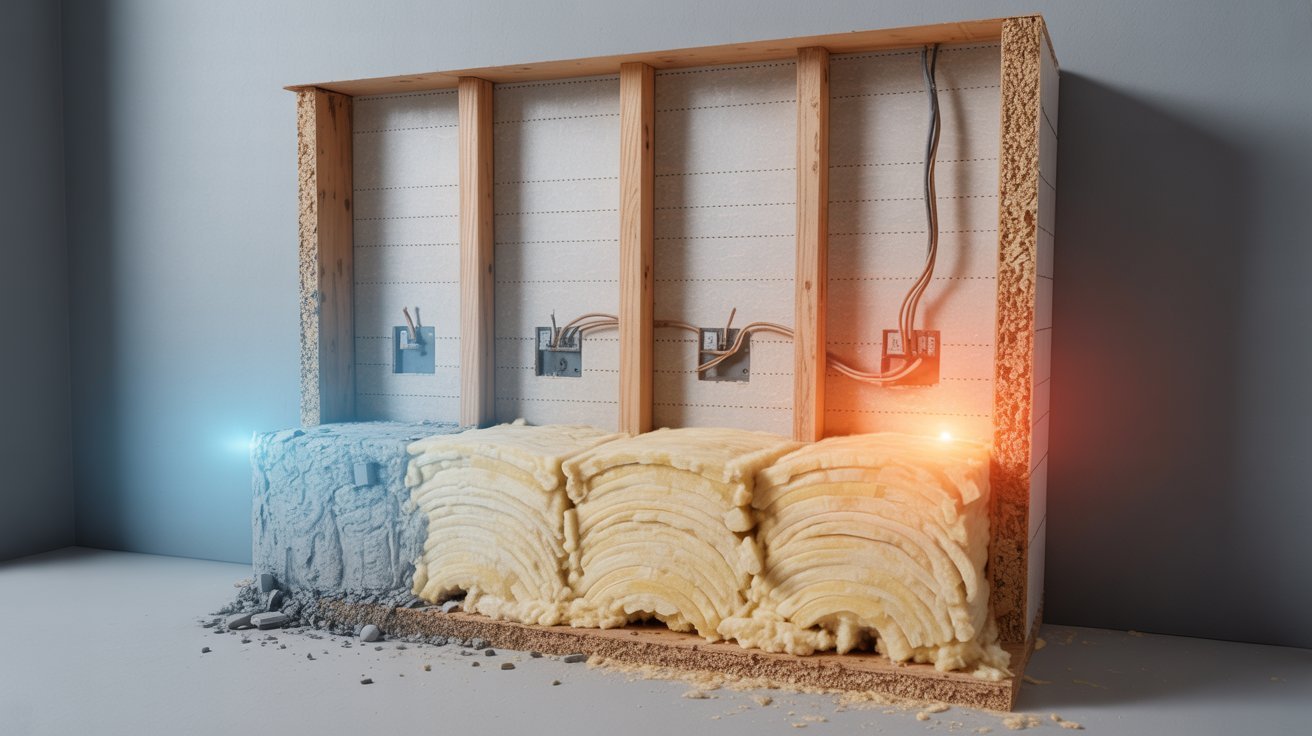
Why actual performance can differ from the listed R-value.
Compression and Improper Installation
Compressed insulation loses some of its effectiveness. Proper installation without gaps or squeezing is key to getting full performance.
Gaps and Voids Around Wiring and Plumbing
Wiring and plumbing can create gaps in insulation coverage. These gaps allow heat to escape, lowering overall performance.
Thermal Bridging Through Studs
Wood studs conduct heat faster than insulation. This creates weak points in the wall, even with high R-value insulation installed.
Air Leakage and the Importance of Air Sealing
Air leaks around outlets, windows, and doors can reduce insulation performance. Sealing these gaps helps insulation work as intended.
R11 vs R13 for Retrofit and Remodeling Projects
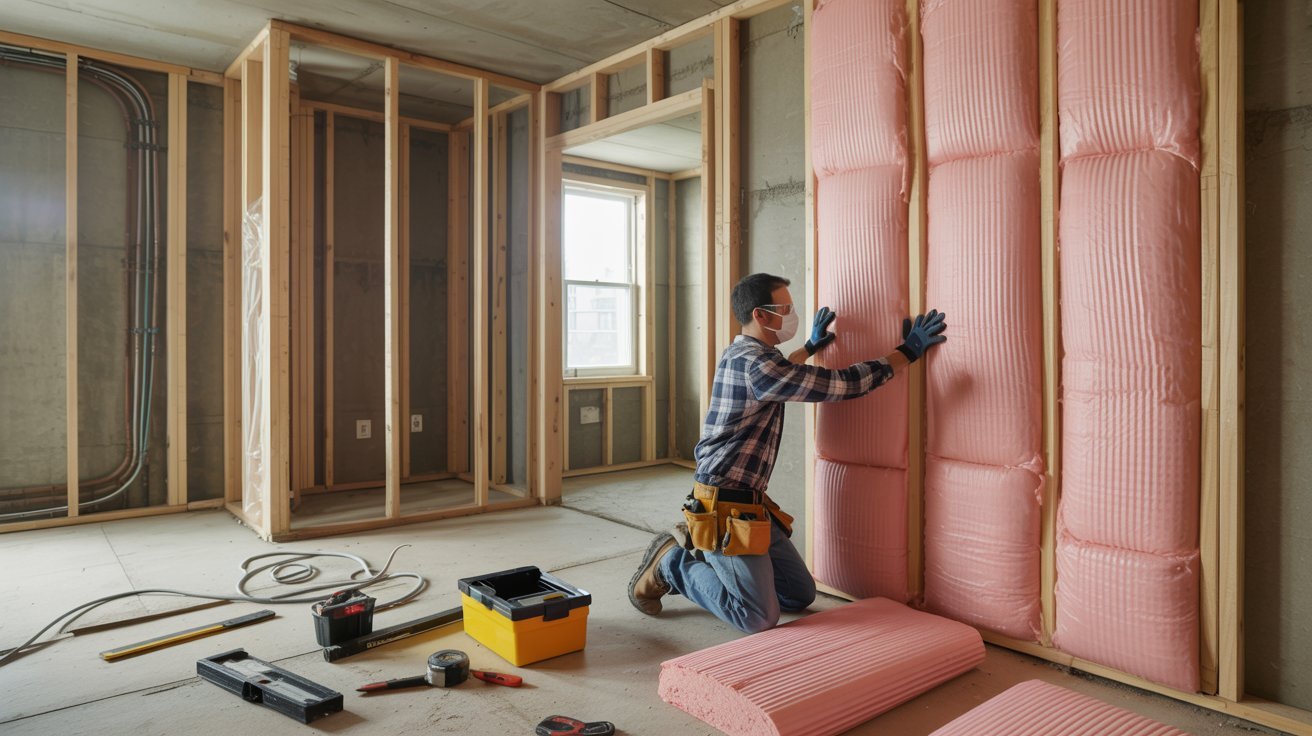
What to consider when upgrading insulation in an existing home.
| Subheading | Content |
| If the Wall Is Already Open | If walls are already open during a remodel, switching to R13 is usually an easy upgrade with little added cost. |
| If the Wall Is Closed | For closed walls, blown-in insulation may be a better option than removing drywall to install batts. |
| Upgrading Insulation During Siding Replacement | Replacing siding gives easy access to exterior walls. This is a good time to add or upgrade insulation without major demolition. |
| Best Retrofit Options Beyond Fiberglass Batts | Spray foam and blown-in insulation can be good alternatives for retrofit projects where batts are hard to install. |
Cost vs Performance: Is R13 Worth the Upgrade?
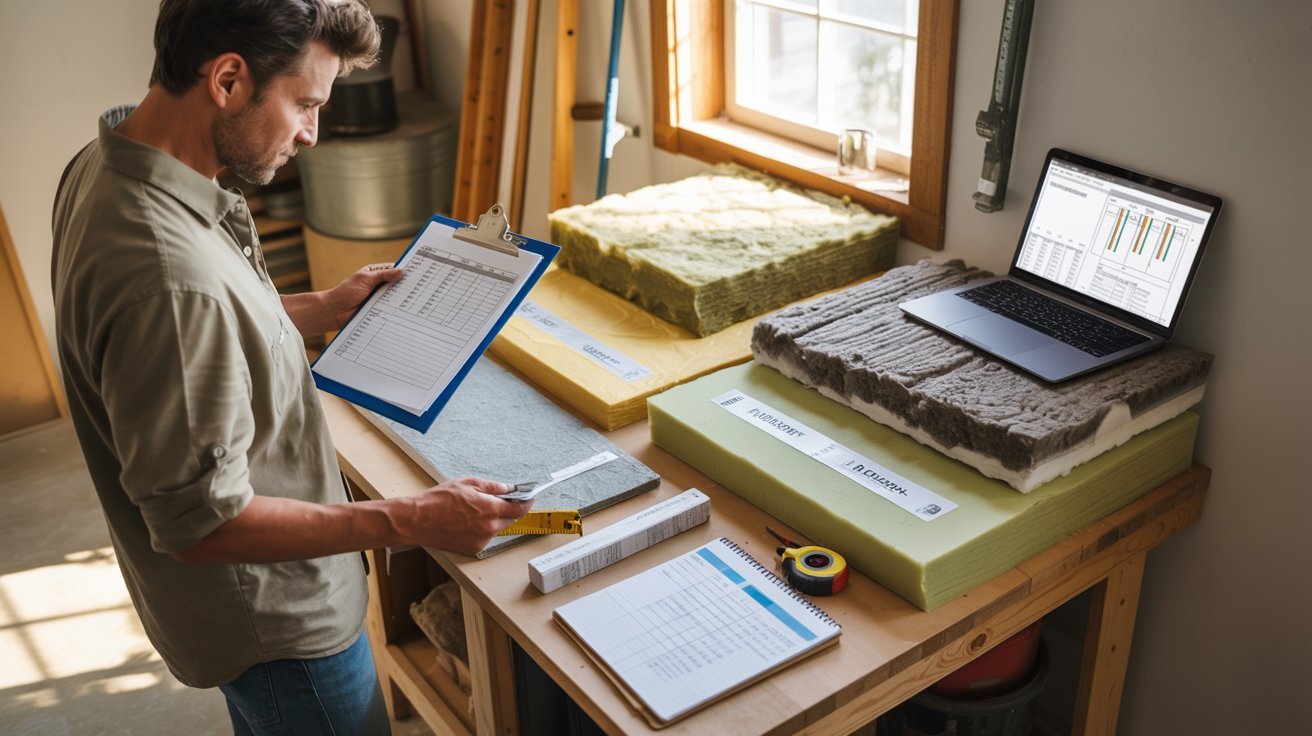
Weighing the price difference against long-term savings.
| Subheading | Content |
| Material Cost Differences | R13 insulation usually costs slightly more than R11. The price gap is often small compared to the long-term benefits. |
| Long-Term Energy Savings | Better insulation can lower heating and cooling costs over time, helping offset the higher upfront cost of R13. |
| Return on Investment for Homeowners | For most homeowners, the energy savings from R13 pay off over several years, making it a solid long-term investment. |
Common Mistakes When Choosing Between R11 and R13
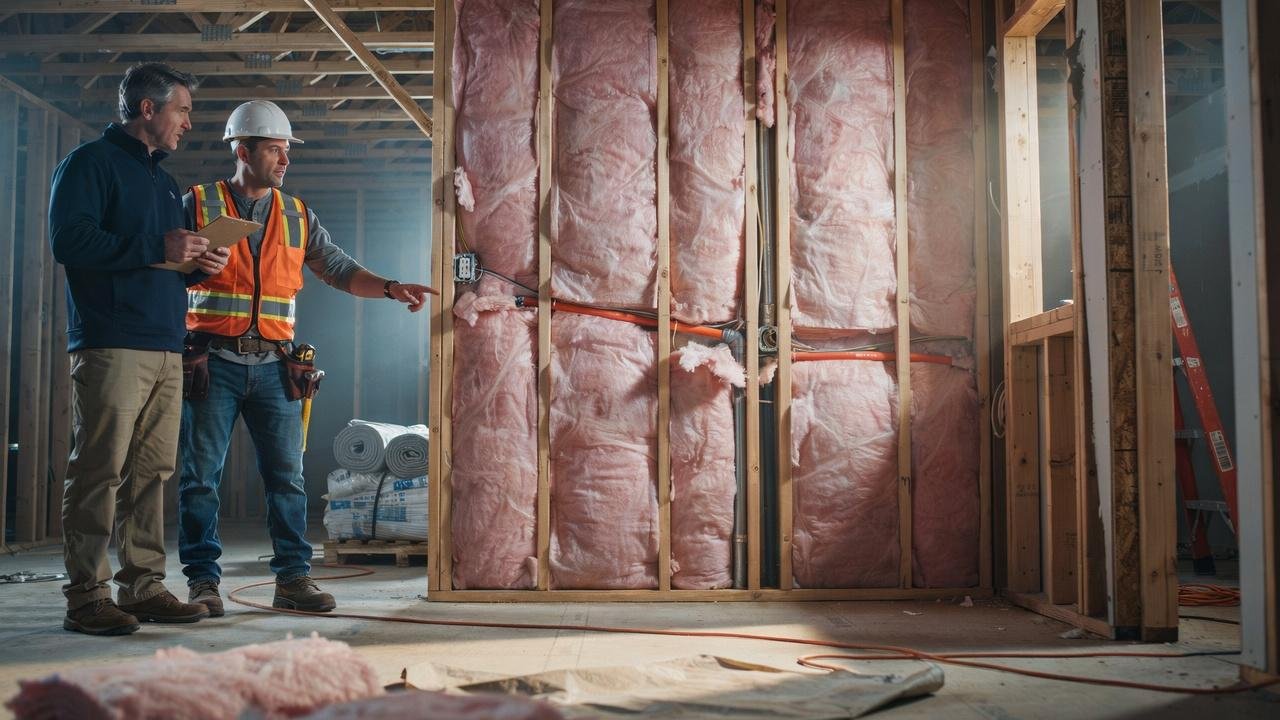
Avoid these errors to get the best performance from your insulation.
- Focusing Only on R-Value: R-value matters, but installation quality and climate also play a major role in performance.
- Ignoring Climate and Building Codes: Skipping local code requirements can lead to insulation that does not meet minimum standards for your area.
- Overlooking Installation Quality: Even the best insulation underperforms if installed poorly. Gaps and compression reduce effectiveness.
- Choosing Based on Thickness Alone: Thickness alone does not guarantee better performance. Density and material quality matter just as much.
- Ignoring the Specific Wall Location: Using the same insulation everywhere without considering whether a wall is interior, exterior, or in a garage can lead to poor results
Tips for Choosing the Right Insulation
A few helpful pointers to guide your decision.
- Check your local building codes before buying insulation
- Choose R13 for exterior walls and garages in most climates
- Use R11 for interior walls where sound control matters most
- Hire a professional installer to avoid gaps and compression
- Compare long-term energy savings, not just upfront cost
Conclusion
Choosing between R11 and R13 insulation does not have to be stressful. Once you know where each one works best, the decision becomes much easier.
We have seen homeowners save real money simply by picking the right insulation for the right wall. Think about your space, your climate, and your goals before deciding.
If this guide helped you, leave a comment below or share it with someone planning a remodel.
Curious about other insulation options? Check out our related posts for more tips.
Frequently Asked Questions
Is R13 insulation better than R11?
R13 provides more resistance to heat flow than R11. It is often the preferred choice for exterior walls and garages.
Can R11 and R13 fit in the same 2×4 wall?
In many cases, both can be used in standard 2×4 wall cavities. The difference is how much thermal resistance they provide.
Is R11 enough for interior walls?
Yes. R11 is often used for interior partition walls where sound control matters more than energy savings.
Is R13 a good choice for garage walls?
R13 is commonly recommended for garage walls that separate living areas from unconditioned spaces.
Can poor installation affect insulation performance?
Yes. Gaps, compression, and air leaks can reduce performance, even when using higher R-value insulation.