
Riddles can be tricky, especially when the answer hides in plain sight. This one asks what room has no doors or windows. It sounds like a real place, but it's actually a clever play on words.
In this article, you'll learn the answer, why it works, and how the wording tricks your brain.
We'll also cover common wrong guesses, similar riddles, and tips to spot wordplay faster next time.
Riddles like this have been passed around for generations because they're simple yet clever.
By the end, you'll see exactly how the trick works and why it still catches people off guard.
What Room Has No Doors or Windows?

This riddle works by hiding a word inside another word instead of describing a real place. A literal room has walls, a door, and usually a window, but this riddle isn't about that kind of room at all.
It uses the word "room" as part of a bigger word, not as an actual place, and that's the twist that throws most people off at first glance. Riddles often use language this way.
They take a familiar word and tuck it inside another word, then ask a question that sounds like it needs a literal answer.
The question feels practical, but the solution lives in spelling, not in any real building.
Most people picture an actual room first. They think about closets, basements, attics, or hidden spaces somewhere in a house, which makes sense since the question is phrased like a normal trivia question about a place.
The confusion happens because readers expect a literal answer instead of a playful one. They search for a room missing structural features rather than thinking about language tricks.
Once you stop hunting for a physical space and start looking closely at the word "room" itself, the answer becomes much easier to see.
How the Riddle Works
This riddle works by hiding a word inside another word instead of describing a real place.
Understanding the Trick
A literal room has walls, a door, and usually a window.
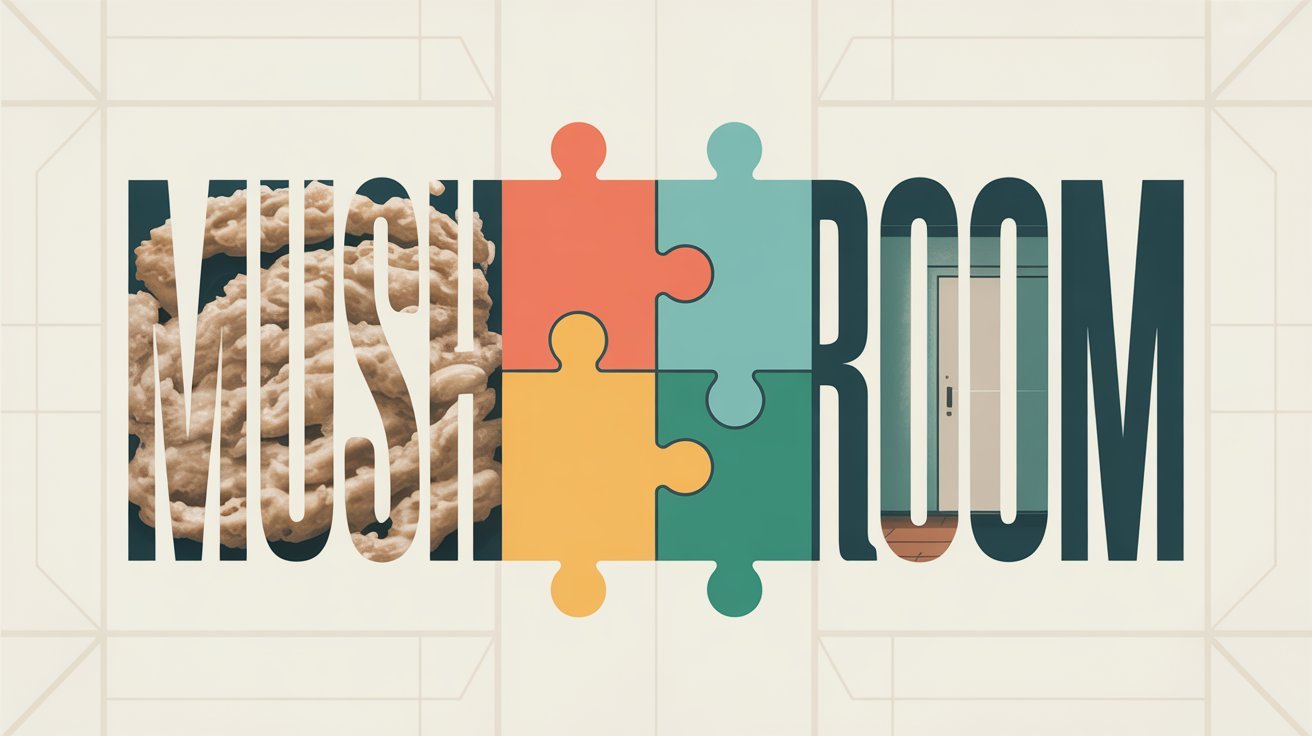
This riddle isn't about that kind of room at all. It uses the word "room" as part of a bigger word, not as an actual place. That's the twist that throws most people off at first glance.
Riddles often use language this way. They take a familiar word and tuck it inside another word, then ask a question that sounds like it needs a literal answer.
The question feels practical, but the solution lives in spelling, not in any real building. Once you notice this pattern, similar riddles become much easier to crack.
Why People Get Confused

Most people picture an actual room first. They think about closets, basements, attics, or hidden spaces somewhere in a house.
That reaction makes sense, since the question is phrased like a normal trivia question about a place.
The confusion happens because readers expect a literal answer instead of a playful one. They search for a room missing structural features rather than thinking about language tricks.
Once you stop hunting for a physical space and start looking closely at the word "room" itself, the answer becomes much easier to see.
The Meaning Behind the Mushroom Answer
The answer comes from splitting a common word into two smaller, simpler parts.
Breaking Down the Word
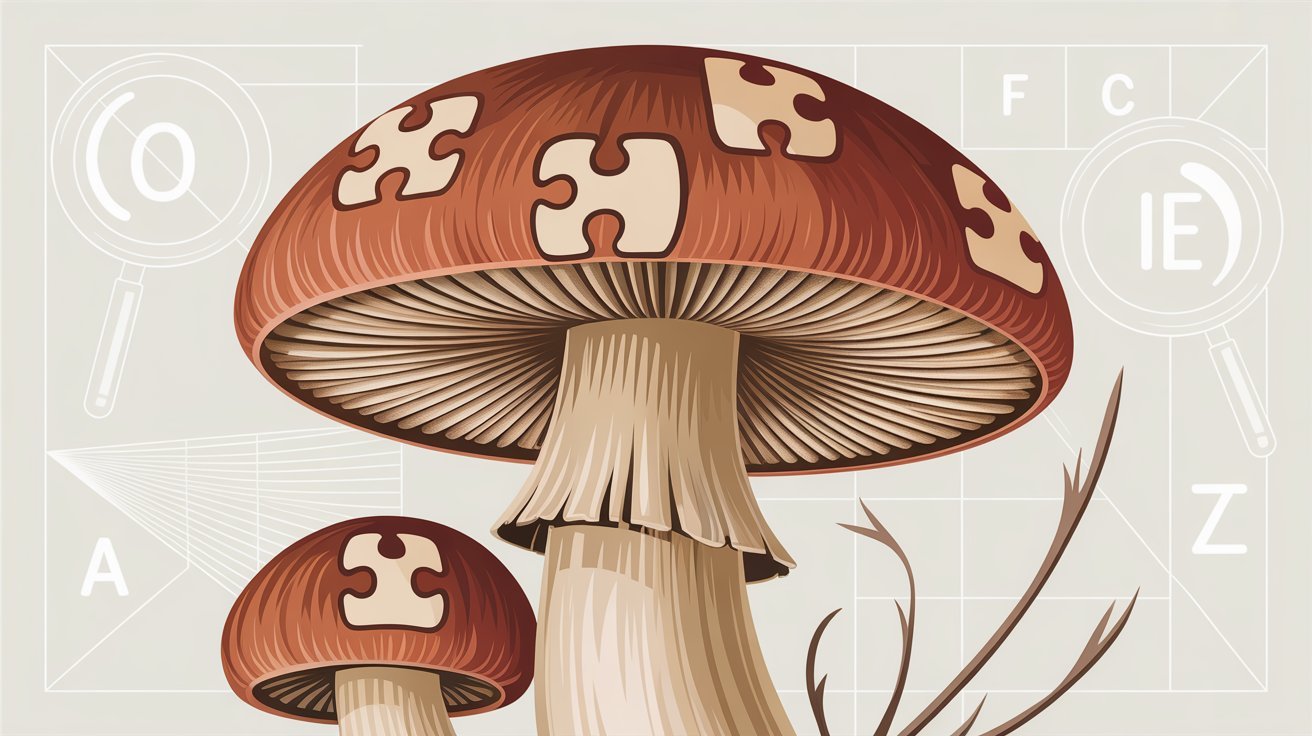
The answer is mushroom. Split the word in half and you get "mush" and "room."
Put them back together, and you have a single word that technically contains "room," even though the object itself has no doors or windows of any kind.
This is exactly why the riddle works so well. It plays with spelling and sound, not logic or architecture.
The riddle isn't really asking about a building. It's testing whether you can spot a smaller word tucked inside a bigger one.
Why a Mushroom Fits the Riddle Perfectly

A mushroom doesn't have doors or windows because it isn't a structure at all. It's a fungus that grows from the ground, often in damp or shaded areas.
The riddle leans on this gap between the literal meaning of "room" and the hidden meaning packed inside "mushroom" to create its fun twist and satisfying payoff.
Is There More Than One Correct Answer?
A few guesses come close, but only one answer truly matches the riddle's wordplay.
Common Alternative Guesses
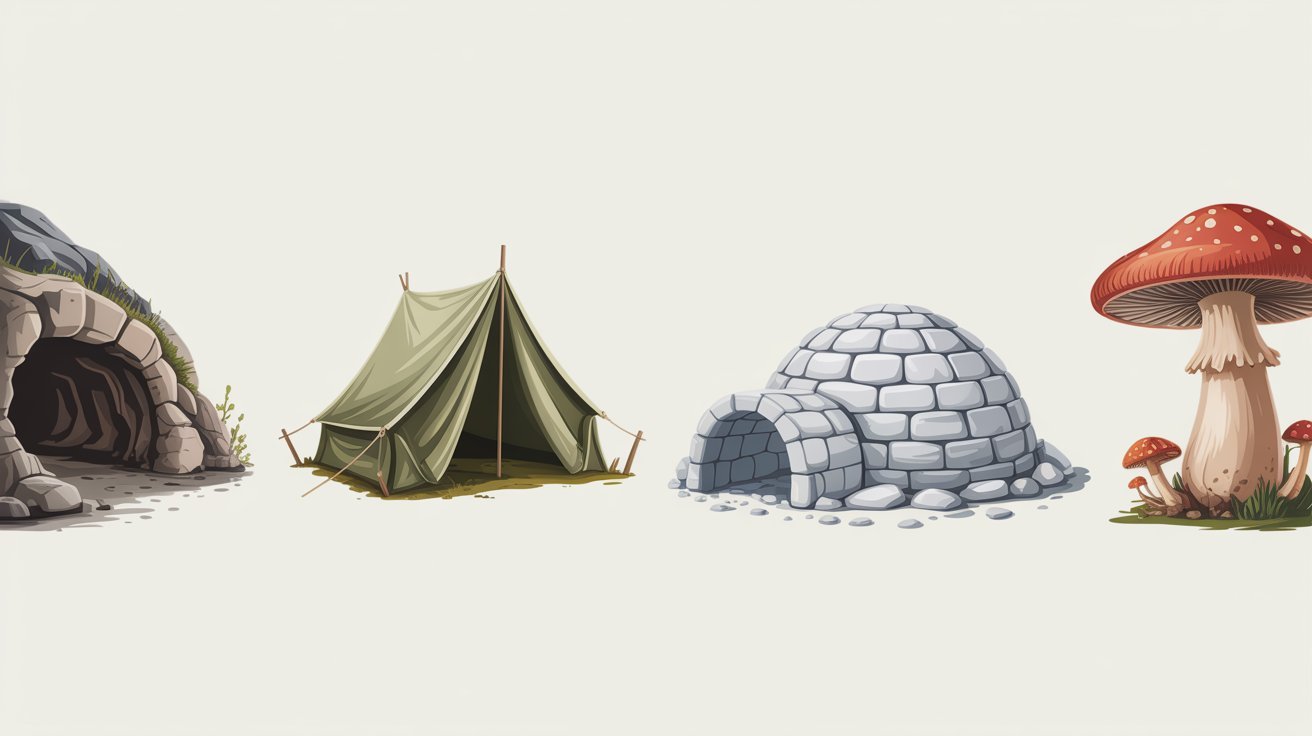
Some people guess "cave," thinking of a space without traditional doors or windows. Others guess "tent" or "igloo," since neither one has a typical window either. These guesses show creative thinking, but they miss the actual trick the riddle is built on.
Why Mushroom Remains the Accepted Solution

These alternative guesses don't match the riddle's wordplay style, since they're real structures rather than hidden words. Mushroom is the answer that fits the pattern the riddle relies on, which is why it remains the widely accepted solution across most riddle collections.
Why This Riddle Is So Popular
This riddle keeps spreading because it's short, simple, and fun to share with anyone.
Easy to Remember and Share

The riddle uses simple, everyday words that don't require any special knowledge to understand. That makes it easy to repeat out loud or type into a text message. People of all ages, from young kids to adults, can follow it right away and enjoy the payoff.
A Great Example of Wordplay

Riddles like this challenge your thinking without needing any outside facts. The fun comes from the surprise twist at the end. You expect one kind of answer, then get something completely different, which makes the riddle memorable and easy to retell to someone else later.
Similar Riddles You Might Enjoy’

These riddles use the same kind of wordplay trick, just with different hidden answers.
- What has keys but can't open locks? A piano.
- What has a neck but no head? A bottle.
- What gets wetter the more it dries? A towel.
- What has hands but cannot clap? A clock.
Common Misconceptions About the Riddle

Most wrong guesses come from the same handful of thinking patterns.
- Thinking it refers to a physical room. Many readers search for a real space instead of a hidden word, which leads them away from the answer.
- Assuming the answer is complex. The riddle feels tricky at first, but it's simple once you spot the wordplay hiding inside it.
- Overanalyzing the clue. Some people overthink the question and look for a deeper meaning, when the answer is actually straightforward.
Fun Facts About Mushrooms

Mushrooms are more interesting than most people realize once you look closer.
- Mushrooms are fungi, not plants, which puts them in a separate category entirely.
- Thousands of mushroom species exist around the world, growing in forests, fields, and even backyards.
- Mushrooms play an important role in nature by breaking down dead plant matter and returning nutrients to the soil.
Tips for Solving Wordplay Riddles
A few small habits can make these riddles much easier to solve quickly.
- Look past the literal meaning of the question
- Watch for words hiding inside other words
- Think about double meanings before guessing
- Picture common objects that fit the clue
- Expect the answer to surprise you
Conclusion
So there you have it, a mushroom is the answer to this fun little riddle.
I remember hearing this one as a kid and feeling silly once I got it. That's the charm of wordplay, it humbles you in the best way.
Try sharing this riddle with a friend and see how fast they catch on.
Drop a comment with your favorite riddle, or check out more brain teasers on the site. Keep that curiosity going.
Frequently Asked Questions
What is the answer to the riddle about a room with no doors or windows?
The answer is a mushroom. The word "room" hides inside "mushroom," which is the trick behind the riddle.
Why does the riddle use the word "room"?
It uses "room" to make readers think of a physical space, even though the answer is a type of fungus.
Are there other riddles similar to this one?
Yes. Riddles like "What has keys but can't open locks?" use the same kind of wordplay and hidden meanings.
Why do people get this riddle wrong at first?
Most people search for a literal room instead of looking at the words more closely for hidden clues.
Is this riddle suitable for kids?
Yes. It's simple, fun, and works well for all ages, which is part of why it's shared so often.