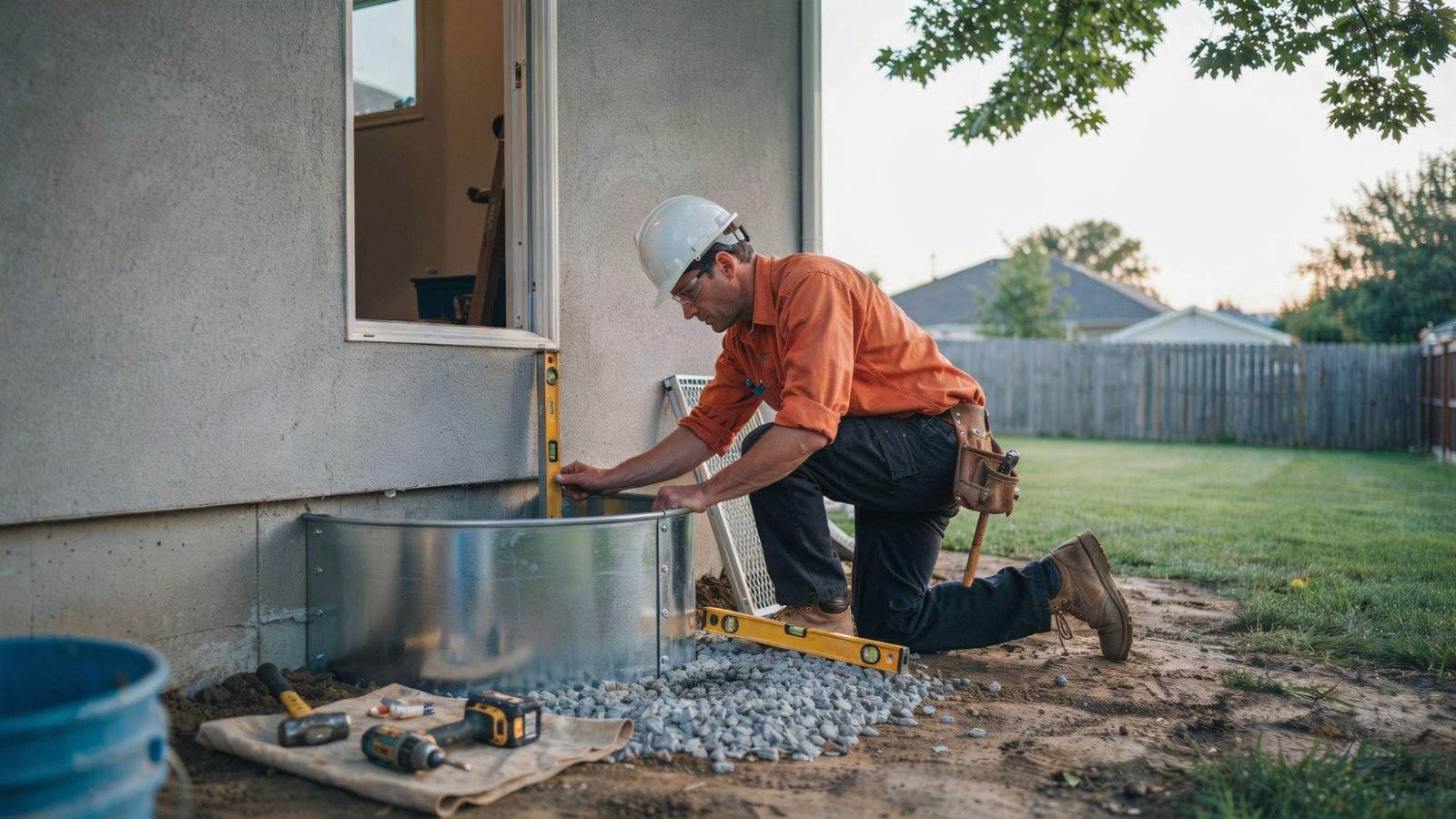

If you have ever asked what is stucco, you are not alone. So many homeowners hear this word and picture a wall finish, but they don't know what it actually is or how it works.
In this guide, I will walk you through everything in simple terms. We will cover what stucco is made of, the types available, how it's installed, and how to maintain it.
I have spent time researching this topic closely so I can give you facts you can trust. By the end, you will know exactly if stucco is right for your home.
What Is Stucco? A Homeowner-Friendly Overview
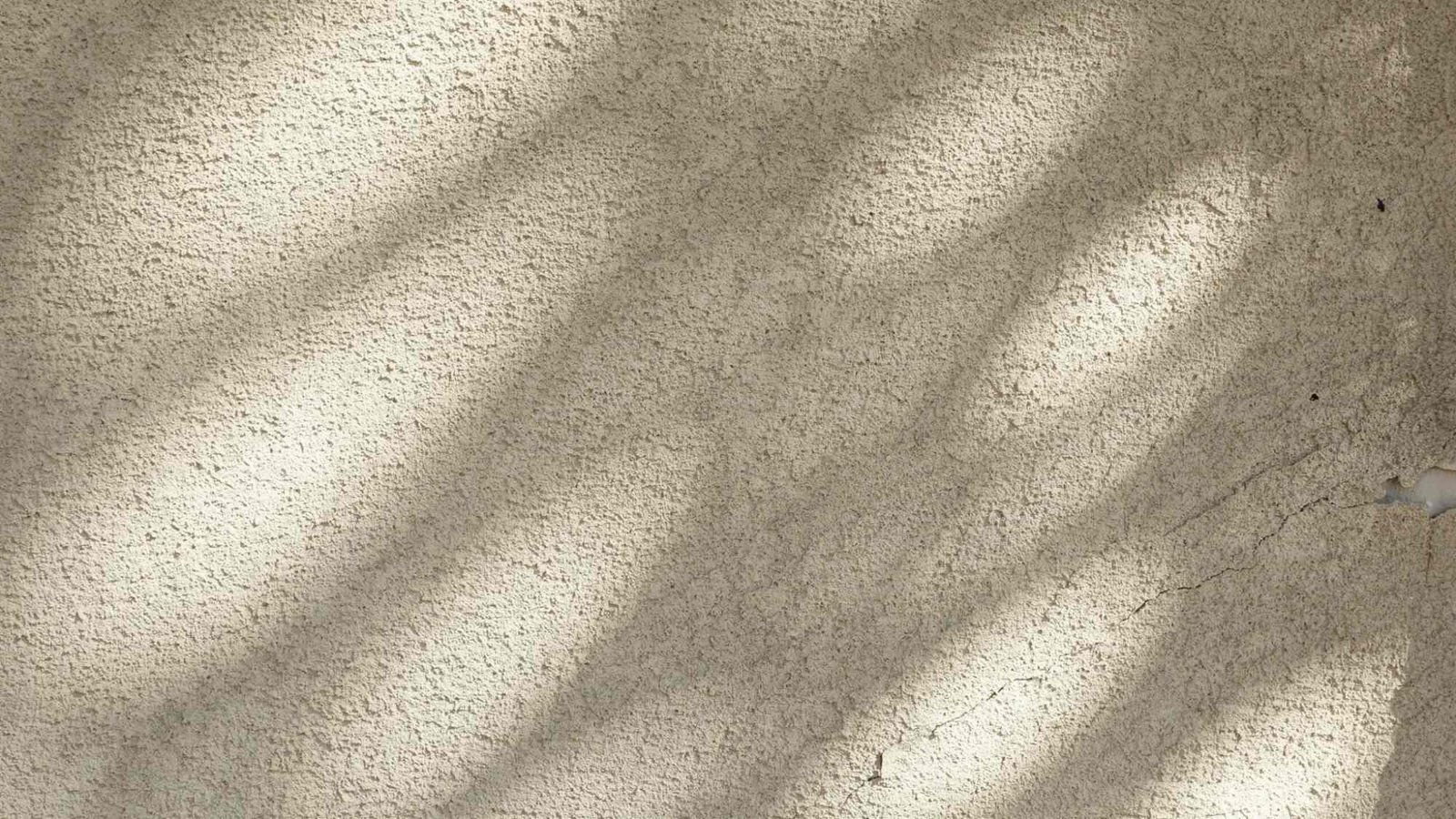
Stucco is a wall coating made from cement, sand, lime, and water mixed into a thick paste. Workers spread this paste over walls in layers, and once it dries, it turns hard and slightly rough.
It works as both a protective layer and a decorative finish for homes. You will mostly see stucco on homes in warm and dry regions, covering exterior walls, fences, and sometimes interior surfaces too.
Many Spanish-style and Mediterranean-style homes use it because it suits the climate so well. Homeowners often choose stucco because it lasts a long time and gives a clean, classic look.
It also needs less paint over the years and handles different weather conditions better than many other wall materials.
Types of Stucco and How They Differ
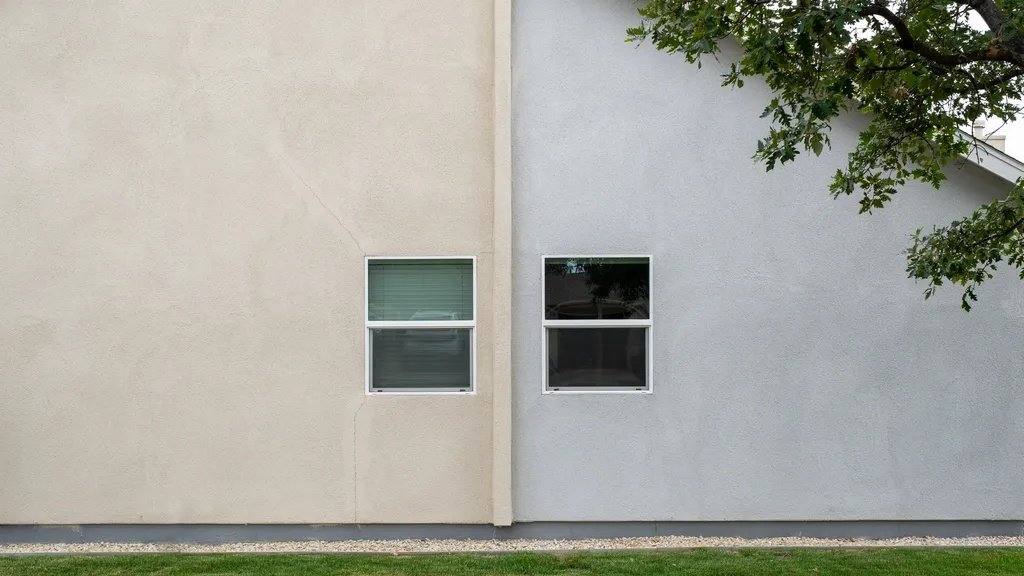
A quick comparison of stucco types and how each one performs on a home.
Traditional Stucco
Traditional stucco uses cement, sand, and lime mixed together to form a strong base. It is applied in three separate coats, with each one needing time to dry.
This type has been used for hundreds of years because it holds up so well. It takes longer to apply, but the results last for decades. Many homeowners pick it for its old-style charm and proven strength.
Synthetic Stucco
Synthetic stucco, often called EIFS, uses a foam board covered with a finish coat. It is much lighter than traditional stucco, which makes it easier to install.
This type also gives better insulation, helping homes stay warm or cool. However, it needs proper installation, since poor work can trap moisture behind the foam.
When installed correctly, it performs well and saves on energy costs.
Which Type Is Better for Your Home?
The right choice depends on what you need most from your walls. If you want strength, durability, and a classic look, traditional stucco is a solid pick.
If you care more about insulation and a quicker installation process, synthetic stucco may suit you better. Your climate and budget also play a role in this decision.
Talking to a contractor can help you decide which type fits your home.
How Stucco Is Made and Applied
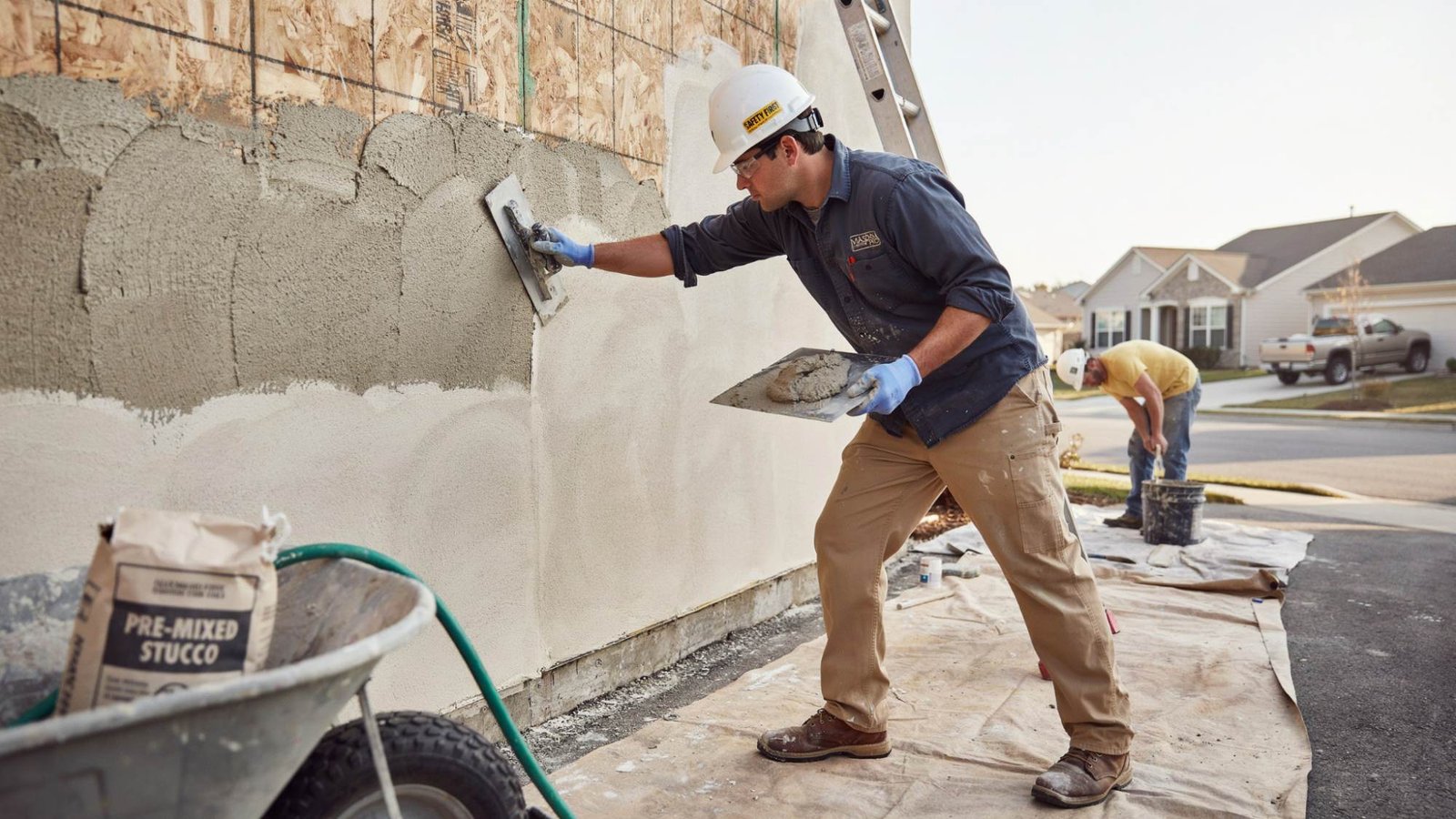
A simple breakdown of the materials and steps used to apply stucco correctly.
Materials Used in Stucco
Stucco needs Portland cement, sand, lime, and water. Some mixes include fiber for extra strength. These materials combine to create a firm, weather-resistant coating.
The Stucco Installation Process
The process starts with a wire mesh attached to the wall. Then workers apply a base coat, followed by a second coat. After that, a finish coat goes on for texture and color.
Each layer needs time to dry before the next one goes on.
Recommended Stucco Thickness
Most homes need stucco that is about seven-eighths of an inch thick. This thickness helps the wall stay strong and resist cracks. Thinner layers may wear out faster.
Pros and Cons of Stucco for Homeowners

A simple look at the good and bad sides of choosing stucco for your home.
Key Benefits of Stucco
Stucco offers strong durability and low maintenance. It resists fire well and gives good insulation. It also comes in many textures and colors, so you have options for the look you want.
Common Drawbacks to Consider
Stucco can crack if the foundation shifts. It may also trap moisture if installed poorly. Repairs can cost more compared to some other siding materials.
Is Stucco Right for Your Climate?
Stucco works best in dry or moderate climates. If you live somewhere with heavy rain or extreme humidity, you need a strong moisture barrier behind it. Proper installation matters a lot here.
How Durable and Protective Is Stucco?

A clear explanation of how long stucco lasts and how well it protects your home.
Lifespan and Durability
Stucco can last fifty years or more if installed and maintained properly. It holds up well under regular wear when cared for.
Heat and Fire Resistance
Stucco has strong fire resistance because of its cement base. It does not burn easily, which makes it a safer choice for many homeowners.
Water Resistance and Moisture Concerns
Stucco needs a good drainage system behind it. Without this, water can get trapped and cause damage. Proper installation prevents most moisture issues.
Stucco Maintenance and Common Homeowner Issues
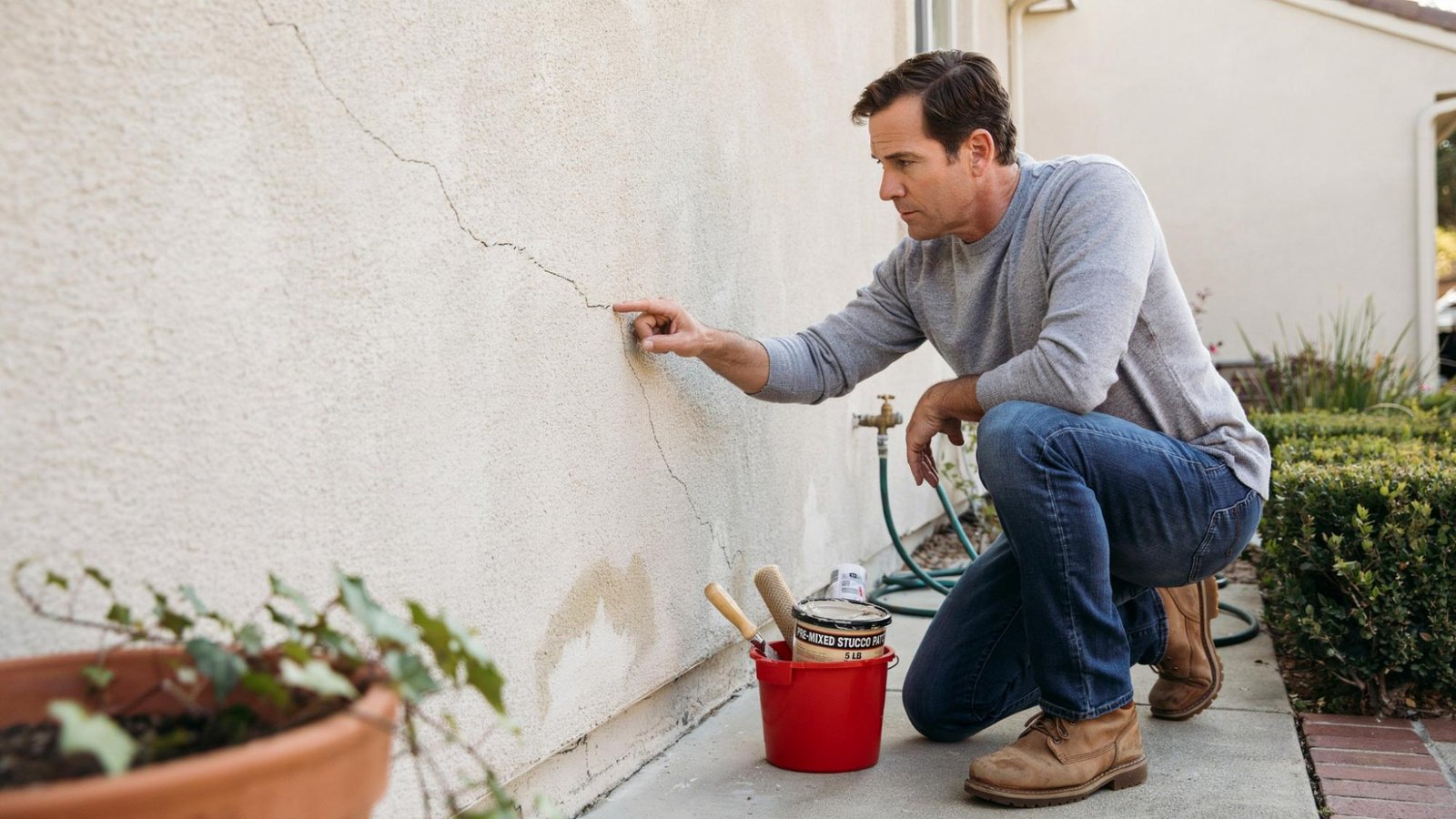
Helpful tips on cleaning stucco and spotting problems before they get worse.
How to Clean Stucco Properly
You can clean stucco with a garden hose and a soft brush. Avoid high-pressure washers since they can damage the surface. Mild soap and water work well for most stains.
Preventing Cracks and Surface Damage
Check your stucco yearly for small cracks. Seal them early to stop water from getting inside. Keep gutters clean so water doesn't pool near the walls.
When Stucco Repairs Are Needed
If you see large cracks, bubbling, or soft spots, it's time to call a professional. These signs often mean moisture is trapped behind the surface.
Practical Tips for Choosing, Installing, and Maintaining Stucco
Simple, useful advice to help you pick, install, and care for stucco the right way.
- Pick a texture and finish that truly matches your home's overall style and personal taste preferences
- Choose smooth finishes for a modern feel or rough textures for a classic touch
- Always hire a licensed contractor who has real, proven experience working with stucco
- Ask for references and check past work carefully before hiring anyone for the job
- Keep stucco clean, check for cracks often, and fix small issues early to avoid costly repairs
Conclusion
Now that you know what is stucco, you can make a confident choice for your home. I remember helping a friend inspect cracks in her stucco walls, and a simple yearly check saved her from a bigger repair later.
Small habits really do make a difference. If this guide helped you, drop a comment below and let me know your thoughts.
Feel free to share this post with someone who's curious about stucco too, and check out our other home improvement guides for more tips.
Frequently Asked Questions
Is stucco a good choice for all climates?
Stucco works best in dry or moderate climates. In wet regions, it needs strong moisture barriers to prevent damage.
How long does stucco usually last?
With proper care, stucco can last fifty years or more. Regular maintenance helps it stay strong for decades.
Can I install stucco myself?
It is best to hire a professional. Stucco installation needs skill, and mistakes can lead to cracks or water damage.
Does stucco need a lot of maintenance?
Stucco needs simple care like yearly checks and light cleaning. It does not require frequent upkeep compared to some materials.
What causes most stucco cracks?
Cracks often happen due to foundation shifts, poor installation, or trapped moisture. Catching them early prevents bigger problems.