I still remember walking into my first job site and hearing the foreman ask, "Did the millwork show up yet?" I had no idea what he meant.
If you're asking the same question right now, you're in the right place. This guide breaks down what millwork is, the different types you'll run into, where it's used in a home, and how to pick the right kind for your project.
I've spent enough time around contractors and carpenters to know what actually matters here. By the end, you'll be able to talk about millwork like you've always known it.
Understanding Millwork Basics
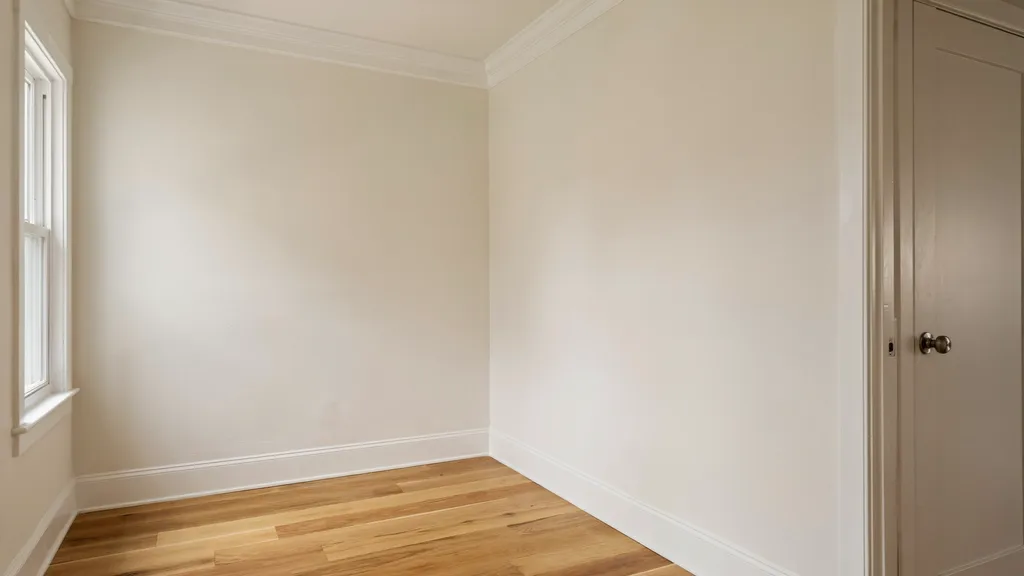
Millwork refers to any wood product shaped or finished in a mill rather than on-site. This covers trim, doors, moldings, and similar custom wood pieces.
Unlike basic lumber, millwork is cut to specific shapes and finished before it ever reaches the job site. So why does this matter? Millwork gives a building its finished look.
Without it, walls and rooms feel plain and unfinished. It also adds structure in places like staircases and window frames, so it's not just about looks.
It plays a real role in how a space functions day to day. In short, millwork shapes both the style and the strength of a home, making it a small detail with a big impact.
Common Types of Millwork
A quick look at the main categories of millwork found in most buildings today.
Interior Millwork Components
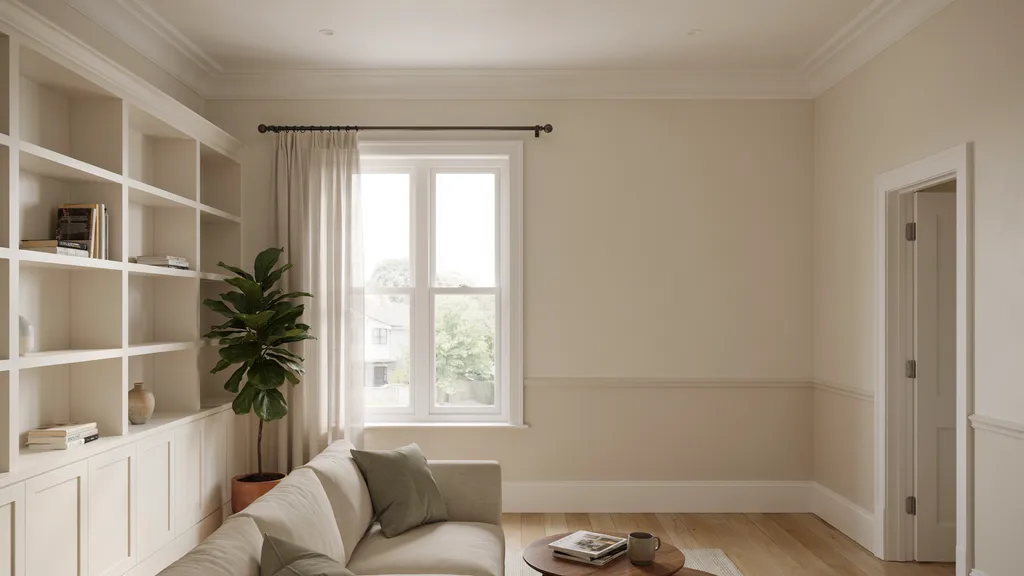
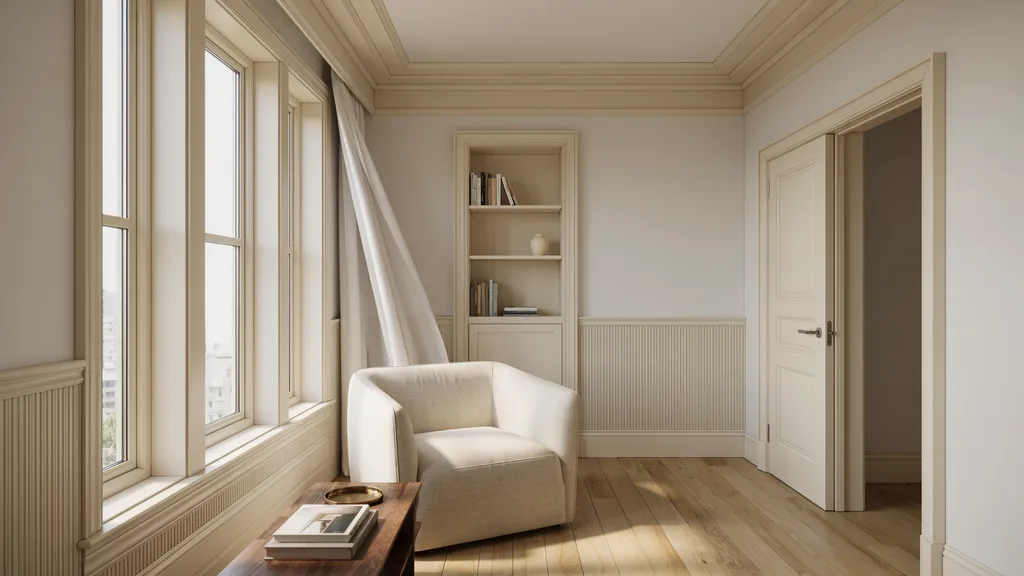
Interior millwork includes baseboards, crown molding, door casings, and built-in shelving. These pieces tie a room together and give every space a finished, intentional feel.
They're often the first details people notice when they walk into a room.
Exterior Millwork Components
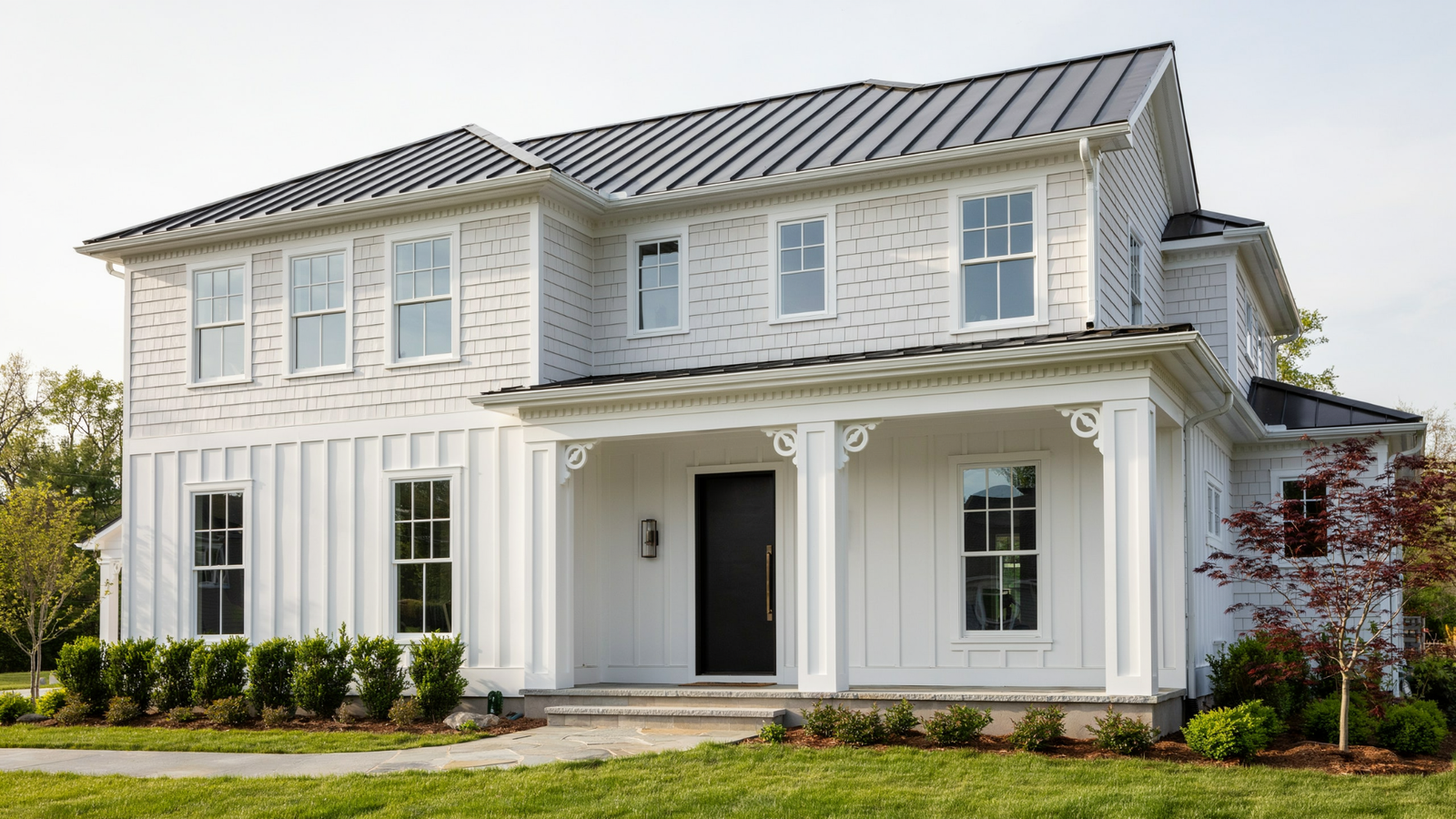
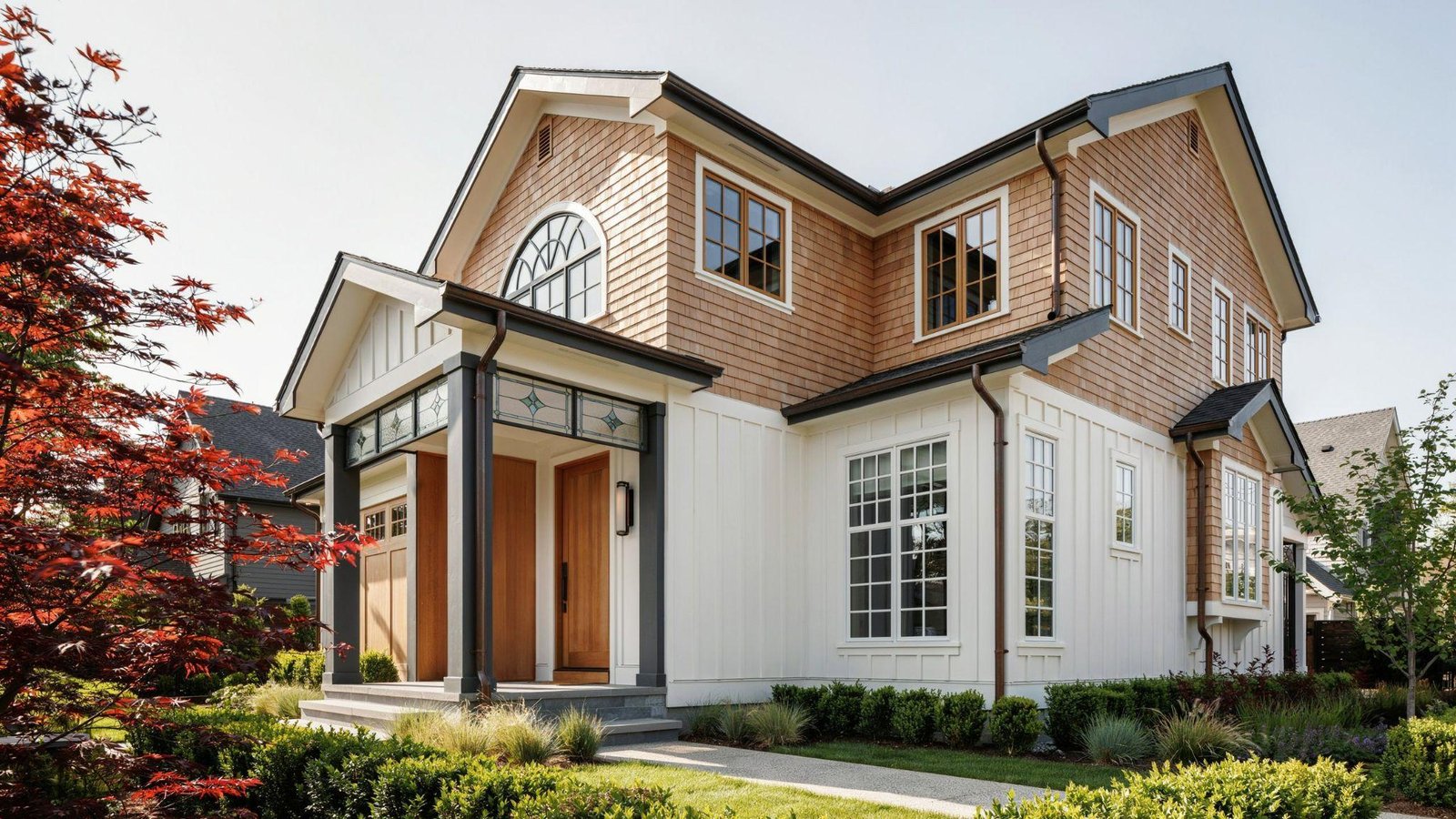
On the outside, millwork shows up as porch columns, window trim, fascia boards, and decorative brackets.
These pieces protect the home from weather while adding character to its front-facing details. Good exterior millwork also helps boost curb appeal.
Custom Millwork vs. Prefabricated Millwork
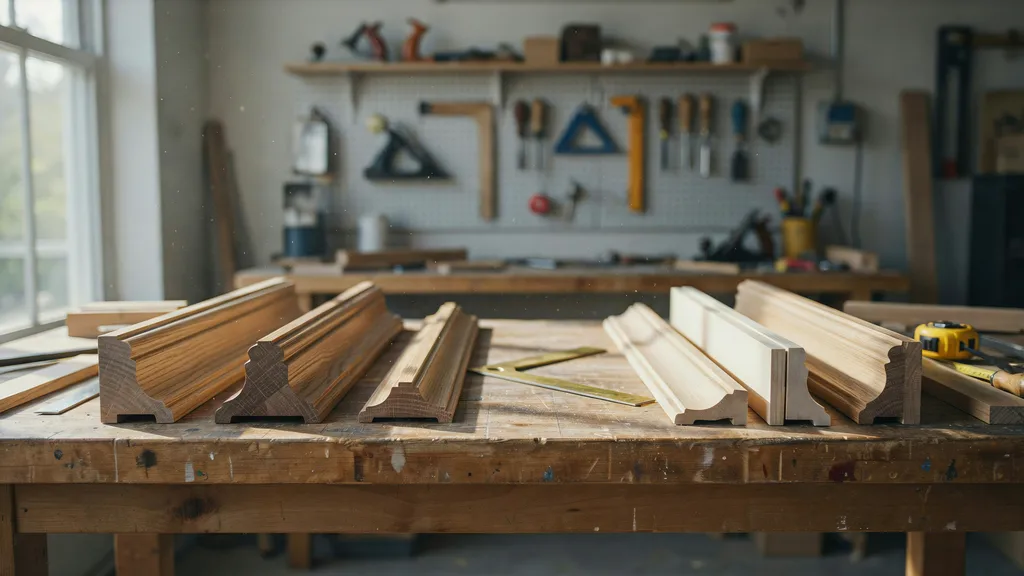
Custom millwork is built to exact measurements for a specific space, so it fits perfectly every time. Prefabricated millwork comes in standard sizes ready to install right away.
Custom costs more and takes longer, but prefab works well for simple, straightforward jobs.
Where Is Millwork Used in a Home?
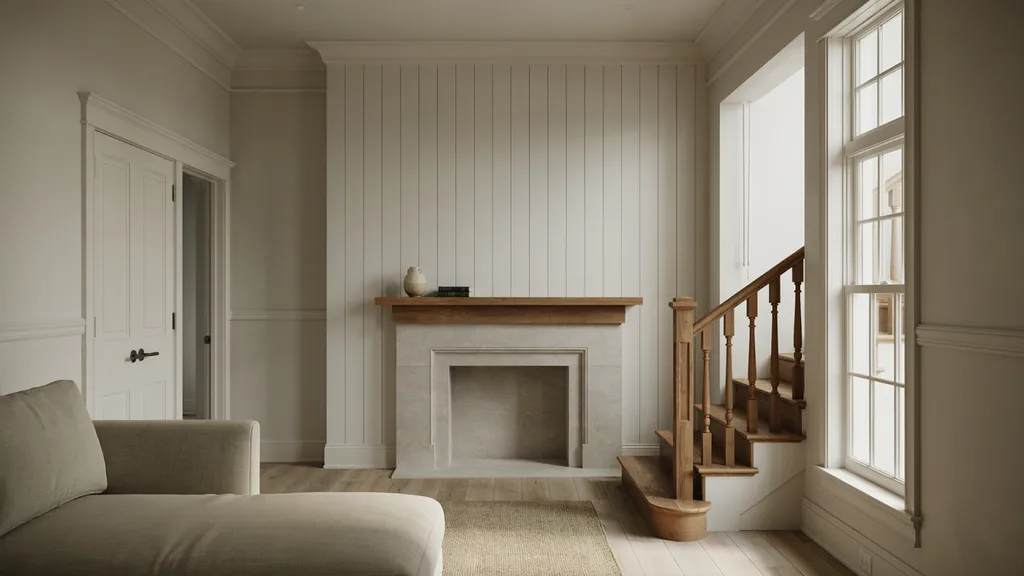
Millwork shows up in more places than people realize, from floors to ceilings.
Doors, Windows, and Trim
Doors and windows almost always need trim to look complete. This trim hides gaps between the frame and the wall, giving a clean, finished edge.
It's a small detail that makes a big difference in how polished a room feels.
Stairs, Railings, and Mantels
Staircases rely heavily on millwork. Handrails, balusters, and newel posts are all millwork pieces that keep stairs safe and sturdy.
Fireplace mantels fall into this category too, often becoming a focal point in the room.
Wall Paneling, Moldings, and Decorative Features
Wainscoting, wall panels, and decorative moldings add texture and depth to flat walls. These details often separate a builder-grade home from a custom one.
Even a simple molding pattern can change how a whole room feels.
What Materials Are Used to Make Millwork?
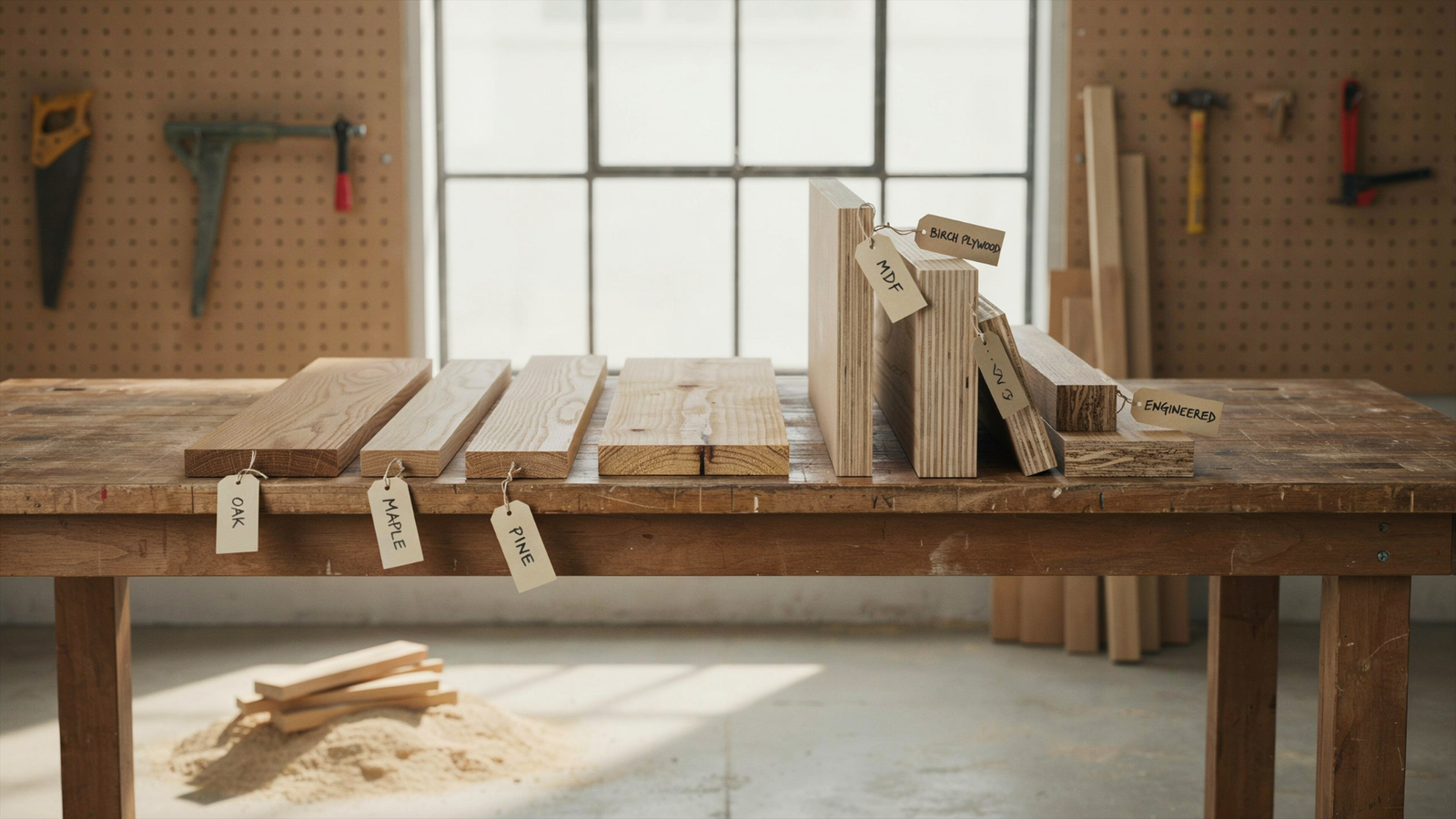
Millwork can be made from several materials, each with its own strengths and costs.
Traditional Wood Materials
Oak, maple, cherry, and pine are common choices for millwork. Solid wood offers a natural look and can be sanded, stained, or repainted over the years.
It's a good fit for homeowners who want something that ages well.
Engineered Wood and Modern Materials
MDF, plywood, and composite materials are popular for budget-friendly projects. They resist warping better than solid wood in some cases and take paint well.
These materials are a smart choice when cost matters more than natural grain.
How Millwork Is Manufactured
Most millwork starts as raw lumber that's cut, shaped, and sanded using specialized machines. Skilled workers then add finishing touches like staining or sealing before it ships out.
This process keeps every piece consistent and ready to install.
Millwork vs. Casework Key Differences
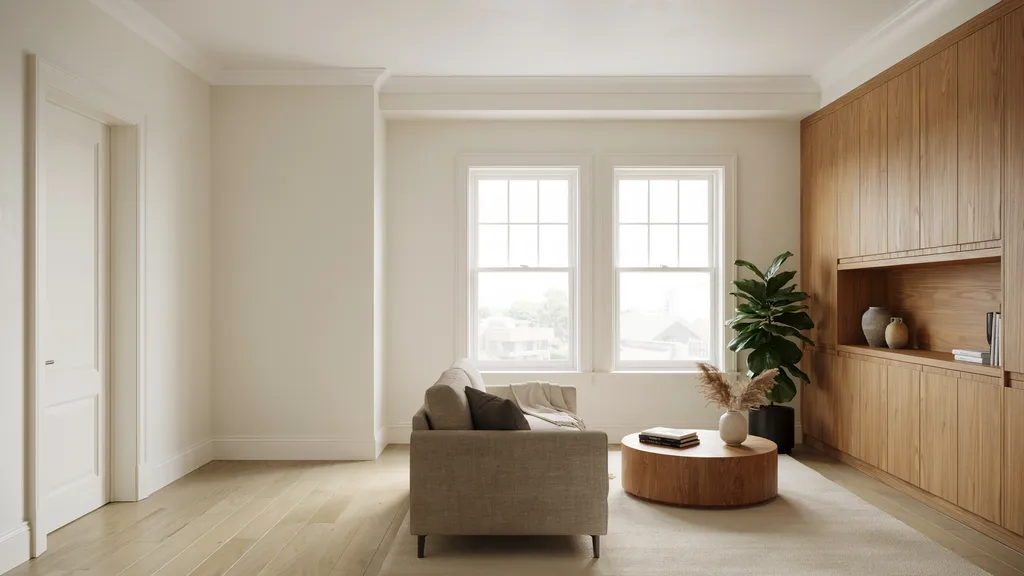
These two terms get mixed up often, so here's how they actually differ.
| Feature | Millwork | Casework |
|---|---|---|
| Purpose | Decorative and finish carpentry elements | Functional storage and organizational units |
| Common Examples | Trim, molding, doors, window casings, stair parts, mantels | Cabinets, bookcases, drawers, shelves, storage racks |
| Customization | Often available in both standard and custom designs | Usually mass-produced, with custom options available |
| Best For | Adding architectural detail and enhancing aesthetics | Providing storage and improving functionality |
| Ideal Choice | Choose millwork for decorative trim, moldings, and wood detailing | Choose casework for cabinetry, shelving, and built-in storage |
Benefits of Using Millwork
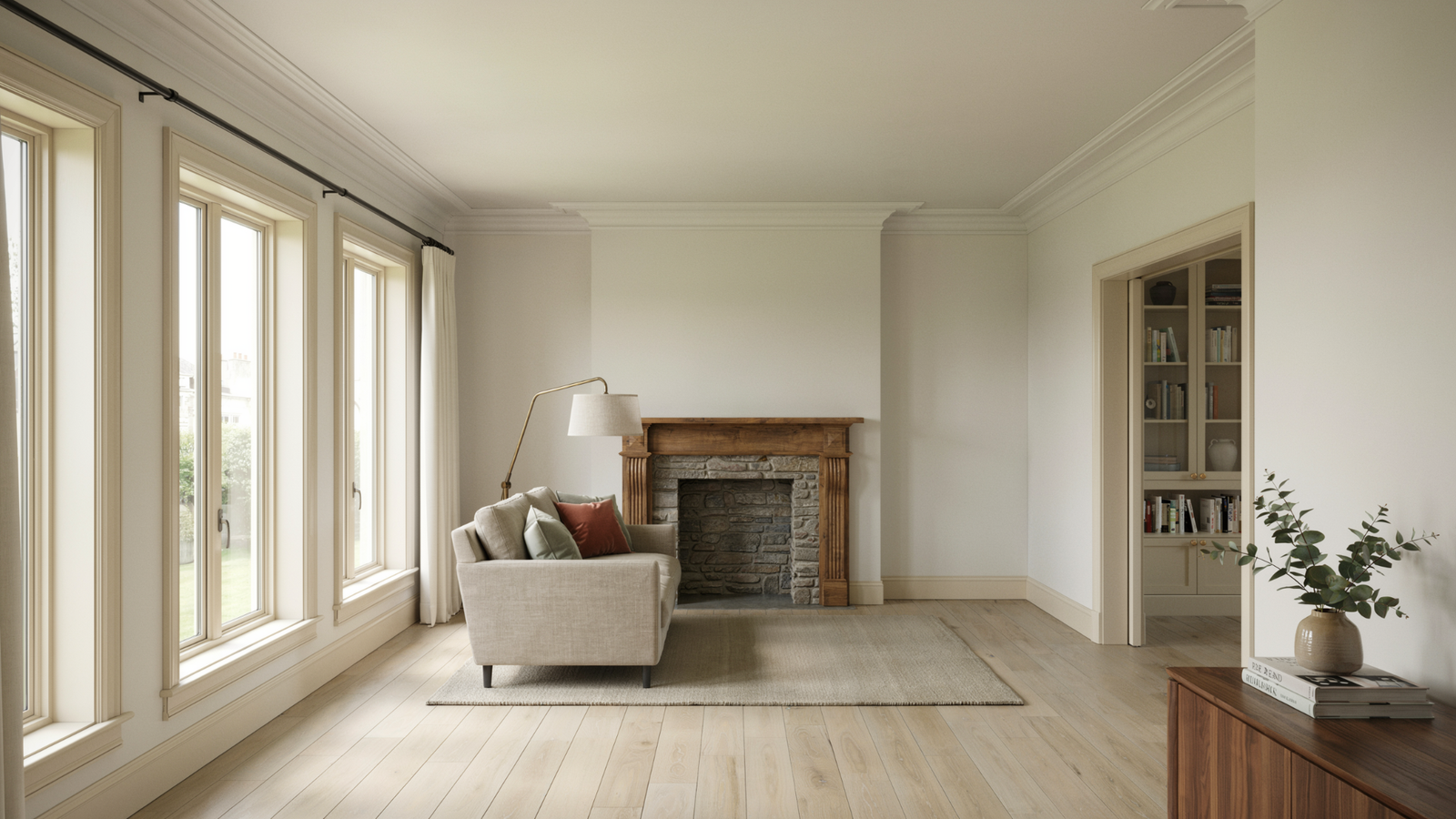
Millwork offers more than good looks. Here's what it brings to a project overall.
Improves Appearance and Architectural Style
Good millwork gives a home personality. It can make a plain room feel warm, classic, or modern depending on the style chosen.
Even small changes in trim or molding can shift the whole mood of a space.
Adds Value and Customization
Quality millwork can raise a home's resale value. Custom pieces also let owners match their personal taste exactly, down to the smallest detail.
Buyers often notice these touches during a walkthrough.
Improves Functionality and Durability
Millwork isn't just decorative. Trim protects wall edges, handrails support safety on stairs, and quality material holds up to daily wear for years.
Good millwork pays off long after installation day.
Tips for Choosing the Right Millwork
A few practical pointers to help you choose wisely without overspending.
- Match wood types to wear levels in each area, high-traffic spots need sturdier materials than quiet, low-use corners of the home.
- Pick a finish that suits your home's overall style and existing decor, rather than chasing whatever trend looks popular right now.
- Set your budget first, then choose materials that fit within it comfortably, instead of falling in love with options you can't afford.
- Use custom millwork for odd angles or tight spaces that standard, prefabricated sizes simply cannot cover or fit properly without major adjustments.
- Ask for material samples before committing to a full order, so you can see and feel the actual finish in person first.
Conclusion
So, now you know what millwork is and where it fits into a home. I've seen how the right trim or molding can change a room's whole feel, and I hope this guide makes your next project a little easier.
Take a moment to think about where millwork could fit into your own space. Got questions or a project in mind?
Drop a comment below, share this with a friend who's planning a renovation, or check out our other guides for more practical tips.
Frequently Asked Questions
What is millwork in simple terms?
Millwork is any wood product, like trim or molding, shaped in a mill instead of on-site. It's used to finish and decorate a space.
Is millwork the same as trim?
Trim is one type of millwork. Millwork is the broader term that also includes doors, paneling, stairs, and other finished wood pieces.
What's the difference between millwork and casework?
Millwork covers finish carpentry like molding and trim. Casework refers to cabinets and built-in storage units. They often work together in the same space.
Is custom millwork worth the extra cost?
Custom millwork fits your space exactly and matches your design goals. It costs more upfront but often adds long-term value to your home.
What materials work best for millwork?
Solid wood like oak or maple offers a classic look. MDF and engineered wood are budget-friendly options that still hold paint and finish well.