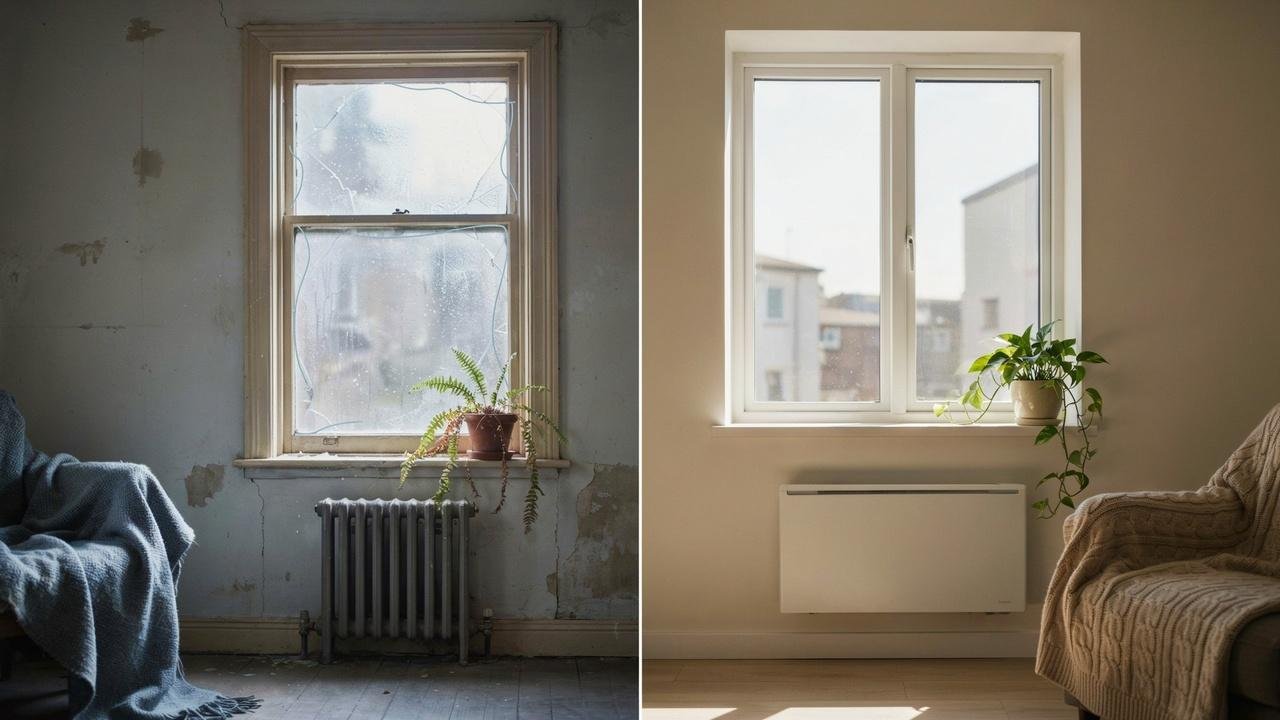
Cold rooms. Foggy windows. Noise from the street. If any of this sounds familiar, retrofit double glazing might be the fix you're looking for.
This guide walks you through how retrofit double glazing works, whether it's the right choice for your home, and how it compares to full window replacement.
We'll also cover costs, regional pricing across New Zealand, and the real benefits homeowners notice after installation.
I've spent time looking into how this process plays out in real homes, from older villas to modern builds, and the patterns are pretty consistent.
You'll also find practical tips for choosing the right system and avoiding common mistakes.
By the end, you'll know exactly what to expect, what it costs, and whether it's worth doing for your home.
What is Retrofit Double Glazing?
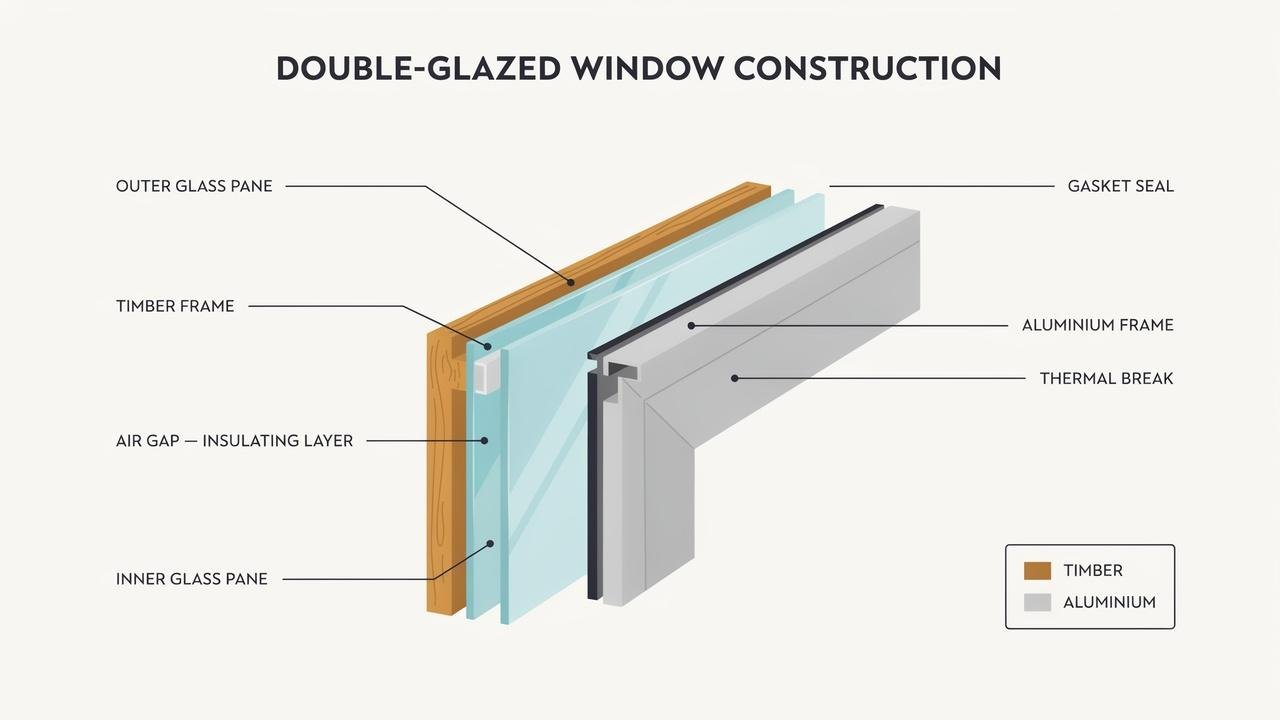
Retrofit double glazing means fitting a second pane of glass onto your existing window frame, instead of replacing it.
This creates a small air gap between the two panes. That gap cuts down heat loss in winter and keeps rooms cooler in summer.
It also blocks outside noise, like traffic or weather sounds.
Since the original frame stays in place, this method is cheaper and quicker than a full window replacement.
It works well for older homes or heritage buildings where changing windows isn't an option.
How Retrofit Double Glazing Steps
This section explains how installers add double glazing to current window frames step by step, without removing or replacing the frames themselves.
Step 1: Assessing Existing Window Frames
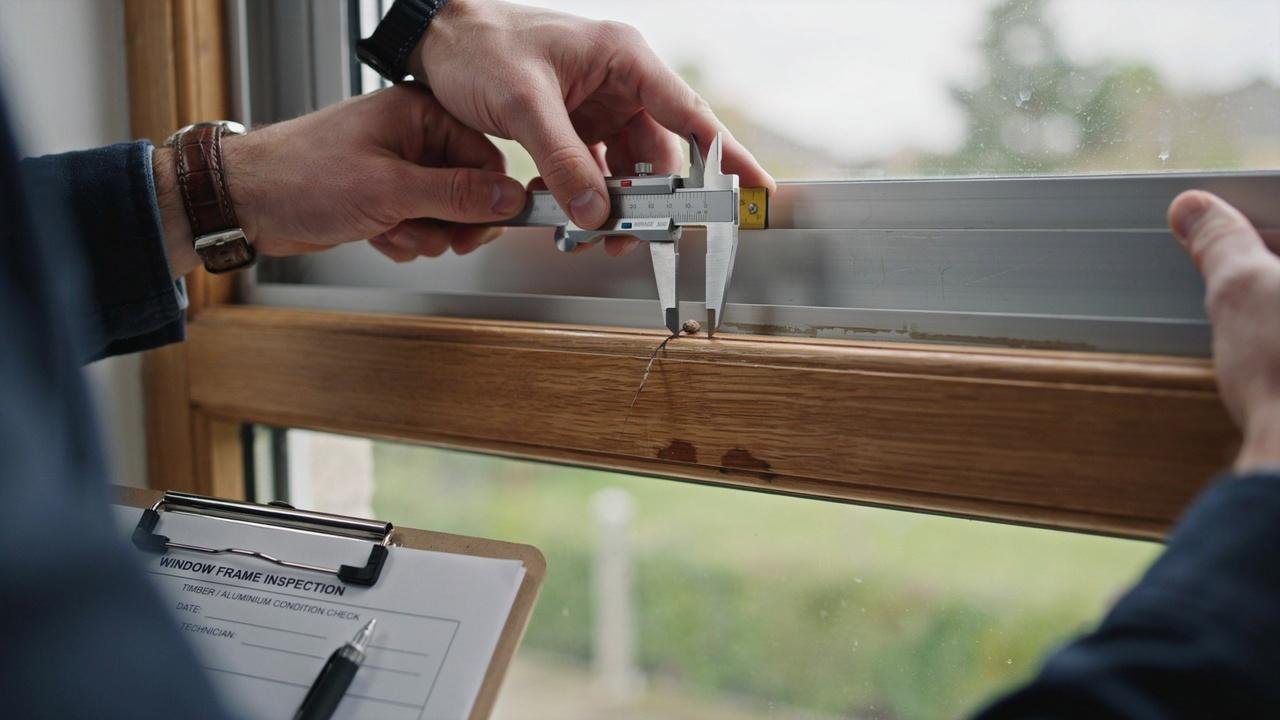
Before any work starts, installers check the frame material, age, and condition.
They measure the depth of the rebate to confirm it can hold a new glass unit.
This step decides what kind of retrofit system will work best for your windows.
Step 2: Removing Old Single Glazing
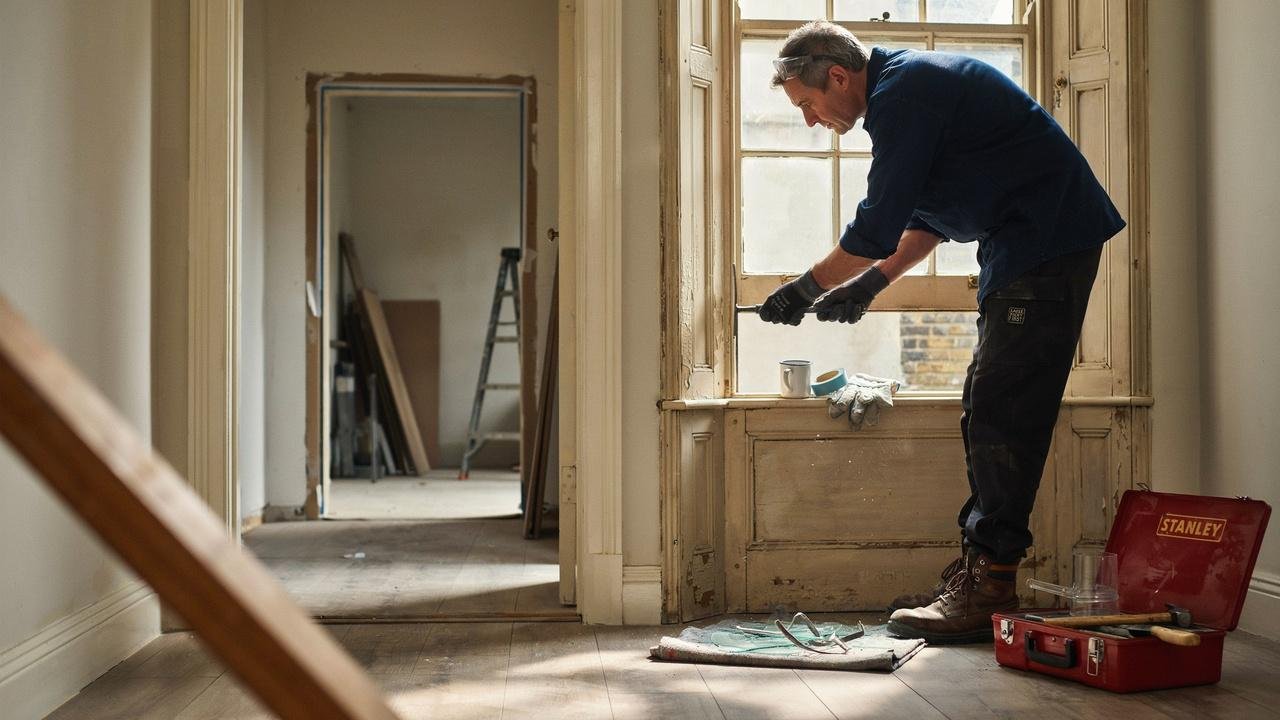
The old glass is taken out carefully so the frame stays in good shape.
Installers protect the surrounding trim and wall while doing this.
This part of the job is usually quick if the frame is in solid condition.
Step 3: Modifying Timber or Aluminium Frames (Beads and Adjustments)
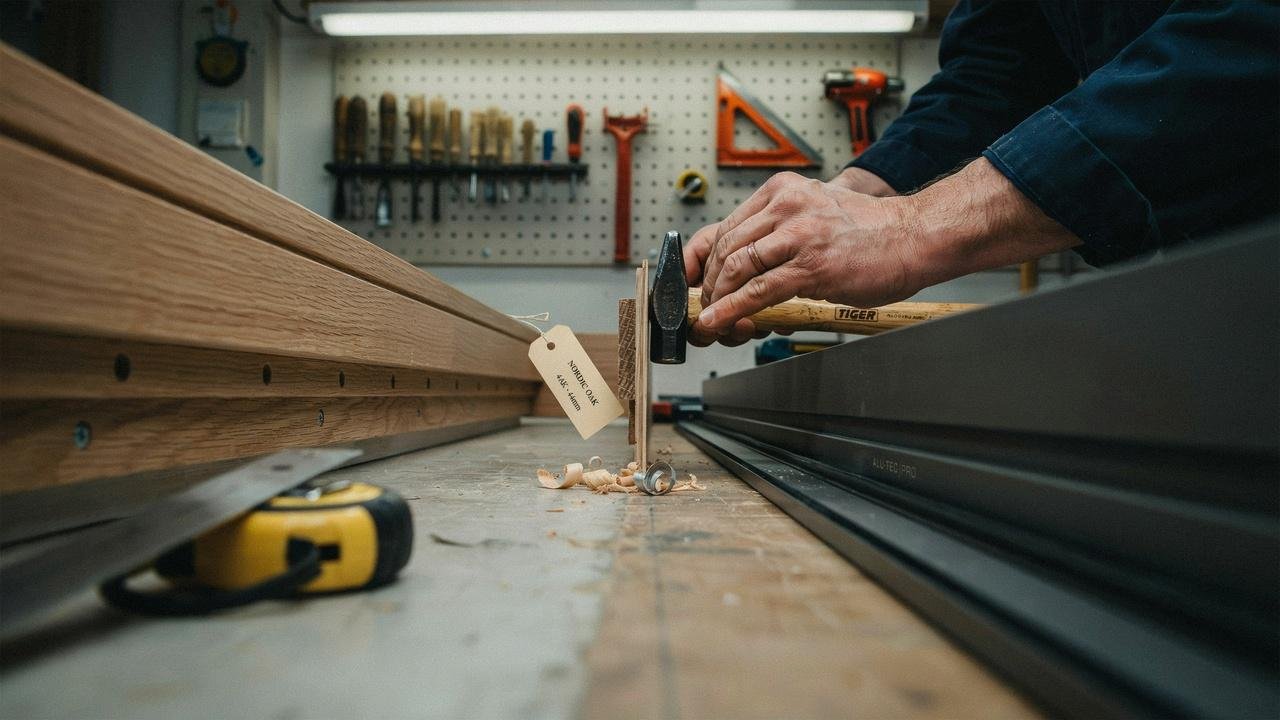
The frame is adjusted to fit a thicker glass unit.
This often means changing the beading or deepening the rebate slightly.
Timber and aluminium frames are handled differently, since each material reacts to changes in its own way.
Step 4: Installing Double-Glazed Units
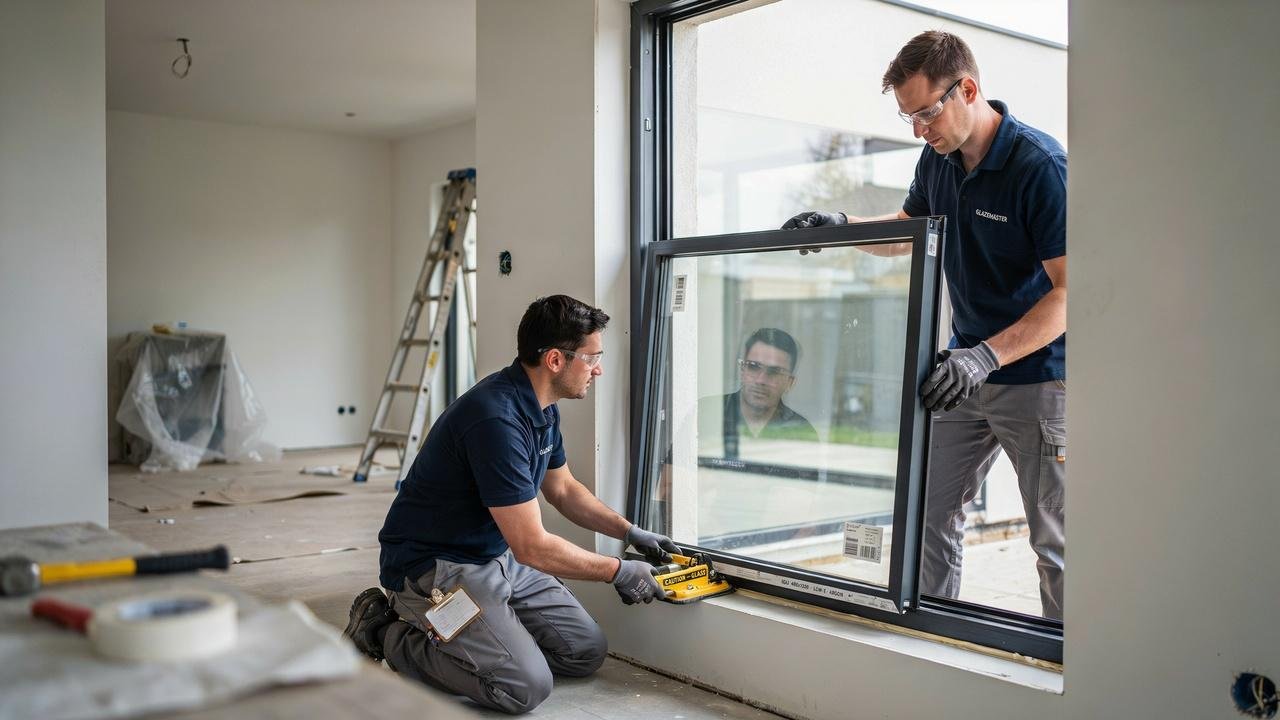
The new sealed glass unit is placed into the frame and held in place with beading.
Installers check that it sits flat and square before securing it fully.
A good fit here is what stops drafts later on.
Step 5: Sealing, Finishing, and Quality Checks
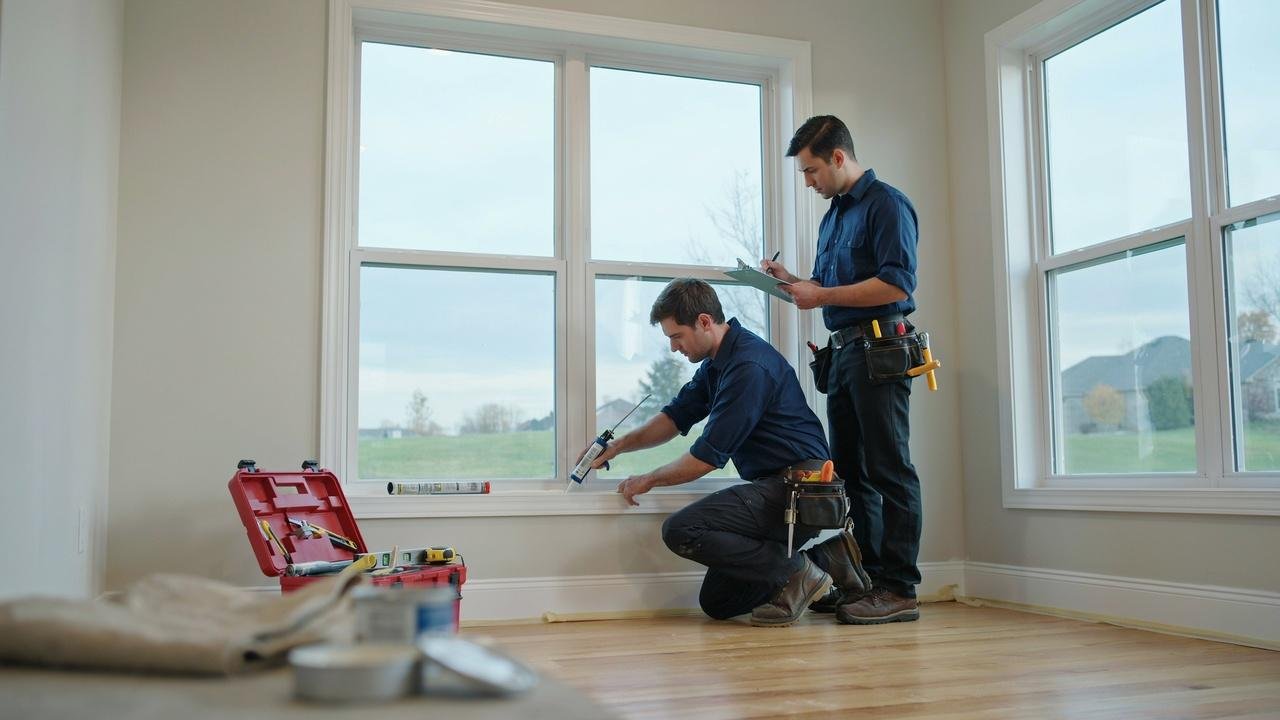
Once the glass is in, gaps are sealed to block air and moisture.
Installers test the window to confirm it opens, closes, and locks properly.
A final check makes sure there are no visible gaps or loose fittings.
Is Retrofit Double Glazing right for your home?

This part covers how to tell if your home and window frames are good candidates for a retrofit double glazing upgrade.
If your frames are still solid, retrofit is usually simpler and cheaper than full replacement, which only makes sense once a frame is damaged beyond repair.
Timber and aluminium frames in good condition are great fits, though rotted or warped frames may need other options first.
Sash windows can be retrofitted too, letting older homes keep their original joinery while gaining better insulation.
Watch for drafts, fogged glass, outside noise, or condensation between panes, all signs your windows are ready for an upgrade.
Retrofit Double Glazing vs Replacement Windows
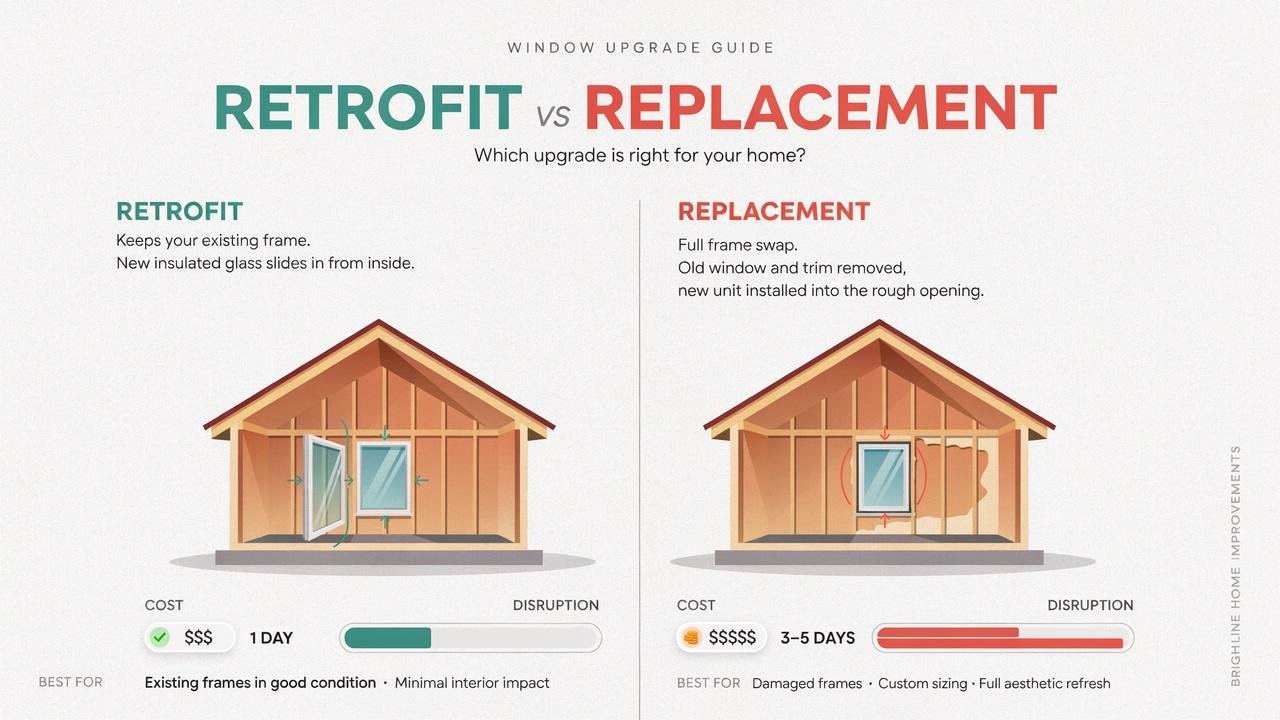
A comparison of retrofit double glazing and full window replacement, covering cost, performance, and how each option looks once finished.
| Aspect | Retrofit Double Glazing | Full Window Replacement |
| Cost | Generally cheaper | Higher cost — bigger job overall |
| Speed | Faster, since it works with existing frames | Longer timeline |
| Process | Glazing fitted into current frame | Entire window unit removed and replaced |
| Aesthetics | Usually keeps more of the home's original look | Allows a different window style or material |
| Best suited for | Frames in good condition; heritage/character homes | Frames that are rotted, cracked, or beyond repair |
| Disruption | Less disruption to the home | More disruption due to full removal |
| Waste | Avoids waste from discarding usable frames | More material waste from removed units |
| Heritage value | Preserves original frame, often valuable in character homes | Original frame is lost |
| Energy efficiency | Performs close to replacement when fitted correctly | Comparable efficiency to retrofit |
| Key efficiency factor | Glass type and seal quality matter more than the method itself (applies to both) | Same — glass type and seal quality matter more than the method itself |
How much does Retrofit Double Glazing Cost?
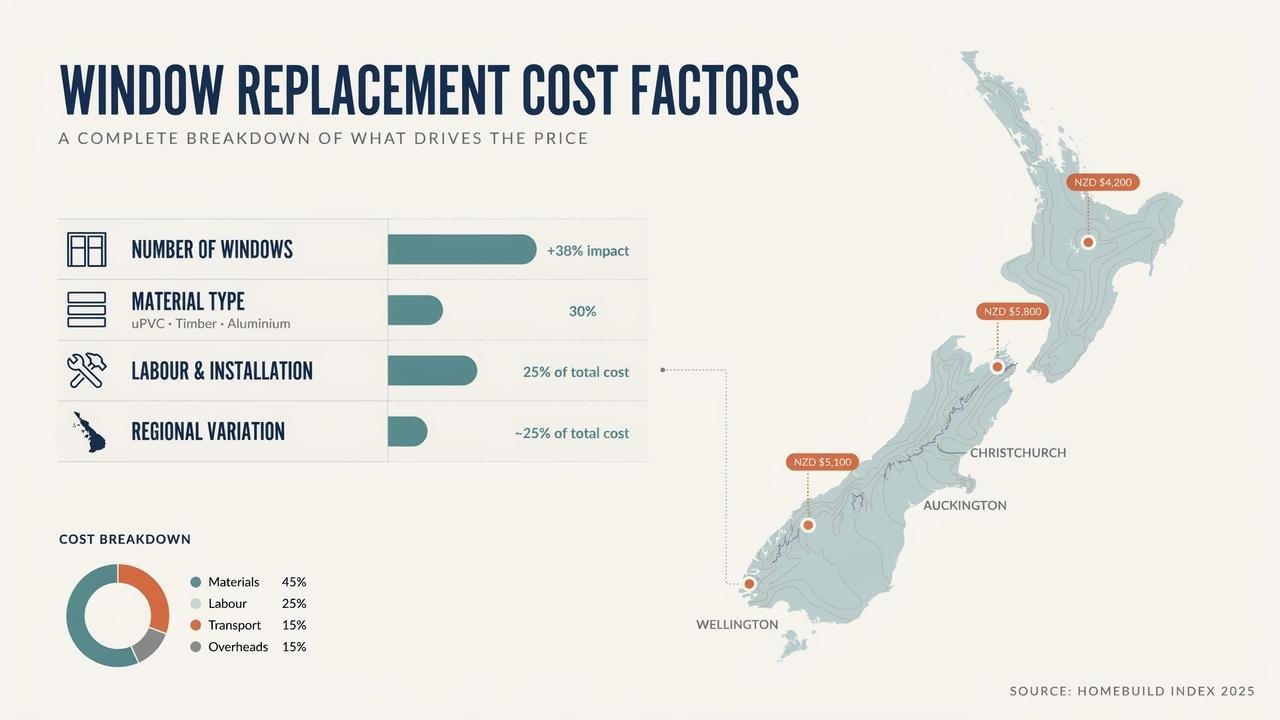
This section breaks down the costs involved in retrofit double glazing and what changes pricing depending on location and home setup.
Main Factors that affect Retrofit Double Glazing Cost
Cost depends on the number of windows, frame material, glass type, and window size.
Access difficulties, such as upper-floor windows, can add to labor time.
The condition of your existing frames also plays a role in final pricing.
Retrofit Double Glazing Cost in New Zealand Explained
Pricing across New Zealand varies based on materials and the installer you choose.
Most homeowners get quotes based on the number of windows and the glass option selected.
It helps to get a few quotes before deciding, since pricing can differ between companies.
Cost to Retrofit Double Glazing Wellington (Regional Variation)
Wellington pricing can shift slightly due to demand and local labor costs.
Wind exposure in some Wellington homes may also affect the type of glazing recommended.
Getting a local quote gives a clearer idea of actual costs for your property.
Why Pricing differs across Auckland, Wairarapa, Christchurch, etc.
Each region has its own labor rates, climate needs, and supplier access.
Colder regions like Christchurch may need different glass specifications than warmer areas.
These factors combine to create price differences from one city to another.
Is Retrofit Double Glazing worth the Investment?
For most homes, the lower heating costs and added comfort make up for the upfront cost over time.
It also tends to be more affordable than full window replacement.
Many homeowners see the value in both daily comfort and long-term savings.
Benefits of Retrofit Double Glazing

A look at the practical benefits of retrofit double glazing, from lower energy bills to better comfort and less outside noise.
Double glazing cuts heat loss through windows, a common weak spot in older homes, helping rooms stay warmer in winter and reducing the energy needed for heating.
This also lowers power bills year-round, since heating and cooling systems don't have to work as hard.
Many homeowners near busy roads notice a clear drop in outside noise too, along with fewer cold spots and less condensation on the glass.
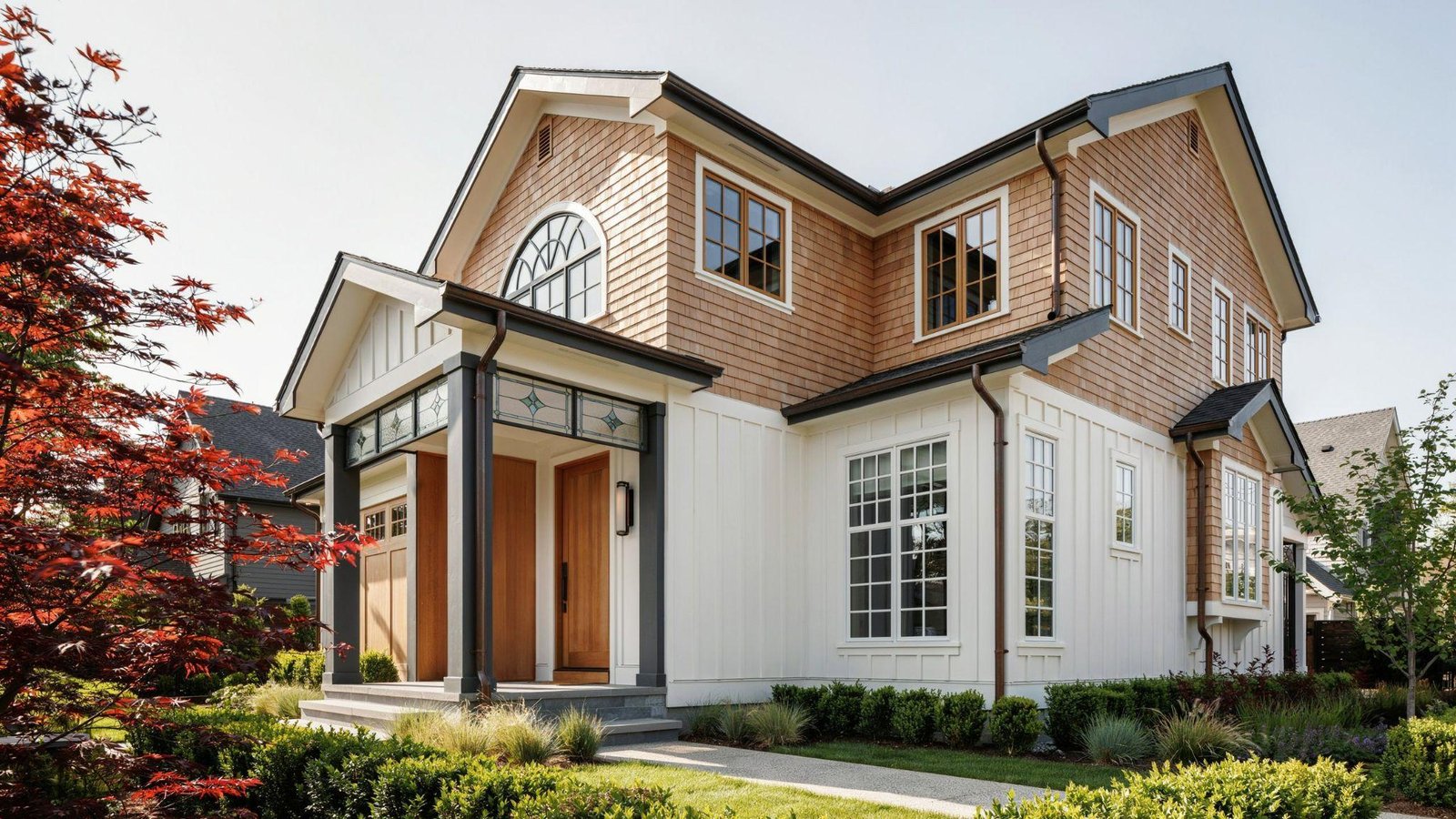
Best of all, retrofit double glazing keeps the original frame style and joinery intact, so heritage homes gain better performance without losing their character.
Retrofit Double Glazing Installation Process & Timeline
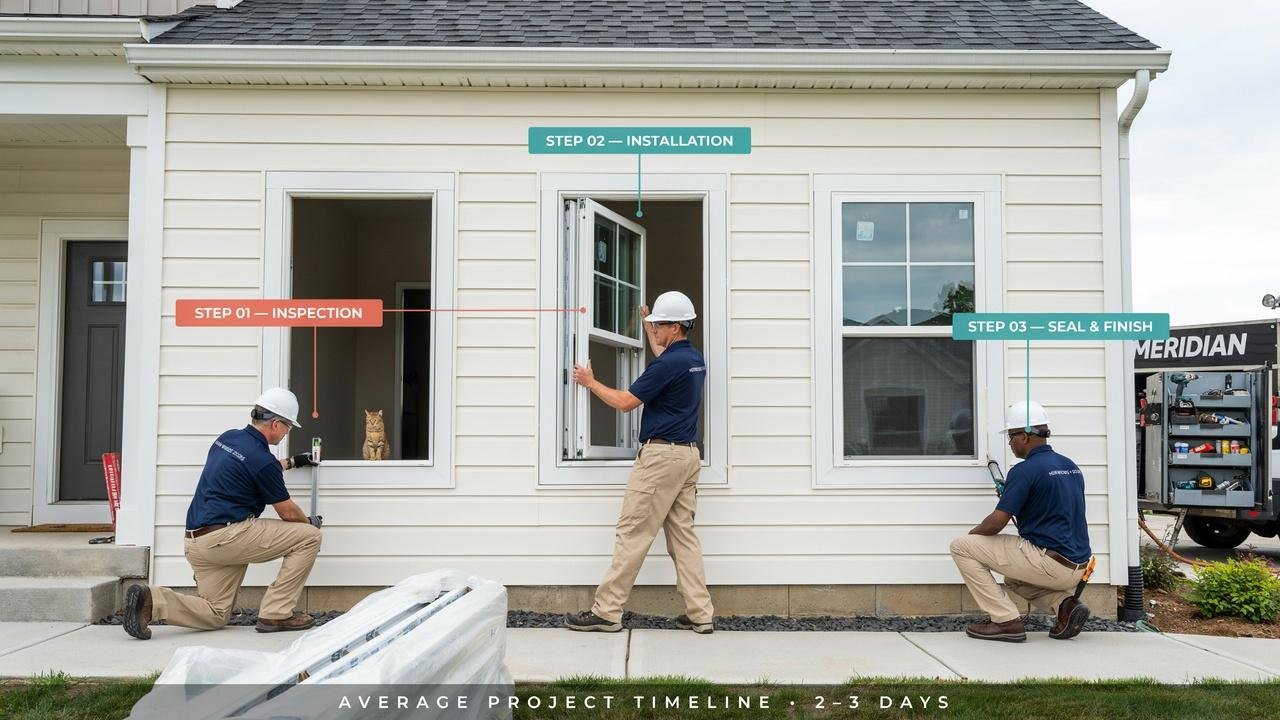
This part walks through what happens from the first consultation to the final installation, including how long the process usually takes.
Consultation, Measurement, and Planning
An installer visits your home to check window condition, frame type, and overall layout, helping decide which retrofit system fits best.
You'll also get a chance to ask about materials and pricing.
Once you move forward, exact measurements are taken for each window so the glass units fit correctly, and planning covers scheduling along with any prep work needed before installation day.
Installation Process and Timeline
On installation day, old glazing is removed, frames are adjusted if needed, and new glass units are fitted, with sealing and finishing checks done at the end of each window.
Smaller homes with fewer windows are often finished in a day, while larger homes with many windows can take several days.
Timelines also depend on frame condition and any unexpected adjustments needed on-site.
What Disruption Homeowners should Expect
Expect some noise and short periods where windows stay open during work.
Dust and debris are usually minimal, though it helps to clear furniture near the windows.
Most installers work room by room, so the rest of your home stays usable throughout the project.
Retrofit Double Glazing Tips for Homeowners
Practical advice for homeowners planning a retrofit double glazing project, from choosing a system to avoiding common mistakes.
- Compare glass thickness, frame compatibility, and seal quality across systems, and ask installers which option suits your specific frame type and climate rather than picking based on price alone.
- Check existing timber or aluminium frames for rot, warping, or rust before work begins, since a frame in poor condition may need repair first and could affect how well the new glazing performs.
- Ask your installer about warranty terms, expected timelines, how they handle frame damage found mid-project, and how cleanup and disruption are managed during the job.
- Get at least three quotes and compare what's included rather than just the total price, checking whether measuring, glass type, and labor are all covered.
- After installation, clean glass and frame edges regularly and check for gaps or moisture buildup every few months, especially after winter, to keep windows performing well for years.
Conclusion
I've walked through plenty of old homes with cold, rattly windows, and Retrofit Double Glazing always surprises people with how much warmer a room feels within days.
If your windows fog up or let in street noise, that's worth sorting out. Think about which room in your house feels coldest right now.
That's a good place to start.
Got questions about your own windows? Drop a comment below, share this with someone fixing up an older home, or check out our other guides on home insulation.
Frequently Asked Questions
How long does Retrofit Double Glazing take to Install?
Most homes with a few windows are finished within a day or two. Larger homes with more windows can take several days depending on frame condition.
Will Retrofit Double Glazing change the look of my Windows?
No, the original frame and trim stay the same since no structural replacement happens. This keeps your home's appearance unchanged while improving insulation.
Is Retrofit Double Glazing cheaper than full Window Replacement?
Yes, retrofit is generally more affordable since it works with your existing frames. Replacement costs more because it involves removing and fitting entirely new window units.
Can Retrofit Double Glazing work on older Timber Sash Windows?
Yes, sash windows can be retrofitted, though the process takes more care due to moving parts. Many older homes keep their original joinery while gaining better insulation this way.
How do I know if my Windows need to Retrofit Double Glazing?
Common signs include cold drafts, fogged-up glass, and noticeable noise from outside. Condensation between panes is another clear sign your windows need attention.