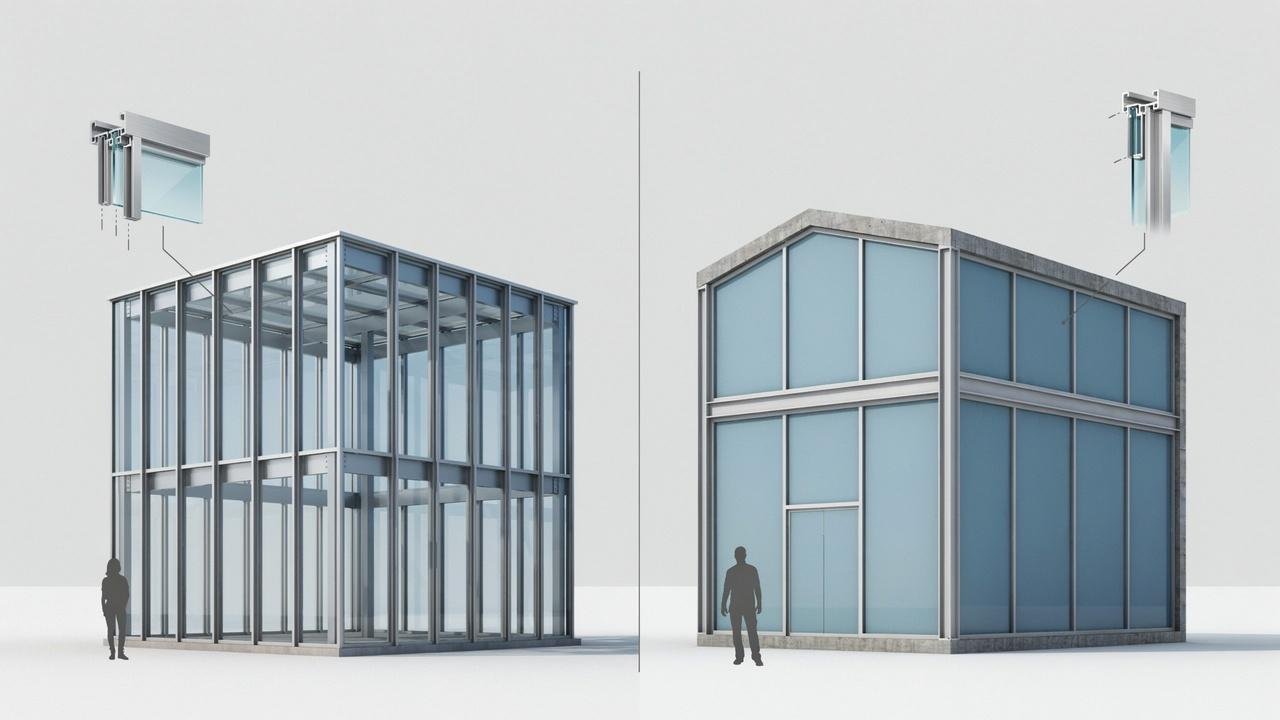
Choosing the right glass system for your building matters.
This guide breaks down the difference between curtain wall and storefront systems, two common choices for commercial buildings.
You will learn how each system works, where they fit best, and what sets them apart in cost, structure, and looks.
We built this guide after reviewing real construction projects and talking with builders who work with both systems daily.
By the end, you will know which option suits your project. We cover everything from frame depth to energy efficiency, so you can plan with confidence. No guesswork.
Just clear facts to help you choose right.
What Is a Storefront System?
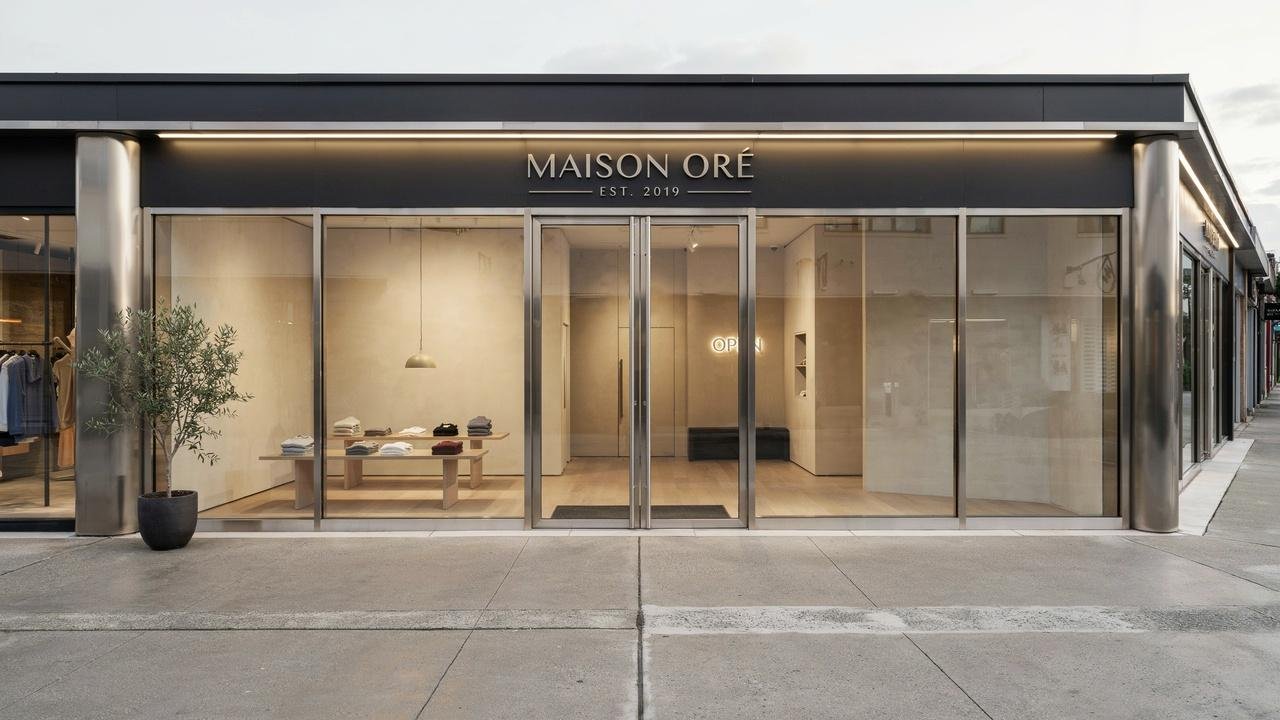
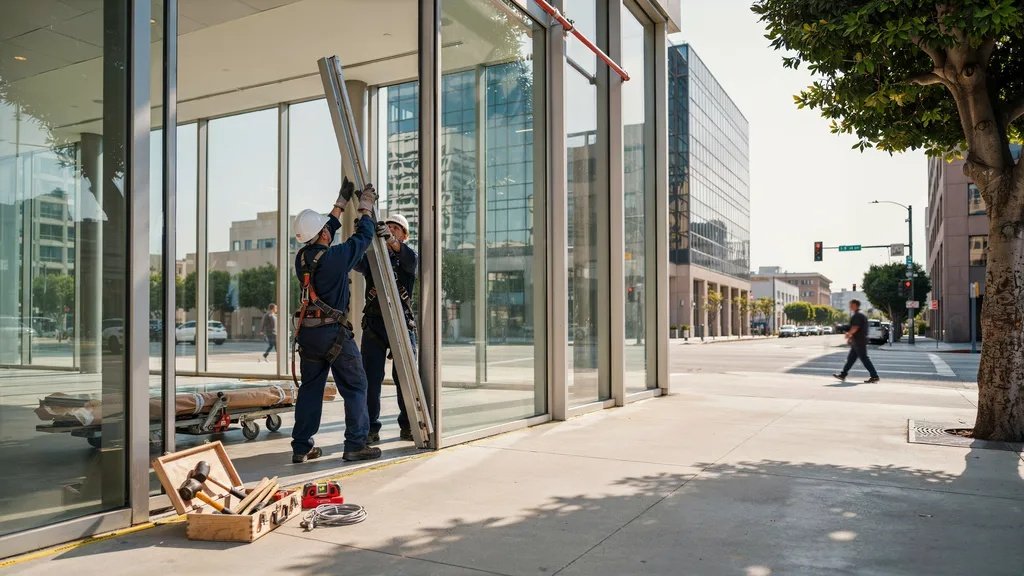
A storefront is the glass and frame setup you see at ground level on most commercial buildings.
A storefront system is a non-structural glass and frame system used on the ground floor of buildings. It holds large glass panels in place using thin aluminum frames.
Stores, restaurants, and offices use these systems for their entrances and front walls. Storefronts sit below the roofline and do not carry the weight of the building above them.
What Is a Curtain Wall System?

A curtain wall is the outer skin that wraps tall buildings in glass from floor to floor.
A curtain wall is an outer wall system that hangs from the building's structure instead of supporting it. It covers the full height of a building, floor to floor, and often spans many stories. Curtain walls are common on office towers and modern high-rises.
How a Curtain Wall System Works
Curtain walls attach to the building's frame at each floor level. The wall itself carries no structural load. It only holds its own weight and resists wind and water.
Engineers anchor it with brackets that allow slight movement during temperature changes.This movement keeps the glass and frame from cracking when the building shifts in wind or heat.
Most systems also include anchors that can be adjusted on site, which helps installers correct small gaps between floors.
Common Applications of Curtain Wall Systems
You will find curtain walls on office towers, hospitals, airports, and large institutional buildings. They suit any project that needs a tall, glass-covered exterior with strong weather protection.
Schools and government buildings also use curtain walls when they want a modern look paired with strong insulation.
Many cities now require curtain wall systems on new high-rises to meet updated energy codes.
Materials and Components of Curtain Walls
Curtain walls use aluminum frames, insulated glass units, and sealants. Some systems add stone or metal panels between glass sections.
Gaskets and weatherproofing seals keep water and air out. Builders often choose double or triple-pane glass for better insulation in colder regions.
The aluminum frames get a special coating to resist corrosion and handle years of sun and rain.
Advantages of Curtain Wall Systems
Curtain walls offer strong weather resistance, better insulation, and the ability to cover tall buildings.
They also allow large amounts of natural light and a clean exterior look. Many building owners also see lower long-term energy bills because of the improved thermal performance.
The reduced need for interior lighting during the day adds up to real savings over time.
Difference Between Curtain Wall and Storefront

Here is a side-by-side look at how these two systems stack up against each other.
The two systems serve different purposes. Storefronts work for ground-level walls, while curtain walls handle full building heights and heavier weather demands.
| Feature | Storefront System | Curtain Wall System |
| Building height | Ground floor only | Multiple floors, full height |
| Structural role | Sits on the building structure | Hangs from building frame |
| Frame depth | Thinner, shallow frames | Deeper, heavier frames |
| Glass area | Moderate glass coverage | Large, continuous glass coverage |
| Water drainage | Basic drainage system | Advanced multi-layer drainage |
| Installation | Simple, faster installation | Complex, needs skilled crews |
| Energy efficiency | Standard insulation | Higher thermal performance |
| Cost | Lower upfront cost | Higher upfront cost |
Building Height and Size Capabilities
Storefronts work for single-story entrances. Curtain walls handle buildings with many floors and large façades.
Most storefronts max out around 12 to 14 feet in height before they need extra structural support. Curtain walls, on the other hand, can rise dozens of stories without added support from the floor below.
Structural Design and Load Requirements
Storefronts sit inside the structural opening. Curtain walls attach to the frame and carry their own weight across floors.
Since storefronts rely on the surrounding wall for support, they need a solid opening already built into the structure.
Curtain walls instead transfer their own weight directly to the building's floor slabs at each level.
Frame Depth and Thickness
Storefront frames stay thin since they cover smaller spans. Curtain wall frames run deeper to handle wind loads and height.
Storefront frames typically run between 1 and 2 inches deep, while curtain wall frames can reach 4 to 8 inches depending on the building's height and wind exposure.
Glass Area and Visibility
Curtain walls often use larger, continuous glass panels. Storefronts use moderate-sized panels split by frame sections.
This gives curtain walls a smoother, more open look from outside, while storefronts show more visible framing between each glass section.
Water Drainage and Weather Resistance
Curtain walls include advanced drainage chambers to handle heavy rain and wind. Storefronts use simpler drainage built for lower exposure.
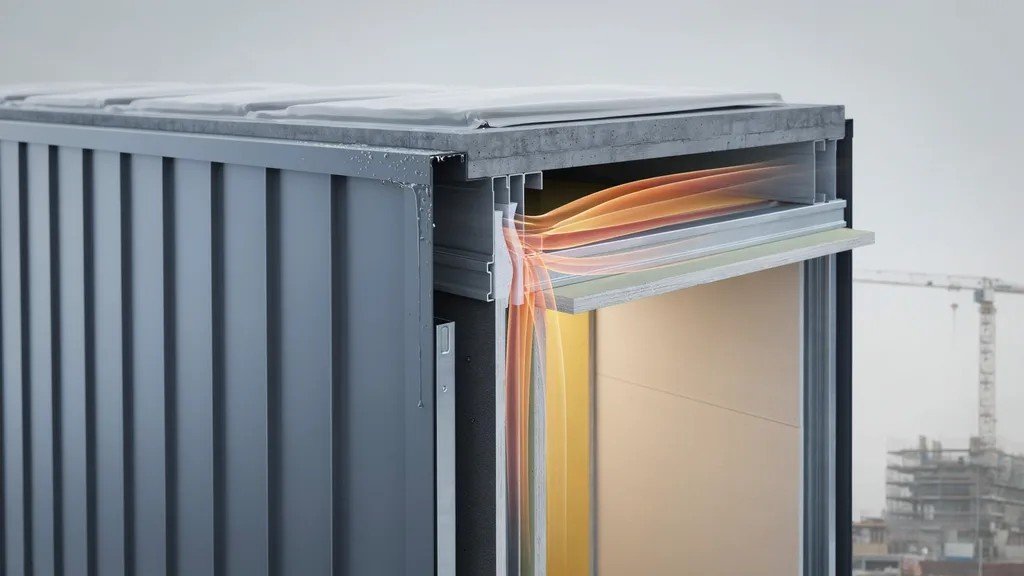
Curtain wall systems often use a pressure-equalized design that pushes water back out through weep holes.
Storefronts rely on basic sloped sills since they face less direct wind and rain at ground level.
Installation Process and Complexity
Storefront installation moves faster and needs fewer specialized crews. Curtain wall installation takes longer and requires trained installers.
A storefront can often go up in a few days with a small team, while curtain wall installation may take weeks and needs cranes, scaffolding, and certified glaziers.
Energy Efficiency and Thermal Performance
Curtain walls offer better thermal breaks and insulation for tall buildings. Storefronts meet basic energy codes for smaller spaces.
Curtain walls use thermal break technology that separates the inside and outside metal, cutting down heat transfer.
Storefronts can add similar features, but they are less common since the smaller glass area limits the impact.
Cost Comparison
Storefronts cost less per square foot. Curtain walls cost more due to materials, engineering, and labor.
On average, storefront systems run lower because of simpler frames and faster installs, while curtain walls require custom engineering, specialized crews, and higher-grade materials that raise the total project cost.
Curtain Wall vs Storefront: Visual Appearance Differences

Looks matter when choosing a facade system, and curtain walls and storefronts create very different visual effects.
Curtain walls give tall buildings a sleek, glass-heavy appearance with large, continuous panels that reflect light and changing weather conditions, making the exterior look modern and dynamic.
Many systems also use structural silicone glazing to minimize visible framing and create a smooth, uninterrupted glass surface.
Storefronts, by comparison, have a simpler, clean appearance with smaller glass panels and more visible aluminum frames, making them a practical choice for ground-level retail spaces and commercial entrances.
While architects often select curtain walls for office towers, institutional buildings, and mixed-use developments that need a striking architectural statement, storefront systems remain a popular option for shops, restaurants, and smaller commercial properties that prioritize functionality, visibility, and cost-effectiveness.
When Should You Choose a Storefront?
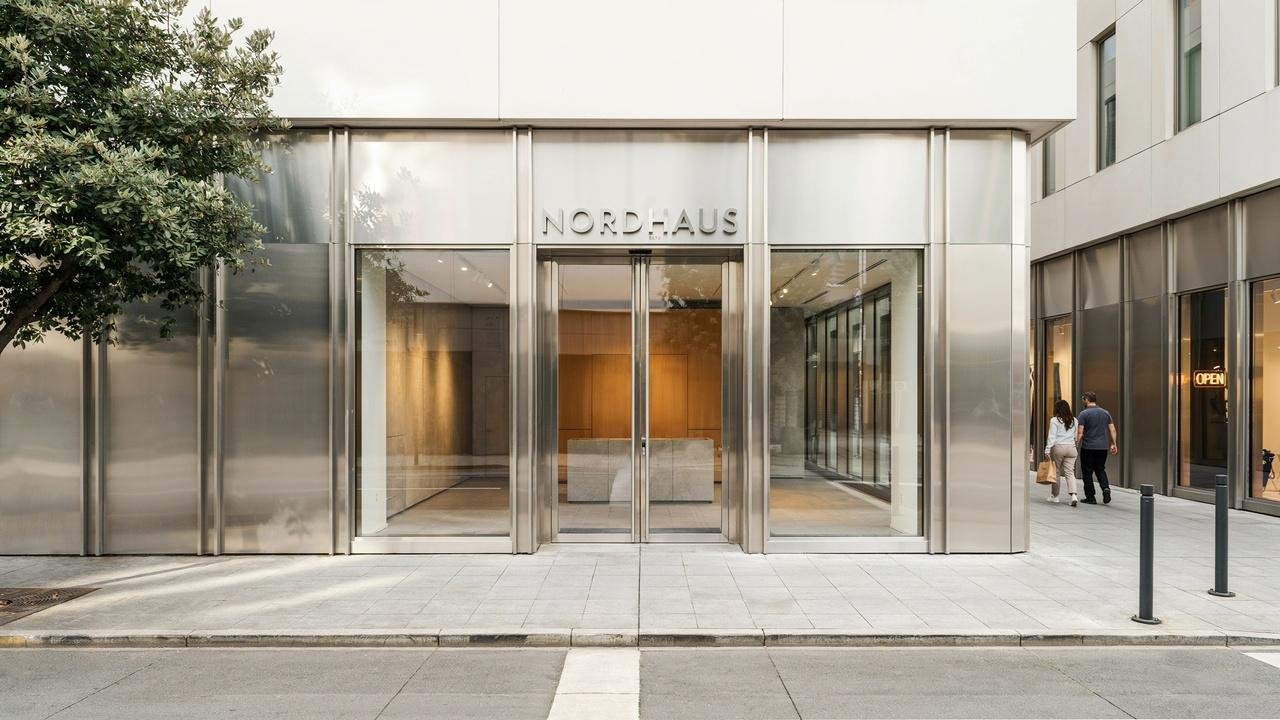
A storefront makes sense for smaller, ground-level projects with tighter budgets.
Best Uses for Ground-Level Commercial Spaces
Storefronts work well for shops, cafes, and offices on the first floor.
They give tenants a clear, open entrance that draws in foot traffic without needing complex engineering.
Budget-Friendly Projects
If your budget is tight, storefronts cost less and install faster.
Smaller businesses often choose storefronts for this reason, especially when working with a fixed renovation budget.
Retail Stores and Building Entrances
Storefronts give retail spaces an open, welcoming entrance without high costs.
Many shopping centers use storefront systems across multiple units to keep a consistent look at a reasonable price.
When Should You Choose a Curtain Wall?

A curtain wall fits projects that need height, glass coverage, and strong performance.
Multi-Story and High-Rise Buildings
Choose a curtain wall if your project spans several floors or more.
Buildings above four or five stories almost always need a curtain wall to handle wind loads safely.
Projects Requiring Large Glass Facades
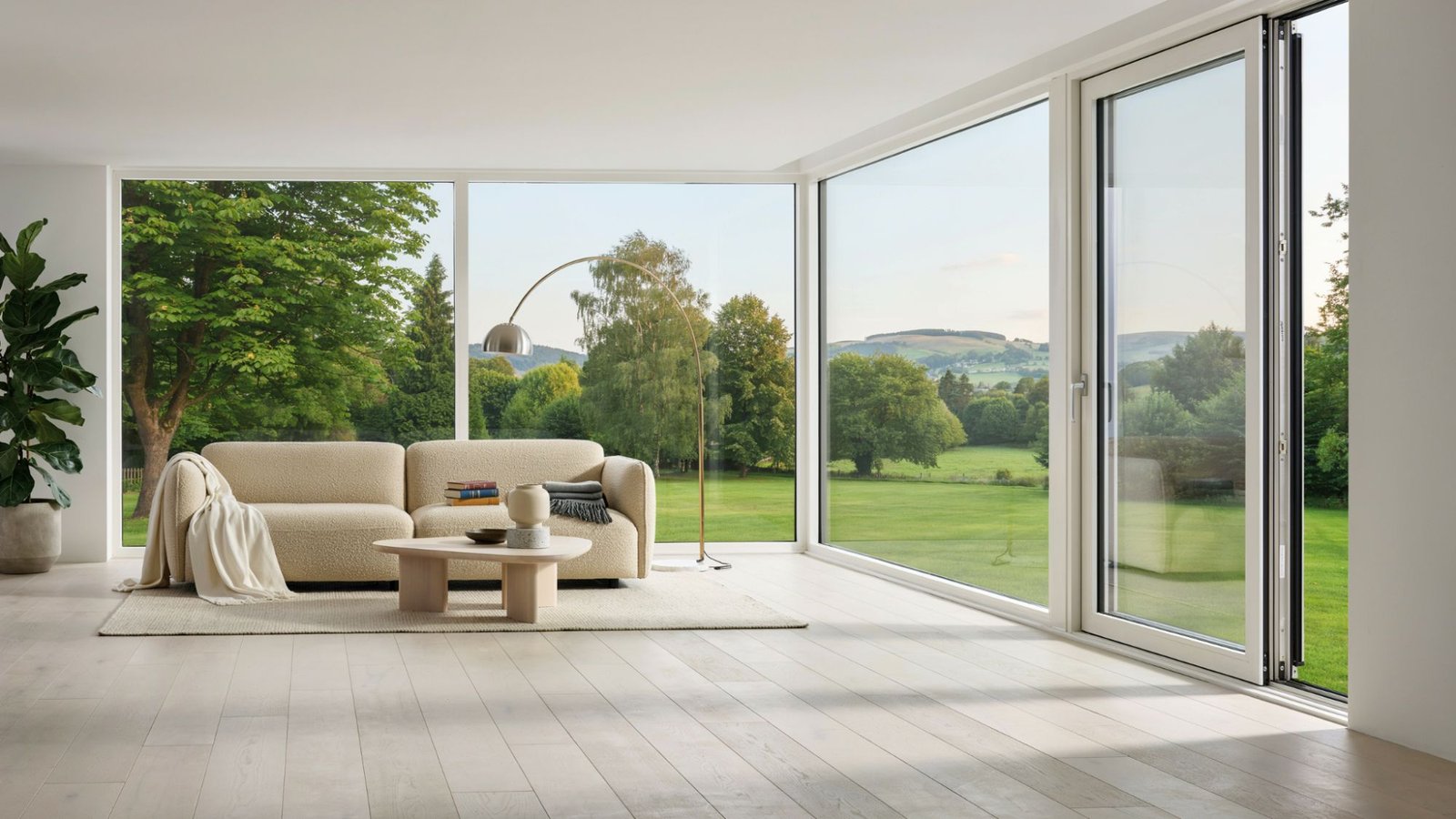
If you want a building covered mostly in glass, curtain walls fit best.
They support large, uninterrupted glass spans that storefronts cannot match at greater heights.
Buildings Focused on Modern Design and Performance
Curtain walls suit projects that need strong energy performance and a modern look.
Developers often pick curtain walls when sustainability ratings or green building certifications are part of the project goals.
Common Misconceptions About Curtain Walls and Storefronts
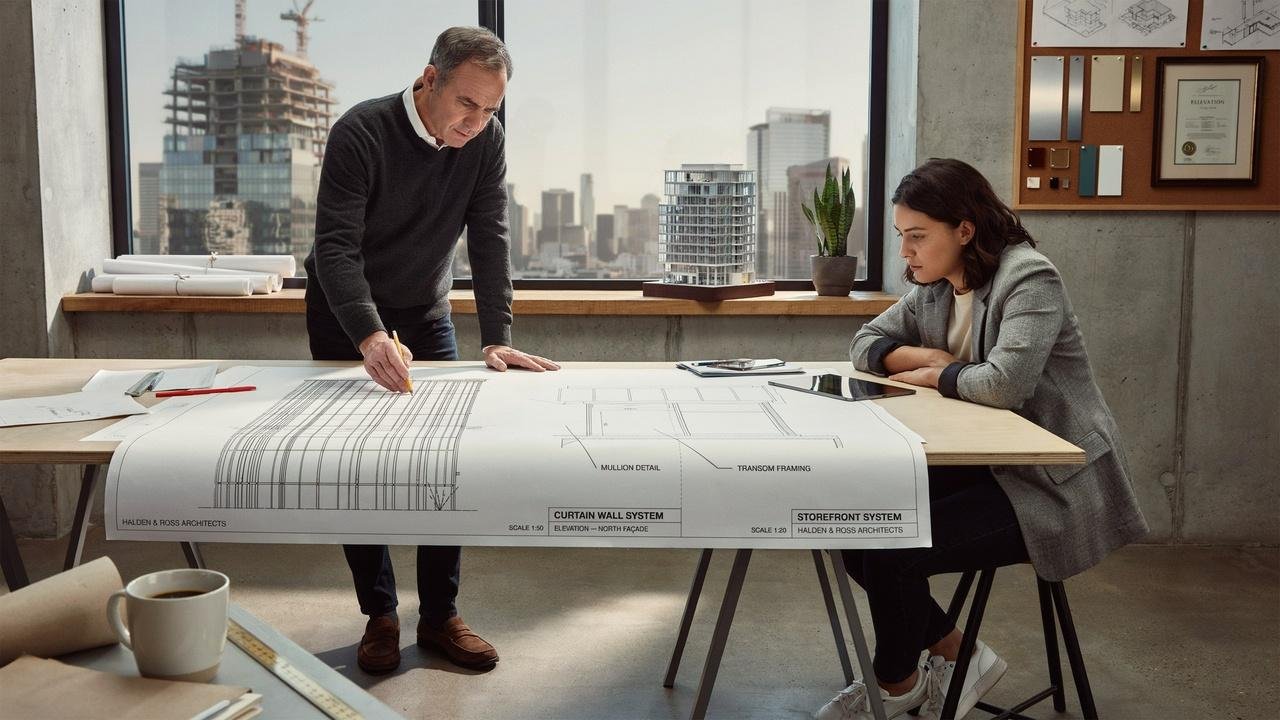
A few myths about these systems trip up even experienced planners.
Are Curtain Walls Structural?
No. Curtain walls do not support the building. They only carry their own weight and resist weather.
The actual structural support comes from the building's steel or concrete frame behind the wall.
Can Storefront Systems Be Used on Tall Buildings?
No. Storefronts only work on the ground floor. They cannot handle the loads or heights of taller structures.
Using a storefront above the first floor would expose the system to wind and pressure it was never built to handle.
Is a Curtain Wall Always the More Expensive Choice?
Usually, yes. Curtain walls cost more due to materials and labor, but they offer benefits storefronts cannot match on tall buildings.
In some cases, the long-term energy savings from a curtain wall can offset part of that higher upfront cost.
Tips for Choosing Between a Curtain Wall and Storefront
A few quick pointers can help you avoid costly mistakes during planning.
- Match the system to the building height.
- Consider your budget early in the planning process.
- Evaluate weather exposure and drainage requirements.
- Think about the desired appearance of the building.
- Plan for long-term energy efficiency and maintenance.
Conclusion
Picking between a curtain wall and storefront comes down to your building's height, budget, and goals.
I have seen projects struggle when the wrong system gets chosen early on, so take your time here.
If you are building a small shop, a storefront might serve you well. Planning something taller? A curtain wall could be your answer.
Drop a comment with your project details, and check out our other guides on glass systems for more help.
Frequently Asked Questions
What is the main difference between a curtain wall and a storefront?
A curtain wall covers full building heights and hangs from the structure. A storefront sits on the ground floor and supports only its own glass panels.
Can curtain walls be used on small buildings?
Yes, but they are usually not cost-effective for small or single-story buildings. Storefronts work better for smaller projects.
Do storefront systems offer good insulation?
Storefronts meet basic energy codes but offer less insulation than curtain walls. They work fine for smaller, climate-controlled spaces.
Which system costs less to install?
Storefront systems cost less due to simpler materials and faster installation. Curtain walls need more labor and higher-grade materials.
Are curtain walls harder to maintain than storefronts?
Yes, curtain walls need more upkeep due to their size and complex drainage systems. Storefronts are easier to inspect and repair.