Picking the right outer covering for a building can feel confusing. There are so many options, and one wrong choice can cost you time and money.
This cladding materials guide is here to help you understand your options clearly.
I have spent years looking at building exteriors and talking to contractors, and I want to share what actually works.
In this post, you will learn what cladding materials are, the different types available today, how they perform, and how to pick the right one for your project.
By the end, you will feel confident making this decision for your home or building.
Understanding Cladding Materials
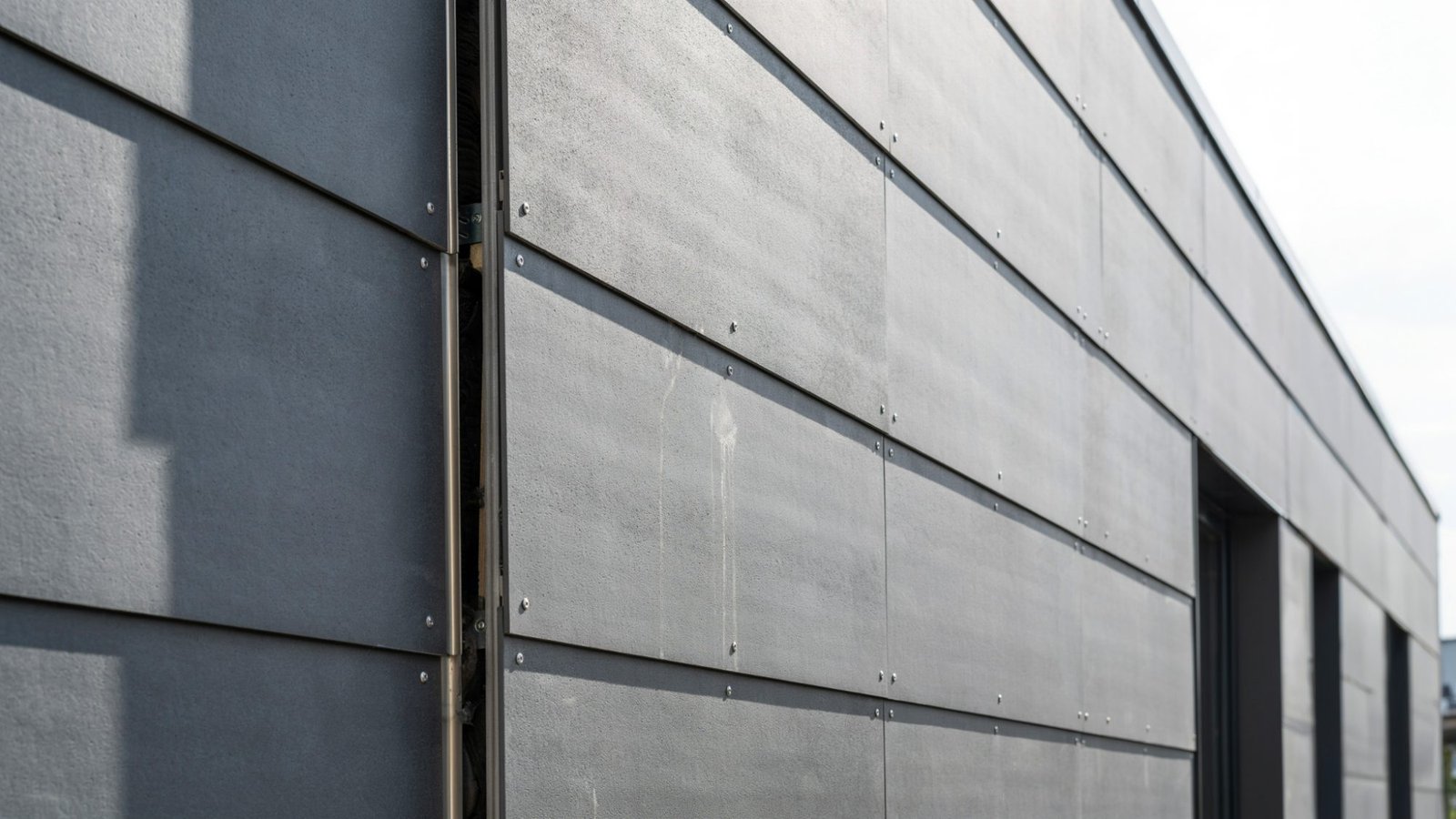
Cladding is a protective outer layer fixed to a building's structure to guard it against weather and damage. It works like a shield over the main structure, whether that is brick, concrete, or another base material.
This layer stops rain, wind, and sun from hitting the core directly, which helps the building last longer and keep its finish.
Modern builders also use cladding for more than protection. It supports indoor temperature control, cuts down outside noise, and blocks moisture from reaching the structure.
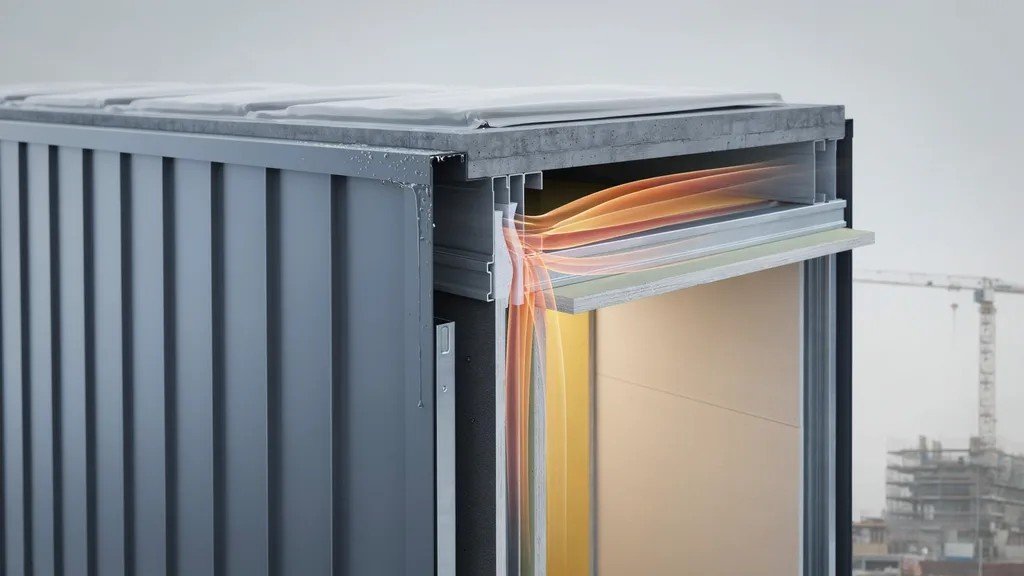
Many systems include a small air gap behind the panels, allowing airflow that lets the wall breathe and lowers the risk of mold over time. This makes cladding both functional and practical.
Types of Cladding Materials Used Today
Modern buildings use several cladding types, each offering different looks, costs, and levels of protection.
Vinyl (PVC) Cladding
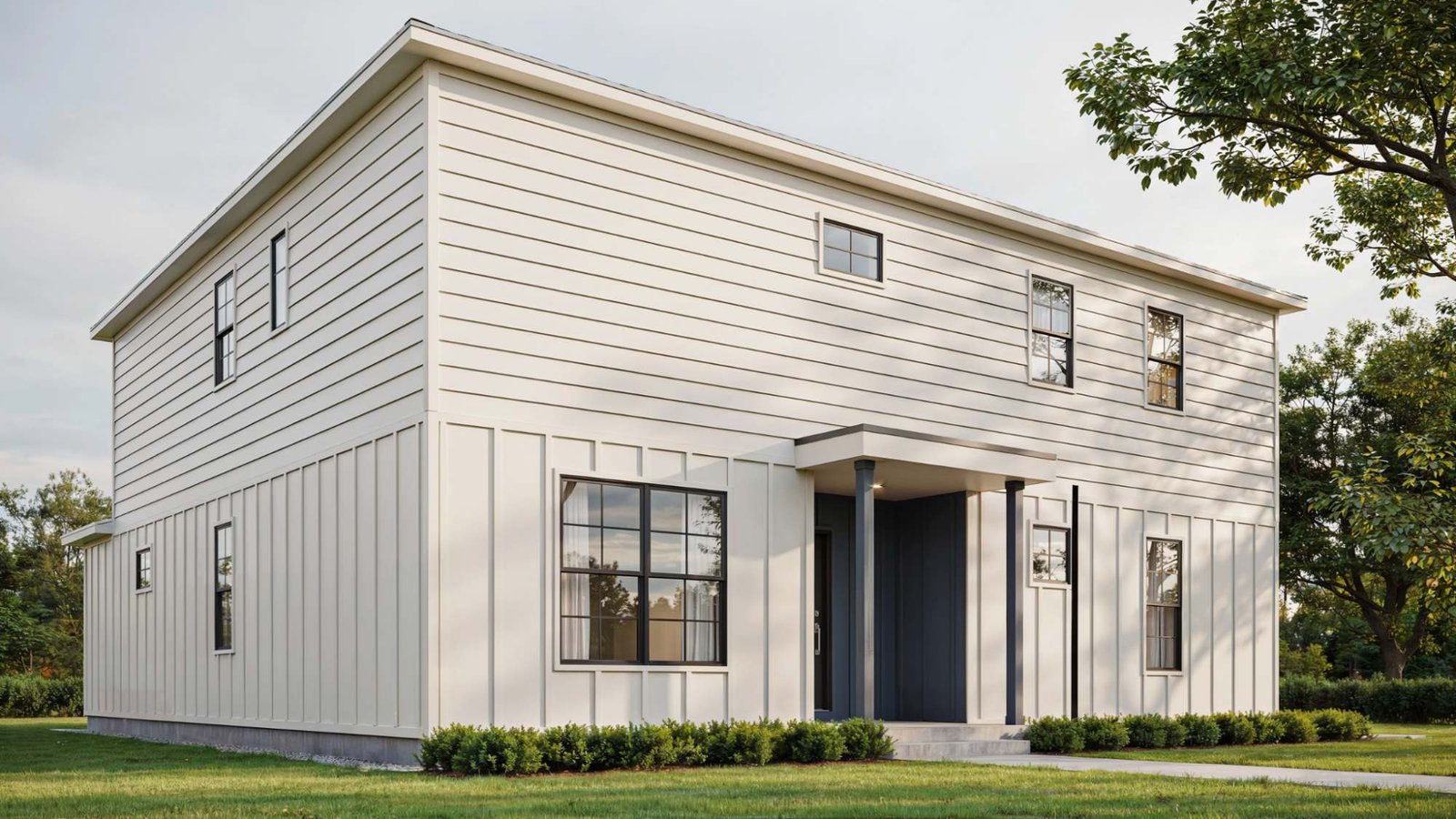
Vinyl cladding is a budget-friendly option known for being lightweight and simple to install.
Vinyl, also called PVC cladding, is one of the most common choices for homes. It comes in many colors and styles.
It does not rot or rust, and it handles moisture well. The main downside is that it can crack in very cold weather if hit hard.
Composite (WPC) Cladding
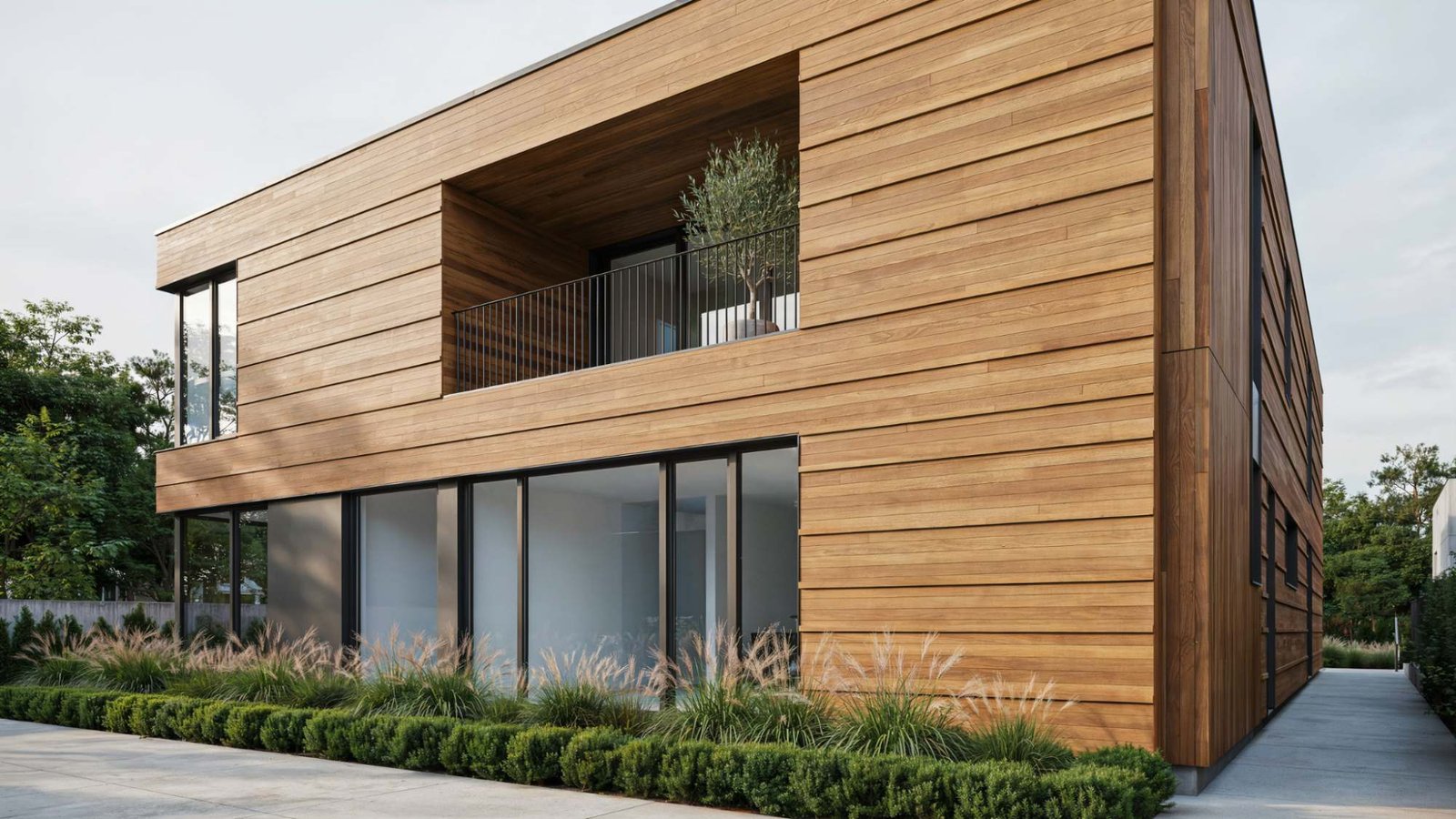
Composite cladding mixes wood fibers and plastic to create a strong, low-maintenance panel.
WPC cladding gives you the warm look of wood without the constant upkeep. It resists rot, insects, and moisture better than real wood.
It costs more than vinyl but lasts longer and needs less care over the years.
Metal Cladding
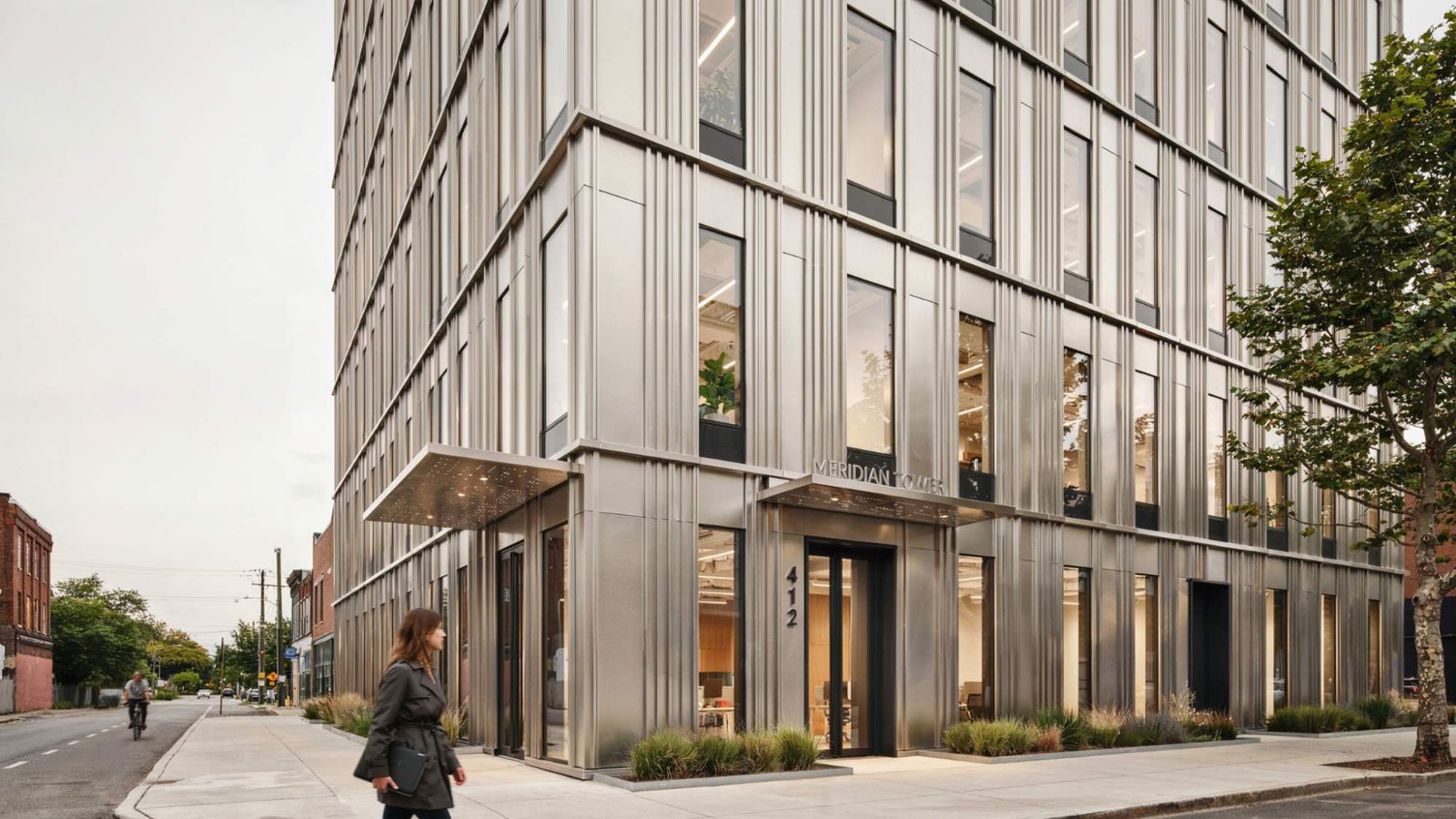
Metal cladding uses aluminum, steel, or zinc panels for a strong and modern building exterior.
Metal panels are tough and fire resistant. They work well for commercial buildings and homes with a clean, modern style.
Aluminum is lighter and resists rust naturally. Steel is stronger but needs a protective coating to avoid corrosion.
HPL Cladding
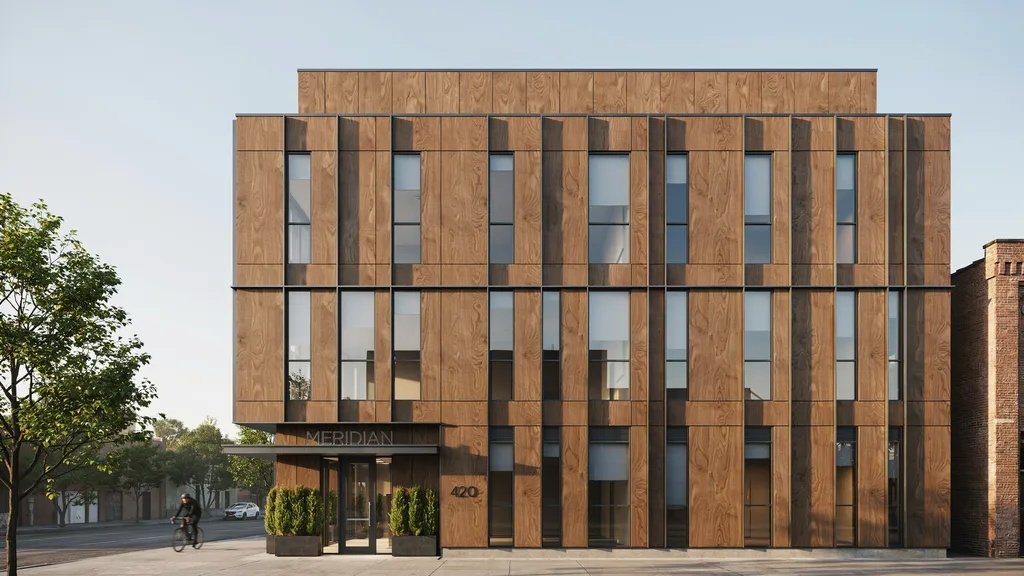
HPL cladding uses high pressure laminate panels that resist weather, fire, and impact damage.
High Pressure Laminate panels are made by pressing layers of paper and resin together under heat. This process makes them very dense and tough.
HPL panels come in many finishes, including wood and stone patterns, and they hold their color well over time.
Brick, Stone, and Ceramic Cladding
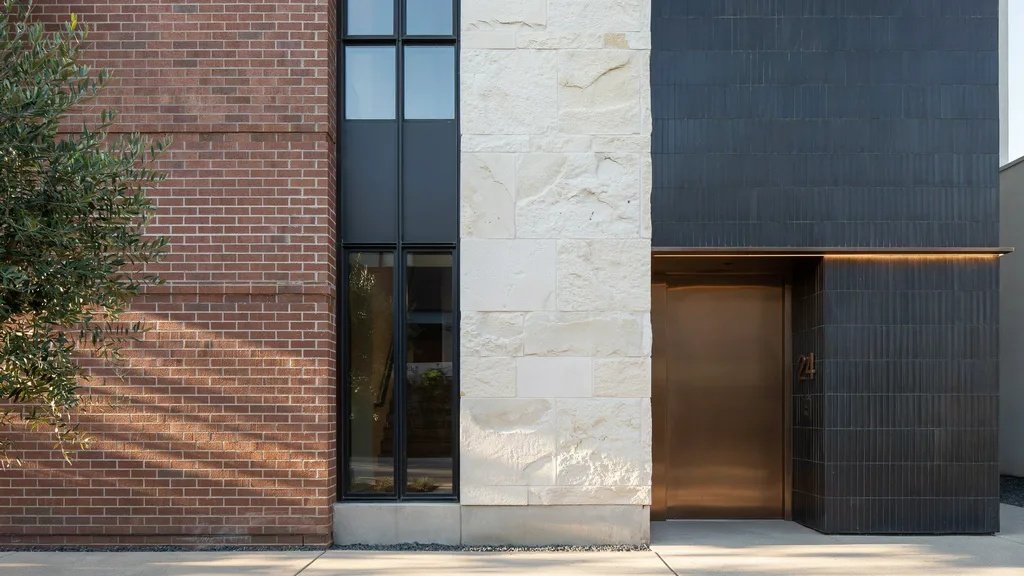
These traditional materials offer a classic look with strong durability and minimal upkeep needs.
Brick, stone, and ceramic cladding have been used for centuries. They are heavy, so they need proper structural support.
The benefit is that they last for decades and barely need maintenance. They also handle fire and heat very well.
Advanced Technology Behind Modern Cladding Materials
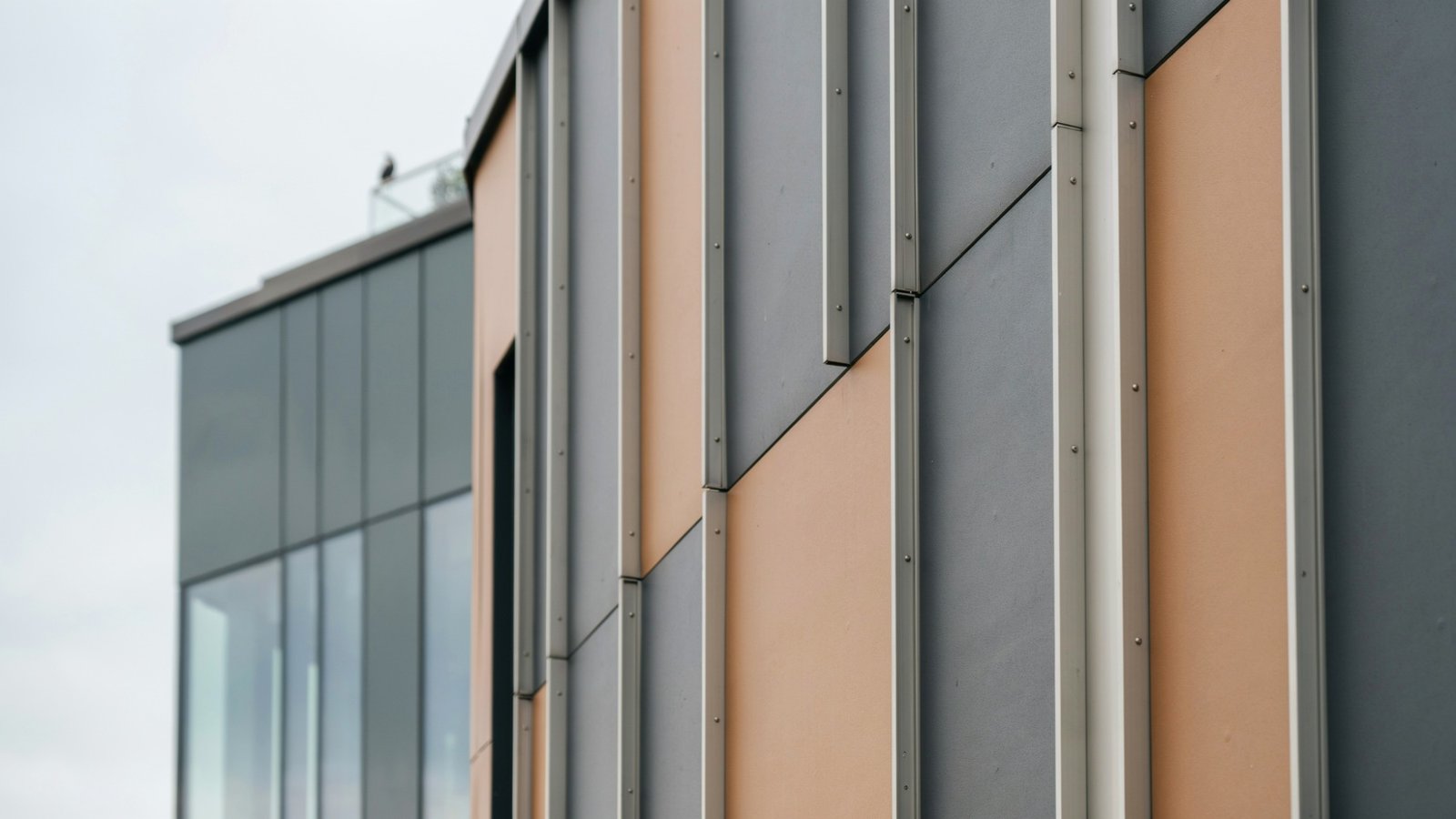
New manufacturing methods make today's cladding stronger, safer, and better at resisting weather damage.
Innovations in PVC and Composite Cladding
New manufacturing methods make PVC and composite panels stronger, lighter, and more color stable.
Manufacturers now add UV stabilizers and special coatings during production. This helps panels resist fading and warping.
Some composite products also use recycled materials, which makes them a greener choice without losing strength.
UV Resistance and Weatherproof Engineering
Modern cladding uses coatings and additives that block sun damage and resist water absorption.
Sun exposure can fade and weaken many materials over time. Today's cladding products use special coatings that reflect UV rays.
This keeps the color fresh for years and stops the material from becoming brittle or weak.
Fire, Moisture, and Impact Protection Features
Newer cladding panels include built-in fire ratings, moisture barriers, and impact-resistant layers.
Safety codes have pushed manufacturers to build better protection into their products. Many panels now carry fire safety ratings required by local building codes.
Moisture barriers behind the panels also stop water from seeping into the wall structure.
Performance Comparison of Cladding Materials
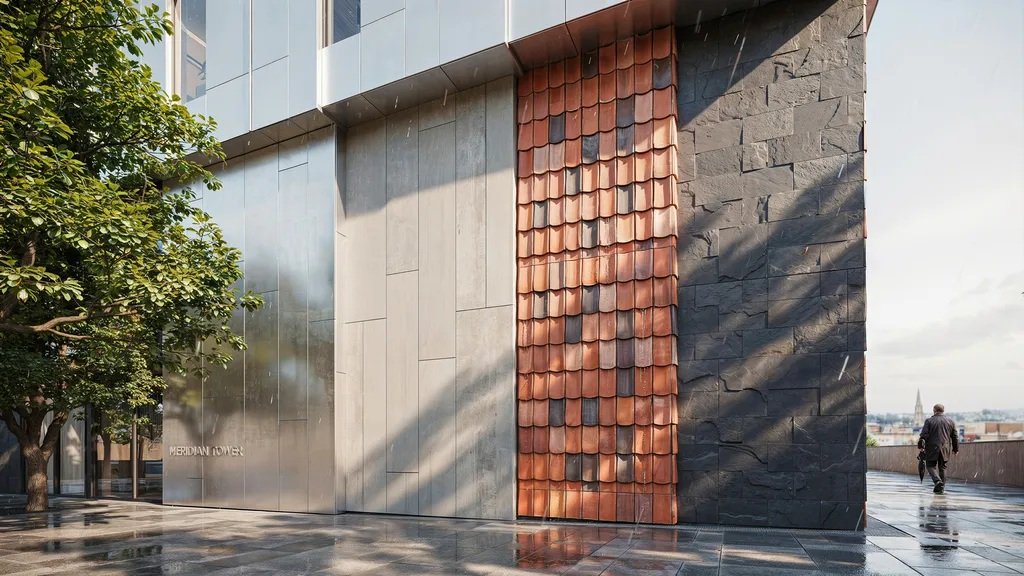
Comparing materials by lifespan, upkeep, and cost helps you pick the best fit for your project.
Durability and Lifespan
Different materials offer different lifespans, ranging from 15 years to over 50 years.
Vinyl typically lasts 20 to 30 years. Metal and HPL can last 30 to 40 years with proper care.
Brick and stone can last over 50 years, making them a long-term investment for any property owner.
Thermal and Acoustic Insulation
Some cladding materials add extra insulation, lowering energy bills and reducing outside noise.
Composite and certain metal systems include foam backing for better insulation. This helps keep indoor temperatures steady and reduces heating and cooling costs.
It also blocks outside noise, which matters in busy areas.
Maintenance Requirements
Maintenance needs vary widely, from yearly cleaning to almost no upkeep at all.
Vinyl needs occasional washing to remove dirt. Wood-look composites may need resealing every few years. Brick and stone need almost no maintenance besides the occasional repointing of mortar joints.
Cost and Installation Factors
Material cost, labor, and project size all affect the final price of cladding installation.
Vinyl is usually the cheapest option upfront. Metal and HPL cost more but offer longer life. Brick and stone are the most expensive due to material weight and labor-intensive installation.
Choosing the Right Cladding Materials for Your Project
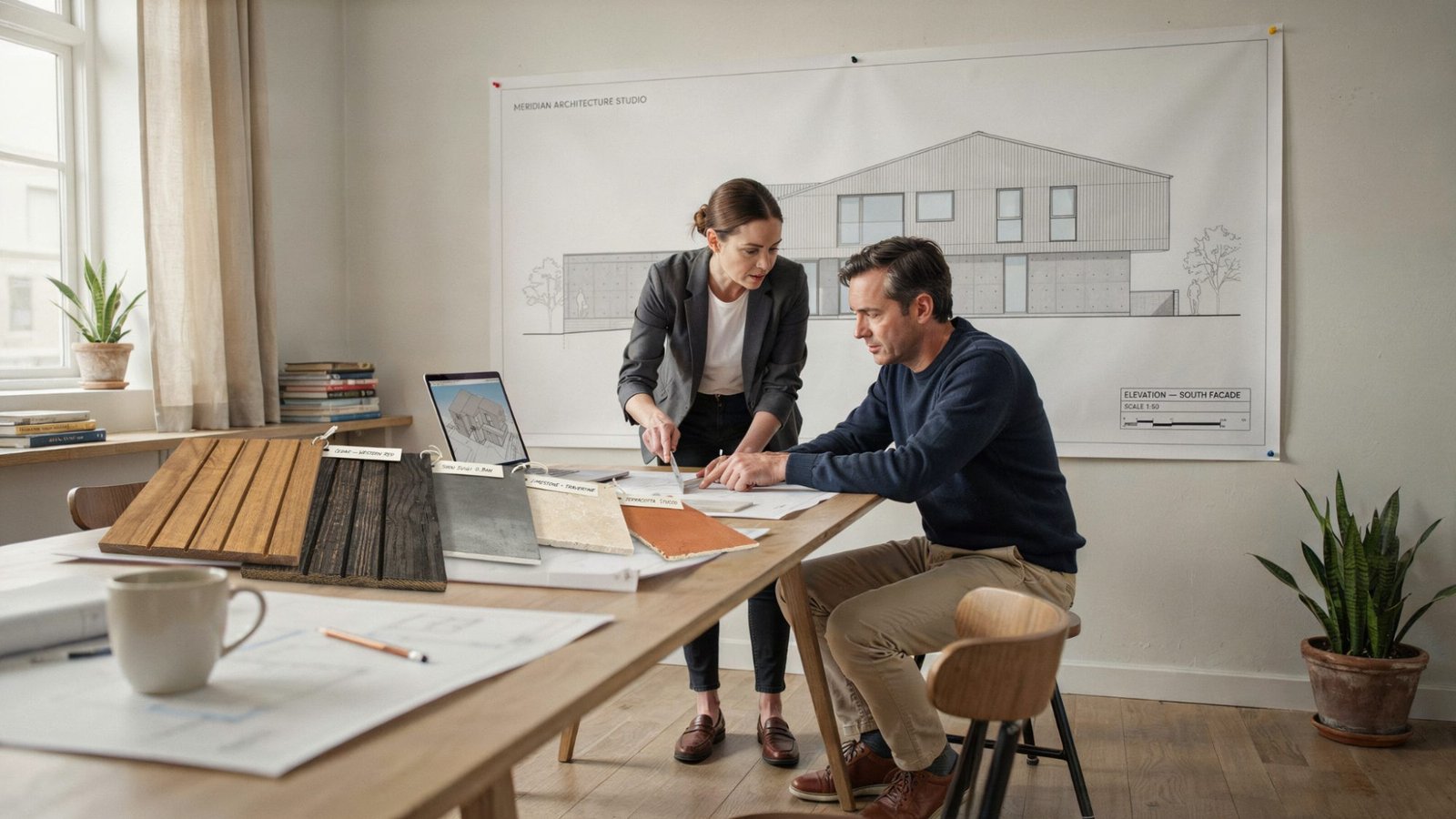
Climate, building type, and budget all play a role in finding the right cladding fit.
Based on Climate Conditions
Climate plays a big role in deciding which cladding material will perform best long term.
Coastal areas need materials that resist salt and moisture, like aluminum or vinyl. Cold climates need materials that handle freeze and thaw cycles well, such as fiber cement or metal.
Based on Building Type
Commercial and residential buildings often need different cladding solutions based on size and use.
Large commercial buildings often use metal or HPL panels for speed of installation and fire safety. Homes often lean toward vinyl, composite, or brick for a warmer, personal feel.
Based on Design Goals and Budget
Your design vision and budget together determine which cladding option makes the most sense.
If the budget is tight, vinyl or composite gives good value. If long-term value matters more, brick, stone, or metal may be worth the higher upfront cost.
Tips for Selecting Cladding Materials
A few smart checks before you buy can save money and trouble later on.
- Check how the material handles your local heat, cold, rain, and wind before deciding, since looks alone won't tell you how it performs outdoors
- Avoid choosing a material based only on photos, since real performance depends on local weather, sunlight exposure, and how the surface ages over time
- Ask the supplier how often the material needs cleaning, painting, or sealing, since some options demand yearly attention while others need almost none
- Compare maintenance costs over a 10 year period instead of focusing only on the upfront price, since cheaper materials can cost more later
- Pick materials made with recycled content or ones that can be recycled later, since this lowers waste and supports better long-term building quality
Conclusion
Choosing cladding materials does not have to feel overwhelming. I have walked through this same decision myself, and a little research goes a long way.
You now know the types, the technology, and how to match a material to your climate and budget. Try applying these tips to your next project, big or small.
If this helped you, drop a comment below or share it with a friend who is planning a build. I would love to hear what you choose.
Frequently Asked Questions
What is the most affordable cladding material?
Vinyl cladding is generally the most affordable option. It also requires low maintenance and installs quickly.
How long does metal cladding last?
Metal cladding typically lasts 30 to 40 years with proper care. It also resists fire and pests well.
Is composite cladding better than wood?
Composite cladding resists rot and insects better than real wood. It needs less upkeep over time too.
Can cladding improve energy efficiency?
Yes, cladding with insulation backing helps reduce heating and cooling costs. It keeps indoor temperatures more stable.
What factors affect cladding cost?
Material type, building size, and labor all affect cost. Brick and stone usually cost more than vinyl or metal.