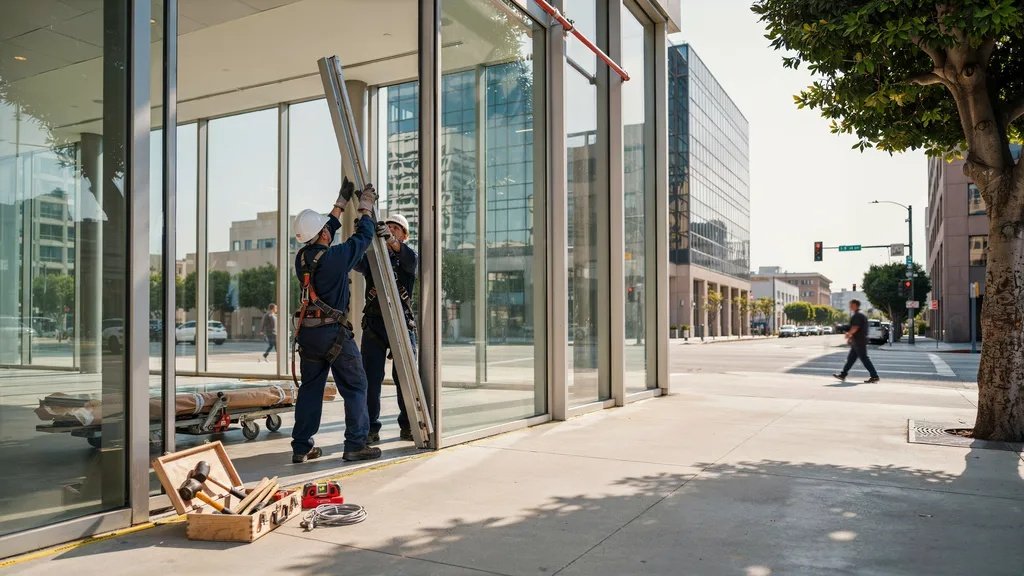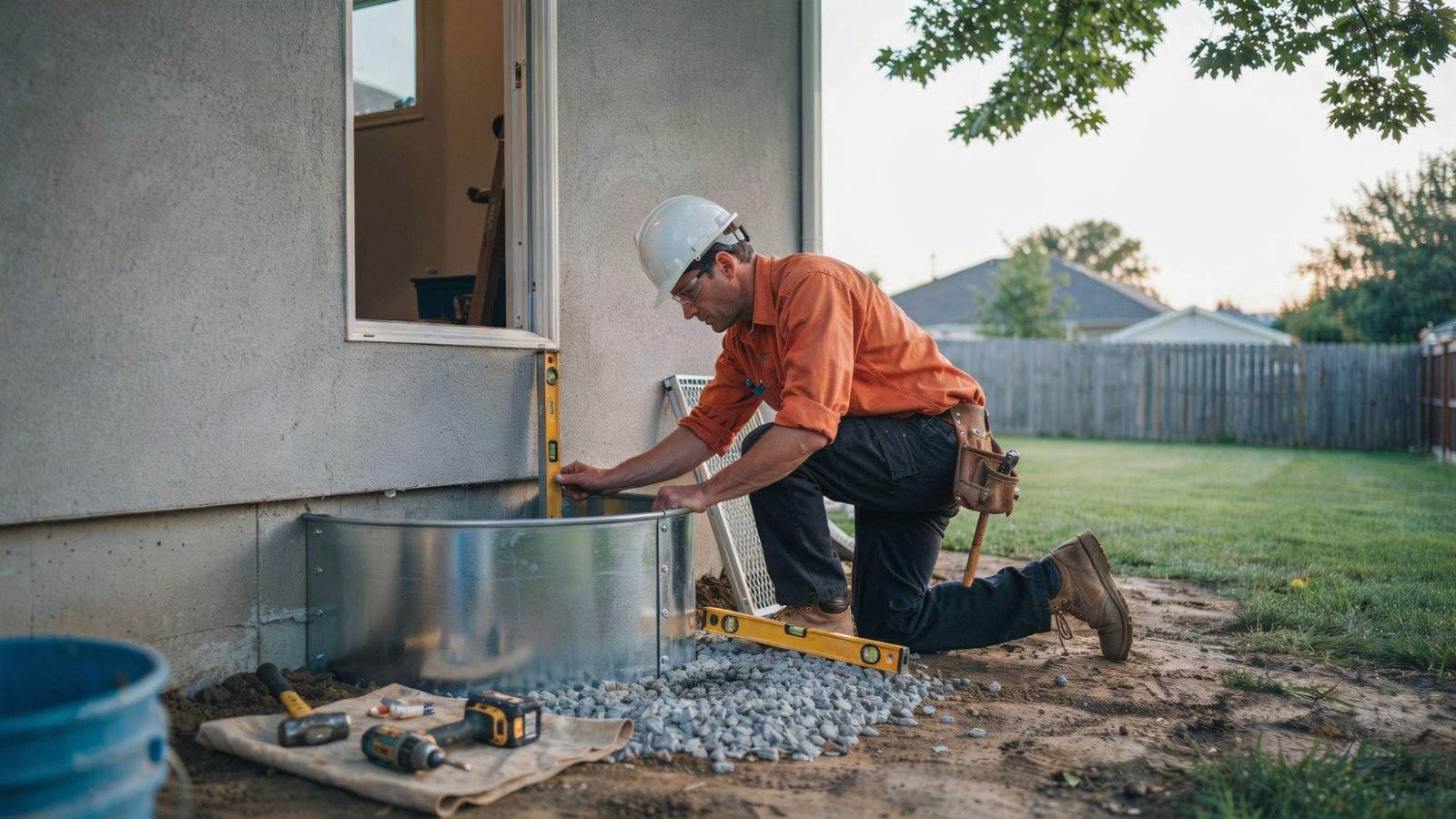

I have walked through hundreds of buildings checking for leaks, drafts, and hidden damage. That hands-on work taught me one thing.
Building Envelope Testing is the only real way to know how a structure performs against air, water, and weather.
In this guide, I will walk you through what this testing involves, why it matters, the methods used, and how to pick the right testing partner.
You will learn how to spot problems early and avoid costly repairs later. I have seen small leaks turn into big damage when testing gets skipped.
My goal here is simply to give you clear, honest answers so you can protect your building with confidence.
What Is Building Envelope Testing?
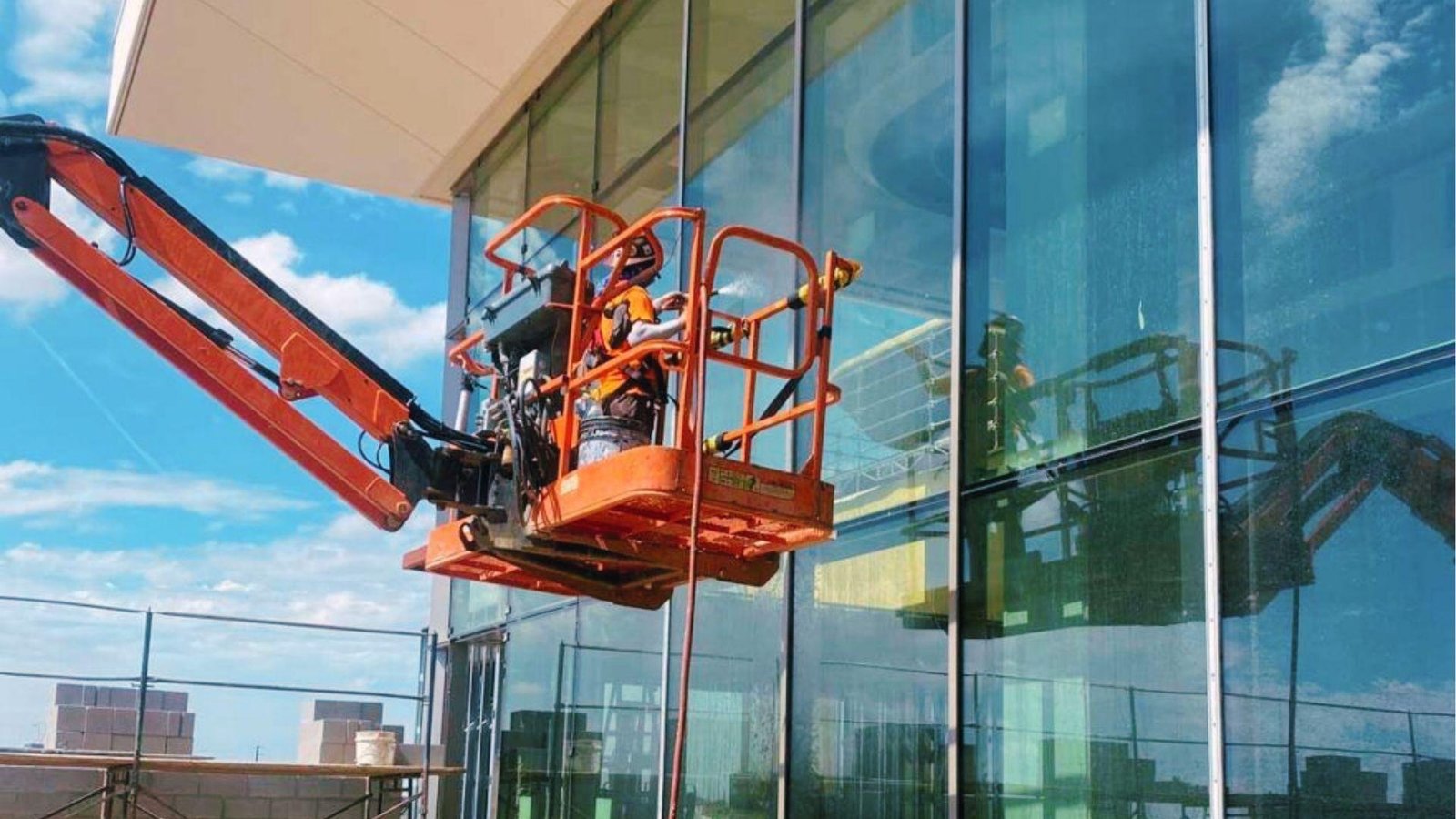
Building Envelope Testing checks how well a building's outer shell resists air, water, and heat transfer.
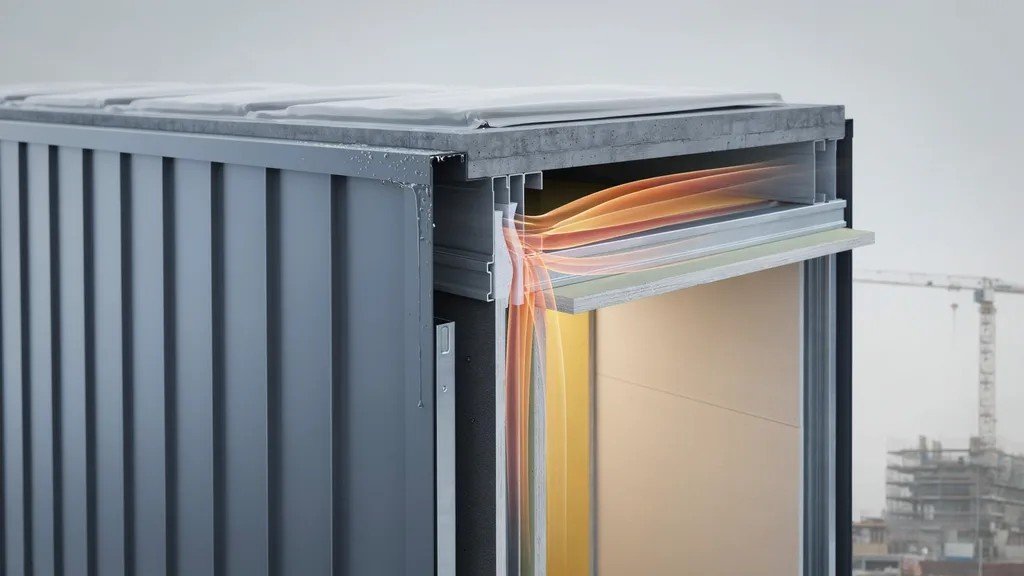
This shell, known as the building envelope, includes walls, roofs, windows, doors, and foundations that separate the inside from the outside.
Testing this envelope matters because it finds weak points before they turn into leaks or energy loss.
It also gives owners proof that a building performs the way it was designed to.
The main goals of this testing are checking air tightness, water resistance, structural strength, and thermal control.
Together, these goals protect comfort, safety, and the long term health of the building.
Why Building Envelope Testing Matters for Modern Buildings
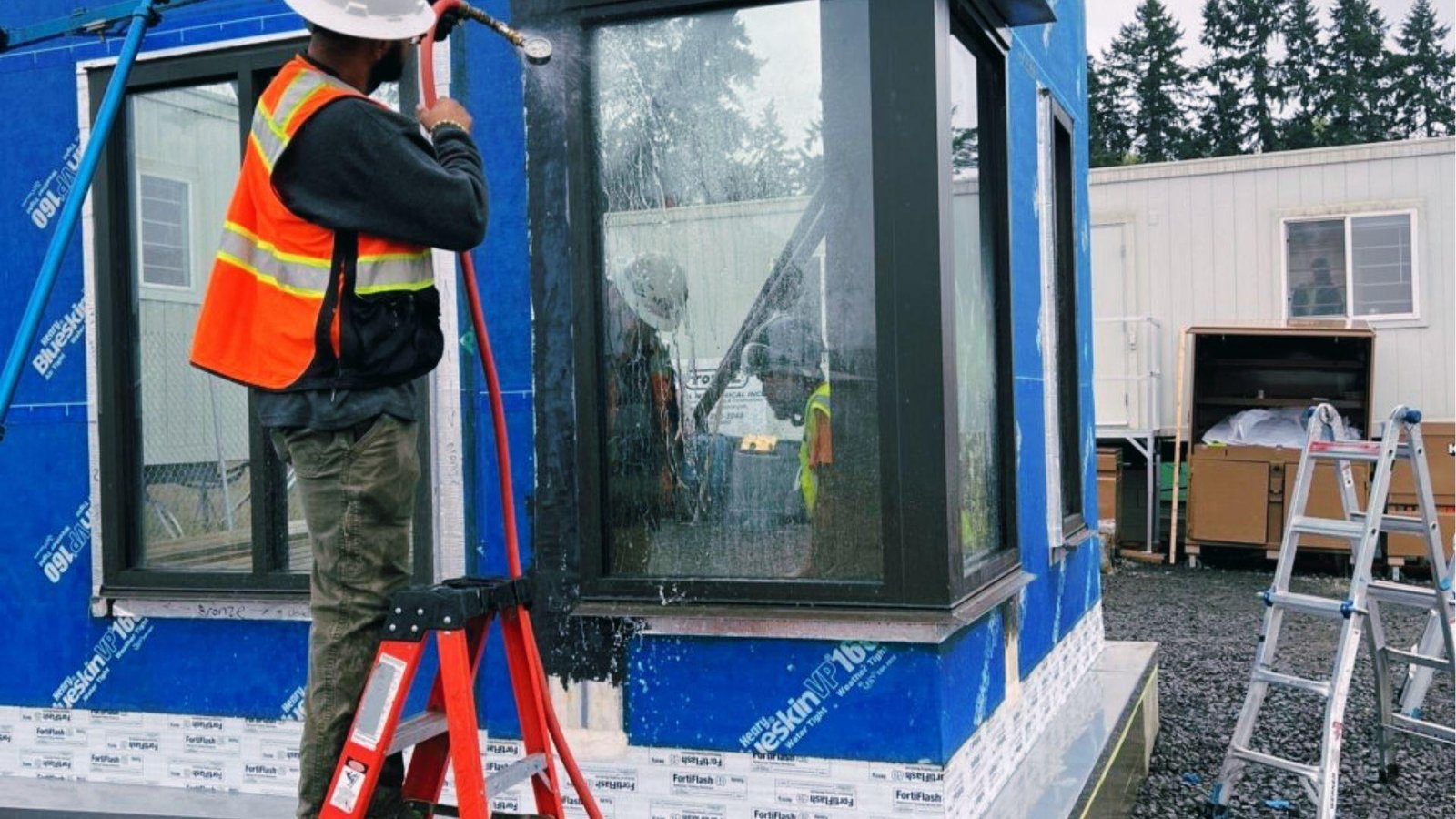
Modern buildings face tighter codes and higher performance demands.
Preventing Air Leakage and Energy Loss
Air leaks force heating and cooling systems to work harder than they should. Building Envelope
Testing finds these gaps before they raise monthly energy bills. Sealing these areas early keeps indoor temperatures steady and energy use under control.
Detecting Water Intrusion Before Major Damage Occurs
Water that gets behind walls often stays hidden for months without any visible sign.
Testing catches these entry points early, long before mold or rot can spread. Finding these issues sooner saves owners from expensive structural repairs later on.
Improving Indoor Comfort and Air Quality
A tested envelope keeps drafts, dust, and outside pollutants from entering the building.
This leads to steadier indoor temperatures throughout every season of the year. Occupants notice the difference through cleaner air and fewer uncomfortable cold spots.
Extending Building Lifespan and Durability
Moisture and air leaks slowly wear down materials inside walls and roofs. Testing helps owners catch and fix small issues before they grow into bigger problems.
This protects the structure and helps the building last for many more years.
Meeting Building Codes and Performance Standards
Many cities now require proof that a building meets set performance levels. Building Envelope
Testing provides the documentation needed to pass these inspections. Staying compliant also helps avoid delays and costly rework during a project.
Types of Building Envelope Testing
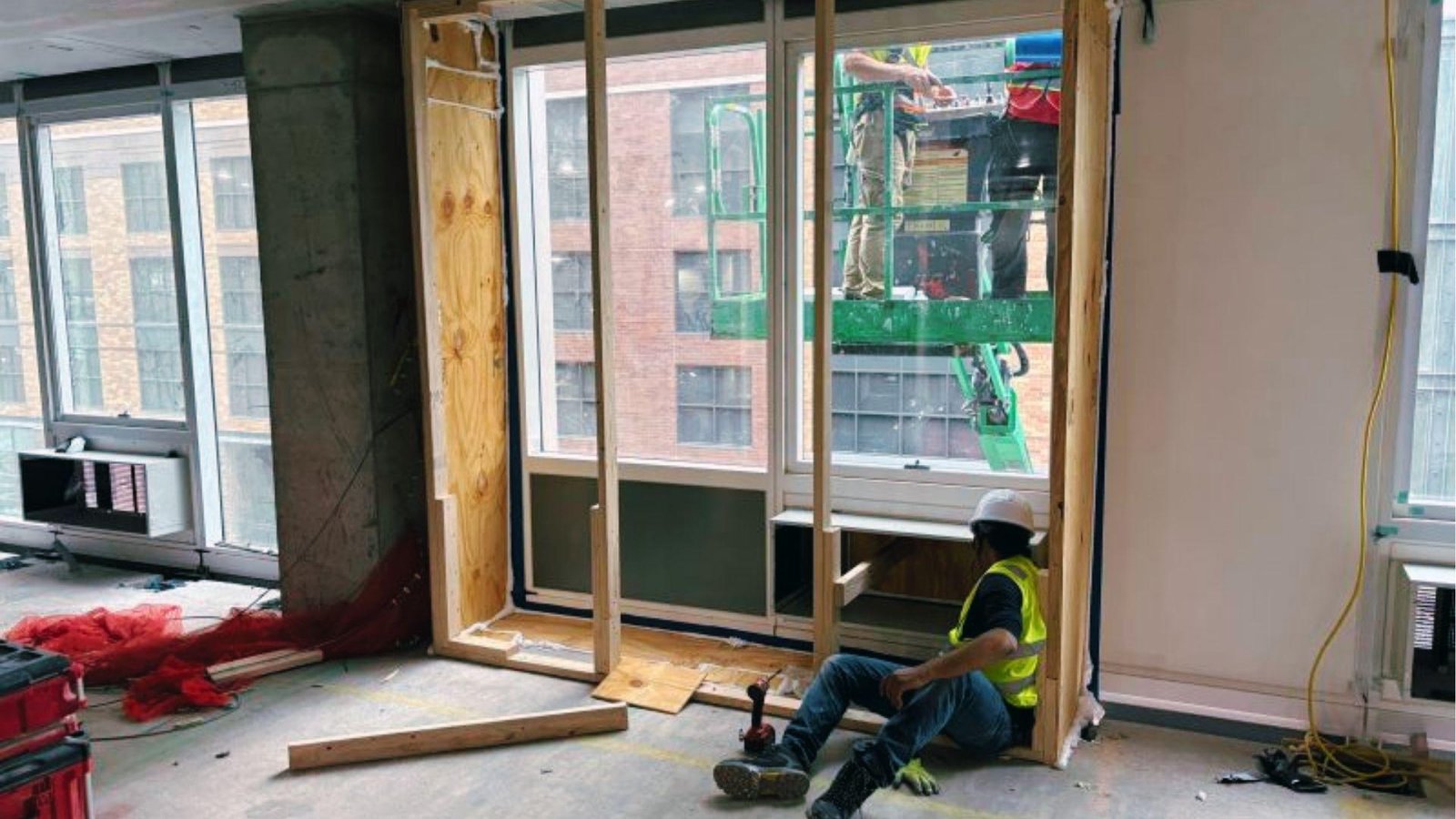
Different tests target different parts of the building shell.
Air Leakage Testing
This test measures how much air escapes through the envelope under pressure. A blower door is often used to create that pressure difference safely.
Lower leakage numbers point to a tighter, more energy efficient building.
Water Penetration Testing
Spray racks or chambers apply water and wind pressure to test surfaces. This shows if walls, windows, and joints can keep water out during storms.
Any failure point found here gets flagged for repair before it causes damage.
Structural Performance Testing
This test checks how the envelope holds up under strong wind loads. It also measures how materials respond to sudden pressure changes over time.
Results confirm that the structure can handle real world weather conditions safely.
Thermal Performance Testing
Thermal tests measure how heat flows through walls, roofs, and windows. Thermal imaging cameras help spot weak insulation or hidden cold spots.
These results show how well a building holds heat during cold weather.
Acoustical and Sound Transmission Testing
Sound tests measure how much noise passes through walls, windows, and doors. This matters most for buildings near busy roads, airports, or rail lines.
Better sound control means quieter, more comfortable indoor spaces for occupants.
How Building Envelope Testing Is Performed
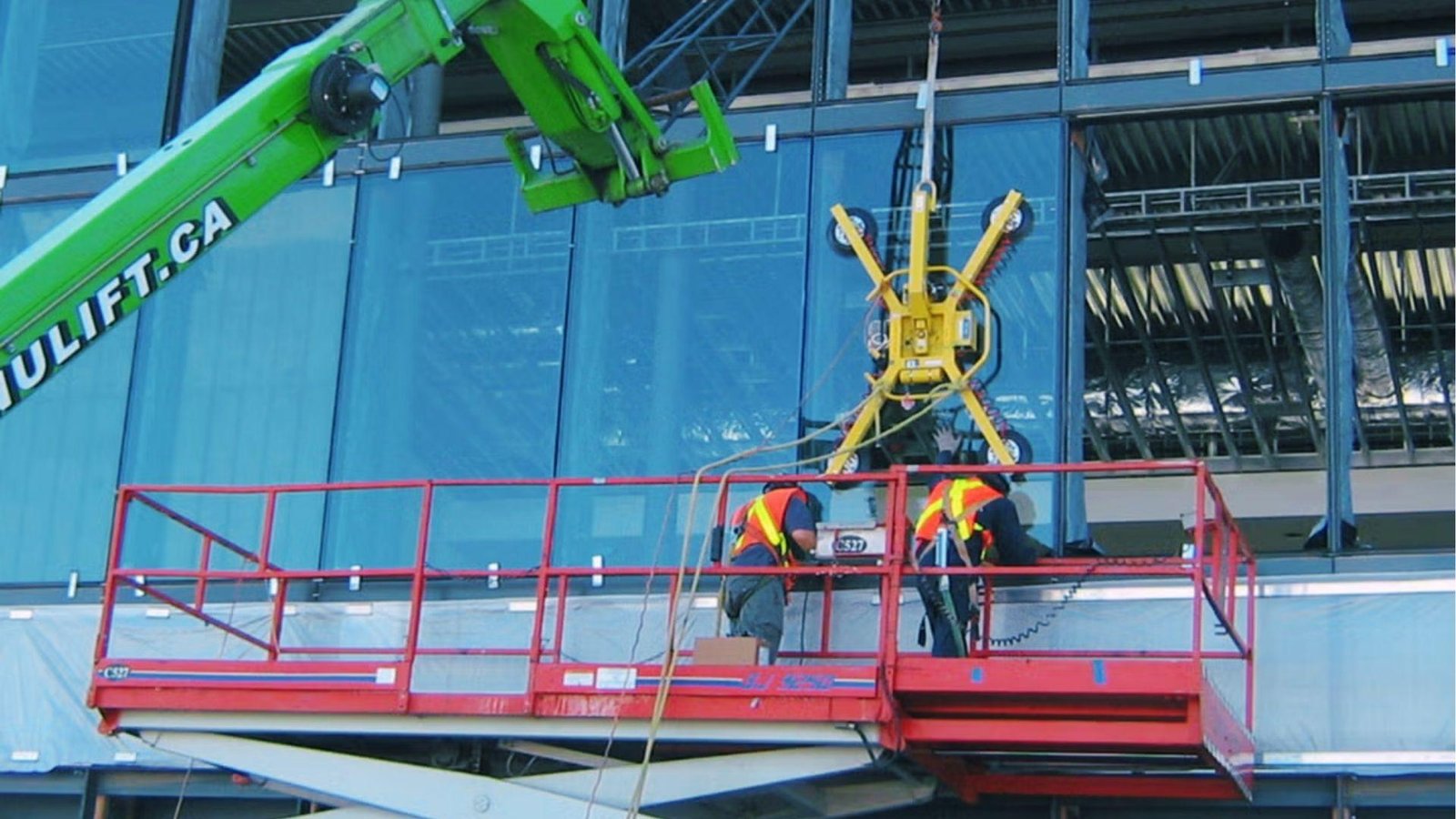
Testing follows a clear process from planning through final reporting.
Initial Assessment and Testing Plan
Testers start by reviewing drawings, materials, and overall project goals. This step helps set the scope and choose the right tests to run.
A clear plan keeps the testing process organized and on schedule.
Laboratory Testing vs Field Testing
Lab testing checks materials and assemblies before they reach the job site. Field testing checks the finished building under real, on site conditions.
Using both methods gives a clearer view of true building performance.
Equipment and Testing Procedures
Common tools include pressure chambers, blower doors, and spray racks. Thermal imaging cameras also help reveal hidden gaps and weak spots.
Each tool follows a set procedure to keep results accurate and repeatable.
Data Collection and Performance Evaluation
Test data gets recorded carefully during every stage of the process. This data is then compared against recognized industry standards.
The comparison shows if the building meets its target performance levels.
Interpreting Test Results and Recommendations
Results show clearly where the envelope passes and where it falls short. Reports explain these findings in plain, easy to follow language.
Recommendations then outline the fixes needed to meet code and performance goals.
How to Choose a Building Envelope Testing Company
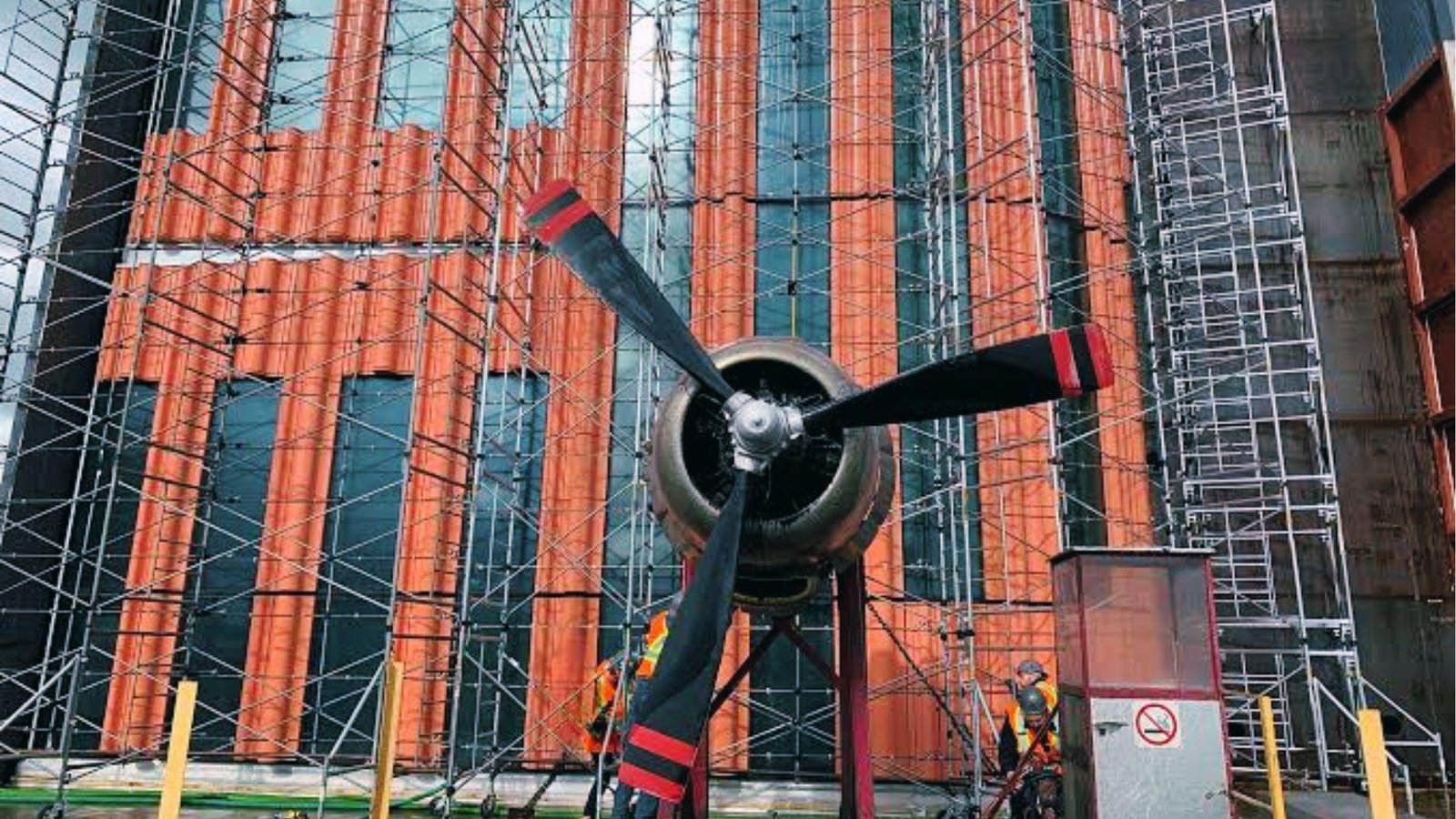
Picking the right testing partner affects how reliable your results will be.
Verify Certifications and Accreditations
Check that the company and its labs hold recognized accreditations. This step confirms they follow proper testing methods and standards.
Always ask for proof before signing any testing contract.
Evaluate Testing Experience and Expertise
Ask how many similar projects the company has tested before. Find out what building types they know best and work with often.
Experience often leads to faster, more accurate testing results.
Review Laboratory and Field Testing Capabilities
Make sure the company can handle both lab and field testing. Some projects need both methods to get a full view of performance.
Confirm their equipment and team can support your specific project.
Assess Reporting and Quality Control Processes
Good companies give clear, detailed reports with photos and data. Reports should explain results in plain, easy to understand language.
Strong quality control processes help ensure accurate, trustworthy results.
Questions to Ask Before Hiring
Ask about turnaround time and the standards they plan to use. Request references from past projects similar to yours.
Also ask how they handle and report any failed test results.
Tips for Maintaining Long-Term Building Envelope Performance
A few habits keep your building envelope working well for years.
- Perform Routine Inspections. Walk the exterior twice a year to spot cracks or worn seals early.
- Monitor Air and Water Barrier Systems. Check membranes and sealants after storms or heavy weather.
- Repair Damage Before It Escalates. Fix small cracks right away instead of waiting for bigger problems.
- Retest After Major Renovations. New windows, roofing, or wall work should get tested again before moving in.
- Maintain Detailed Building Performance Records. Keep past reports on file to track changes over time.
Conclusion
I have seen what happens when building envelope testing gets skipped, and I have seen the relief on an owner's face when problems get caught early instead.
That difference is why I trust this process so much. If you are planning a new build or fixing an older one, do not wait for a leak to tell you something is wrong.
Get your building tested now. Drop a comment below with your biggest envelope worry, or share this post with someone starting a project. Your building, and your wallet, will thank you.
Frequently Asked Questions
What is building envelope testing?
It is the process of checking how well a building's outer shell resists air, water, and heat transfer.
When should building envelope testing be performed?
Testing should happen during design, before construction finishes, and again after major renovations.
What are the most common building envelope tests?
Common tests cover air leakage, water penetration, and structural performance, plus thermal and acoustic checks.
How much does building envelope testing cost?
Cost depends on building size, test type, and number of components tested.
What standards are used for building envelope testing?
Most projects rely on ASTM, AAMA, or NAFS standards, plus local code requirements.