If you've ever touched a metal window frame in winter and felt how cold it was, you already know the problem thermal breaks solve.
This guide covers everything you need to know about thermal breaks, from what they are to how they work in real buildings.
I'll explain how they stop heat loss, cut energy bills, and make indoor spaces more comfortable. Whether you're a builder, homeowner, or just curious, you'll find clear answers here.
We've spent years working with building materials and energy efficiency, so you're in good hands.
What Is a Thermal Break?
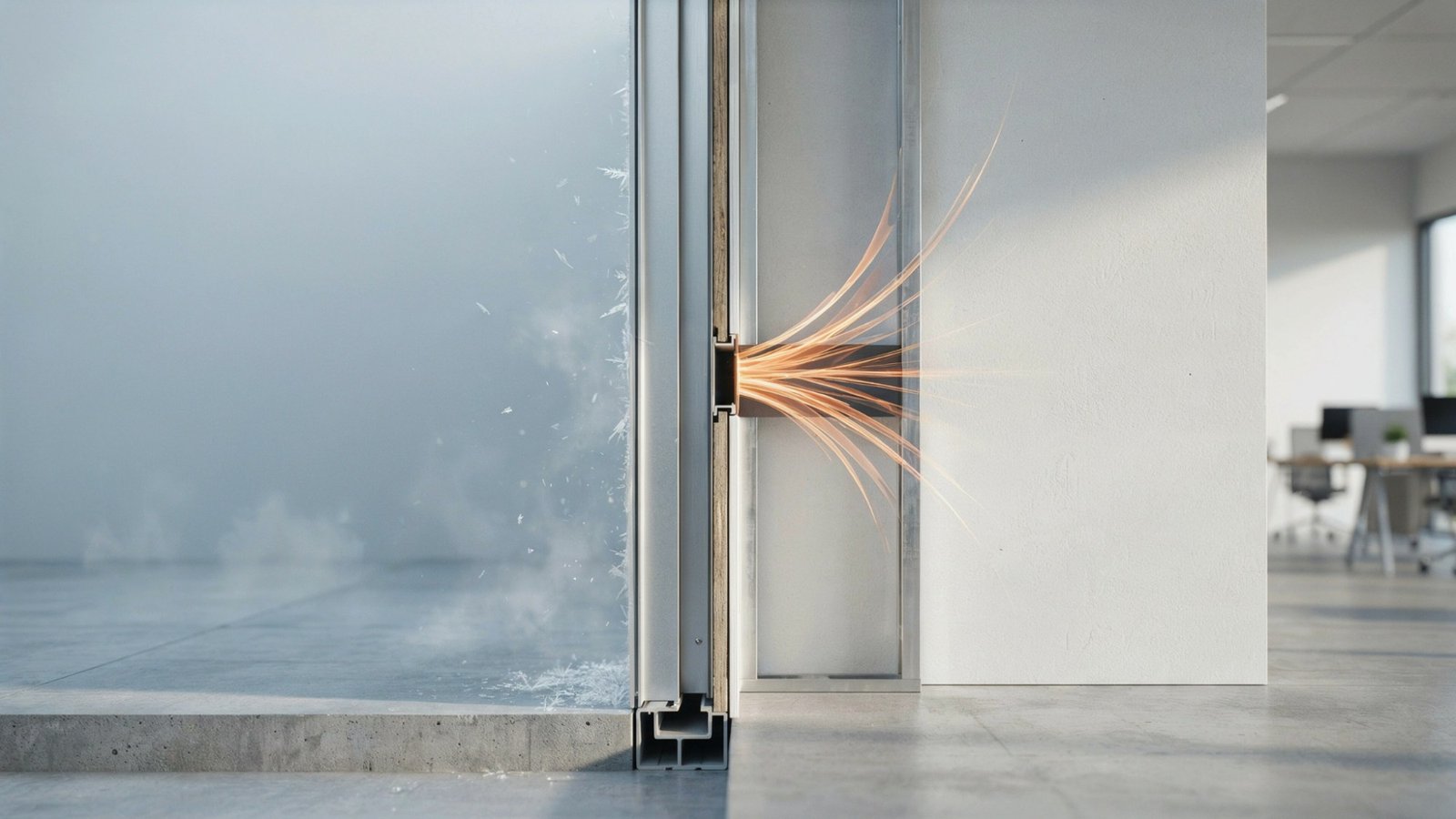
A thermal break is a low-conductivity material placed between two high-conductivity materials to slow down heat transfer.
Think of it as a barrier that stops heat from moving through building components too quickly.
In simple terms, metals like steel and aluminum conduct heat very well. When these materials connect the inside of a building to the outside, heat flows right through them.
This wastes energy and makes rooms uncomfortable.
A thermal break sits in between. It could be a strip of plastic, a foam pad, or a specially engineered material.
Its job is to interrupt that heat flow path.
This small addition can make a big difference. Buildings with proper thermal breaks use less energy for heating and cooling.
They also have fewer moisture problems and last longer. The concept sounds simple, but its impact on building performance is significant.
A thermal break is one of the most practical ways to cut heat loss in any building.
Why Is a Thermal Break Important?
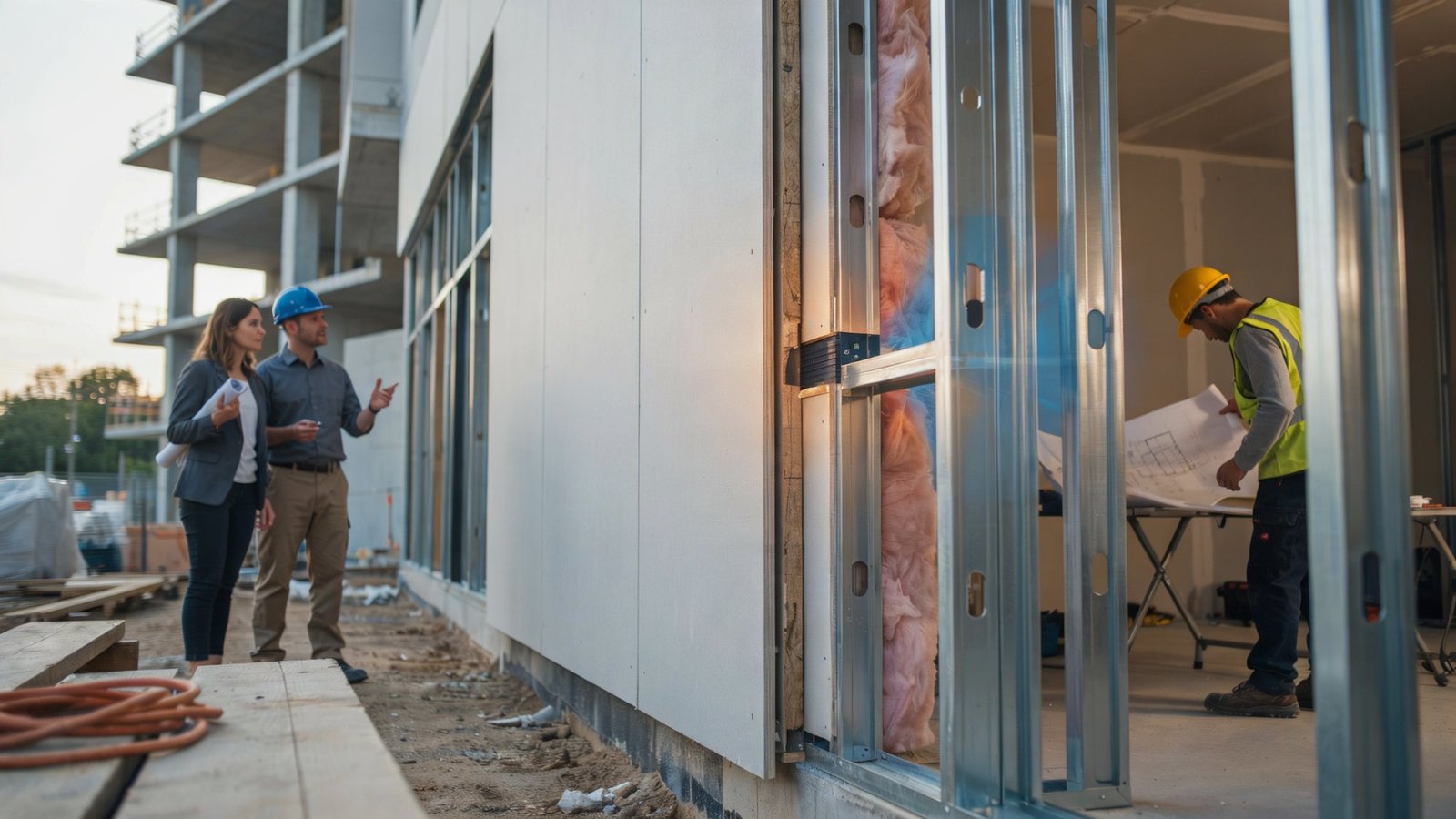
Thermal breaks play a key role in how well a building holds its temperature and how much energy it consumes over time.
Without thermal breaks, even well-insulated buildings can lose significant energy through conductive materials.
Reduces Heat Loss and Heat Gain
Heat always moves from warm areas to cold ones. In winter, indoor heat tries to escape through walls, frames, and structural elements.
In summer, outdoor heat pushes inward. Conductive materials make this worse by acting as direct pathways.
A thermal break slows this movement. By placing a low-conductivity material in the path, you reduce how much heat crosses through.
Less heat loss in winter means your heating system works less. Less heat gain in summer means your cooling system does too.
Improves Building Energy Efficiency
A building's overall energy efficiency depends on how well it holds conditioned air inside.
Insulation in walls helps, but if structural elements bypass that insulation, energy still escapes. This is called a thermal bridge.
Thermal breaks work alongside insulation to close those gaps. Together, they give a building a more complete thermal envelope.
The result is a building that needs less energy to stay comfortable, which lowers operating costs and reduces carbon emissions.
Helps Lower Heating and Cooling Costs
Energy bills are directly tied to how hard your HVAC system has to work. If heat keeps escaping or entering through structural connections, the system runs longer and uses more power.
Buildings with thermal breaks see real reductions in heating and cooling costs.
The exact savings depend on the climate and building type, but studies consistently show that addressing thermal bridges pays off over time.
For commercial buildings with large glass facades or exposed steel, the savings can be substantial.
How Thermal Breaks Prevent Thermal Bridging
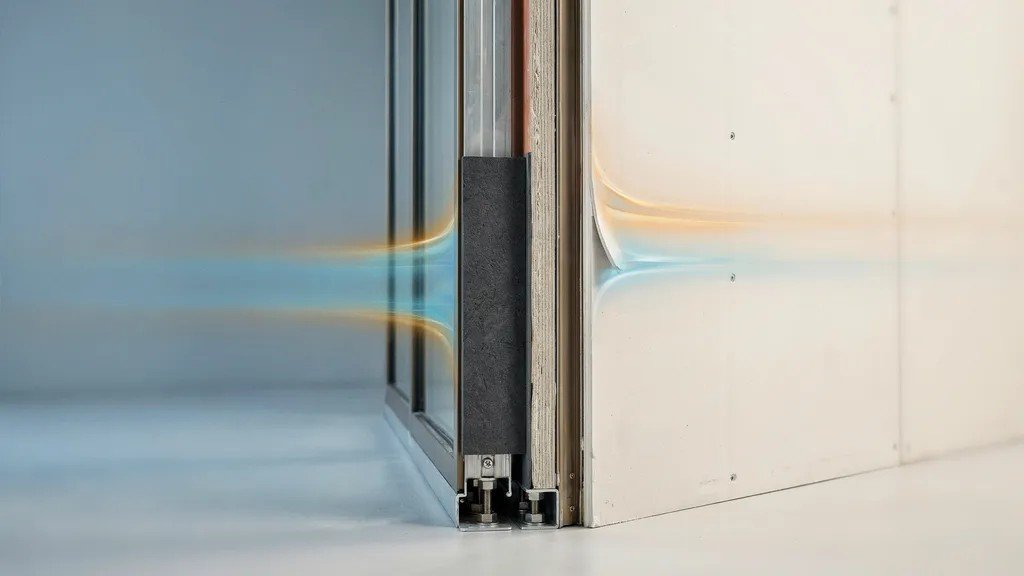
Thermal bridging is a hidden energy drain, and thermal breaks are the direct solution to stop it from happening.
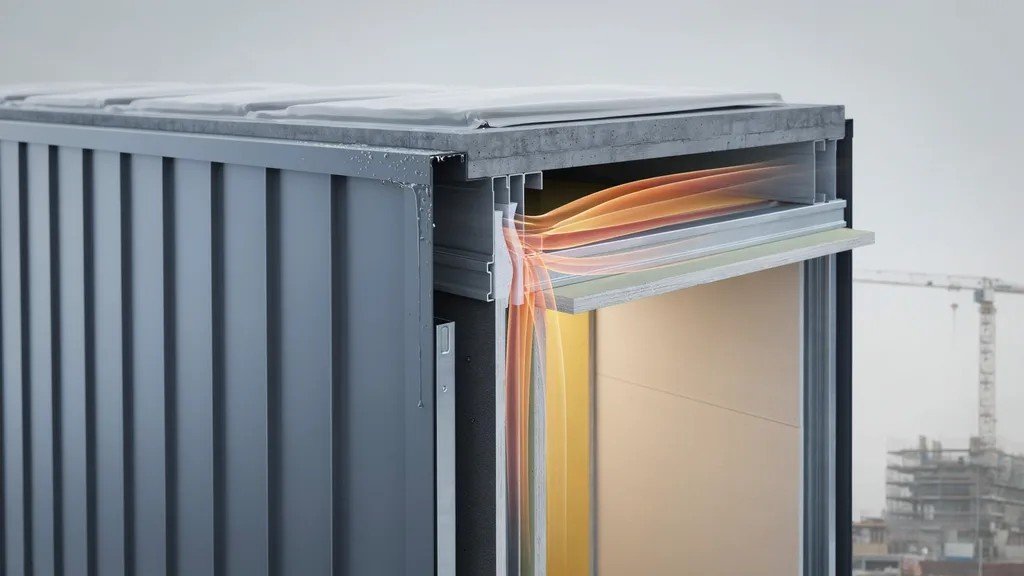
Thermal breaks work by interrupting the conductive path that allows heat to bypass insulation layers.
What Is Thermal Bridging?
Thermal bridging happens when a material with high thermal conductivity creates a path for heat to bypass insulation. Steel studs, concrete beams, and aluminum window frames are common examples.
Even if a wall has thick insulation between the studs, the studs themselves carry heat straight through.
The insulation value of the wall drops because heat takes the easier path through the conductive material.
This matters because it means your actual wall performance is lower than the insulation label suggests.
A wall rated at R-19 might perform like R-13 or less because of thermal bridging through the framing.
Problems Caused by Thermal Bridges
Thermal bridges cause more than just energy loss. They create cold spots on interior surfaces.
Cold surfaces can drop below the dew point temperature, causing moisture in the air to condense on the surface. This leads to mold growth, which is a health and structural problem.
Thermal bridges also cause uneven temperatures in rooms, making some areas uncomfortable.
They can cause paint to peel, finishes to deteriorate, and over time, they can damage structural elements through repeated freeze-thaw cycles.
In cold climates, ice formation on or near thermal bridges can cause additional damage. The problems compound over time, making thermal bridging both a comfort issue and a durability issue.
The Relationship Between Thermal Breaks and Continuous Insulation
Continuous insulation is insulation that runs without interruption across structural members.
Instead of placing insulation only between studs, continuous insulation covers the studs too. This dramatically reduces thermal bridging.
Thermal breaks work with continuous insulation. Where continuous insulation can't be used, such as at structural penetrations, balconies, or roof hatches, thermal breaks pick up the job.
Together, they create a building envelope with very few weak spots.
Using both approaches gives the best results. Continuous insulation handles the wall assembly, while thermal breaks handle the point connections. The two strategies complement each other.
Benefits of Thermal Break Systems
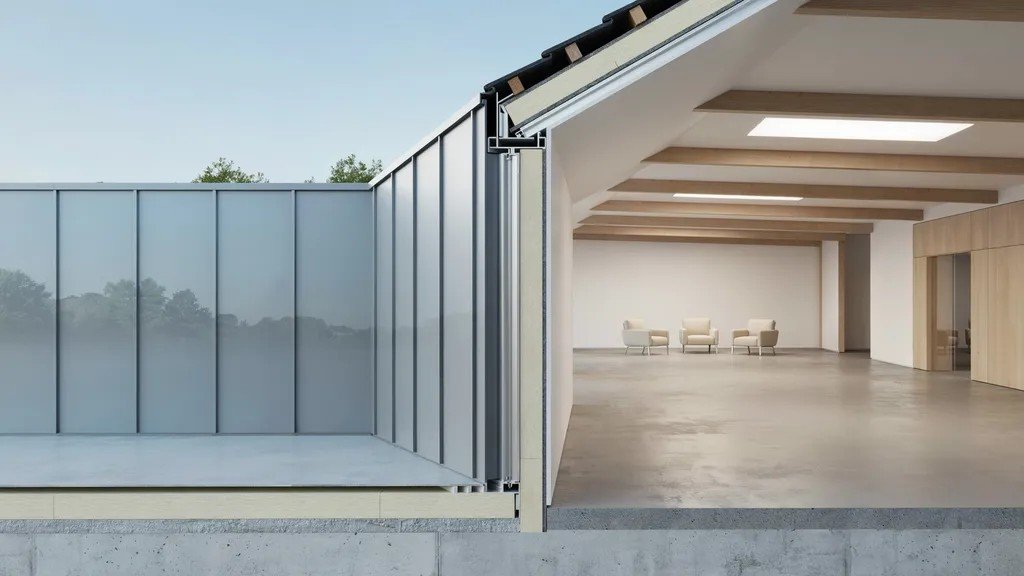
Thermal break systems offer several practical advantages that go beyond just reducing energy use in buildings.
The right thermal break system protects your building from energy loss, moisture damage, and premature wear.
Improved Insulation Performance
The rated insulation value of a wall or roof assembly is only achieved if thermal bridging is minimized.
Without thermal breaks, the actual performance of an assembly is always lower than the design value.
Adding thermal breaks means the insulation in your walls and roof performs closer to its rated value.
This makes your building's thermal envelope more predictable and reliable. Architects and engineers can design with confidence knowing the actual performance will match the calculations.
Reduced Condensation Risk
Condensation forms when a surface is colder than the dew point of the surrounding air. Thermal bridges create cold spots on interior surfaces, which are prime locations for condensation.
Thermal breaks keep interior surface temperatures warmer. When the surface stays above the dew point, moisture doesn't condense.
This protects interior finishes, structural materials, and air quality. It's especially important in kitchens, bathrooms, and other high-humidity spaces.
Better Moisture Control
Moisture is one of the biggest threats to building durability. Water that gets into walls, ceilings, and structural connections causes rot, corrosion, mold, and structural damage.
Much of this moisture starts as condensation on cold surfaces caused by thermal bridging.
By keeping surface temperatures above the dew point, thermal breaks reduce the conditions that lead to condensation.
Less condensation means less moisture entering the building structure. This protects the building over the long term and reduces maintenance costs.
Increased Building Durability
Buildings that manage heat and moisture well last longer. Thermal bridges cause repeated cycles of condensation and drying, which stress materials over time.
Freeze-thaw cycles near thermal bridges can crack concrete and cause metal fasteners to corrode.
Thermal breaks reduce these cycles. Materials stay at more stable temperatures and experience less stress.
Connections and finishes last longer. The overall service life of the building improves. For building owners, this means lower repair and replacement costs over the life of the structure.
Conclusion
I've seen firsthand how much of a difference a thermal break can make, especially in older buildings that never had them.
Once you understand where heat is sneaking out through metal frames or concrete slabs, you start seeing these small fixes as big wins.
If this guide helped you make sense of thermal breaks, I'd love to hear your thoughts in the comments. Share this post with someone building or renovating.
Find more of our content on building insulation and energy efficiency. Small details like these make a real difference.
Frequently Asked Questions
What materials are commonly used as thermal breaks?
Common thermal break materials include polyamide strips, polyurethane foam, cork, and rigid fiber insulation.
These materials have low thermal conductivity, which means they slow heat transfer between connected structural components.
Can thermal breaks be added to existing buildings?
Yes, some thermal break solutions can be retrofitted.
Window frame inserts, foundation edge insulation, and insulated roof hatch replacements are all options for existing buildings looking to improve their thermal performance.
How do thermal breaks affect structural strength?
Modern thermal break systems are engineered to carry structural loads while limiting heat flow.
Products used in balconies, curtain walls, and foundations are tested to meet both thermal and structural performance requirements simultaneously.
Are thermal breaks required by building codes?
Many building energy codes now require measures to reduce thermal bridging, which includes the use of thermal breaks in specific applications.
Requirements vary by location, building type, and the specific code version being followed.
How much energy can thermal breaks save?
Savings depend on the building type, climate, and where the breaks are installed.
Studies show that addressing thermal bridging in commercial buildings can improve envelope performance by 10 to 30 percent, leading to meaningful reductions in annual energy costs.