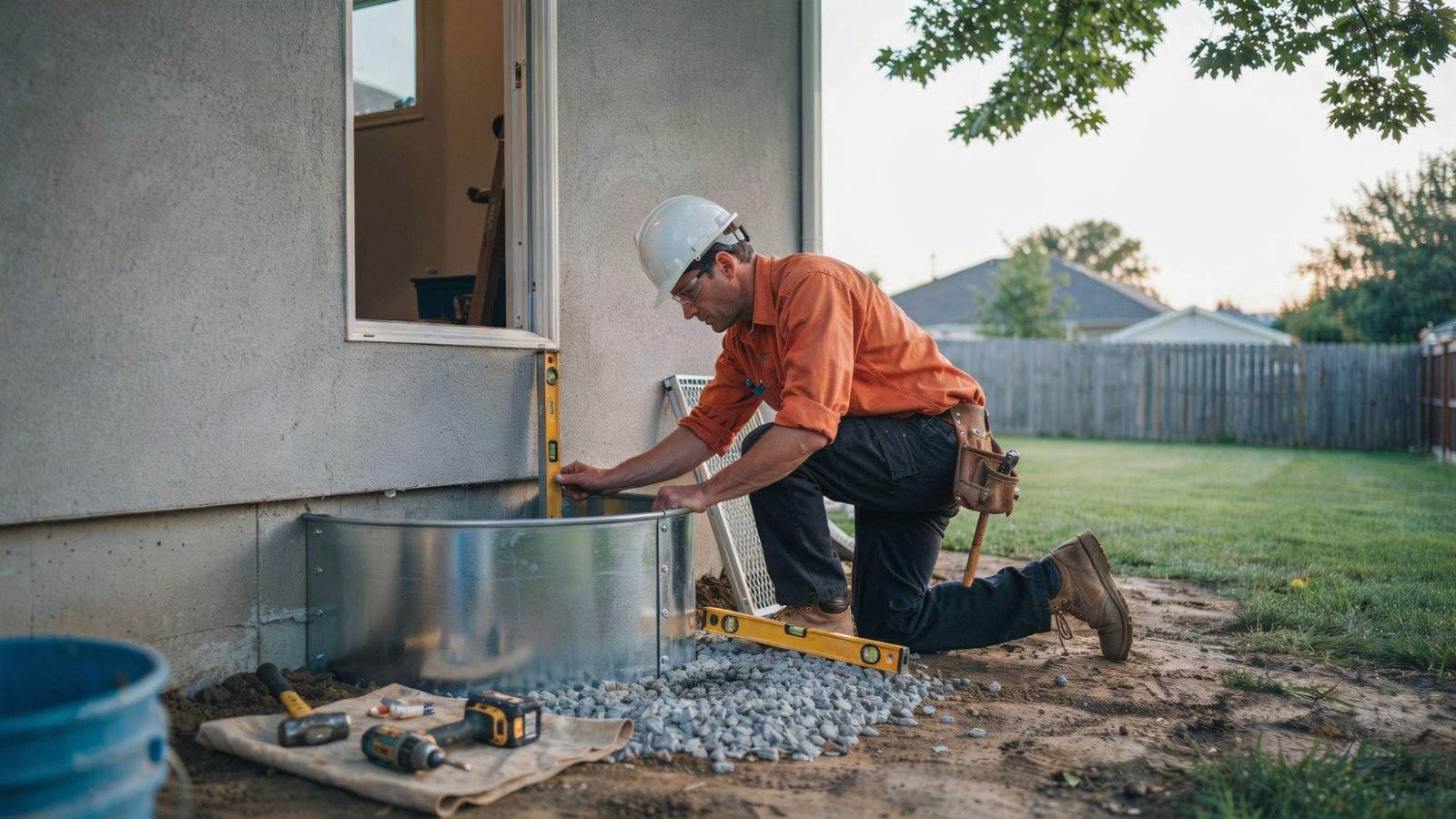

Planning a new exterior or fixing up an old one?
You have probably come across two names that sound almost alike:EIFS and stucco. They look similar on the outside, but they are built in very different ways.
I get asked about this a lot, and most people are surprised by how much the differences actually matter. One uses foam for insulation. The other relies on cement for strength.
That single difference changes the cost, the upkeep, and how well your walls handle weather over the years.
So which one fits your home best? Let's break down EIFS and stucco step by step, so you can make a choice that actually works for your space, your budget, and your climate.
What Is EIFS?
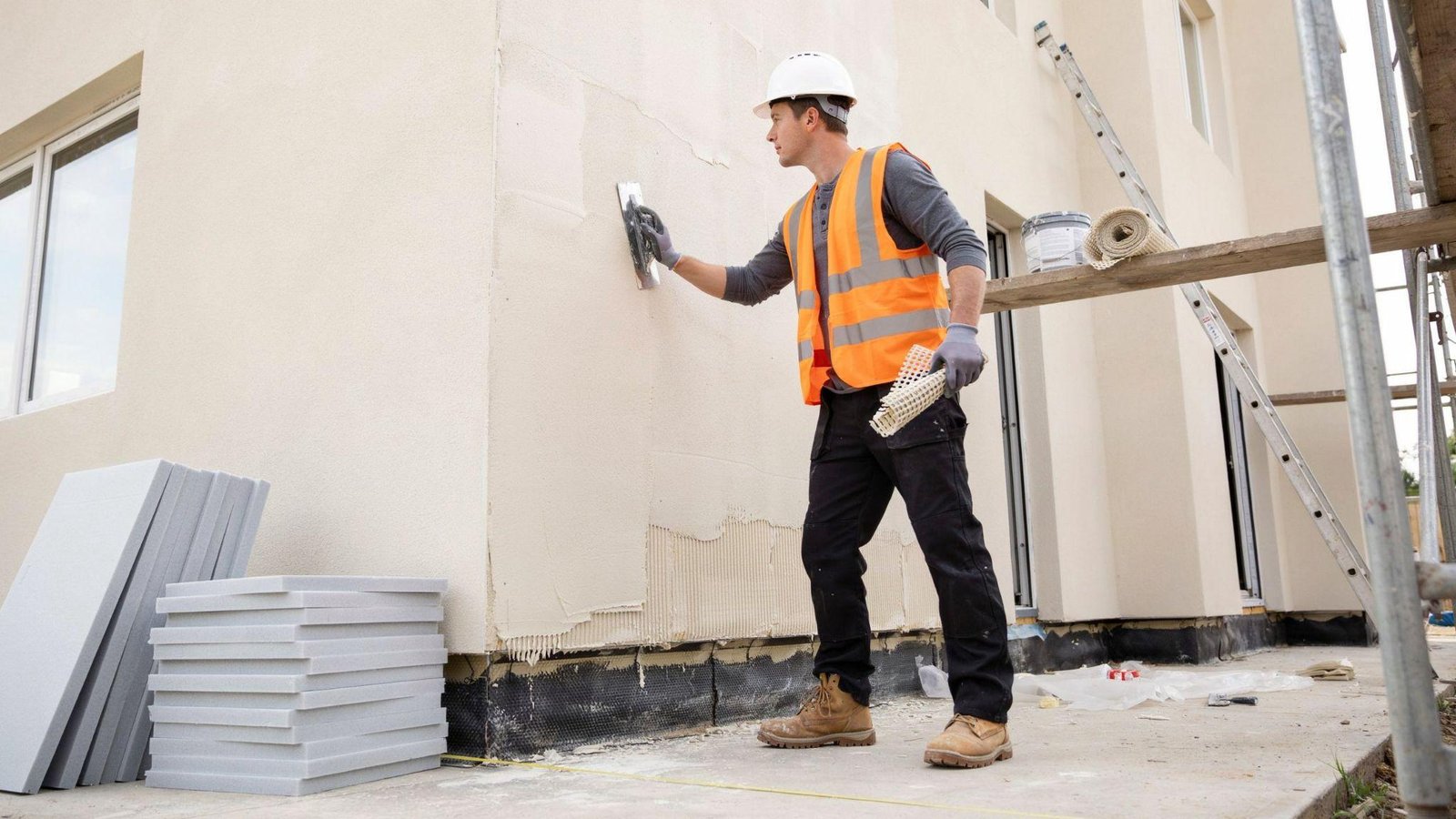
EIFS stands for Exterior Insulation and Finish System. It is a multi-layer wall covering built around a foam insulation board.
A layer of rigid foam attaches to the wall, then a base coat with mesh, and a finish coat on top for color and texture.
EIFS adds real energy efficiency and allows smooth, custom finishes that regular stucco cannot easily match.
What Is Traditional Stucco?
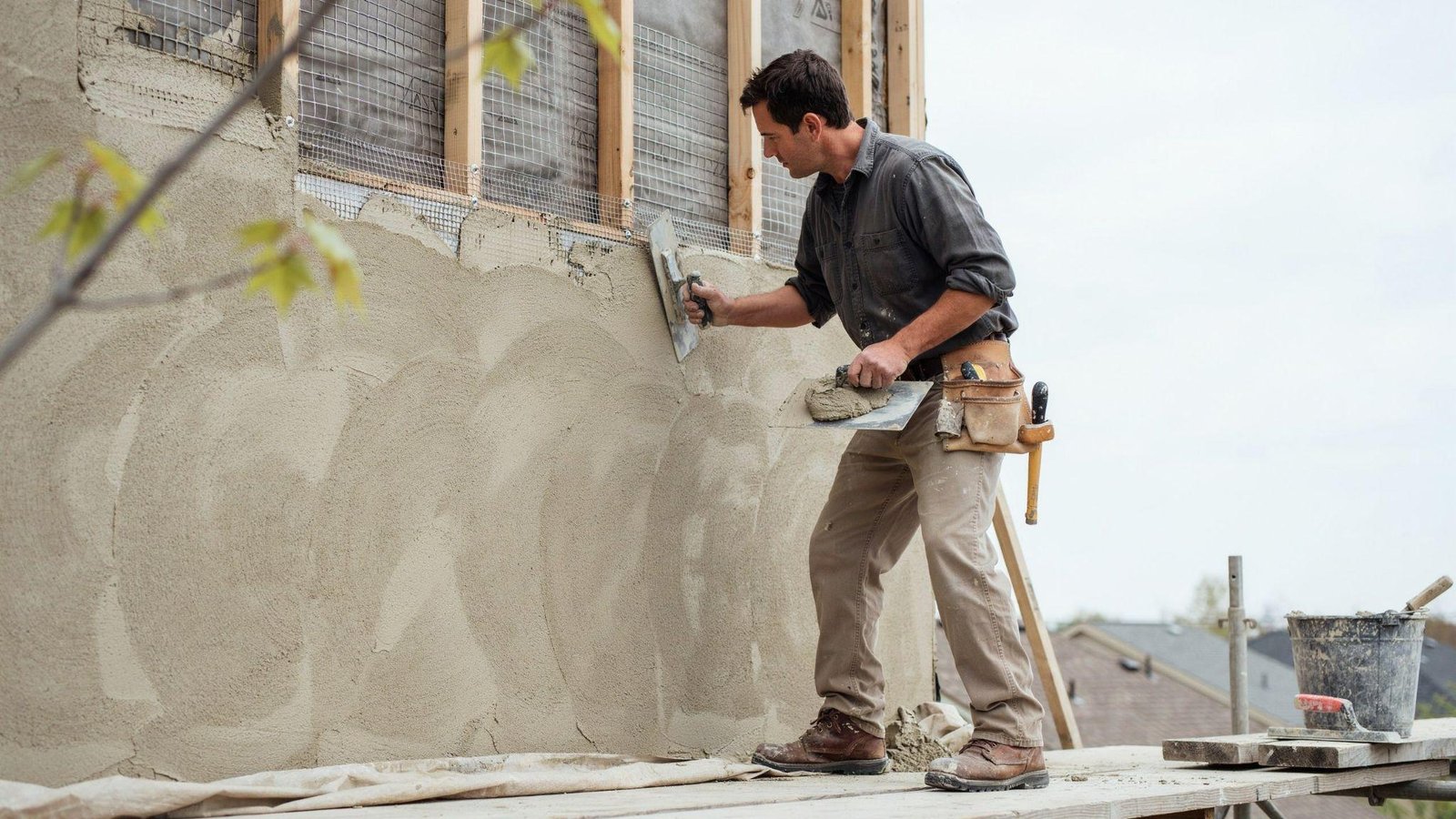
Traditional stucco is a cement-based coating applied straight onto a wall, usually over a wire mesh or lath.
It is built in layers too, made from cement, sand, and lime, with no foam involved. Strength comes from the cement curing and bonding with the layers beneath.
This method has been used for generations and holds up well across many climates when installed correctly.
Key Differences Between EIFS and Stucco
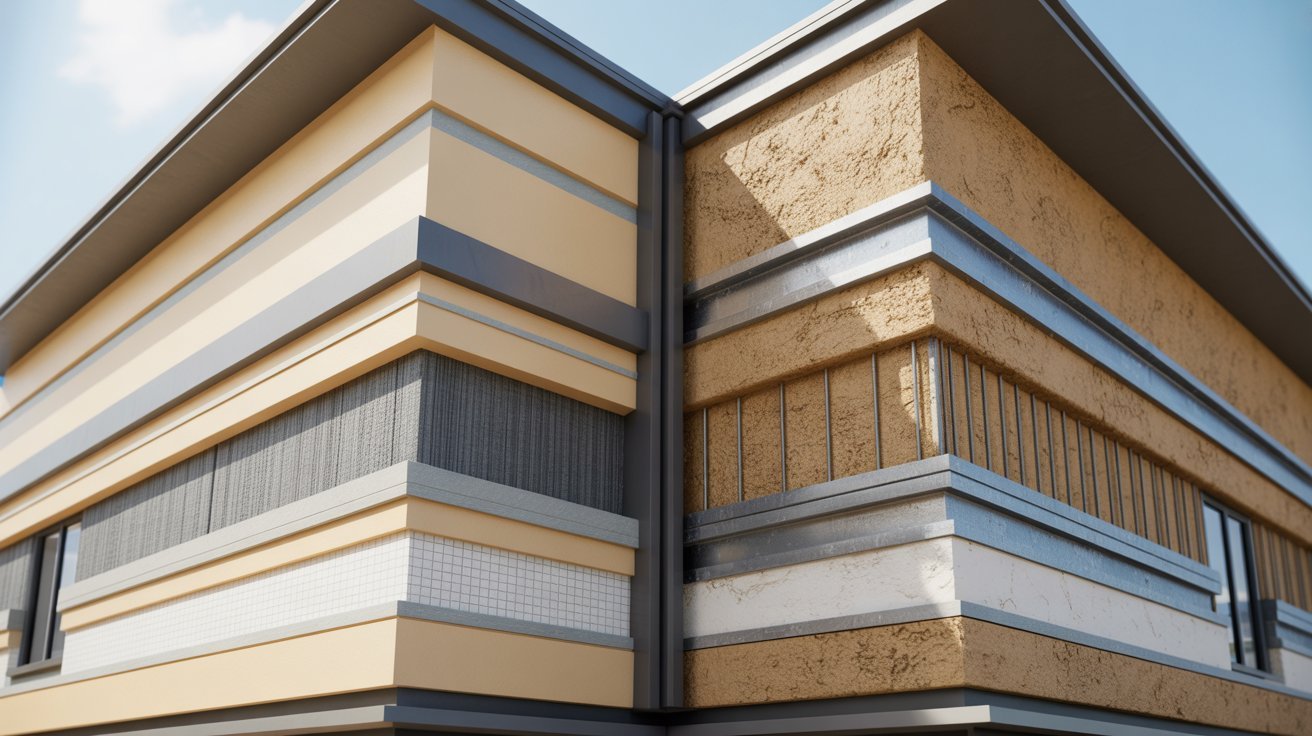
EIFS offers foam-based insulation and flexibility. Stucco brings cement-based strength and rigidity. Your choice depends on budget and climate needs
| Factor | EIFS | Stucco |
|---|---|---|
| Composition | Foam core + coats | Cement, sand, lime |
| Insulation | Built-in, saves energy | None built-in |
| Weight | Lightweight | Heavier |
| Flexibility | Flexes, resists cracks | Rigid, can crack |
| Moisture | Drains well (newer systems) | Dries through naturally |
| Repair | More complex | Simple, easy patch |
| Cost | Higher upfront | Cheaper upfront |
Composition
EIFS is built on a foam insulation core, topped with a base coat, mesh, and finish coat. Stucco skips the foam and uses cement, sand, lime, and water applied in layers over a wire mesh.
Insulation Value
EIFS includes foam insulation, which helps control indoor temperature and can lower energy bills. Stucco has no built-in insulation, so any temperature control has to come from elsewhere in the wall.
Weight
EIFS is lightweight since foam makes up most of its thickness, putting less load on the structure. Stucco is heavier due to its cement base, so the wall behind it needs more support.
Flexibility
EIFS has some give thanks to its foam core, so it handles minor movement without cracking easily. Stucco is more rigid once cured, making it more prone to hairline cracks over time.
Moisture Handling
Stucco allows some moisture to pass through and dry out when installed properly. Older EIFS trapped moisture behind the foam, causing damage, but newer drainable EIFS systems fix this with proper drainage layers.
Repair and Maintenance
Stucco repairs are simple since the material is common and easy for most contractors to patch. EIFS repairs need more care, as fixing one layer can affect the foam, base coat, and finish together.
Cost
EIFS costs more upfront due to materials and layered installation, but its insulation can save on energy bills. Stucco is usually cheaper to install, though prices vary by region and contractor.
EIFS vs Stucco Materials
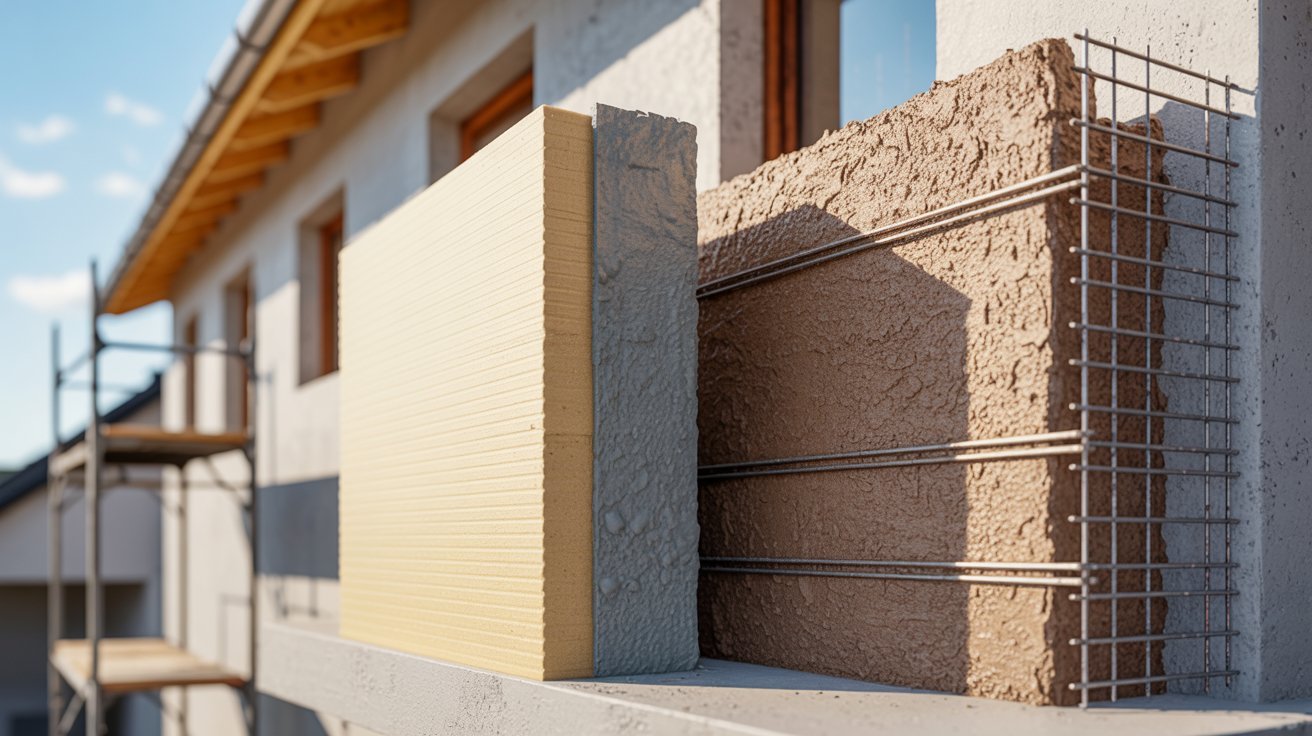
EIFS and stucco use very different materials, and that difference shapes how each wall performs over time.
Materials Used in EIFS
- Rigid foam board (usually polystyrene) as the core
- Base coat made from acrylic resin and cement
- Mesh layer embedded in the base coat for strength
- Acrylic finish coat for color and texture
Materials Used in Stucco
- Cement, sand, lime, and water mixed into a paste
- Wire mesh or lath fixed to the wall first
- Scratch coat applied directly over the mesh
- Brown coat for added strength and a level surface
- Finish coat for the final look and texture
How Material Composition Affects Performance
Foam gives EIFS insulation and some flexibility. Stucco stays rigid with little insulation since it has no foam. This affects weight, cracking, moisture handling, and repair needs.
EIFS vs Stucco Installation
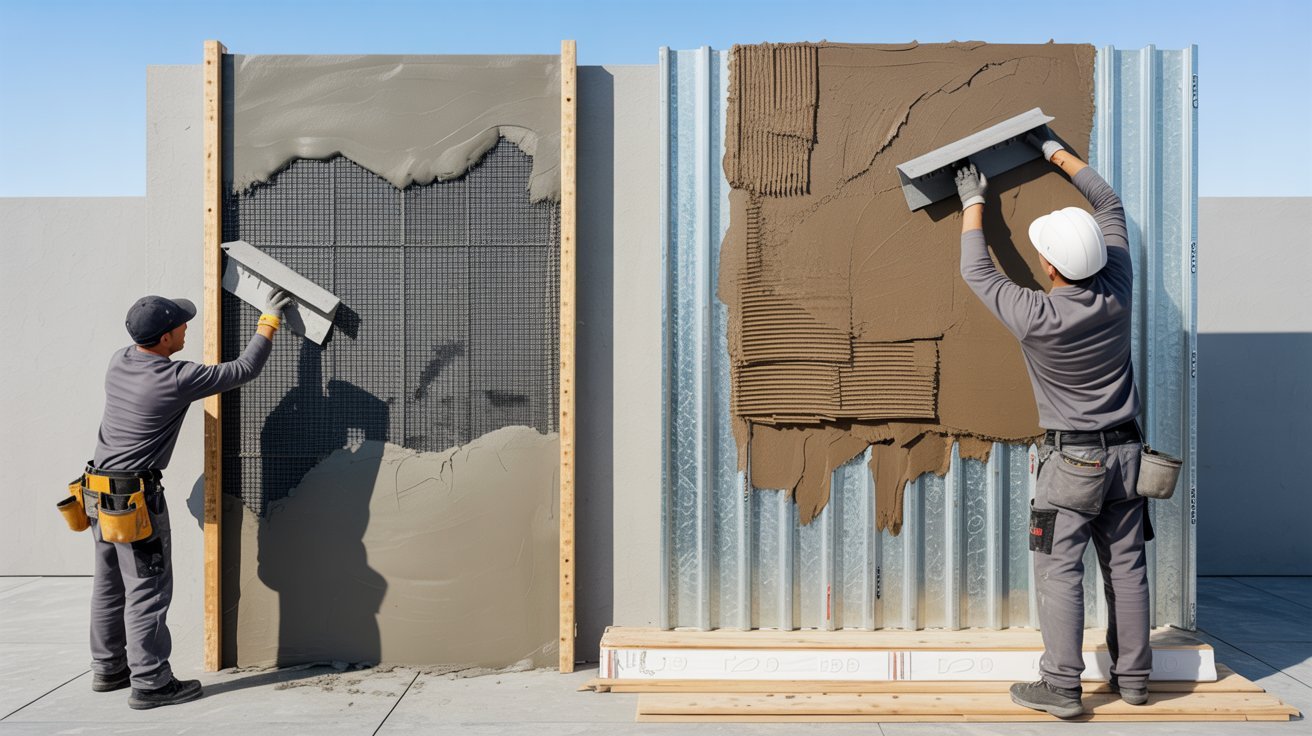
EIFS installation starts by attaching foam board to the wall, followed by a base coat, mesh, and finish coat. Stucco installation involves fixing wire mesh to the wall, then applying a scratch coat, brown coat, and finish coat made of cement, sand, and lime.
EIFS installation needs precise foam fitting and sealing at joints, while stucco needs skilled hand application across multiple cement layers.
Stucco generally takes longer to cure between coats, while EIFS installation moves faster but demands careful attention to moisture barriers and flashing details.
EIFS vs Stucco Appearance
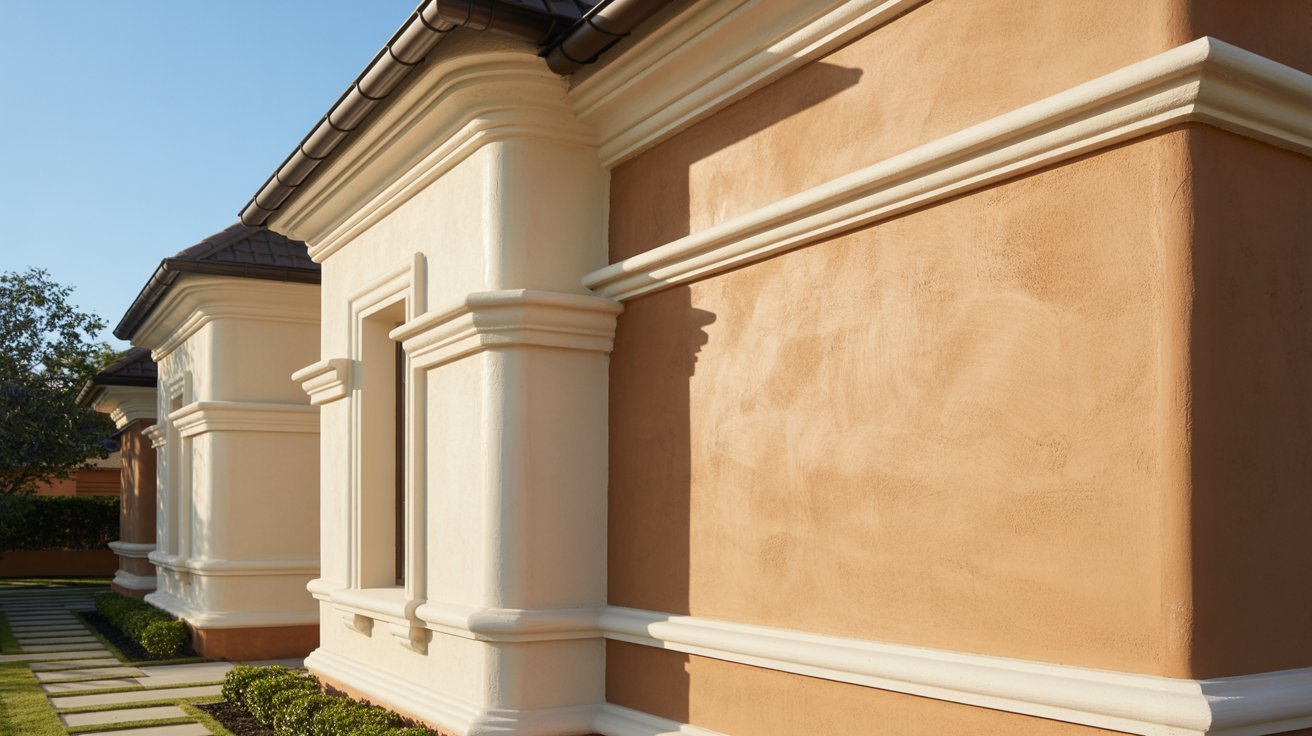
EIFS gives a smooth, uniform look with more design flexibility, while stucco offers a traditional, hand applied texture.
Texture and Finish Options
EIFS offers smooth, seamless finishes in a wide range of colors and patterns. Stucco sticks to traditional textures like smooth, lace, or dash.
The final look depends a lot on how the coat is hand applied.
Design Flexibility
EIFS allows curves, bands, and decorative trim since foam can be cut and molded easily. Stucco depends more on the applicator's skill and cement's natural limits.
This makes EIFS a better fit for custom architectural details.
Can You Tell the Difference Visually?
From a distance, both look similar and can be hard to tell apart. Up close, EIFS looks smoother, while stucco shows small texture variations.
Tapping the wall reveals the difference, since EIFS sounds hollow and stucco feels solid.
EIFS vs Stucco Insulation Performance
EIFS provides continuous insulation through its foam board core, which covers the entire wall surface without gaps, reducing heat loss and improving energy efficiency.
Stucco offers little to no insulation on its own, since it has no foam layer, so any insulation value depends on the wall framing or added insulation behind it.
This makes EIFS the stronger choice for energy efficiency, often lowering heating and cooling costs, while stucco relies on other parts of the wall to manage temperature.
EIFS vs Stucco Pros and Cons
EIFS offers better insulation but costs more. Stucco is cheaper and easier to repair, but lacks insulation.
Advantages and Disadvantages of EIFS
Advantages
- Provides continuous insulation, improving energy efficiency
- Lightweight, reducing load on the wall structure
- Offers smooth finishes and flexible design options
- Handles minor building movement without cracking easily
Disadvantages
- Costs more upfront than traditional stucco
- Needs careful installation to avoid moisture issues
- Repairs require more skill due to layered system
- Older systems are prone to trapping moisture
Advantages and Disadvantages of Stucco
Advantages
- Costs less upfront in most cases
- Easier to repair with common materials and skills
- Allows some moisture to pass through and dry out
- Holds up well across many climates over time
Disadvantages
- Offers little to no insulation on its own
- Heavier, requiring stronger wall support
- More prone to hairline cracks over time
- Limited design flexibility compared to EIFS
EIFS vs Stucco: Which Is Better for Your Project?

EIFS works well if energy efficiency and custom design are top priorities, especially in colder climates where insulation matters most.
Stucco suits projects with tighter budgets or simpler maintenance needs, and it holds up well in many climates with proper installation.
Before deciding, think about your budget, local climate, long term maintenance, and the look you want. Talking to a qualified contractor familiar with both systems can help you pick the right one for your home.
Conclusion
After working through all these differences, here's my honest take. EIFS and stucco both do their job well, just in different ways. EIFS gives you better insulation and more design options, while stucco stays budget friendly and simple to fix.
Your choice really comes down to your climate, your budget, and how much upkeep you want to handle down the line.
Still unsure which one fits your home? Talk to a trusted local contractor who works with both systems. Get a quote, ask questions, and make the call that feels right for your space.
Frequently Asked Questions
Is EIFS more expensive than stucco?
Yes, EIFS usually costs more upfront because of its layered system and materials. Over time, its insulation can help offset that cost through lower energy bills.
Which lasts longer, EIFS or stucco?
Both can last for decades when installed correctly and maintained well. Stucco is more rigid and prone to cracks, while EIFS needs proper drainage to avoid moisture issues.
Can EIFS or stucco be installed on any home?
Most homes can support either system, but the right choice depends on climate, wall structure, and budget. A contractor can check your home and recommend the best fit.
Does EIFS trap moisture inside the wall?
Older EIFS systems were prone to trapping moisture due to poor drainage design. Newer drainable EIFS systems solve this problem with proper drainage layers built in.
Is stucco easier to repair than EIFS?
Yes, stucco repairs are usually simpler since the material is common and easy to patch. EIFS repairs take more skill since the foam, base coat, and finish all need to match.