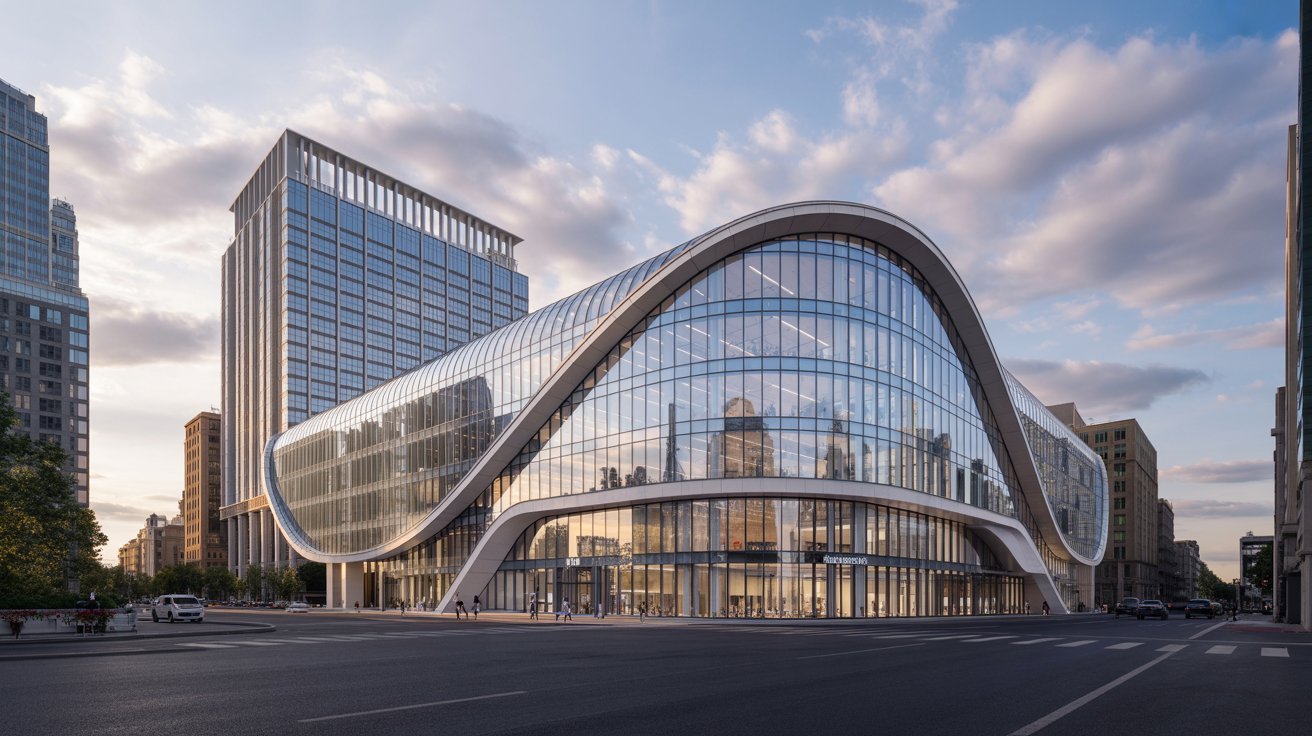
Curved buildings catch the eye for a reason. They feel different, move differently in light, and stand out in any skyline.
This guide breaks down curved facade architecture in plain terms, from why designers choose curves to the materials and methods that bring them to life.
You will learn how curved facades work, what they cost, and where they shine. We will also cover real examples and simple tips for planning your own project.
We have researched current design practices and material standards to keep this guide accurate and useful.
By the end, you will know exactly what goes into a curved facade and how to plan one with confidence.
What Is Curved Facade Architecture?
A simple look at how curved building exteriors work and why they matter.
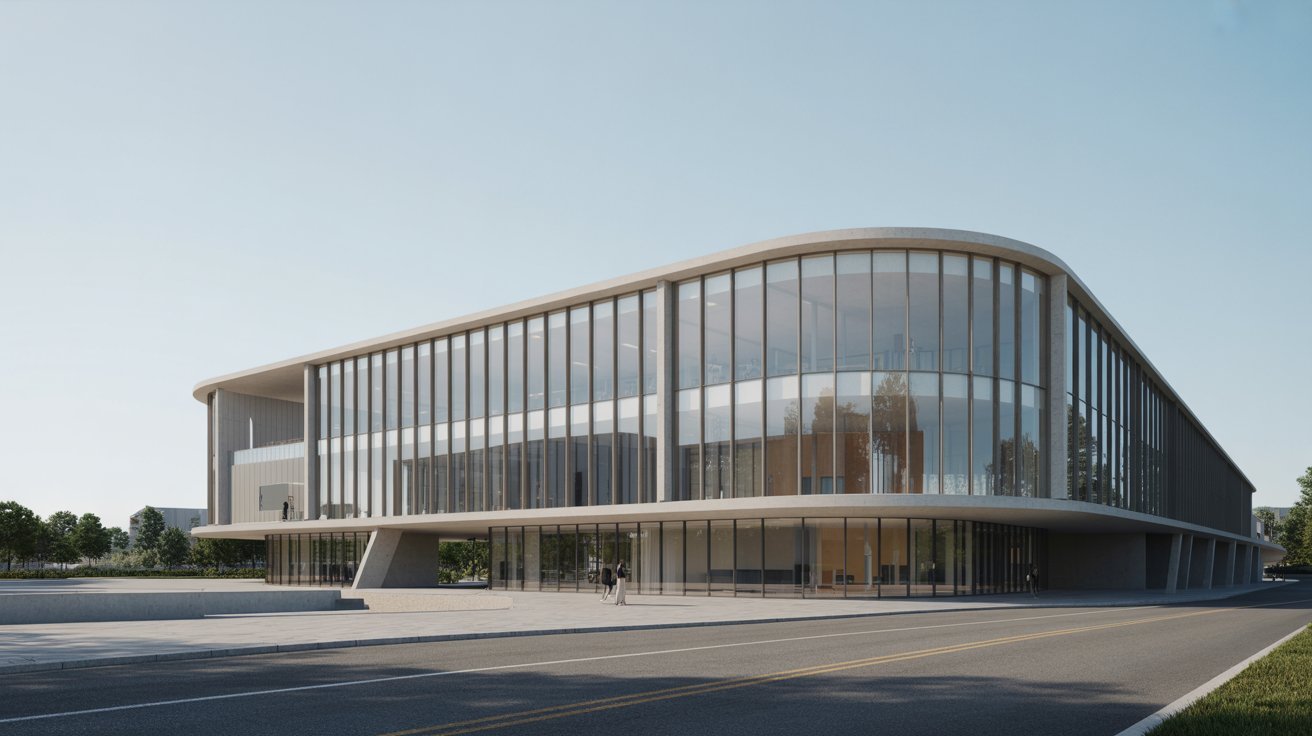
Curved facade architecture refers to building exteriors shaped with curves instead of flat, straight walls.
Instead of sharp corners, the outer skin of the building bends, wraps, or flows in one or more directions.
This design choice changes how a building looks and behaves. Curves can run along one axis, like a gentle bow, or twist in multiple directions for a more complex shape.
Either way, the goal is the same. Designers use curves to create buildings that stand apart from the boxy structures seen everywhere else.
Curved facades are not just about looks. They affect how wind moves around a building, how light enters it, and how much it costs to build.
Engineers and designers work closely together to make sure the curve holds up structurally while still looking the way it was meant to look.
You will find curved facades on offices, museums, stadiums, and homes.
Each one uses different materials and methods, but the basic idea stays the same:shape the outside of a building with curves instead of flat lines.
Why Architects Use Curved Facade Architecture
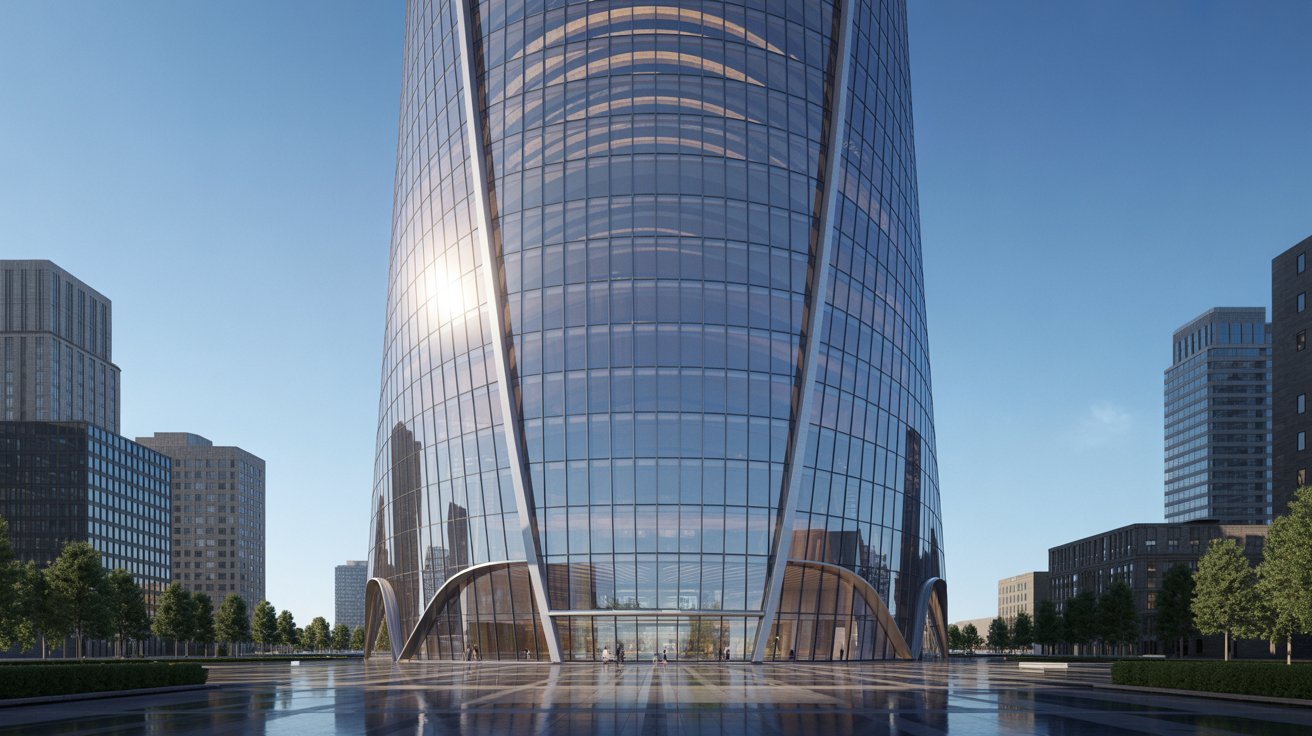
The main reasons design teams choose curves over flat walls.
Improved Visual Appeal
Curves give buildings a softer, more dynamic look. A curved wall catches light differently throughout the day, creating shifting shadows and highlights.
This makes the building feel alive instead of static. Many design teams choose curves simply because a flowing shape draws more attention than a flat one.
Better Aerodynamics and Wind Performance
Wind hits a flat wall directly, creating pressure and turbulence. A curved surface lets wind slide around it more smoothly.
This matters most for tall buildings, where wind load affects structural stress and even comfort for people walking nearby. Curved shapes can reduce wind resistance in a measurable way.
Enhanced Natural Light and Views
Curved facades often allow for wider, sweeping views from inside. Glass curves can wrap around a room without the harsh breaks that come with flat panel joints.
This also helps spread natural light more evenly across a floor, reducing dark corners and cutting down on artificial lighting needs.
Flexible Design Possibilities
Curves are not locked into one shape. A facade can bend gently or twist sharply, depending on the vision for the project.
This flexibility lets design teams respond to tight lots, unusual angles, or specific branding goals without forcing the building into a rigid box shape.
Common Materials Used in Curved Facades
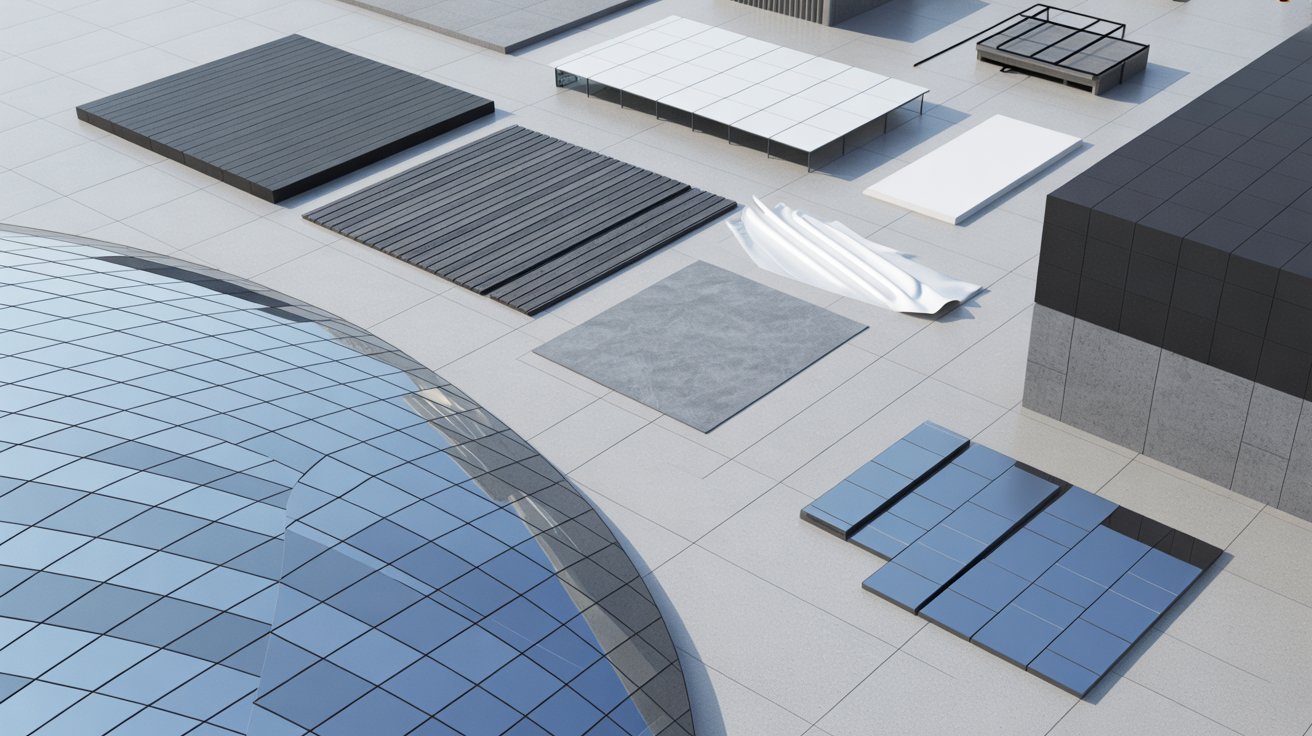
The main building materials that make curved exteriors possible.
Glass
Curved glass panels are common in modern facades. They allow light to pass through while following the building's bent shape.
Glass can be heat formed or cold bent, depending on how tight the curve needs to be.
Aluminum
Aluminum panels are lightweight and easy to shape into curves.
They resist rust and weather damage well, making them a practical choice for exterior cladding on buildings of many sizes.
Steel
Steel offers strong structural support for curved frames.
It can hold heavy loads while still bending into the shapes designers need, especially for larger or taller curved structures.
GFRC and GRC Panels
Glass fiber reinforced concrete and glass reinforced concrete panels can be molded into curved shapes before installation.
They offer a solid, durable finish and work well for buildings that need a heavier, more permanent look.
ETFE and Other Modern Materials
ETFE is a lightweight, flexible plastic material used in some curved facades, especially for roofs and canopies.
It lets light through while staying strong and weather resistant, making it a popular pick for modern, light-filled structures.
How Curved Facades Are Designed
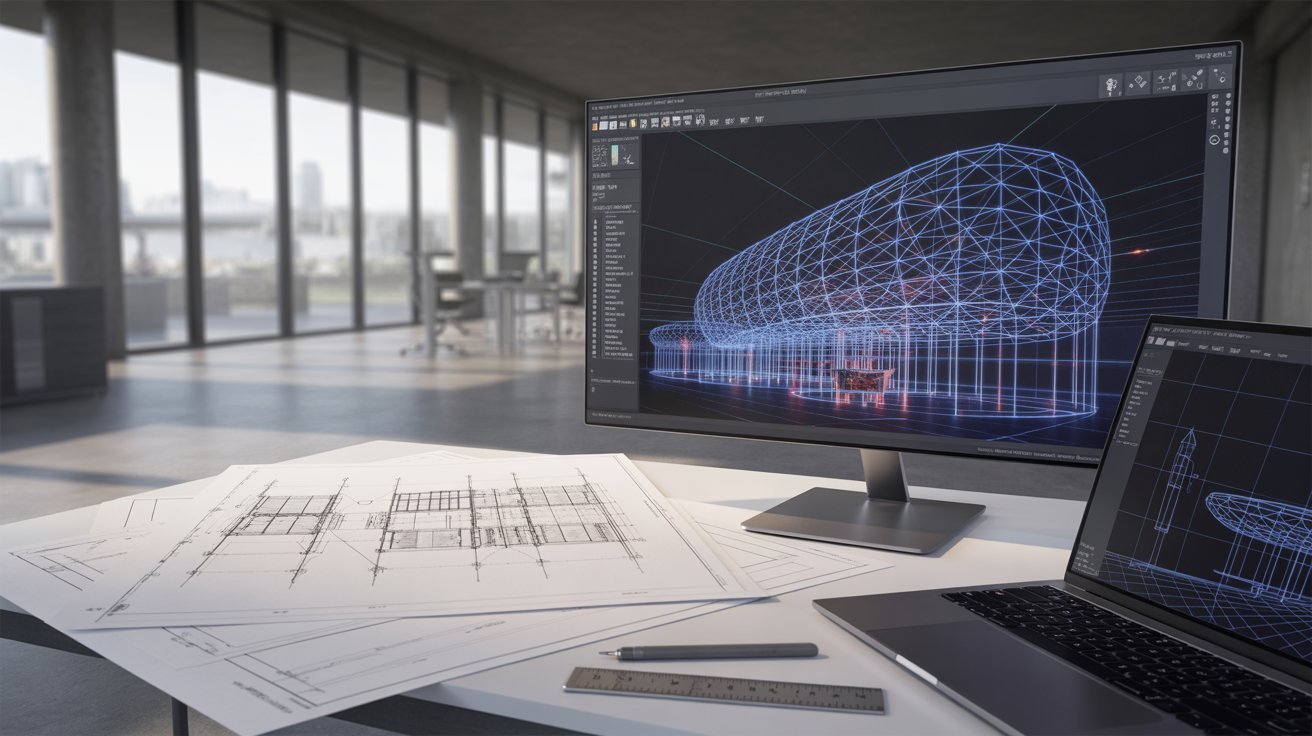
The process and tools used to plan and build curved exteriors.
Digital Modeling and Parametric Design
Curved facades start with digital modeling software. Parametric design tools let designers adjust curves, angles, and panel sizes quickly, testing different shapes before anything gets built. This step saves time and reduces costly mistakes later.
Structural Engineering Considerations
Once the shape is set, engineers check how the curve will hold weight and resist wind and weather. Curved structures often need custom supports, since standard flat panel framing will not fit the bent shape correctly.
Fabrication and Installation Process
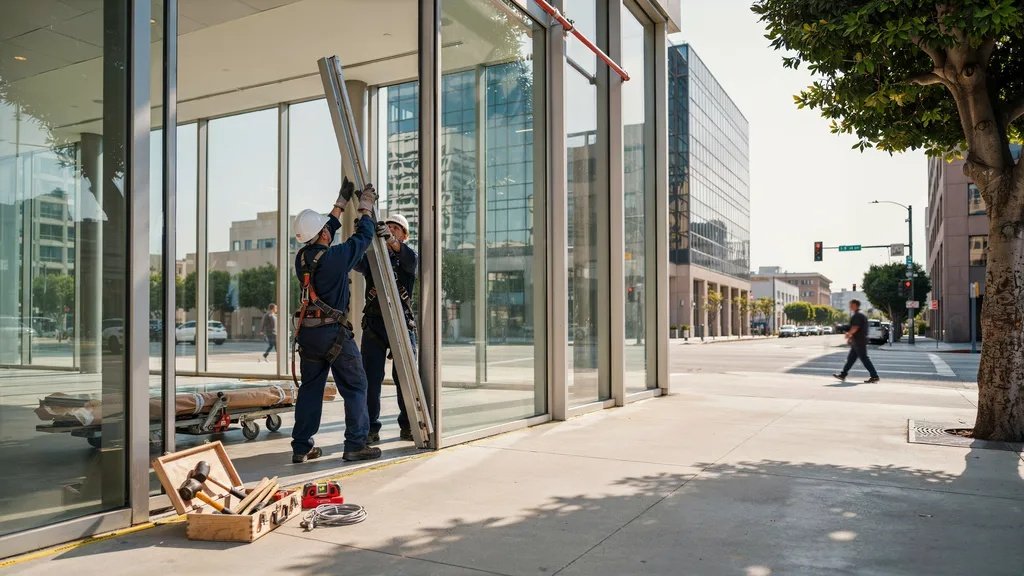
After engineering approval, materials are cut, bent, or molded to match the exact curve specs. Each piece is labeled and tracked, since curved panels are rarely interchangeable. Installation requires careful alignment to keep the curve smooth and consistent.
Types of Curved Facade Systems
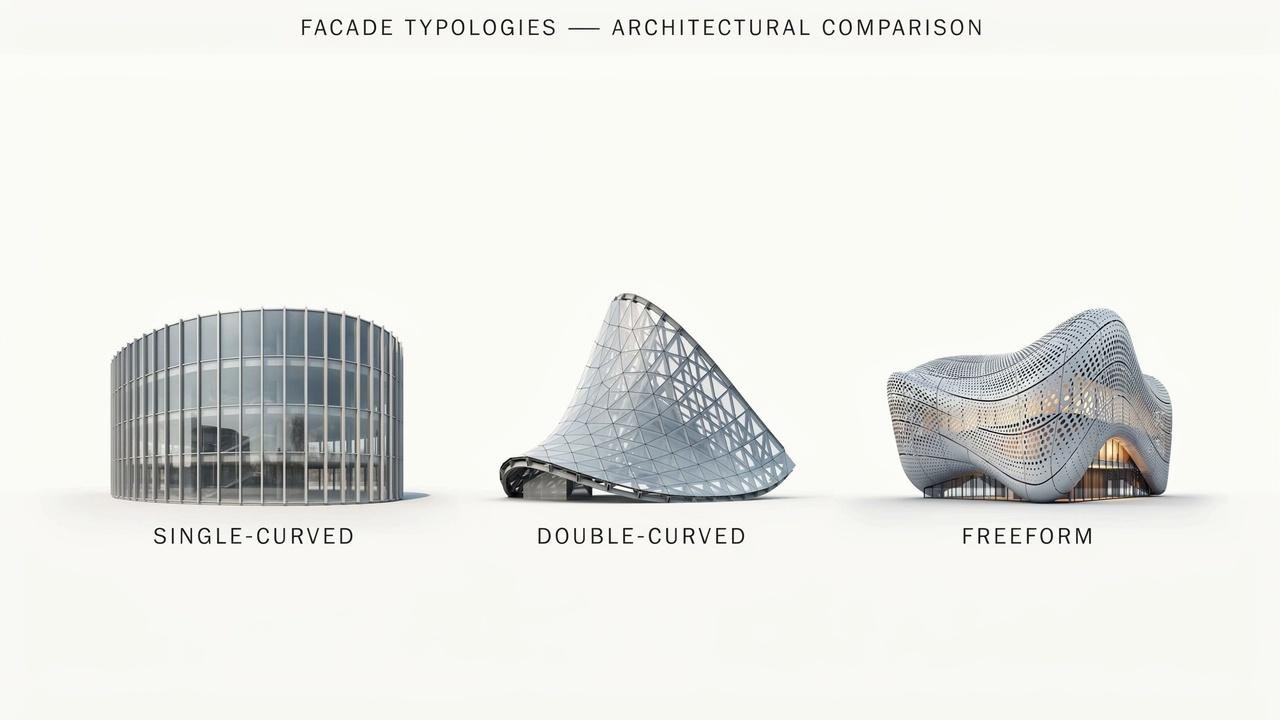
The main categories of curved building exteriors used today.
Single-Curved Facades
These bend in only one direction, like a gentle arc. They are simpler to engineer and build, making them a common starting point for curved designs.
Double-Curved Facades
These curve in two directions at once, creating a more complex, rounded shape. They require more advanced engineering and precise fabrication.
Freeform Facades
Freeform facades follow irregular, sculptural shapes with no fixed pattern. They demand the most advanced digital modeling and custom material work of any curved system.
Benefits of Curved Facade Architecture
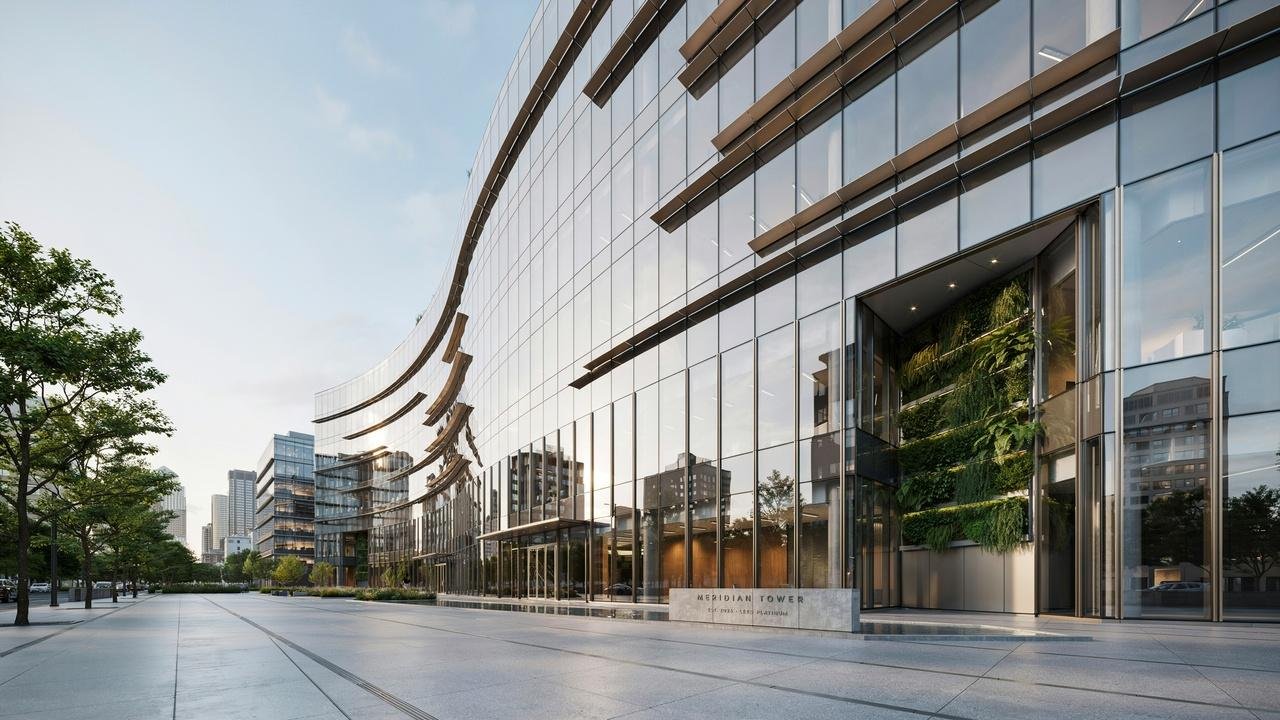
The real advantages curved exteriors bring to a building.
Aesthetic Value
Curved buildings tend to stand out in a crowd of flat, boxy structures. They give a project a distinct visual identity right away.
Energy Efficiency Potential
When designed well, curves can help control sunlight exposure and airflow, which may reduce heating and cooling costs over time.
Structural Performance
Curved shapes can distribute wind and structural loads more evenly across a surface, which sometimes improves overall building performance.
Brand Identity and Landmark Appeal
Companies and cities often choose curved designs to create a recognizable landmark. A curved building is easy to remember and easy to photograph.
Challenges of Curved Facade Design
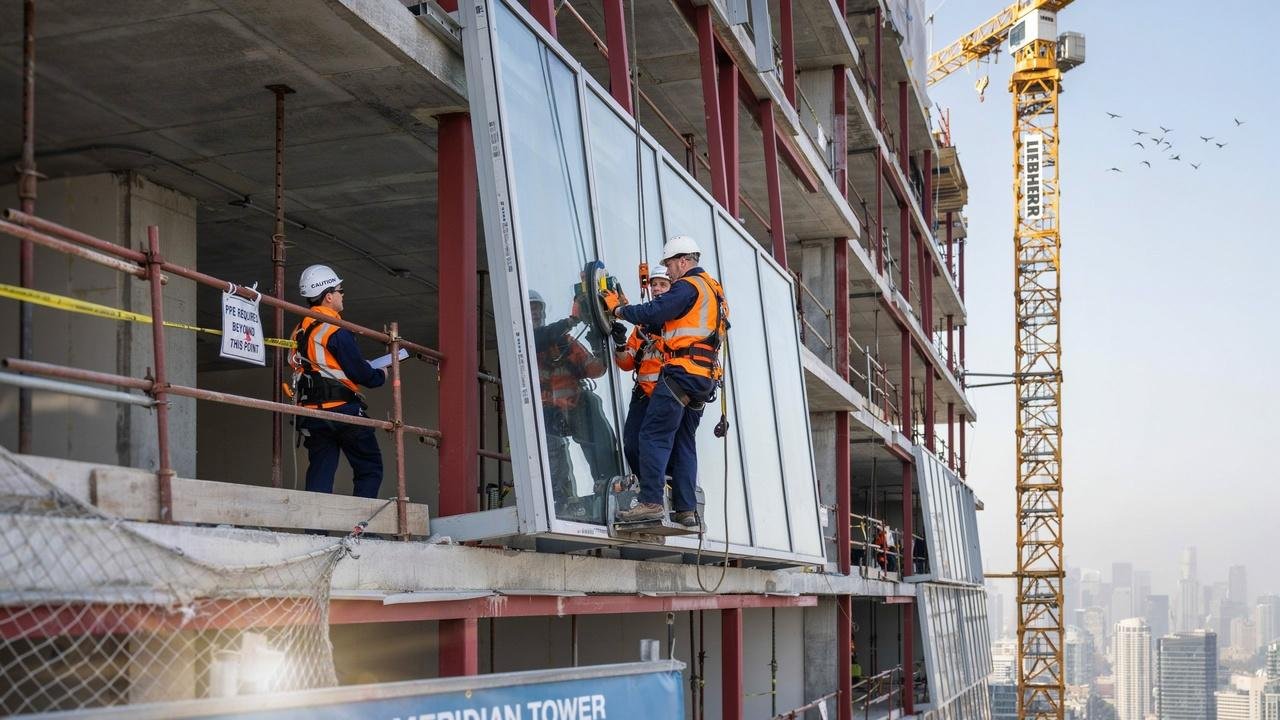
The downsides and difficulties that come with building curves.
Higher Design and Construction Costs
Curved materials and custom fabrication cost more than standard flat panels. Labor and planning time also increase due to the added complexity.
Complex Engineering Requirements
Curved structures need specialized engineering to handle uneven loads and custom support systems, which adds time and cost to the planning phase.
Maintenance and Cleaning Considerations
Curved surfaces, especially glass, can be harder to clean and maintain. Standard equipment does not always fit the angles, so specialized tools or methods may be needed.
Examples of Curved Facade Architecture
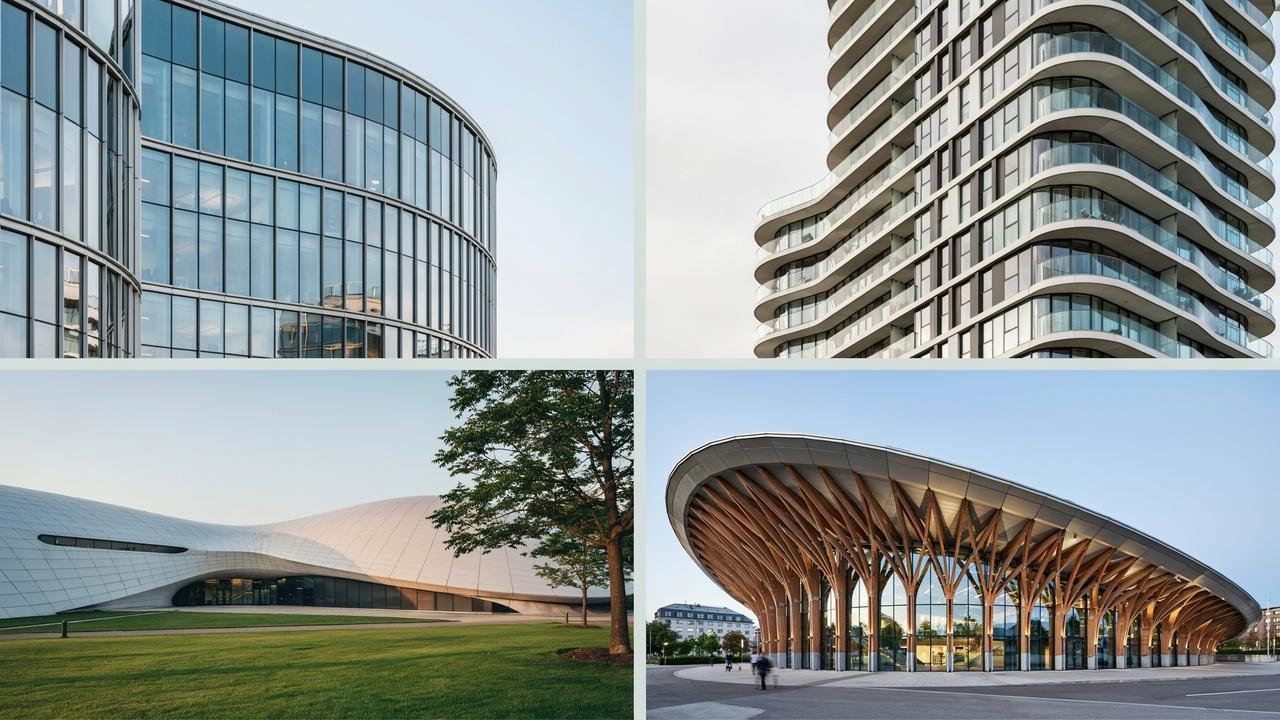
Real-world building types that use curved exterior designs.
Commercial Buildings
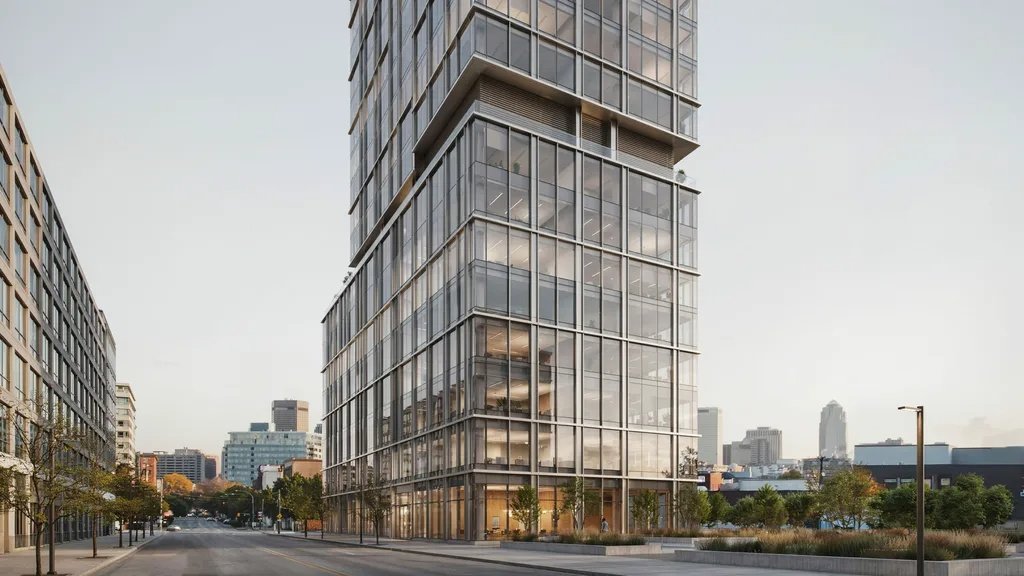
Office towers and corporate headquarters often use curved glass facades to create a modern, professional look that stands out from nearby buildings.
Residential Projects
Some homes and apartment buildings use curved balconies or wall sections to add visual interest while keeping interior layouts functional.
Cultural and Public Buildings
Museums, concert halls, and civic centers frequently use bold curved shapes to express creativity and draw public attention to the structure.
Tips for Planning a Curved Facade Project
Practical advice for anyone starting a curved facade build.
- Match materials to your curve type. Glass and aluminum work well for smoother, gentler curves, while GFRC suits heavier, more permanent shapes.
- Set a budget before choosing complexity. Decide early how much curve complexity you can afford, since costs rise fast with tighter or more layered curves.
- Hire a design team with curved facade experience. Specialized skills matter here, and mistakes on a curved build are expensive to fix.
- Compare costs across curve types. A single curve costs far less than a freeform or double curved design, so know what you're paying for upfront.
- Plan for maintenance from the start. Curved surfaces can be harder to clean and service, so factor this into your long-term budget too.
Conclusion
Curved facade architecture takes real planning, but the payoff is worth it.
I have seen flat buildings fade into the background while a single curved wall pulls every eye on the street.
If you are weighing a curved design for your next project, start small. Talk to your design team, ask about material costs, and get a clear cost estimate early.
Got questions about curved facade architecture? Drop a comment below.
Found this helpful? Share it with someone planning a build. Want more design guides like this? Check out our other posts.
Frequently Asked Questions
What is curved facade architecture?
Curved facade architecture means shaping a building's outer walls with curves instead of flat lines. It changes how the building looks and performs.
What materials work best for curved facades?
Glass, aluminum, and steel are common choices. GFRC panels and ETFE work well for heavier or more flexible curved designs.
Why do curved facades cost more than flat ones?
Curved materials need custom shaping and specialized labor. Engineering and fabrication both take more time than standard flat panel work.
Are curved facades harder to maintain?
Yes, in most cases. Curved glass and panels can be tricky to clean since standard tools do not always match the angles.
Can curved facades improve energy efficiency?
They can, when designed correctly. Curves may help control sunlight and airflow, which can lower heating and cooling costs over time.