Have you ever opened a window two different ways with just one handle? If not, you're in for a nice surprise. German tilt and turn windows do exactly that, and once you try them, regular windows start to feel a bit outdated.
I remember the first time I saw one in action. A simple turn of the handle, and the window either tilted open for fresh air or swung fully inward for cleaning. No struggling, no climbing outside, just smooth, simple movement.
These windows are common across Germany and much of Europe for good reason. They offer strong security, tight seals, and better insulation than many standard designs.
In this guide, we'll walk through how they work, their key benefits, and what to check before you buy.
What Are German Tilt and Turn Windows?
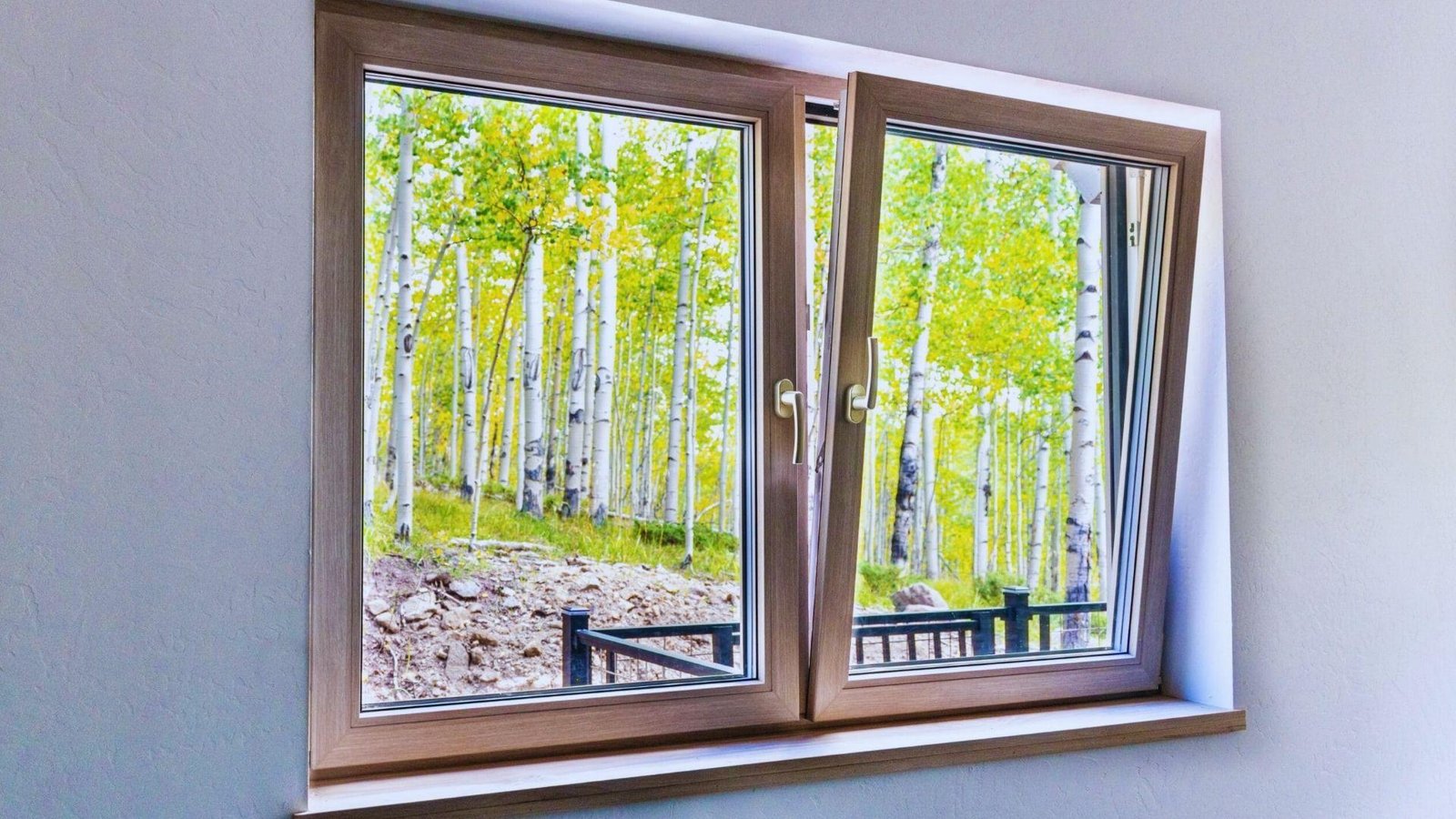
Tilt and turn windows open two ways. Tilt the top inward for gentle airflow, or turn the whole sash inward like a door for full opening and easy cleaning. One handle controls both actions.
These windows are common across Germany and much of Europe because they offer better security, airtight seals, and energy efficiency than many standard designs.
Unlike typical American windows, which slide or swing outward, German tilt and turn windows open inward, use multi-point locking, and provide stronger insulation against heat loss and noise.
How Do German Tilt and Turn Windows Work?
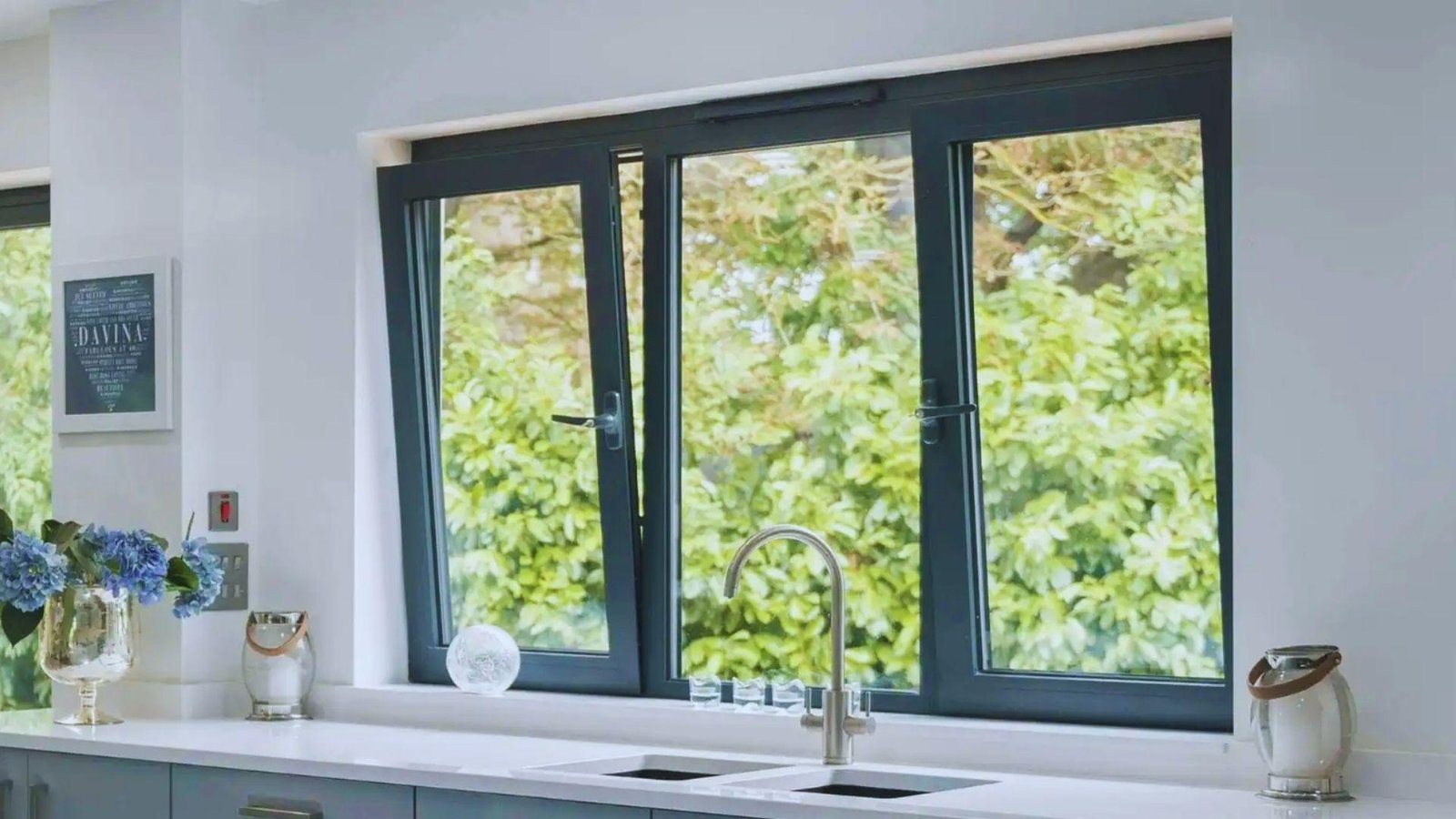
One handle controls every function of these windows. Turn it straight down, and the window stays fully closed, sealed tight against drafts, rain, and outside noise.
Turn the handle to a 90 degree angle, and the top of the window tilts inward for light, controlled airflow without leaving it wide open.
Turn the handle a full 180 degrees, and the entire sash swings inward like a door, giving full access for fresh air or cleaning.
Some models also include a small tilt setting for gentle background ventilation.
Key Features of German Tilt and Turn Windows
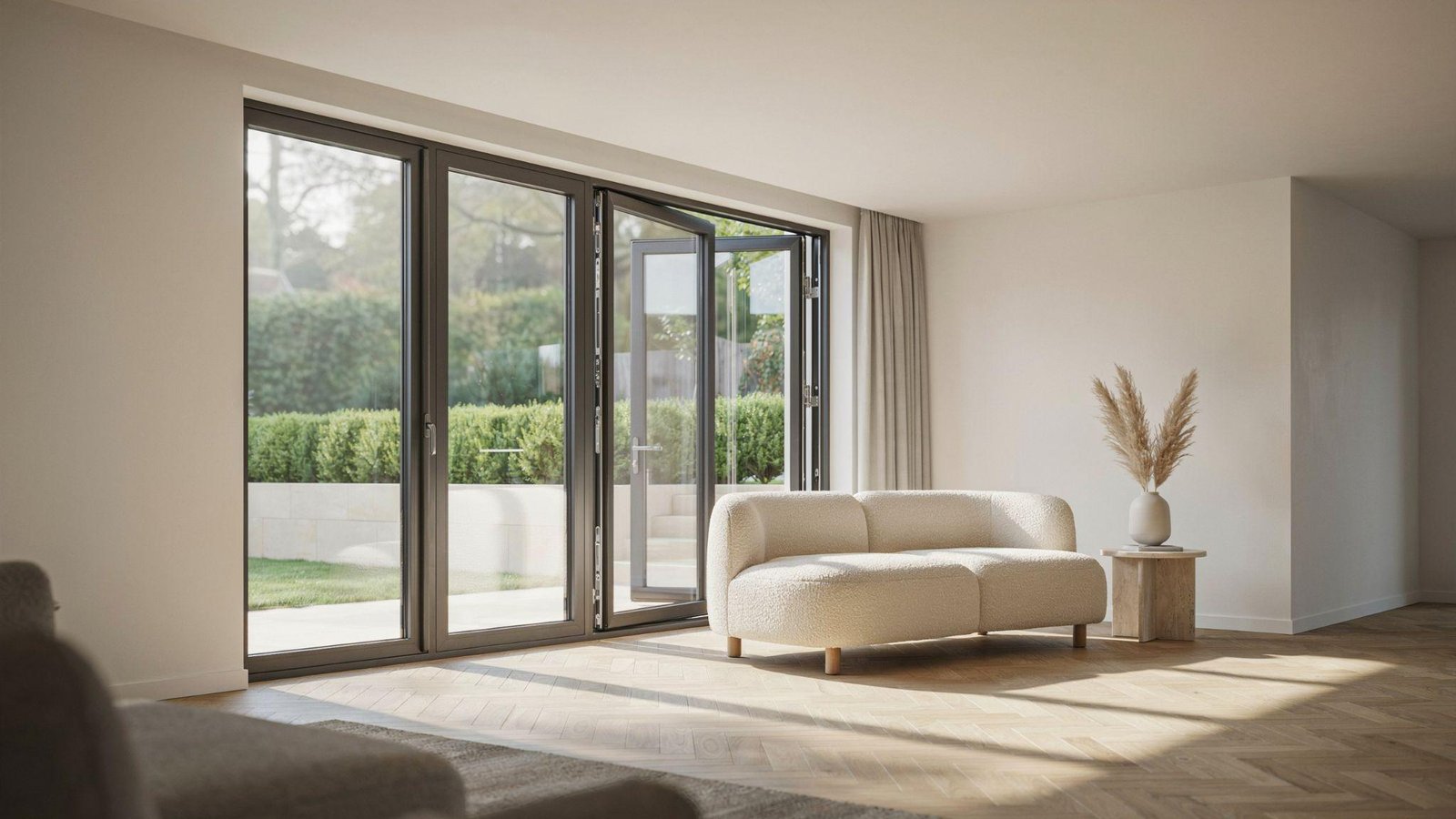
These windows pack several smart design choices into one frame. Here are the features that set them apart.
Multi-Point Locking System
Most models lock at several points along the frame, not just one. This spreads pressure evenly across the sash and makes the window much harder to force open from outside.
It adds a real layer of home security without changing how the window looks.
Large Uninterrupted Glass Panels
The hardware sits inside the frame, so there's less need for bulky dividers or visible parts. This allows larger glass panels, letting in more natural light.
Rooms end up feeling brighter and more open as a result.
Inward-Opening Design
Since the sash swings inward, you can clean both sides of the glass from inside your home. There's no need to step outside or use a ladder.
It also keeps the outer frame better protected from harsh weather over time.
Advanced Weather Sealing Technology
Rubber gaskets and tight seals run along the edges of the frame. This keeps out drafts, rain, and dust, even during strong wind or storms.
It also helps reduce outside noise from entering the room.
Double and Triple Glazing Options
You can choose two or three layers of glass, often with gas filled gaps in between. More layers mean better insulation and lower energy bills.
The extra glass also helps create a quieter indoor space.
Durable European Hardware
The hinges, locks, and handles are usually made from strong materials built for daily use. Good hardware keeps the window opening and closing smoothly for years.
It also lowers the chances of repairs or replacements down the line.
Benefits of German Tilt and Turn Windows
These windows offer more than just good looks. Here's what makes them worth the investment.
- They keep heat inside during winter and outside during summer, which helps lower energy bills. Tight seals and multiple glass layers play a big role in this.
- The multi-point locking system makes break-ins much harder compared to standard windows. This gives homeowners real peace of mind.
- The tilt function allows steady airflow without fully opening the window. This helps keep indoor air fresh while limiting dust, bugs, and rain from entering.
- Since the sash opens inward, both sides of the glass can be cleaned from inside the home. This removes the need for ladders or outside access.
- Thick seals and multiple glass panels block a good amount of outside noise. This makes rooms feel calmer, especially in busy or noisy areas.
German Tilt and Turn vs. Double-Hung vs. Casement Windows
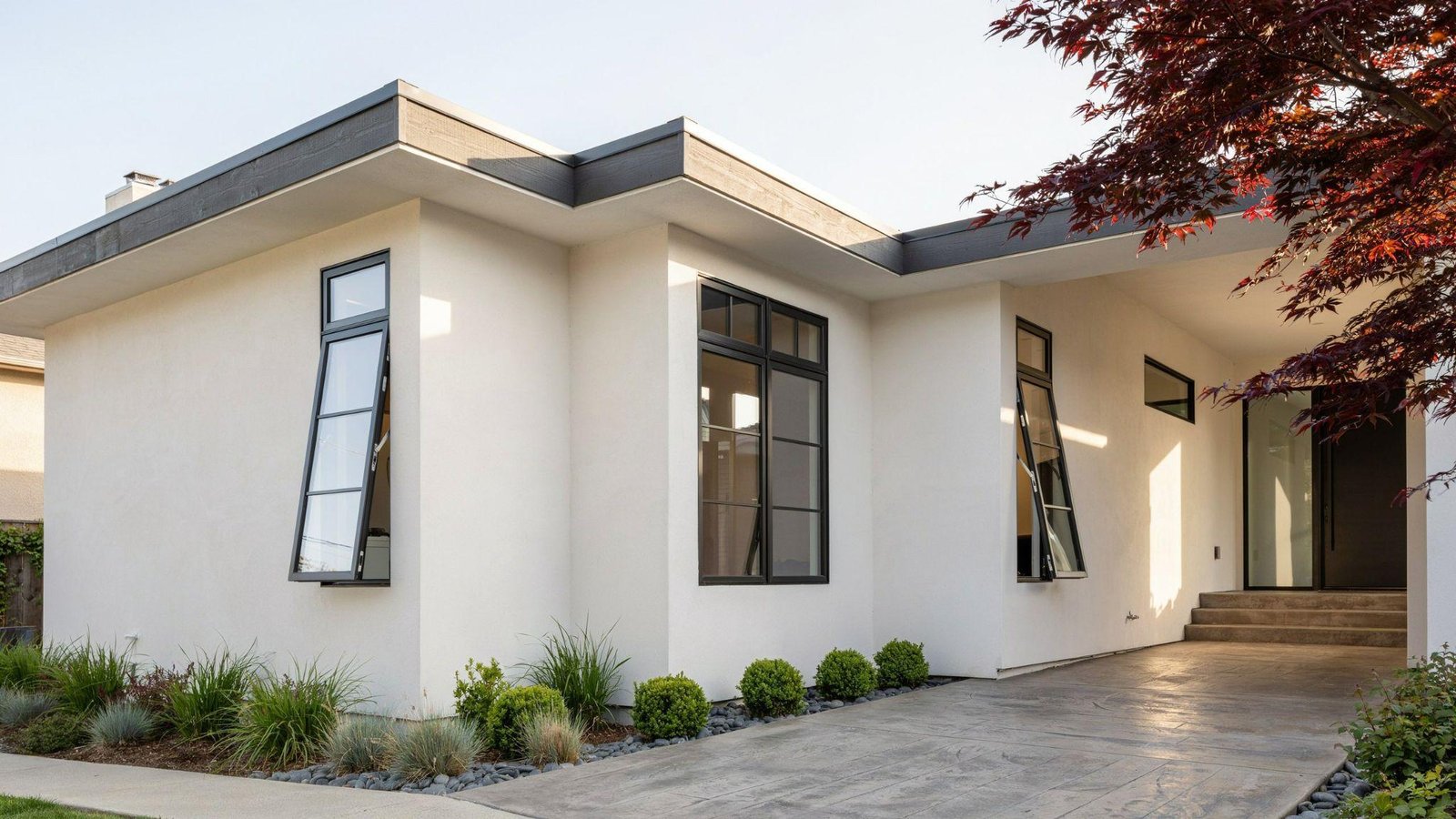
Each window type works a bit differently when it comes to airflow, security, and upkeep. Here's a quick side-by-side look to help you compare.
| Factor | Tilt and Turn | Double-Hung | Casement |
| Opening | Inward, tilt or turn | Slides up and down | Outward, side hinge |
| Ventilation | Adjustable, controlled | Top and bottom gaps | Wide but less control |
| Energy Efficiency | Tighter seals, better | More gaps, more draft | Decent, loosens over time |
| Security | Multi-point locking | Single lock point | Single lock point |
| Maintenance | Clean from inside | Needs outside access | Easy, but hinges need care |
| Space Needed | None outside | None outside | Needs outdoor clearance |
Materials Available for German Tilt and Turn Windows
These windows come in a few material options, each with its own strengths. Here's a quick look at what each one offers.
- uPVC (Vinyl) Tilt and Turn Windows: uPVC is budget friendly and resists moisture, rot, and warping. It needs very little upkeep and holds up well in most weather. A popular pick for cost and performance.
- Wooden Tilt and Turn Windows: Wood gives a warm, classic look and offers good insulation. It needs regular care, like sealing or painting, to avoid damage. Best for those who value appearance alongside function.
- Aluminum Tilt and Turn Windows: Aluminum is strong, lightweight, and resistant to rust. Slim frames mean more glass and a modern look. It conducts heat more, though, so insulation can be lower.
- Aluminum-Clad Wood Windows: This combines a wooden interior with an aluminum outer shell. You get warmth inside and weather protection outside. A solid middle ground between looks and durability.
- Aluminum-Clad uPVC Windows: uPVC forms the core, with aluminum covering the outside. This adds strength and a sleek finish without much extra upkeep. Good for durability with a modern touch.
Energy Efficiency of German Tilt and Turn Windows
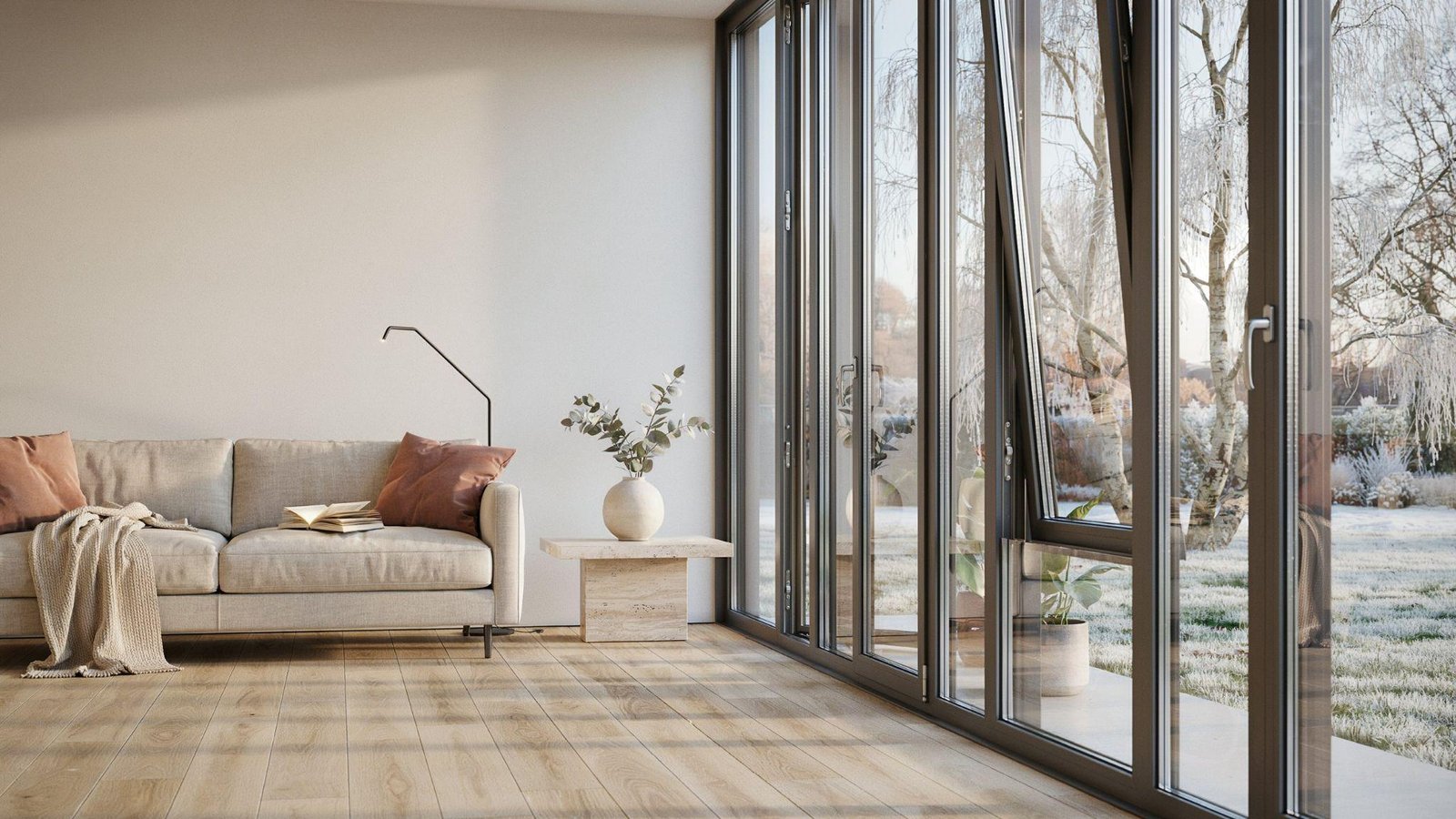
Multi-point sealing keeps frames tightly closed, cutting down drafts and heat loss along every edge. Double and triple glazing adds extra layers of glass, often with gas filled gaps that boost insulation further.
Many of these windows meet Passive House standards, built for very low energy use and strong thermal performance. Together, these features can lower heating and cooling costs significantly.
Homeowners often notice smaller energy bills within the first year, along with steadier indoor temperatures across changing seasons.
Potential Drawbacks to Consider
These windows aren't perfect for every home. Here are a few points worth thinking about before you buy.
- Since the sash opens inward, you'll need enough clear space inside the room. Furniture or curtains placed too close can get in the way.
- Window treatments like blinds or heavy curtains may need adjusting to avoid blocking the window's swing path. Some styles work better than others.
- These windows often cost more upfront than standard sliding or hung windows. The extra hardware and sealing add to the price.
- Not every local supplier carries these windows, so sourcing one can take more time. Pricing may also vary depending on availability.
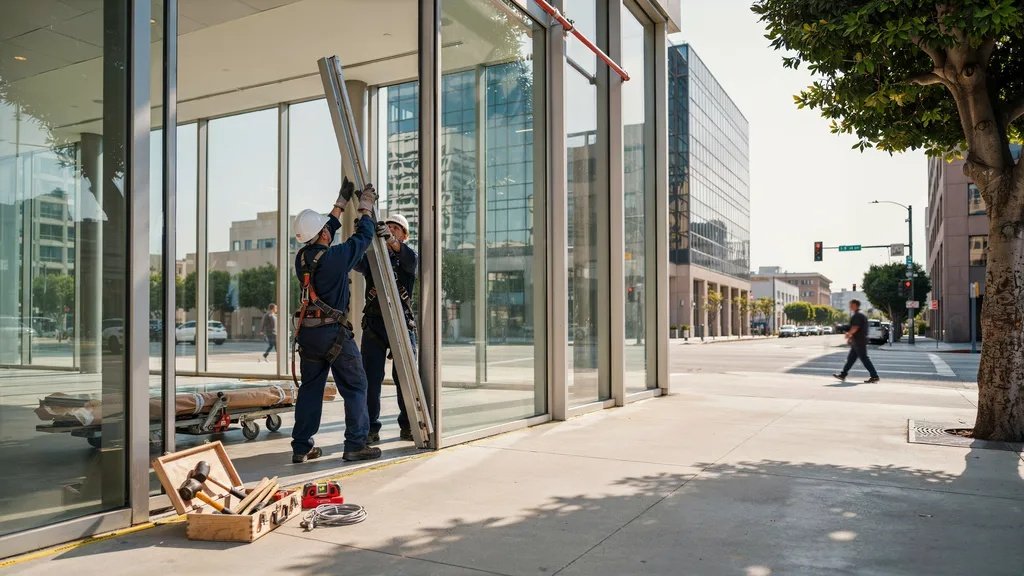
- Proper installation needs some specific know-how, since the hardware and sealing differ from standard windows. Hiring an experienced installer matters.
How to Choose the Best German Tilt and Turn Windows
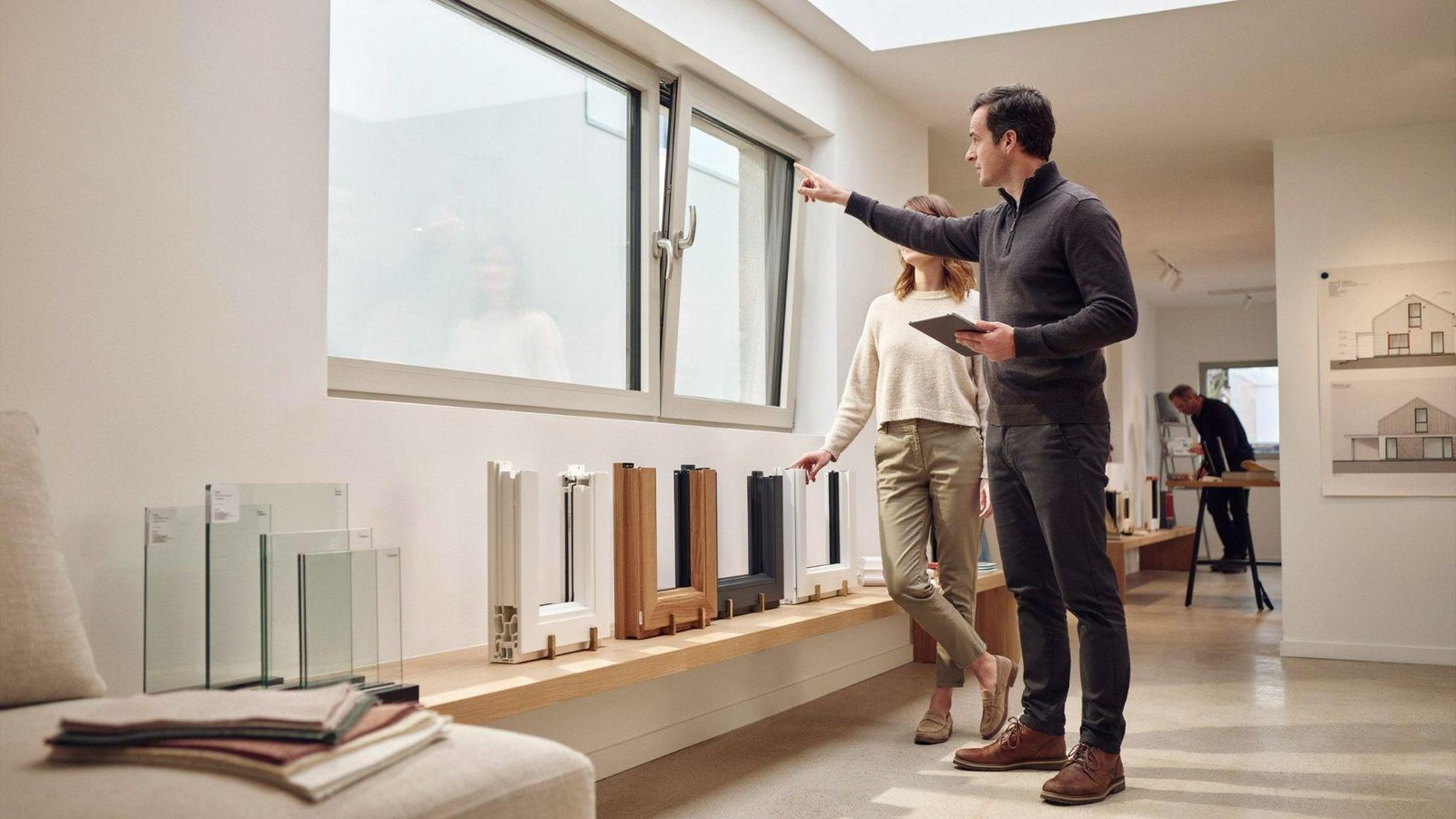
Pick a frame material based on your budget, climate, and how much upkeep you want. Decide between double or triple glazing depending on your insulation and noise needs.
Check security features and energy ratings before buying, since these vary by brand and model. Many options allow customization in color, size, and hardware to match your home.
Before purchasing, ask about warranty coverage, installation support, and expected lifespan to avoid surprises later.
Conclusion
After looking closely at how these windows work, it's easy to see why so many homeowners across Europe trust them.
The mix of strong security, better insulation, and simple cleaning makes daily life a little easier. Yes, the upfront cost is higher, and you'll need some space for that inward swing. But the long term comfort and savings usually make up for it.
If you're planning a window upgrade soon, it's worth getting a quote and comparing options for your home. A quick chat with a trusted installer can help you decide what fits best.
Frequently Asked Questions
What makes German tilt and turn windows different from regular windows?
They open two ways using a single handle, either tilting for airflow or turning fully inward. This gives more control over ventilation and easier access for cleaning.
Are German tilt and turn windows more secure than standard windows?
Yes, most models use multi-point locking along the frame instead of just one lock. This makes them much harder to force open from outside.
Do these windows help reduce energy bills?
Yes, tight seals and double or triple glazing help keep heat in during winter and out during summer. Many homeowners notice lower energy bills after installation.
Can I clean these windows without going outside?
Yes, since the sash opens inward, both sides of the glass can be cleaned from inside your home. There's no need for a ladder or outside access.
Are German tilt and turn windows expensive to install?
They usually cost more upfront than standard windows due to the hardware and sealing involved. However, the long term energy savings often help balance out the cost.