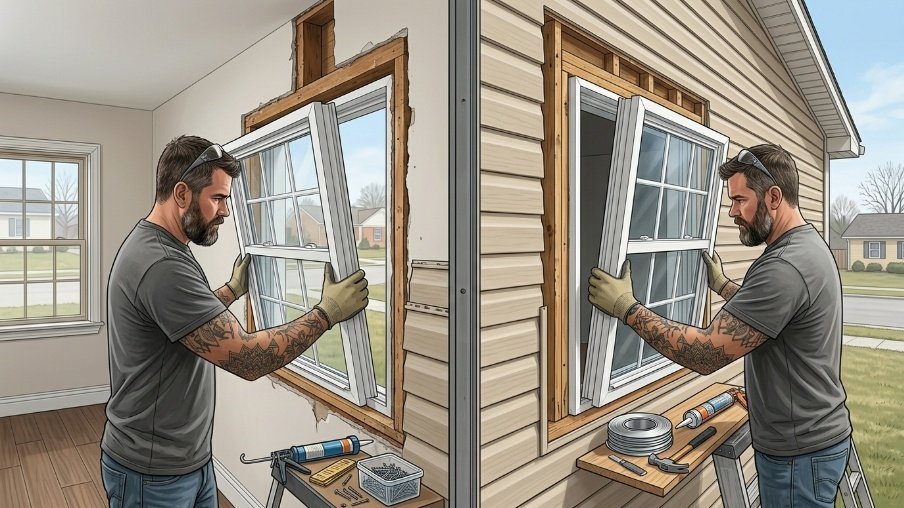
Most people don't know if replacement windows go in from the inside or the outside. It's a fair question, and the answer actually matters before you hire anyone or pick up a tool.
In this guide, I'll clear that up fast. We've helped homeowners understand window installation the right way, no confusing jargon, no runaround.
You'll learn which direction is standard, when outside installation makes sense, and what the process looks like step by step.
By the end, you'll know exactly what to expect, and what to ask your installer before the job starts.
What Are Replacement Windows?
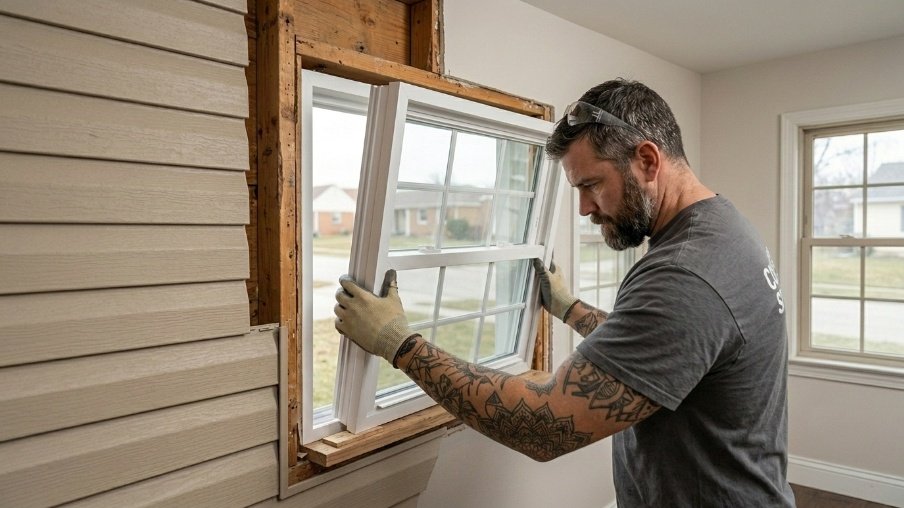
Replacement windows are designed to fit into your existing window frame, no major wall work needed. They slide right into the opening left by your old window.
New construction windows are different. They're built for walls that are being framed from scratch. They come with a nailing fin, a flat flange that attaches directly to the wall studs.
That difference matters because it changes how each window gets installed.
Replacement windows go in through the existing frame, usually from the inside.
New construction windows require exterior access because they attach to the structure of the wall itself.
Do You Install Replacement Windows From the Inside or Outside?
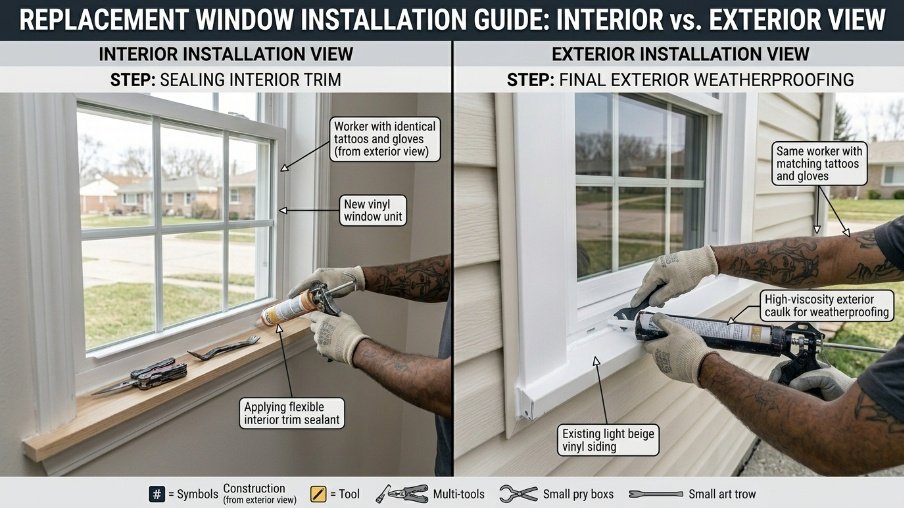
Most replacement windows are installed from the inside. That is the standard method used by professionals across the industry.
Here is why inside installation is the default
The existing frame stays intact. Installers remove the old sash first. Then the new window unit slides into the same opening.
No exterior wall work needed. No siding removal. No major disruption outside your home.
It is cleaner, faster, and less expensive than working from the outside.
How Does the Inside Installation Process Work?
Installers start by removing the interior trim and old sashes. Then they clean up the existing frame and check for any damage.
The new window unit gets placed into the opening from inside the room. It is leveled, secured, and sealed properly.
The whole process usually takes under an hour per window.
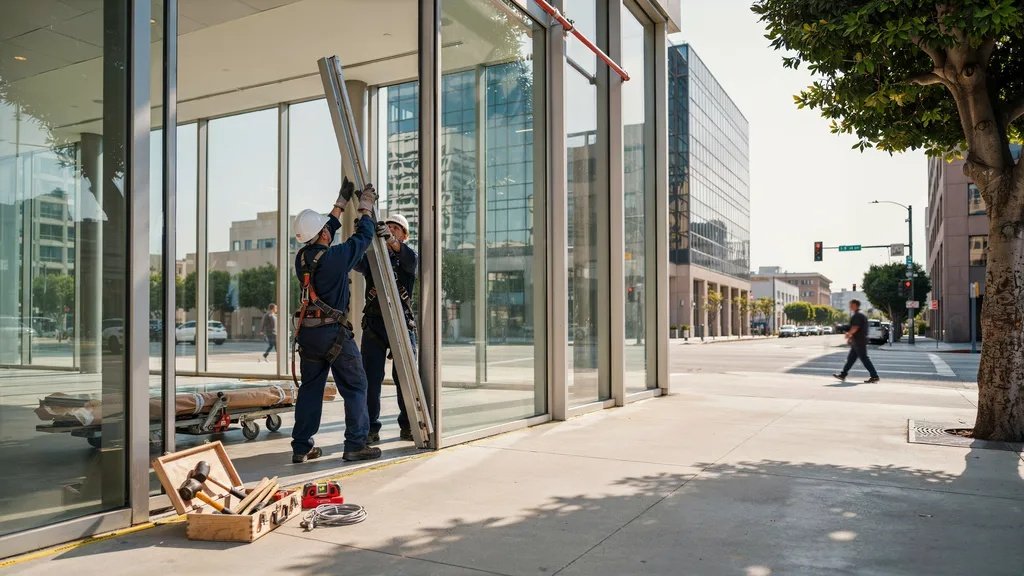
When Are Replacement Windows Installed From the Outside?
Outside installation is less common. But certain situations make it necessary.
- Damaged or rotted frames that cannot hold a new window unit safely.
- Full frame replacement where the entire frame needs to come out and be rebuilt.
- Accessibility or structural issues that block interior access to the window opening.
In these cases, installers work from the exterior and remove more of the surrounding structure.
How Does Exterior Installation Differ?
The process is more involved than inside installation.
Installers remove exterior casing, trim, and sometimes siding. The old frame gets taken out completely. A new full frame window unit is then fitted into the rough opening.
Everything gets flashed, sealed, and weatherproofed from the outside. It takes more time and typically costs more than a standard inside installation.
Inside vs. Outside Installation: Key Differences
Knowing the difference helps you set the right budget, timeline, and expectations before the job begins.
| Factor | Inside Installation | Outside Installation |
| Most common | Yes | No |
| Frame condition needed | Good and intact | Damaged or rotted frames |
| Interior disruption | Minimal | More disruption |
| Exterior disruption | None | Yes |
| Cost | Lower | Higher |
| Time required | Faster | Longer |
Step-by-Step: How Inside Replacement Window Installation Works
Inside installation is straightforward when your existing frame is in good condition.
Step 1: Remove Interior Trim and Stops
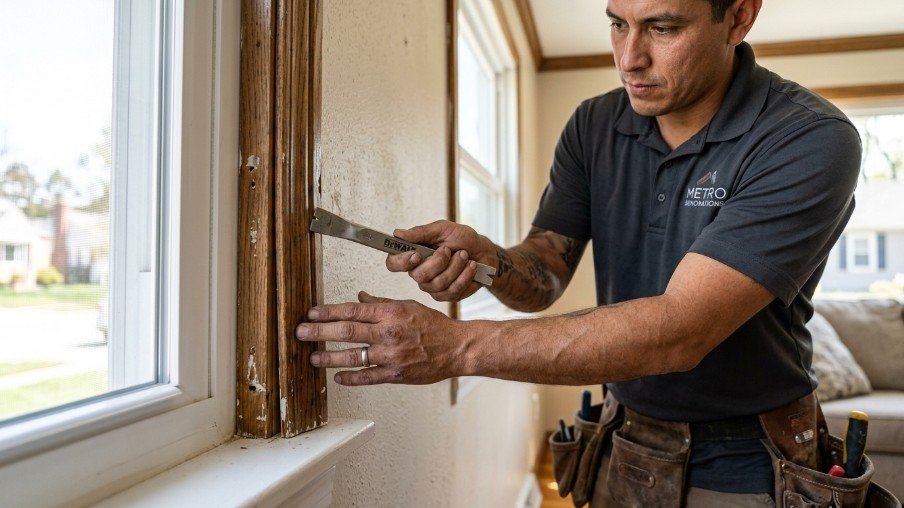
The installer starts by carefully removing the interior trim and window stops. These are the small pieces of wood that hold the sashes in place.
Removing them cleanly makes the rest of the process easier and protects your walls from damage.
Step 2: Take Out the Old Sashes
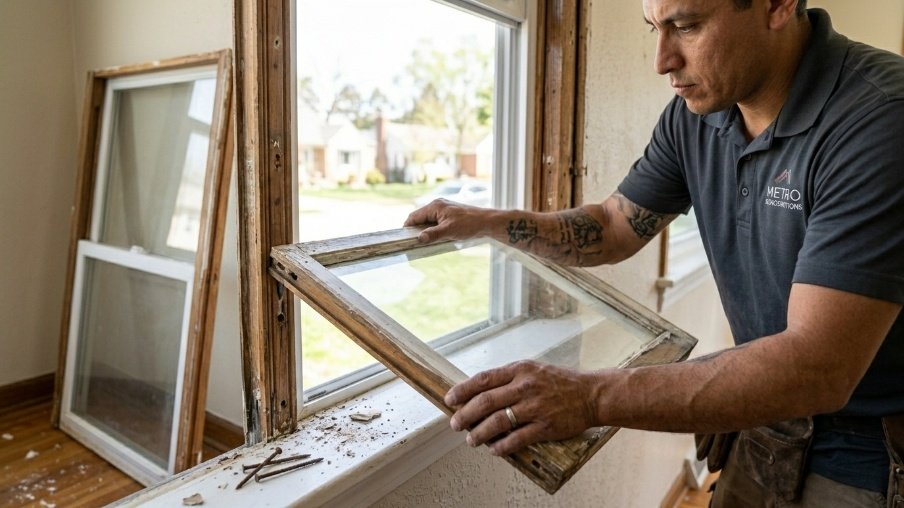
Once the stops are removed, the old sashes come out. Both the upper and lower sashes are lifted out of the frame.
This clears the opening and gives the installer full access to the existing frame.
Step 3: Clean and Inspect the Existing Frame
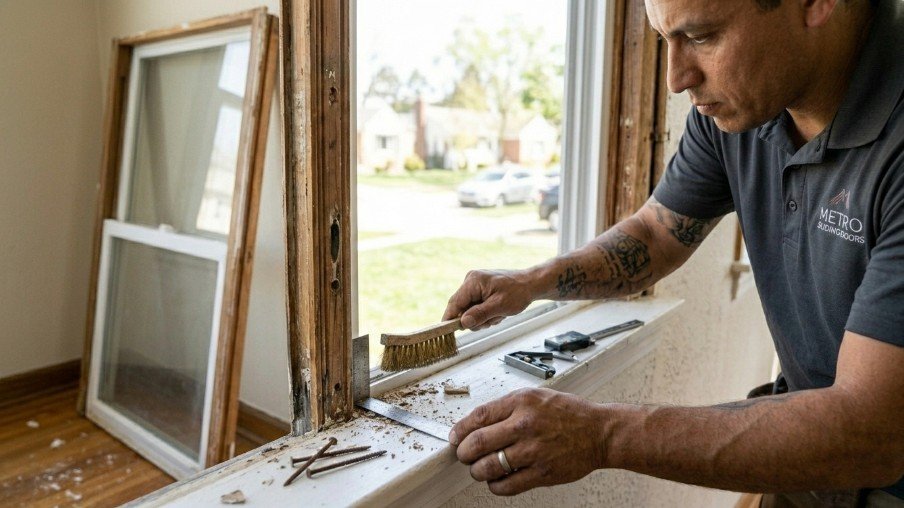
The frame gets cleaned and checked carefully for any damage, rot, or warping. If the frame is solid, installation moves forward.
Any minor issues are addressed before the new window goes in.
Step 4: Insert and Level the New Window Unit
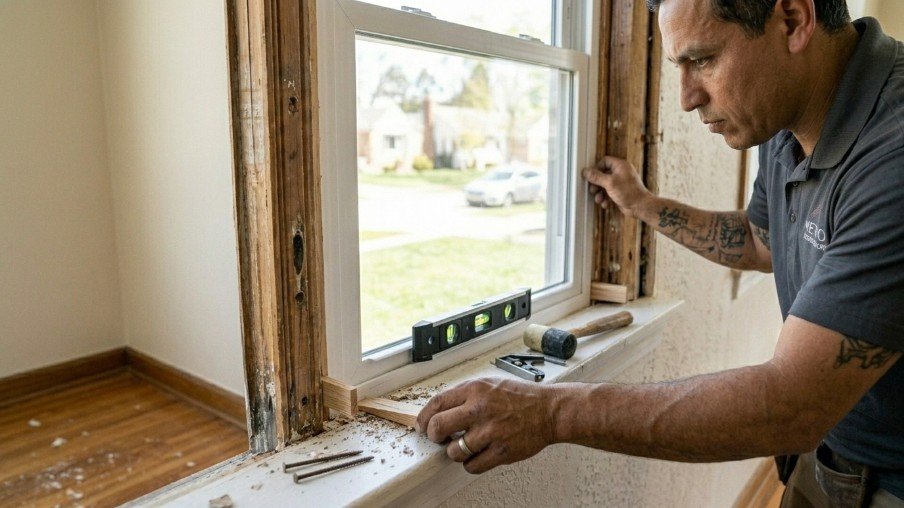
The new window unit slides into the existing frame from inside the room. The installer levels it carefully on all sides.
A window that is not level will not open, close, or seal properly.
Step 5: Insulate and Seal the Gaps
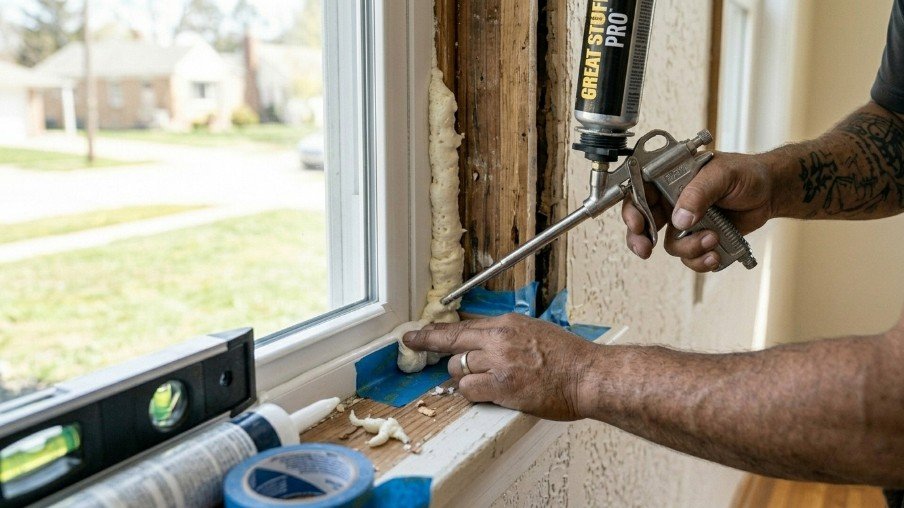
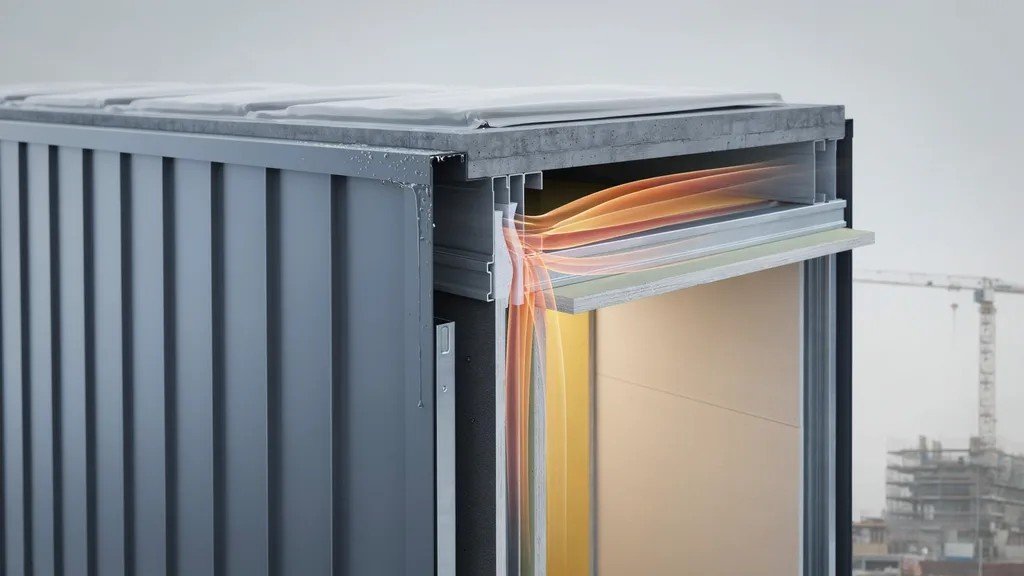
Gaps around the window unit are filled with insulation and sealed. This step is critical for energy efficiency and weatherproofing.
Skipping it leads to drafts, moisture problems, and higher energy bills over time.
Step 6: Reinstall or Replace Interior Trim
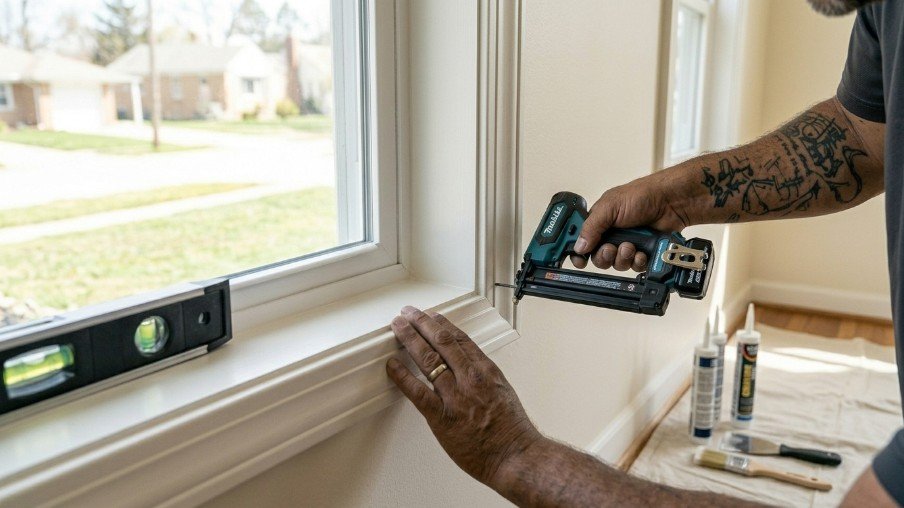
The interior trim and stops go back into place. If the old trim was damaged during removal, new trim gets installed instead.
Once the trim is secured, the window is fully installed and ready to use.
Step-by-Step: How Outside Replacement Window Installation Works
Outside installation takes more time but is necessary when frames are damaged or fully replacing the window system.
Step 1: Remove Exterior Casing and Trim
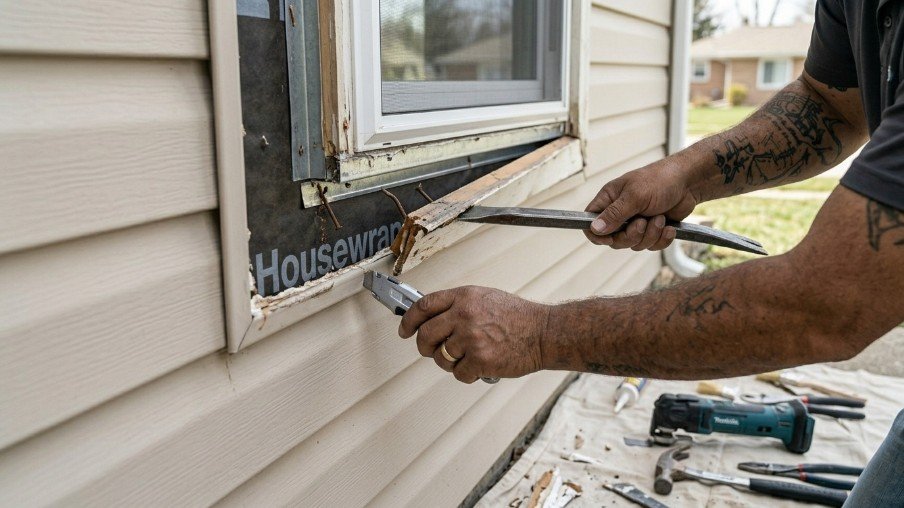
The installer begins by removing all exterior casing and trim around the window. This exposes the outer edge of the window frame.
Care is taken to avoid damaging the surrounding siding or wall surface.
Step 2: Cut Through Siding or Cladding if Needed
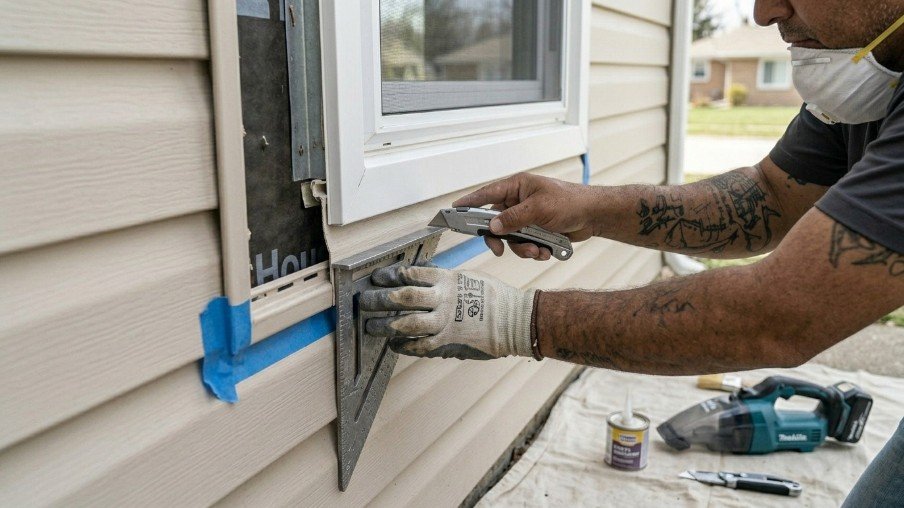
In some cases, siding or cladding around the window needs to be cut back. This creates enough room to access and remove the full frame.
The cuts are made precisely to keep wall damage to a minimum.
Step 3: Remove the Old Frame Entirely
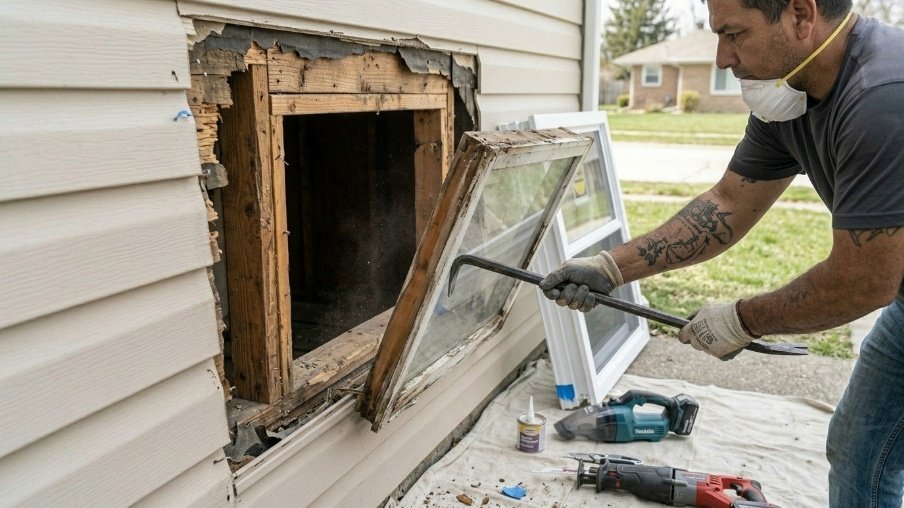
Unlike inside installation, the entire frame comes out during exterior installation. This includes the frame, sill, and any surrounding structure that is damaged.
A clean rough opening is left behind for the new window unit.
Step 4: Install the New Full Frame Window Unit
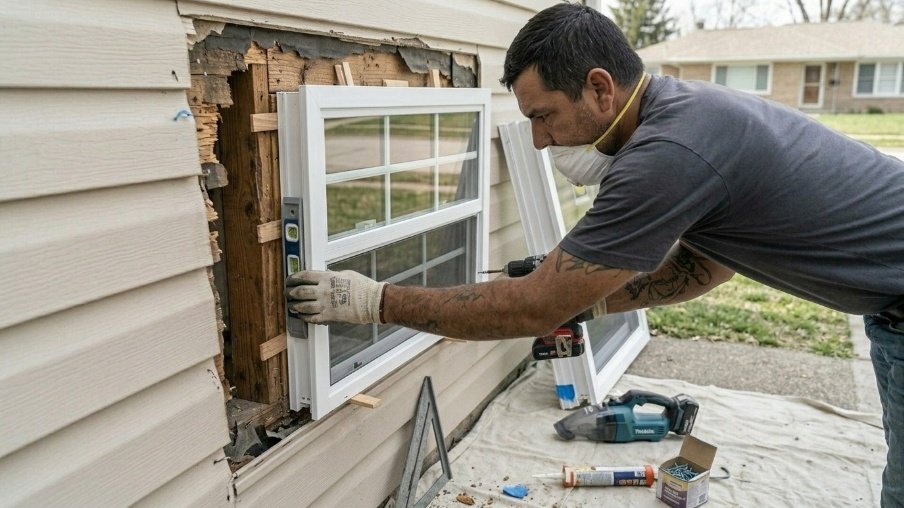
A full frame window unit is fitted directly into the rough opening. It is leveled, squared, and secured to the wall structure.
This type of window includes its own frame so no existing frame is needed.
Step 5: Flash and Weatherproof the Exterior
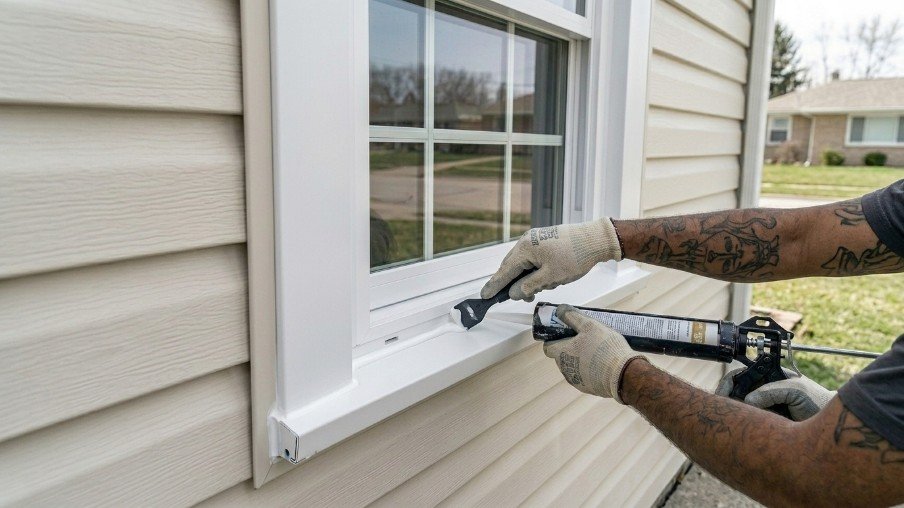
Flashing is installed around the window to direct water away from the opening. All edges are sealed and weatherproofed carefully.
This step protects your home from moisture damage and air leaks for years ahead.
Step 6: Reinstall Exterior Trim and Casing
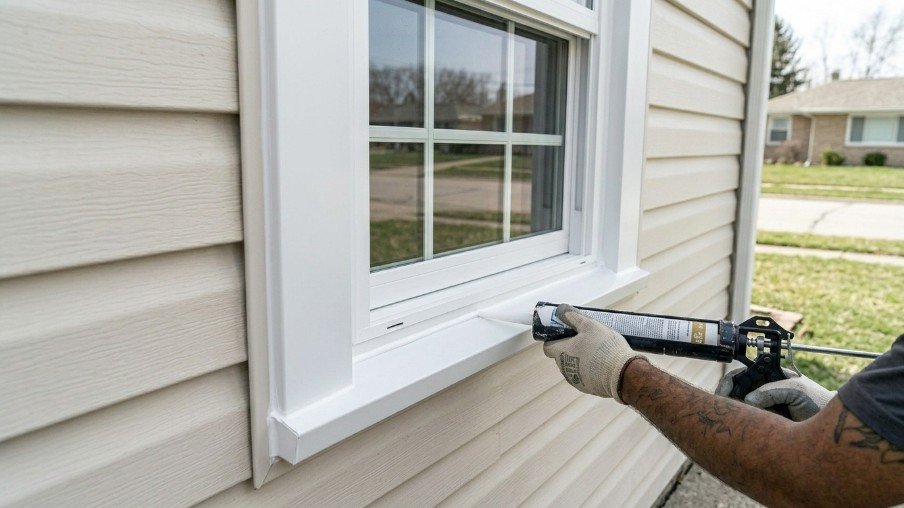
New exterior trim and casing are installed around the window. Everything is caulked and sealed for a clean finished look.
Once complete, the window is fully secured, weatherproofed, and ready from the outside in.
Does the Installation Side Affect Quality or Performance?
The installation method does impact how your window performs over time.
- Energy Efficiency:Poor sealing on either method leads to drafts and higher energy bills
- Sealing and Insulation:Proper caulking and insulation matter more than which side you install from
- Long Term Durability:Both methods last long when the frame is solid and installation is done right
Can You DIY Replacement Window Installation?
It depends on the method and your experience level.
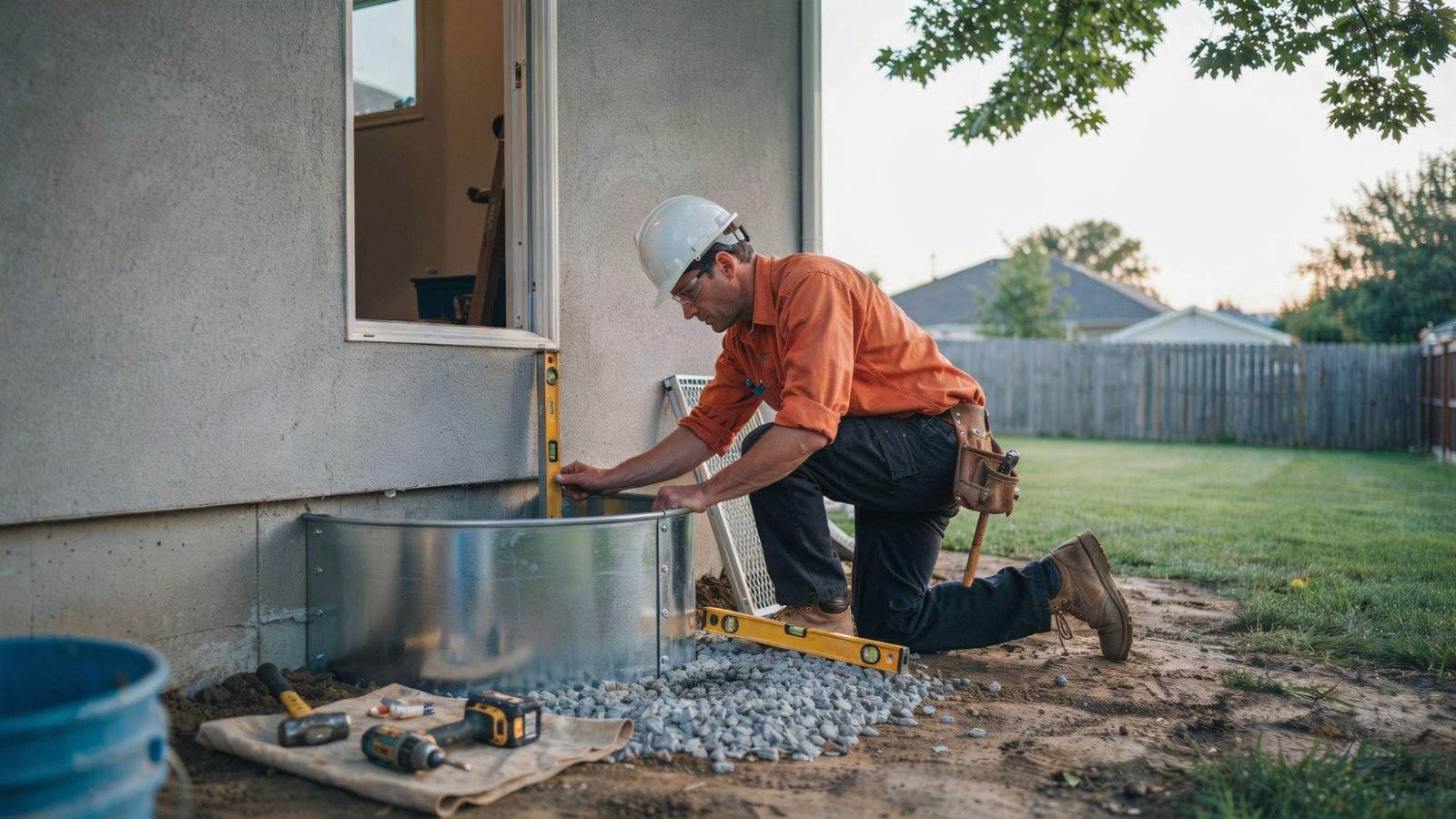
- Inside Installation:Possible for experienced DIYers with basic carpentry skills
- Outside or Full Frame Installation:Always hire a professional as one mistake can cause serious water damage
- Tools You Will Need:Utility knife, pry bar, hammer, level, and caulk gun
- When to Always Call a Professional:Frames are rotted, rough opening needs resizing, or working on upper floors.
Conclusion
Figuring out do you install replacement windows from the inside or outside does not have to be complicated. Most of the time, inside installation is all you need.
Honestly, once I understood the difference, hiring the right installer became so much easier. You ask better questions and avoid costly surprises.
Now you know what to expect and what to watch for.
Drop a comment below if this helped, or share it with someone planning a window project.
Frequently Asked Questions
Do most contractors install replacement windows from the inside?
Yes, most professionals install replacement windows from the inside. It is faster, cleaner, and works well when the existing frame is in good condition.
Can replacement windows be installed without removing interior trim?
In some cases yes, but most installations require removing interior trim. This allows the installer to access the frame and seal the window properly.
How long does inside replacement window installation take?
Most inside installations take about 30 to 60 minutes per window. The timeline depends on window size, condition of the frame, and installer experience.
Is outside window installation more expensive than inside?
Yes, outside installation costs more because it involves more labor and materials. Removing siding, full frames, and weatherproofing the exterior all add to the total cost.
When should I replace the full frame instead of just the window?
Replace the full frame when it is rotted, warped, or structurally damaged. A compromised frame cannot hold a replacement window securely or seal it properly.