Plaster vs stucco explained how to compare durability, cost, and upkeep to pick the right wall finish for your home.
I've worked on a few home renovation projects, and one question always comes up:plaster vs stucco, which one is right for your walls? Both look great, but they behave very differently once applied.
In this guide, I'll walk you through the real differences between plaster and stucco, covering materials, cost, durability, and upkeep.
I'll also compare them with mortar, concrete, and grout, so you don't mix them up. I've seen people choose the wrong finish and regret it later.
By the end, you'll know exactly which option fits your home and your budget.
What Is Plaster?
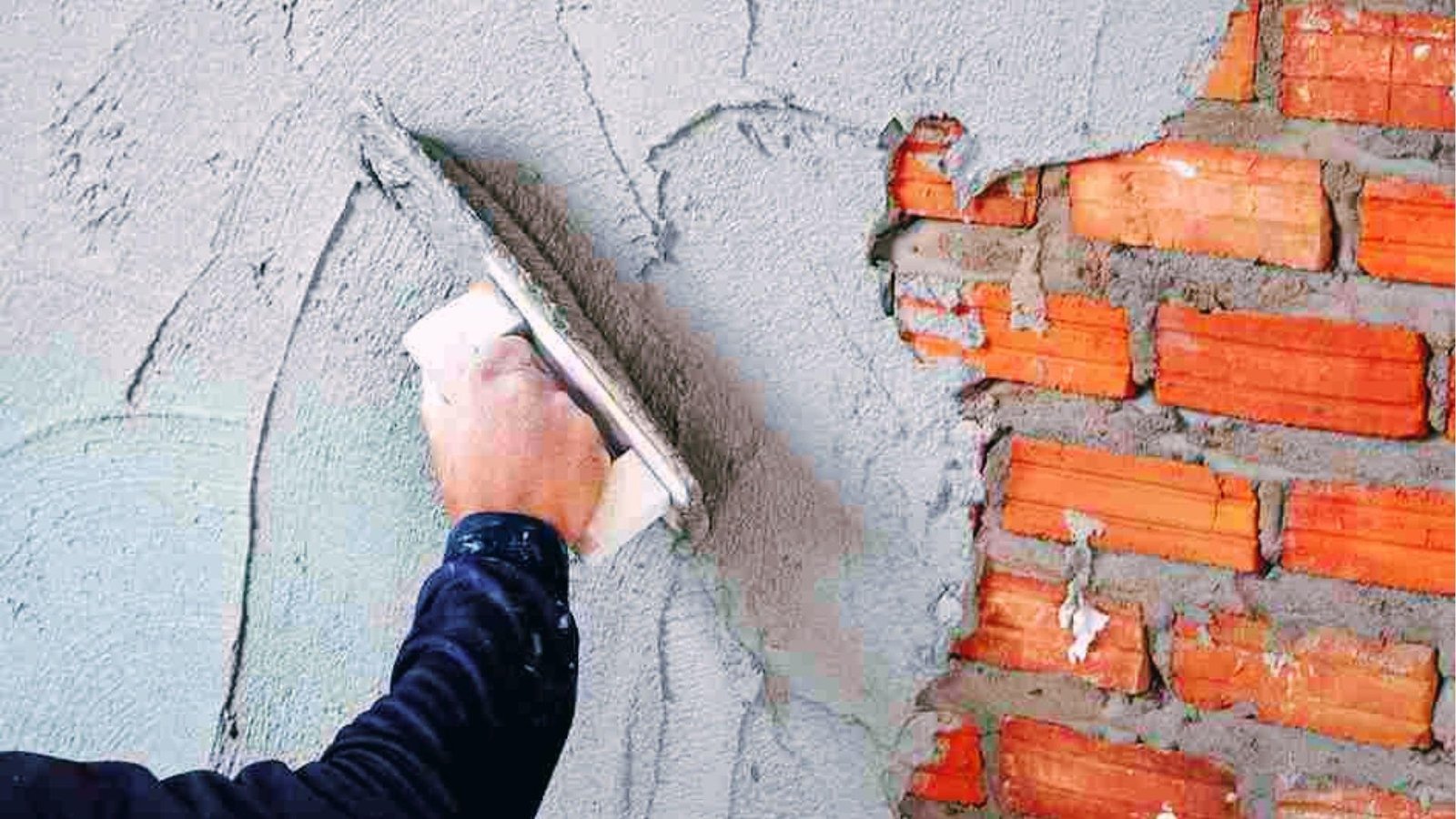
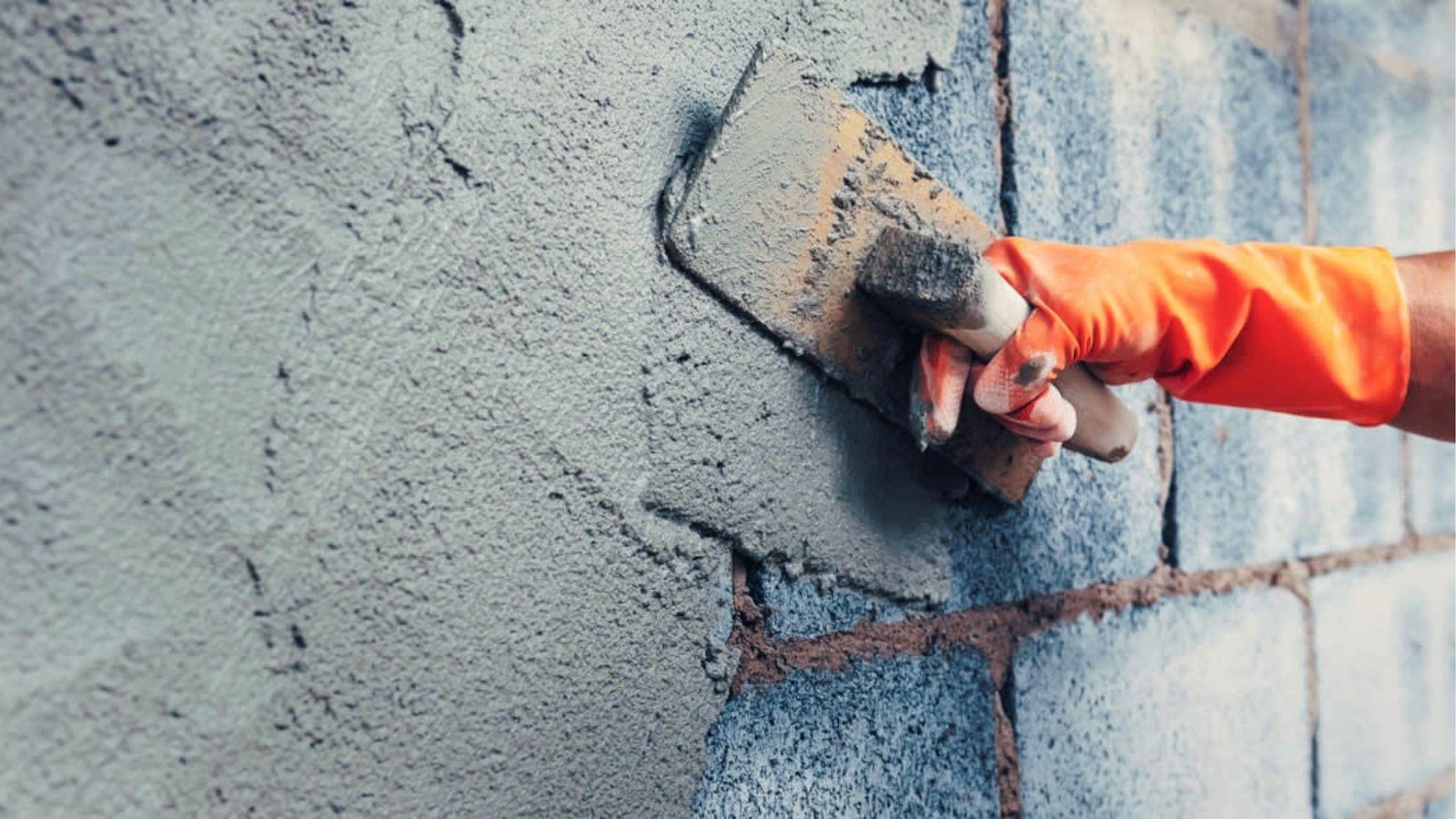
Plaster is a soft paste made from gypsum, lime, or cement mixed with water and sand.
It's mostly used indoors, on walls and ceilings, to create a smooth, even surface.
Builders apply it in thin layers, and it dries fairly quickly once spread. The finished surface is ready for paint or wallpaper without much extra work.
It also adds a bit of insulation to a room and gives walls a clean, finished look.
What Is Stucco?
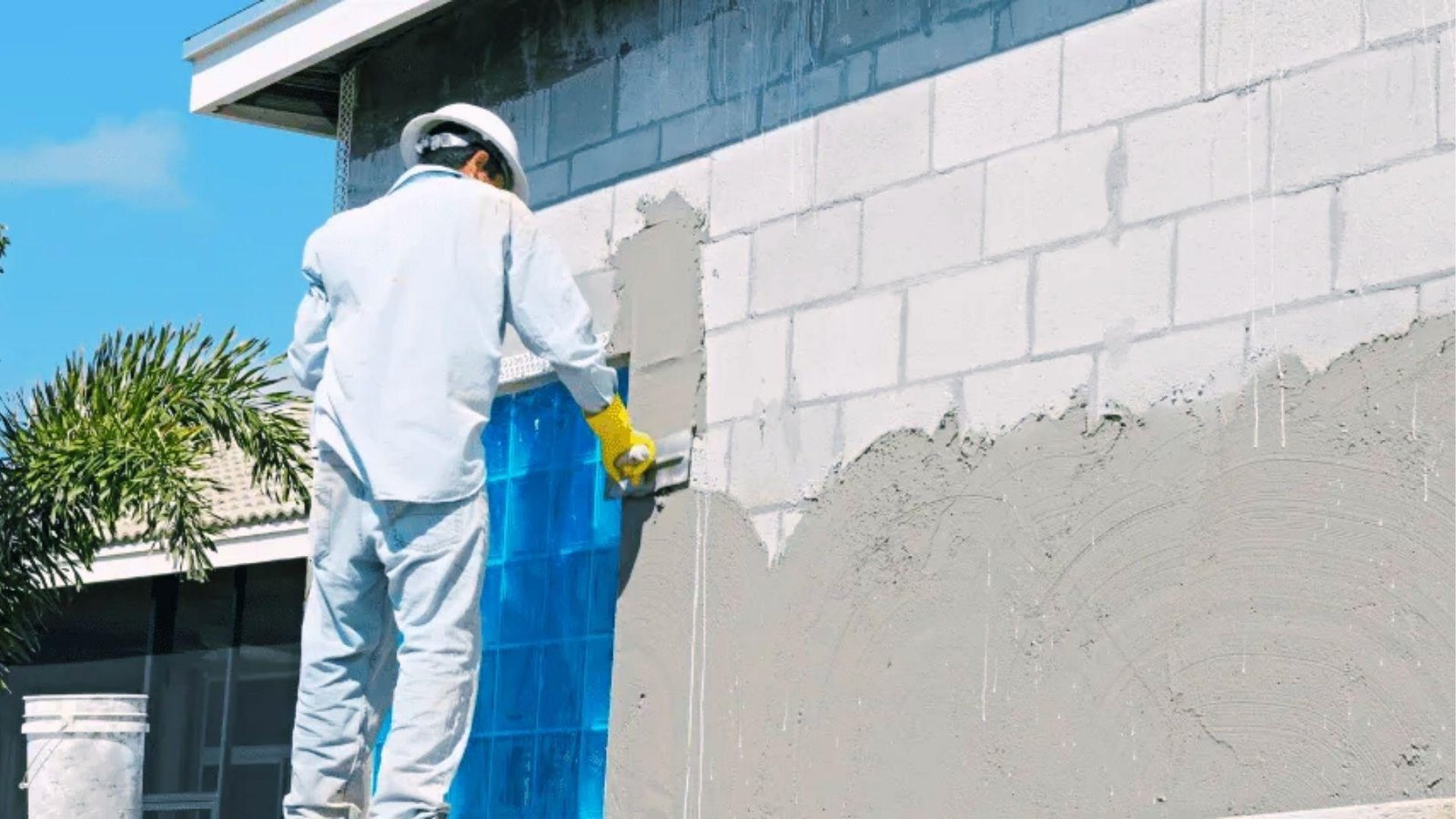
Stucco is a cement-based mix applied to outside walls. It's mixed with sand, lime, and water, then applied in layers.
Each layer needs time to cure before the next one goes on. It's known for its rough, textured look and strong weather resistance.
Many homes use it because it holds up well against sun, rain, and wind.
Plaster vs Stucco: Key Differences Explained
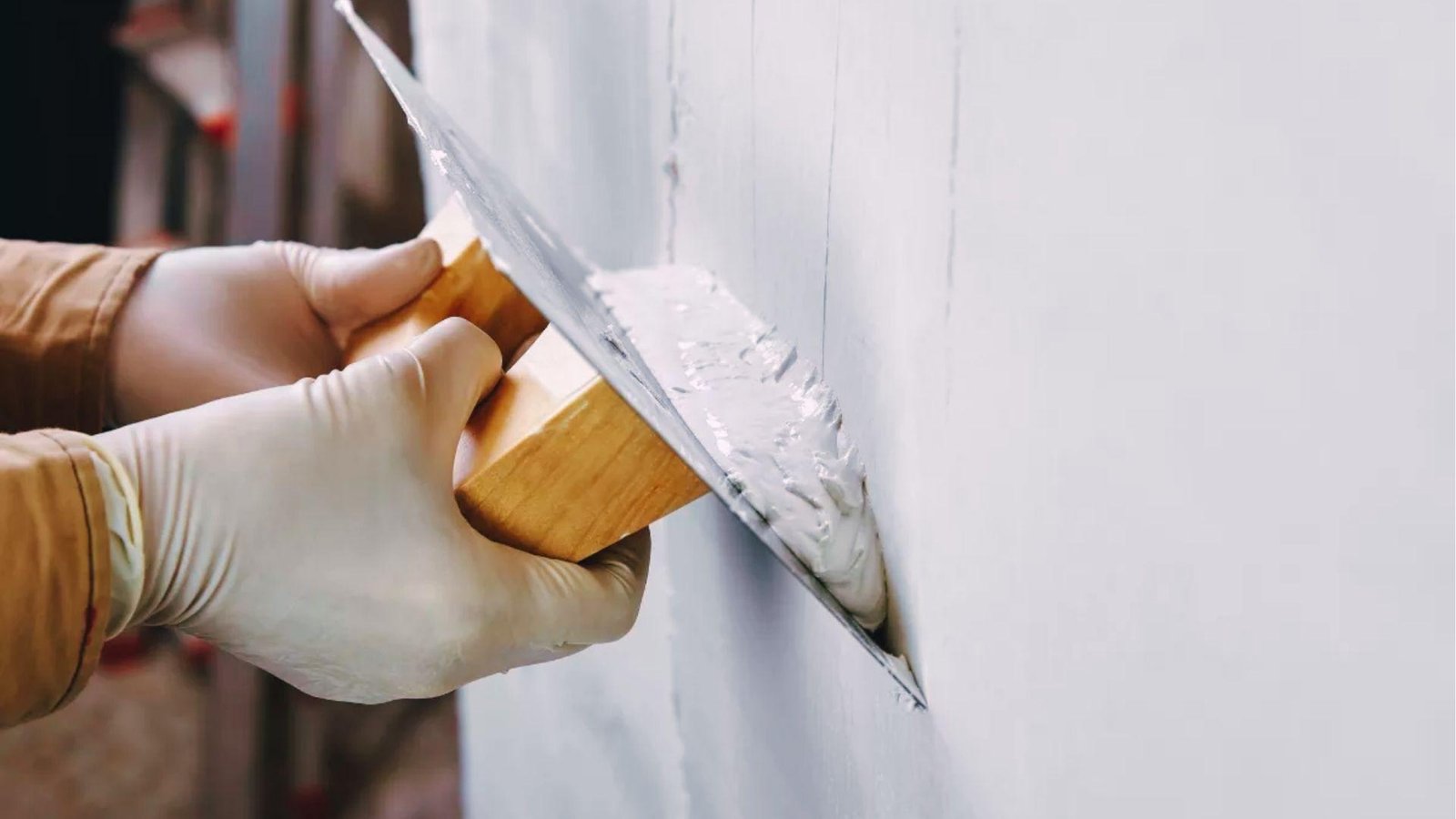
Let's break down where plaster and stucco truly differ, from materials to where you use them.
Material Composition and Ingredients
Plaster usually contains gypsum or lime with sand and water. Stucco relies on cement, sand, lime, and sometimes added fibers for strength.
The cement in stucco makes it tougher and more resistant to outdoor wear.
Texture, Appearance, and Finish
Plaster gives a smooth, polished surface, good for painted interiors. Stucco has a rougher, textured finish that can be smooth, sandy, or patterned.
The final look often depends on the tools and technique used during application.
Installation Process
Plaster is applied in thin coats and dries fast indoors. Stucco needs multiple coats over days or weeks, since each layer must cure before the next goes on.
This longer process is one reason stucco jobs take more time to finish.
Indoor vs Outdoor Applications
Plaster works best indoors, away from rain and harsh weather. Stucco is built to handle sun, rain, and temperature changes.
This makes stucco the better choice for exterior walls and plaster the better pick indoors.
Plaster vs Stucco Durability, Lifespan, and Maintenance
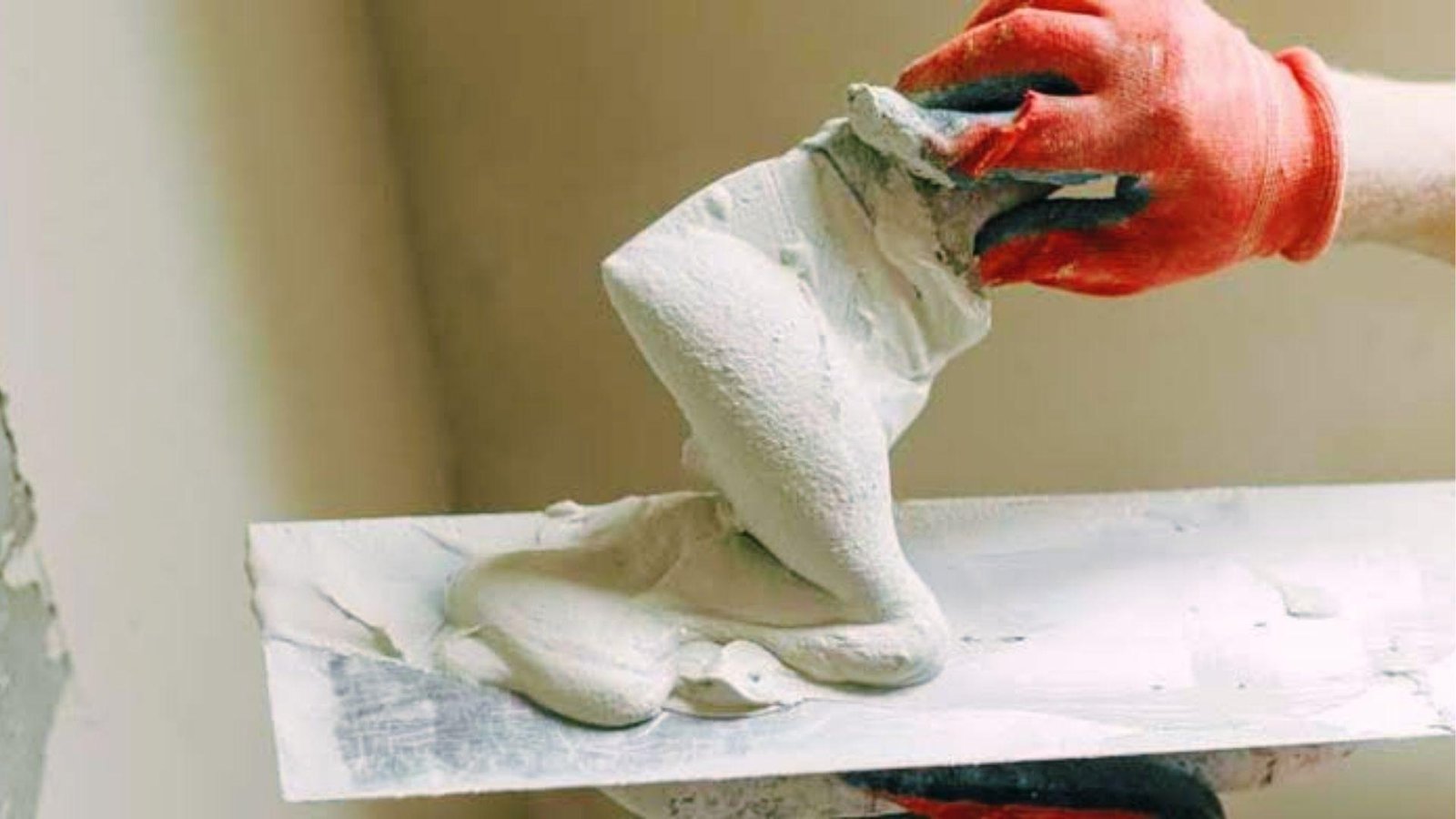
Durability and upkeep often decide which material makes more sense for your home.
Moisture and Weather Resistance
Stucco handles rain and humidity better since it's built for outdoor exposure. Plaster can absorb moisture indoors, especially in damp rooms.
Over time, that trapped moisture can lead to bubbling or peeling.
Crack Resistance and Repairs
Stucco can crack from ground movement or temperature swings, but repairs are usually simple.
Plaster cracks less often but needs a careful patch job to match the original surface. Small cracks in either material are easier to fix when caught early.
Expected Lifespan
With proper care, stucco can last 50 to 80 years on the outside of a home. Plaster, used indoors, often lasts just as long, sometimes even longer.
Regular upkeep plays a big role in how long either material holds up.
Long-Term Maintenance Requirements
Stucco needs occasional resealing and crack checks to stay strong. Plaster mostly needs repainting and small repairs for chips or moisture marks indoors.
Staying on top of small issues helps both materials last longer.
Pros and Cons of Plaster vs Stucco
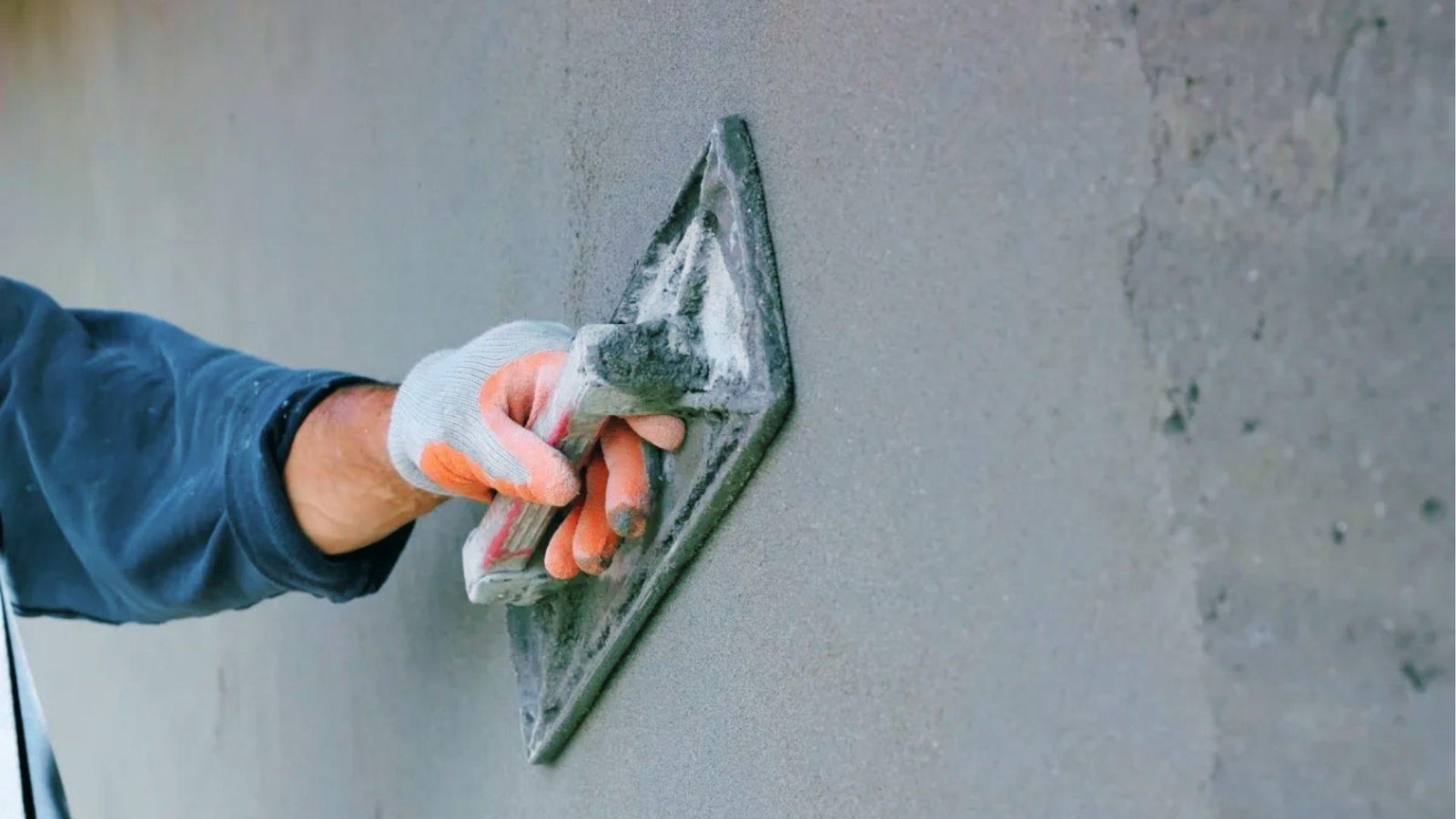
Every material has strong points and drawbacks worth knowing before you choose.
Advantages and Disadvantages of Plaster
Plaster gives walls a smooth, clean finish and works well indoors. I
It's not built for outdoor weather and can crack if the base isn't prepared well. Repairs can also be tricky to match perfectly.
Advantages and Disadvantages of Stucco
Stucco holds up well outdoors and resists weather damage. It can be costly to repair and may crack from shifting ground. It also takes longer to apply than plaster.
Plaster vs Stucco Cost Comparison
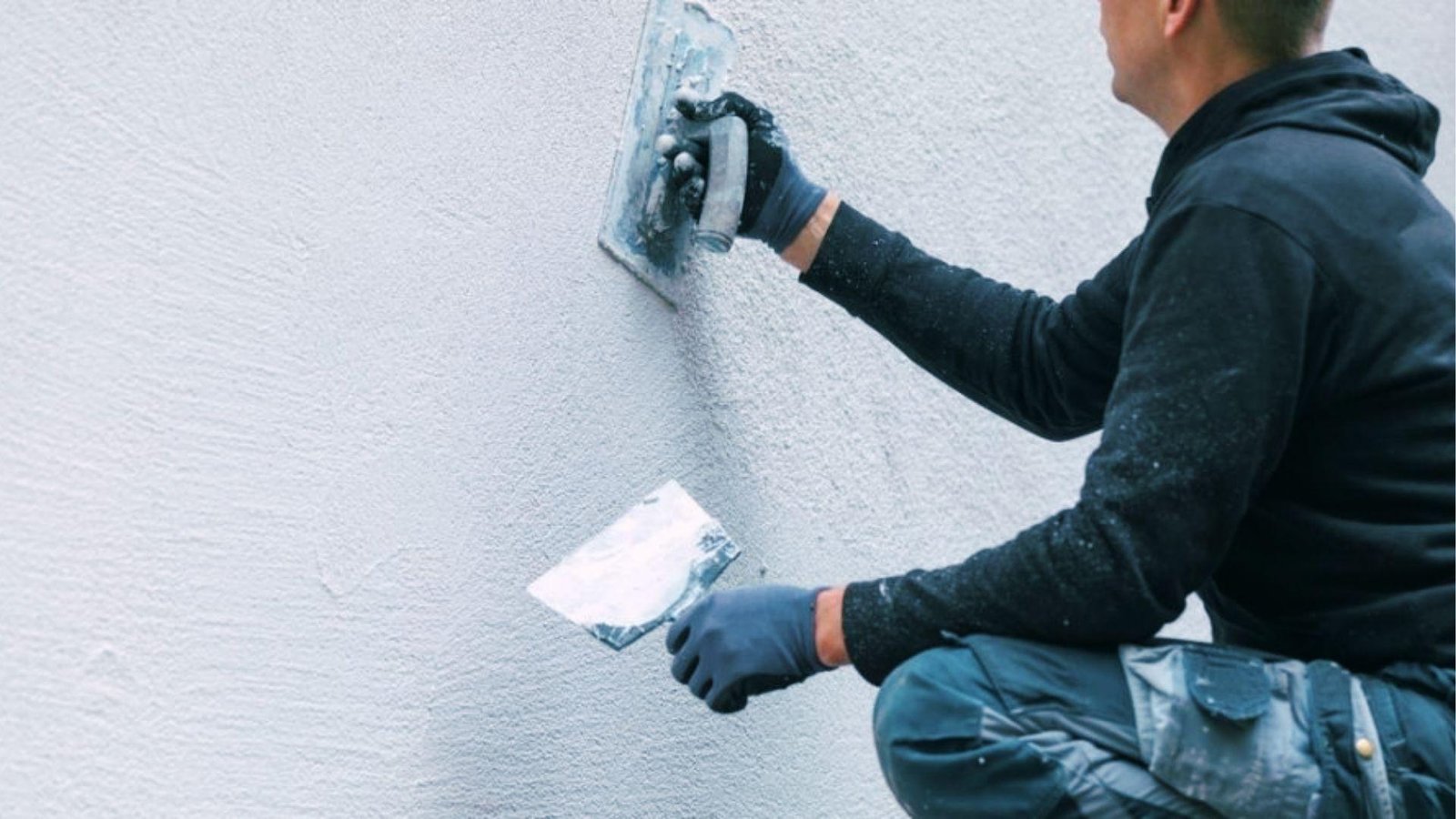
Cost is often the deciding factor, so here's what to expect for each option.
Material and Installation Costs
Plaster is generally cheaper for small indoor jobs since it dries fast and needs fewer coats.
Stucco costs more upfront because of its multiple layers and longer installation time. Labor costs also add up faster with stucco due to the extra steps involved.
Repair and Maintenance Expenses
Stucco repairs can be pricier due to the layered process. Plaster repairs are usually quicker and cheaper, especially for small cracks or chips.
Either way, small fixes cost far less than waiting for bigger damage.
Which Offers Better Long-Term Value?
Stucco often pays off outdoors thanks to its durability against weather. Plaster offers better value indoors where it isn't exposed to the elements.
Choosing the right one for the right space is what makes it worth the cost.
Tips for Choosing Between Plaster and Stucco
Here are a few pointers to help you pick the right material for your project.
- Use plaster for interior walls and ceilings, and stucco for exterior walls exposed to weather
- Pick stucco in areas with heavy rain or humidity, and plaster in dry, climate-controlled rooms
- Avoid plaster in damp spaces since it can absorb moisture over time
- Decide between a smooth or textured look, and match it to how much wear the wall will face
- Hire a contractor who specializes in your chosen material, and get a written estimate before work starts
Conclusion
Choosing between plaster and stucco isn't as confusing as it first seems once you know what each one offers.
I've worked with both, and I always tell people the same thing:match the material to where it's going, not just how it looks.
If you're updating an interior wall, plaster is your friend. If you're protecting an exterior, stucco has your back.
I hope this plaster vs stucco guide helped you feel more confident about your next project.
Drop a comment below with your own experience, or share this with someone planning a renovation soon.
Frequently Asked Questions
Is plaster stronger than stucco?
Stucco is generally tougher since it's cement-based and built for outdoor wear. Plaster is softer and works better for indoor walls where it doesn't face the same stress.
Can plaster be used outdoors?
Plaster isn't designed for outdoor use since it absorbs moisture easily. Stucco is the better pick for exterior walls because it resists weather and temperature changes.
Is stucco waterproof?
Stucco isn't fully waterproof, but it's water-resistant when sealed and maintained properly. Cracks or gaps can let moisture in over time, so regular checks help.
Which is more expensive, plaster or stucco?
Stucco usually costs more upfront due to its layered application process. Plaster is often cheaper for smaller indoor jobs with simpler installation steps.
What is the difference between plaster, stucco, mortar, and concrete?
Plaster finishes interior walls, stucco coats exteriors, mortar bonds bricks, and concrete builds structures. Each one has a clear, separate purpose in construction.