Choosing the right cladding can feel confusing, especially with so many materials and styles to pick from.
This guide breaks down everything you need to know in one place.
You will learn what cladding is, why it matters, and how it differs from siding.
We will also walk through 11 common cladding types, share real examples, and weigh the pros and cons of each option.
I have spent time researching and comparing these materials firsthand, so this guide reflects real experience, not guesswork.
By the end, you will know exactly how to pick and maintain cladding for your own project. Let's get started.
What Is Cladding in Construction?
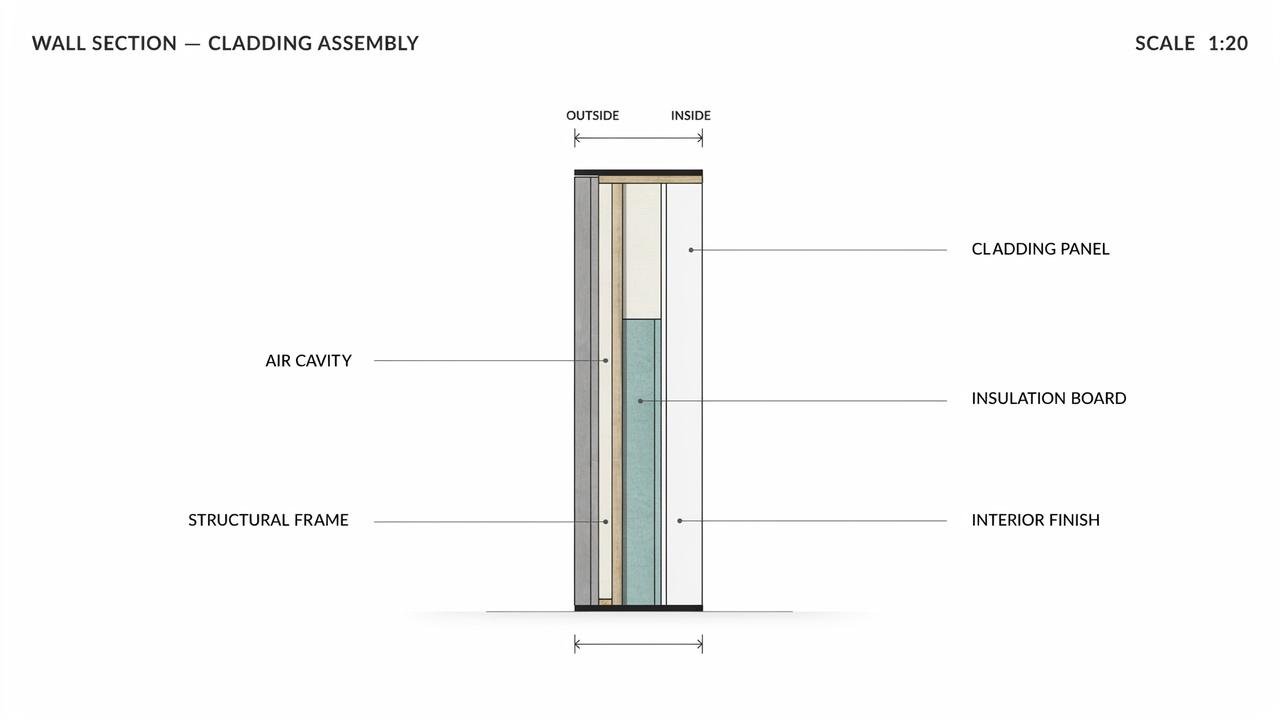
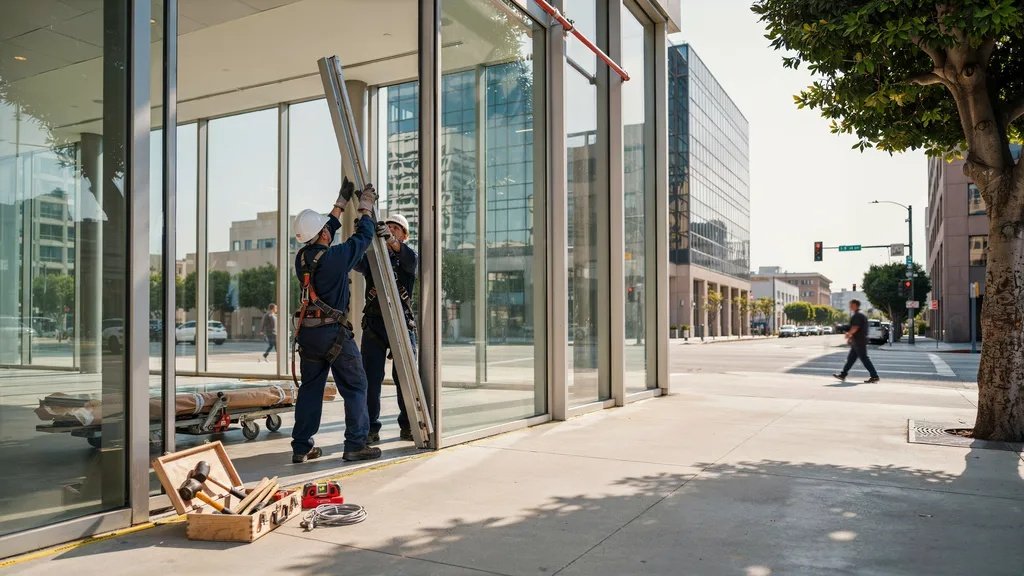
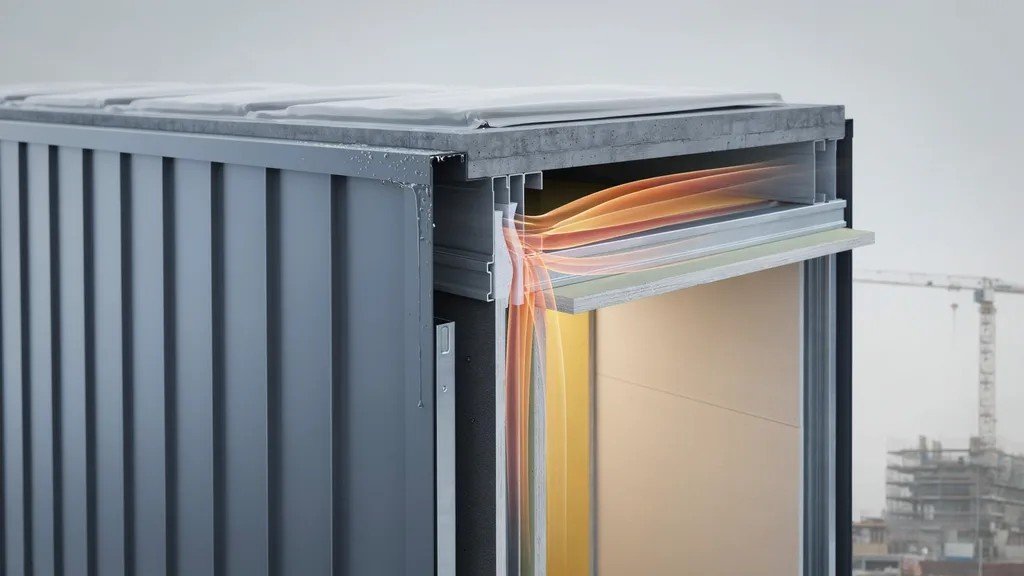
Cladding is a layer of material fixed to the outside of a building. It does not carry weight like the main structure. Instead, it acts as a shield.
Builders attach cladding over walls, roofs, or other outdoor surfaces. This layer sits between the building and the outside world.
The main job of cladding is protection. It keeps out rain, wind, and extreme heat or cold. It also adds a layer of safety against fire in some cases.
Cladding can be made from many materials. Common choices include wood, metal, brick, vinyl, stone, and composite panels.
Each material offers different levels of strength and upkeep.
Apart from protection, cladding also changes how a building looks.
It covers the rough structure underneath and gives the surface a finished look.
In short, cladding works as both a guard and a cover. It keeps the building safe while giving it a clean, finished appearance.
Why Is Cladding Important in Construction?
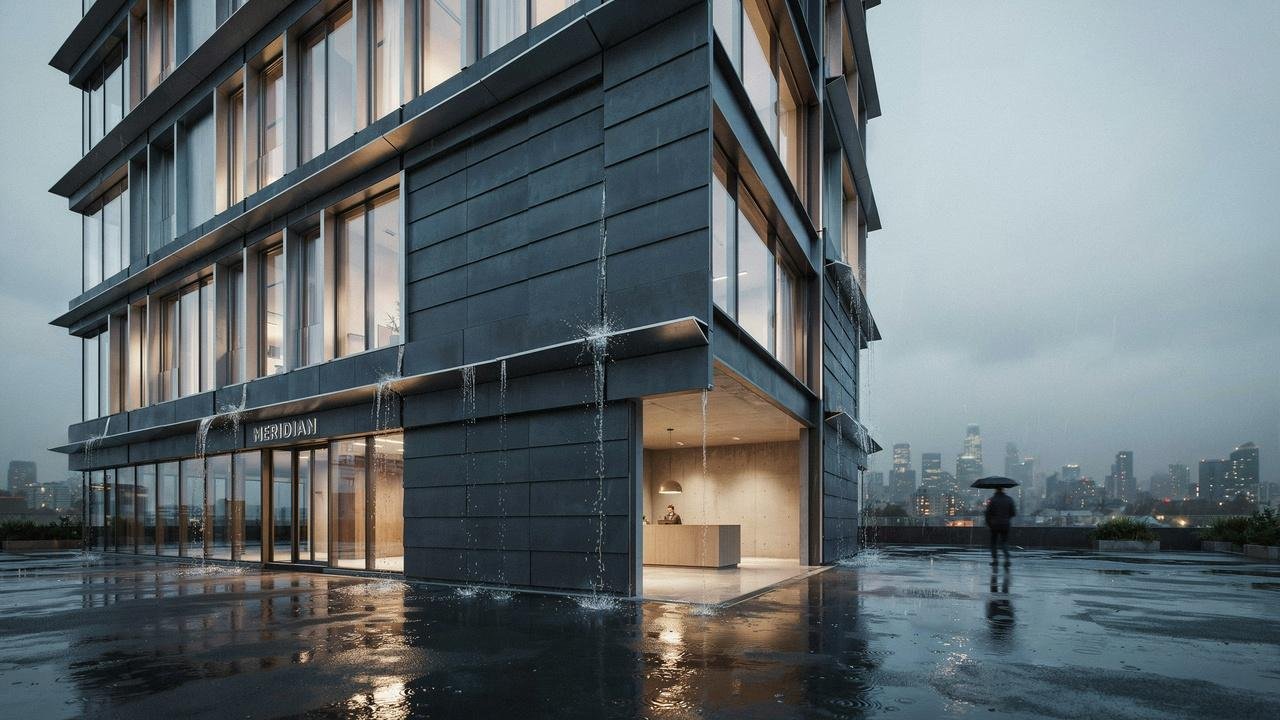
Cladding is more than a decorative layer on a building. It works as a shield that protects the structure underneath from outside forces.
It also adds comfort and value to a property.
Protection Against Weather
Cladding acts as a barrier between the building and outside elements. It blocks rain, wind, and snow from reaching the main structure.
This protection helps prevent moisture damage and rot over time. A good cladding system also reduces the risk of cracks forming on walls.
Thermal Insulation and Energy Efficiency
Cladding helps keep heat inside during winter and outside during summer. This means less strain on heating and cooling systems.
Lower energy use leads to smaller utility bills. Many cladding materials also support extra insulation layers for better results.
Sound Insulation
Cladding can reduce the amount of outside noise that enters a building. This is helpful for homes and offices near busy roads.
Thicker cladding panels tend to block more sound. This makes indoor spaces calmer and more comfortable to live or work in.
Improved Building Appearance
Cladding gives a building its outer character. It can make an old structure look fresh without major renovation work.
Builders can choose colors, textures, and patterns to match the style they want. This flexibility makes cladding a popular choice for many projects.
Cladding vs Siding: What's the Difference?
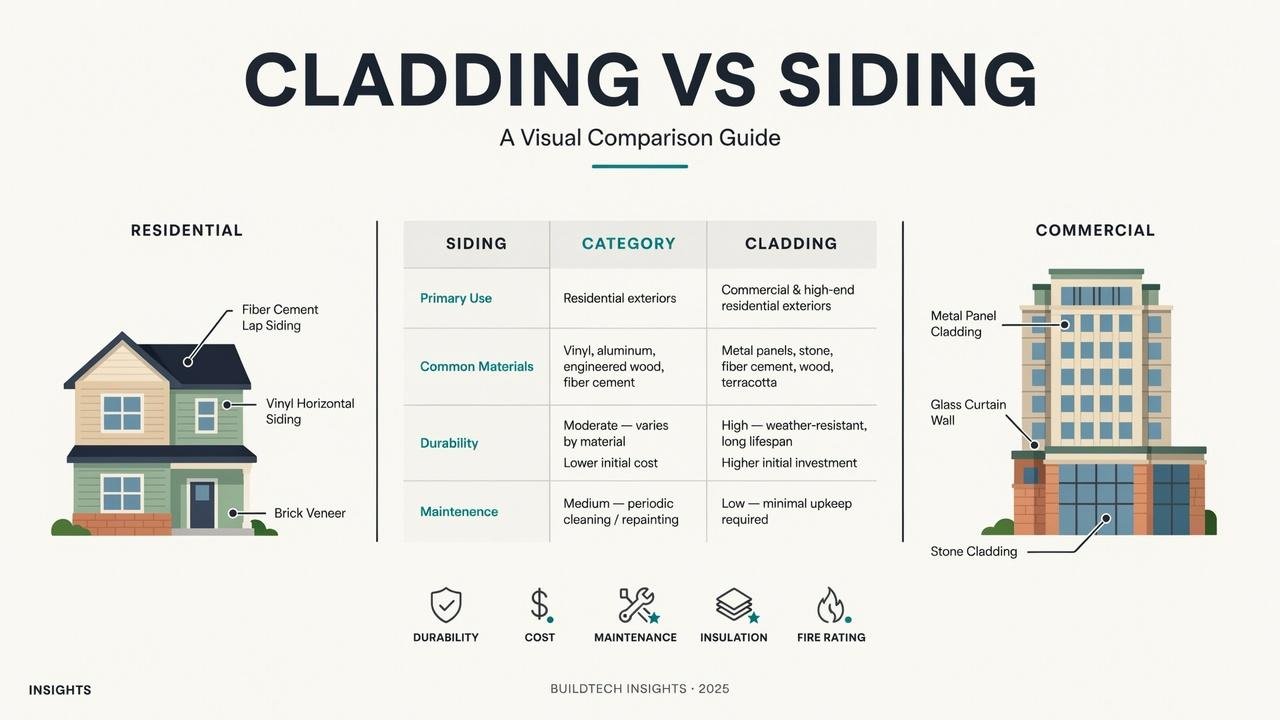
People often use these two words as if they mean the same thing. In reality, they serve slightly different purposes in construction.
| Aspect | Siding | Cladding |
|---|---|---|
| Main Purpose | Protects against weather on residential homes | Covers a wider range of uses, including commercial buildings |
| Common Materials | Mostly vinyl or wood | Metal, stone, glass, and many other materials |
| Typical Use Case | Homes and small residential projects | Homes, offices, warehouses, and larger structures |
| Cost | Usually simple and affordable | Can vary, often higher for premium materials |
| Design Options | Limited color and style choices | Wide range of colors, textures, and finishes |
| Protection Level | Basic weather resistance | Stronger protection, often suited for harsh climates |
Which Option Is Better for Your Building?
The right choice depends on the type of building and budget. Homeowners often pick siding because it is simple and affordable.
Larger or commercial buildings often need cladding because it offers stronger protection and more design options.
The final decision should match the project goals and local climate.
11 Types of Cladding in Construction
Builders have many material options to choose from when picking cladding. Each type comes with its own strengths and limitations.
1. Brick Cladding
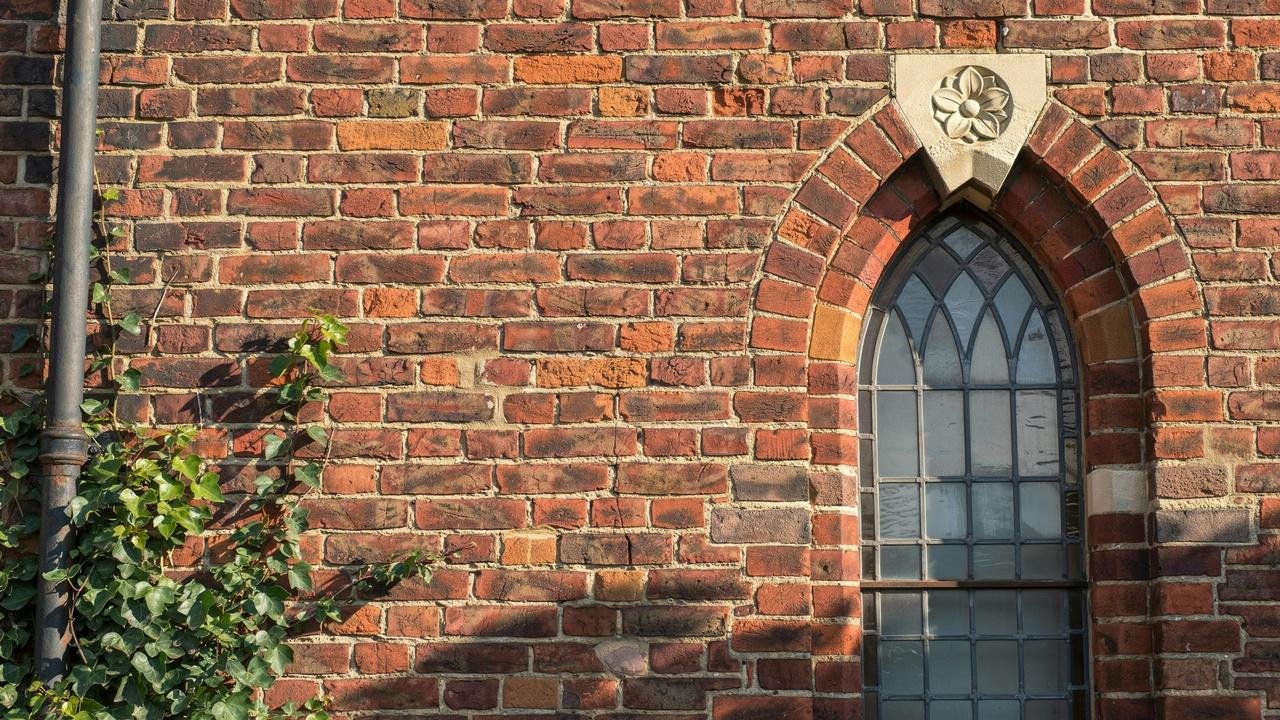
Brick cladding gives a classic and solid look to any building. It is known for being strong and long lasting.
This type needs little maintenance once installed. It also holds up well against fire and weather damage.
2. Stone Cladding
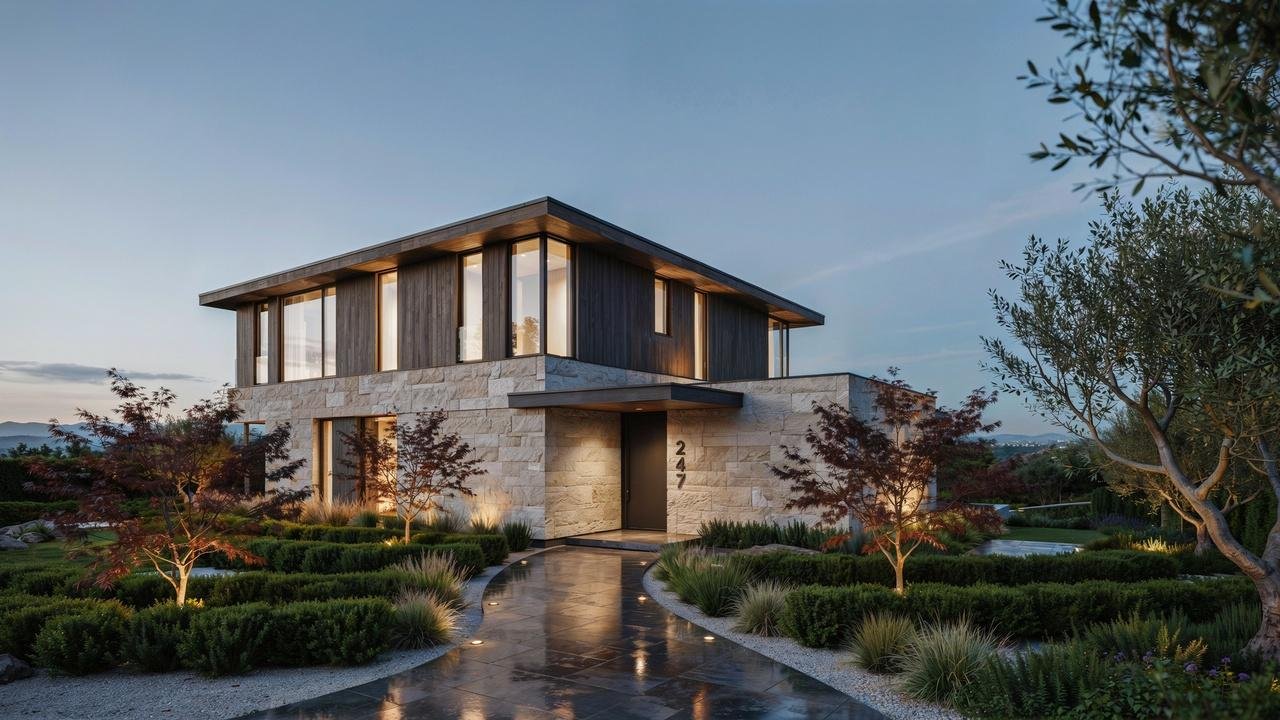
Stone cladding offers a natural and rich appearance. It is often used on building exteriors to add character.
This material is durable but can be heavy. Installation usually costs more than other cladding types.
3. Metal Cladding
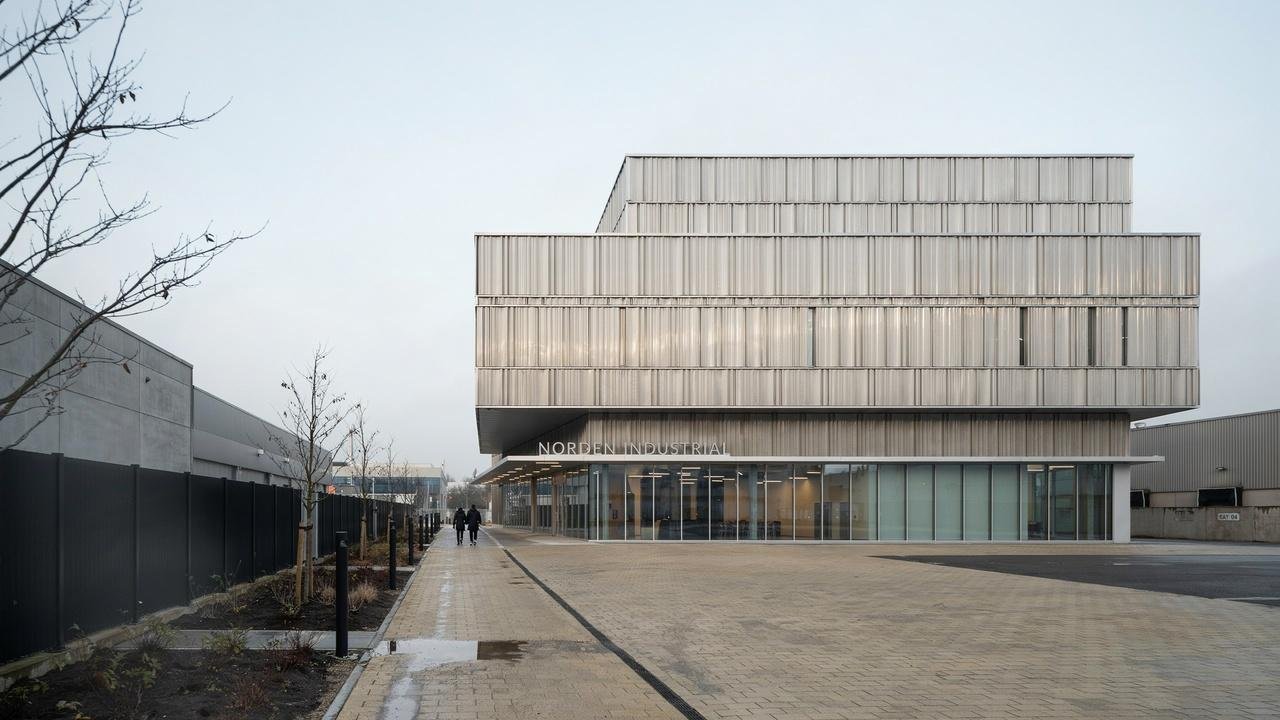
Metal cladding is common in modern and industrial buildings. It includes materials like steel, aluminum, and zinc.
It resists fire and lasts for many years. Metal panels are also lightweight and easy to install.
4. Wood Cladding
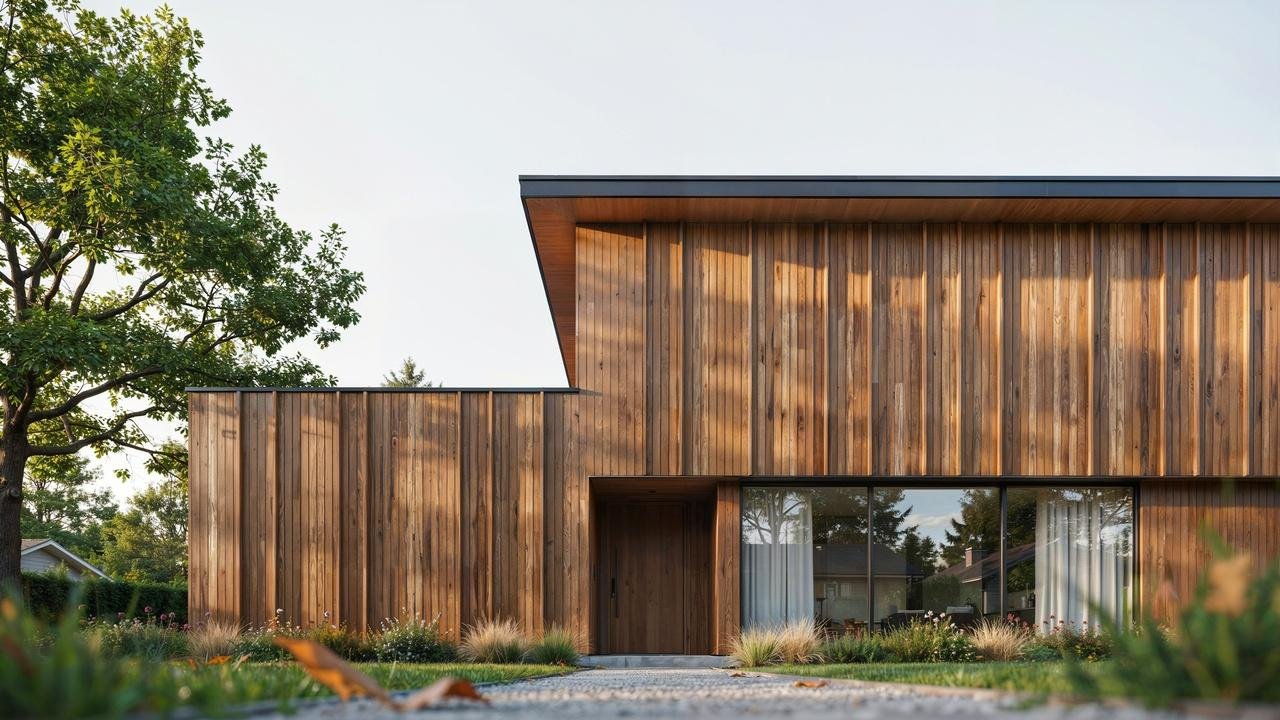
Wood cladding brings a warm and natural feel to a building. It works well for both homes and small commercial spaces.
This material needs regular care to avoid rot and pests. Sealing and painting help extend its life.
5. Vinyl Cladding
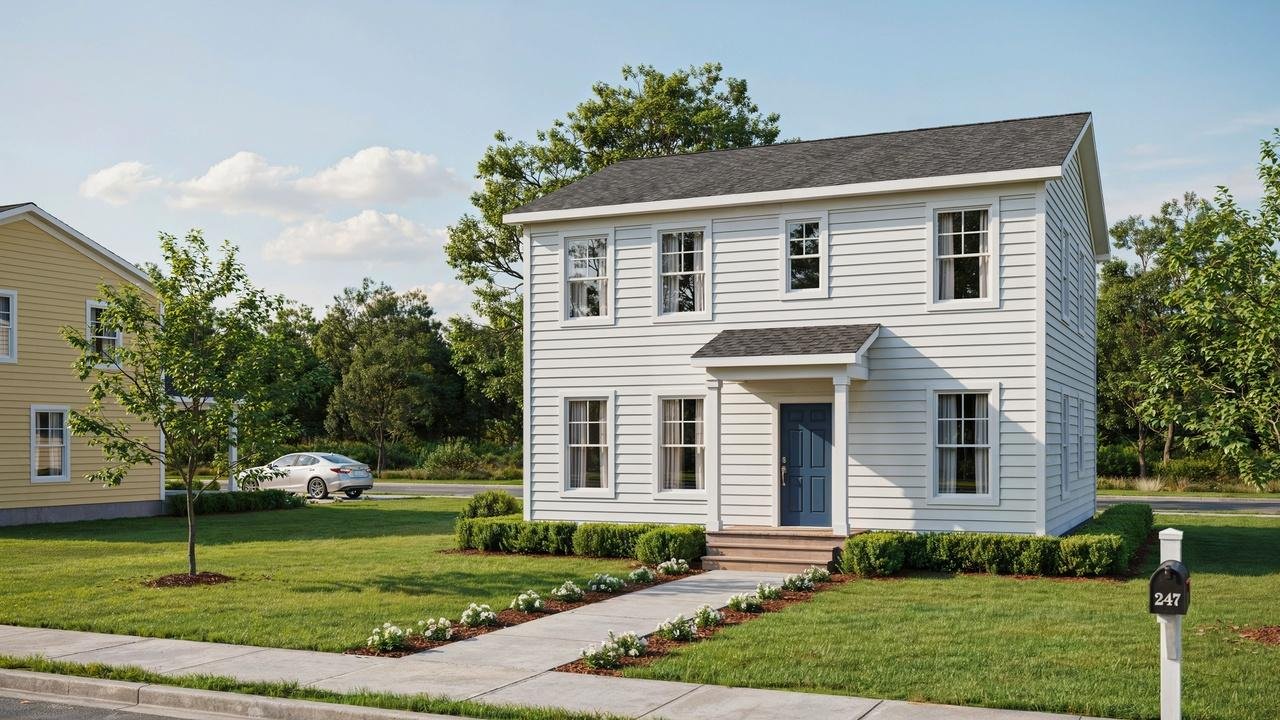
Vinyl cladding is a budget friendly option for many homeowners. It comes in many colors and styles.
It requires very little upkeep over time. However, it may crack in extreme cold weather.
6. Fiber Cement Cladding
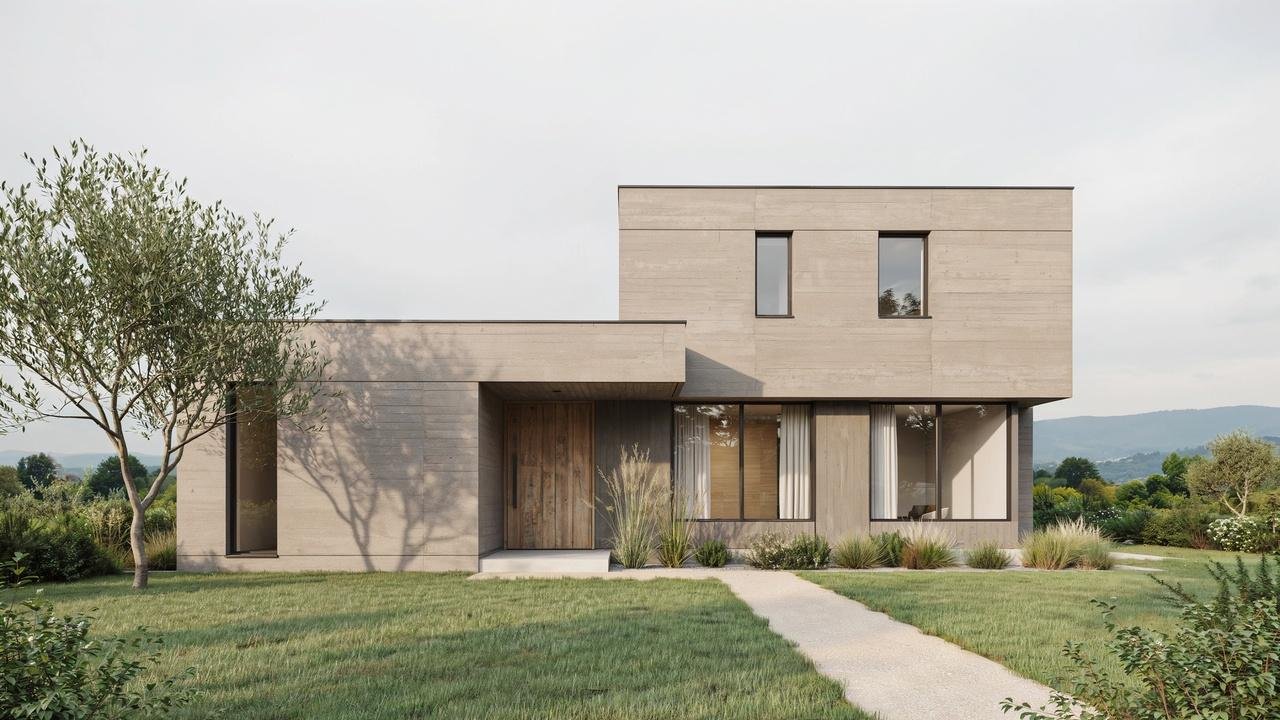
Fiber cement cladding is made from a mix of cement, sand, and cellulose fibers. It looks like wood but lasts much longer.
This material resists fire, pests, and rot. It is a strong choice for areas with harsh weather.
7. Glass Cladding
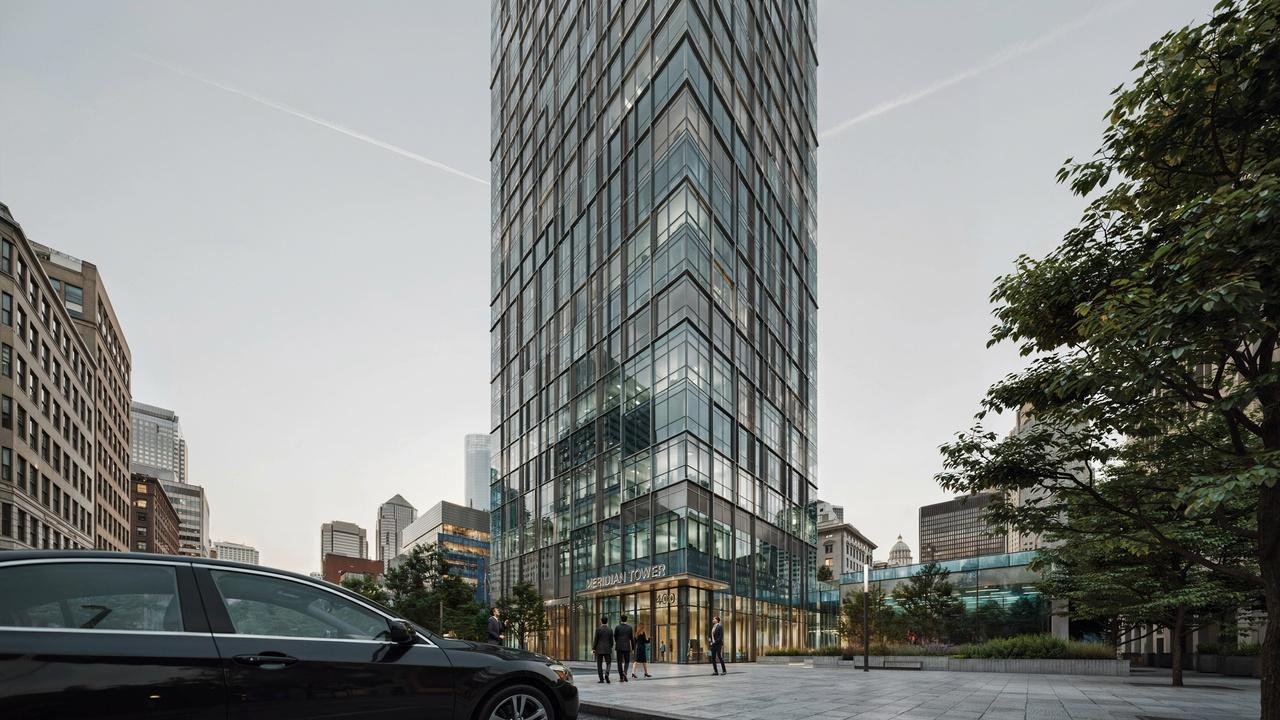
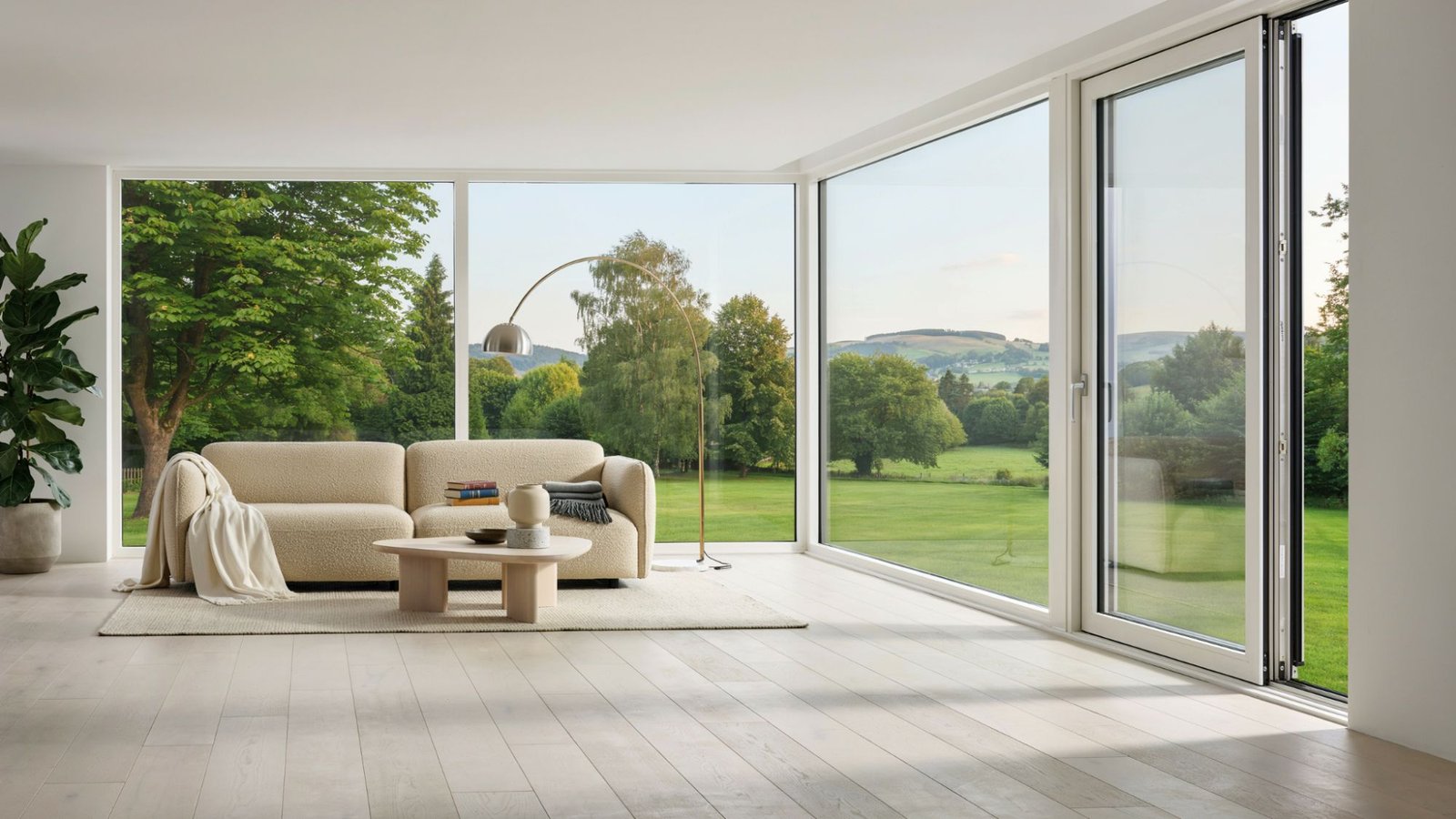
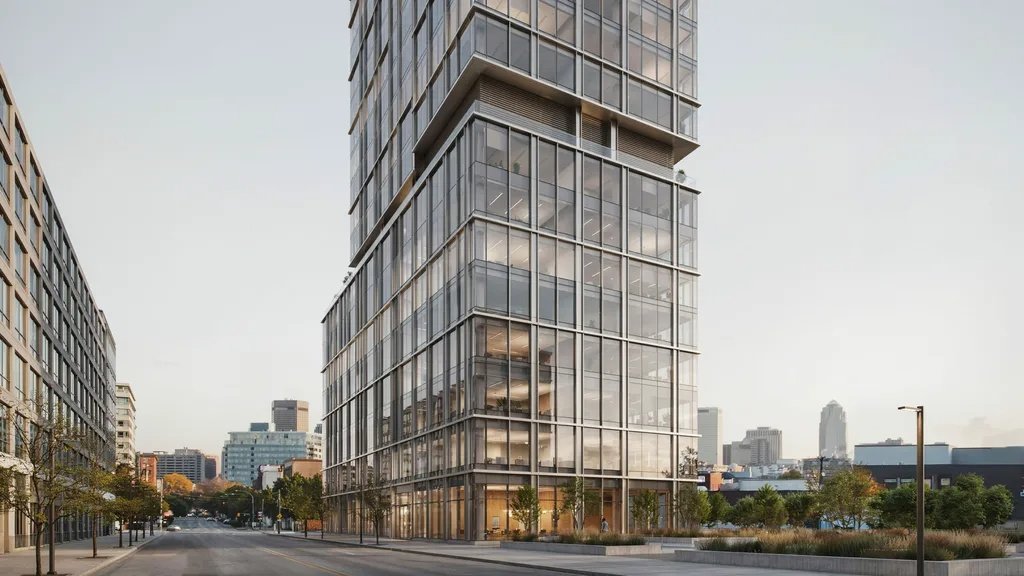
Glass cladding is mostly seen on commercial towers and modern offices. It gives buildings a sleek and open feel.
This type allows more natural light into a space. It does require regular cleaning to stay clear.
8. Composite Cladding
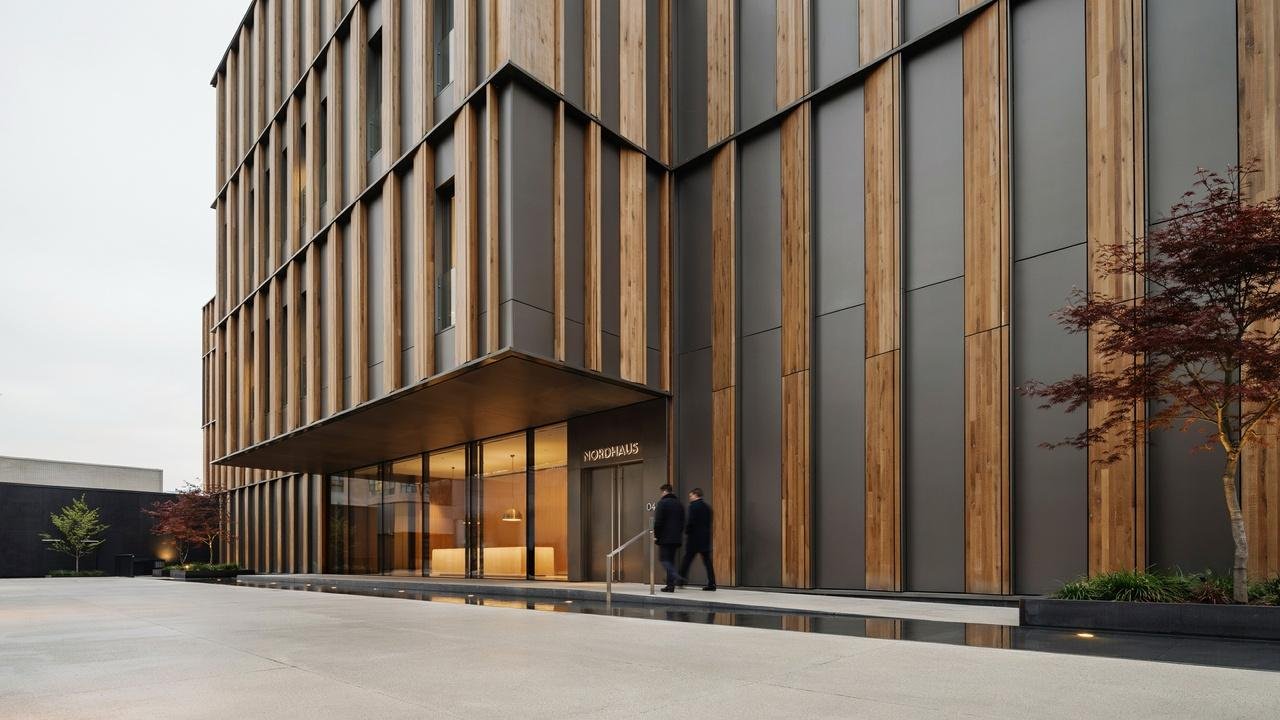
Composite cladding mixes natural fibers with plastic or resin. It copies the look of wood without the same maintenance needs.
This material is strong against moisture and insects. It also holds its color well over the years.
9. Ceramic Cladding
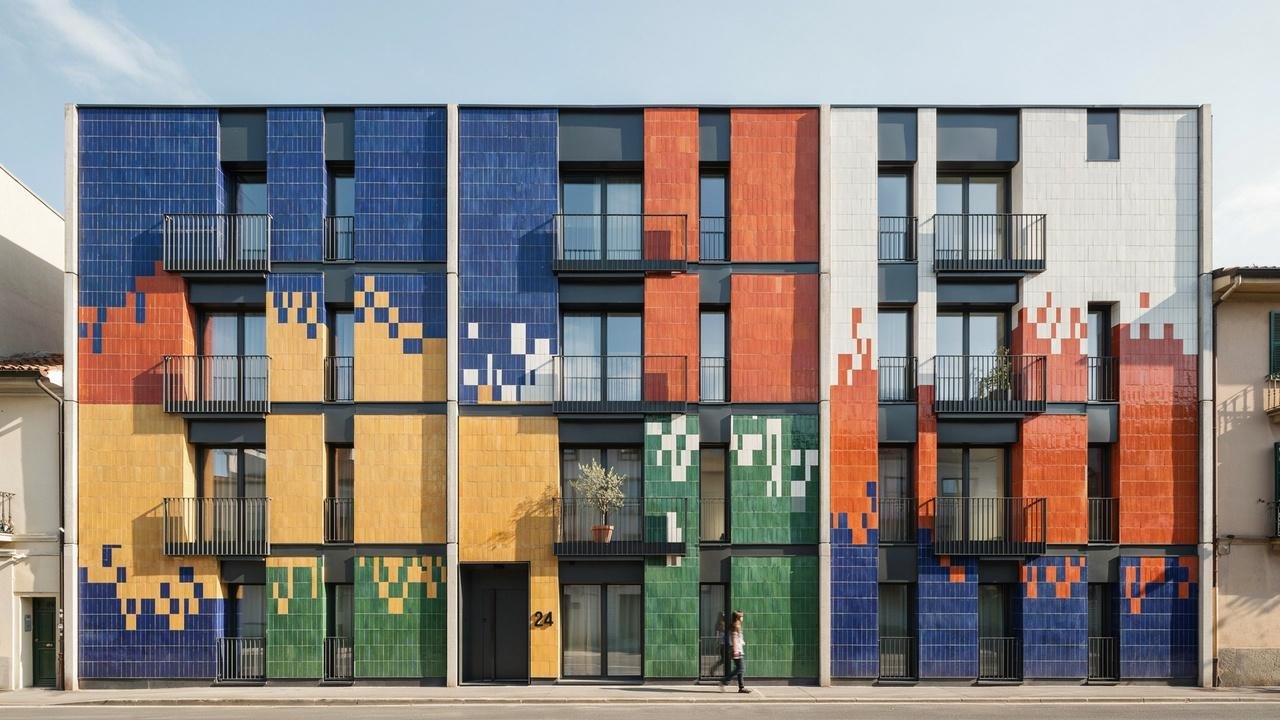
Ceramic cladding is often used for both indoor and outdoor walls. It comes in many colors and finishes.
This type resists stains and fading. It is also fairly easy to clean.
10. Concrete Cladding
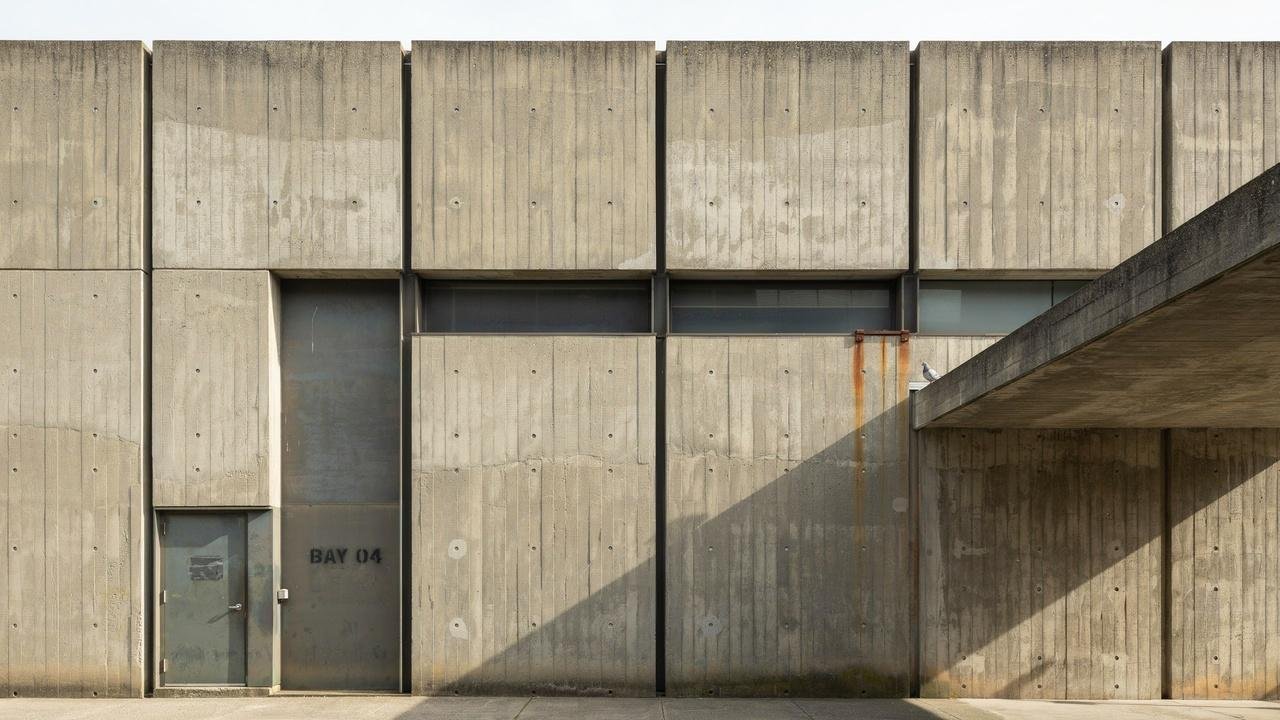
Concrete cladding is known for its strength and stability. It works well for large commercial and industrial buildings.
This material handles harsh weather conditions with ease. It also provides good sound and fire protection.
11. Terracotta Cladding
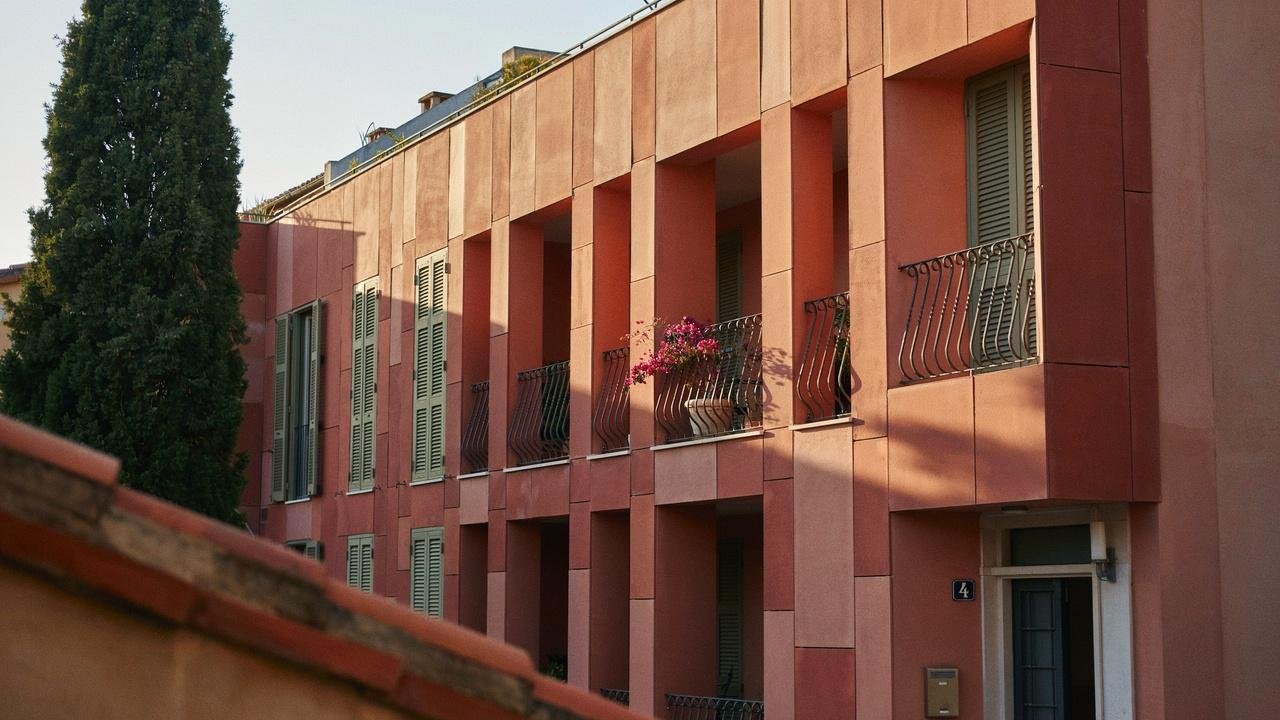
Terracotta cladding has a warm, earthy color that suits many building styles. It has been used in construction for centuries.
This material is durable and resists weather damage well. It also needs little maintenance once properly installed.
Examples of Cladding Materials and Styles
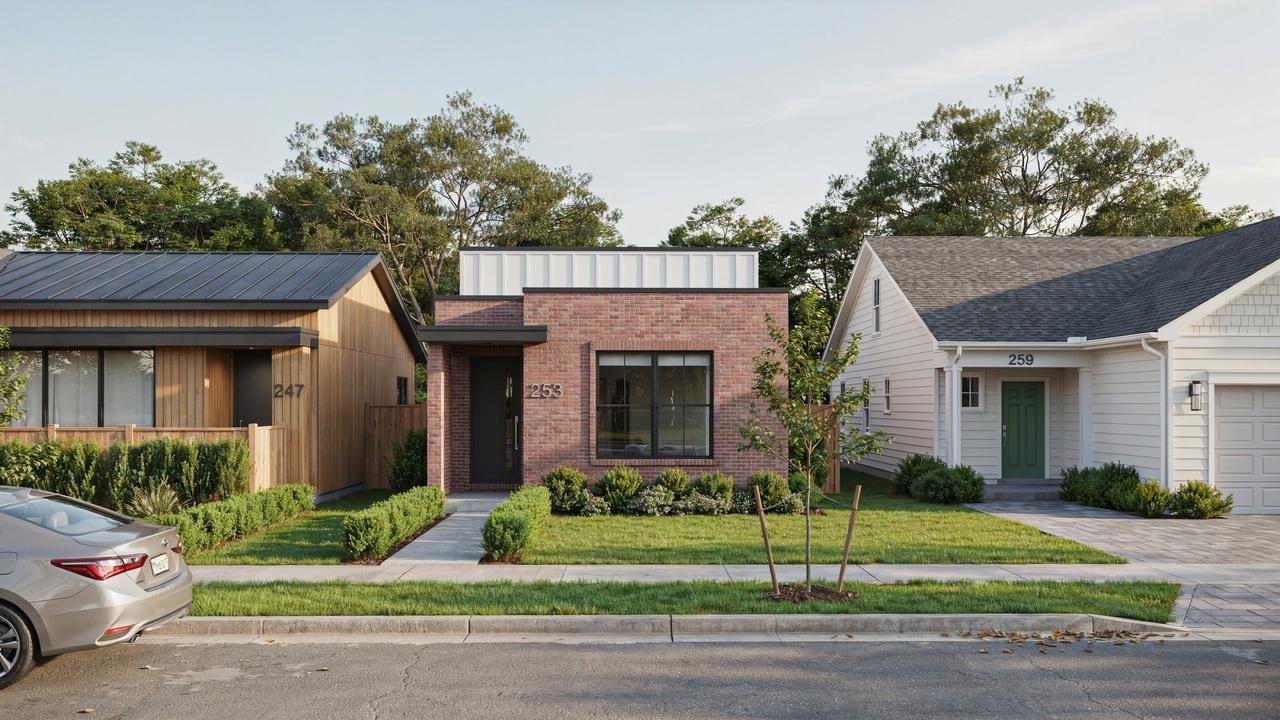
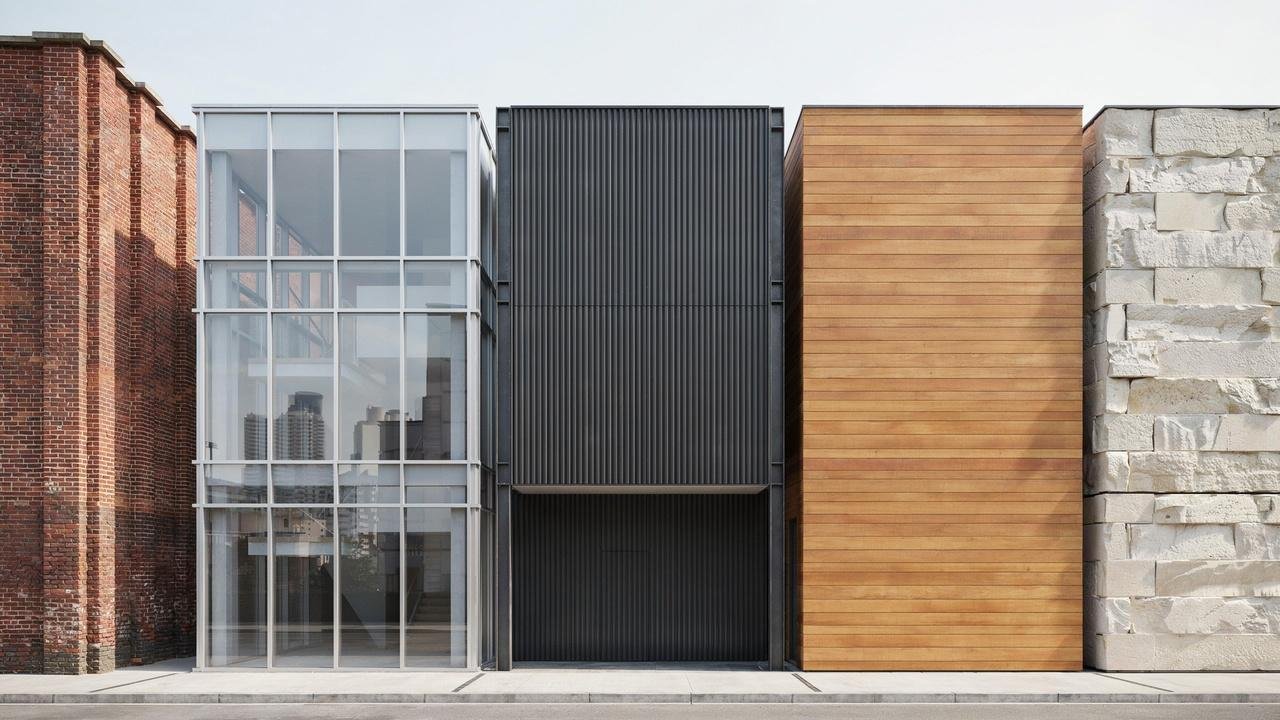
Cladding styles vary widely depending on the type of building and its purpose. Looking at real examples helps make the differences clearer.
Residential Cladding Examples
Homes often use wood, vinyl, or brick cladding. These materials are affordable and suit smaller scale projects.
Many homeowners mix materials for a layered look. For example, brick on the lower half and wood panels above.
Commercial Cladding Examples
Commercial buildings often use metal, glass, or composite cladding. These materials handle larger surfaces and heavier use.
Office towers commonly use glass panels for a clean, open look. Warehouses often choose metal for its strength and low cost.
Modern Cladding Designs
Modern designs favor clean lines and simple color schemes. Metal, glass, and composite panels are common choices here.
These designs often avoid heavy ornamentation. The focus stays on smooth surfaces and straight edges.
Traditional Cladding Designs
Traditional designs lean toward brick, stone, and wood. These materials give buildings a classic and timeless feel.
Many older homes and historic buildings still use these styles today. They remain popular for their proven durability.
Advantages and Disadvantages of Cladding
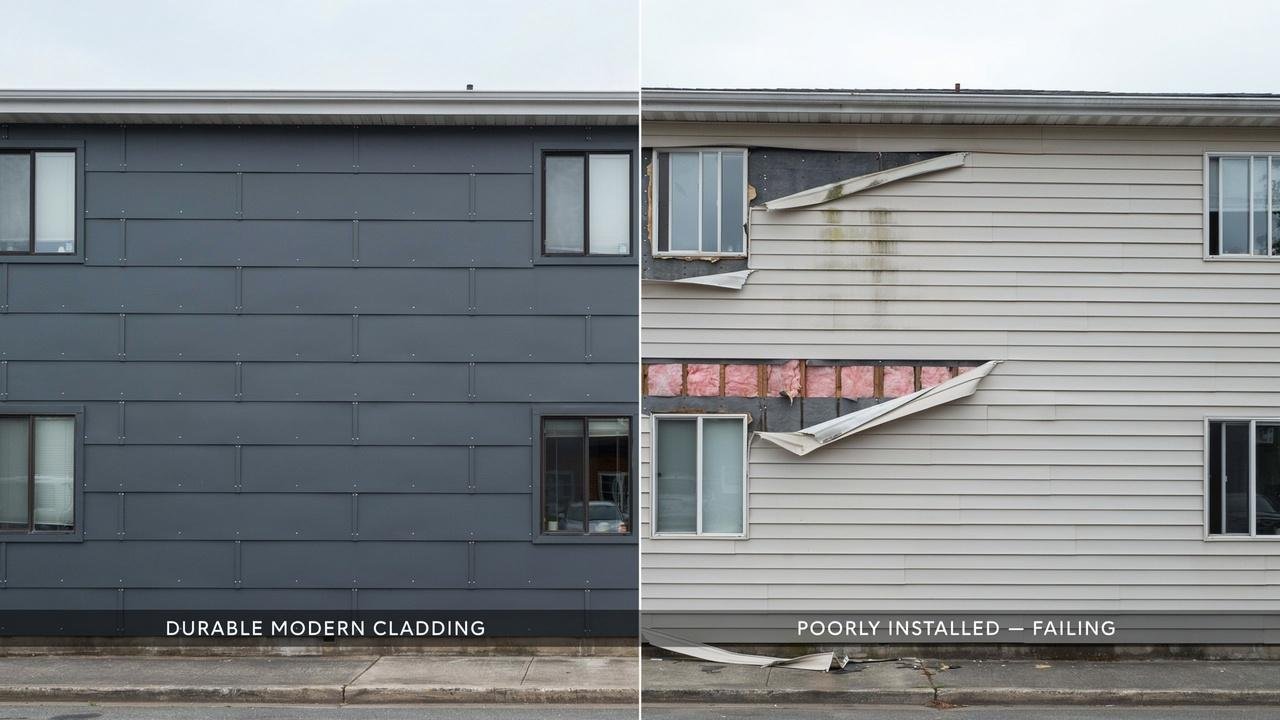
Like any building material, cladding has both strengths and weaknesses.
Knowing both sides helps with making a better decision.
Cladding protects buildings from weather and reduces energy costs, and it also improves how a building looks from the outside.
Many cladding materials require low maintenance, and they can also raise the resale value of a property.
On the other hand, some cladding materials cost more upfront than basic wall finishes, and certain types also need regular cleaning or repair work.
Poor installation can lead to water leaks behind the panels, and choosing the wrong material for the local climate can shorten its lifespan.
How to Choose the Right Cladding Material
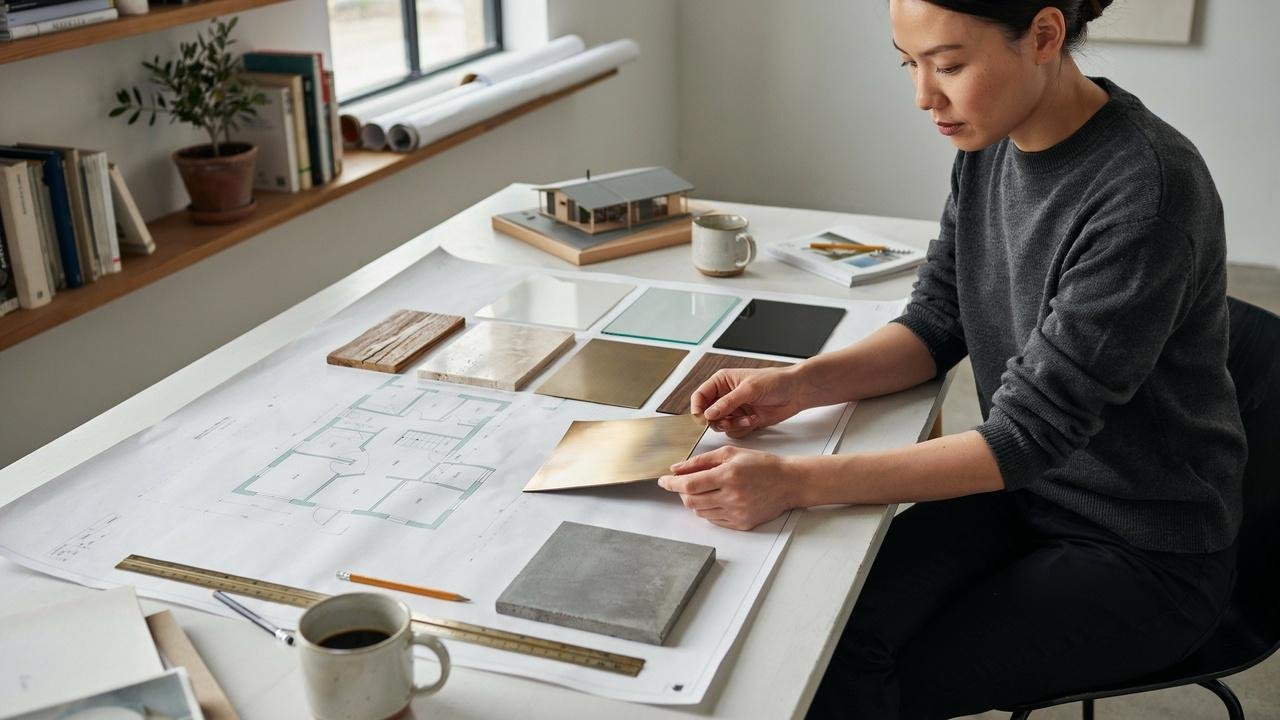
Choosing cladding starts with thinking about the local climate and weather patterns. A material that works well in dry areas may fail in wet or humid regions.
Budget plays a large role in the final decision. Some materials cost more to buy but save money over time due to lower maintenance needs.
The building's purpose also matters. Homes, offices, and warehouses each have different needs when it comes to strength, fire safety, and noise control.
Local building codes should always be checked before final selection.
Some areas have rules about fire ratings or material types allowed on certain structures.
Tips for Choosing and Maintaining Cladding
Picking the right cladding is only part of the process. Regular care keeps it working well for many years.
- Compare materials before buying. Look at cost, durability, and maintenance needs side by side, and ask for samples when possible so you can see and touch the material before making a final choice.
- Inspect cladding regularly. Check it at least once or twice a year for cracks, loose panels, or signs of water damage, and pay extra attention after storms or heavy weather.
- Clean and maintain the surface. A simple wash with water and mild soap removes dirt, dust, and buildup over time, so avoid harsh chemicals and always follow the manufacturer's care instructions.
- Replace damaged sections promptly. Fixing small problems early stops them from spreading, since a single cracked or loose panel can let in moisture if left alone.
- Plan for long term upkeep. Set a simple maintenance schedule so checks, cleaning, and repairs happen on time and the building keeps a neat, well kept appearance.
Conclusion
Cladding might seem like a small detail, but it makes a real difference in how a building feels and lasts.
I have seen firsthand how the right cladding choice can save money on repairs down the road, while the wrong one leads to constant headaches.
If you are planning a build or renovation, take your time picking a material that fits your climate and budget.
Have you worked with cladding before? Drop a comment and share your experience, or pass this post along to someone who might find it helpful.
Frequently Asked Questions
What is the main purpose of cladding in construction?
Cladding protects a building from weather damage like rain, wind, and snow. It also helps with insulation and gives the structure a finished look.
How long does cladding usually last?
Most cladding materials last between 20 to 50 years, depending on the type. Proper installation and regular maintenance can help it last even longer.
Is cladding more expensive than siding?
Cladding can cost more upfront than basic siding, especially for materials like stone or metal. However, it often lasts longer and needs less repair work over time.
Can cladding be installed on any type of building?
Yes, cladding works on homes, offices, and large commercial structures. The best material depends on the building's size, purpose, and local climate.
How often should cladding be cleaned?
Cladding should be cleaned at least once or twice a year to remove dirt and buildup. Regular cleaning also helps spot early signs of damage.