
Glass is everywhere in modern buildings.
But not all glass works the same way, and picking the wrong type can cost you comfort and money.
This guide breaks down everything you need to know about glazing in construction.
We will cover where glazing is used, the different types of glazing, and the various glass options out there.
You will also learn how glazing works and what benefits it brings to a building.
I have spent time researching how glazing affects energy bills and comfort, and I am sharing what actually matters.
By the end, you will know exactly how to choose the right glazing for your space, whether it is a cozy home or a busy office.
What is Glazing in Construction?
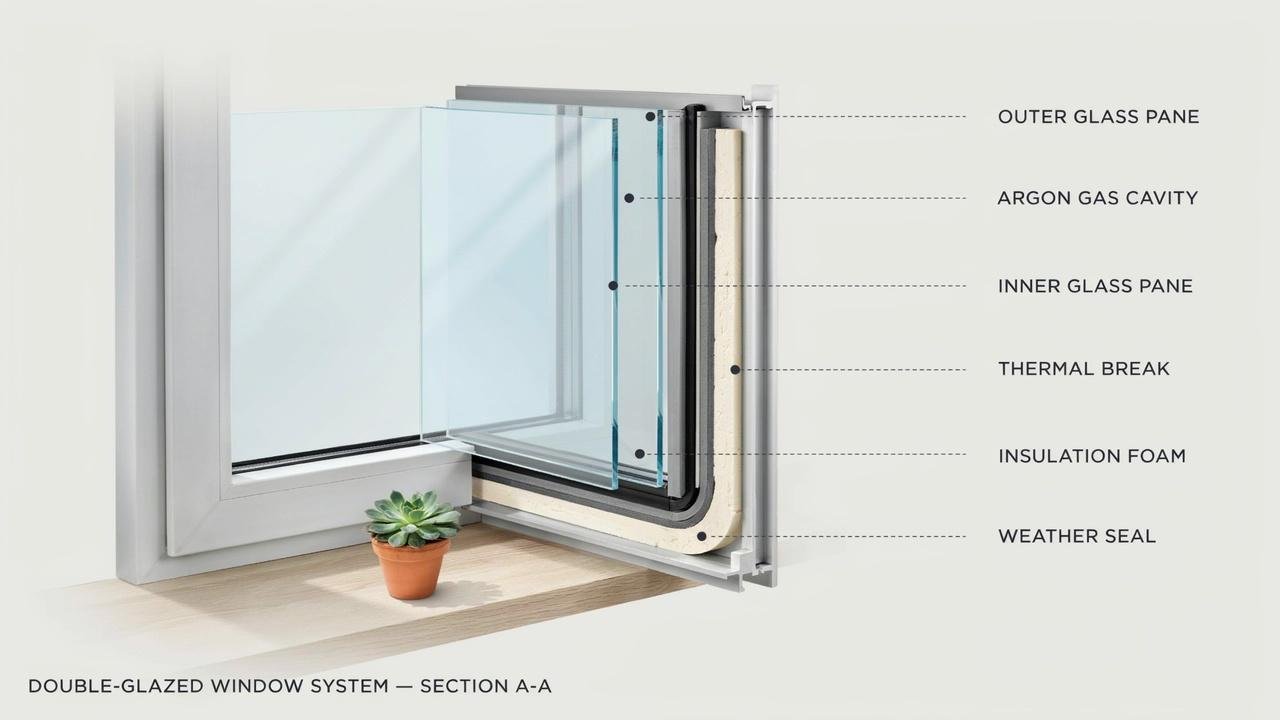
Glazing means fitting glass into windows, doors, and other openings in a building. It is not just about looks.
Glass used in glazing controls light, heat, and sound. Builders pick glazing types based on what a project needs.
Common types include single, double, and triple glazing. More layers mean better control over heat and noise.
The space between glass layers holds air or gas. This helps keep indoor temperatures steady in both hot and cold weather.
Glazing also affects how much light enters a room. Some glass cuts glare. Some glass lets in more brightness without extra heat.
In short, glazing shapes how a building feels inside. It supports comfort, energy savings, and everyday function.
Where is Glazing Used in Construction?

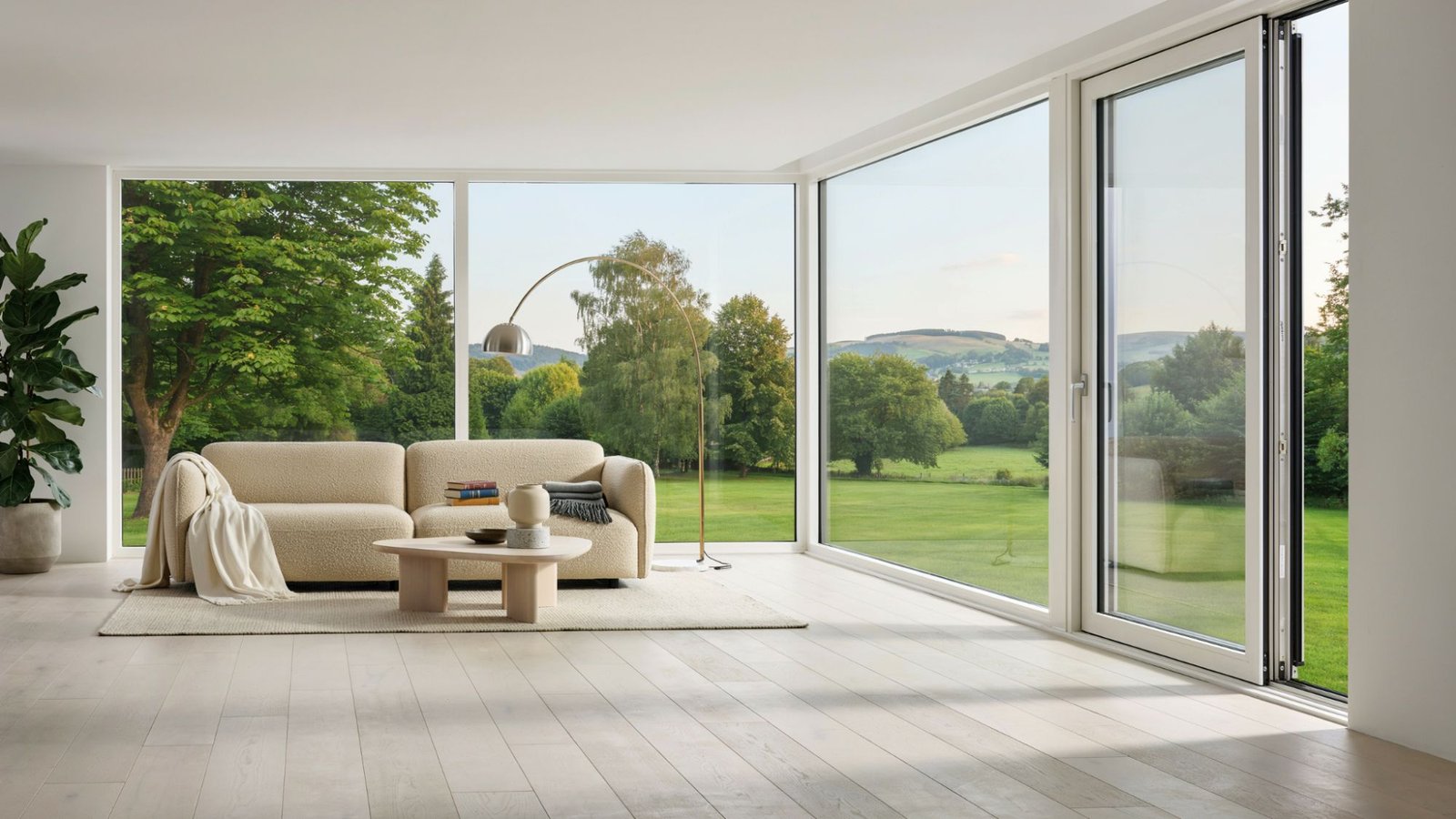
Glazing appears across many parts of a building, including windows, doors, glass walls, roofs, and storefront panels.
Windows
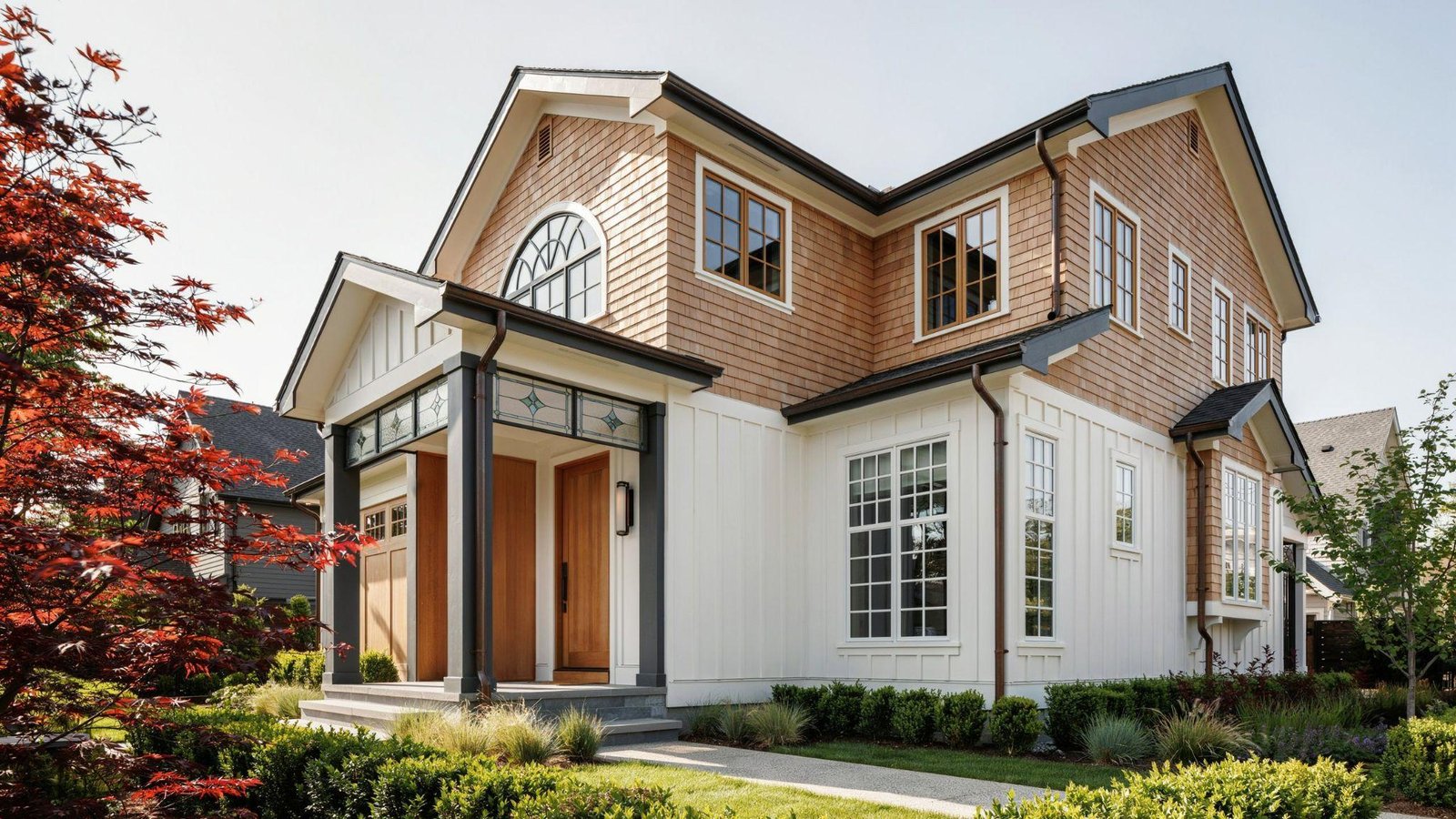
Windows are the most common place to find glazing.
Glass panels fit into frames made of wood, metal, or vinyl.
They let in light and let people see outside while keeping the weather out.
Doors
Many doors use glazing too. Glass panels in doors add light to entryways and hallways.
Front doors, patio doors, and French doors often use this kind of glass.
Curtain Walls
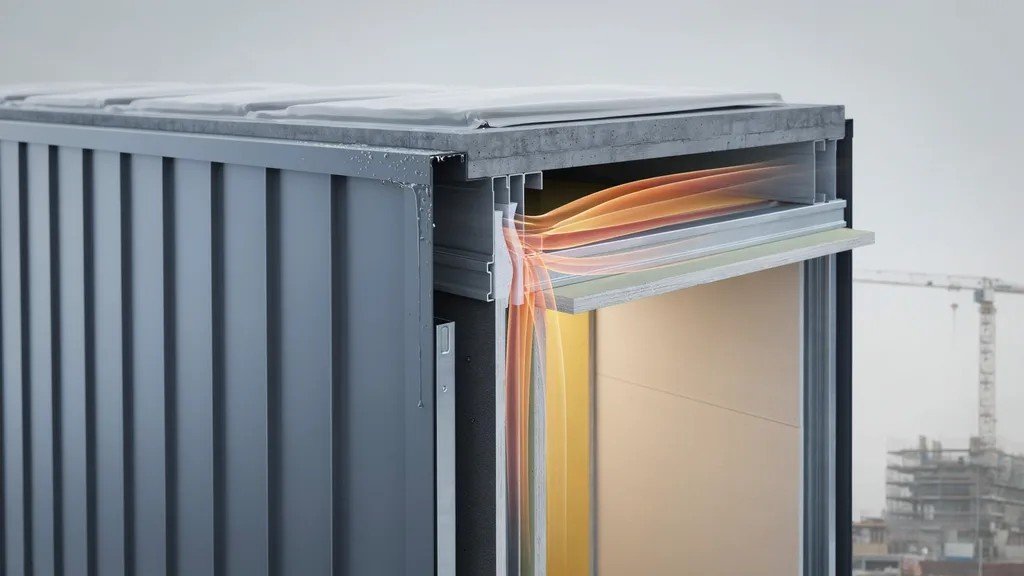
Curtain walls are large glass walls used on the outside of tall buildings.
They are not load-bearing, but they protect the inside from wind, rain, and heat loss.
Skylights and Storefronts
Skylights bring light in through the roof.
Storefronts use large glass panels at street level so shoppers can see inside a store.
Both rely on strong, well-sealed glazing.
Types of Glazing in Construction
There are several types of glazing, based on how many glass layers are used and how they are joined.
Single Glazing
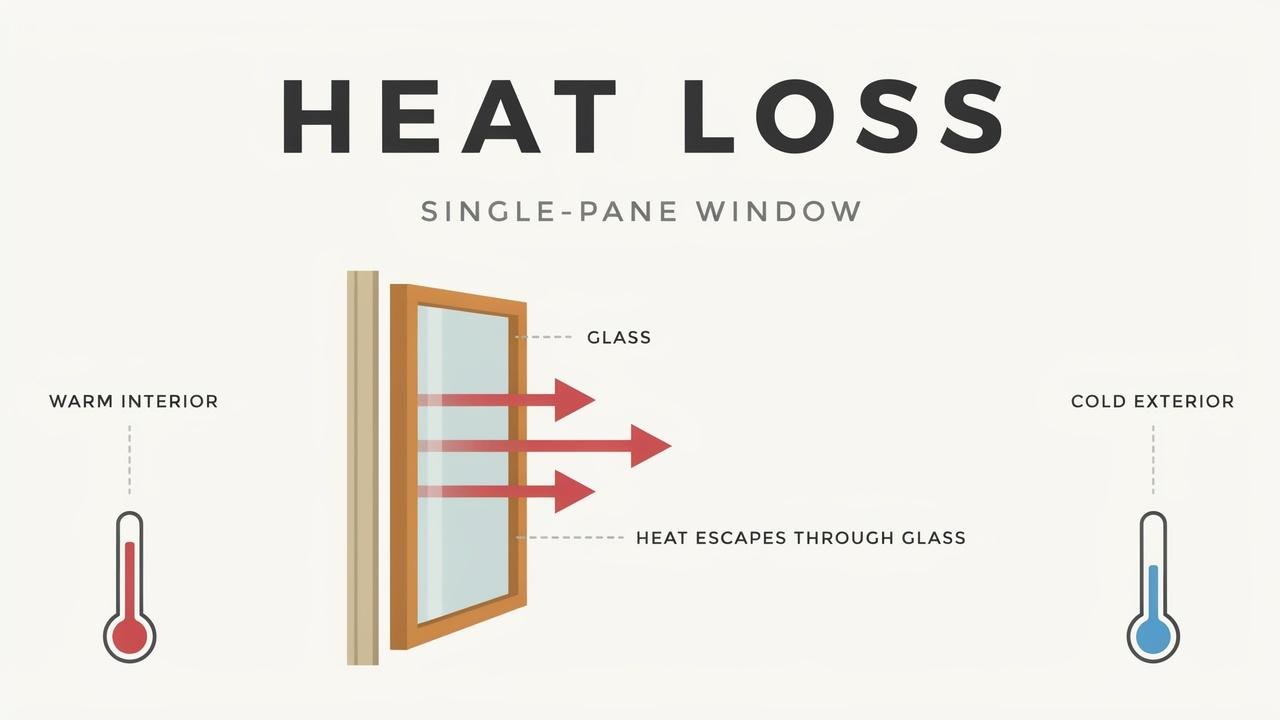
Single glazing uses one layer of glass in a frame.
It is the simplest and cheapest option, but it does not block heat or sound very well.
Double Glazing
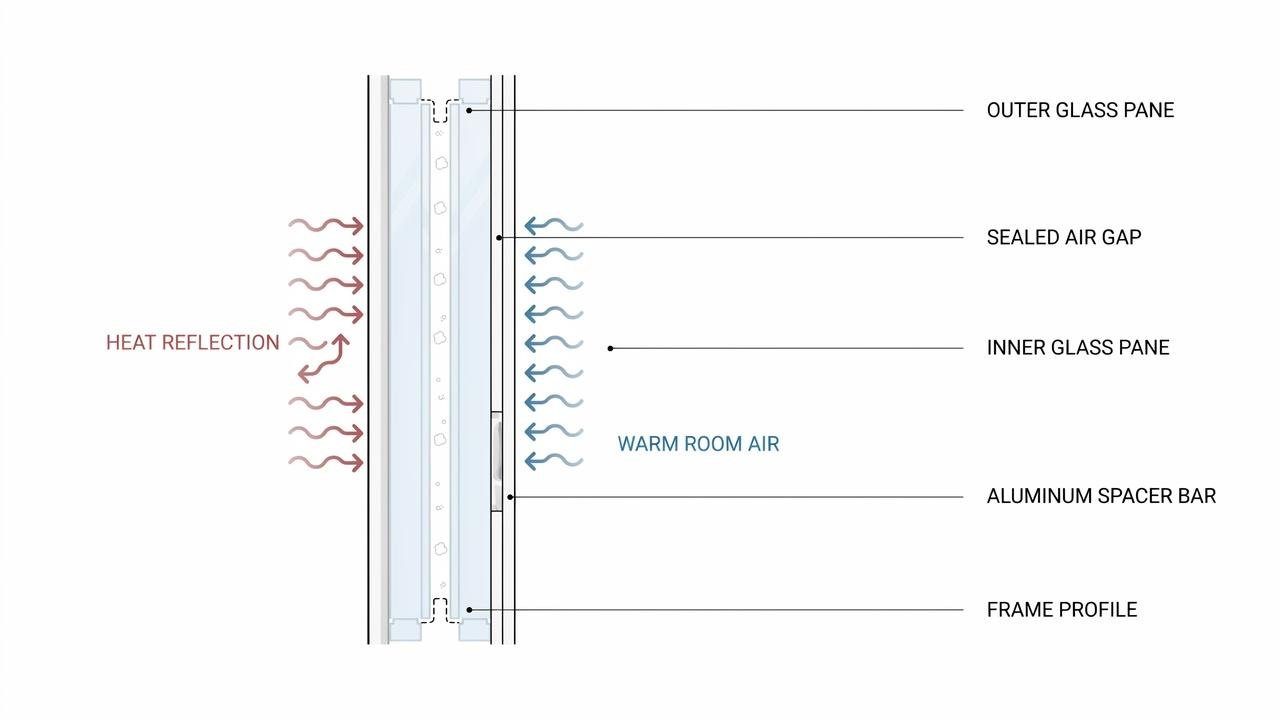
Double glazing uses two layers of glass with a gap of air or gas between them.
This gap helps keep heat in during winter and out during summer.
Triple Glazing
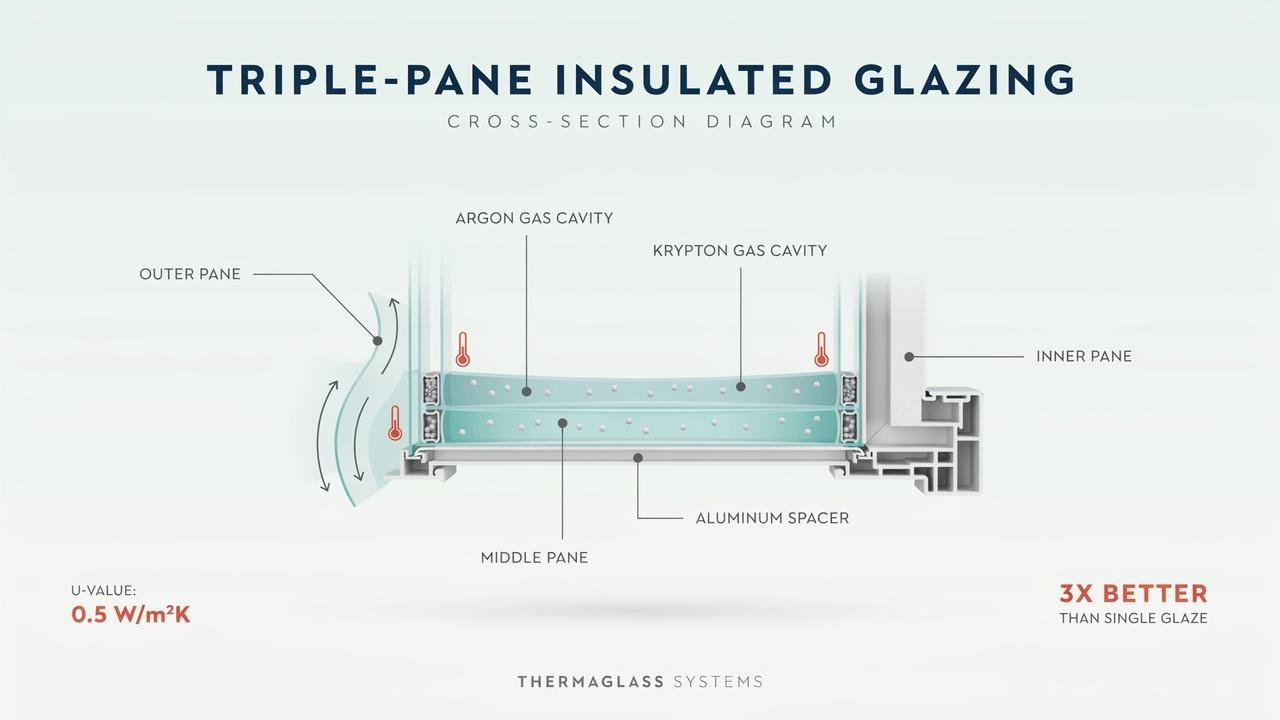
Triple glazing adds a third layer of glass.
It gives better insulation than double glazing, which makes it a good fit for cold climates.
Secondary Glazing
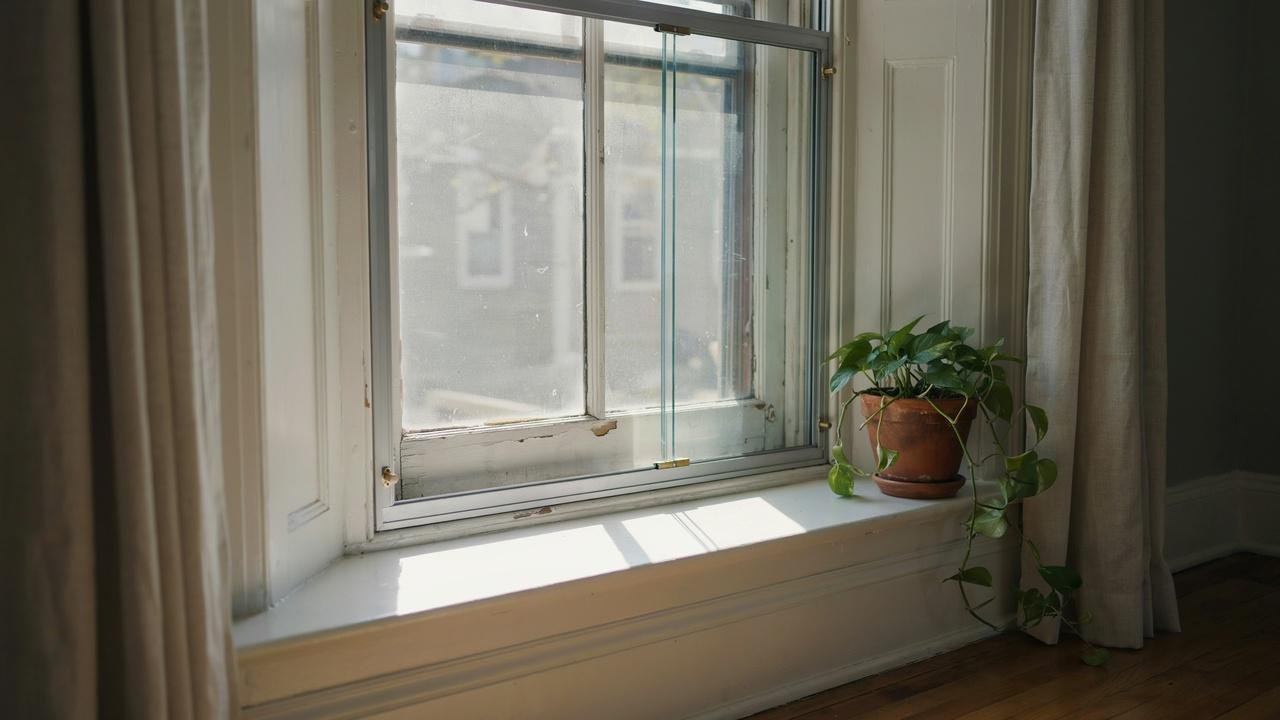
Secondary glazing means adding an extra glass panel inside an existing window.
It is often used in older buildings where the main frame cannot be replaced.
Types of Glass Used for Glazing
Different glass types serve different needs, from plain panels to glass that resists heat, breakage, or sound.
Annealed Glass
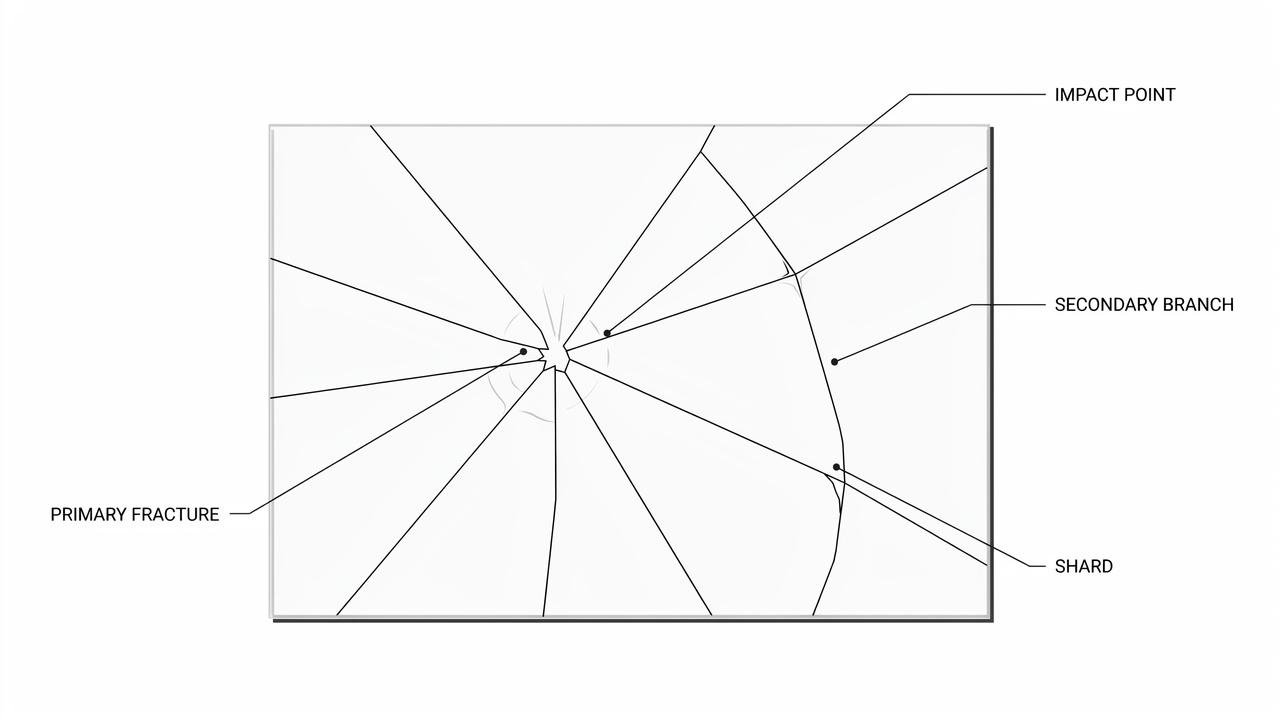
Annealed glass is basic glass that cools slowly during manufacturing.
It is affordable but breaks into sharp pieces, so it is often used where safety is less of a concern.
Tempered Glass

Tempered glass is heated and cooled fast to make it stronger.
If it breaks, it forms small, blunt pieces instead of sharp shards. This makes it safer for doors and windows.
Laminated Glass
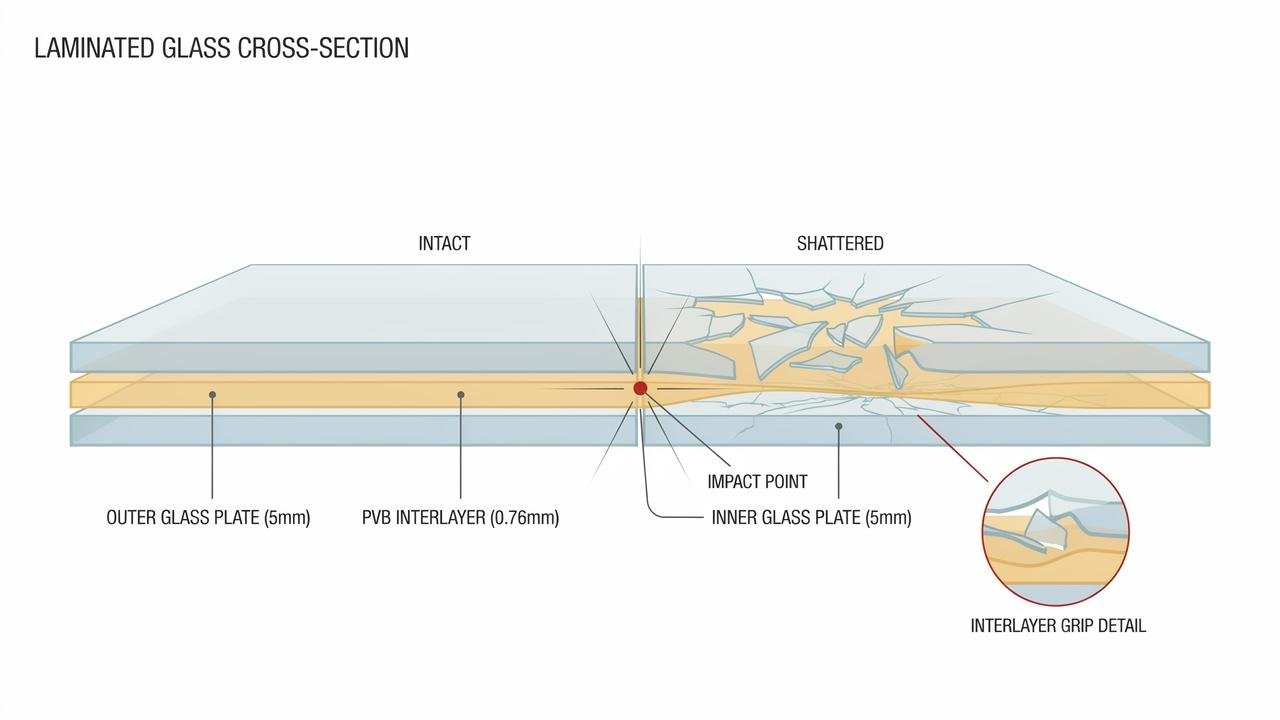
Laminated glass has a layer of plastic film between two glass sheets.
If it cracks, the pieces stay stuck to the film instead of falling apart.
Heat-Strengthened Glass
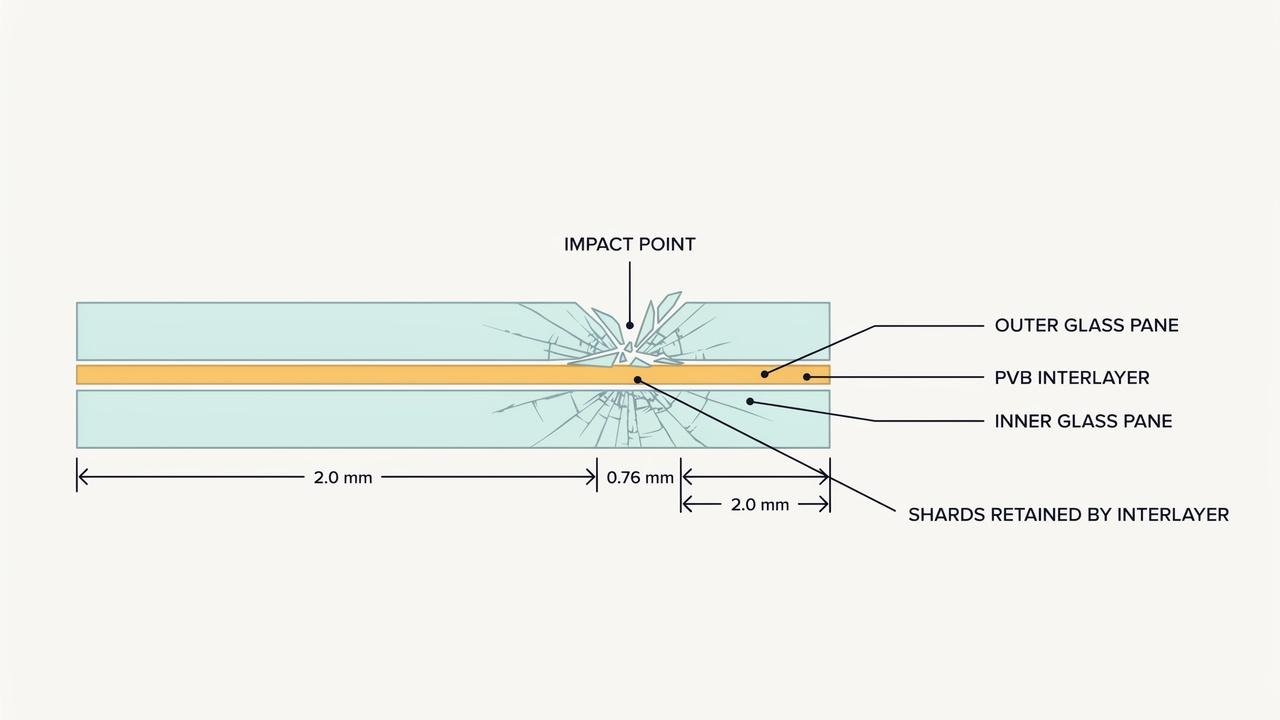
Heat-strengthened glass is treated like tempered glass but cooled more slowly.
It is stronger than regular glass but not as strong as fully tempered glass.
Low-E Glass
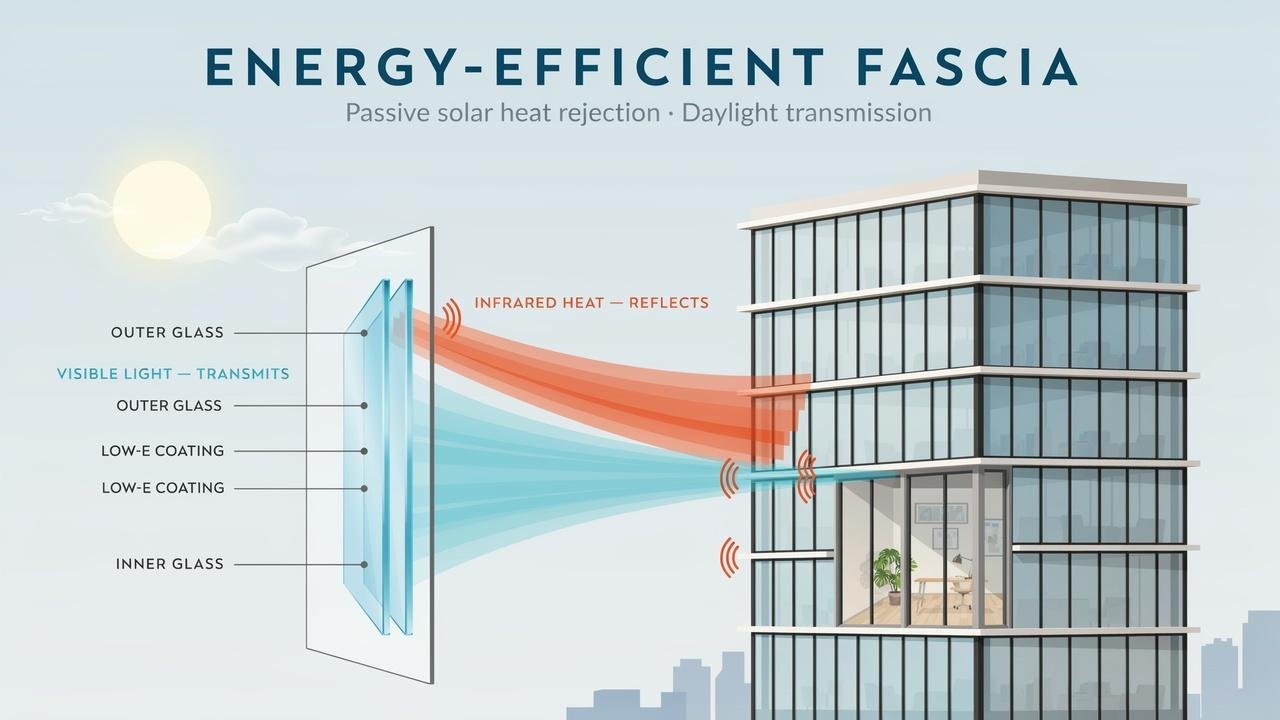
Low-E glass has a thin metal coating that reflects heat.
It keeps homes warmer in winter and cooler in summer by cutting down on heat transfer.
Frosted and Patterned Glass
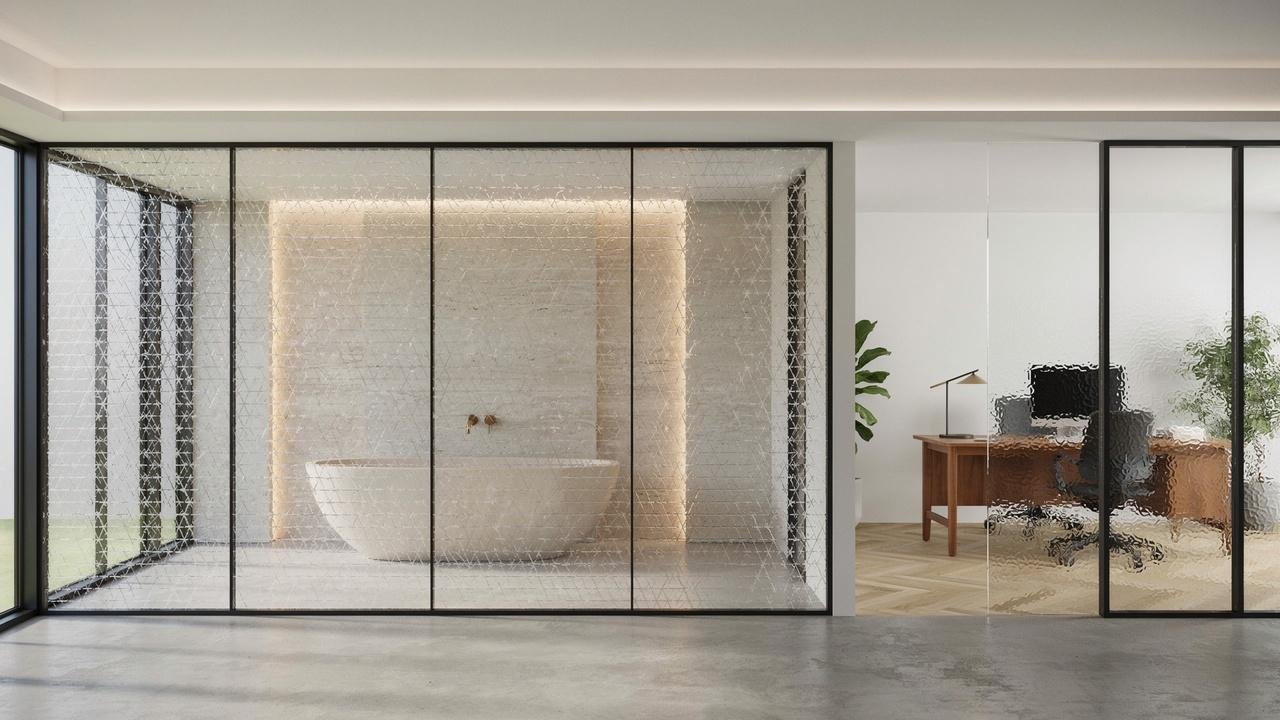
Frosted and patterned glass have a textured surface.
They let light through but block a clear view, which is useful for bathrooms and office partitions.
Acoustic Glass
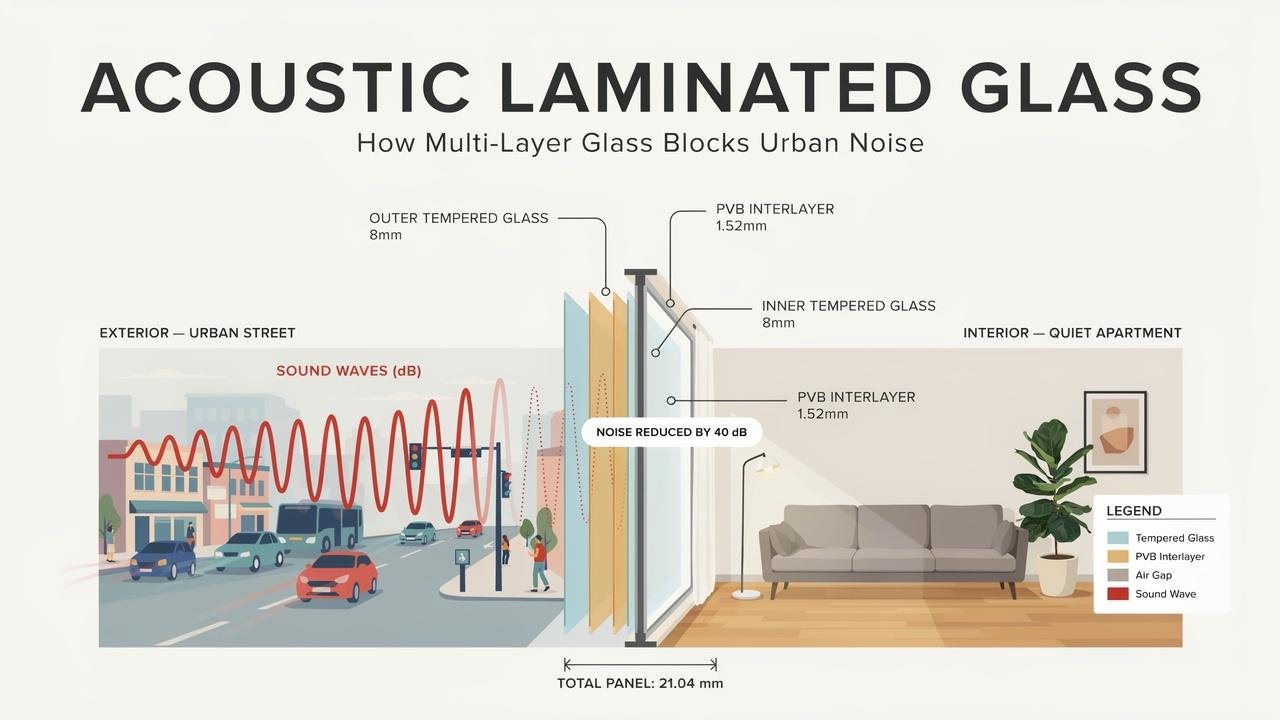
Acoustic glass is built to reduce noise.
It often uses layers of glass and film to block sound from traffic, neighbors, or busy streets.
How Does Glazing Work?
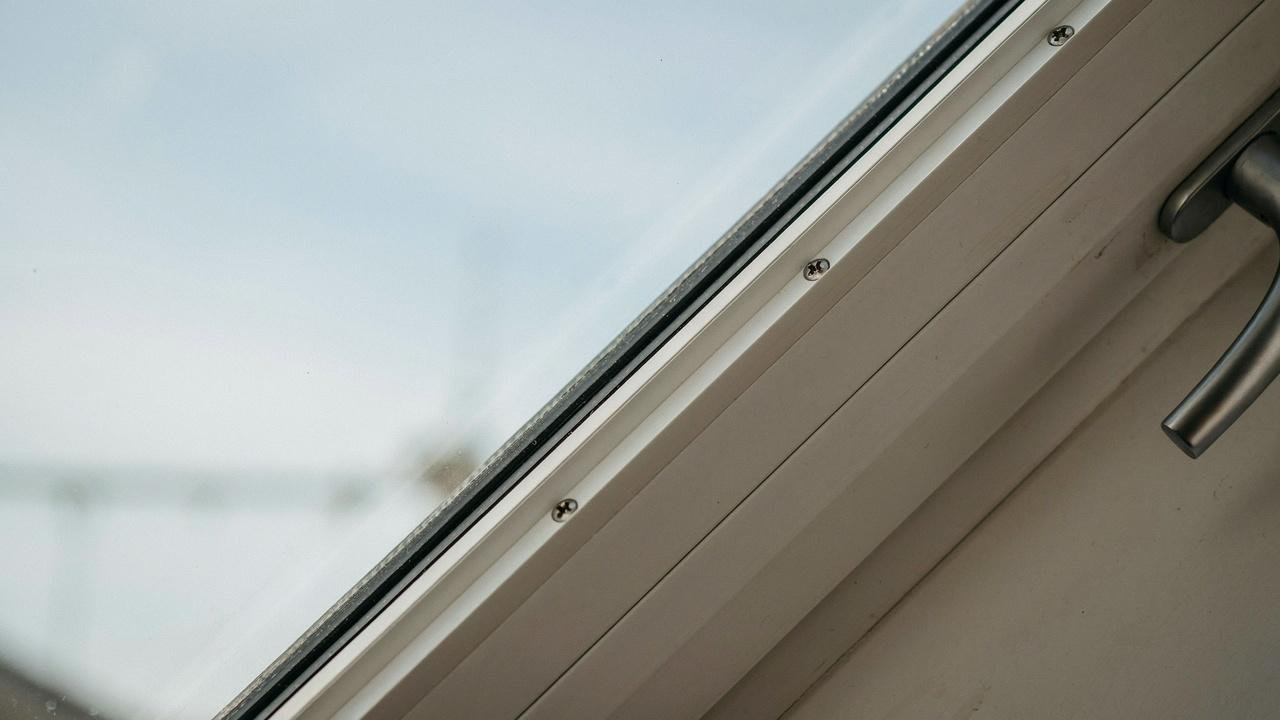
Glazing works through a mix of glass panels, frames, sealed air gaps, and weatherproof seals working together.
Glass Panels and Frames
Glass panels sit inside frames made from materials like wood, metal, or PVC.
The frame holds the glass in place and supports its weight.
Air Gaps and Insulation
In double and triple glazing, air or gas fills the space between glass layers.
This gap slows down heat movement, which helps with insulation.
Sealants and Weatherproofing
Sealants close the gaps around glass and frames.
They stop water, air, and dust from getting in, which keeps the building dry and comfortable.
Benefits of Glazing in Construction
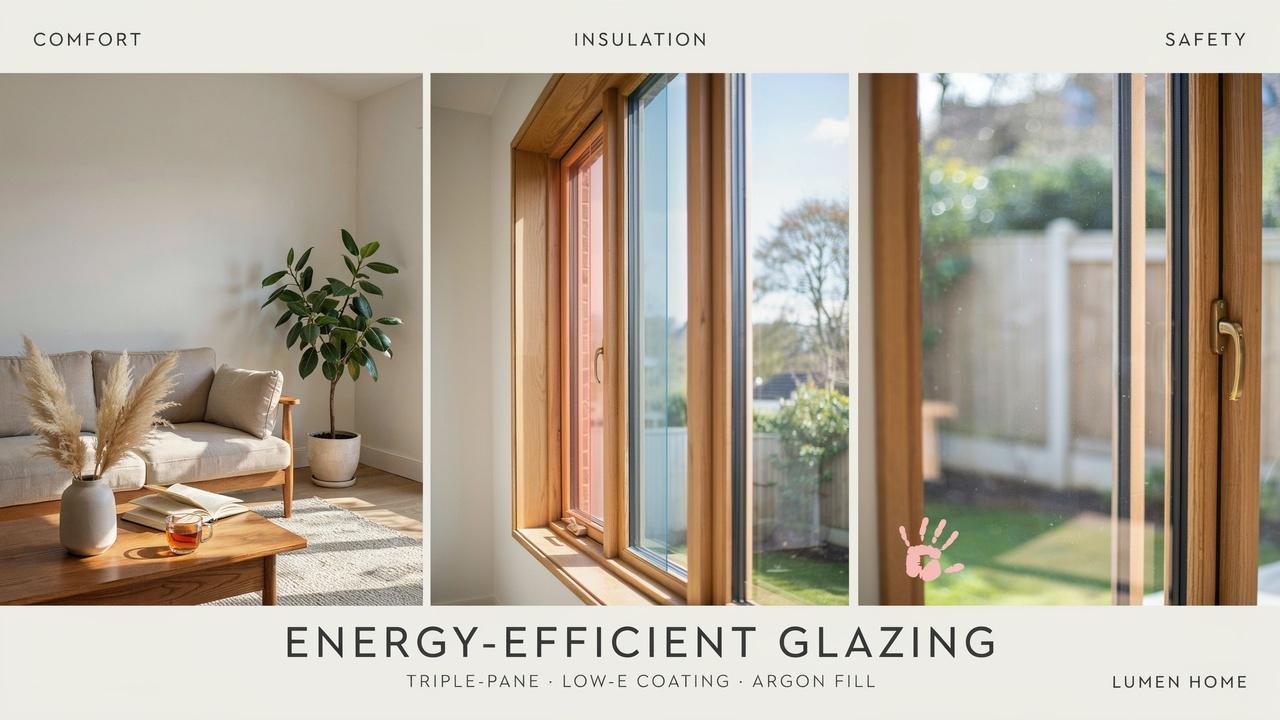
Good glazing can lower energy bills, reduce noise, add safety, and let more natural light into a building.
Glazing helps buildings save energy.
Insulated glass keeps heat in during winter and out during summer, which can lower heating and cooling costs.
It also cuts down on outside noise. This matters most for buildings near roads, airports, or busy areas.
Safety glass, like tempered or laminated glass, lowers the risk of injury if it breaks. This makes glazing a smart choice for homes, schools, and offices.
Good glazing also lets in more daylight.
This can reduce the need for artificial lighting and make rooms feel brighter and more open.
Tips for Choosing the Right Glazing
Picking the right glazing depends on local weather, budget, glass type, and how the building will be used.
- Cold areas benefit from double or triple glazing because it keeps heat inside.
- Hot areas may need Low-E glass to block heat from the sun.
- Bathrooms may need frosted glass for privacy.
- Busy roads may call for acoustic glass to cut down on noise.
- More glass layers and special coatings cost more upfront, so compare the price against long-term energy savings before making a final choice.
Conclusion
Glazing might seem like a small detail, but it changes how a home feels every day.
I noticed it myself when I swapped a single-pane window for a double-glazed one.
The room felt warmer almost instantly, and the street noise dropped too.
If you're planning a build or renovation, give glazing the attention it deserves.
It pays off in comfort and savings down the road.
Got questions or a glazing story of your own? Drop a comment below, share this post with a friend who's renovating, or check out our other guides on home upgrades.
Frequently Asked Questions
What is glazing in construction?
Glazing refers to the glass used in windows, doors, and walls of a building. It can be a single pane or multiple layers, depending on the need.
What is the difference between double and triple glazing?
Double glazing uses two layers of glass with a gap in between, while triple glazing adds a third layer. Triple glazing offers better insulation but costs more.
Which glass type is best for noise reduction?
Acoustic glass works best for cutting down outside noise. It uses extra layers and film to block sound from traffic or busy areas.
Does glazing help lower energy bills?
Yes, glazing can reduce heating and cooling costs. Insulated glass keeps indoor temperatures steady, so HVAC systems work less.
How do I know which glazing is right for my home?
It depends on your climate, budget, and what each room needs. A local supplier or contractor can help you compare options based on performance and cost.