
Picking the right glass for your windows can feel confusing.
There are so many types, and most guides don't explain them in plain language.
This blog clears that up.
We'll walk through how glass glazing works, the different types of glazing used in construction, and the common methods builders rely on.
You'll also learn the real benefits of glazing, where it's used in different buildings, and how to choose the right one for your space.
I've spent time researching and talking to people in construction to put this together, so you're getting information that actually holds up.
By the end, you'll know exactly what to look for before your next window or building project.
What is Glass Glazing in Construction?
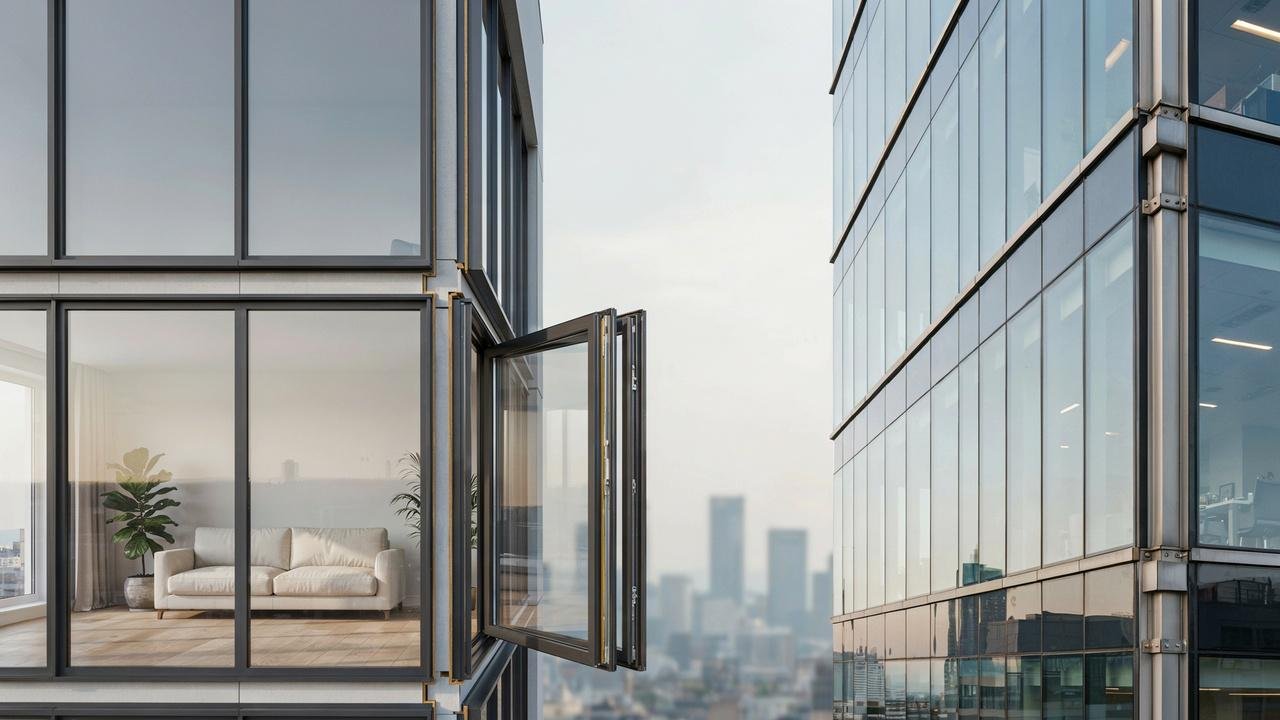
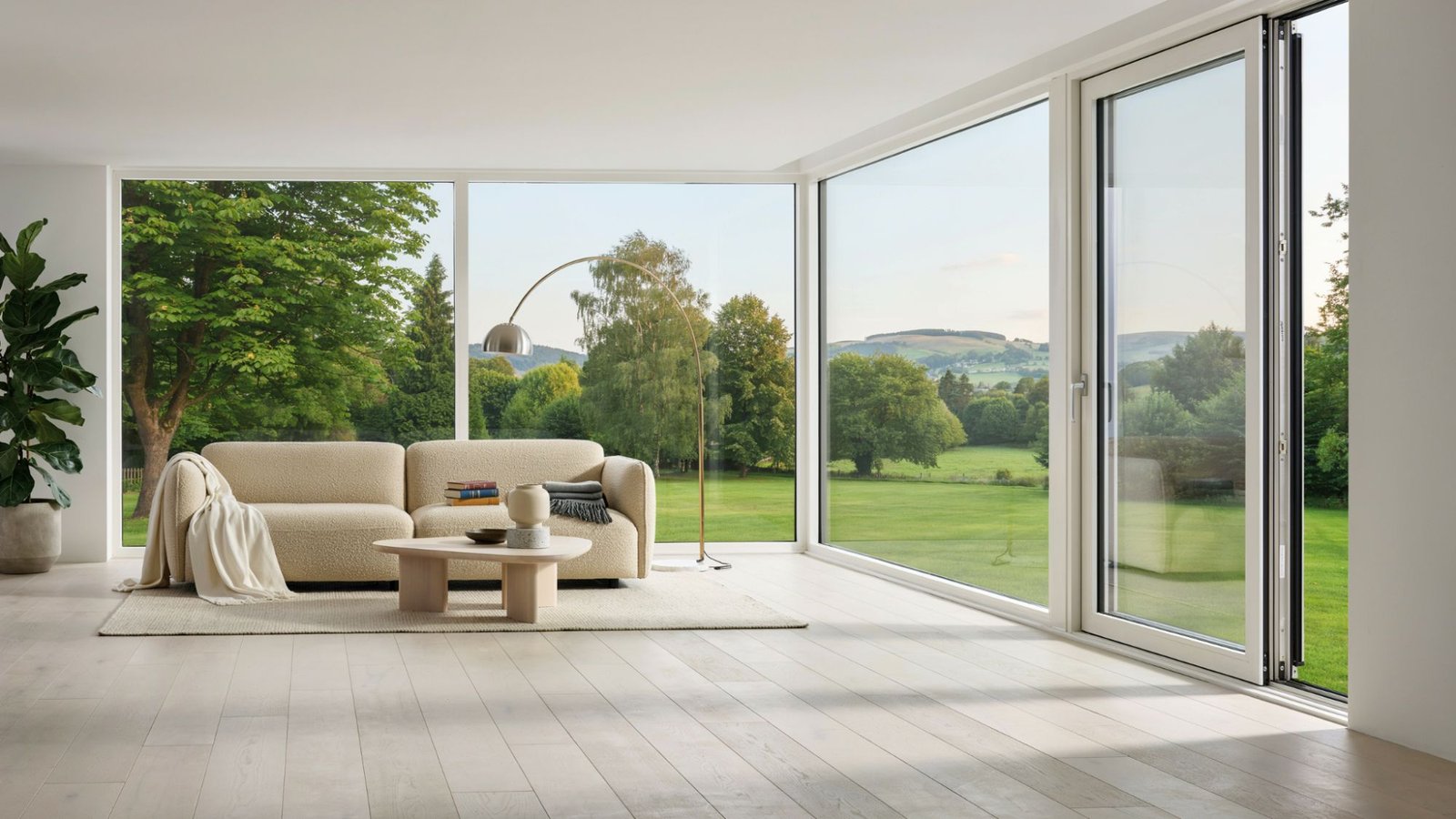
Glass glazing is the method builders use to fit glass panes into a frame.
This frame can belong to a window, door, or wall panel. The glass seals the opening and lets natural light pass through.
The main goal of glazing is to keep weather out while letting light in. It also helps control heat loss and noise.
Good glazing can lower energy bills and keep rooms comfortable.
There are different types of glazing used today.
Single glazing has one layer of glass. Double glazing has two layers with a gap of air or gas between them. Triple glazing uses three layers for even better insulation.
During installation, workers measure the frame size first.
Then they cut the glass to fit. Sealants and gaskets are used to hold the glass firmly in place and stop air or water from getting in.
Glazing plays a big role in a building's safety and comfort. It affects how much heat stays inside during winter.
It also affects how much sound enters from outside.
How Glass Glazing Works in Windows and Buildings
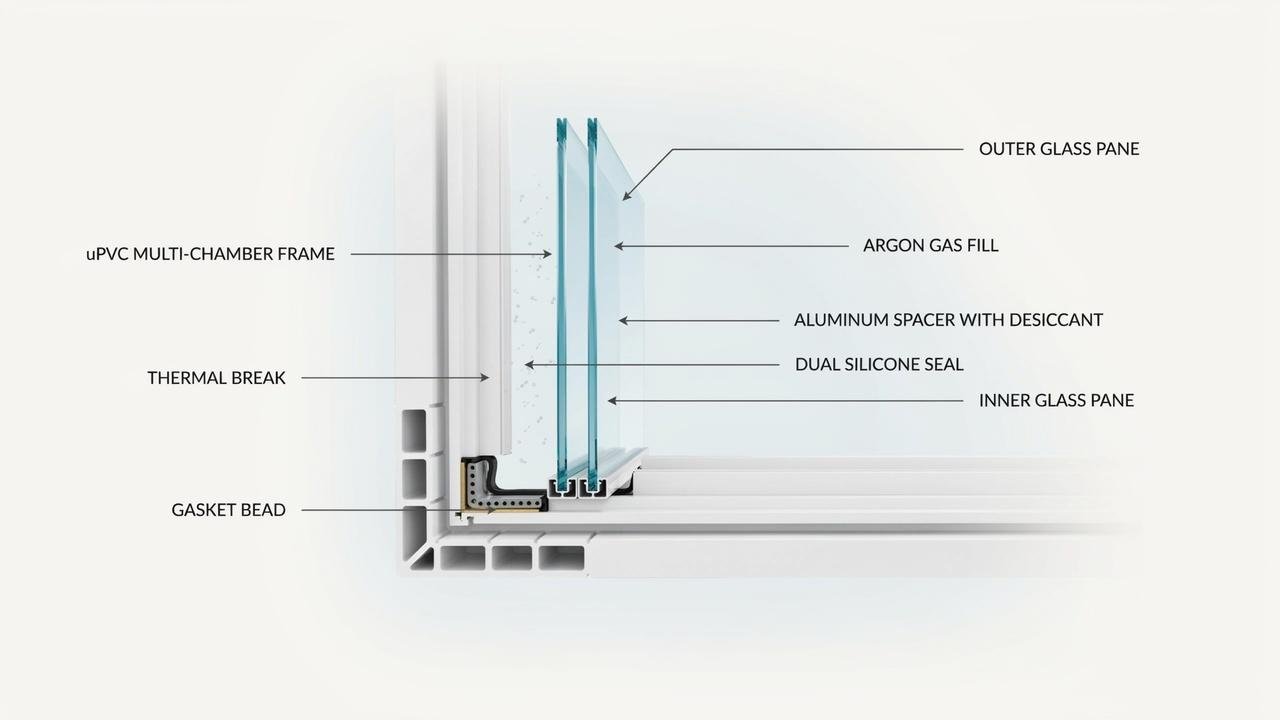
Glazing combines glass panes, frames, gaps, and sealing methods to control heat, light, sound, and air flow inside buildings.
Structure of a Glazed Window (Glass Panes and Frame)
A glazed window has two main parts: the glass pane and the frame.
The frame holds the glass in place and can be made of wood, metal, vinyl, or fiberglass.
The glass sits inside the frame with a tight seal, which keeps water and air from getting in.
Role of Air Gaps, Gas Filling, and Sealing
Many windows use more than one pane of glass with a gap between them.
This gap can hold plain air or a gas like argon.
The gas slows down heat moving through the window. Sealing keeps the gas in place and stops moisture from getting inside.
How Glazing Improves Insulation and Energy Efficiency
Glazing cuts down heat loss in winter and heat gain in summer.
It does this through layers of glass, gas fills, and coatings.
This lowers the work needed from heating and cooling systems, which can lower energy bills over time.
Types of Glass Glazing in Construction
Different glazing types, from single pane to triple pane and laminated glass, serve different building needs and budgets.
Single Glazing vs Double Glazing vs Triple Glazing
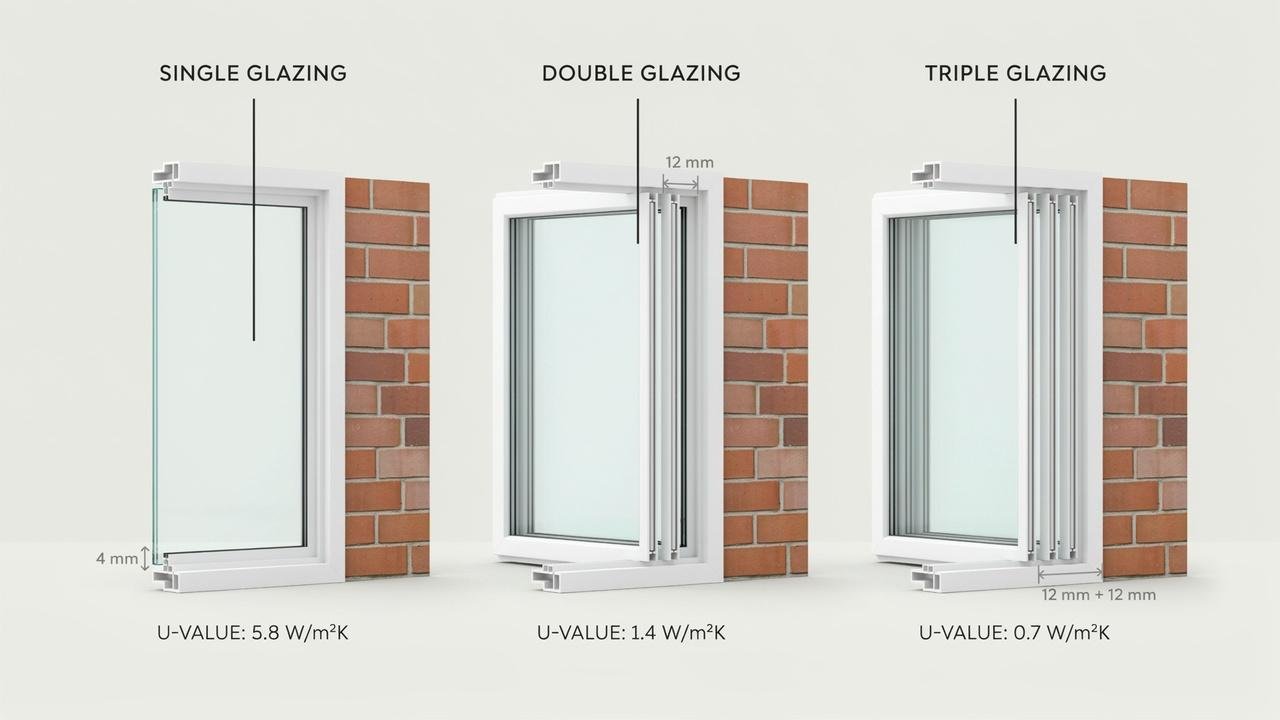
Single glazing uses one pane of glass. It costs less but gives little protection from heat or sound.
Double glazing uses two panes with a gap, which blocks more heat and noise.
Triple glazing adds a third pane for stronger performance, though it costs more and suits cold climates best.
Insulated Glass Units (IGUs) and their Function
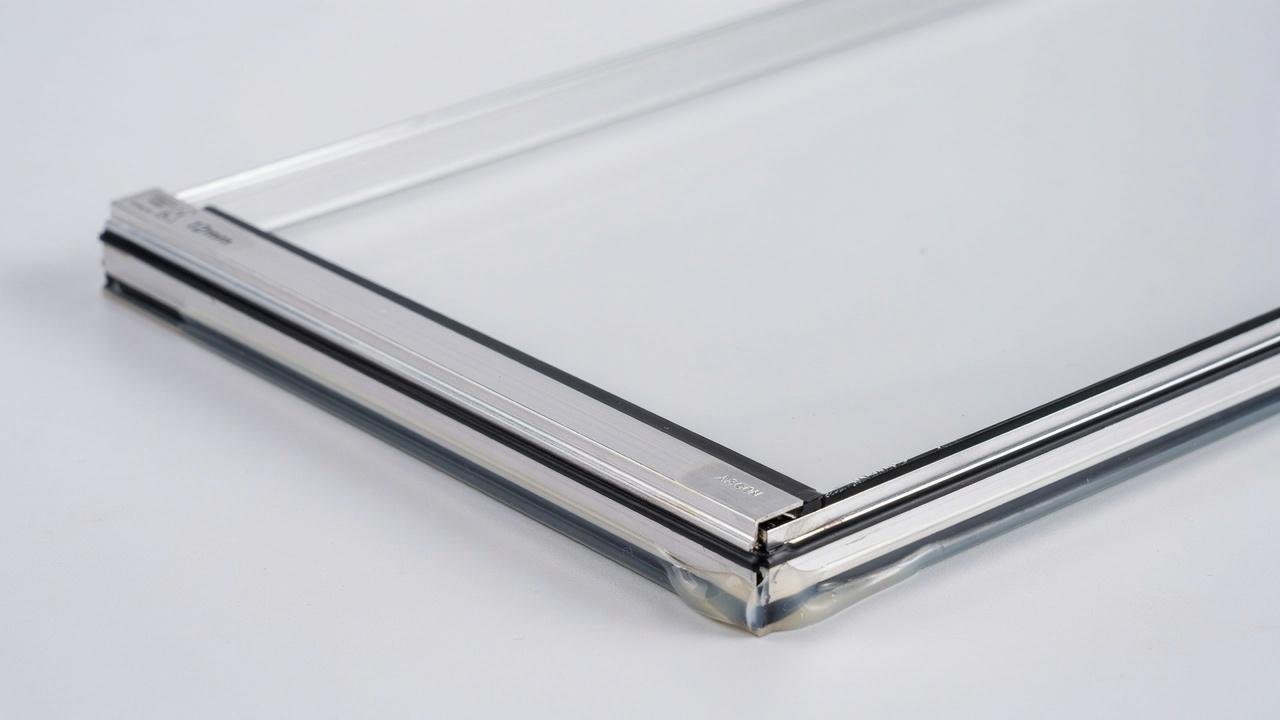
An Insulated Glass Unit, or IGU, is a sealed unit made of two or more glass panes held apart by a spacer.
The space between the panes is filled with air or gas. IGUs cut heat loss and help reduce condensation on the glass surface.
Laminated Glass and Tempered Glass Uses
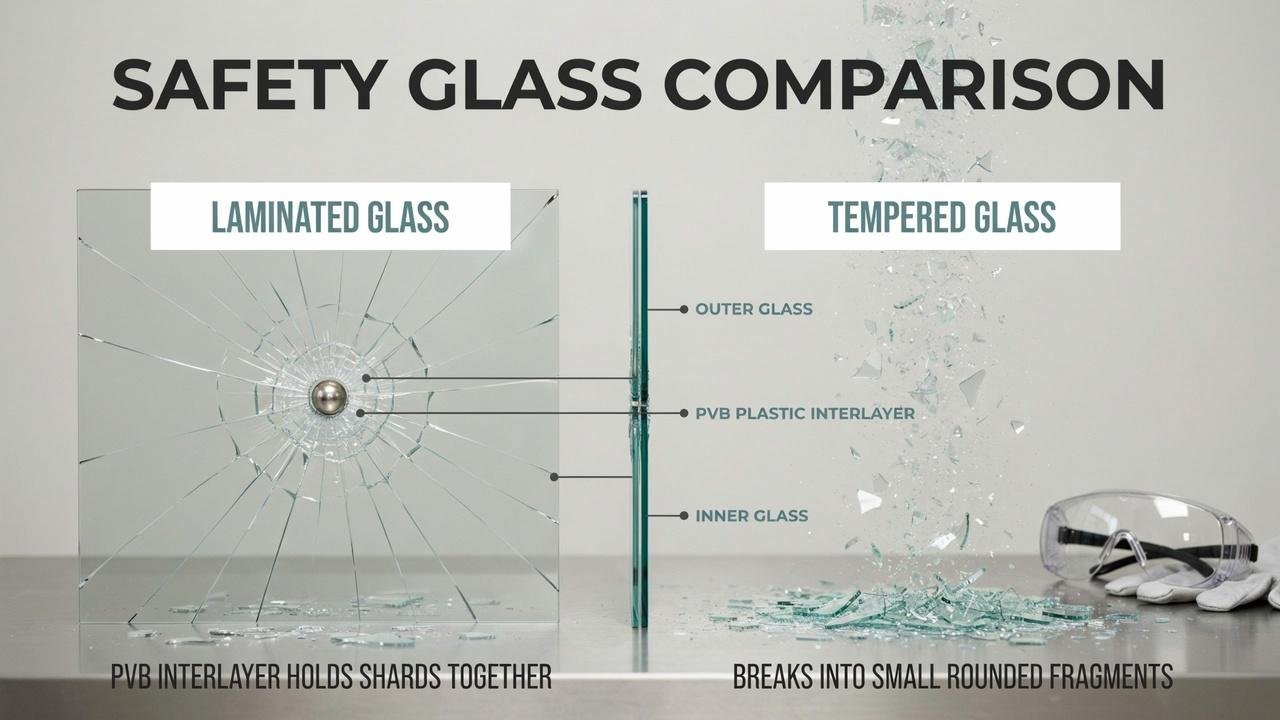
Laminated glass has a plastic layer between two sheets of glass.
If it breaks, the pieces stick to that layer instead of falling apart, which makes it useful for cars and storefronts.
Tempered glass is heat treated to make it stronger and breaks into small, blunt pieces instead of sharp shards.
Tinted and Reflective Glass for Heat Control
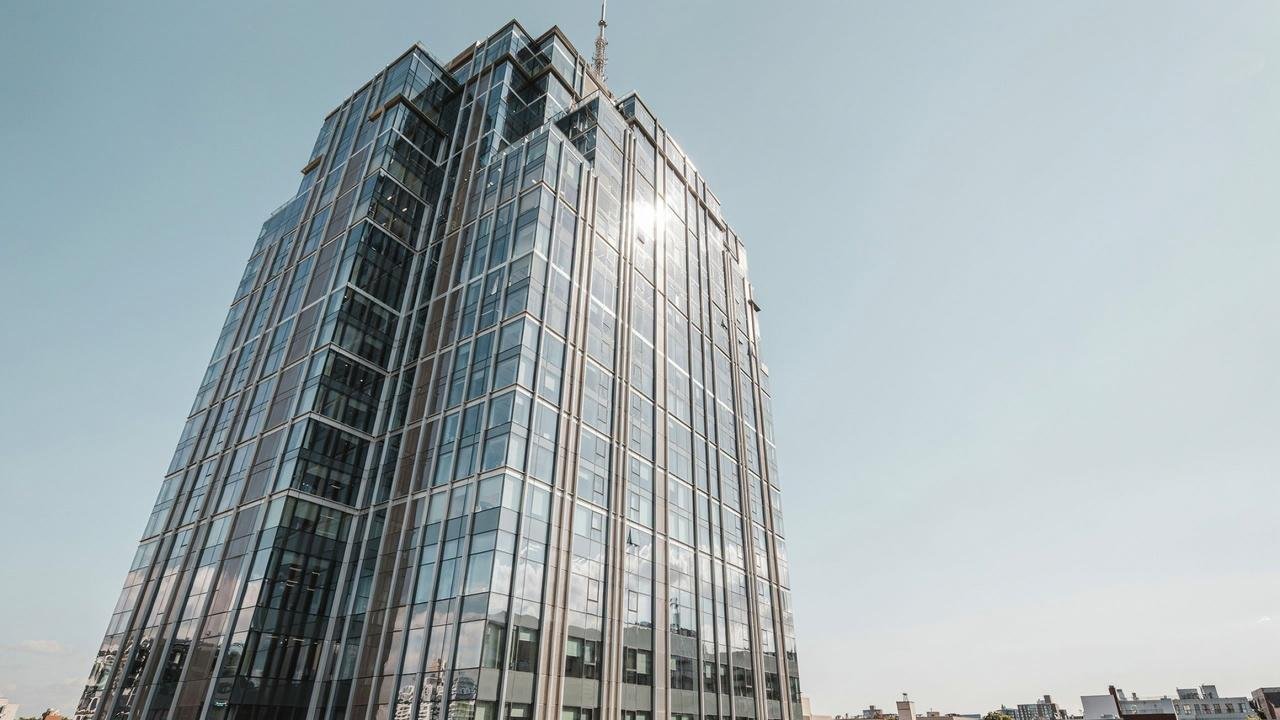
Tinted glass has color added during production, which blocks some sunlight and glare.
Reflective glass has a thin metal coating that bounces back sunlight and heat.
Both help keep indoor spaces cooler during hot weather.
Frosted and Decorative Glass for Privacy
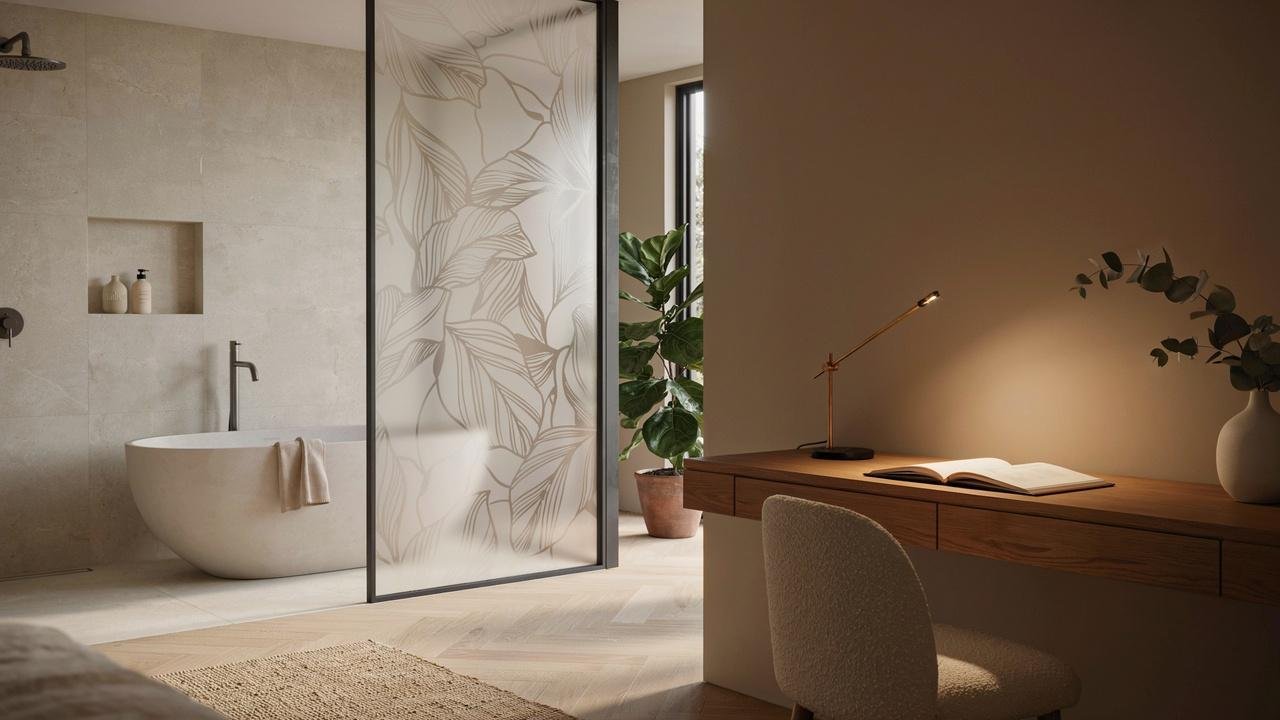
Frosted glass has a treated surface that lets light through but blurs the view, which works well in bathrooms, offices, and meeting rooms.
Decorative glass can include patterns, etching, or color to give a room a different look.
Common Glazing Methods Used in Construction
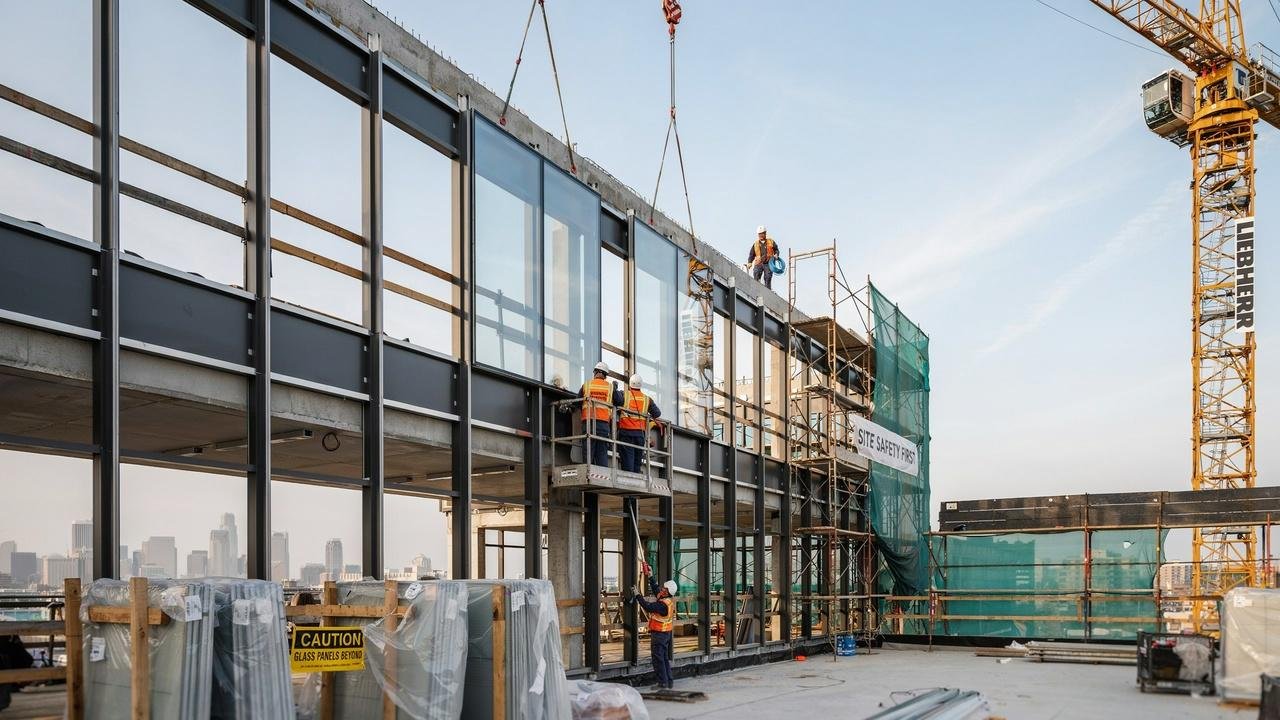
Builders use dry, wet, structural, and point supported glazing methods, each fitting different building designs and performance needs.
Dry Glazing (Gaskets, Tapes, and Sealants)
Dry glazing uses rubber gaskets, foam tape, or pre formed seals to hold glass in a frame without any liquid sealant.
It is quick to install and easy to repair if a gasket wears out over time.
Wet Glazing (Silicone and Bonding Materials)
Wet glazing uses a liquid sealant, usually silicone, to bond glass to a frame.
The sealant cures over time and forms a strong, weatherproof bond.
It works well for large glass panels and curved surfaces.
Structural Glazing Systems
Structural glazing holds glass panels in place using sealant or hidden clips, with no visible frames on the outside.
This gives buildings a flat, smooth glass surface and is common on tall office buildings.
Point-Supported and Cable Glass Systems
Point supported glazing holds glass panels with metal fittings at a few fixed points instead of a full frame.
Cable systems use steel cables under tension to support large glass walls. Both create open spaces with little visible support.
Double-Skin Facade Systems
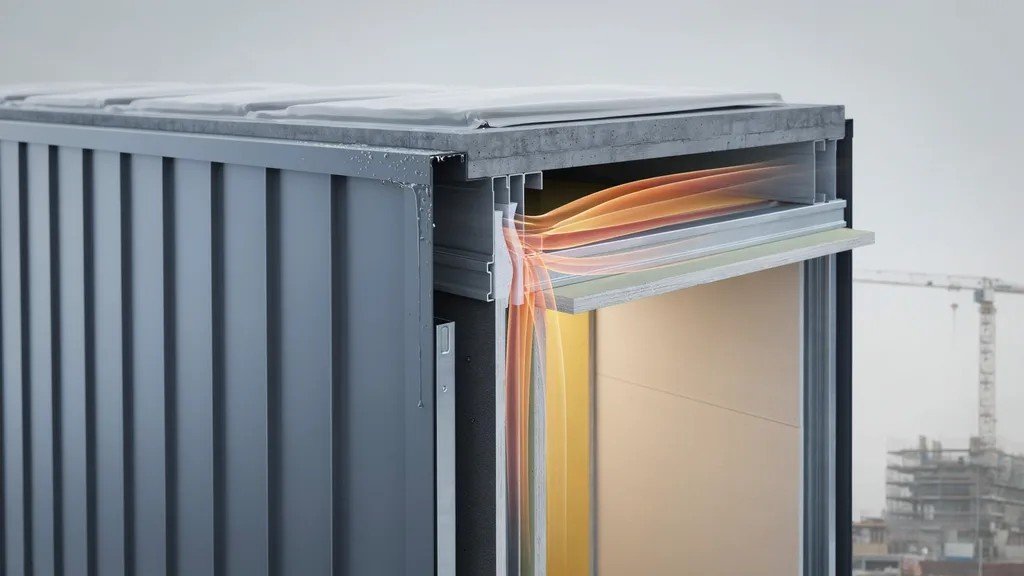
A double skin facade has two layers of glass with an air gap between them.
Air moves through this gap to help manage heat and add extra sound control.
It is often used on office towers in places with harsh weather.
Benefits of Glass Glazing in Construction
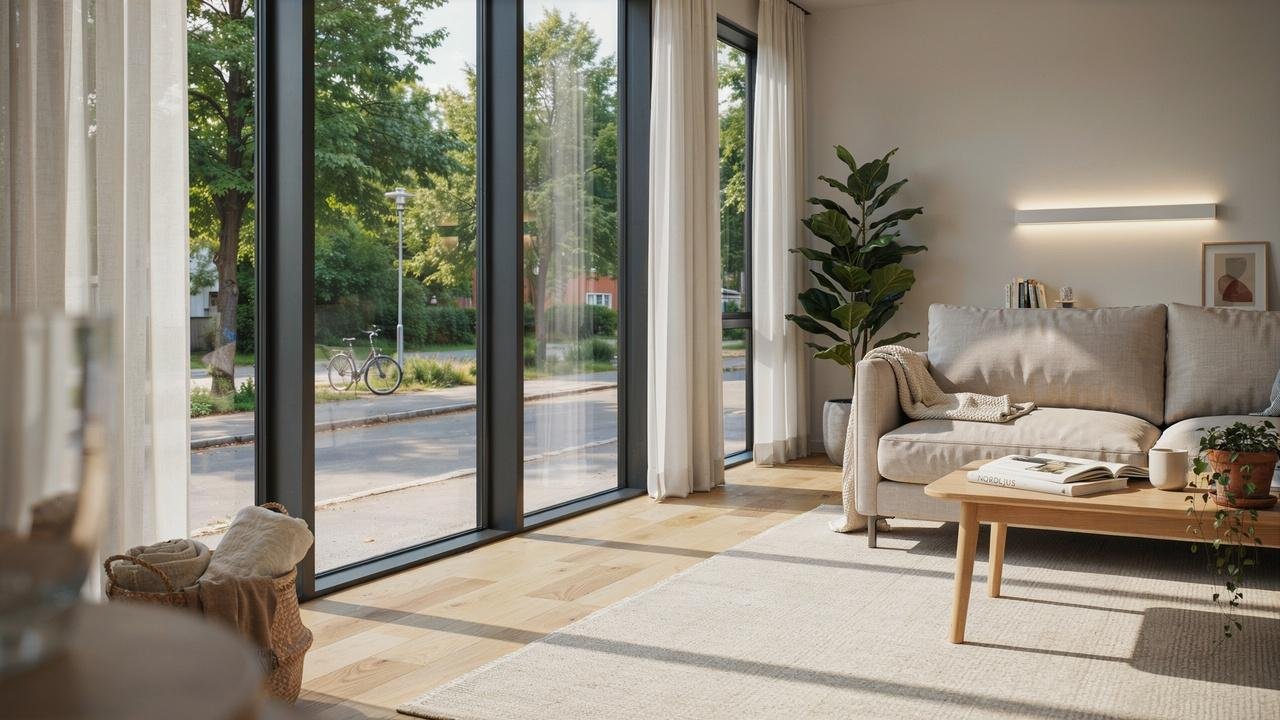
Glazing lowers energy use, brings in natural light, reduces noise, and gives buildings a clean, modern appearance.
Energy Efficiency and Thermal Insulation
Good glazing keeps indoor temperatures steady through the day.
It reduces the load on heating and cooling systems, which can lead to lower utility bills and less wear on building equipment over time.
Natural Light and Daylight Optimization
Glazing lets in natural light during the day, which cuts down on the need for electric lighting.
It also helps people feel more comfortable and alert while indoors.
Sound Insulation and Comfort Improvement
Multiple layers of glass and sealed gaps block outside noise.
This helps buildings near roads, airports, or busy areas.
Quieter rooms make spaces more comfortable to live and work in.
Modern Aesthetics and Architectural Design
Glass glazing gives buildings an open, modern look.
Large glass panels let in natural light and let people see outside.
Designers use glazing to give buildings a clean, distinct appearance.
Applications of Glass Glazing in Buildings

Glazing is used in homes, offices, malls, retail stores, and public buildings like airports and train stations.
Residential Use (Windows, Doors, Skylights)
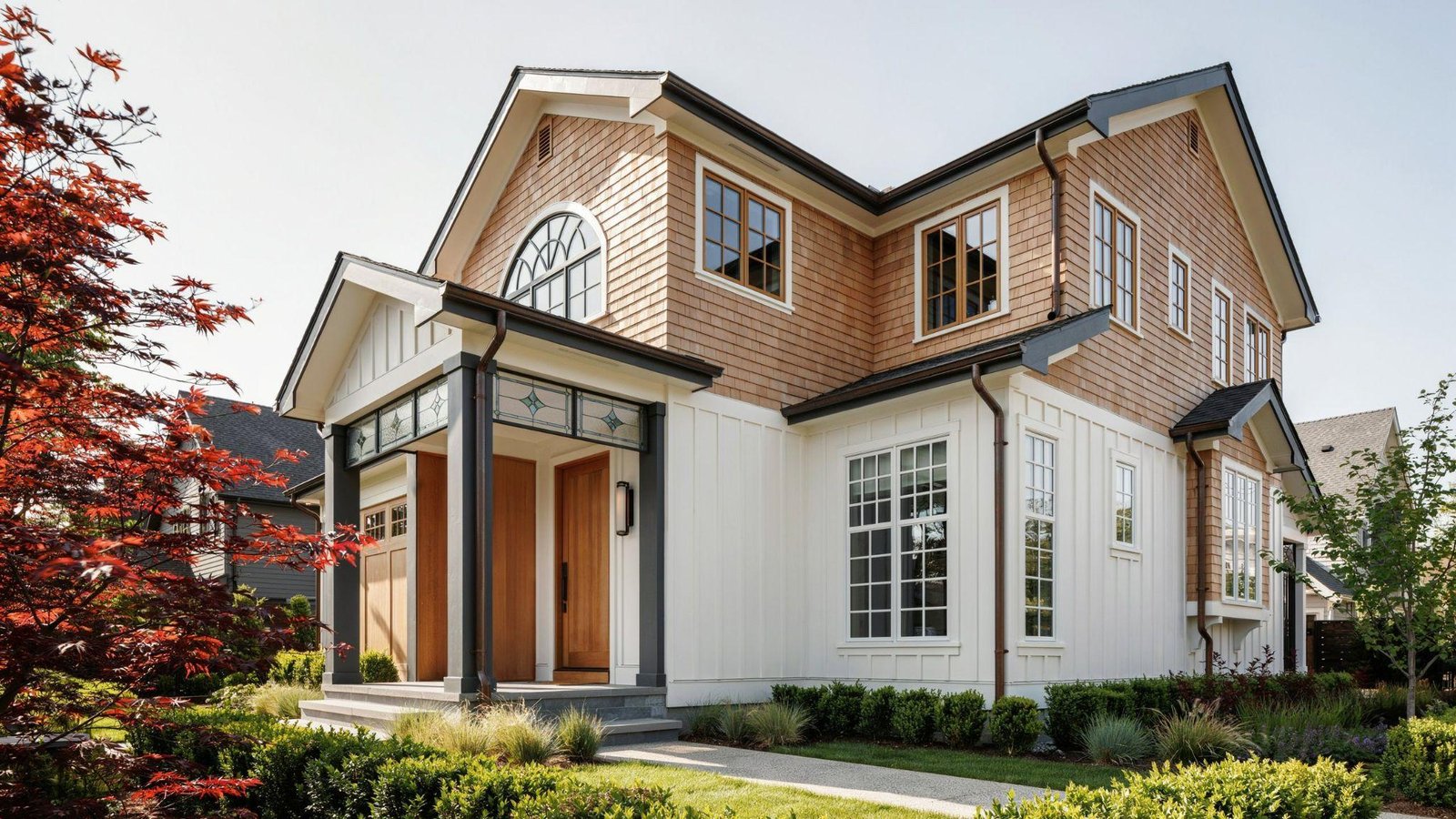
Homes use glazed windows, doors, and skylights to bring in light and control indoor temperature.
Double glazing is common in homes today since it cuts energy costs and reduces outside noise.
Commercial Buildings (Offices and Malls)
Offices and shopping malls use large glazed panels and curtain walls to create open, light filled spaces.
This also helps these buildings manage heating and cooling costs across large floor areas.
Retail Storefronts and Display Systems
Stores use large glass windows to show products to people walking by. Clear, well lit storefronts draw in more customers.
Tempered or laminated glass is often used here for added safety.
Public Infrastructure (Airports, Stations, Institutions)
Airports, train stations, and public buildings use glazing for large open areas.
It brings in light across wide spaces and helps these buildings handle heavy daily use and changing weather.
Tips for Choosing the Right Glass Glazing
Choosing glazing depends on climate, safety needs, budget, noise control, and getting help from trained installers.
- Climate fit: Cold areas may need triple glazing or gas filled units. Hot areas may need tinted or reflective glass to block heat.
- Safety first: Laminated or tempered glass resists breaking and lowers injury risk. Thicker glass adds security against forced entry.
- Cost vs savings: Cheaper glazing costs less now but can raise energy bills later. Better glazing saves money over time.
- Noise and insulation: More layers and wider air gaps block sound. Gas fills and low emissivity coatings boost insulation.
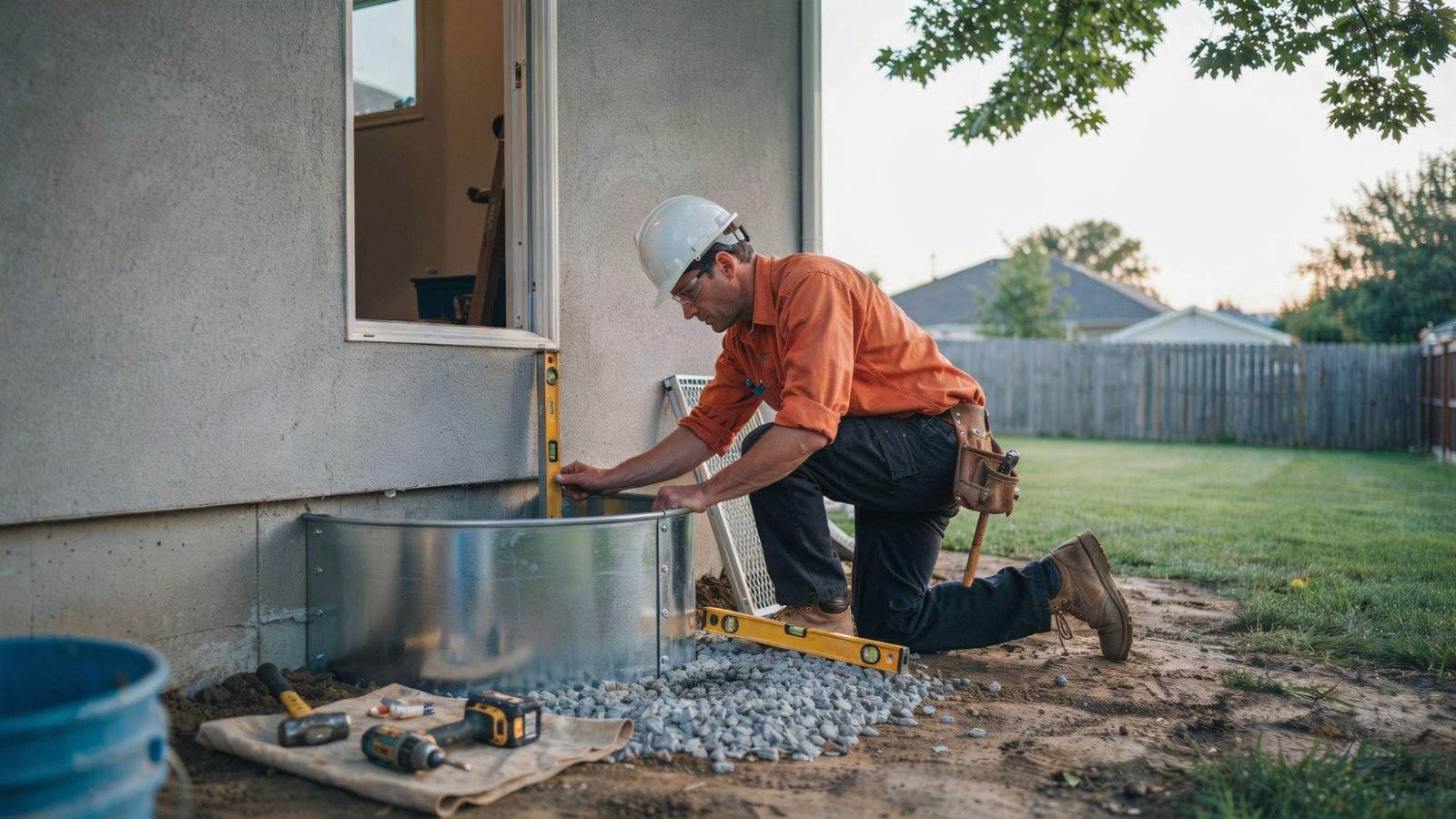
- Proper installation: Correct fitting prevents air leaks and water damage. Hire trained installers who know local codes.
Conclusion
I've walked through a lot of glazed buildings over the years, and I still notice the difference a good window makes the moment I step inside.
A quiet room, a steady temperature, that's glass glazing doing its job quietly in the background.
If you're planning a build or just swapping out old windows, take a minute to think about what your space really needs.
Got questions or a story of your own? Drop a comment below, share this with someone planning a renovation, or check out our other posts on building materials.
Frequently Asked Questions
What is Glass Glazing in Construction?
Glass glazing refers to the glass panes fitted into windows, doors, or walls along with their frame and sealing system. It helps control heat, light, and sound inside a building.
How many layers of Glazing are best for homes?
Double glazing works well for most homes and balances cost with performance. Triple glazing suits colder regions but costs more upfront.
Does Glazing Help Reduce Noise from outside?
Yes, glazing with multiple glass layers and wider air gaps blocks more outside noise. This makes rooms quieter and more comfortable.
Is Tempered Glass safer than Regular Glass?
Tempered glass is heat treated to make it stronger and breaks into small, blunt pieces instead of sharp shards. This lowers the risk of injury if it breaks.
How do I know which Glazing type Suits my Building?
The right choice depends on your local climate, budget, and noise or safety needs. A trained installer can help match the glazing type to your building.