Have you ever wondered what is actually behind your siding? Most homeowners never think about it until a problem shows up.
That curiosity is exactly why this guide exists.
In this article, we will walk through every layer hidden behind your siding, from house wrap and sheathing to insulation and framing.
We will also cover flashing, older homes, warning signs of damage, and simple tips for inspecting your own walls.
I have spent time researching how homes are built and maintained, and I am sharing what actually matters, not just textbook facts.
By the end, you will know what to look for and when to call a professional. Let's get into it.
What Is Behind Siding on a House?
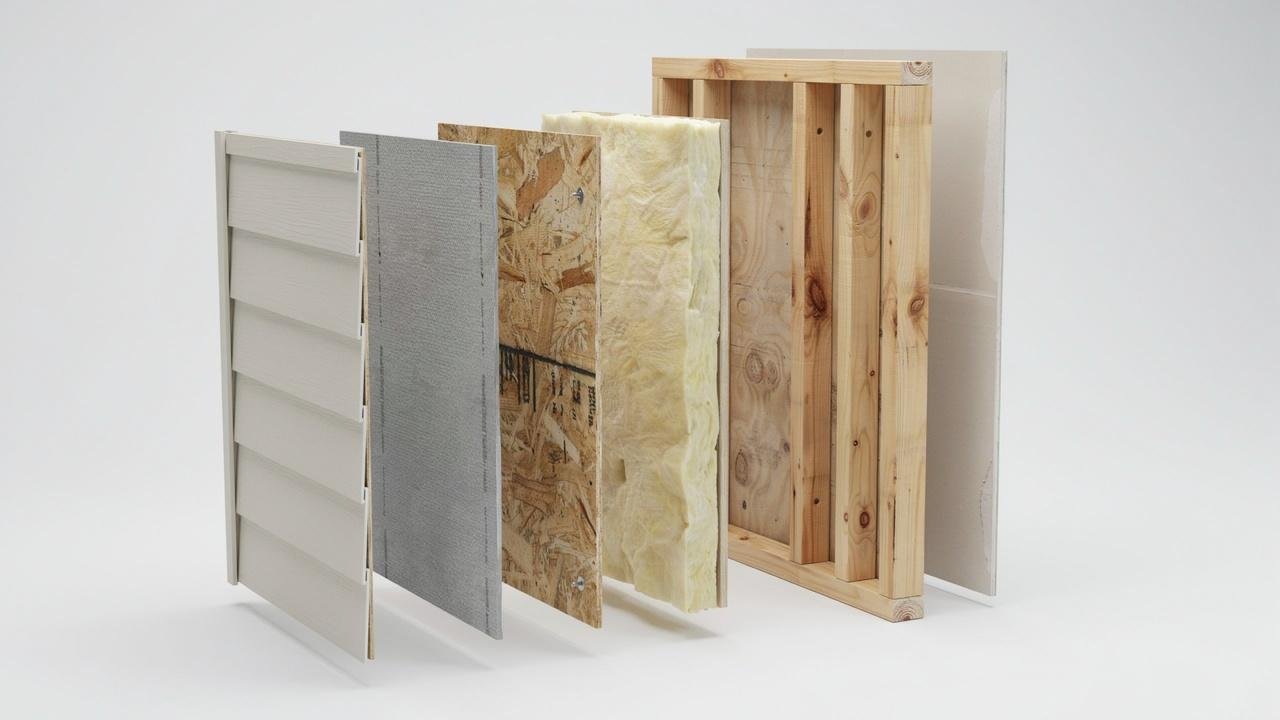
Siding is just the outer layer of a wall. Behind it are a few layers that protect your home.
First comes sheathing, often plywood or OSB. It attaches to the wood frame and gives the siding a solid base.
Next is a water resistant barrier. This stops rain from reaching the wood, while letting moisture inside the wall escape.
Many walls also have insulation behind the siding. It helps keep your home warm in winter and cool in summer.
Under all of this is the wood frame. This holds up the whole house and supports every other layer.
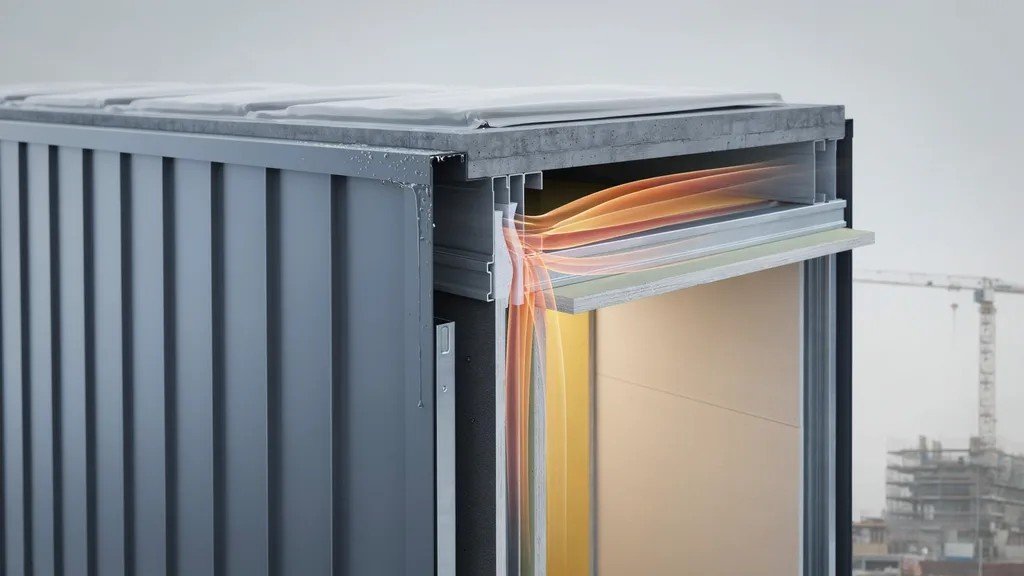
Some siding also has small gaps behind it for airflow. This helps moisture dry out faster, so the wall stays in good shape longer.
House Wrap or Weather-Resistant Barrier (WRB)
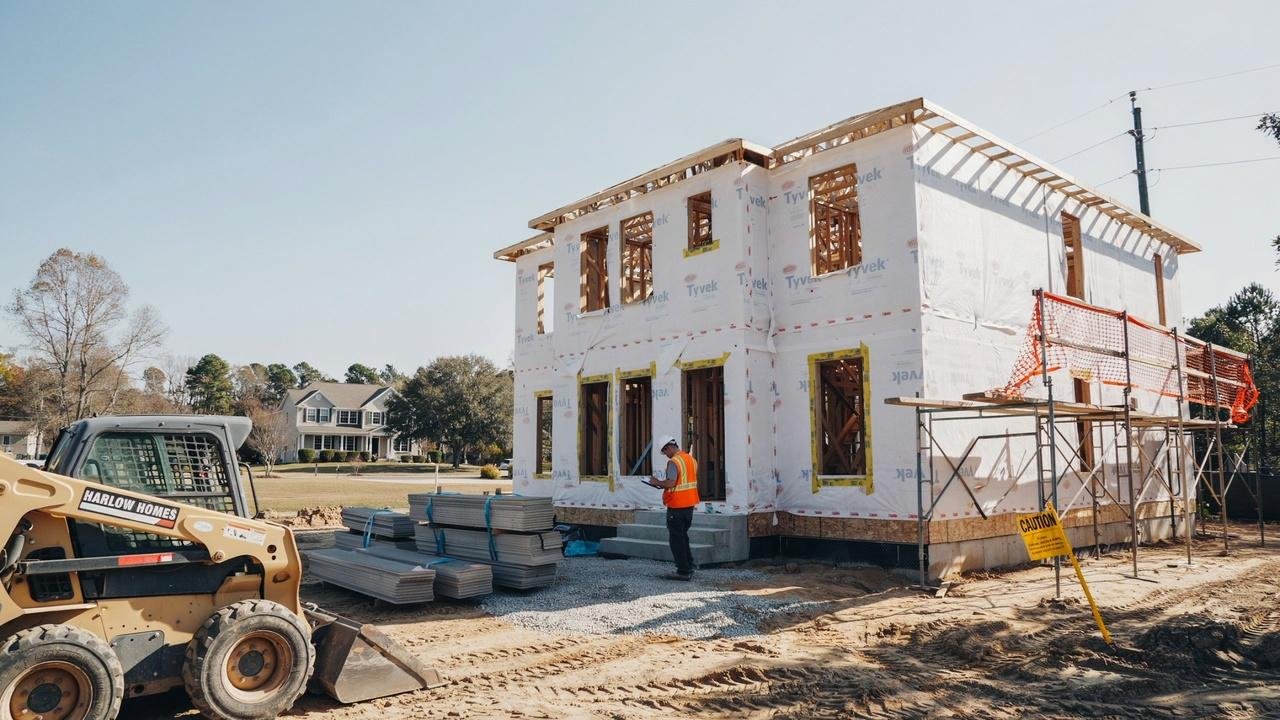
House wrap sits between sheathing and siding. It blocks outside moisture while letting trapped water vapor escape from inside the wall.
What House Wrap Does
House wrap acts as a shield against rain and wind. At the same time, it lets water vapor from inside the home pass through.
This balance keeps walls dry on both sides. Without it, moisture can build up and lead to rot or mold over time.
Common Types of House Wrap
Spun-bond polyolefin sheets are common for their strength and tear resistance. Some homes still use building paper, often called tar paper, which is an older option.
Other builders use liquid-applied barriers. These get sprayed or rolled directly onto the sheathing.
Sheathing
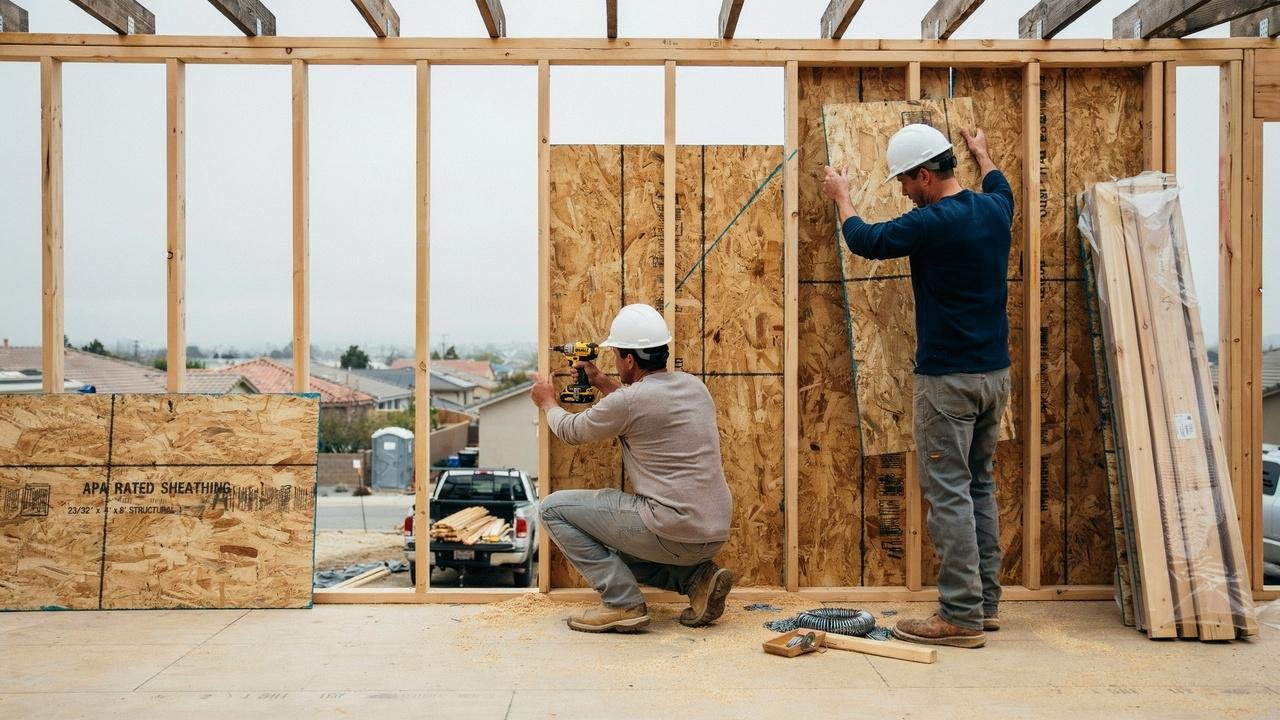
Sheathing is the solid layer attached to wall studs. It adds strength to the frame and gives siding a surface to attach to.
OSB vs. Plywood Sheathing
OSB, or oriented strand board, is made from wood strands pressed together. It costs less and is common in new construction.
Plywood is made from thin wood layers glued together. It resists swelling better than OSB in wet conditions.
Why Sheathing Matters
Sheathing holds the wall together by connecting the studs into one solid surface. It also helps walls resist wind and impact.
Without it, walls would feel weak and siding would have nothing firm to grip.
Insulation Behind Siding
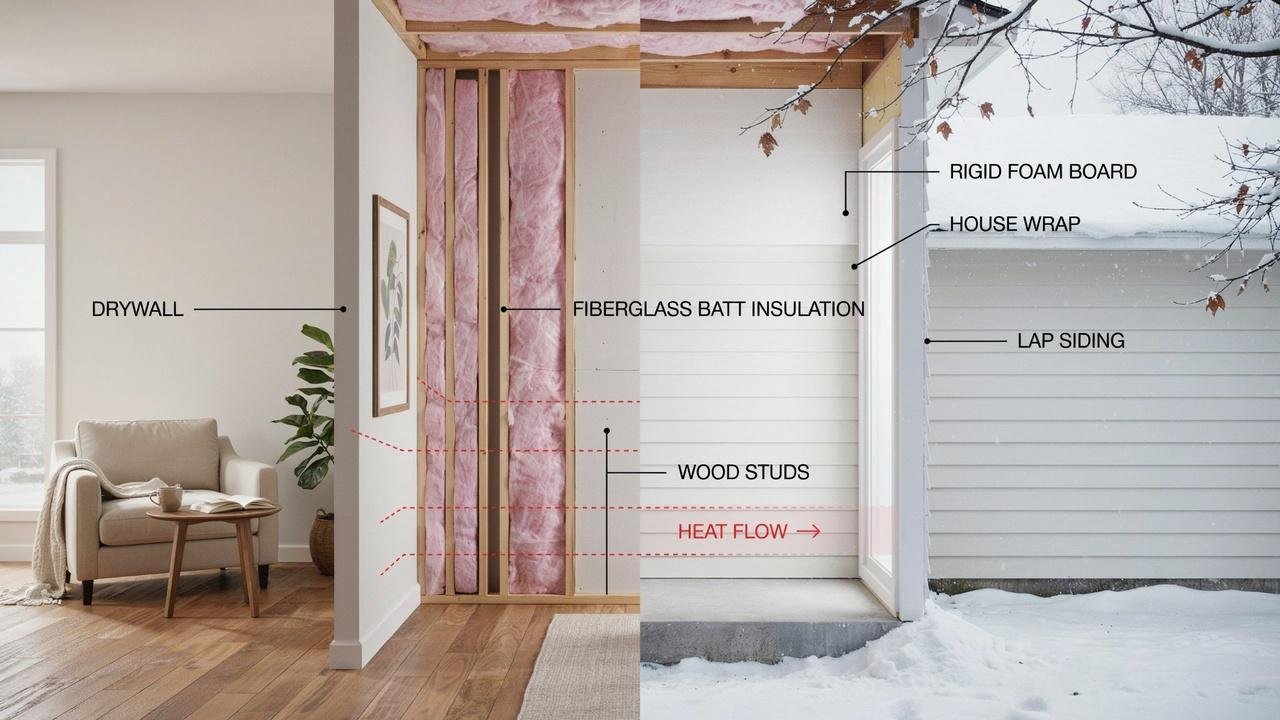
Insulation sits inside or outside wall framing. It slows heat loss and helps keep indoor temperatures steady through the year.
Fiberglass Batt Insulation
Fiberglass batts are common in wall cavities. They come in rolls or pre-cut sections that fit between studs.
This insulation traps air within tiny glass fibers. Trapped air slows down heat movement through the wall.
Spray Foam and Rigid Foam Insulation
Spray foam expands once applied and fills gaps that batts often miss. Rigid foam boards attach directly to sheathing for an extra layer of protection.
Both options reduce air leaks better than batt insulation alone. Many builders combine foam with other insulation types.
How Insulation Improves Energy Efficiency
Good insulation keeps heated or cooled air inside the home. This lowers the strain on heating and cooling systems.
Lower strain means lower energy bills and steadier indoor temperatures.
Structural Framing
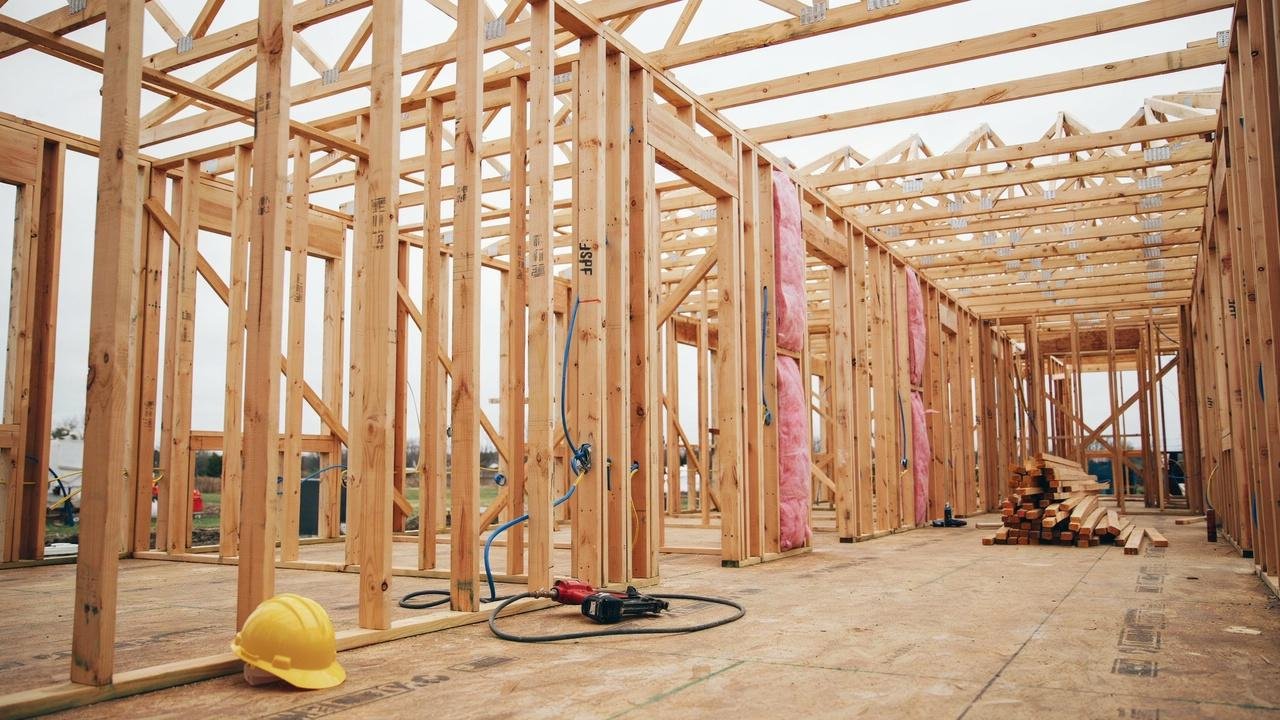
Framing is the wood skeleton behind siding. Studs, headers, and plates form the structure that holds up exterior walls.
Studs and Headers Explained
Studs are vertical boards spaced evenly along a wall. They carry the weight of the roof and upper floors down to the foundation.
Headers sit above windows and doors. They spread weight around these openings so the structure stays stable.
How Framing Supports Exterior Walls
Framing gives walls their shape and strength. Every other layer, from sheathing to siding, attaches to this frame.
If framing is weak or damaged, the whole wall suffers. Builders check it closely before adding other layers.
Flashing and Moisture Protection
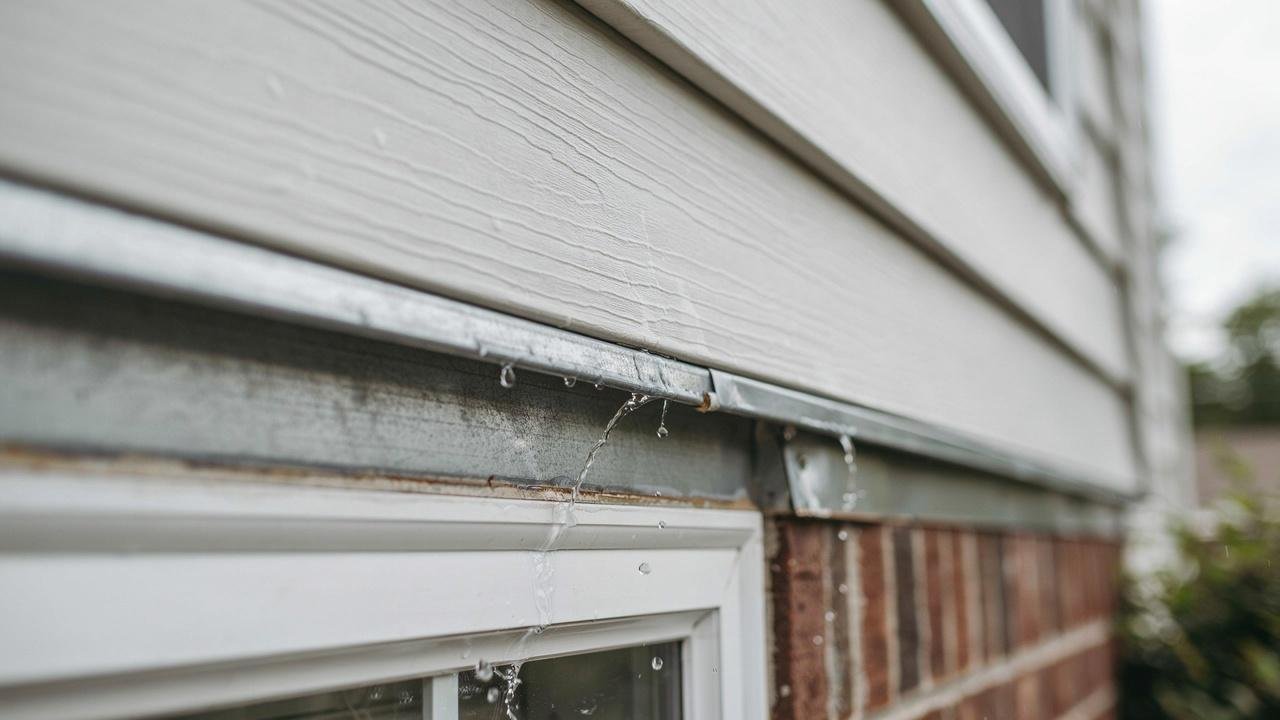
Flashing is thin metal or plastic placed at gaps and joints, and it directs water away from openings in the wall.
You will usually find it around windows, doors, and rooflines, as well as where decks or porches meet the main wall, since any spot where water could enter typically needs flashing, including corners, seams, and pipe openings.
Flashing creates a path for water to flow downward and outward, which keeps water from sitting against wood or insulation.
Without proper flashing, water finds its way into small gaps, and over time this causes rot, mold, and structural damage.
What Is Behind Siding in Older Homes?
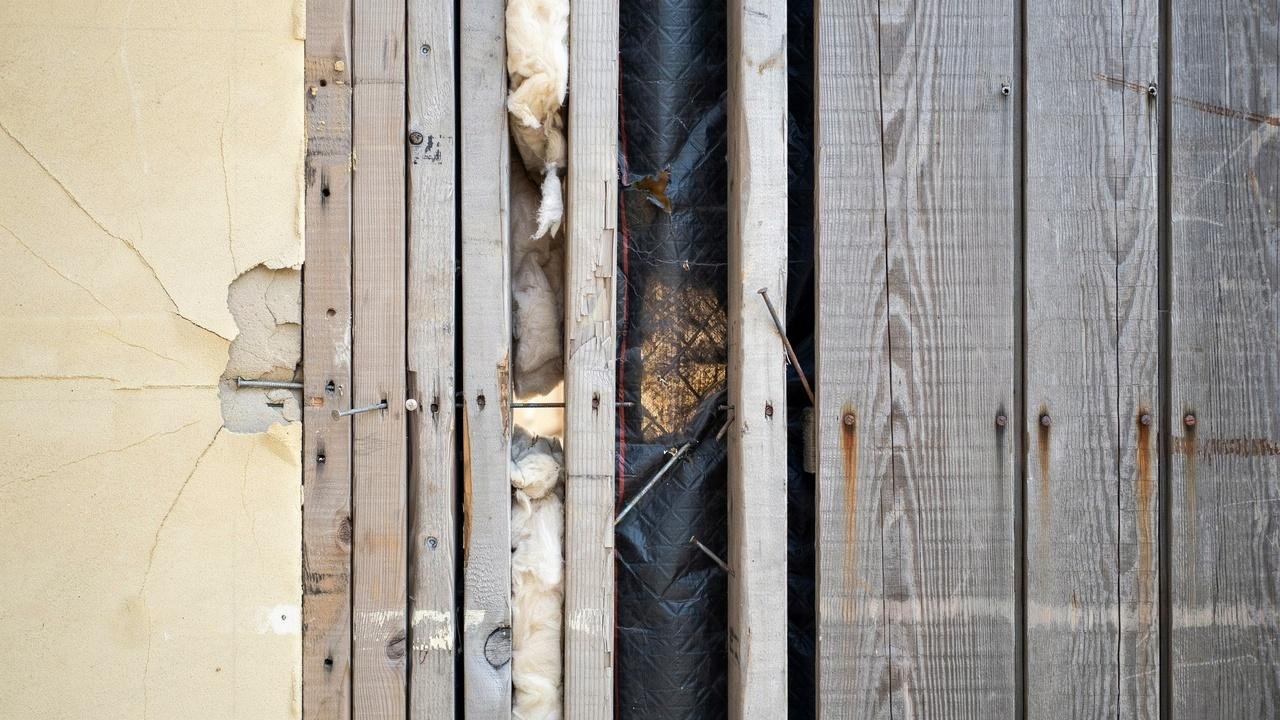
Older homes often used wood plank sheathing and tar paper instead of modern house wrap and OSB panels.
Wood Plank Sheathing and Building Paper
Many older homes have solid wood boards as sheathing, set diagonally or horizontally across the studs.
Building paper, a heavier paper coated in asphalt, often covers this wood and served a similar purpose to house wrap today.
Common Materials Found in Historic Homes
Older walls sometimes include horsehair plaster or newspaper as filler. These were common before modern insulation became standard.
Some homes used board sheathing with no wrap at all. This makes them more prone to drafts and moisture problems.
Signs of Damage Behind Siding
Bubbling paint, soft spots, and musty smells often point to hidden problems building up behind exterior siding.
Water Damage and Mold
Dark stains or peeling paint near seams can signal water behind siding. A musty smell near exterior walls is another warning sign.
Mold grows in damp, dark spaces. If you notice it indoors near outer walls, the cause may sit just behind the siding.
Rotting Sheathing or Framing
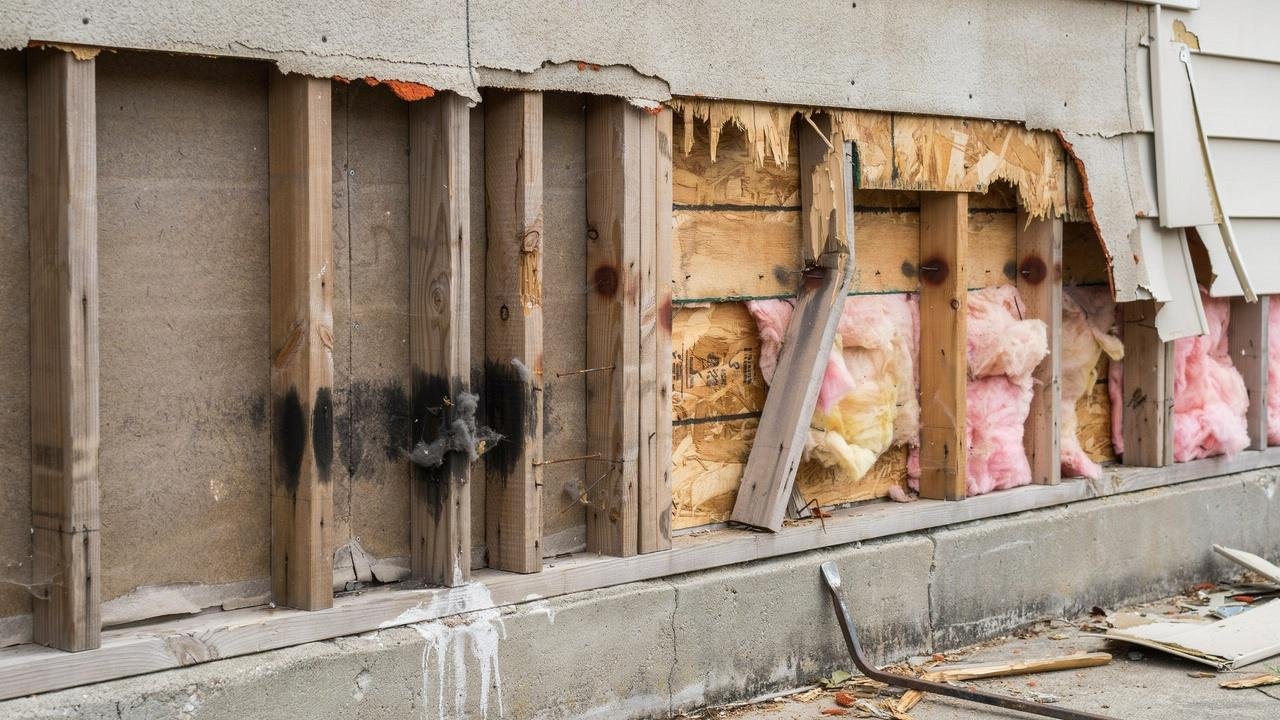
Soft or spongy spots on exterior walls often mean rot underneath. Pressing gently on suspect areas can reveal weak wood.
Rotting framing weakens the whole wall. Left unchecked, it can lead to sagging or structural failure.
Missing or Damaged House Wrap
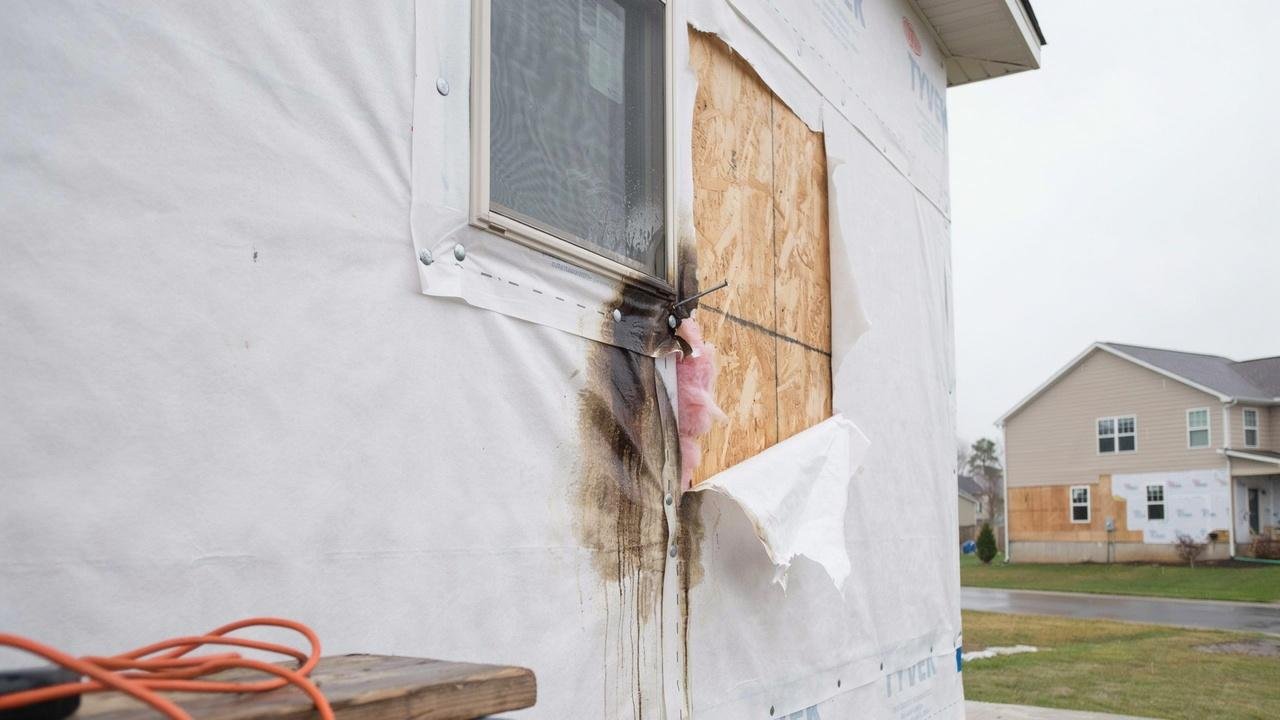
Gaps or tears in house wrap let water sneak through, often around poorly sealed windows or doors. Old, worn wrap loses its ability to block moisture, so replacing it early prevents bigger problems later.
Tips for Inspecting What Is Behind Siding
Regular checks of siding, trim, and nearby walls help catch hidden moisture or structural problems before they spread.
- Walk around your home twice a year and look for cracks, gaps, or loose boards along the siding and trim.
- Pay close attention to corners and joints, since these spots often show the first signs of trouble.
- Check indoor walls near exterior siding for stains or odd smells, and give extra attention to bathrooms and basements near outer walls.
- Address small leaks right away, since quick fixes now can prevent costly repairs later.
- Call a professional if you suspect serious rot or mold, since inspectors can use moisture meters and other tools to check hidden damage without major demolition.
Conclusion
I still remember pulling back a loose piece of siding on my own house and being surprised by what I found underneath.
Knowing what is behind siding changed how I look at every home now, including mine. You do not need to be an expert to notice the small signs that matter.
Take a walk around your house this weekend and see what you spot. If this helped you, drop a comment with what you found, share it with a friend, or check out our other posts on home maintenance.
Frequently Asked Questions
What is behind siding on most homes?
Most homes have layers of sheathing, house wrap, and framing behind the siding. Some homes also include insulation between these layers.
Is there always insulation behind siding?
Not always, since older homes often skip insulation in exterior walls. Newer homes usually include fiberglass batts or foam boards for better energy efficiency.
How do I know if there is moisture behind my siding?
Look for stains, bubbling paint, or a musty smell near exterior walls. Soft or spongy spots on siding can also point to trapped moisture.
Can I check what is behind siding without removing it?
A professional can use moisture meters to check without major demolition. This helps spot hidden problems before they spread.
How often should I inspect what is behind my siding?
Walking around your home twice a year is a good habit. Regular checks help catch small issues before they turn into costly repairs.