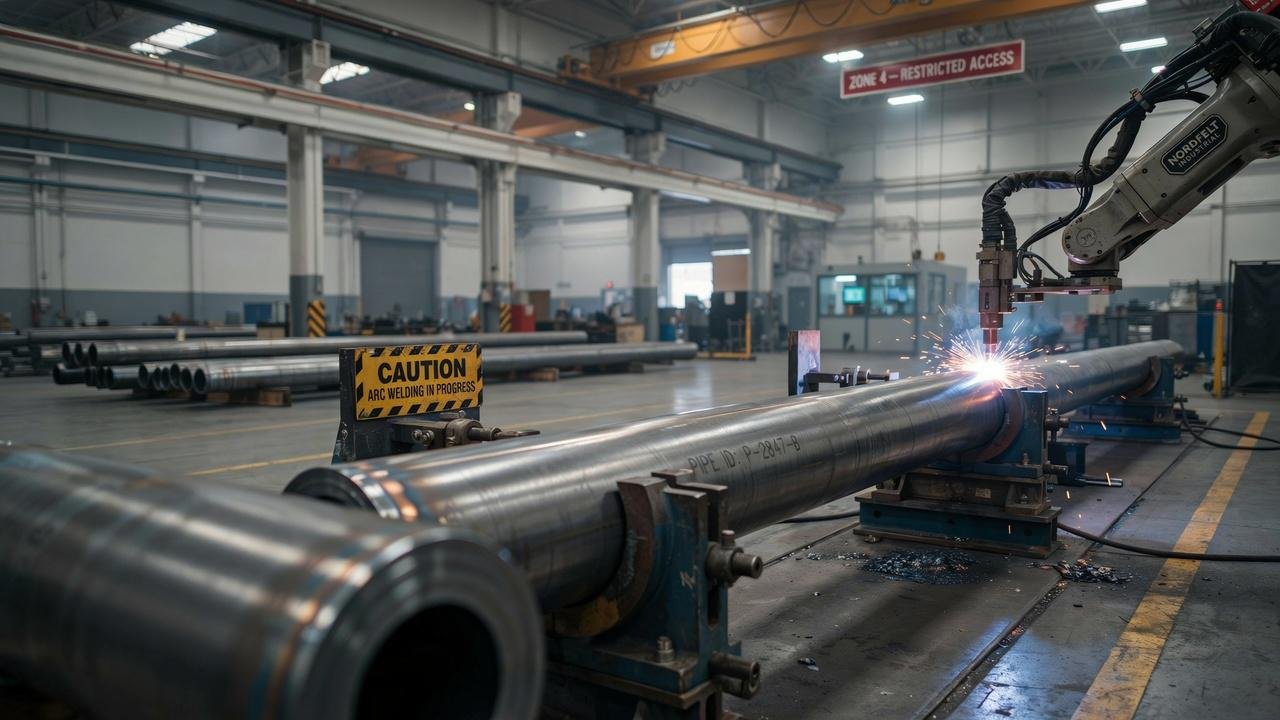
Metal parts wear out fast in tough conditions. Heat, friction, and chemicals slowly damage equipment until it fails. That's a costly problem for any business.
This guide explains weld overlay cladding, a process that adds a tough protective layer to metal surfaces. You'll learn what it is, how it works, and why so many industries rely on it.
We'll cover the full process, common methods, materials used, and real benefits. You'll also find tips on choosing the right service provider.
Our team has worked closely with welding experts and industrial clients for years. This guide reflects what actually works on the job, not just theory.
By the end, you'll know exactly how this process can protect your equipment and cut costs.
What Is Weld Overlay Cladding?
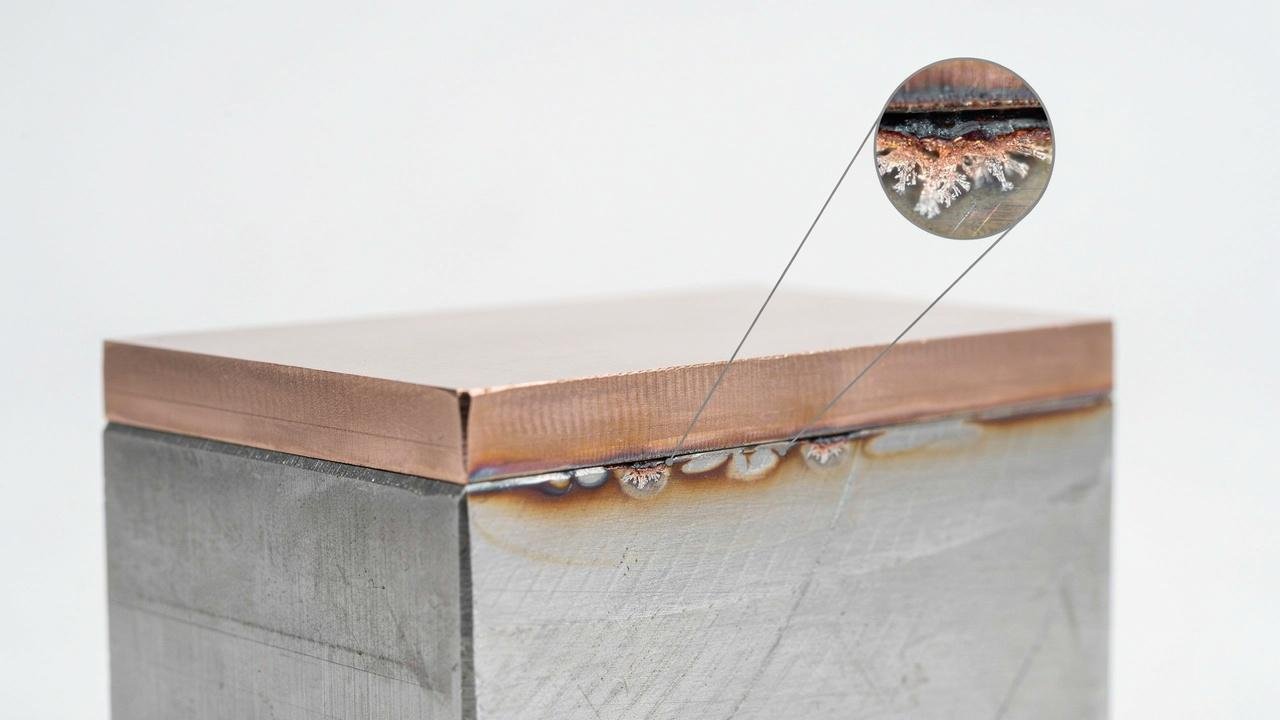
A welding process that bonds a protective metal layer onto a base material to resist damage.
Weld overlay cladding is a process where a layer of metal is welded onto a base material. This added layer protects the surface from damage.
It's commonly used on pipes, valves, and other industrial parts that face heavy wear.
The base metal stays the same. Only the surface gets a new, tougher layer bonded to it through heat and fusion.
Why Weld Overlay Cladding Is Important
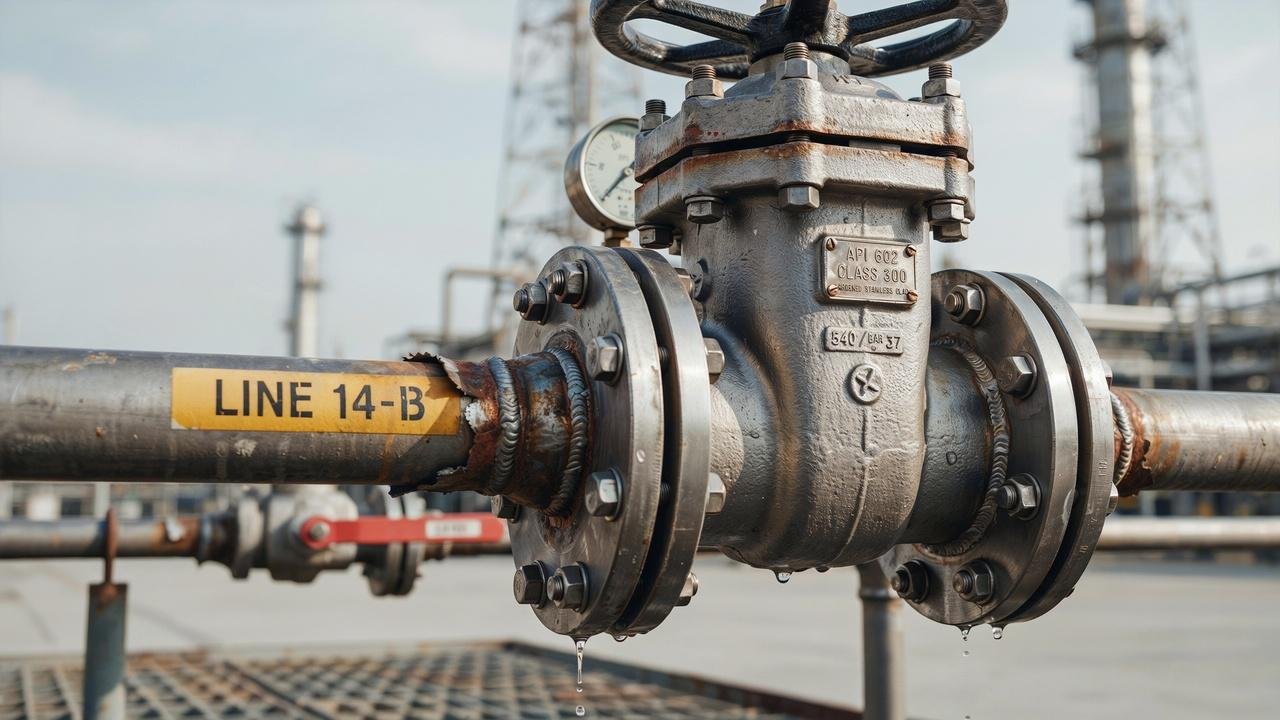
It protects equipment from corrosion and wear while extending service life and reducing overall costs.
Protection Against Corrosion
Metal parts exposed to chemicals or moisture rust over time. A weld overlay adds a barrier that stops corrosion from reaching the base metal.
Improved Wear Resistance
Friction and constant movement wear down surfaces. The overlay layer is built to handle this stress without breaking down quickly.
Extended Equipment Service Life
When parts are protected, they last longer. This means fewer breakdowns and longer gaps between repairs.
Cost-Effective Alternative to Full Component Replacement
Replacing a whole part is expensive. Weld overlay cladding repairs and strengthens existing parts at a much lower cost.
The Weld Overlay Cladding Process
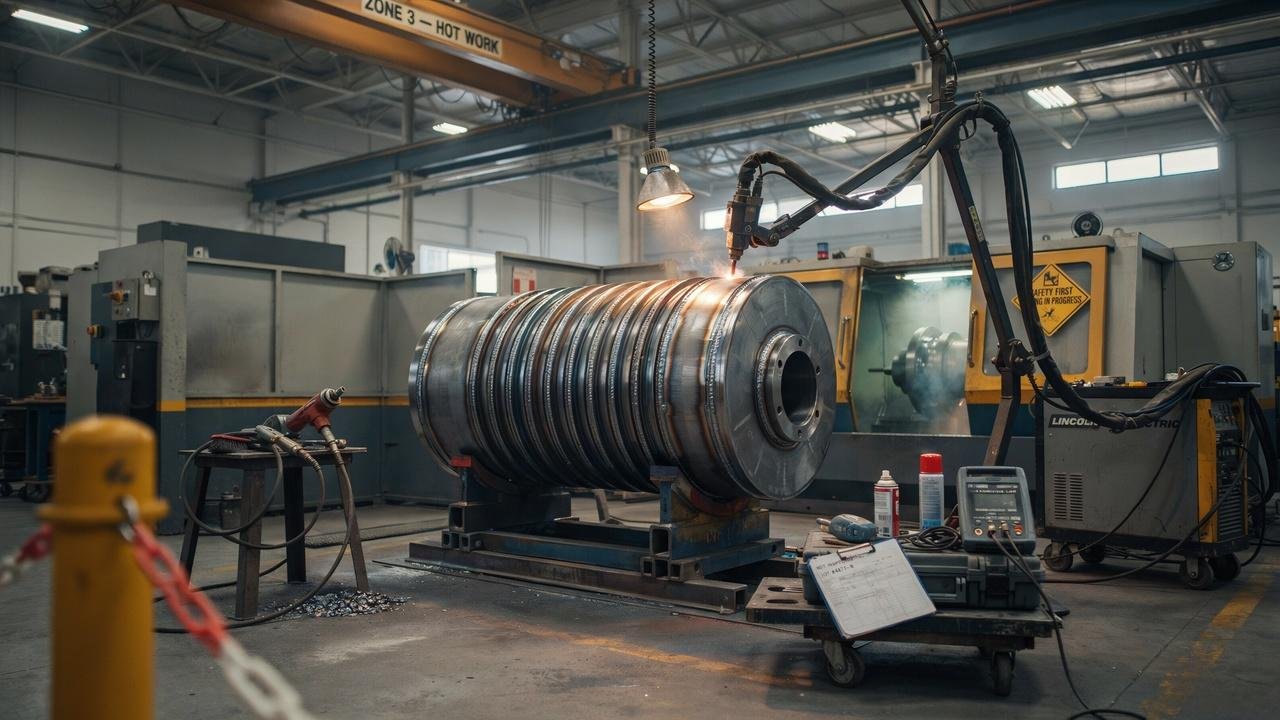
Covers surface prep, material choice, application, bonding, and final inspection for quality and durability.
Surface Preparation
The metal surface is cleaned and prepped before welding. Dirt, rust, or grease can weaken the bond, so this step matters a lot.
Material Selection
The right overlay material depends on the job. Factors like heat, pressure, and chemical exposure guide this choice.
Applying the Overlay Material
The chosen metal is melted and applied onto the base surface using a welding method suited to the task.
Fusion and Bonding to the Base Metal
Heat causes the overlay to fuse with the base metal. This creates a strong, lasting bond between both layers.
Inspection and Quality Control
Once the overlay cools, it's checked for cracks, gaps, or weak spots. This step confirms the work meets safety standards.
Common Weld Overlay Cladding Methods
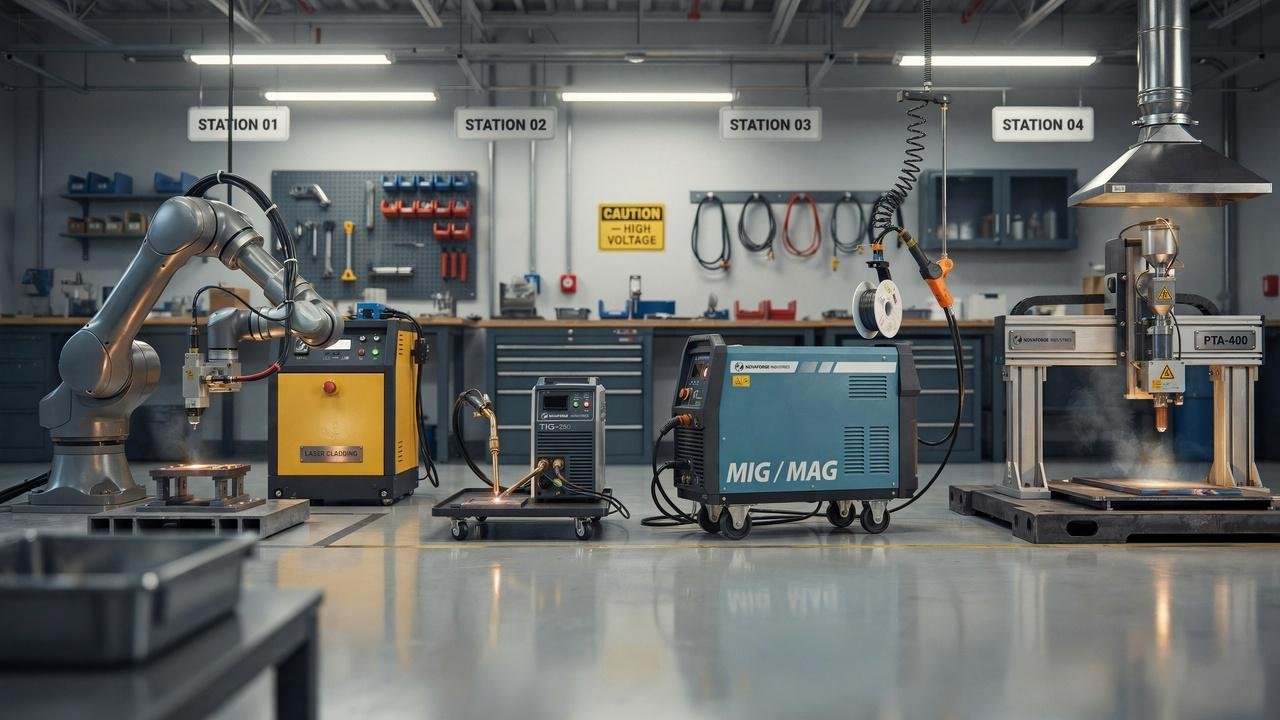
Different welding techniques used to apply overlay material, each suited to specific jobs and budgets.
Laser Cladding:Uses a laser to melt metal powder onto the surface. It offers high precision and a clean finish.
Shielded Metal Arc Welding (SMAW): A basic, reliable method using a coated electrode. It works well for simple repair jobs.
Metal Inert Gas (MIG) Welding:Uses a continuous wire feed and gas shield. It's fast and works well for larger surfaces.
Tungsten Inert Gas (TIG) Welding:Offers more control and a cleaner weld. Often used for detailed or smaller parts.
Plasma Transferred Arc (PTA) Welding:Uses a plasma arc to apply metal powder. It gives a strong, even coating with low waste.
Submerged Arc Welding (SAW):The weld is formed under a layer of flux. It's suited for thick, heavy-duty coatings.
Materials Used in Weld Overlay Cladding
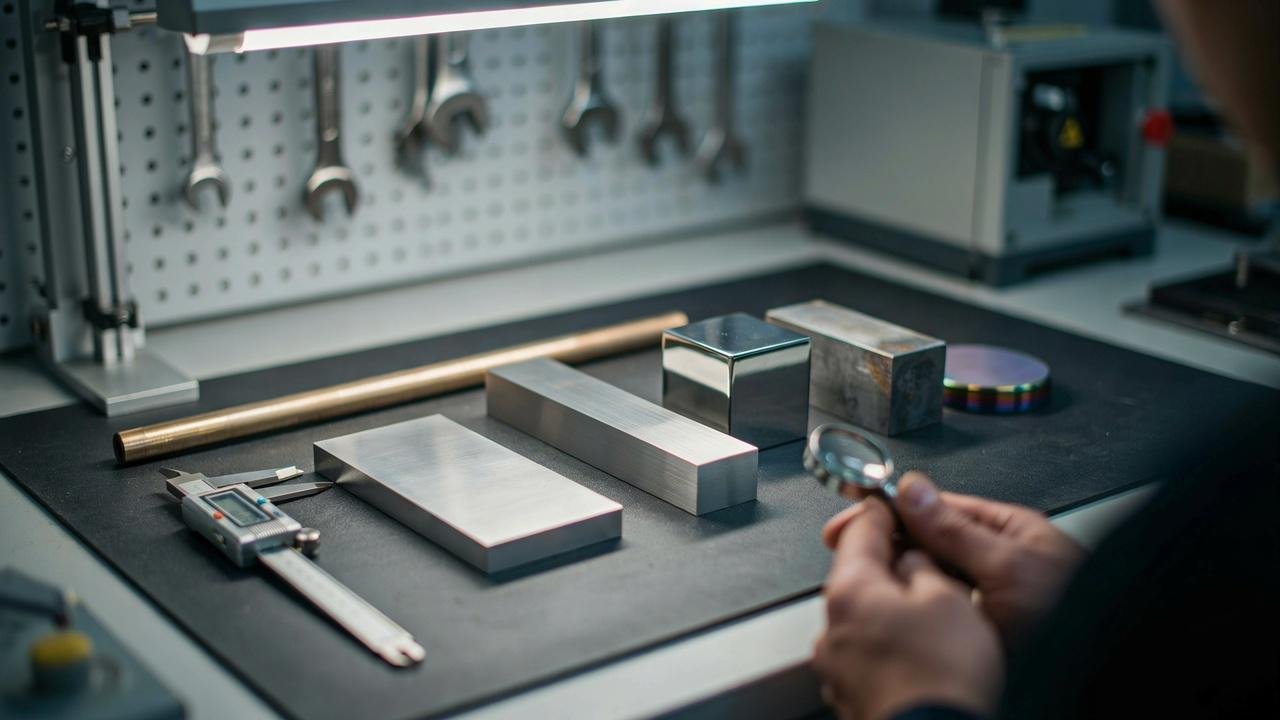
Common alloys like stainless steel, nickel, Inconel, and chromium chosen based on the working environment.
Stainless Steel Overlays:Good general protection against rust and moderate wear. Affordable and widely available.
Nickel-Based Alloys: Handle high heat and chemical exposure well. Common in oil and gas equipment.
Inconel Alloys: Built for extreme heat and pressure. Often used in power plants and aerospace parts.
Hastelloy Alloys:Strong resistance to acids and corrosive chemicals. Used in chemical processing plants.
Chromium-Based Alloys:Great for wear resistance in machinery with heavy friction or abrasion.
Factors That Influence Material Selection:Choices depend on temperature, chemical exposure, type of wear, and the base metal being coated.
Benefits of Weld Overlay Cladding
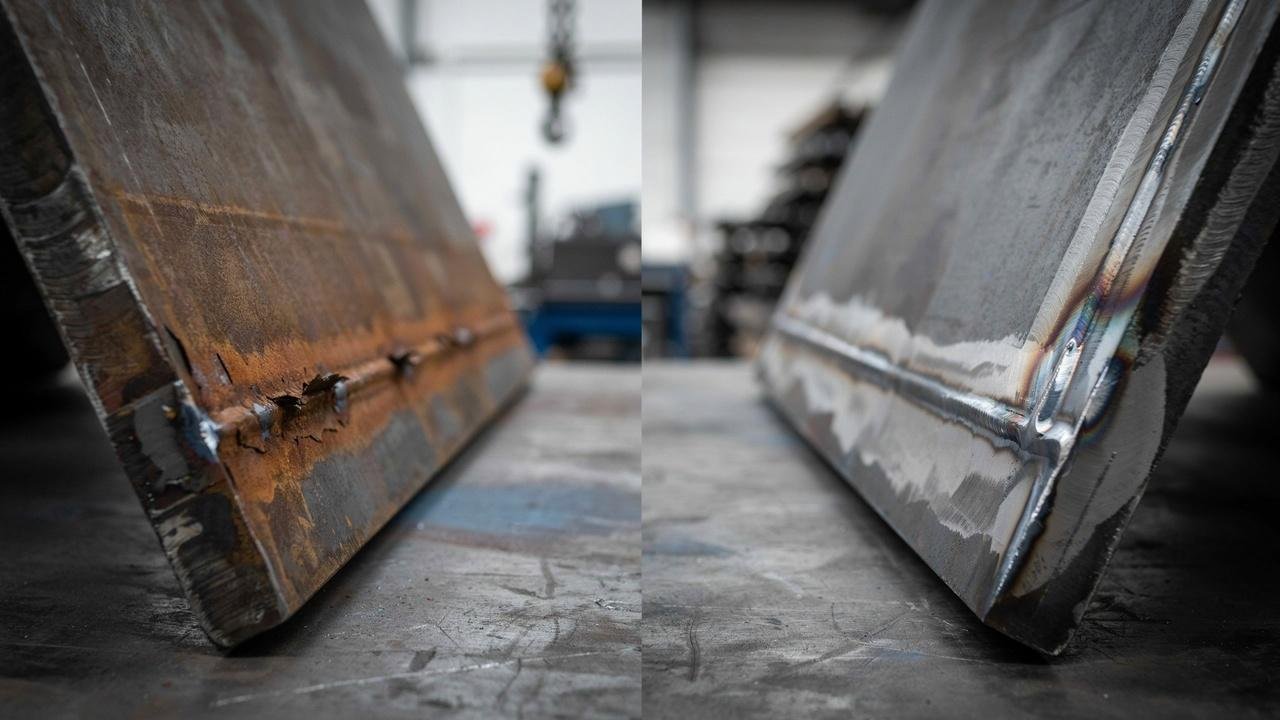
Better corrosion and wear resistance, lower maintenance costs, and stronger performance in harsh settings.
- Keeps rust and chemical damage away from critical parts.
- Helps parts withstand constant friction without breaking down fast.
- Fewer repairs mean lower spending over time.
- Parts work better and fail less often.
- Only a thin layer is added, so less material is used compared to full replacements.
- Equipment holds up even under high heat, pressure, or chemical exposure.
Industrial Applications of Weld Overlay Cladding
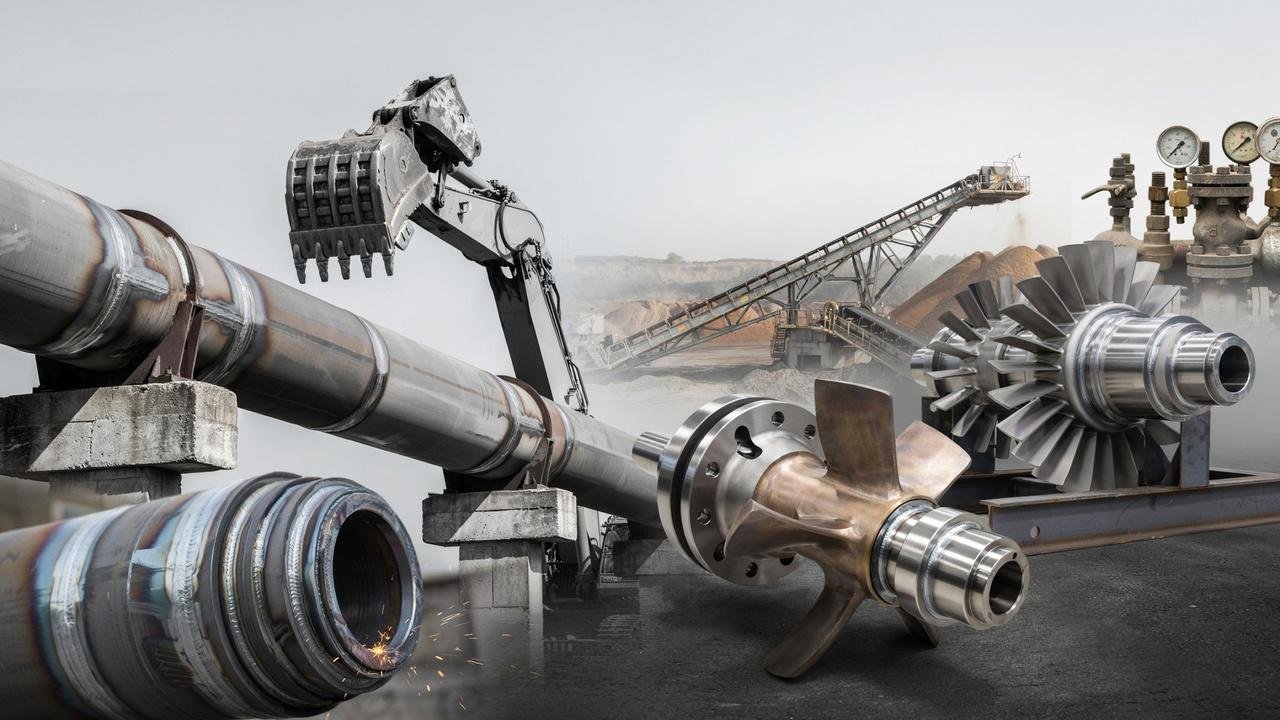
Used across oil and gas, mining, power plants, marine equipment, and heavy machinery industries.
Oil and Gas Industry:Used on valves, pipes, and drilling tools exposed to harsh chemicals.
Petrochemical Processing:Protects tanks and reactors from corrosive substances.
Power Generation Facilities:Applied to boilers and turbines that face extreme heat.
Mining and Heavy Equipment:Protects machinery parts from constant abrasion and impact.
Water and Wastewater Treatment:Used on pumps and valves exposed to moisture and chemicals.
Construction Equipment:Heavy machinery parts get extra strength against daily wear.
Manufacturing and Industrial Machinery:Keeps production equipment running longer with less downtime.
Marine and Offshore Applications:Protects metal parts from saltwater corrosion and constant wear.
Laser Weld Overlay Cladding: Advantages and Applications
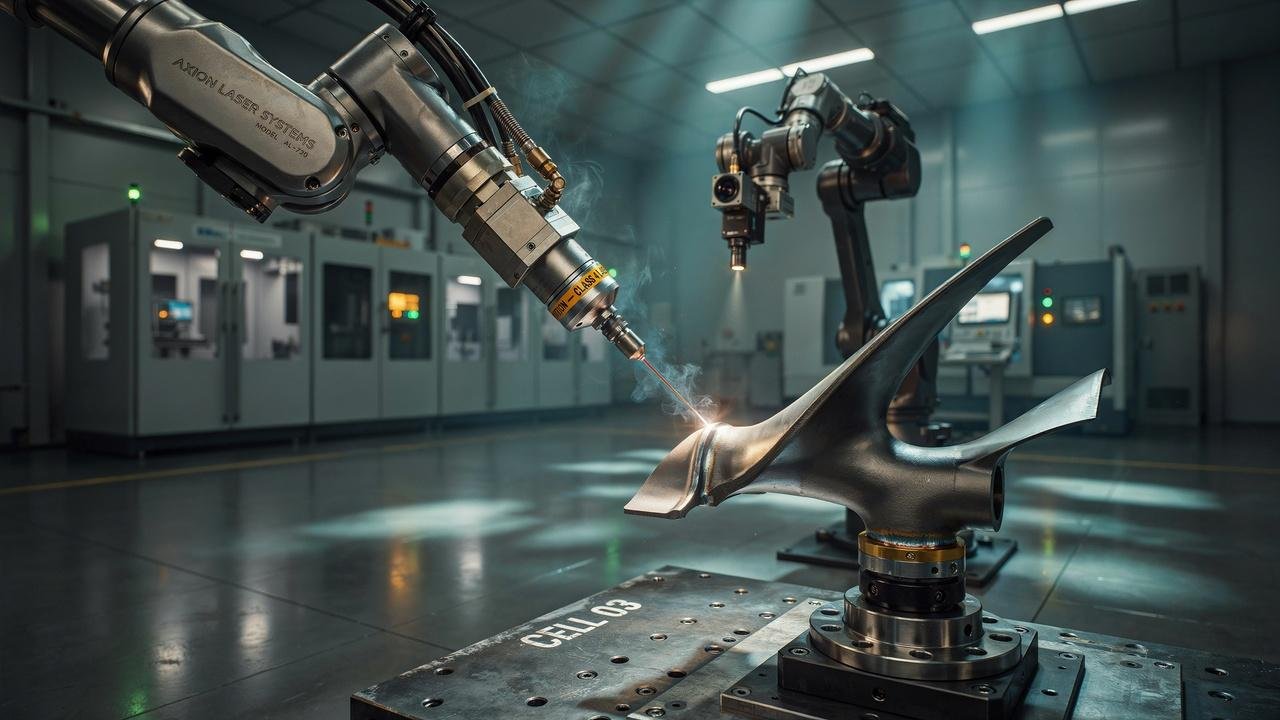
A precise method offering low dilution, minimal heat damage, and a clean surface finish. Less mixing between overlay and base metal means stronger, purer coatings.
Less heat spreads to surrounding metal, reducing distortion. Produces smoother results that often need little extra work.
Saves time since less grinding or finishing is needed afterward.
Best for precision parts like turbine blades, valves, and small components needing exact control.
Factors to Consider Before Choosing Weld Overlay Cladding
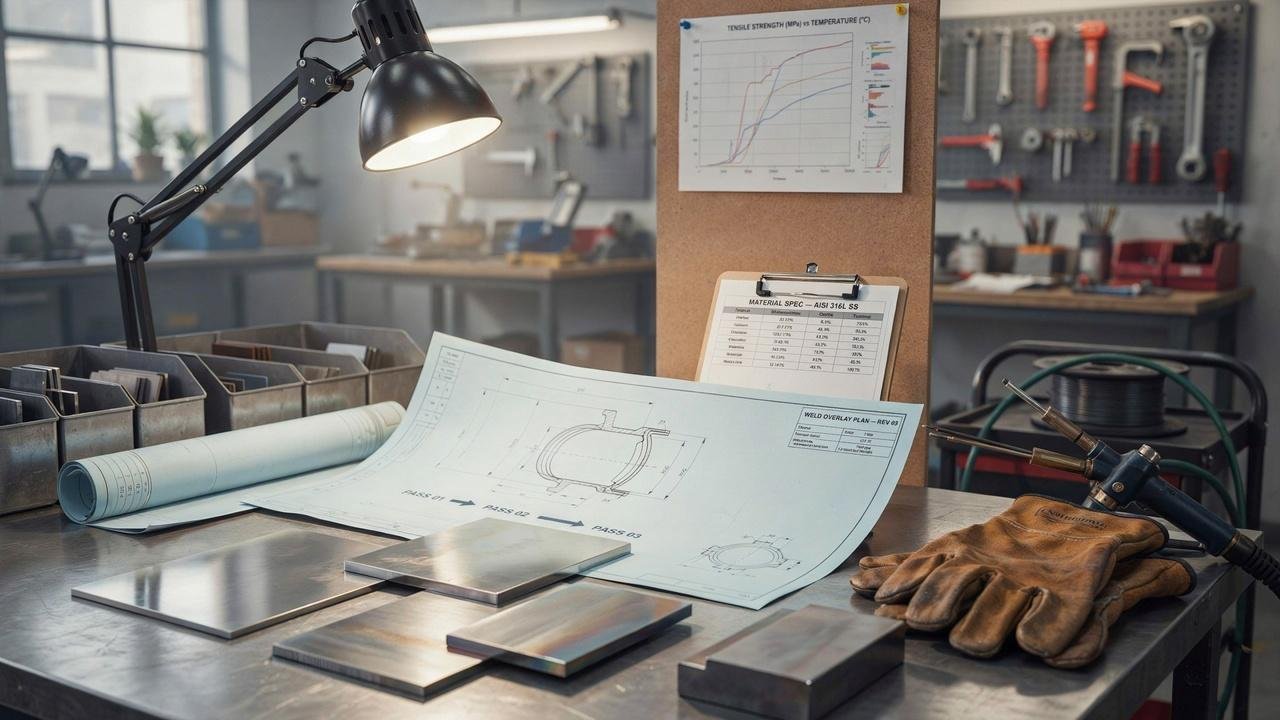
Key points include environment, wear type, base metal, budget, and required performance standards.
Operating Environment
Think about heat, moisture, and chemical exposure the part will face.
Type of Wear or Corrosion
Different problems need different overlay materials.
Base Metal Compatibility
The overlay must bond well with the original metal.
Budget and Lifecycle Costs
Look beyond the upfront price to long-term savings.
Required Performance Characteristics
Match the overlay to how the part will be used daily.
Weld Overlay Cladding vs. Component Replacement
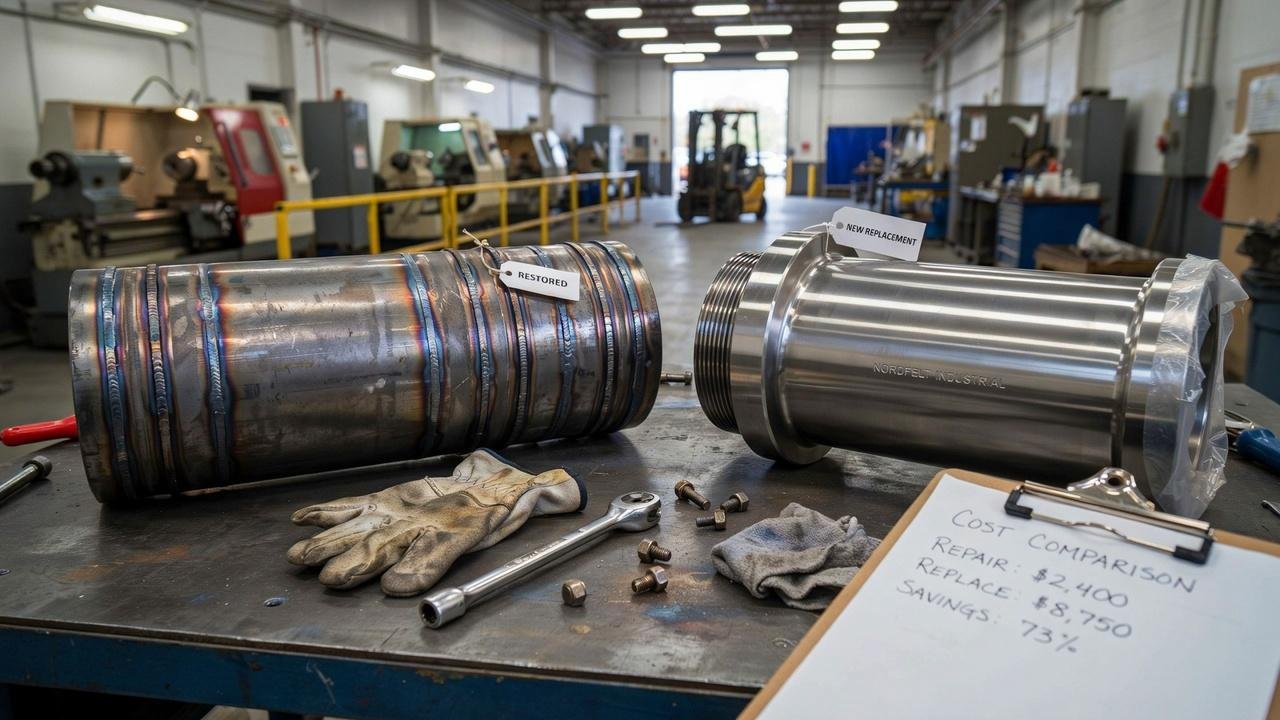
Compares cost, downtime, long-term value, and sustainability between cladding and full part replacement.
Cladding usually costs less than buying brand new parts. Repairs often take less time than full replacements.
Cladding extends the life of existing assets instead of starting over. Less material waste and fewer discarded parts mean a smaller environmental footprint.
Common Challenges and Limitations
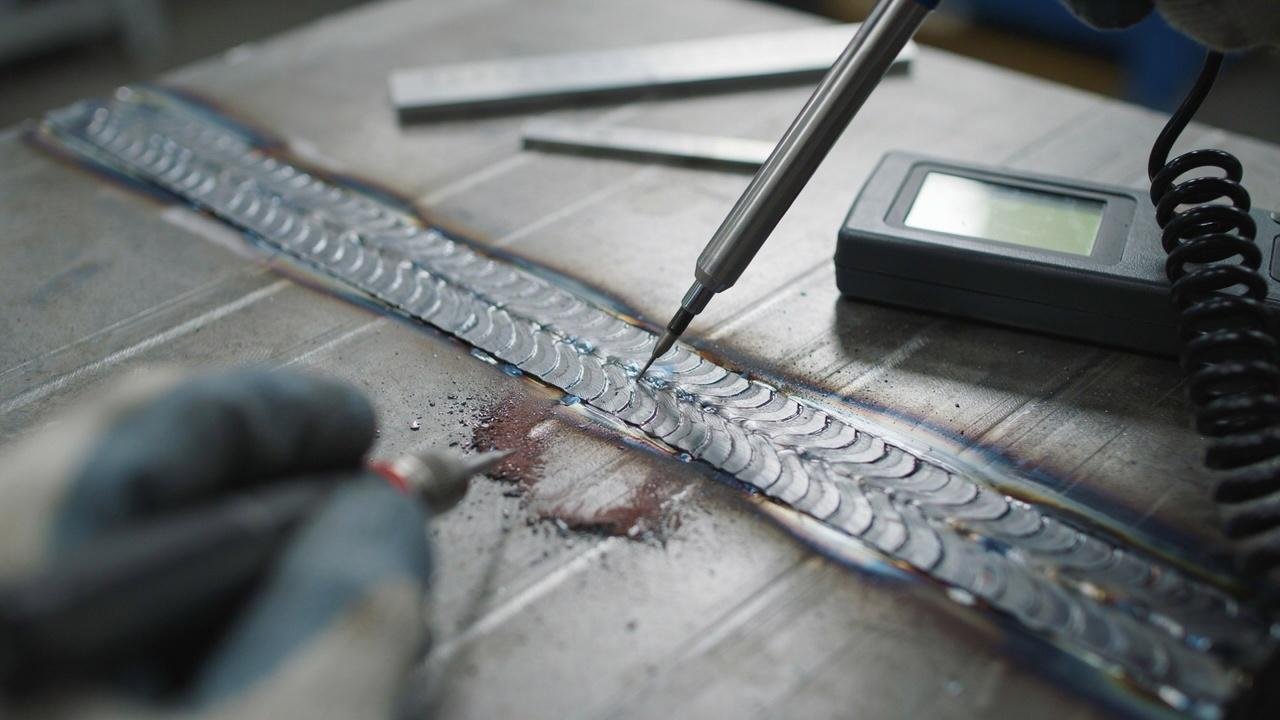
Covers material matching issues, process selection, heat control, and the need for skilled welders.
- Not every overlay works with every base metal. Testing matters.
- Picking the wrong method can lead to weak or uneven coatings.
- Too much heat can warp the part or weaken the bond.
- A trained welder makes the difference between a strong bond and a failed one.
How to Choose the Right Weld Overlay Cladding Service Provider
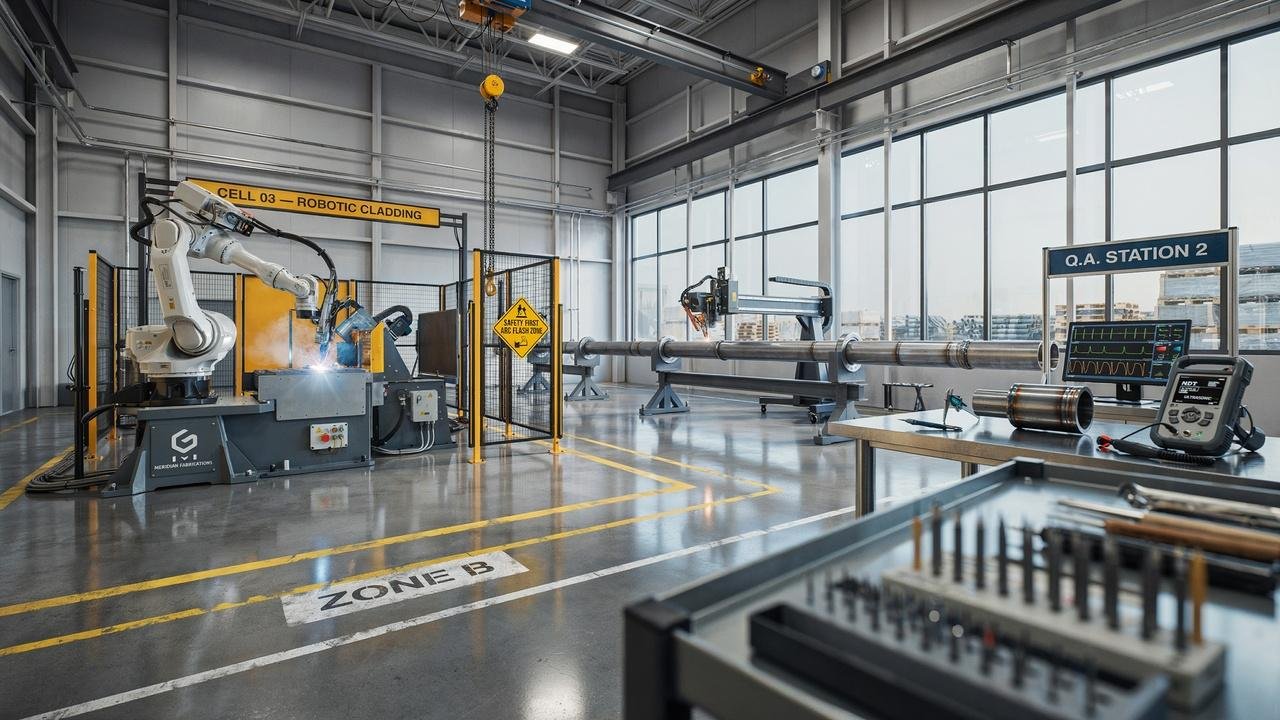
What to look for: experience, technology options, certifications, and proper testing capabilities.
Look for a provider with a solid track record in your specific industry. Check if they offer multiple methods suited to different needs.
Proper certifications show the provider meets safety and quality standards. A good provider tests their work thoroughly before handoff.
Tips for Successful Weld Overlay Cladding
Practical advice on materials, prep work, heat control, inspections, and choosing experienced professionals.
- Select overlay materials based on operating conditions.
- Prepare surfaces thoroughly before welding.
- Choose the most appropriate cladding process for the application.
- Control heat input to reduce distortion and dilution.
- Conduct quality inspections after cladding.
- Consider lifecycle costs rather than initial costs alone.
- Schedule regular maintenance inspections.
- Partner with experienced weld overlay cladding professionals.
Conclusion
We've covered a lot here, from the basics of weld overlay cladding to the methods and materials that make it work.
By now, you have a clearer picture of how it can protect your equipment and save you money down the road.
I've seen firsthand how a good overlay job can save a business thousands in replacement costs. It really pays to get it right.
If this helped you, drop a comment below or share it with someone who might need it. Got questions? Check out our other guides too.
Frequently Asked Questions
How Long Does Weld Overlay Cladding Last?
It can last many years depending on the material and conditions it faces.Proper application and regular maintenance help extend its lifespan even further.
Which Industries Benefit Most From Weld Overlay Cladding?
Oil and gas, mining, power generation, and marine industries benefit the most.Any field dealing with heavy wear or corrosion sees major value from it.
What Materials Can Be Used for Weld Overlay Cladding?
Common choices include stainless steel, nickel alloys, Inconel, and Hastelloy.The right material depends on heat levels, chemical exposure, and wear type.
Is Laser Cladding Better Than Traditional Overlay Methods?
Laser cladding offers more precision, lower heat damage, and a smoother finish.Traditional methods still work well, especially for larger or thicker coatings.
Can Weld Overlay Cladding Repair Worn Components?
Yes, it can restore worn surfaces and add a fresh layer of protection.This often costs much less than replacing the entire component outright.